
Search
- Teakettle, 1868-1881 - Cast iron pots, pans, kettles, skillets, and other utensils have been essential in American kitchens for centuries. Cooks used these utilitarian objects to prepare meals and heat water in hearths or -- by the mid-1800s -- atop coal or wood-burning stoves. Lighter and easier-to-clean materials began replacing heavy cast iron cookware beginning in the late 19th century, but cast iron still has a place in many cooks' kitchens.
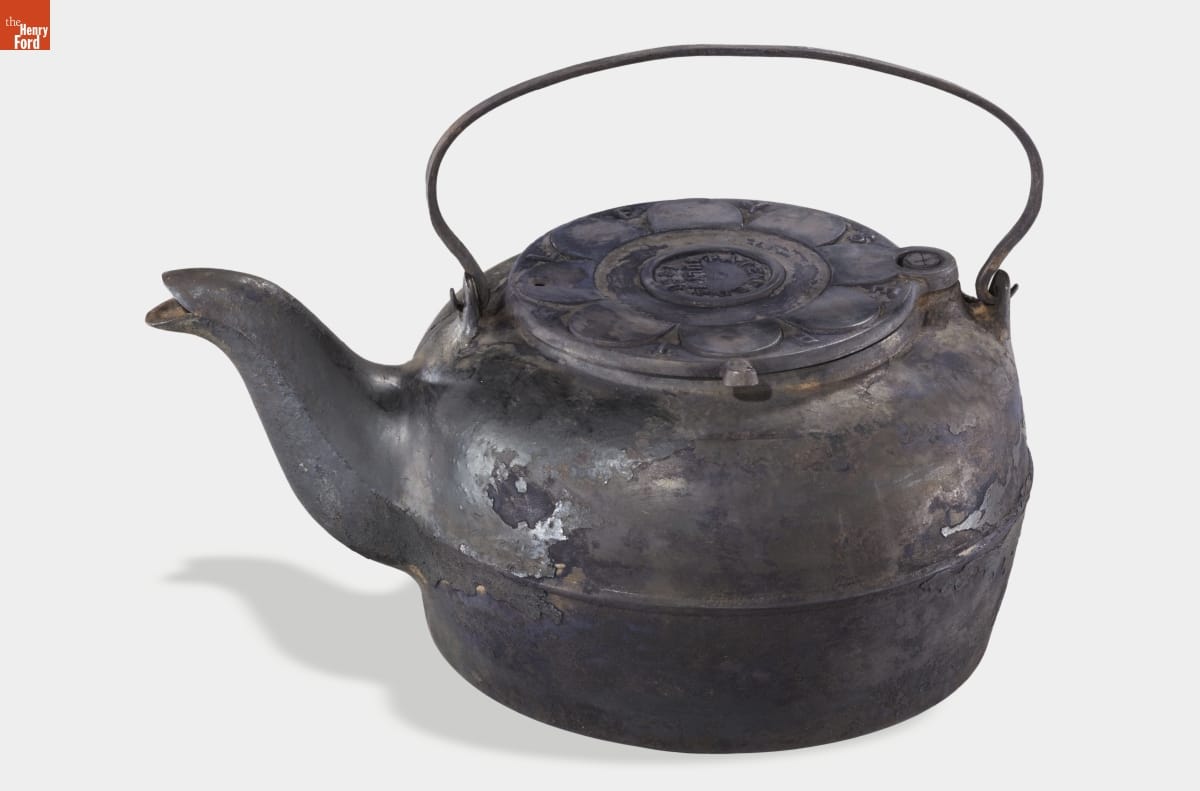
- 1868-1881
- Collections - Artifact
Teakettle, 1868-1881
Cast iron pots, pans, kettles, skillets, and other utensils have been essential in American kitchens for centuries. Cooks used these utilitarian objects to prepare meals and heat water in hearths or -- by the mid-1800s -- atop coal or wood-burning stoves. Lighter and easier-to-clean materials began replacing heavy cast iron cookware beginning in the late 19th century, but cast iron still has a place in many cooks' kitchens.
- Teakettle -
- Collections - Artifact
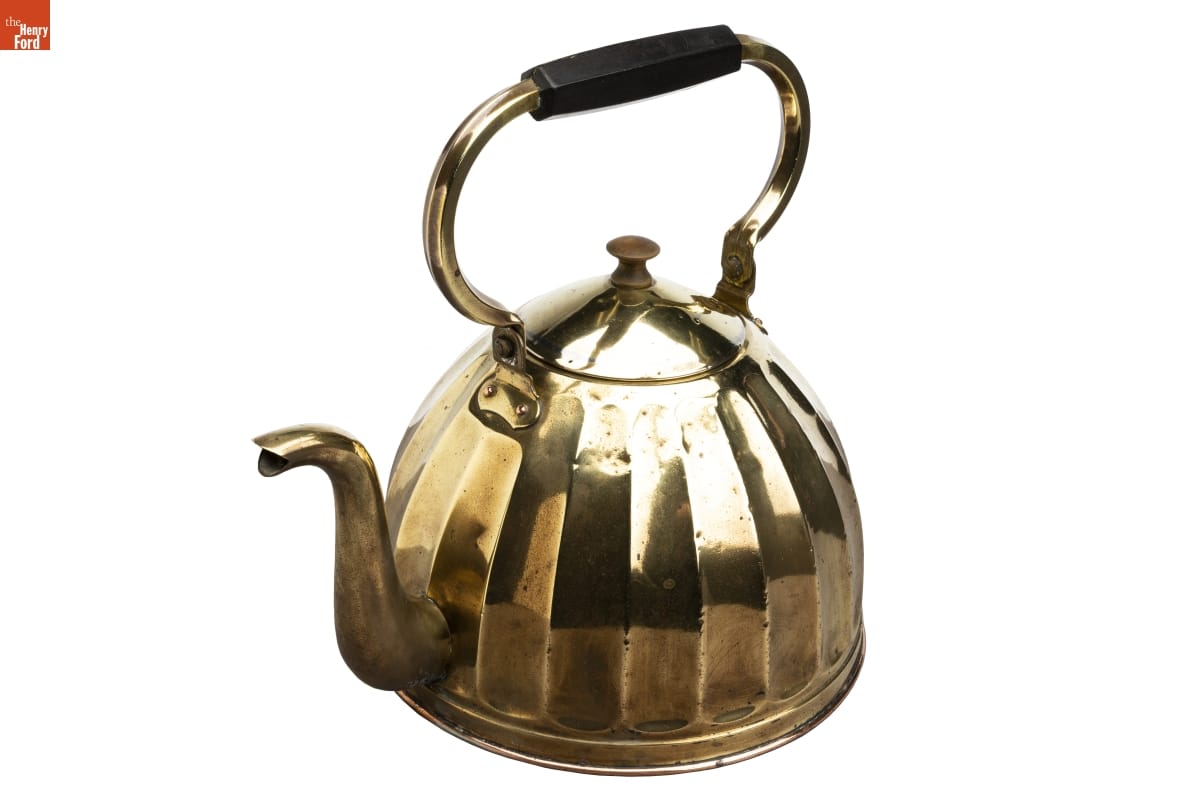
Teakettle
- Teakettle -
- Collections - Artifact
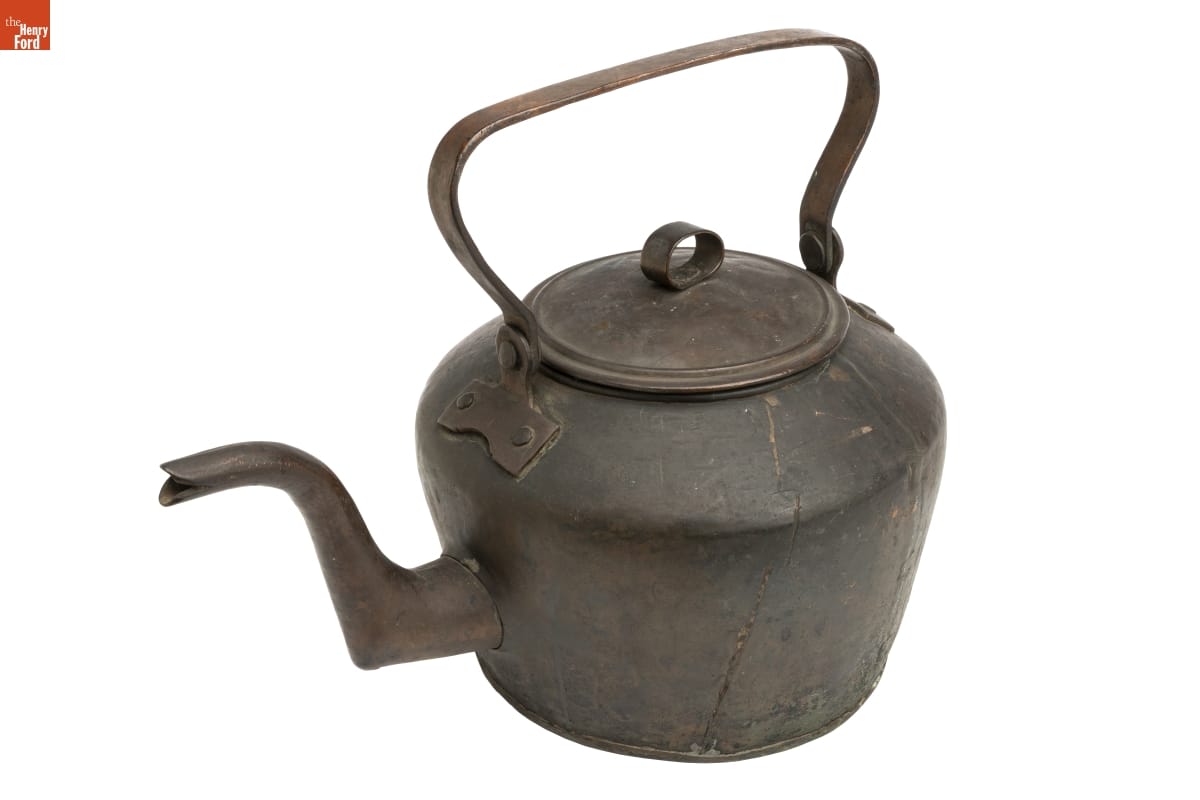
Teakettle
- Child's Handkerchief, 1945-1955 - Before disposable tissues became popular, people carried cloth handkerchiefs to help with sneezes and sniffles. Children's versions were made with images and in colors designed to appeal to these smaller folk.
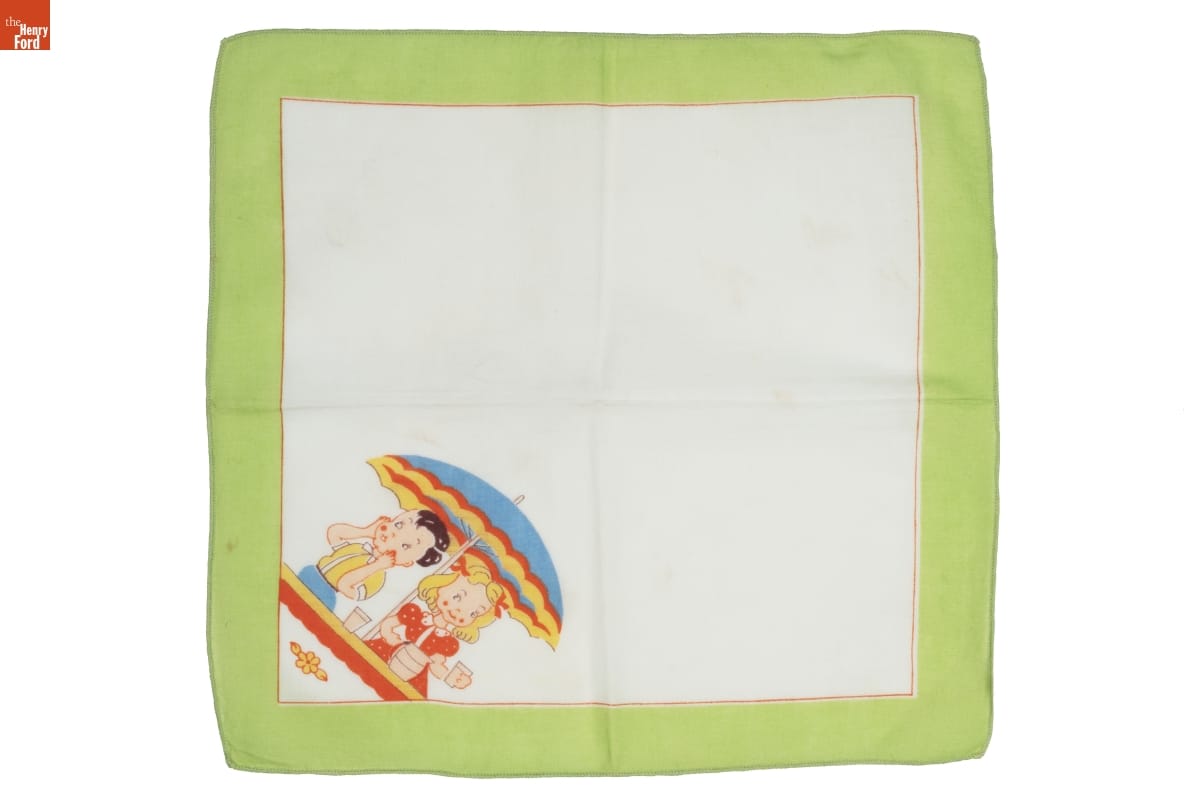
- 1945-1955
- Collections - Artifact
Child's Handkerchief, 1945-1955
Before disposable tissues became popular, people carried cloth handkerchiefs to help with sneezes and sniffles. Children's versions were made with images and in colors designed to appeal to these smaller folk.
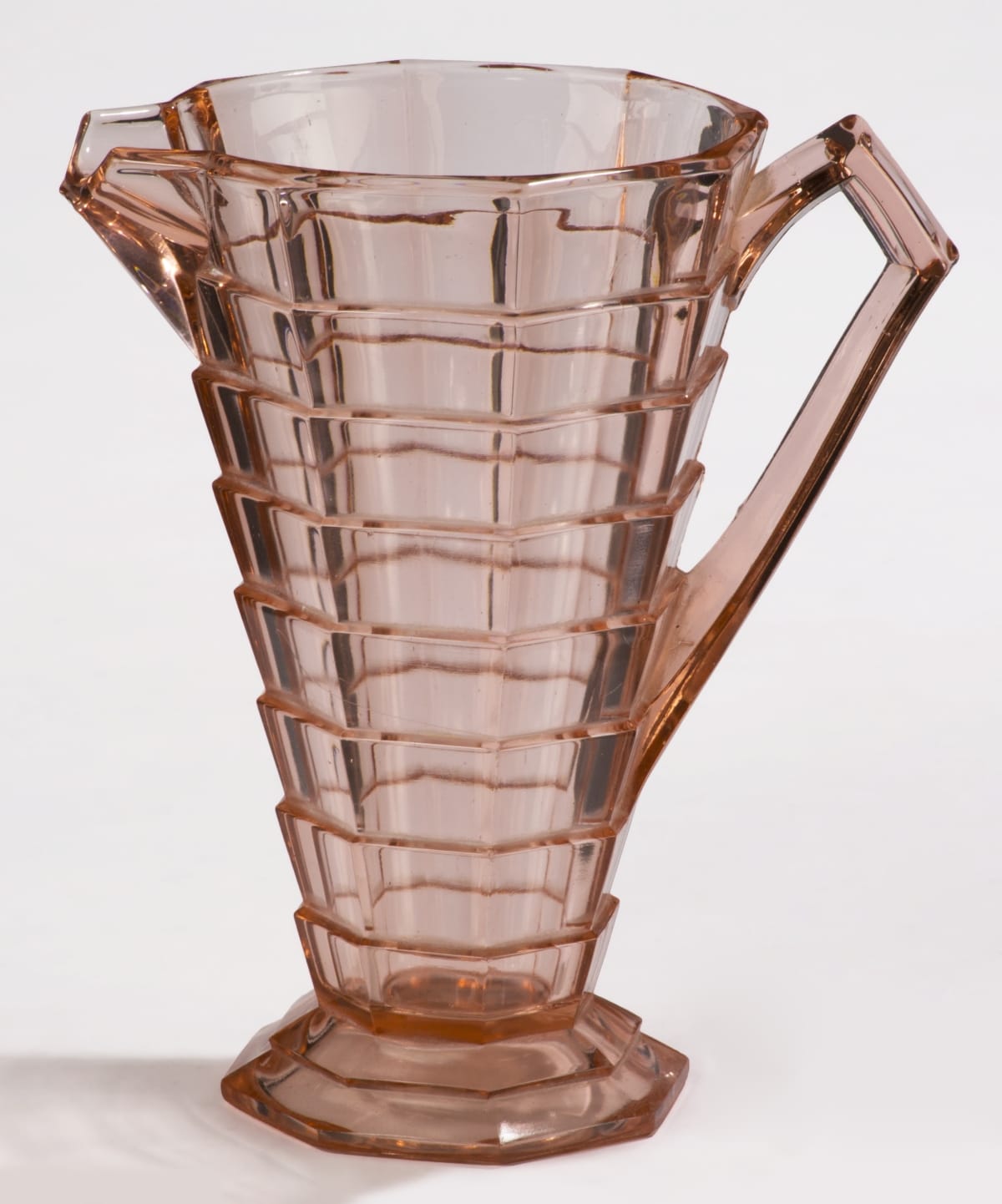
- Pitcher, 1926-1931 - This footed pitcher is part of a larger dinnerware service produced by the Indiana Glass Company of Dunkirk, Indiana. Known as "Depression Glass" these wares were distributed free, or at low cost, in the United States around the time of the Great Depression of the 1930s. The stepped or zig-zag design is the epitome of the Art Deco style, popular at that time.
- 1926-1931
- Collections - Artifact
Pitcher, 1926-1931
This footed pitcher is part of a larger dinnerware service produced by the Indiana Glass Company of Dunkirk, Indiana. Known as "Depression Glass" these wares were distributed free, or at low cost, in the United States around the time of the Great Depression of the 1930s. The stepped or zig-zag design is the epitome of the Art Deco style, popular at that time.
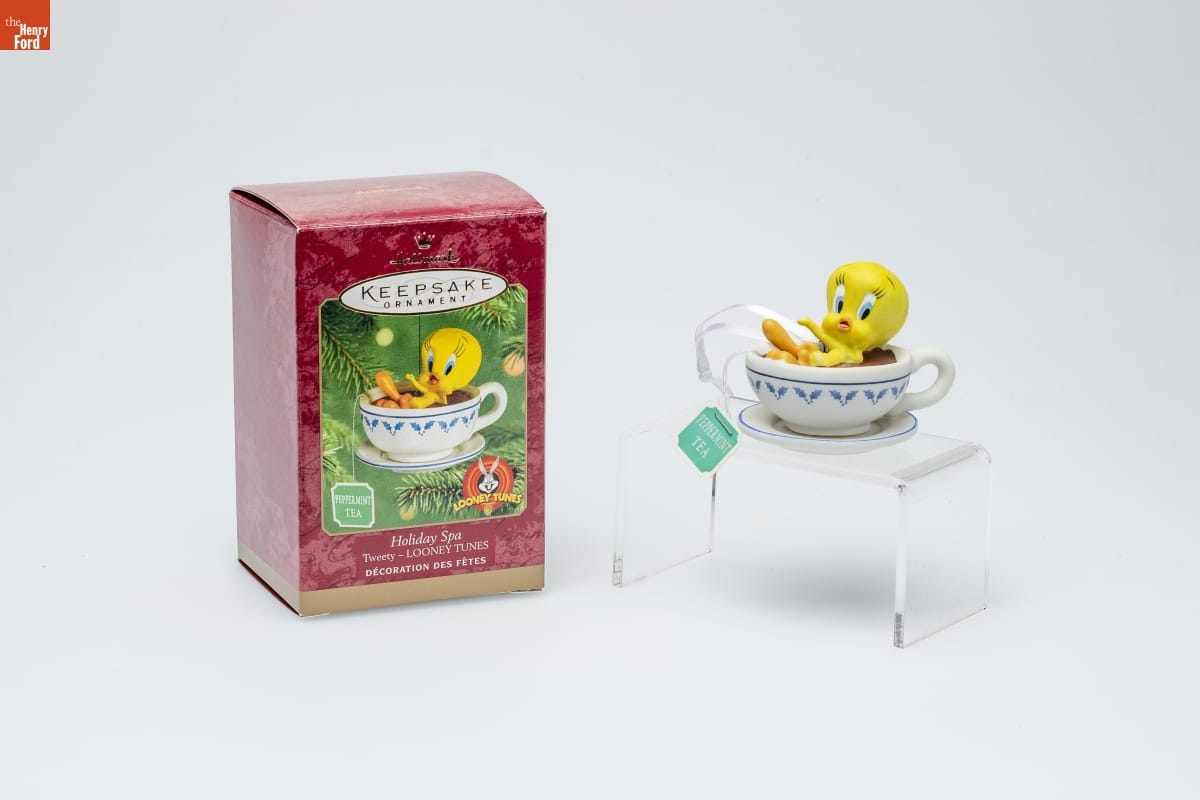
- Hallmark "LOONEY TUNES Tweety: Holiday Spa" Christmas Ornament, 2001 - Already known for greeting cards, Hallmark introduced a line of Christmas ornaments in 1973. The company's annual release of an increasing array of ornaments revolutionized Christmas decorating, appealing to customers' interest in marking memories and milestones as well as expressing one's personality and unique tastes.
- 2001
- Collections - Artifact
Hallmark "LOONEY TUNES Tweety: Holiday Spa" Christmas Ornament, 2001
Already known for greeting cards, Hallmark introduced a line of Christmas ornaments in 1973. The company's annual release of an increasing array of ornaments revolutionized Christmas decorating, appealing to customers' interest in marking memories and milestones as well as expressing one's personality and unique tastes.
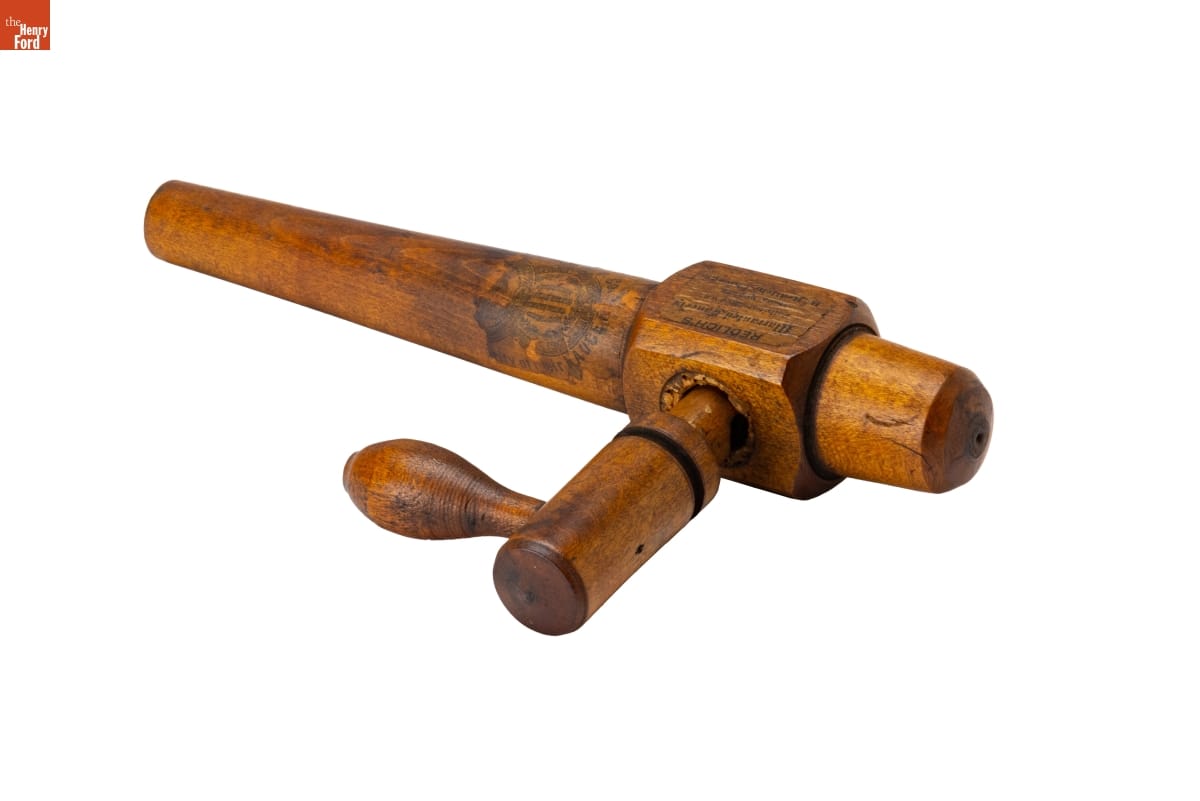
- Spigot, 1890-1950 -
- 1890-1950
- Collections - Artifact
Spigot, 1890-1950
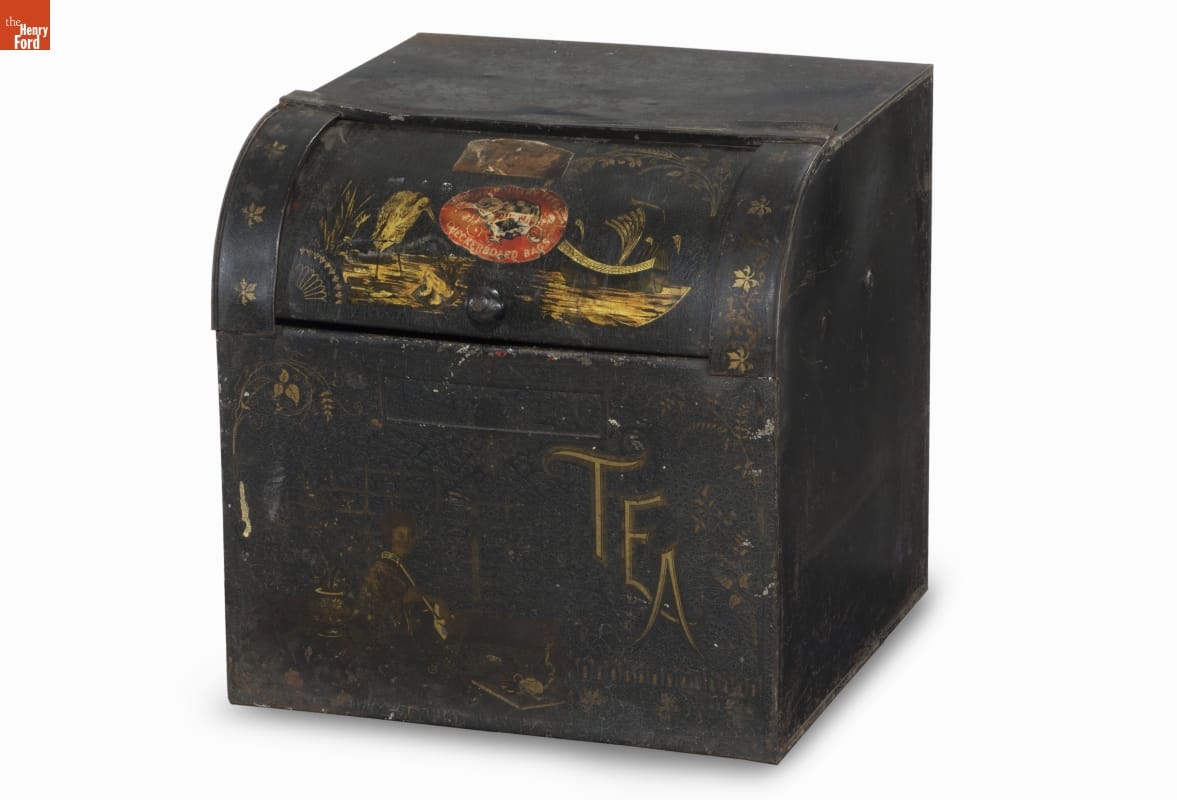
- Tea Canister, 1873-1885 - Before products like coffee, tea, and spices were individually packaged with company labels and logos grocers dispensed them from metal bins and canisters. These large tin containers were not only a convenient storage place that kept products dry, but their colorful painted, printed, and stenciled decorations provided an attractive display on the store's shelves and counters.
- 1873-1885
- Collections - Artifact
Tea Canister, 1873-1885
Before products like coffee, tea, and spices were individually packaged with company labels and logos grocers dispensed them from metal bins and canisters. These large tin containers were not only a convenient storage place that kept products dry, but their colorful painted, printed, and stenciled decorations provided an attractive display on the store's shelves and counters.
- Whiskey Bottle, 1860-1875 -
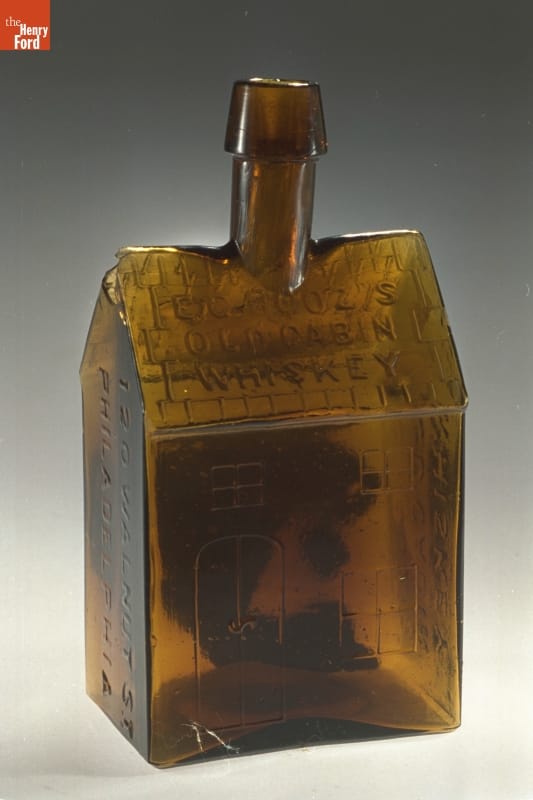
- 1860-1875
- Collections - Artifact
Whiskey Bottle, 1860-1875
- Tea Cup from Vung Tau Shipwreck, 1675-1690 - Wealthy 17th-century Europeans craved Chinese porcelains. The clay of these export wares contains kaolin. When fired, the body of the clay and glaze fused into a glass-like form that resisted chipping and breaking--holding up to everyday use, which amazed Europeans. This teacup never made it to the table; it was found in a shipwreck on its way to Europe--a beautiful and rugged survivor.
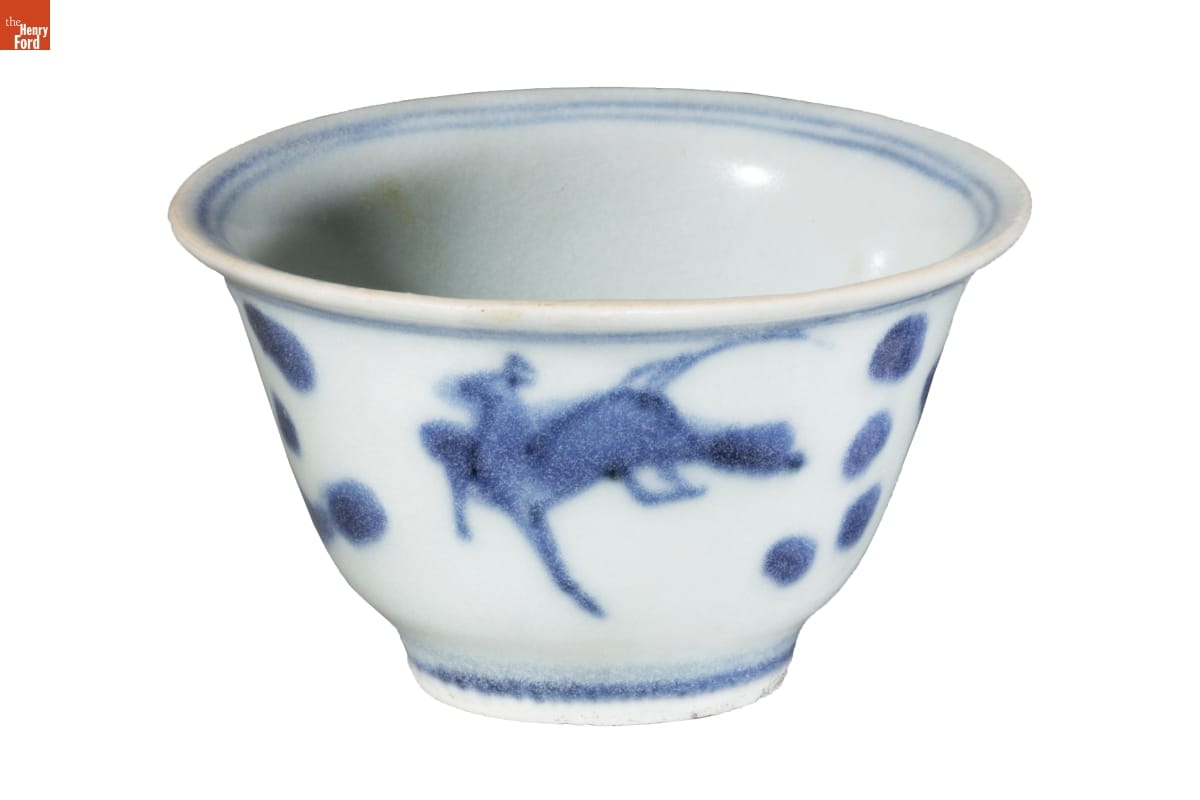
- 1675-1690
- Collections - Artifact
Tea Cup from Vung Tau Shipwreck, 1675-1690
Wealthy 17th-century Europeans craved Chinese porcelains. The clay of these export wares contains kaolin. When fired, the body of the clay and glaze fused into a glass-like form that resisted chipping and breaking--holding up to everyday use, which amazed Europeans. This teacup never made it to the table; it was found in a shipwreck on its way to Europe--a beautiful and rugged survivor.