
Search
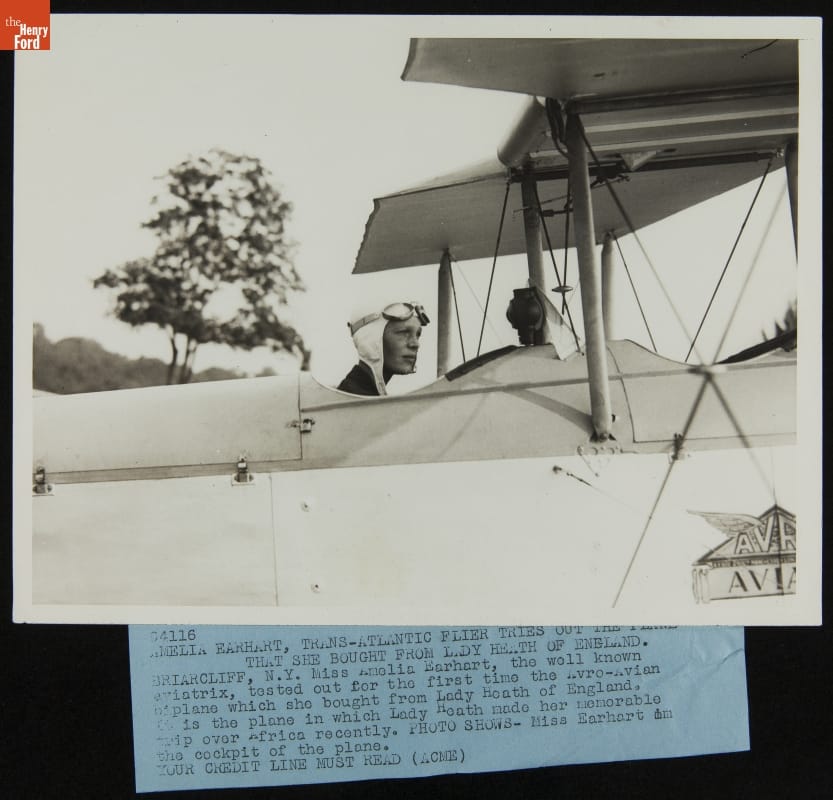
- Amelia Earhart in the Avro-Avian Biplane Received from Lady Heath, 1928 - World-renowned Irish pilot Mary, Lady Heath, was an inspiration to Amelia Earhart. After Lady Heath took Earhart for a flight in her Avro Avian biplane, which Heath had flown solo from South Africa to Great Britain, Earhart was so impressed that she bought the aircraft and shipped it back to the United States. Soon Earhart's own fame eclipsed Lady Heath's.
- 1928
- Collections - Artifact
Amelia Earhart in the Avro-Avian Biplane Received from Lady Heath, 1928
World-renowned Irish pilot Mary, Lady Heath, was an inspiration to Amelia Earhart. After Lady Heath took Earhart for a flight in her Avro Avian biplane, which Heath had flown solo from South Africa to Great Britain, Earhart was so impressed that she bought the aircraft and shipped it back to the United States. Soon Earhart's own fame eclipsed Lady Heath's.
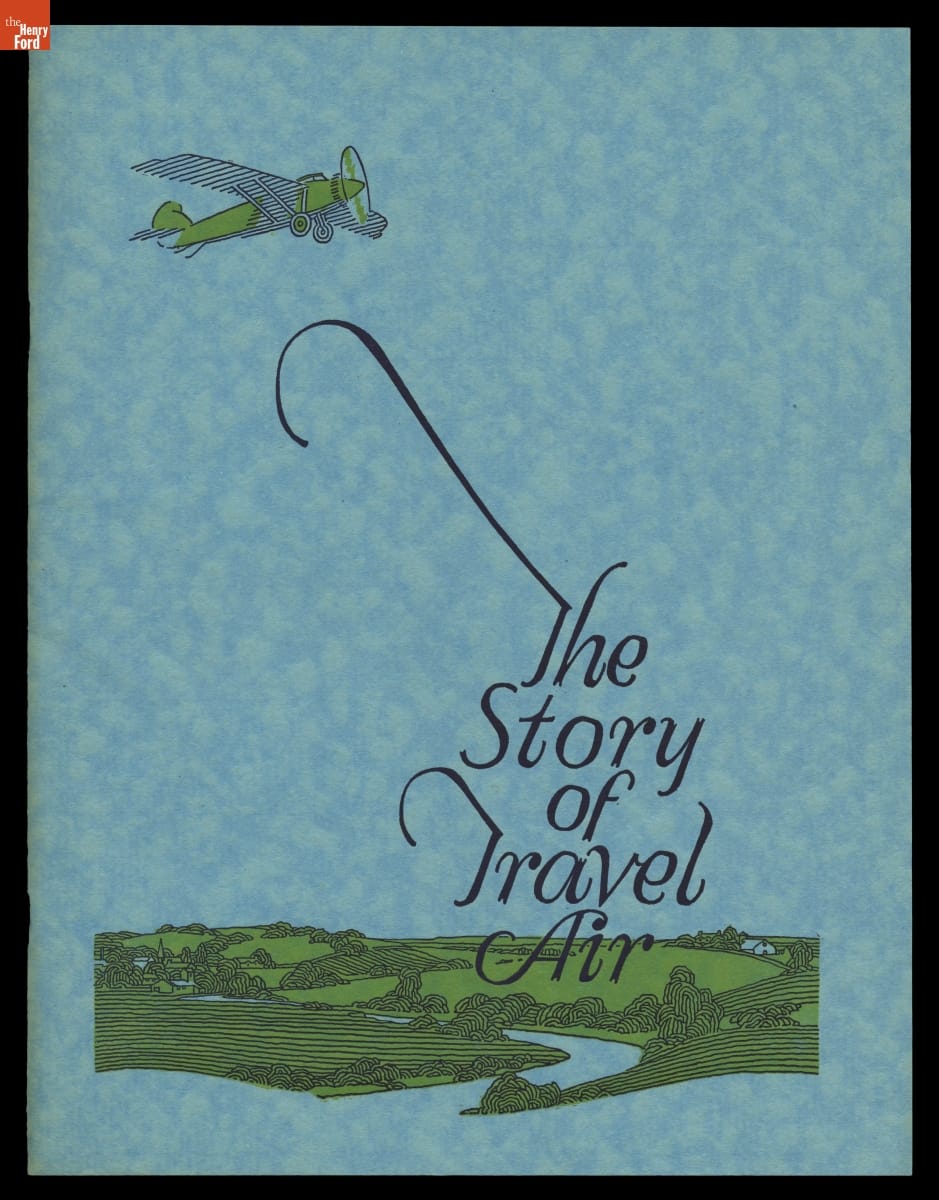
- The Story of Travel Air with Catalog of Standard Models of Biplanes and Monoplanes, 1925-1929 -
- 1925-1929
- Collections - Artifact
The Story of Travel Air with Catalog of Standard Models of Biplanes and Monoplanes, 1925-1929
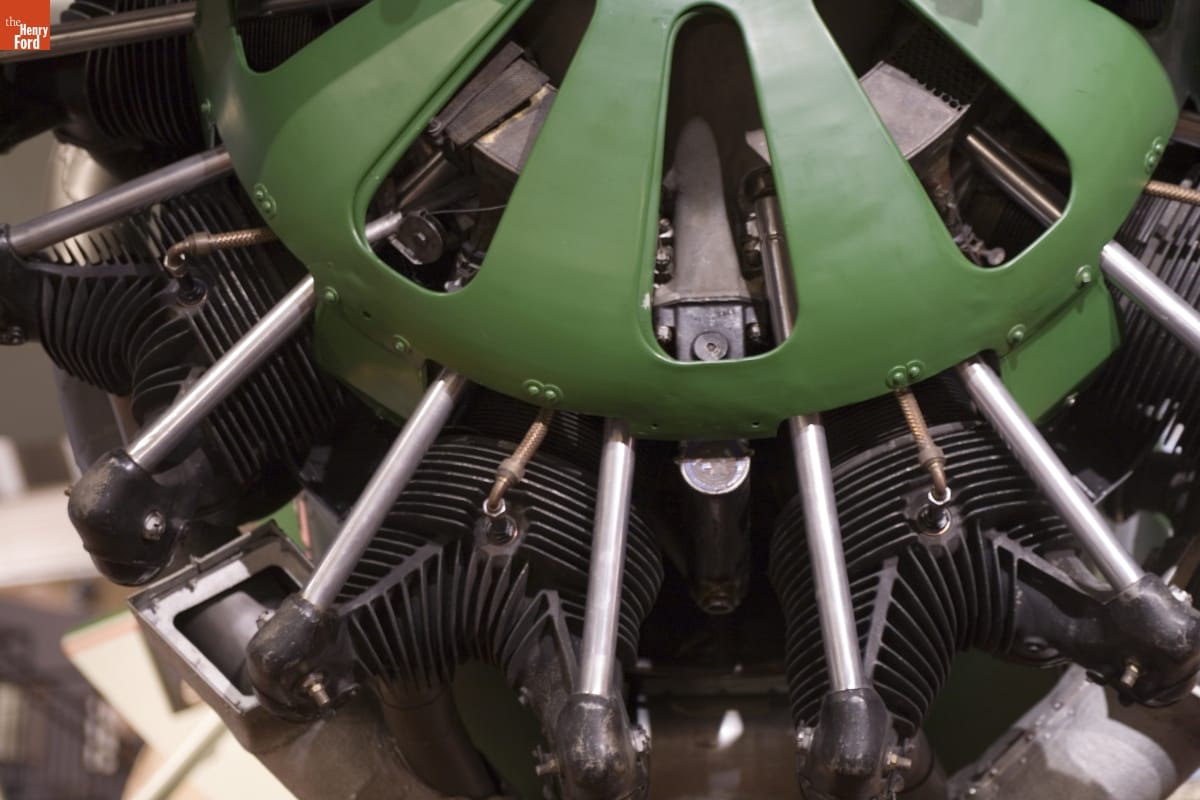
- 1927 Boeing Model 40-B2 Biplane on Exhibit in Henry Ford Museum, June 2007 - Boeing's Model 40-B2 airplane used an air-cooled radial engine. Carrying capacity that would have been spent on a radiator and water could instead be used for mail or passengers. When <em>Heroes of the Sky</em> opened at The Henry Ford in 2003, the Model 40-B2 represented designer and manufacturer William E. Boeing in the exhibit's "Entrepreneurs" section.
- June 01, 2007
- Collections - Artifact
1927 Boeing Model 40-B2 Biplane on Exhibit in Henry Ford Museum, June 2007
Boeing's Model 40-B2 airplane used an air-cooled radial engine. Carrying capacity that would have been spent on a radiator and water could instead be used for mail or passengers. When Heroes of the Sky opened at The Henry Ford in 2003, the Model 40-B2 represented designer and manufacturer William E. Boeing in the exhibit's "Entrepreneurs" section.
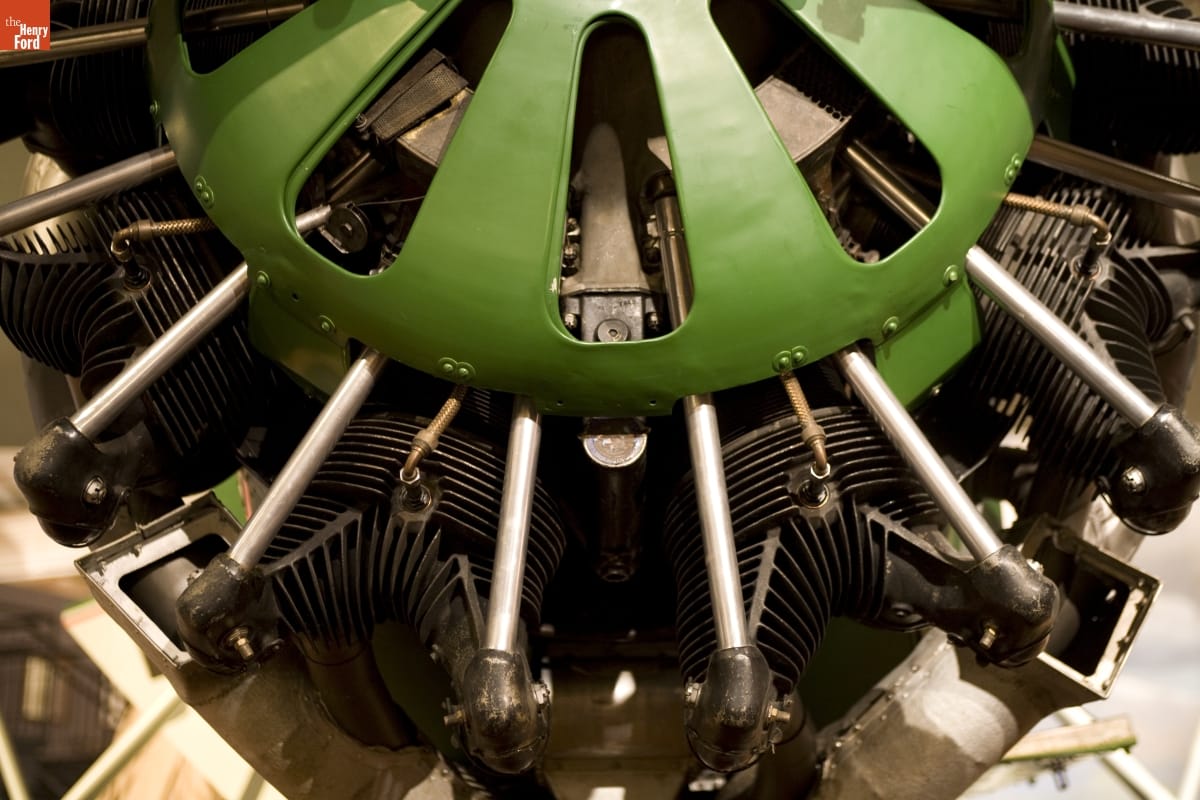
- 1927 Boeing Model 40-B2 Biplane on Exhibit in Henry Ford Museum, June 2007 - Boeing's Model 40-B2 airplane used an air-cooled radial engine. Carrying capacity that would have been spent on a radiator and water could instead be used for mail or passengers. When <em>Heroes of the Sky</em> opened at The Henry Ford in 2003, the Model 40-B2 represented designer and manufacturer William E. Boeing in the exhibit's "Entrepreneurs" section.
- June 01, 2007
- Collections - Artifact
1927 Boeing Model 40-B2 Biplane on Exhibit in Henry Ford Museum, June 2007
Boeing's Model 40-B2 airplane used an air-cooled radial engine. Carrying capacity that would have been spent on a radiator and water could instead be used for mail or passengers. When Heroes of the Sky opened at The Henry Ford in 2003, the Model 40-B2 represented designer and manufacturer William E. Boeing in the exhibit's "Entrepreneurs" section.
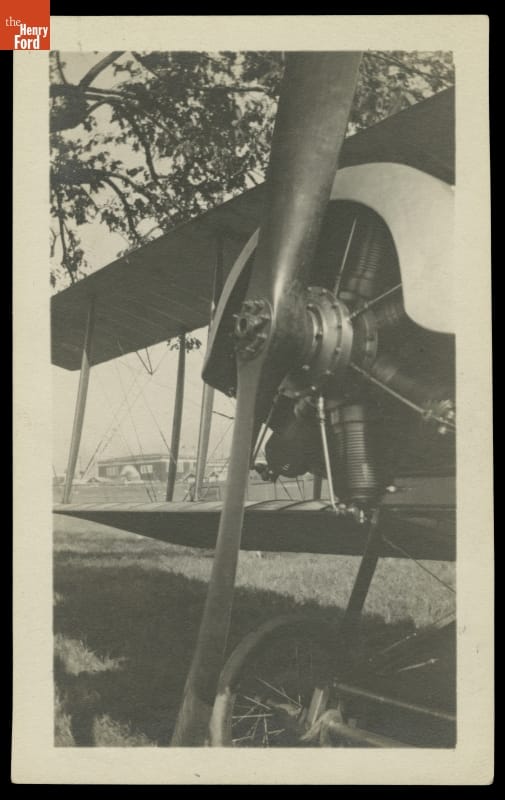
- Katherine Stinson's Laird Biplane at the Tri-State Fair, October 1916 - Katherine Stinson flew this biplane, designed by Emil "Matty" Laird, at Memphis, Tennessee, in October 1916. Stinson was only the fourth American woman to earn a pilot's license, and she consistently dazzled spectators with her skilled stunt flying. Though in her 20s, the petite Stinson looked even younger. The press took to calling her the "Flying Schoolgirl."
- October 01, 1916
- Collections - Artifact
Katherine Stinson's Laird Biplane at the Tri-State Fair, October 1916
Katherine Stinson flew this biplane, designed by Emil "Matty" Laird, at Memphis, Tennessee, in October 1916. Stinson was only the fourth American woman to earn a pilot's license, and she consistently dazzled spectators with her skilled stunt flying. Though in her 20s, the petite Stinson looked even younger. The press took to calling her the "Flying Schoolgirl."
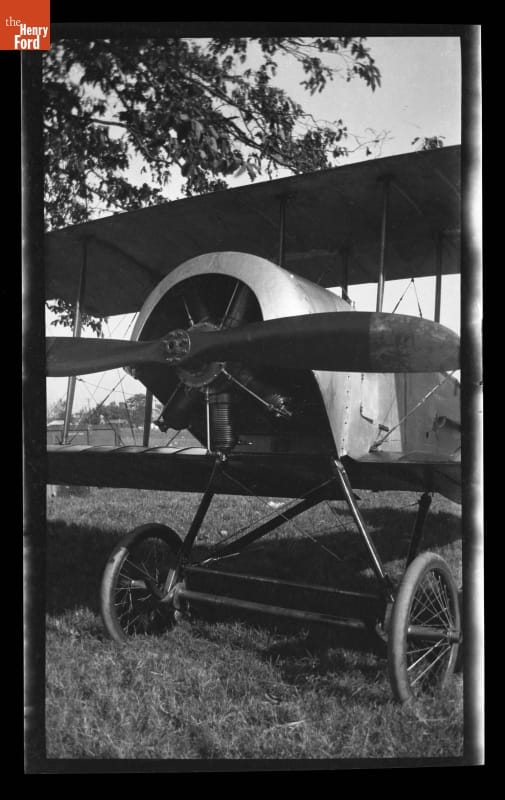
- Katherine Stinson's Laird Biplane at the Tri-State Fair, October 1916 - Katherine Stinson flew this biplane, designed by Emil "Matty" Laird, at Memphis, Tennessee, in October 1916. Stinson was only the fourth American woman to earn a pilot's license, and she consistently dazzled spectators with her skilled stunt flying. Though in her 20s, the petite Stinson looked even younger. The press took to calling her the "Flying Schoolgirl."
- October 01, 1916
- Collections - Artifact
Katherine Stinson's Laird Biplane at the Tri-State Fair, October 1916
Katherine Stinson flew this biplane, designed by Emil "Matty" Laird, at Memphis, Tennessee, in October 1916. Stinson was only the fourth American woman to earn a pilot's license, and she consistently dazzled spectators with her skilled stunt flying. Though in her 20s, the petite Stinson looked even younger. The press took to calling her the "Flying Schoolgirl."
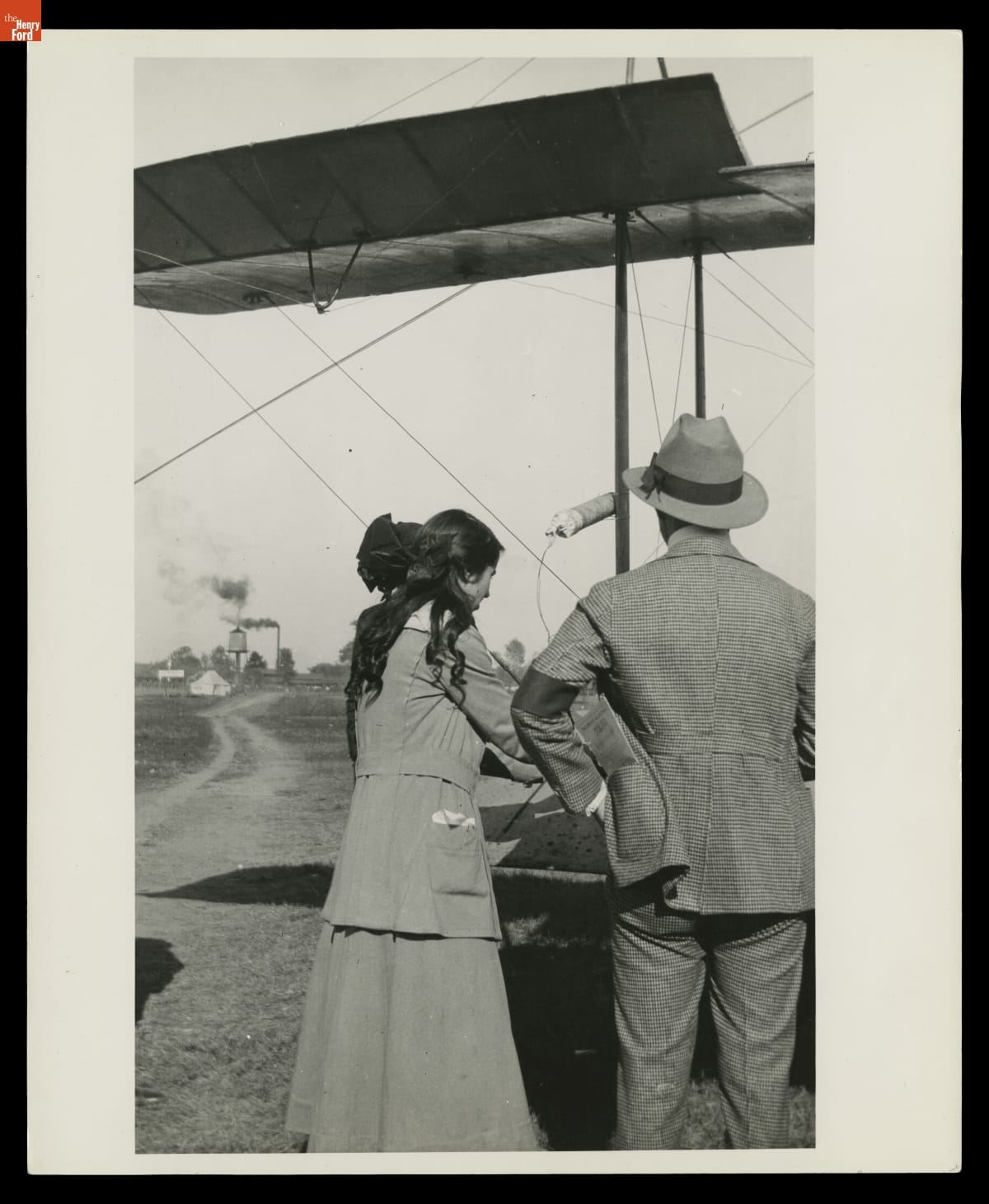
- Katherine Stinson Securing Magnesium Flares to Her Laird Biplane at the Tri-State Fair, October 1916 - Attracted by the high fees paid to stunt pilots, Katherine Stinson earned her pilot's license in 1912 as a way to finance music lessons. Flight quickly replaced music as her passion and Stinson became one of the most skilled pilots of her era. She became the first woman to skywrite at night, using flares like this, in 1915.
- October 01, 1916
- Collections - Artifact
Katherine Stinson Securing Magnesium Flares to Her Laird Biplane at the Tri-State Fair, October 1916
Attracted by the high fees paid to stunt pilots, Katherine Stinson earned her pilot's license in 1912 as a way to finance music lessons. Flight quickly replaced music as her passion and Stinson became one of the most skilled pilots of her era. She became the first woman to skywrite at night, using flares like this, in 1915.
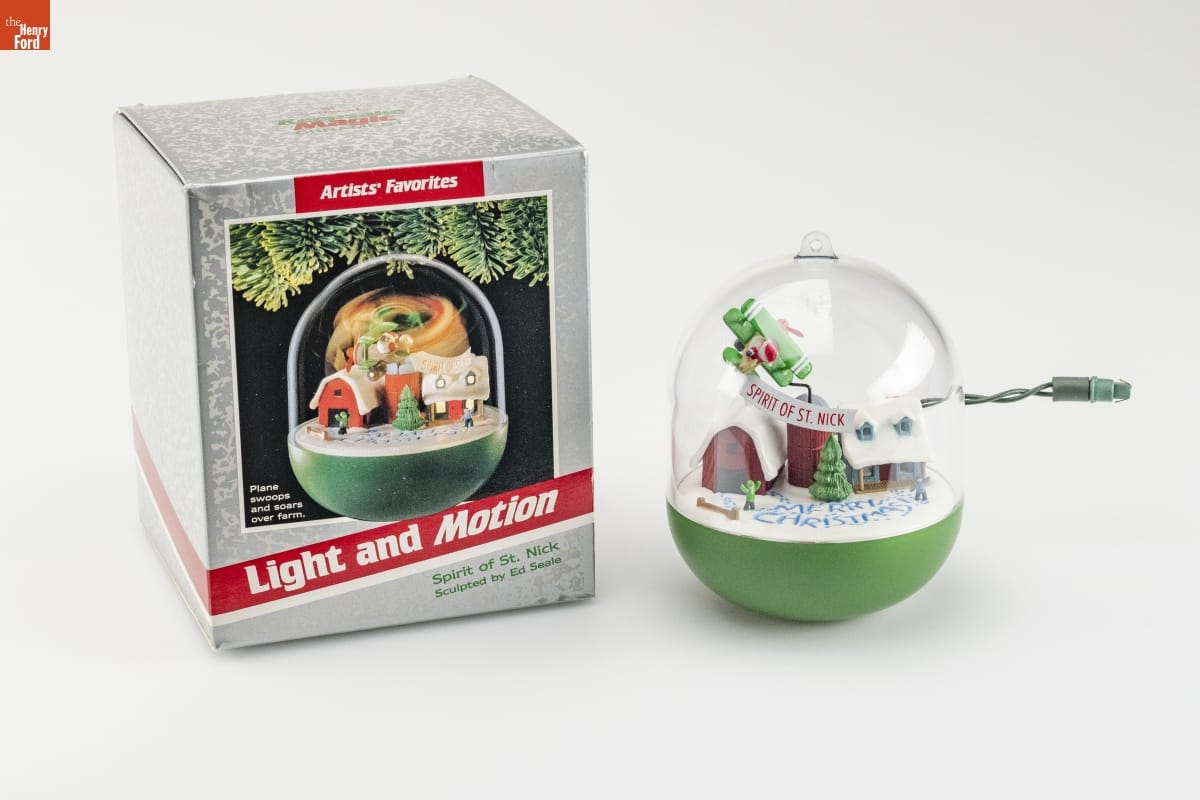
- Hallmark "Artists' Favorites: Spirit of St. Nick" Christmas Ornament, 1989 - Already known for greeting cards, Hallmark introduced a line of Christmas ornaments in 1973. The company's annual release of an increasing array of ornaments revolutionized Christmas decorating, appealing to customers' interest in marking memories and milestones as well as expressing one's personality and unique tastes.
- 1989
- Collections - Artifact
Hallmark "Artists' Favorites: Spirit of St. Nick" Christmas Ornament, 1989
Already known for greeting cards, Hallmark introduced a line of Christmas ornaments in 1973. The company's annual release of an increasing array of ornaments revolutionized Christmas decorating, appealing to customers' interest in marking memories and milestones as well as expressing one's personality and unique tastes.
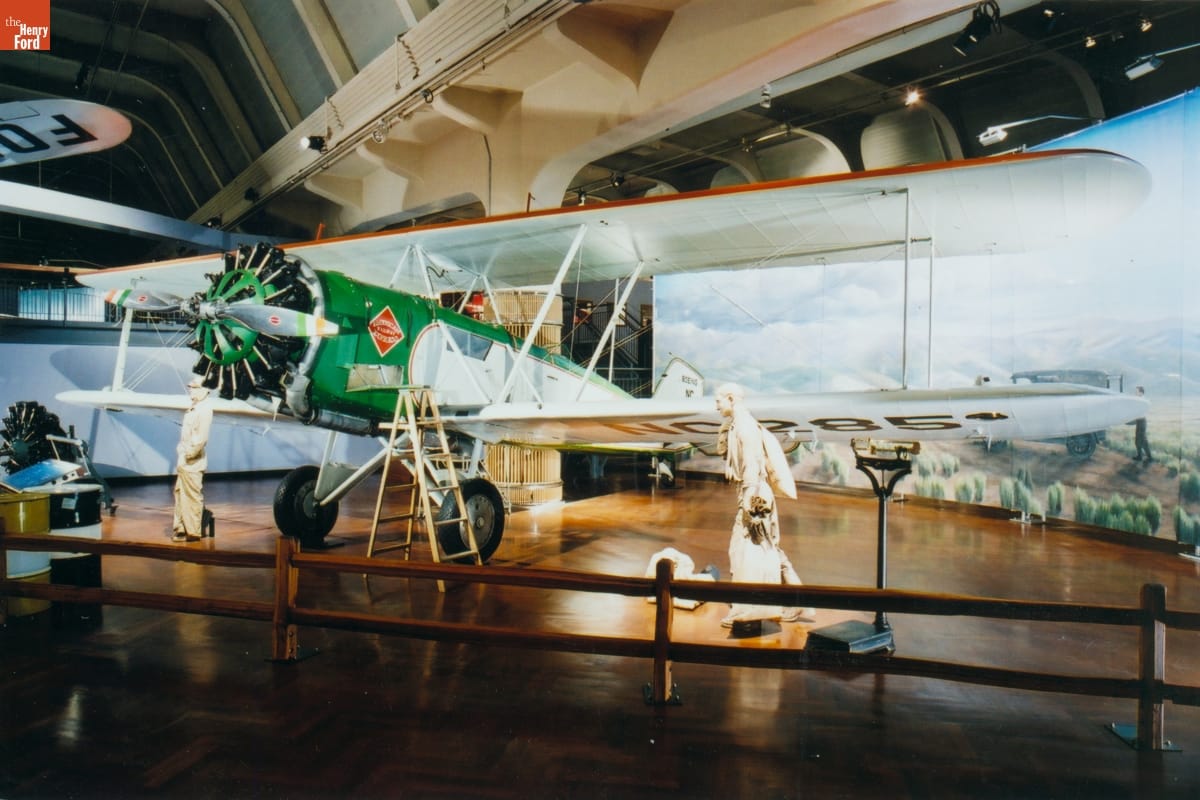
- 1927 Boeing Model 40-B2 Biplane - Subsidies from the federal government for air mail encouraged the development of improved long-distance aircraft like the Boeing 40. The key to the Boeing's success was the use of a lightweight air-cooled radial engine which allowed it to carry the mail and two paying passengers. This plane flew between Chicago and San Francisco, making 12 fuel stops along the way.
- 1927
- Collections - Artifact
1927 Boeing Model 40-B2 Biplane
Subsidies from the federal government for air mail encouraged the development of improved long-distance aircraft like the Boeing 40. The key to the Boeing's success was the use of a lightweight air-cooled radial engine which allowed it to carry the mail and two paying passengers. This plane flew between Chicago and San Francisco, making 12 fuel stops along the way.
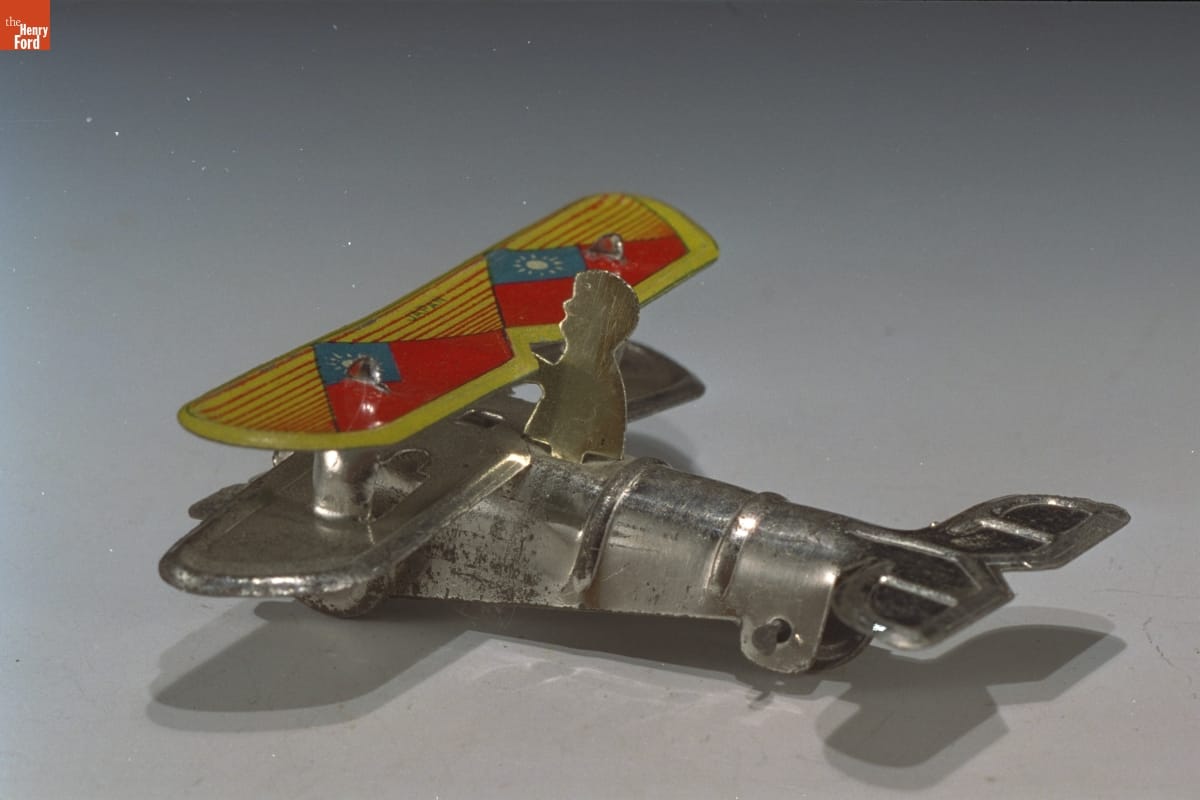
- Toy Airplane, 1920-1950 - Toy companies began making small, inexpensive, yet colorful, tin toys in the late 19th century. Over the years, toymakers stamped tin into shapes of animals, trains, boats, soldiers and even this airplane. Children could purchase these low-priced toys from shopkeepers or street vendors. These mass-produced toys -- though not meant to last -- provided fun for just a few pennies.
- 1920-1950
- Collections - Artifact
Toy Airplane, 1920-1950
Toy companies began making small, inexpensive, yet colorful, tin toys in the late 19th century. Over the years, toymakers stamped tin into shapes of animals, trains, boats, soldiers and even this airplane. Children could purchase these low-priced toys from shopkeepers or street vendors. These mass-produced toys -- though not meant to last -- provided fun for just a few pennies.