
Search
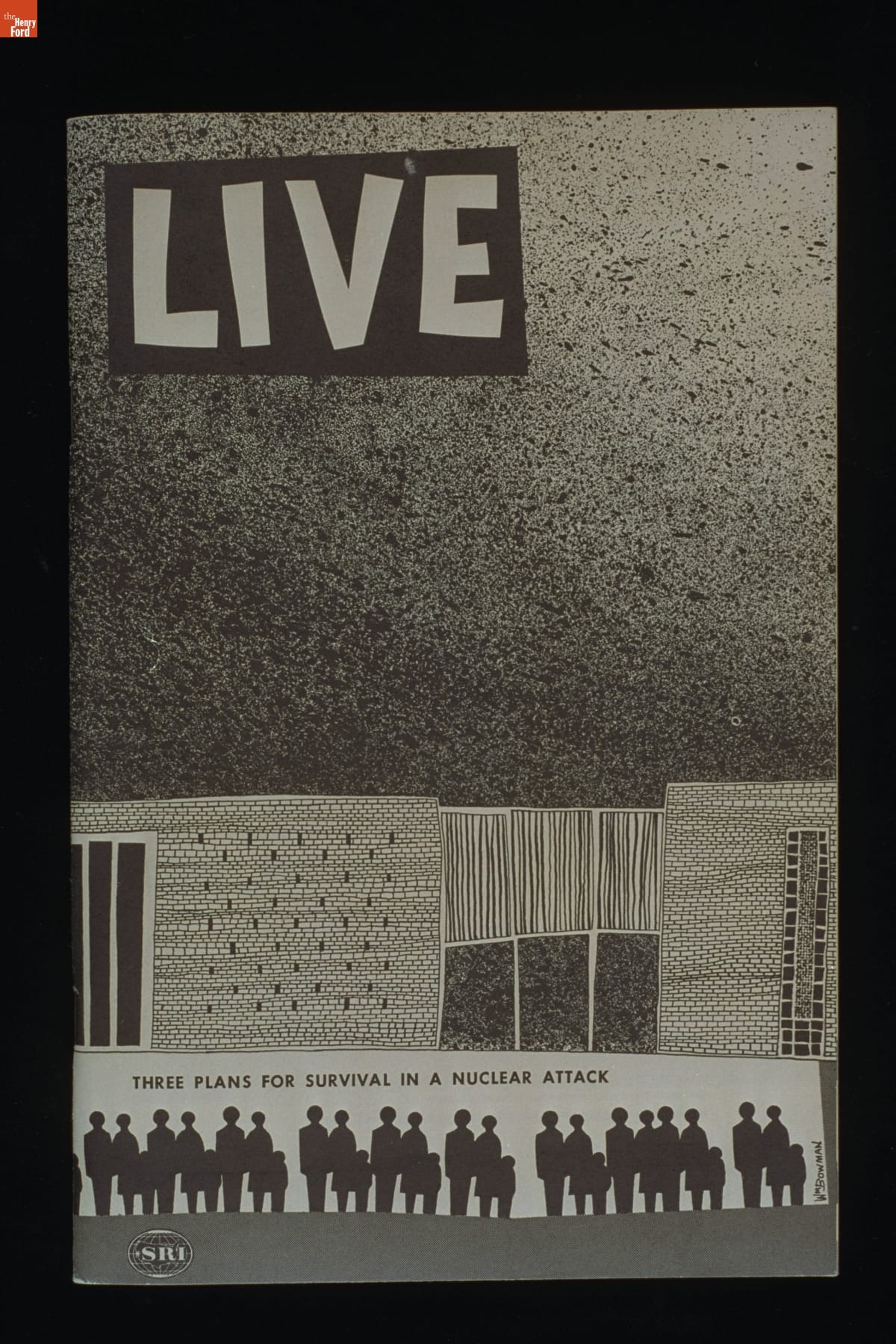
- Live: Three Plans for Survival in a Nuclear Attack, 1960 -
- 1960
- Collections - Artifact
Live: Three Plans for Survival in a Nuclear Attack, 1960
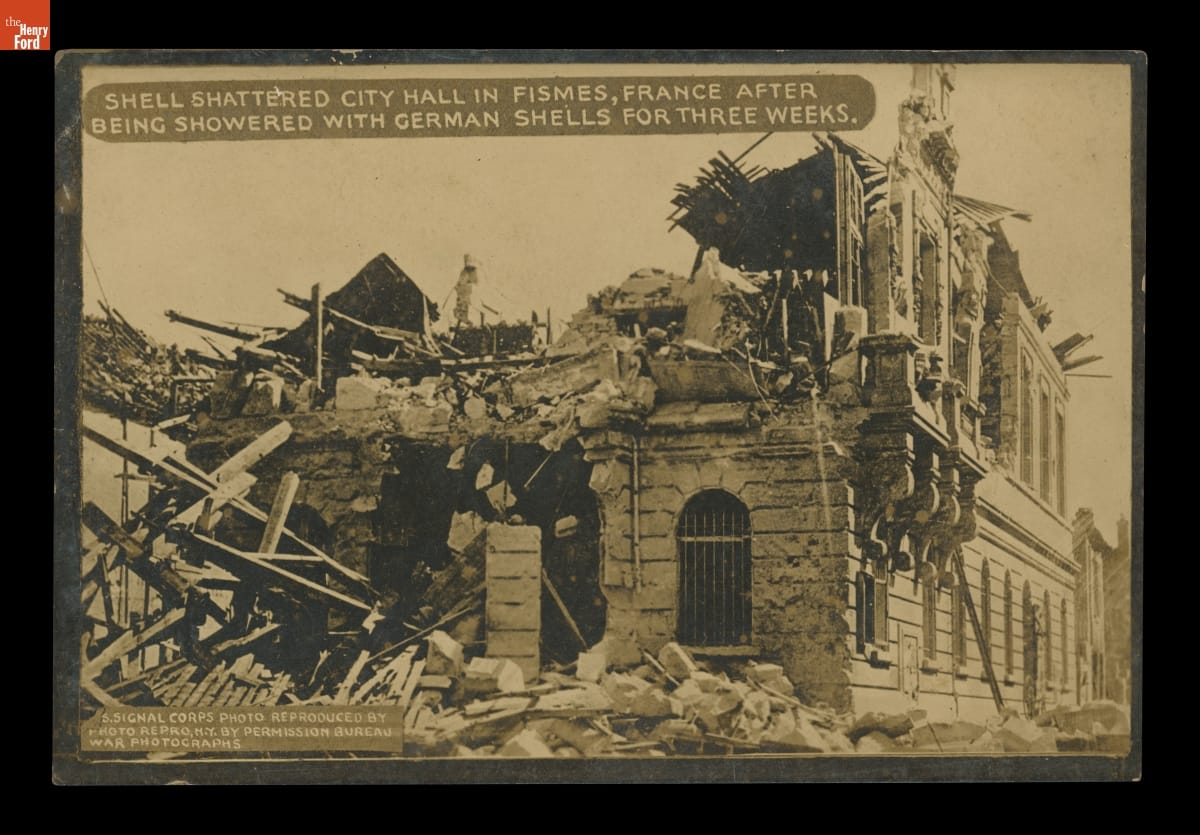
- "Shell Shattered City Hall in Fismes, France after Being Showered with German Shells for Three Weeks," 1918 - Andrew Purnell Jr. (1898-1975) was born in Selma, Alabama. He joined the all-Black 303rd Stevedore Regiment (with later unit designations) in December 1917. Private Purnell was stationed in Bordeaux, France. He returned to the U.S. in 1919, married, and worked as a railroad freight handler. Like many service members, Purnell kept cards, letters, photographs, and souvenirs from his time in the military.
- 1918
- Collections - Artifact
"Shell Shattered City Hall in Fismes, France after Being Showered with German Shells for Three Weeks," 1918
Andrew Purnell Jr. (1898-1975) was born in Selma, Alabama. He joined the all-Black 303rd Stevedore Regiment (with later unit designations) in December 1917. Private Purnell was stationed in Bordeaux, France. He returned to the U.S. in 1919, married, and worked as a railroad freight handler. Like many service members, Purnell kept cards, letters, photographs, and souvenirs from his time in the military.
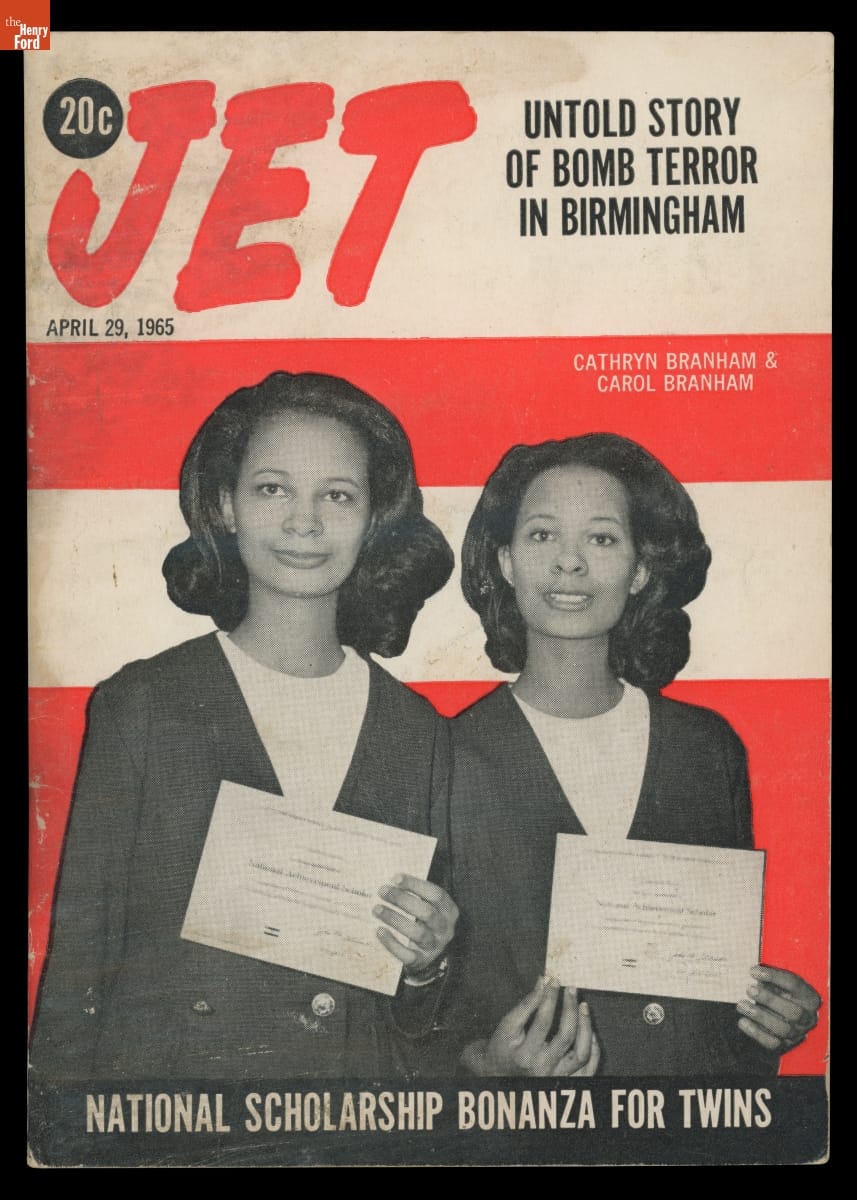
- "Jet" Magazine, April 29, 1965 - John H. Johnson, head of the Chicago-based Johnson Publishing Company, founded Jet magazine in November 1951. Originally billed as "The Weekly Negro News Magazine," the publication printed news, culture, and entertainment articles related to the African American community. Jet also chronicled the civil rights movement from its earliest years, addressing racial violence and inequality in American society.
- April 29, 1965
- Collections - Artifact
"Jet" Magazine, April 29, 1965
John H. Johnson, head of the Chicago-based Johnson Publishing Company, founded Jet magazine in November 1951. Originally billed as "The Weekly Negro News Magazine," the publication printed news, culture, and entertainment articles related to the African American community. Jet also chronicled the civil rights movement from its earliest years, addressing racial violence and inequality in American society.
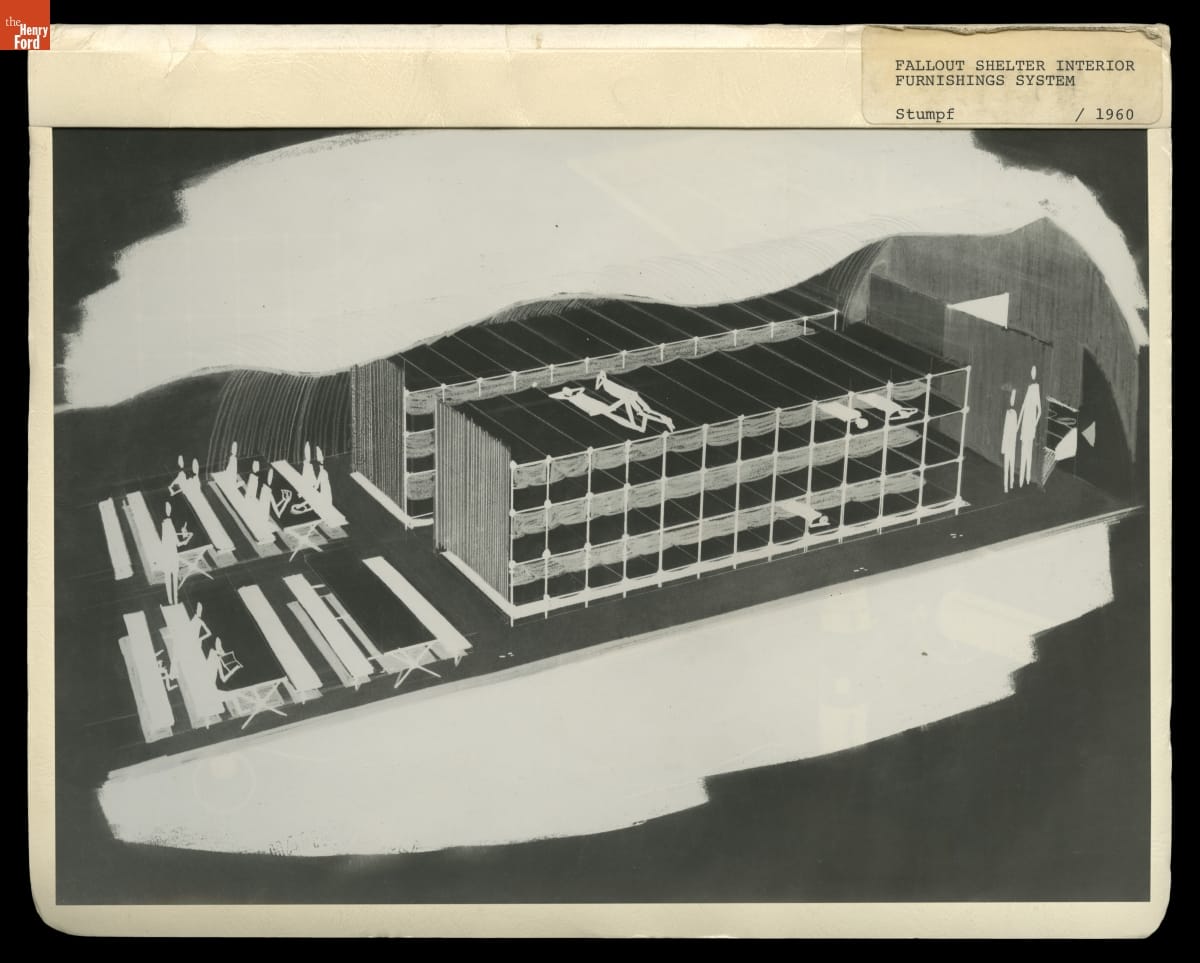
- Fallout Shelter Interior Furnishings System, 1960 -
- 1960
- Collections - Artifact
Fallout Shelter Interior Furnishings System, 1960
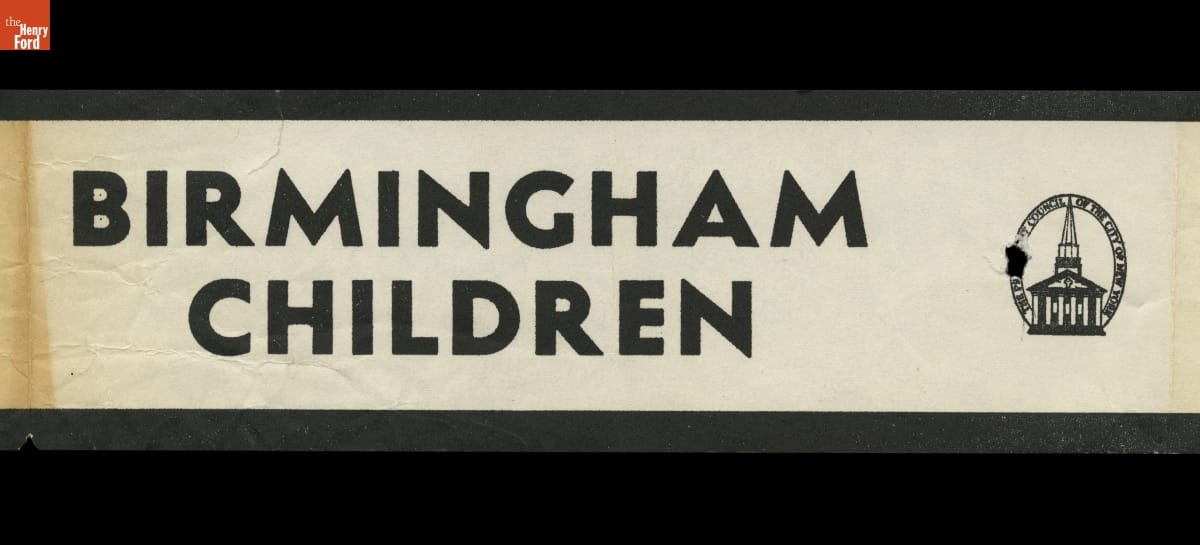
- "Birmingham Children" Armband, September 1963 - The 16th Street Baptist Church bombing in Birmingham, Alabama, on September 15, 1963, killed four Black children in an act of white supremacist terrorism. The Protestant Council of the City of New York issued armbands like this five days later, asking its members to wear them on Sunday, September 22. Also, thirty ministers wore them during a prayer vigil at the United Nations a few days prior.
- September 01, 1963
- Collections - Artifact
"Birmingham Children" Armband, September 1963
The 16th Street Baptist Church bombing in Birmingham, Alabama, on September 15, 1963, killed four Black children in an act of white supremacist terrorism. The Protestant Council of the City of New York issued armbands like this five days later, asking its members to wear them on Sunday, September 22. Also, thirty ministers wore them during a prayer vigil at the United Nations a few days prior.
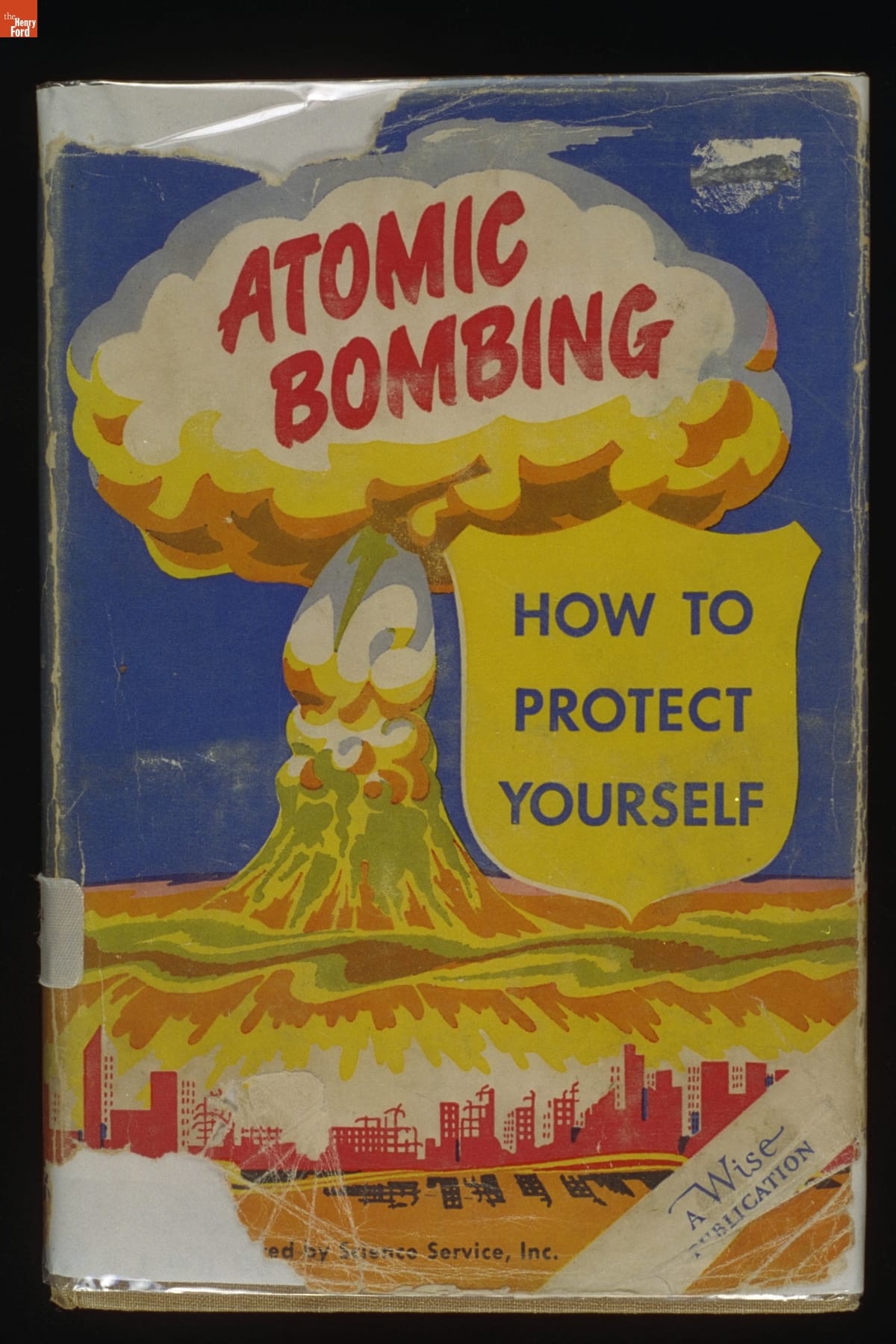
- Atomic Bombing; How to Protect Yourself, 1950 -
- 1950
- Collections - Artifact
Atomic Bombing; How to Protect Yourself, 1950
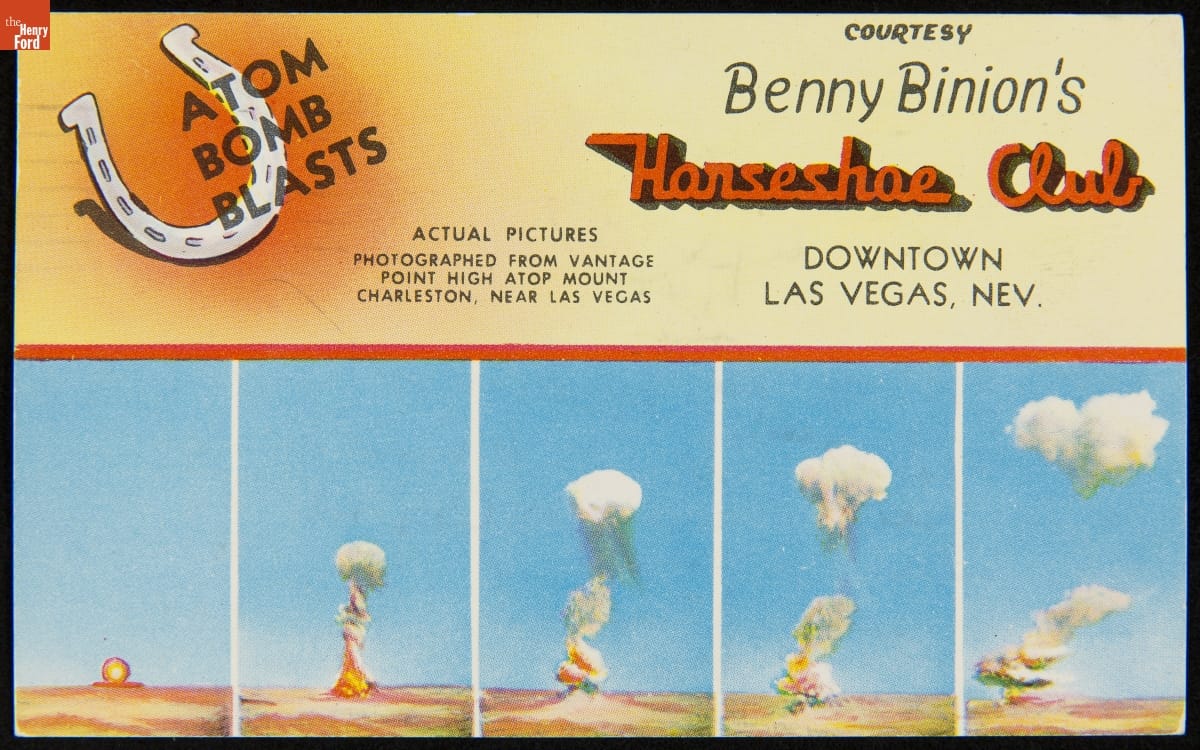
- "Atomic Bomb Blasts, Actual Pictures," Courtesy Benny Binion's Horseshoe Club, Las Vegas, Nevada, 1954 -
- April 01, 1954
- Collections - Artifact
"Atomic Bomb Blasts, Actual Pictures," Courtesy Benny Binion's Horseshoe Club, Las Vegas, Nevada, 1954
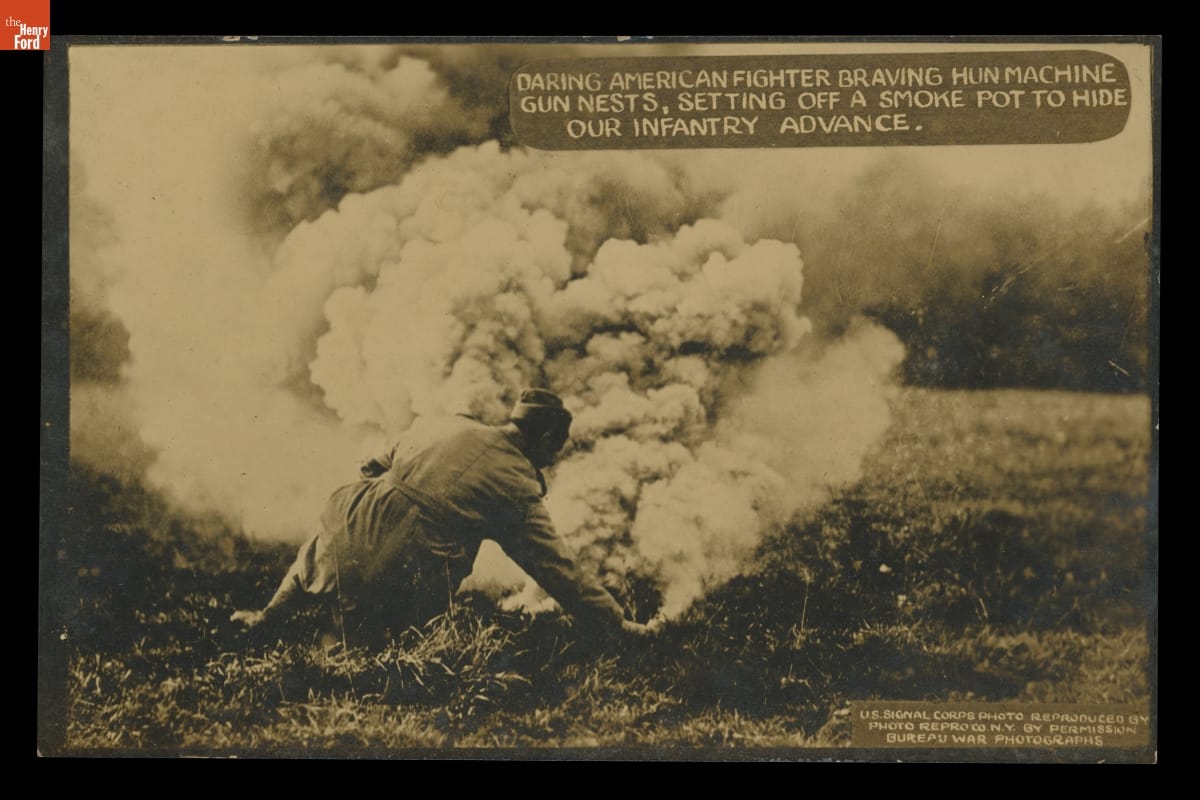
- "Daring American Fighter Braving Hun Machine Gun Nests...," circa 1917 - Andrew Purnell Jr. (1898-1975) was born in Selma, Alabama. He joined the all-Black 303rd Stevedore Regiment (with later unit designations) in December 1917. Private Purnell was stationed in Bordeaux, France. He returned to the U.S. in 1919, married, and worked as a railroad freight handler. Like many service members, Purnell kept cards, letters, photographs, and souvenirs from his time in the military.
- circa 1917
- Collections - Artifact
"Daring American Fighter Braving Hun Machine Gun Nests...," circa 1917
Andrew Purnell Jr. (1898-1975) was born in Selma, Alabama. He joined the all-Black 303rd Stevedore Regiment (with later unit designations) in December 1917. Private Purnell was stationed in Bordeaux, France. He returned to the U.S. in 1919, married, and worked as a railroad freight handler. Like many service members, Purnell kept cards, letters, photographs, and souvenirs from his time in the military.
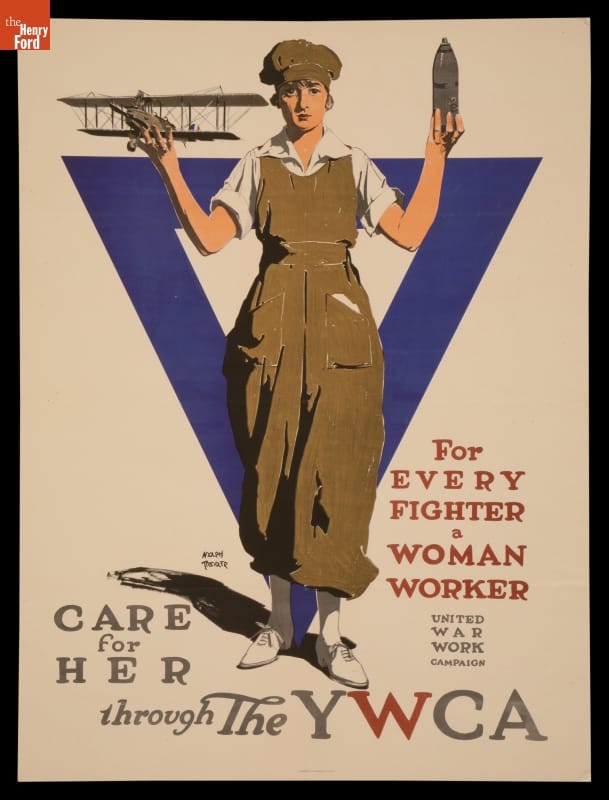
- World War I Poster, "For Every Fighter, a Woman Worker," circa 1918 - During the First World War, governments of all the warring nations used poster campaigns to encourage civilian and military support of the war effort. Artists widely used an innovative advertising technique for these posters that moved away from a factual depiction of a product's material or event's subject to an emphasis on appealing to the viewer's emotions.
- circa 1918
- Collections - Artifact
World War I Poster, "For Every Fighter, a Woman Worker," circa 1918
During the First World War, governments of all the warring nations used poster campaigns to encourage civilian and military support of the war effort. Artists widely used an innovative advertising technique for these posters that moved away from a factual depiction of a product's material or event's subject to an emphasis on appealing to the viewer's emotions.
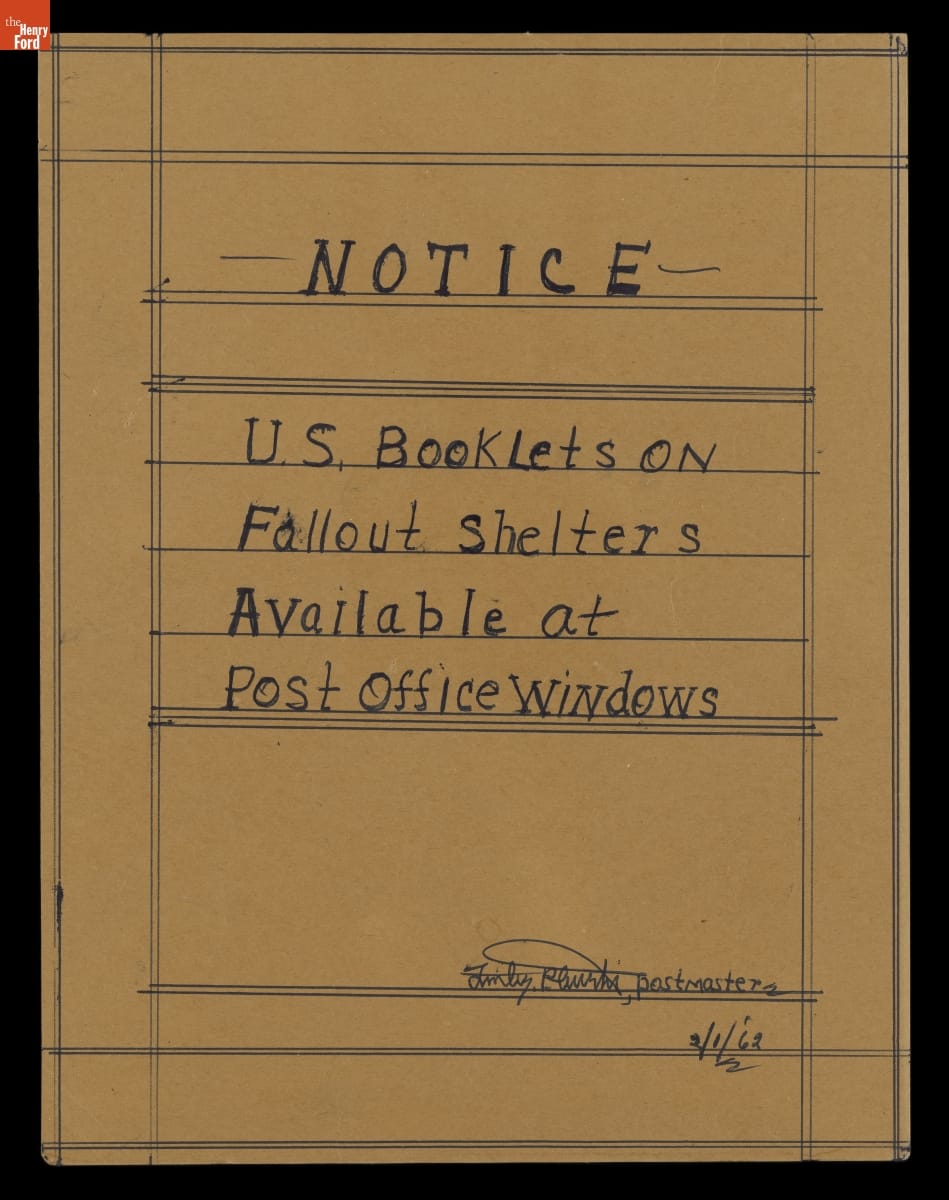
- Poster, "Notice: U.S. Booklets on Fallout Shelters Available at Post Office Windows," 1962 -
- February 01, 1962
- Collections - Artifact
Poster, "Notice: U.S. Booklets on Fallout Shelters Available at Post Office Windows," 1962