
Search
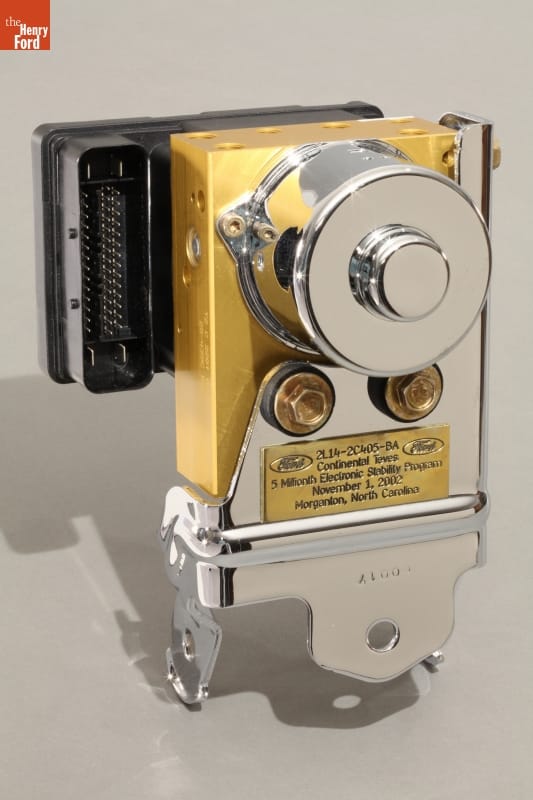
- Continental Teves' Five-millionth Electronic Stability Control Module, 2002 - Modern cars contain electronic devices and microprocessors to help drivers safely operate their vehicles. One such device is an electronic stability program unit. The unit uses computers, sensors and other car safety features to help control the car though sudden turns and stops, and to help prevent rollovers. Continental Teves, Inc., manufactured this five-millionth module in 2002.
- November 01, 2002
- Collections - Artifact
Continental Teves' Five-millionth Electronic Stability Control Module, 2002
Modern cars contain electronic devices and microprocessors to help drivers safely operate their vehicles. One such device is an electronic stability program unit. The unit uses computers, sensors and other car safety features to help control the car though sudden turns and stops, and to help prevent rollovers. Continental Teves, Inc., manufactured this five-millionth module in 2002.
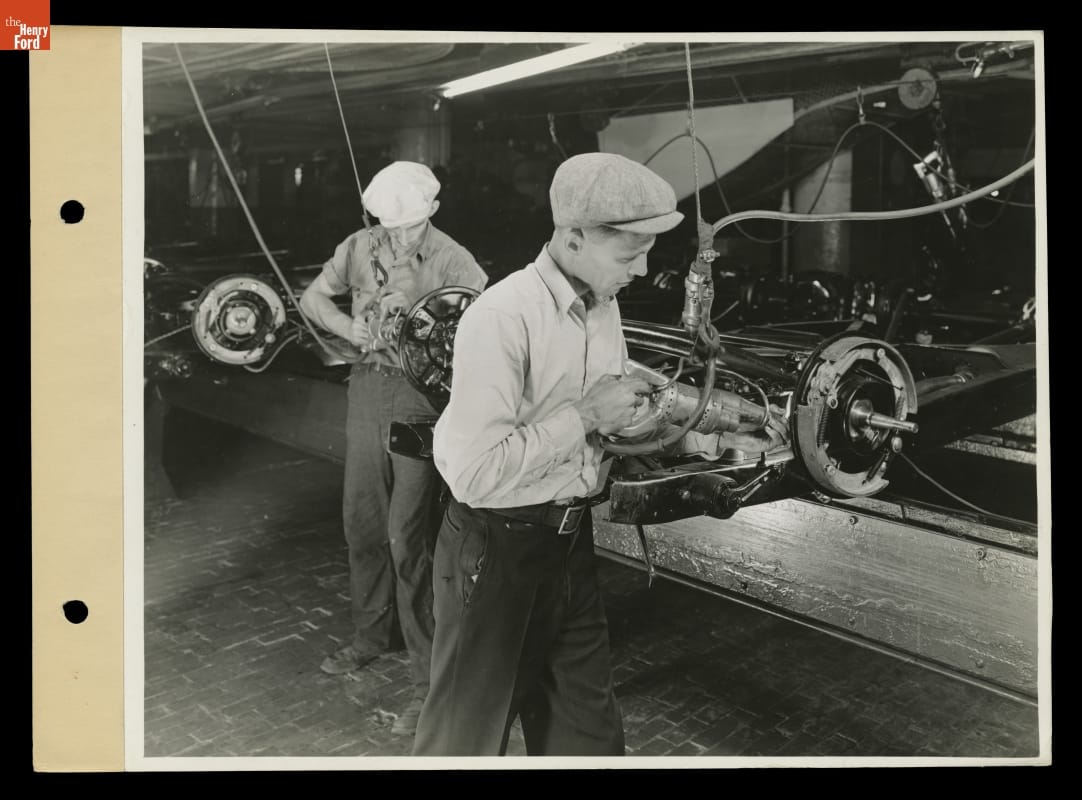
- Assembling Brakes on Ford V-8 Automobiles, 1937 - While other automakers adopted hydraulic brakes for their cars in the 1920s and early 1930s, Ford used mechanical brakes until the 1939 model year. Ford's mechanical units relied on cables and linkages to transmit pressure from the brake pedal to the brakes. Hydraulic units used fluid to transmit -- and multiply -- that pressure for more effective braking.
- September 21, 1937
- Collections - Artifact
Assembling Brakes on Ford V-8 Automobiles, 1937
While other automakers adopted hydraulic brakes for their cars in the 1920s and early 1930s, Ford used mechanical brakes until the 1939 model year. Ford's mechanical units relied on cables and linkages to transmit pressure from the brake pedal to the brakes. Hydraulic units used fluid to transmit -- and multiply -- that pressure for more effective braking.
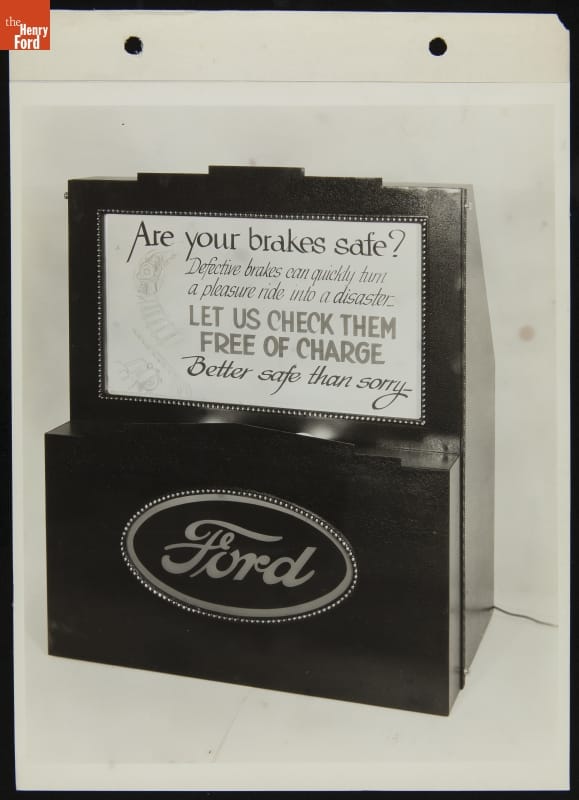
- "Are Your Brakes Safe?," Ford Advertising Sign, March 1934 -
- March 15, 1934
- Collections - Artifact
"Are Your Brakes Safe?," Ford Advertising Sign, March 1934
- Pontiac Service Poster, "Otter... Get Your Brakes Checked Now!," February 1958 - Throughout her career, artist Jacqueline Bergey Ward worked for several prominent Detroit-based commercial art studios, where automobile manufacturers and dealerships were significant clients. At Roupp Art Studios in the late 1950s, Ward created posters advertising auto maintenance and repair services -- an important source of revenue for dealers. Bright colors and playful slogans characterized her work.

- February 01, 1958
- Collections - Artifact
Pontiac Service Poster, "Otter... Get Your Brakes Checked Now!," February 1958
Throughout her career, artist Jacqueline Bergey Ward worked for several prominent Detroit-based commercial art studios, where automobile manufacturers and dealerships were significant clients. At Roupp Art Studios in the late 1950s, Ward created posters advertising auto maintenance and repair services -- an important source of revenue for dealers. Bright colors and playful slogans characterized her work.
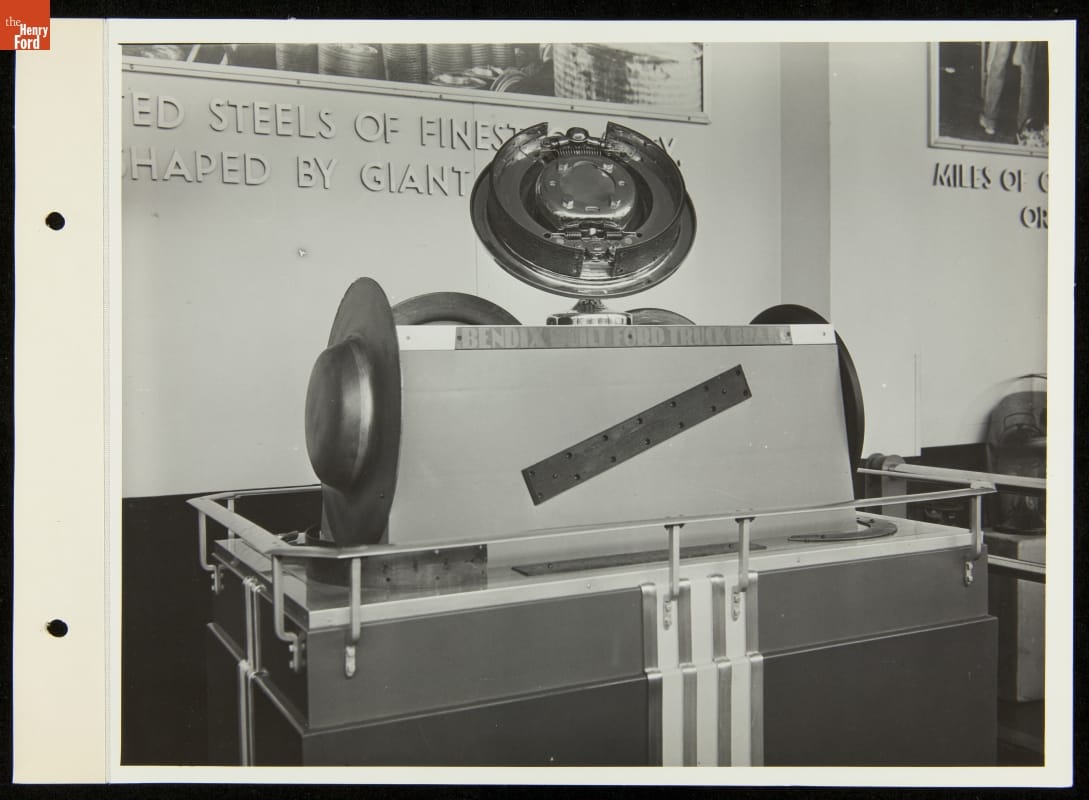
- Bendix Truck Brake Exhibit, Ford Exhibition Building, Century of Progress International Exposition, Chicago, Illinois, 1934 - Chicago's 1933-34 Century of Progress Exposition used the theme of progress to encourage optimism during the Depression. The Ford Exhibition Building, which sat on eleven acres at the fair and featured industrial demonstrations and informative displays like this, became the most talked-about exhibit of 1934.
- 1934
- Collections - Artifact
Bendix Truck Brake Exhibit, Ford Exhibition Building, Century of Progress International Exposition, Chicago, Illinois, 1934
Chicago's 1933-34 Century of Progress Exposition used the theme of progress to encourage optimism during the Depression. The Ford Exhibition Building, which sat on eleven acres at the fair and featured industrial demonstrations and informative displays like this, became the most talked-about exhibit of 1934.
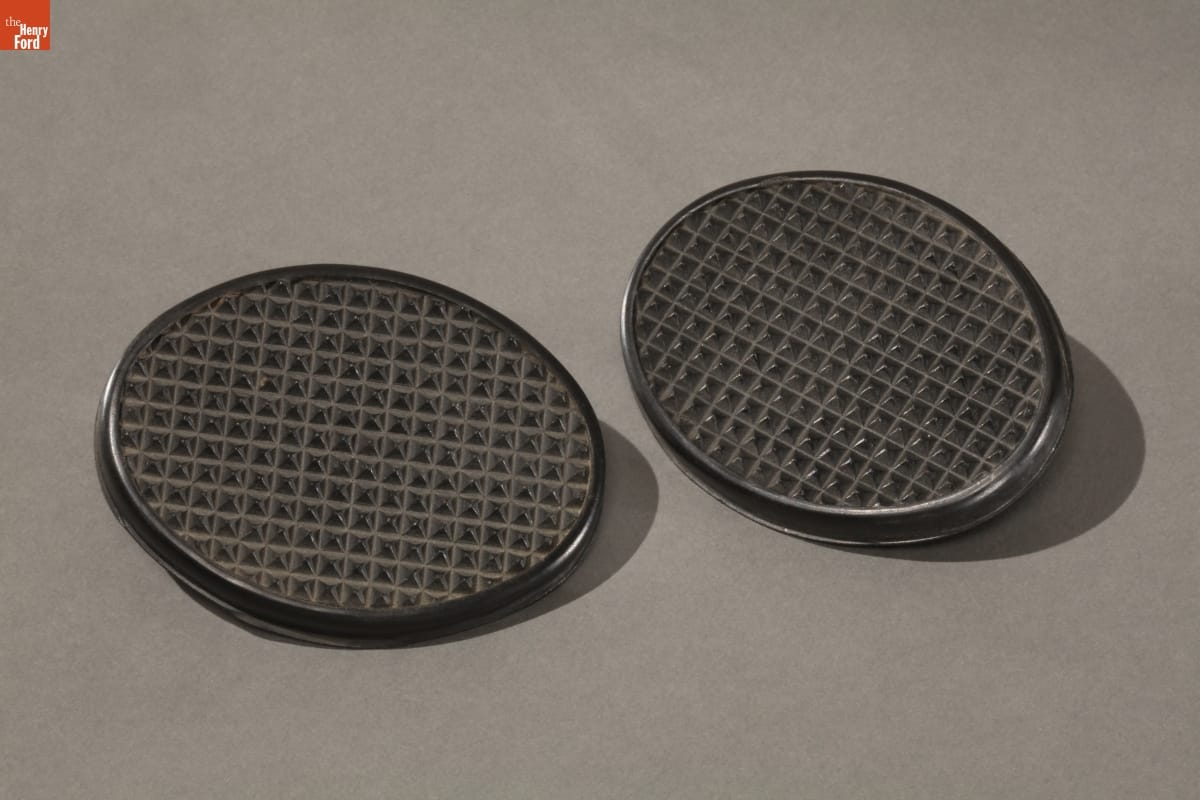
- Brake Pedals, circa 1940 - Non-slip rubber or vinyl pads improved a driver's grip on the foot pedals that controlled a car's accelerator, brakes, or clutch. Replacement pads could be installed when the originals got too worn. Some drivers preferred to use aftermarket pedal covers from the start, either to increase grip or enhance a pedal's appearance.
- circa 1940
- Collections - Artifact
Brake Pedals, circa 1940
Non-slip rubber or vinyl pads improved a driver's grip on the foot pedals that controlled a car's accelerator, brakes, or clutch. Replacement pads could be installed when the originals got too worn. Some drivers preferred to use aftermarket pedal covers from the start, either to increase grip or enhance a pedal's appearance.
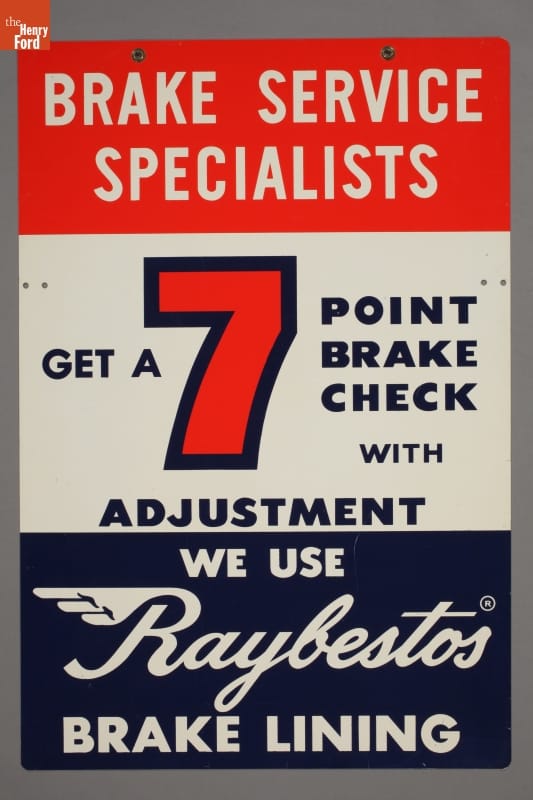
- Raybestos Sign, 1930-1950 - Potential customers seeing this sign at a service station would know that the brake service specialists here used Raybestos Brake Lining. Automotive brake linings would become worn and need renewal. Arthur H. Raymond and Arthur F. Law, in business since 1902 supplying brake replacement parts, introduced this product specifically for brake service professionals in 1924.
- 1930-1950
- Collections - Artifact
Raybestos Sign, 1930-1950
Potential customers seeing this sign at a service station would know that the brake service specialists here used Raybestos Brake Lining. Automotive brake linings would become worn and need renewal. Arthur H. Raymond and Arthur F. Law, in business since 1902 supplying brake replacement parts, introduced this product specifically for brake service professionals in 1924.
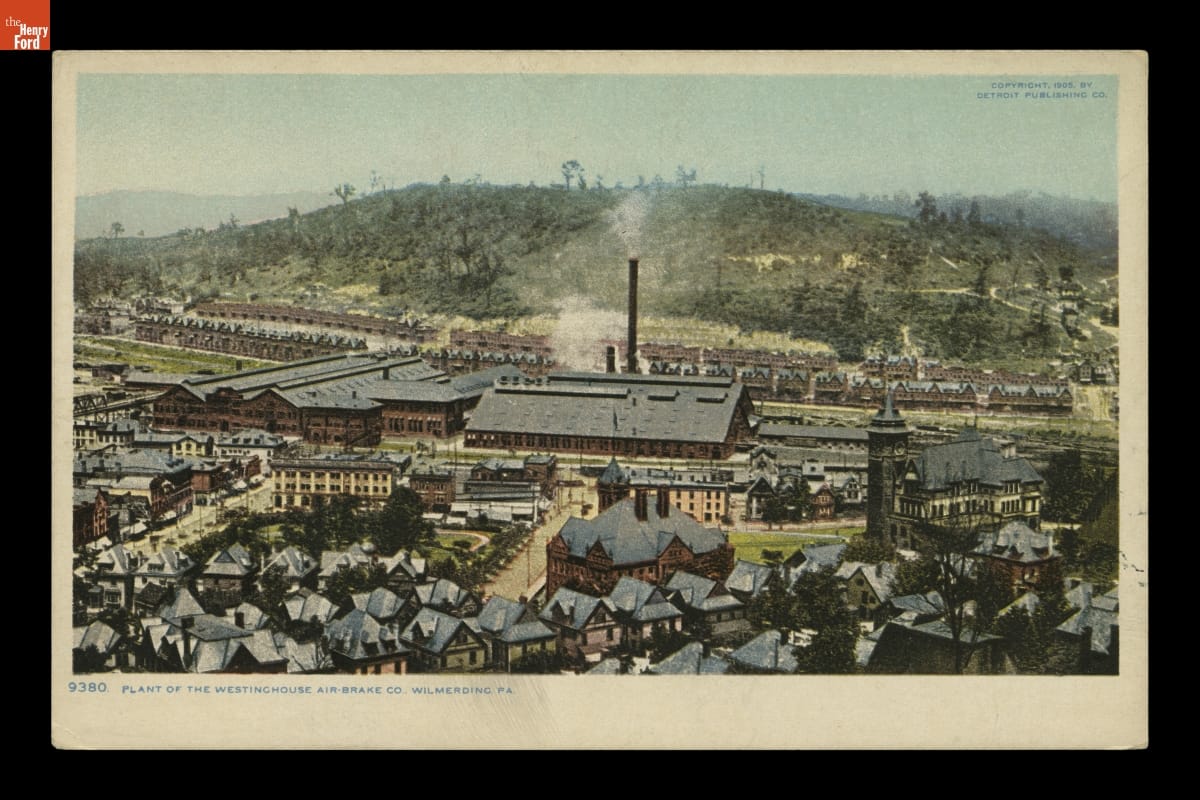
- "Plant of the Westinghouse Air-Brake Co., Wilmerding, Pennsylvania," 1910 - From 1895 to 1924, the Detroit Publishing Company was one of the major image publishers in the world. It had a wide-ranging stock of original photographs, many of which were colored using the company's patented "Phostint" process. Popular "Phostint" postcards, the Detroit Publishing Company claimed, were delicately "executed in Nature's Coloring" to be truthful, tasteful, beautiful, and educational.
- circa 1905
- Collections - Artifact
"Plant of the Westinghouse Air-Brake Co., Wilmerding, Pennsylvania," 1910
From 1895 to 1924, the Detroit Publishing Company was one of the major image publishers in the world. It had a wide-ranging stock of original photographs, many of which were colored using the company's patented "Phostint" process. Popular "Phostint" postcards, the Detroit Publishing Company claimed, were delicately "executed in Nature's Coloring" to be truthful, tasteful, beautiful, and educational.
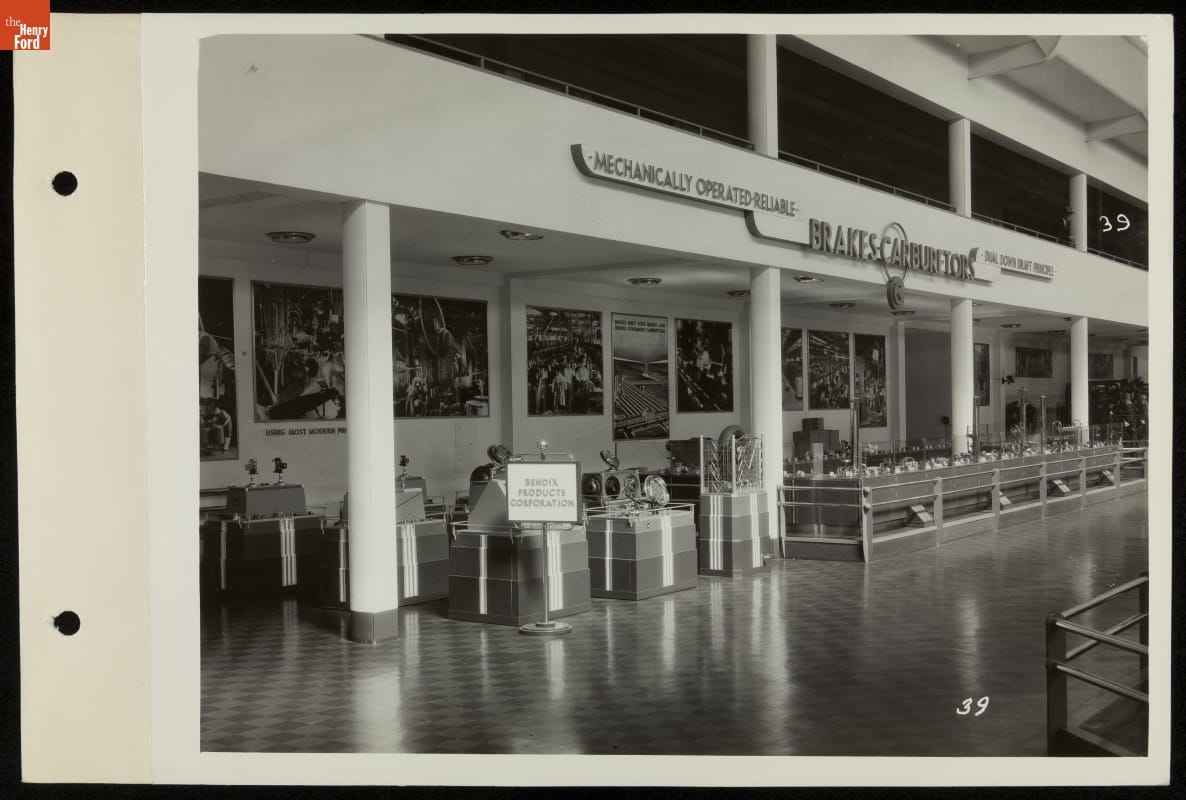
- Bendix Products Corporation Exhibit, Ford Exhibition Building, Century of Progress International Exposition, Chicago, 1934 - Chicago's 1933-34 Century of Progress Exposition used the theme of progress to encourage optimism during the Depression. The Ford Exhibition Building, which sat on eleven acres at the fair and featured industrial demonstrations and informative displays like this, became the most talked-about exhibit of 1934.
- 1934
- Collections - Artifact
Bendix Products Corporation Exhibit, Ford Exhibition Building, Century of Progress International Exposition, Chicago, 1934
Chicago's 1933-34 Century of Progress Exposition used the theme of progress to encourage optimism during the Depression. The Ford Exhibition Building, which sat on eleven acres at the fair and featured industrial demonstrations and informative displays like this, became the most talked-about exhibit of 1934.
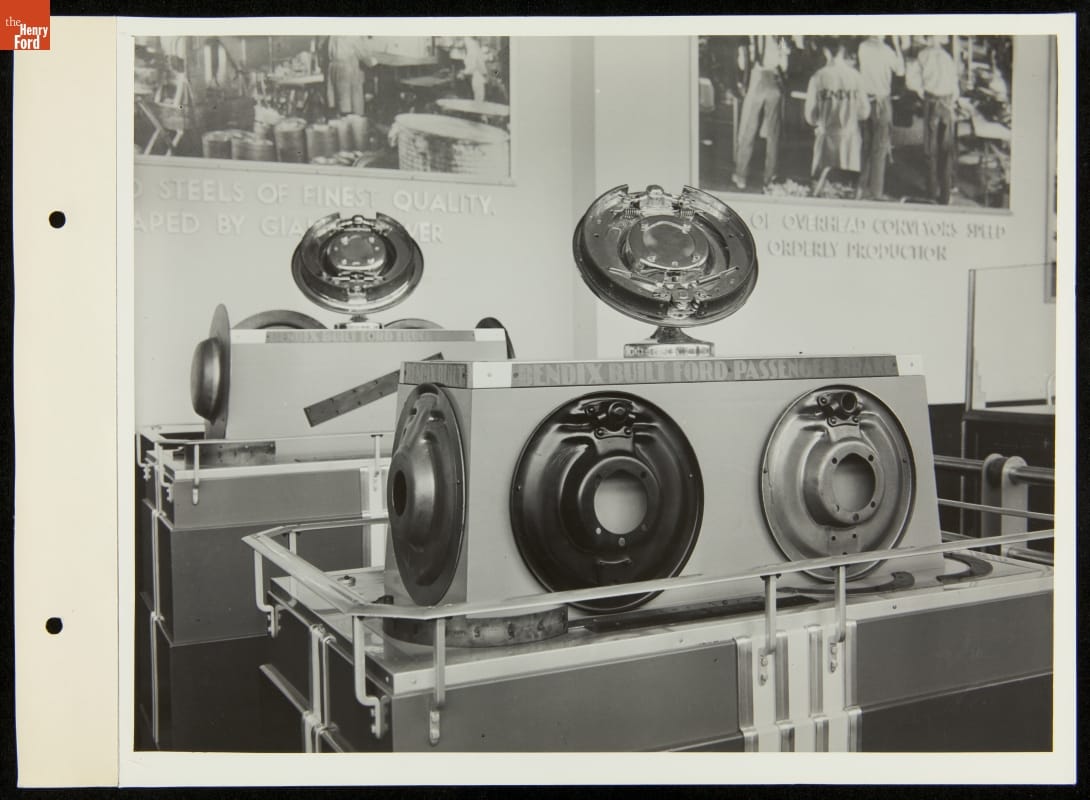
- Bendix Passenger Brake Exhibit, Ford Exhibition Building, Century of Progress International Exposition, Chicago, Illinois, 1934 - Chicago's 1933-34 Century of Progress Exposition used the theme of progress to encourage optimism during the Depression. The Ford Exhibition Building, which sat on eleven acres at the fair and featured industrial demonstrations and informative displays like this, became the most talked-about exhibit of 1934.
- 1934
- Collections - Artifact
Bendix Passenger Brake Exhibit, Ford Exhibition Building, Century of Progress International Exposition, Chicago, Illinois, 1934
Chicago's 1933-34 Century of Progress Exposition used the theme of progress to encourage optimism during the Depression. The Ford Exhibition Building, which sat on eleven acres at the fair and featured industrial demonstrations and informative displays like this, became the most talked-about exhibit of 1934.