
Search
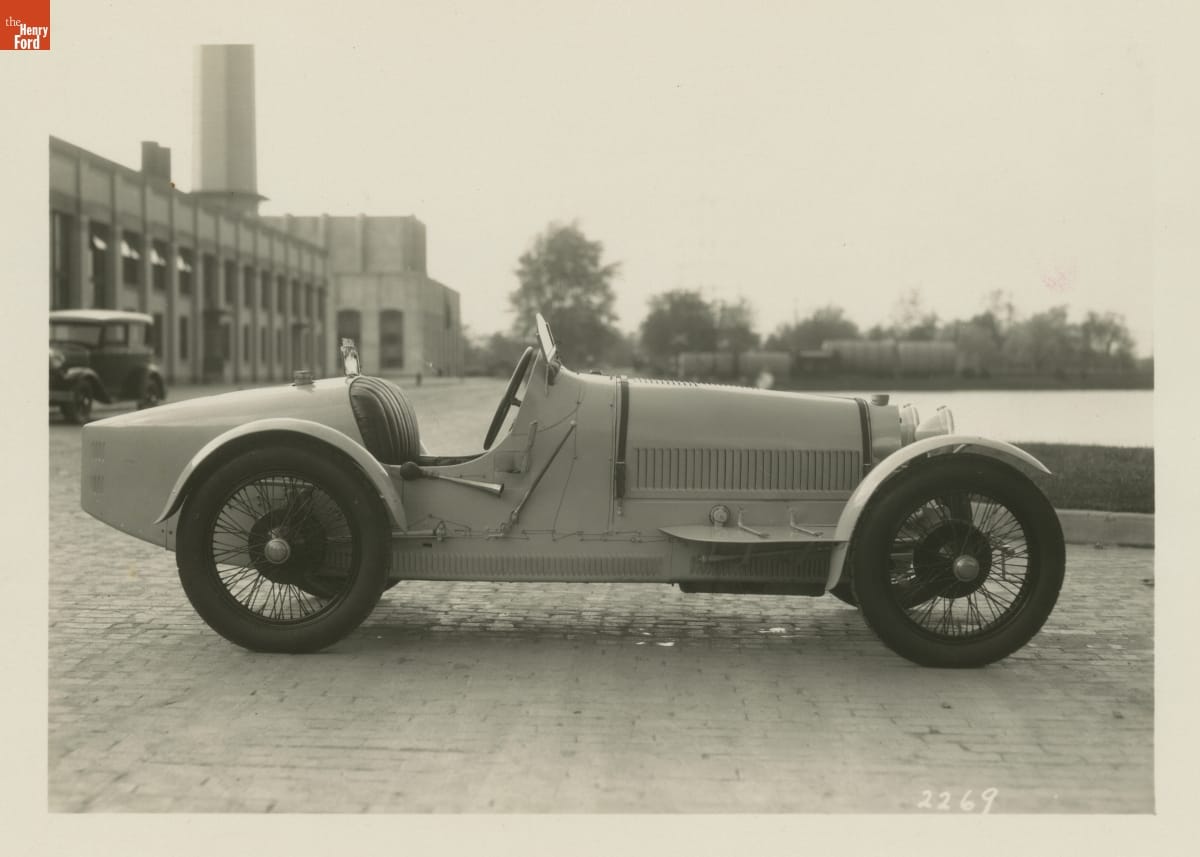
- 1928 Bugatti Type 35-A, Built for Edsel Ford, May 1930 - Bugatti's Type 35 was its most successful competition car of the 1920s. The automaker introduced its Type 35A in 1925 as a less powerful, though no less well built, version intended more for road use than racing. It featured an eight-cylinder engine rated at 80 horsepower. Edsel Ford purchased this Bugatti Type 35A, one of 139 made, in 1928.
- May 06, 1930
- Collections - Artifact
1928 Bugatti Type 35-A, Built for Edsel Ford, May 1930
Bugatti's Type 35 was its most successful competition car of the 1920s. The automaker introduced its Type 35A in 1925 as a less powerful, though no less well built, version intended more for road use than racing. It featured an eight-cylinder engine rated at 80 horsepower. Edsel Ford purchased this Bugatti Type 35A, one of 139 made, in 1928.
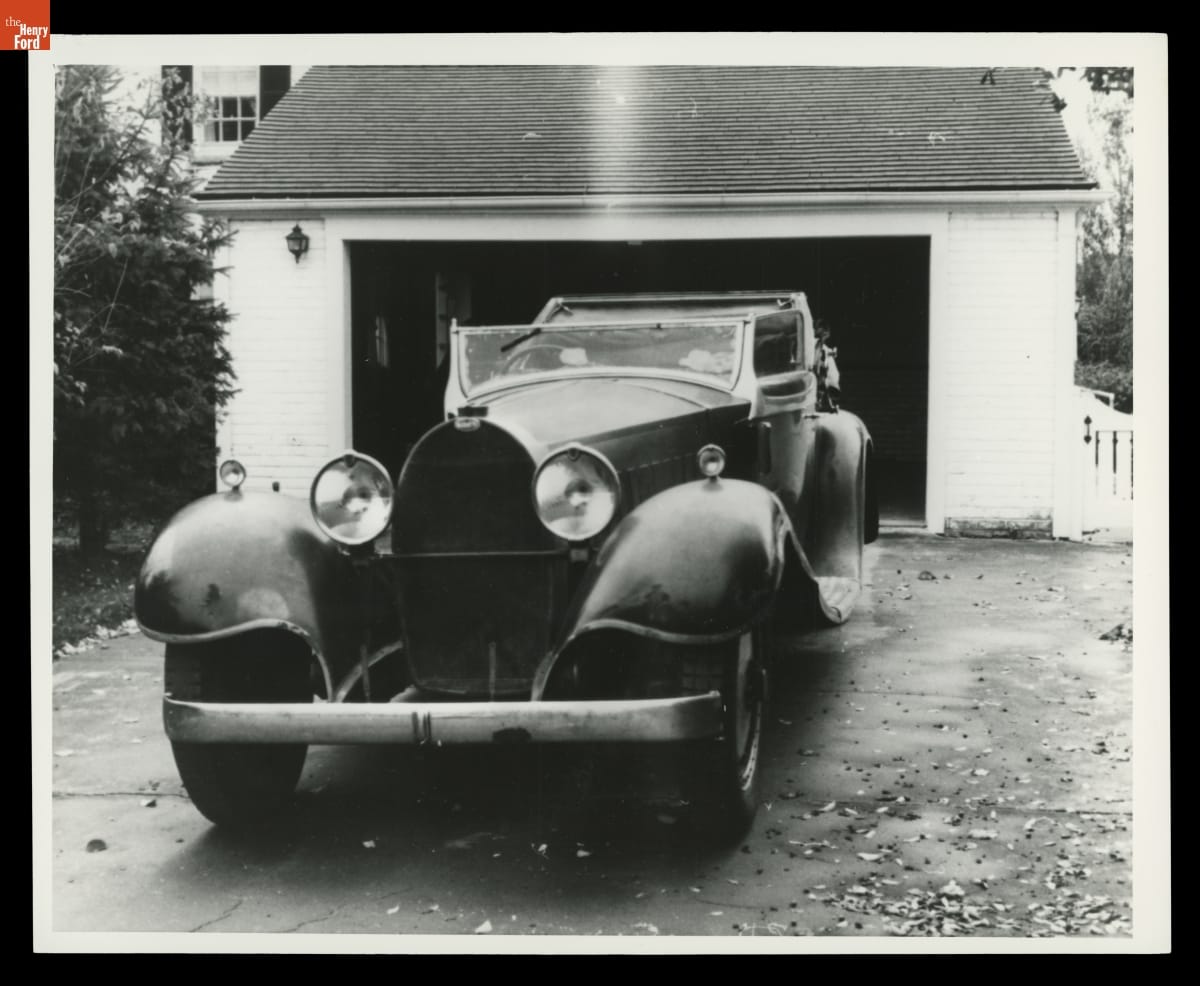
- 1931 Bugatti Royale, 1943-1945 - In 1943, Charles Chayne acquired the 1931 Bugatti Royale from a New York-area salvage yard, where it had been taken after winter ice cracked the engine block. Chayne, chief engineer at Buick, repaired the engine and modified the car to his own specifications. He and his wife Esther donated the Royale to The Henry Ford in 1958.
- 1943-1945
- Collections - Artifact
1931 Bugatti Royale, 1943-1945
In 1943, Charles Chayne acquired the 1931 Bugatti Royale from a New York-area salvage yard, where it had been taken after winter ice cracked the engine block. Chayne, chief engineer at Buick, repaired the engine and modified the car to his own specifications. He and his wife Esther donated the Royale to The Henry Ford in 1958.
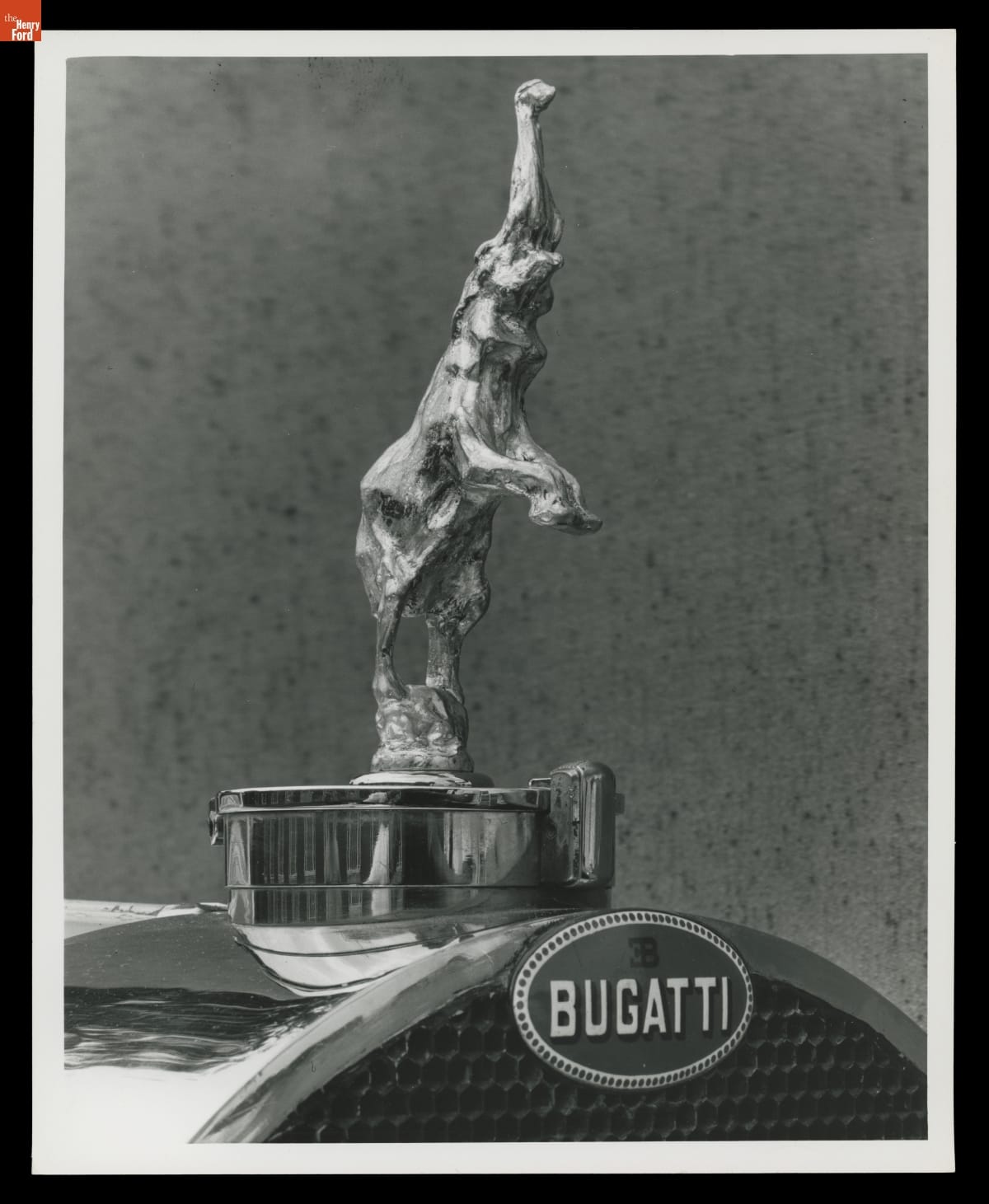
- 1931 Bugatti Royale Elephant Radiator Ornament, 1968 - The Bugatti Royale's radiator is capped with a dancing elephant -- a suitably sized animal mascot for a car of such grand proportions. The ornament was cast from a work by sculptor Rembrandt Bugatti, younger brother of Royale builder Ettore Bugatti. Rembrandt Bugatti died in 1916 and the Royale's mascot was a tribute to his memory.
- 1968
- Collections - Artifact
1931 Bugatti Royale Elephant Radiator Ornament, 1968
The Bugatti Royale's radiator is capped with a dancing elephant -- a suitably sized animal mascot for a car of such grand proportions. The ornament was cast from a work by sculptor Rembrandt Bugatti, younger brother of Royale builder Ettore Bugatti. Rembrandt Bugatti died in 1916 and the Royale's mascot was a tribute to his memory.
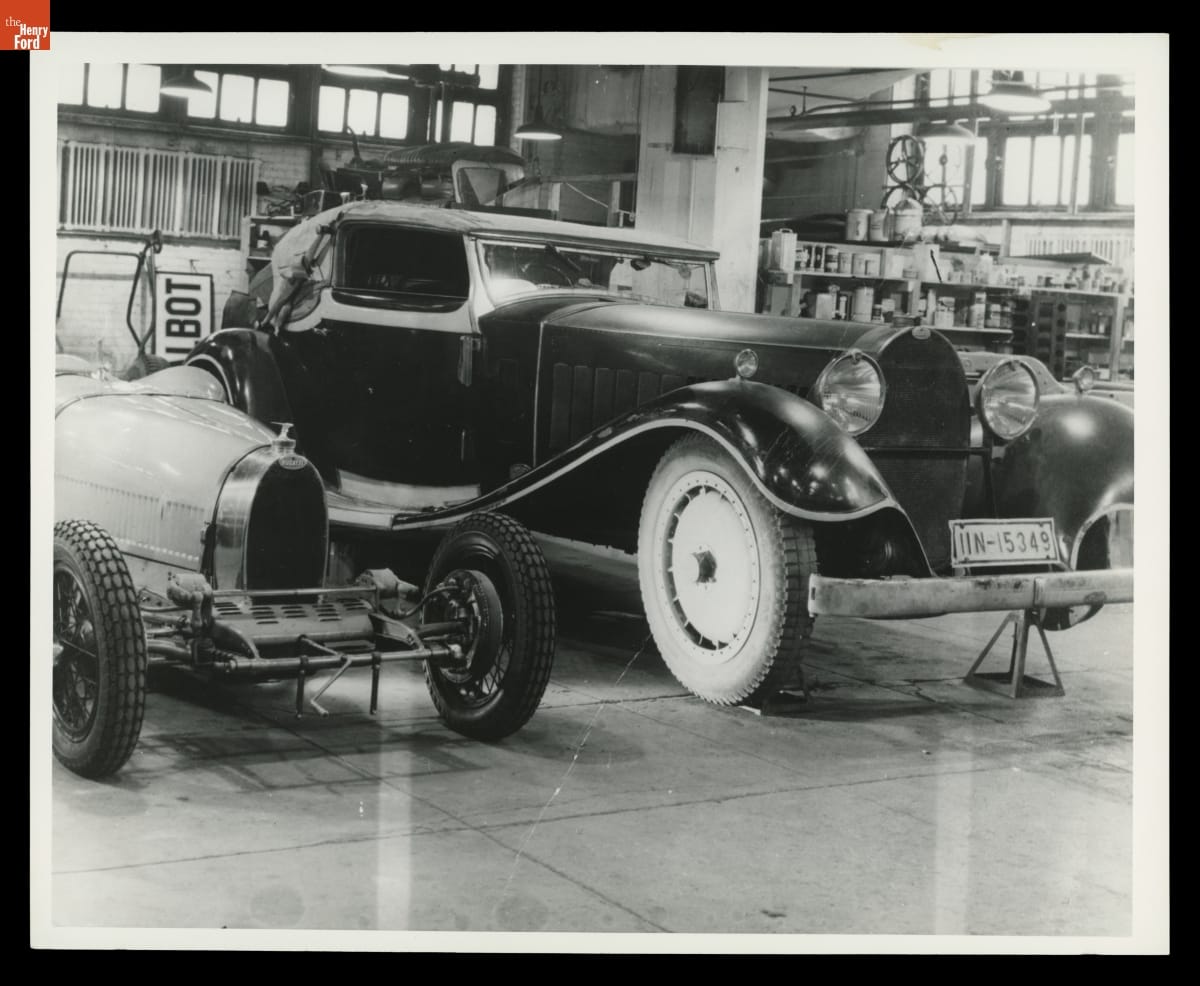
- 1931 Bugatti Royale, circa 1943 - In 1943, Charles Chayne acquired the 1931 Bugatti Royale from a New York-area salvage yard, where it had been taken after winter ice cracked the engine block. Chayne, chief engineer at Buick, repaired the engine and modified the car to his own specifications. He and his wife Esther donated the Royale to The Henry Ford in 1958.
- circa 1943
- Collections - Artifact
1931 Bugatti Royale, circa 1943
In 1943, Charles Chayne acquired the 1931 Bugatti Royale from a New York-area salvage yard, where it had been taken after winter ice cracked the engine block. Chayne, chief engineer at Buick, repaired the engine and modified the car to his own specifications. He and his wife Esther donated the Royale to The Henry Ford in 1958.
- 1931 Bugatti Royale outside Henry Ford Museum, 1968 - The Henry Ford acquired its 1931 Bugatti Royale in 1958. The French-built luxury car remains one of the most popular vehicles in the museum's collection. This photo shows the Bugatti's elegant instrument panel. Donors Charles and Esther Chayne redid the car's interior to suit their tastes, including replacing the original wood steering wheel with the green Tenite model seen here.
- 1968
- Collections - Artifact
1931 Bugatti Royale outside Henry Ford Museum, 1968
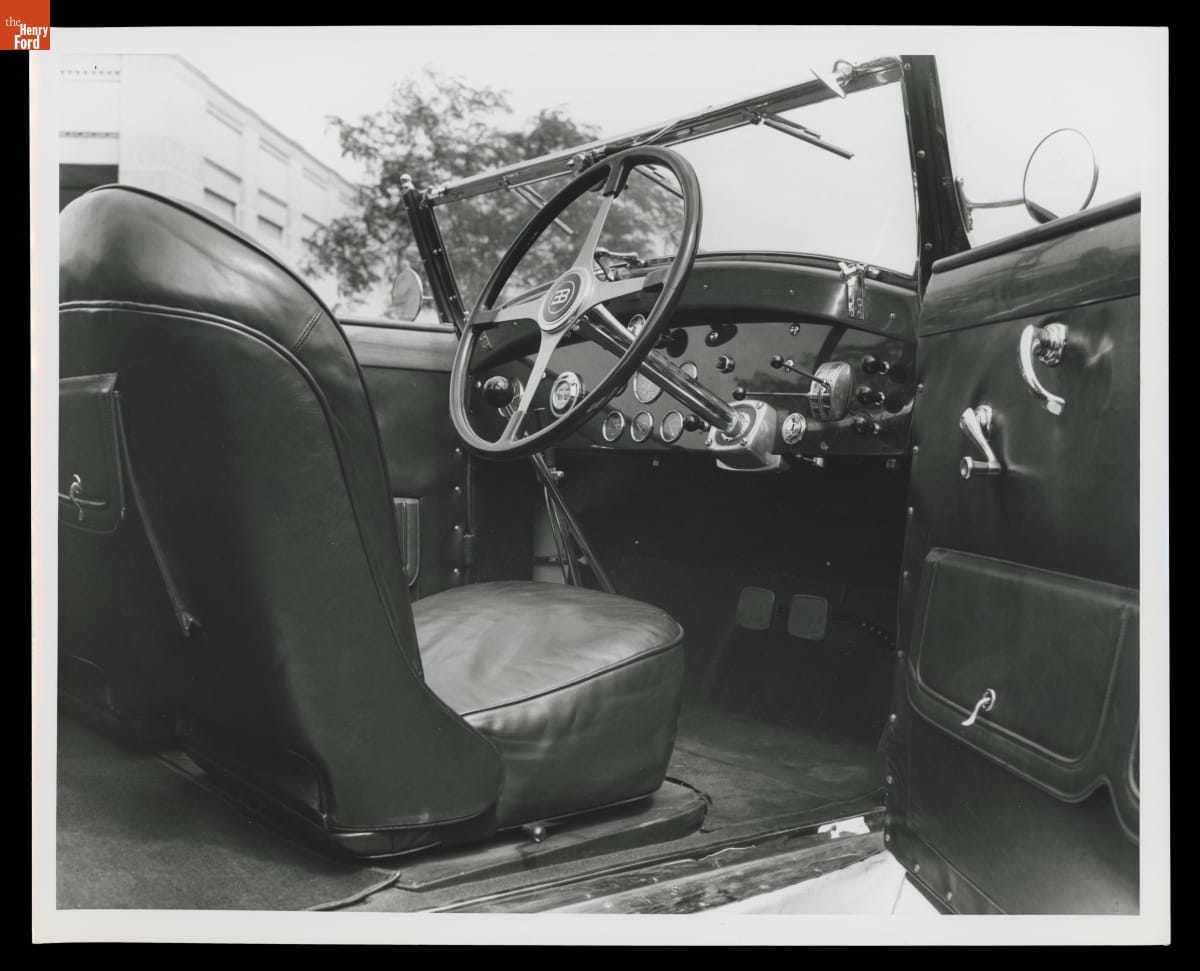
The Henry Ford acquired its 1931 Bugatti Royale in 1958. The French-built luxury car remains one of the most popular vehicles in the museum's collection. This photo shows the Bugatti's elegant instrument panel. Donors Charles and Esther Chayne redid the car's interior to suit their tastes, including replacing the original wood steering wheel with the green Tenite model seen here.
- 1931 Bugatti Type 41 Royale Convertible in Greenfield Village, September 1970 - The Henry Ford's 1931 Bugatti Type 41 Royale was posed for photos in Greenfield Village in 1970. German physician Joseph Fuchs originally purchased the car and then brought it to the United States in 1937. Charles Chayne bought the car in 1943. He and his wife Esther gave the car to The Henry Ford in 1958.
- September 01, 1970
- Collections - Artifact
1931 Bugatti Type 41 Royale Convertible in Greenfield Village, September 1970
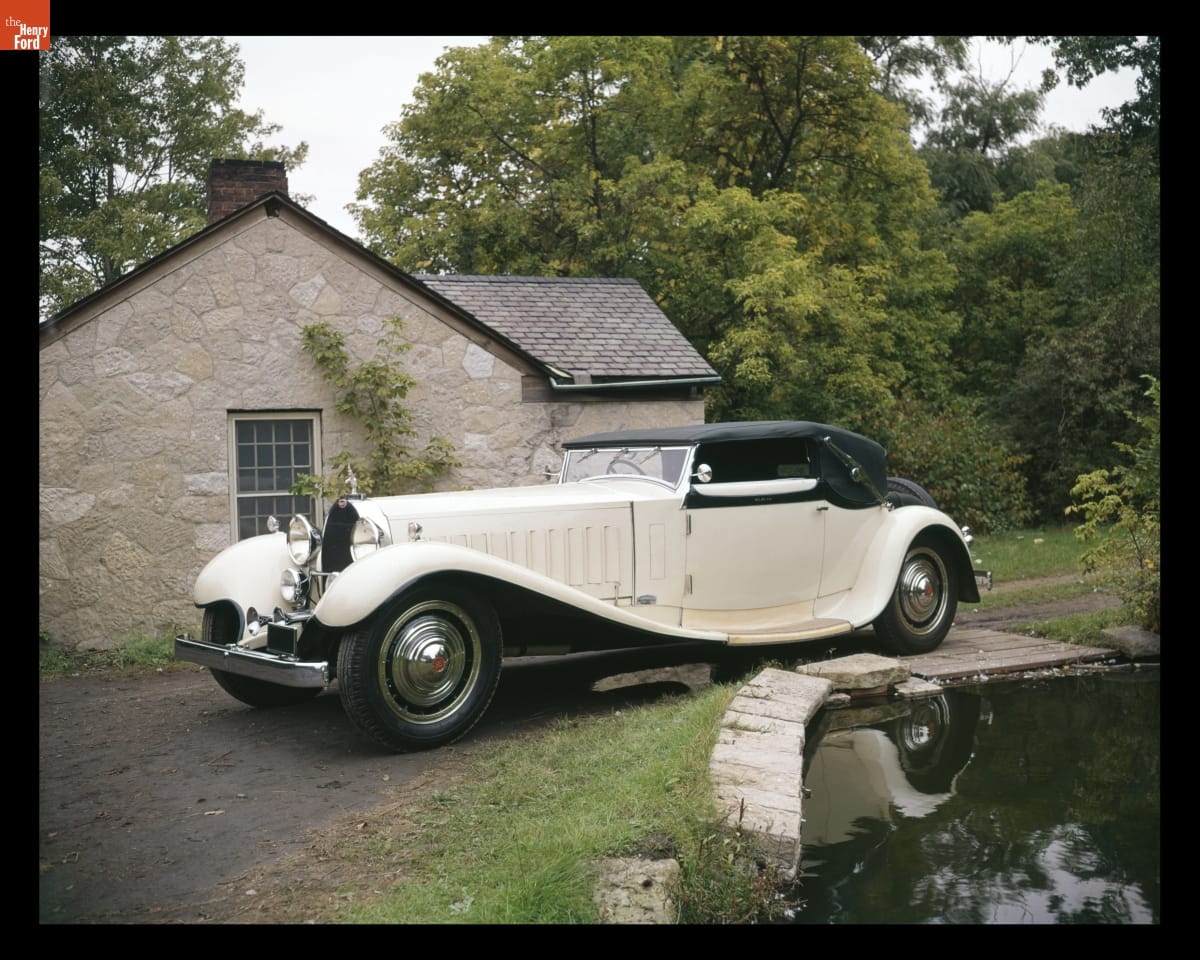
The Henry Ford's 1931 Bugatti Type 41 Royale was posed for photos in Greenfield Village in 1970. German physician Joseph Fuchs originally purchased the car and then brought it to the United States in 1937. Charles Chayne bought the car in 1943. He and his wife Esther gave the car to The Henry Ford in 1958.
- Advertising Poster for Bugatti Automobiles, "Le Pur-Sang des Automobiles," 1925 - Ettore Bugatti rightfully took pride in the precision engineering and high performance of his automobiles. Bugatti cars were highly successful in motor racing throughout the 1920s and 1930s. This 1925 advertising poster boasts about the automaker's high standards. The French phrase "le pur-sang des automobiles" translates into English as "the thoroughbred of automobiles."
- 1925
- Collections - Artifact
Advertising Poster for Bugatti Automobiles, "Le Pur-Sang des Automobiles," 1925
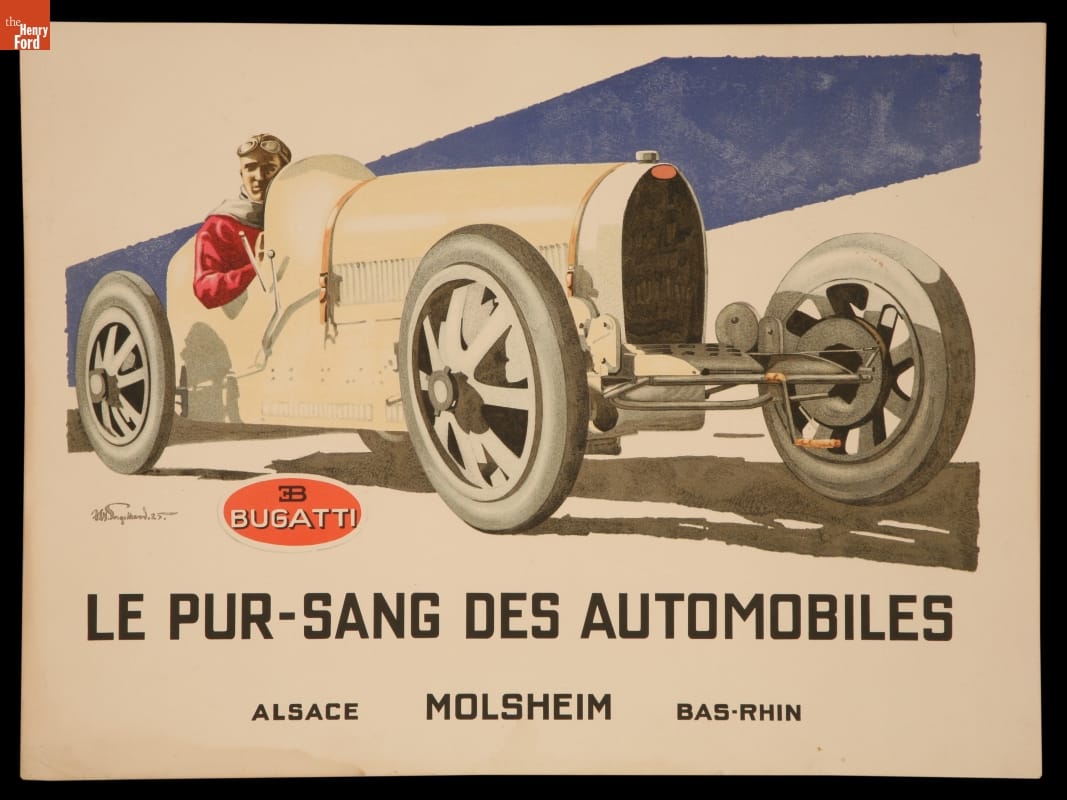
Ettore Bugatti rightfully took pride in the precision engineering and high performance of his automobiles. Bugatti cars were highly successful in motor racing throughout the 1920s and 1930s. This 1925 advertising poster boasts about the automaker's high standards. The French phrase "le pur-sang des automobiles" translates into English as "the thoroughbred of automobiles."
- Sales Brochure for 1931 Ettore Bugatti Automobiles - Italian-French builder Ettore Bugatti rightfully took pride in the precision engineering and high performance of his automobiles. This 1931 brochure spotlights Bugatti's Type 46 and Type 49 touring cars. Each model featured an 8-cylinder engine. The Type 49's unit had a displacement of 3.2 liters, while the larger Type 46's engine displaced 5 liters.
- 1931
- Collections - Artifact
Sales Brochure for 1931 Ettore Bugatti Automobiles
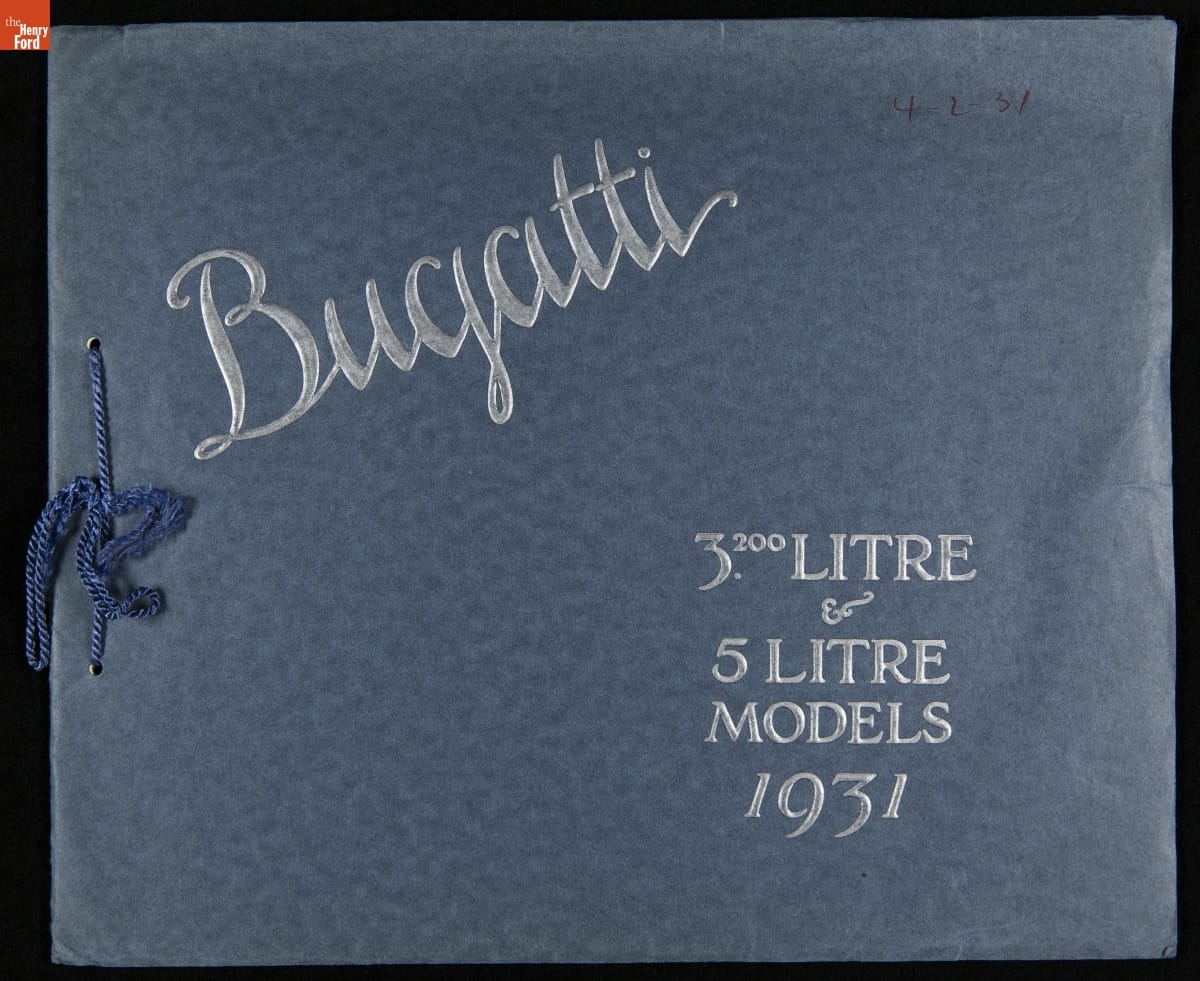
Italian-French builder Ettore Bugatti rightfully took pride in the precision engineering and high performance of his automobiles. This 1931 brochure spotlights Bugatti's Type 46 and Type 49 touring cars. Each model featured an 8-cylinder engine. The Type 49's unit had a displacement of 3.2 liters, while the larger Type 46's engine displaced 5 liters.
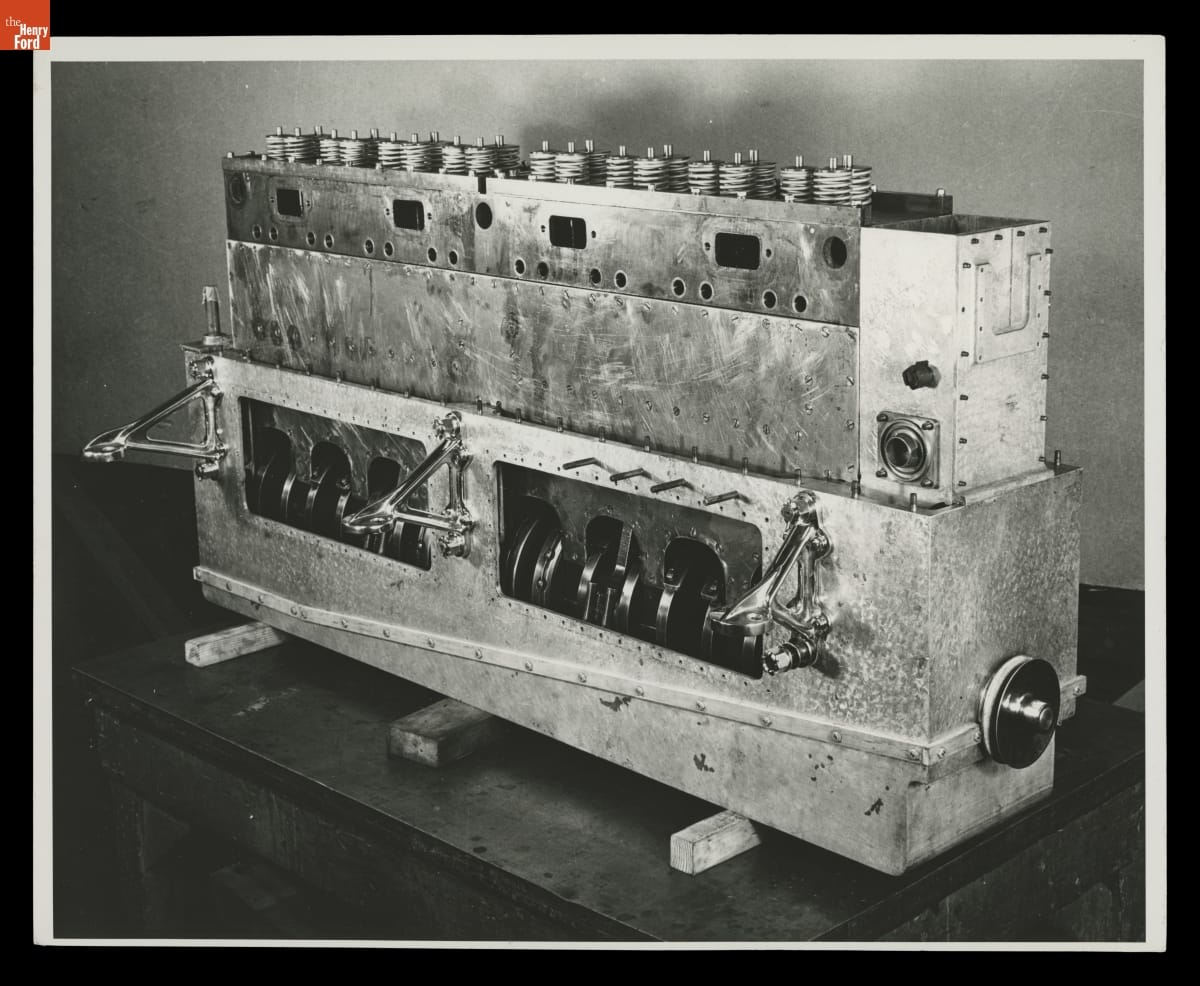
- 1931 Bugatti Royale Engine, 1943-1947 - When Charles Chayne purchased the 1931 Bugatti Royale from a salvage yard in 1943, its engine block had been bulged and cracked by improperly drained water and winter cold. Chayne milled the bulged areas flat and patched the cracks with steel plates on each side of the block. One of Chayne's patch plates is visible in this photo.
- 1943-1947
- Collections - Artifact
1931 Bugatti Royale Engine, 1943-1947
When Charles Chayne purchased the 1931 Bugatti Royale from a salvage yard in 1943, its engine block had been bulged and cracked by improperly drained water and winter cold. Chayne milled the bulged areas flat and patched the cracks with steel plates on each side of the block. One of Chayne's patch plates is visible in this photo.
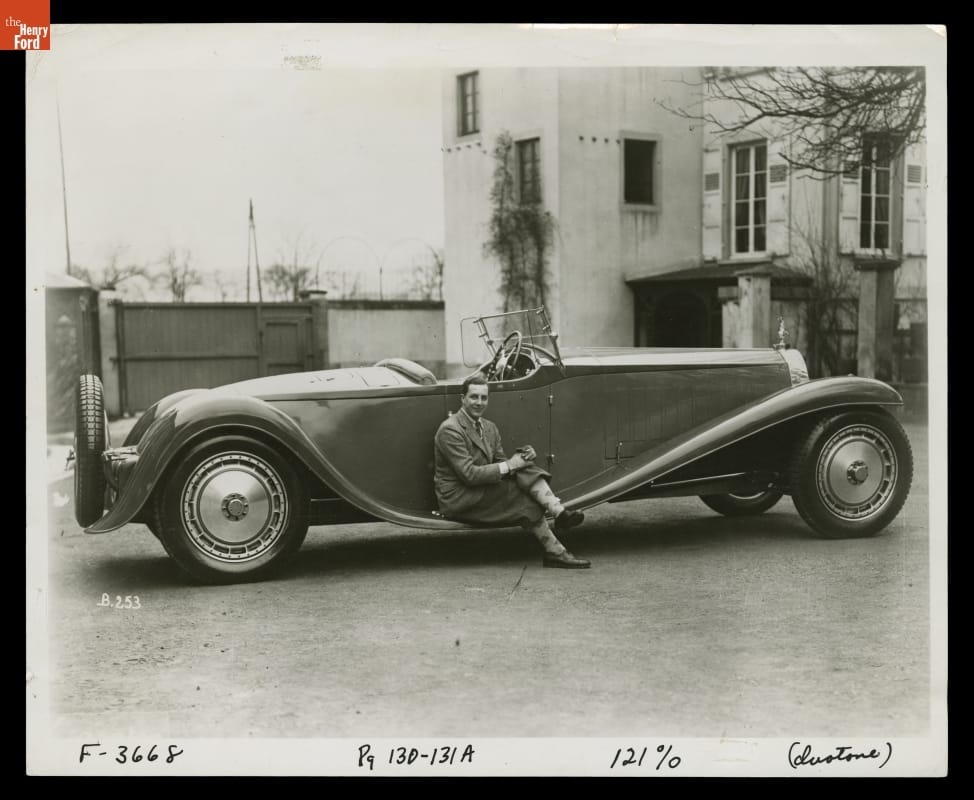
- Jean Bugatti and his Bugatti Royale Roadster, 1930-1939 - Jean Bugatti, son of automaker Ettore Bugatti, posed for this photo with a Bugatti Type 41 Royale he designed for French clothing manufacturer Armand Esders. The car originally featured an open body with sweeping fenders and no headlights. Later, a subsequent owner rebodied the roadster as a partially closed coupe de ville.
- 1930-1939
- Collections - Artifact
Jean Bugatti and his Bugatti Royale Roadster, 1930-1939
Jean Bugatti, son of automaker Ettore Bugatti, posed for this photo with a Bugatti Type 41 Royale he designed for French clothing manufacturer Armand Esders. The car originally featured an open body with sweeping fenders and no headlights. Later, a subsequent owner rebodied the roadster as a partially closed coupe de ville.