
1931 Bugatti Royale Elephant Radiator Ornament, 1968
THF145933 / 1931 Bugatti Royale Elephant Radiator Ornament, 1968
01
Artifact Overview
The Bugatti Royale's radiator is capped with a dancing elephant -- a suitably sized animal mascot for a car of such grand proportions. The ornament was cast from a work by sculptor Rembrandt Bugatti, younger brother of Royale builder Ettore Bugatti. Rembrandt Bugatti died in 1916 and the Royale's mascot was a tribute to his memory.
Artifact Details
Artifact
Photographic print
Date Made
1968
Subject Date
1968
Location
By Request in the Benson Ford Research Center
Object ID
2018.0.4.P.B.50042
Credit
From the Collections of The Henry Ford.
Material
Paper (Fiber product)
Technique
Gelatin silver process
Color
Black-and-white (Colors)
Dimensions
Height: 8.125 in
Width: 10 in
Keywords |
|---|
02
Related Artifacts
 Artifact
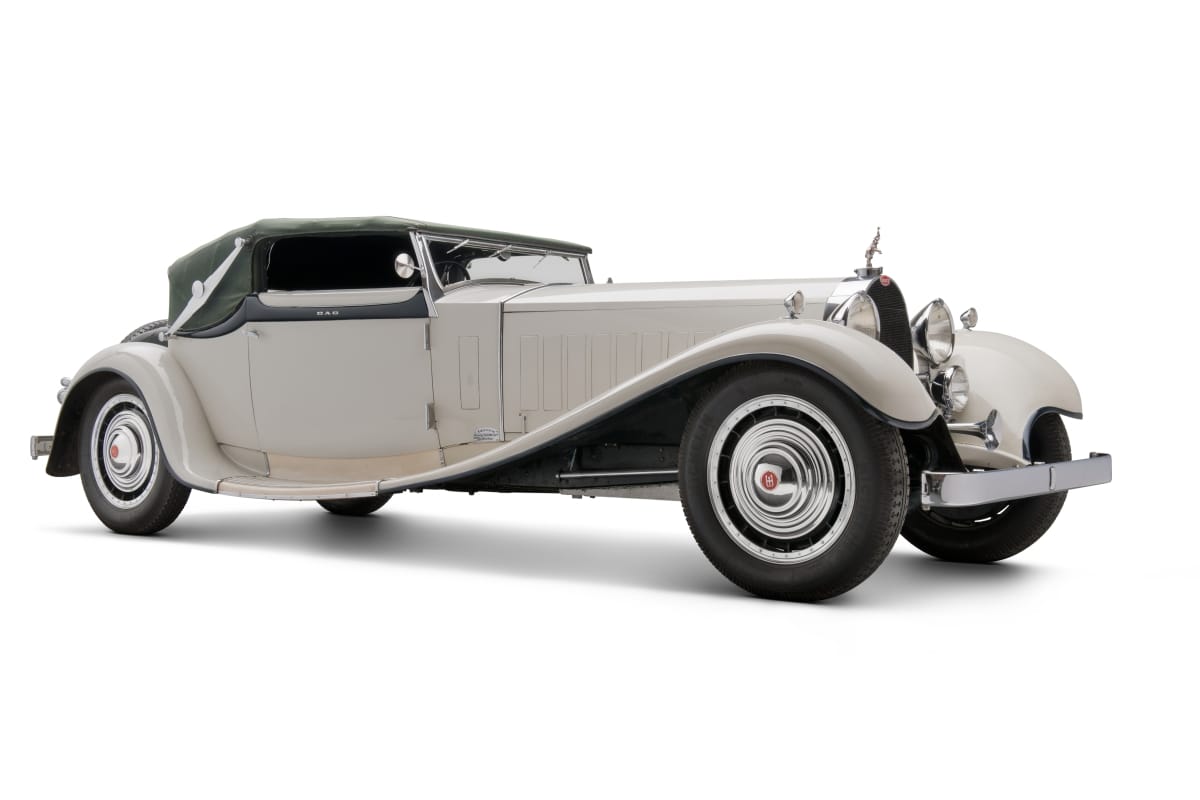
1931 Bugatti Type 41 Royale Convertible
Longer than a Duesenberg. Twice the horsepower of a Rolls-Royce. More costly than both put together. The Bugatti Royale was the ultimate automobile, making its owners feel like kings. Not only did it do everything on a grander scale than the world's other great luxury cars, it was also rare. Bugatti built only six Royales, whereas there were 481 Model J Duesenbergs and 1,767 Phantom II Rolls-Royces.
03
Related Content
 Set
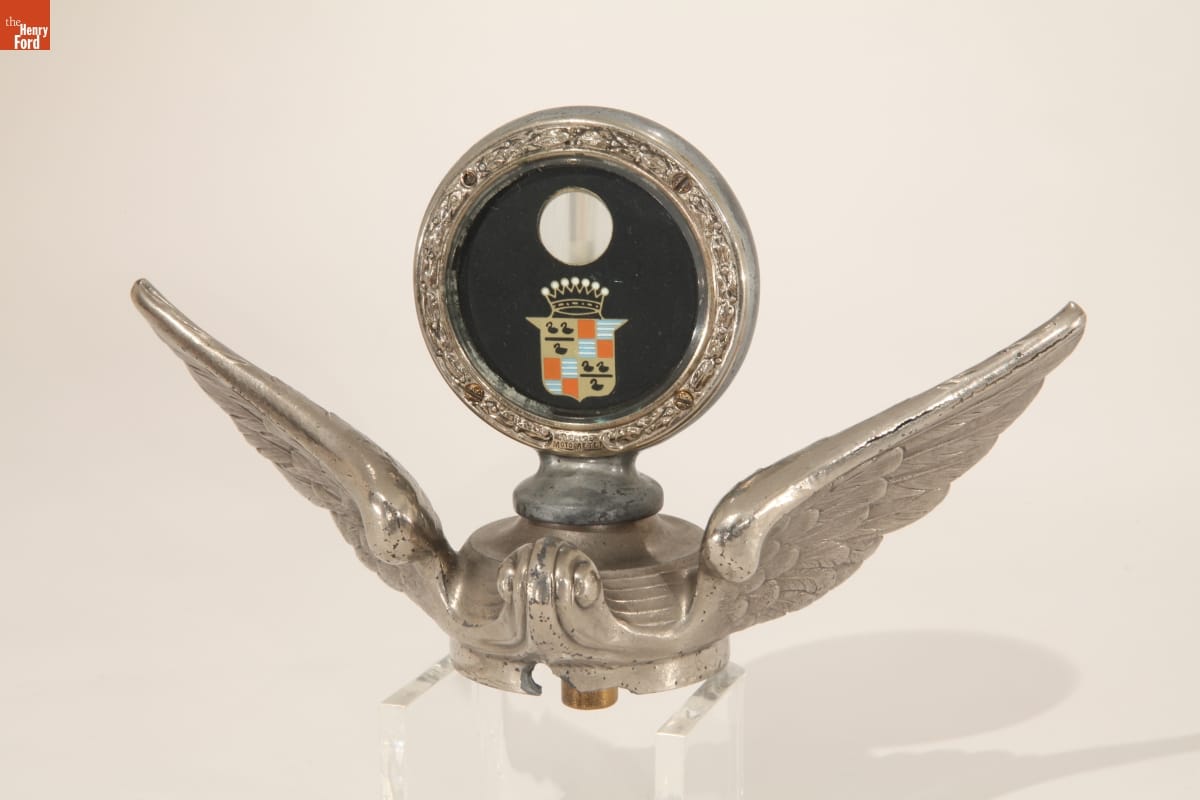
SetMotor Mascots
- 18 Artifacts
Hood ornaments -- formally called mascots -- are among the most prominent decorative elements on an automobile's exterior. Manufacturers designed mascots that communicated speed, power, or prestige. Some motorists replaced factory ornaments with aftermarket pieces that conveyed wealth and taste. More practical drivers capped their radiators with functional motometers to measure engine temperature. In any form, mascots made a statement.