
Search
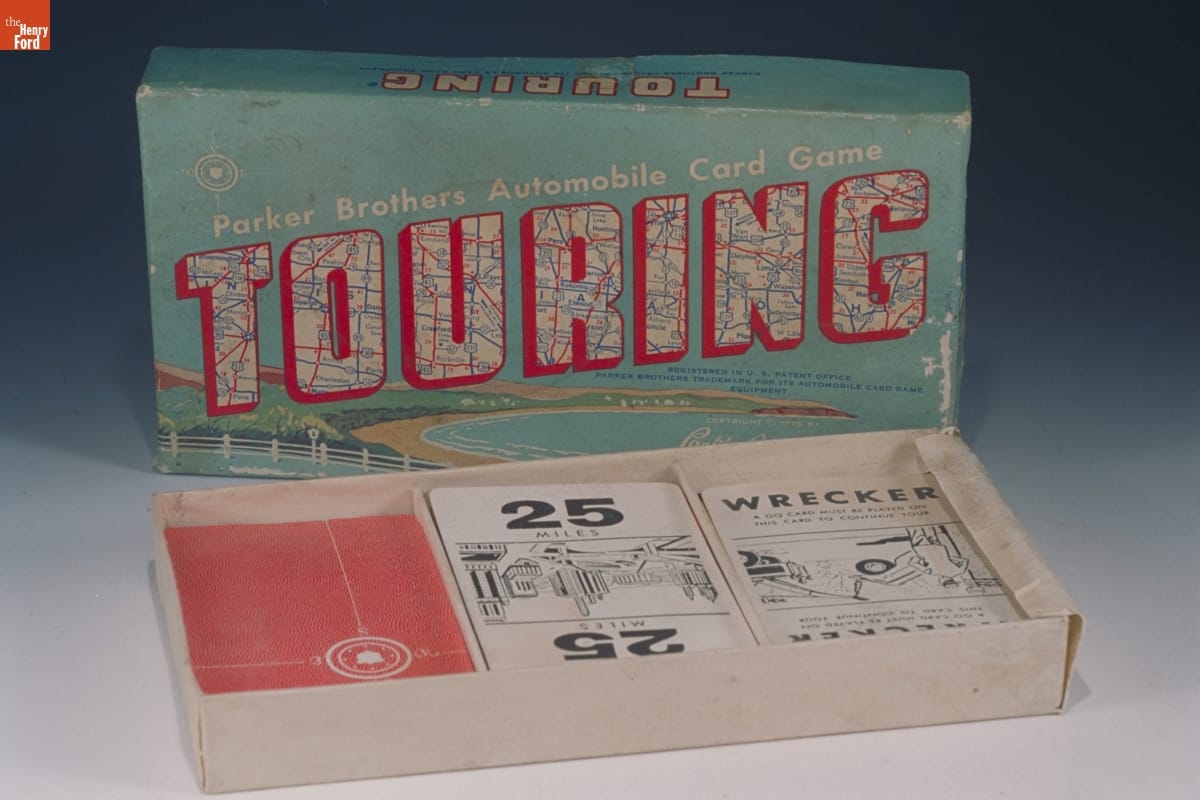
- Touring: Automobile Card Game, 1958-1965 - Players race to win in this 1958 version of Touring: Parker Brothers Automobile Card Game. Players collect mile cards to advance, but "Broken spring," "Collision" or "Out of gas" cards can slow the tourist down. A version of this game has been around since 1906. Parker Brothers purchased the rights to this game in 1925.
- 1958-1965
- Collections - Artifact
Touring: Automobile Card Game, 1958-1965
Players race to win in this 1958 version of Touring: Parker Brothers Automobile Card Game. Players collect mile cards to advance, but "Broken spring," "Collision" or "Out of gas" cards can slow the tourist down. A version of this game has been around since 1906. Parker Brothers purchased the rights to this game in 1925.
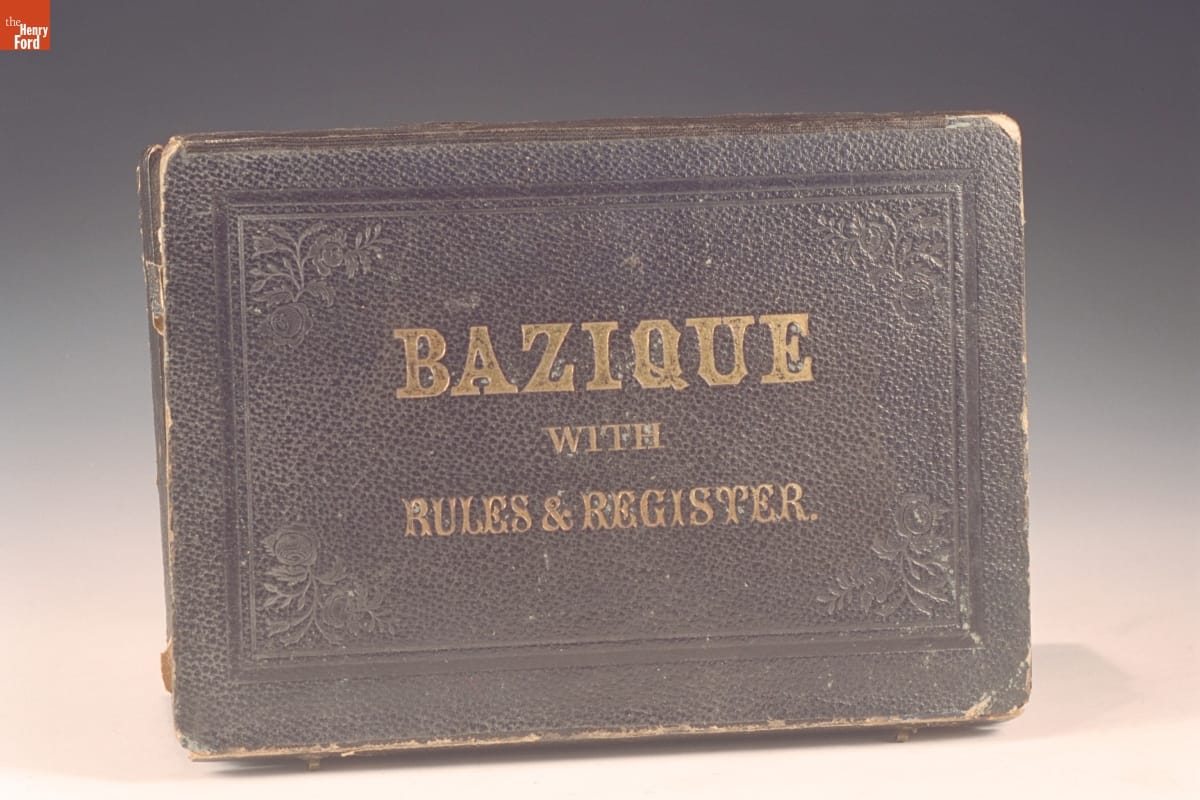
- Bazique Game, 1864-1870 - Developed in Europe, this 1860s version of Bazique (now commonly spelled Bezique) uses the 7 through ace cards from four standard decks. Players bid and take tricks to score and win the game. This set was made by Samuel Hart & Company of Philadelphia, Pennsylvania. The manufacturer also included two "Saladee's Patent" Bazique registers that help players keep score.
- 1864-1870
- Collections - Artifact
Bazique Game, 1864-1870
Developed in Europe, this 1860s version of Bazique (now commonly spelled Bezique) uses the 7 through ace cards from four standard decks. Players bid and take tricks to score and win the game. This set was made by Samuel Hart & Company of Philadelphia, Pennsylvania. The manufacturer also included two "Saladee's Patent" Bazique registers that help players keep score.
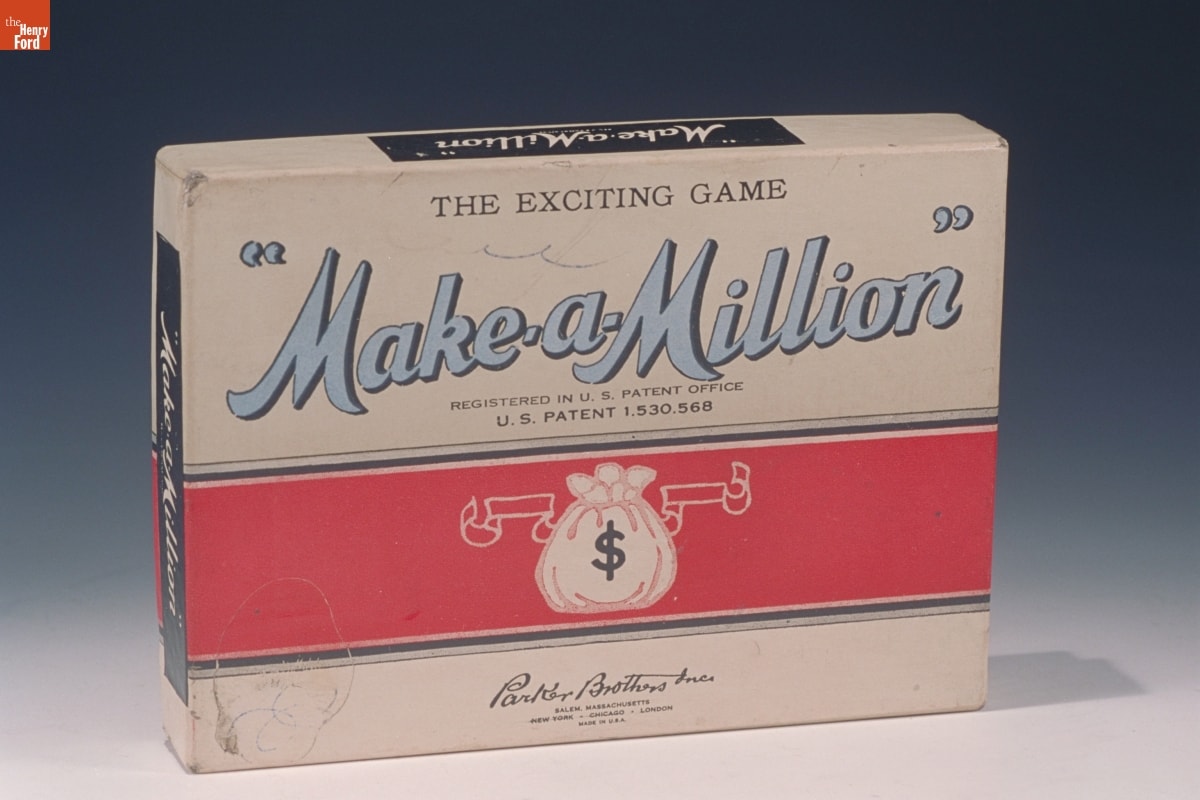
- The Exciting Game: "Make-A-Million," 1945-1955 - Parker Brothers copyrighted this card game in 1934. Teams work to make a million dollars (points) by winning tricks during the play of the game. A 55-card deck contains 52 colored number and money cards -- money cards count to the total. An additional three wild cards -- tiger, bull, and bear -- influence values won during play.
- 1945-1955
- Collections - Artifact
The Exciting Game: "Make-A-Million," 1945-1955
Parker Brothers copyrighted this card game in 1934. Teams work to make a million dollars (points) by winning tricks during the play of the game. A 55-card deck contains 52 colored number and money cards -- money cards count to the total. An additional three wild cards -- tiger, bull, and bear -- influence values won during play.
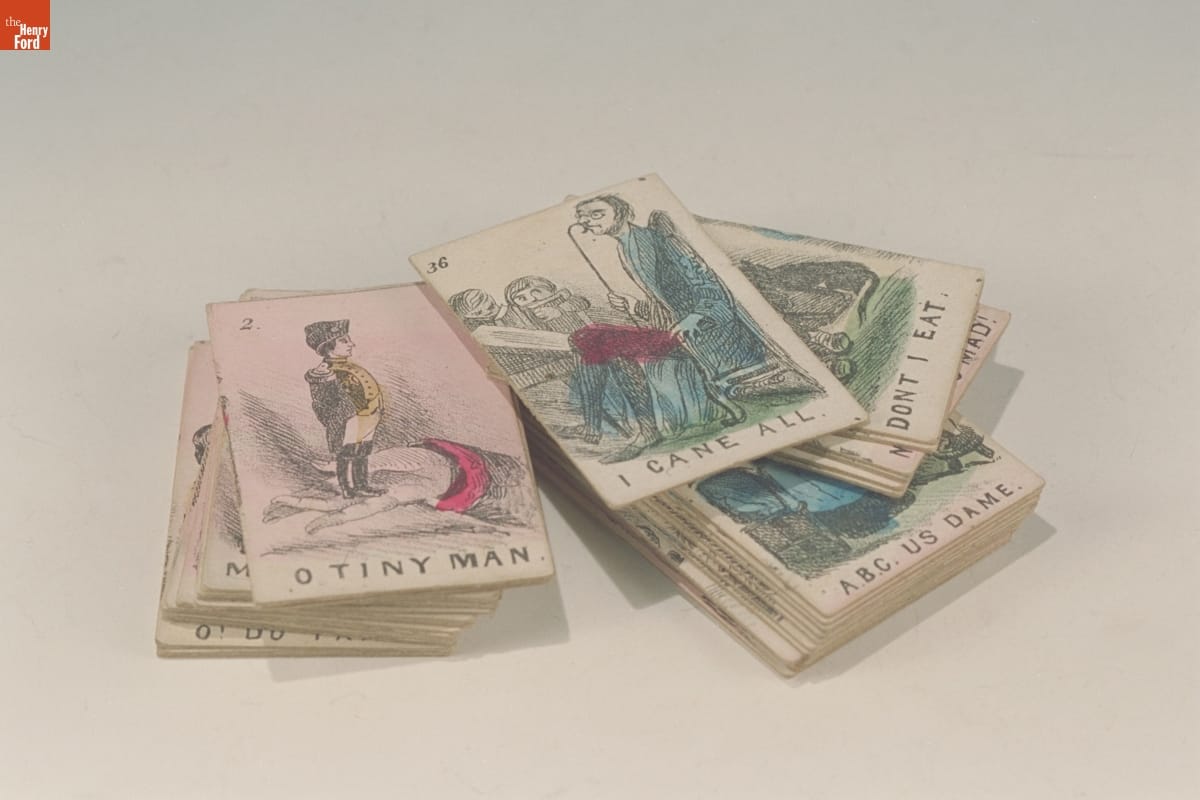
- Card Game, 1840-1850 - Each card in this set has a hand-colored, printed image with a short two to five word phrase beneath. It is unclear what type of game these cards were used for, though they may have been used for a game where the phrases filled in blank sections of a story -- adding a humorous outcome to simple story-telling.
- 1840-1850
- Collections - Artifact
Card Game, 1840-1850
Each card in this set has a hand-colored, printed image with a short two to five word phrase beneath. It is unclear what type of game these cards were used for, though they may have been used for a game where the phrases filled in blank sections of a story -- adding a humorous outcome to simple story-telling.
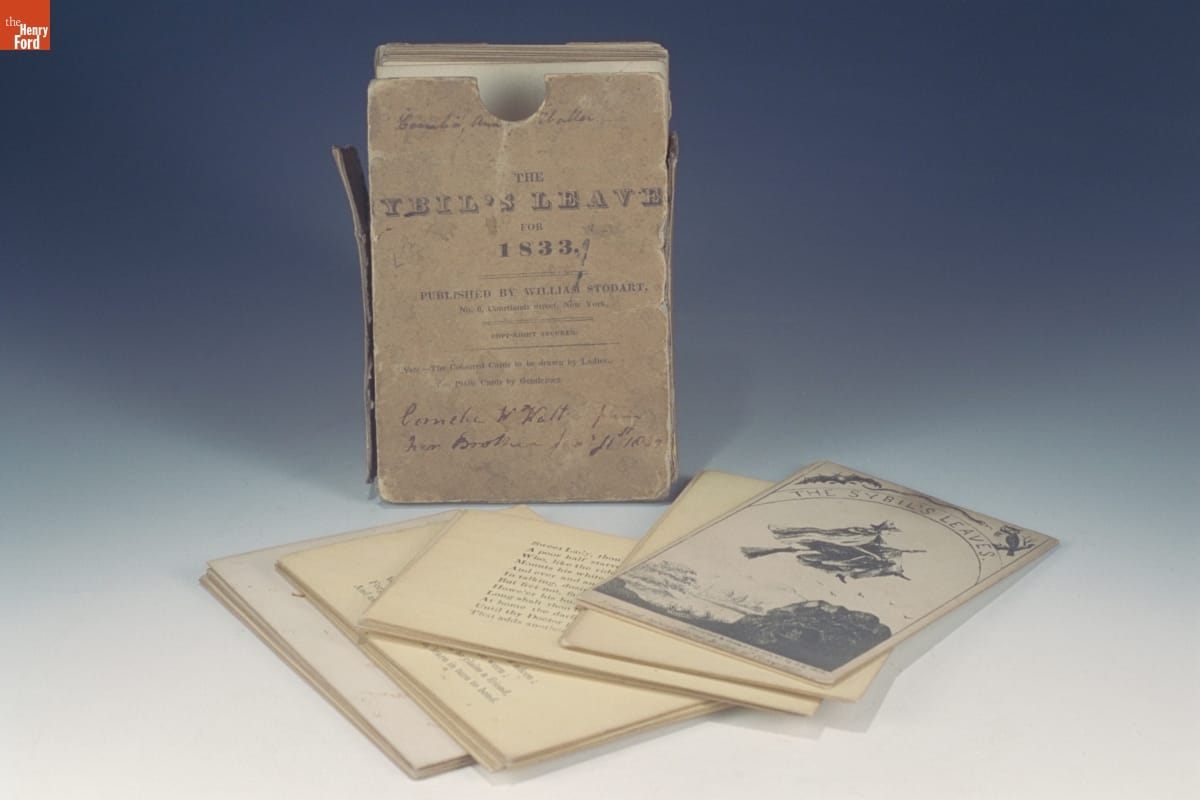
- The Sybil's Leaves for 1833 Game - This set of cards contains poetic verses that contain harmless prophesies. Partygoers in the 1830s used this deck as a form of an evening's entertainment. Players would read the printed verses and probably discuss their meaning or laugh at their (in)accuracies. Plain white cards contained predictions for men; colored cards contained ones for women.
- 1833
- Collections - Artifact
The Sybil's Leaves for 1833 Game
This set of cards contains poetic verses that contain harmless prophesies. Partygoers in the 1830s used this deck as a form of an evening's entertainment. Players would read the printed verses and probably discuss their meaning or laugh at their (in)accuracies. Plain white cards contained predictions for men; colored cards contained ones for women.
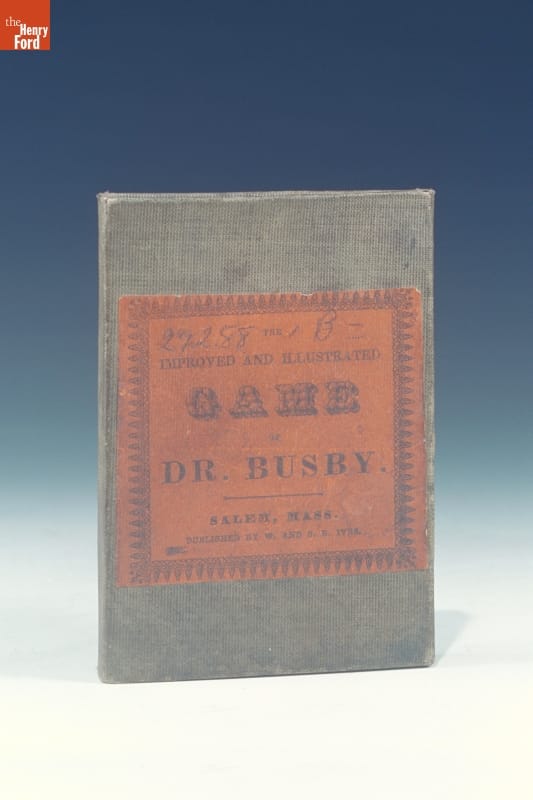
- Dr. Busby Game, 1843-1850 - Anne Abbott created the card game Dr. Busby in the 1840s. Produced by W. & S. B. Ives, it became one of the most popular card games of the mid-1800s. Hand-colored cards illustrate various people and scenes. Players used their memories to capture these cards from other players. When one player had all the cards they won.
- 1843-1850
- Collections - Artifact
Dr. Busby Game, 1843-1850
Anne Abbott created the card game Dr. Busby in the 1840s. Produced by W. & S. B. Ives, it became one of the most popular card games of the mid-1800s. Hand-colored cards illustrate various people and scenes. Players used their memories to capture these cards from other players. When one player had all the cards they won.
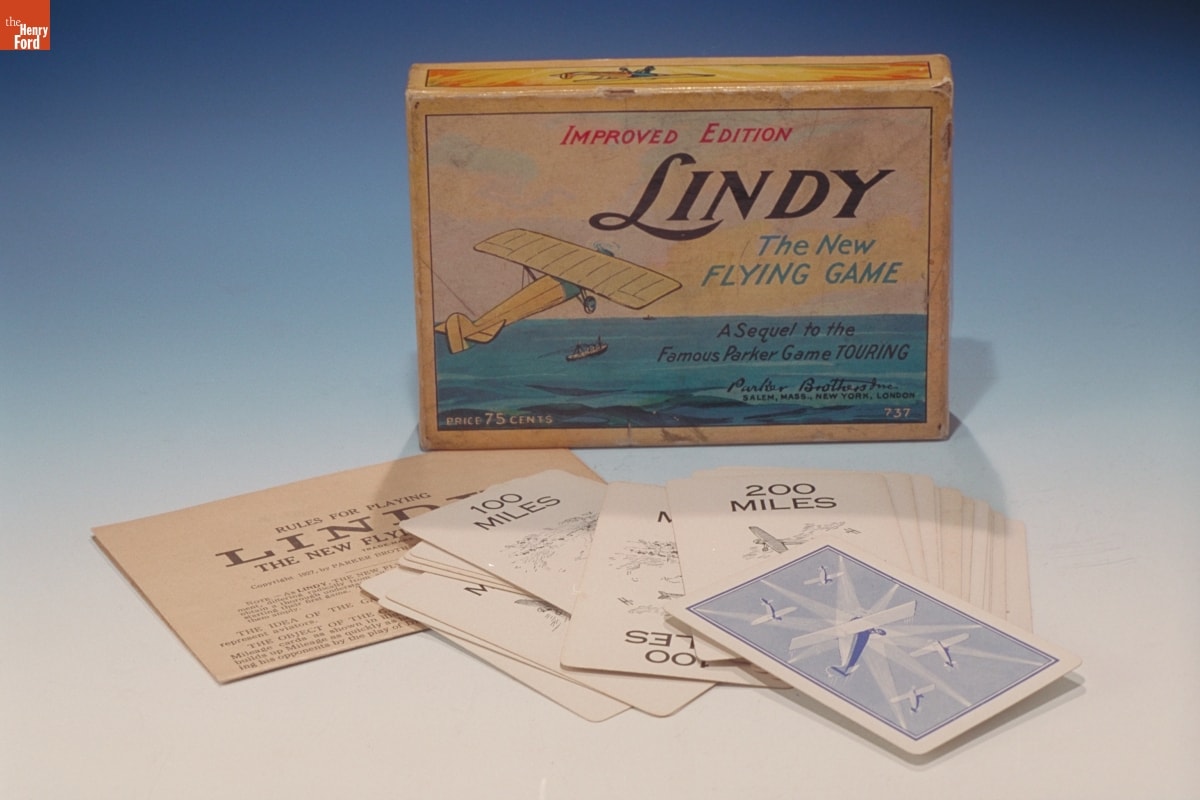
- Lindy, The New Flying Game, 1927 - In 1927, Charles Lindbergh became the first person to fly solo across the Atlantic. Americans were captivated by this amazing feat. Parker Brothers capitalized on the public's fascination with their new hero and produced this game. Similar to their Touring card game, Lindy requires players to collect mileage cards to win. Other cards help or hinder the traveler's progress.
- 1927
- Collections - Artifact
Lindy, The New Flying Game, 1927
In 1927, Charles Lindbergh became the first person to fly solo across the Atlantic. Americans were captivated by this amazing feat. Parker Brothers capitalized on the public's fascination with their new hero and produced this game. Similar to their Touring card game, Lindy requires players to collect mileage cards to win. Other cards help or hinder the traveler's progress.
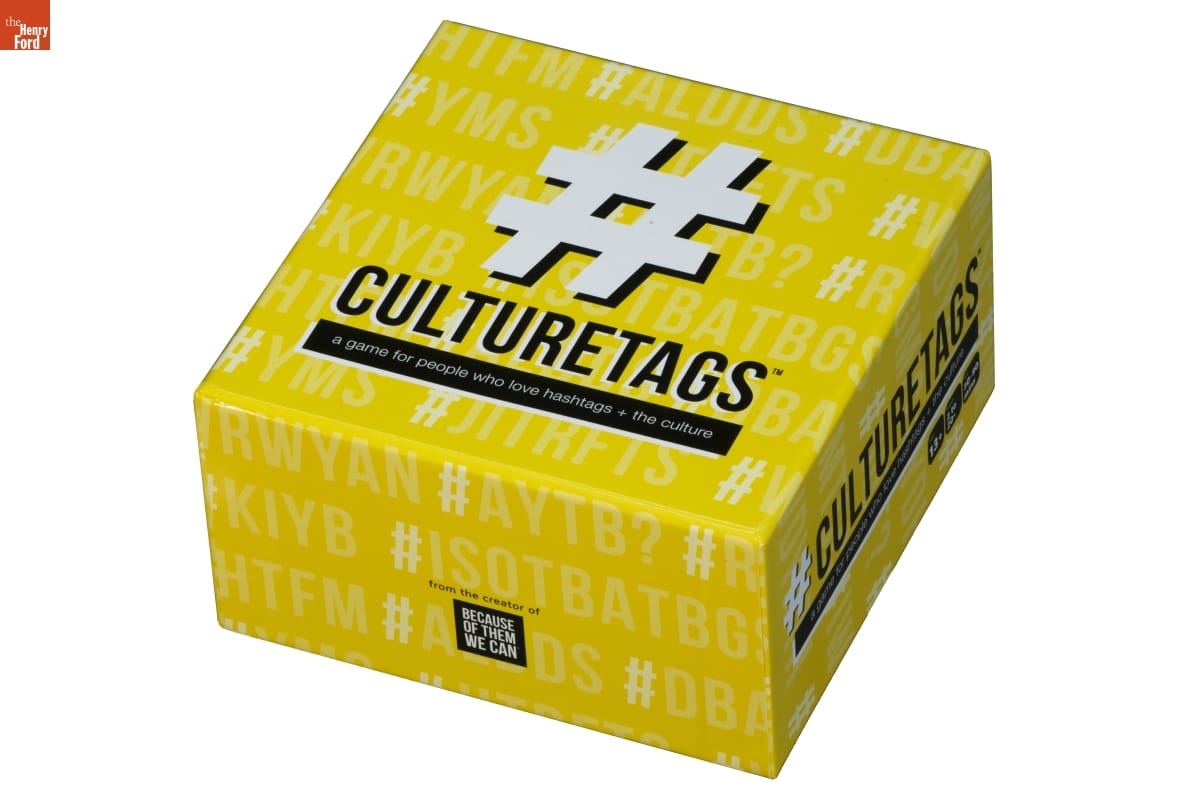
- #Culturetags Game, 2021 -
- 2021
- Collections - Artifact
#Culturetags Game, 2021
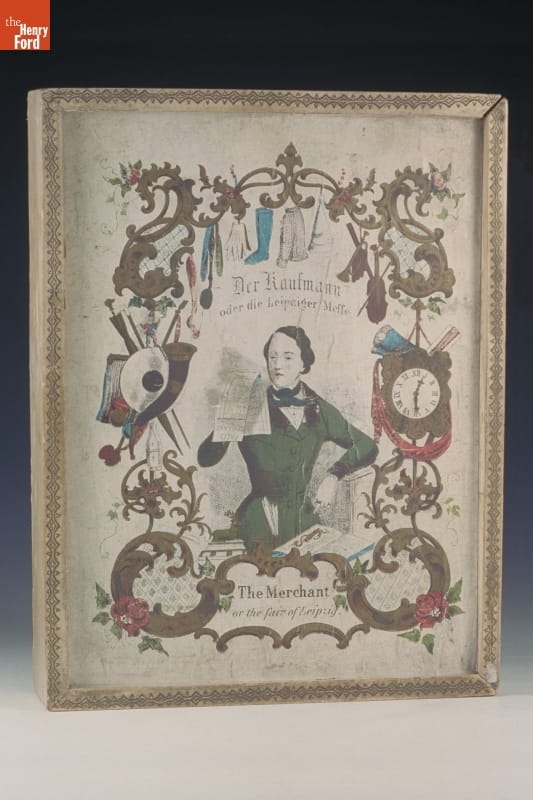
- The Merchant or the Fair of Leipzig Game, 1845-1855 - The Merchant or the Fair of Leipzig game is a bidding game centered on mid-19th century manufactured items -- goods familiar to the contemporary game players. Players describe and create a value for the goods depicted on the colorfully printed cards. Rolls of the dice add (or subtract) game counters from a player's supply.
- 1845-1855
- Collections - Artifact
The Merchant or the Fair of Leipzig Game, 1845-1855
The Merchant or the Fair of Leipzig game is a bidding game centered on mid-19th century manufactured items -- goods familiar to the contemporary game players. Players describe and create a value for the goods depicted on the colorfully printed cards. Rolls of the dice add (or subtract) game counters from a player's supply.
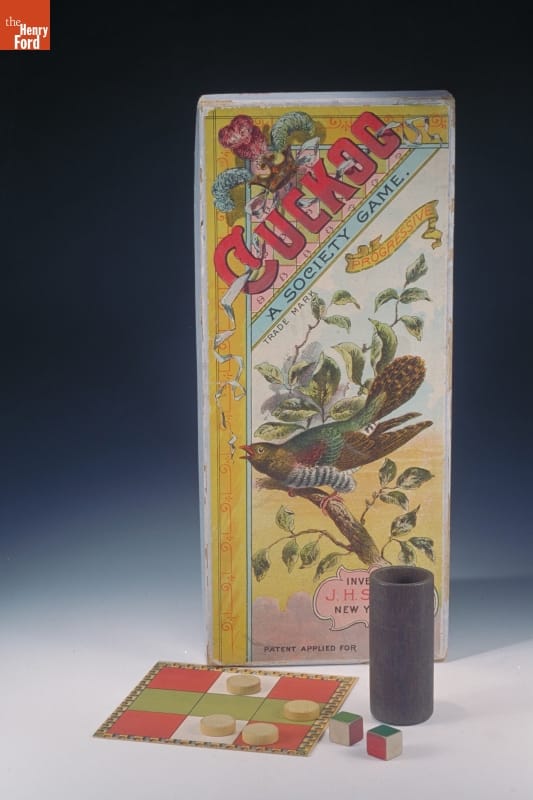
- Cuckoo: A Society Game, circa 1890 - Cuckoo is a bingo-like game where players win by covering up all the colors on a card -- at which time they yell "Cuckoo!" The colorful, eye-catching lithography on the box cover -- a staple for successful game manufacturers in the late 1800s -- probably attracted many consumers to try the game. J. H. Singer invented this game in 1891.
- circa 1890
- Collections - Artifact
Cuckoo: A Society Game, circa 1890
Cuckoo is a bingo-like game where players win by covering up all the colors on a card -- at which time they yell "Cuckoo!" The colorful, eye-catching lithography on the box cover -- a staple for successful game manufacturers in the late 1800s -- probably attracted many consumers to try the game. J. H. Singer invented this game in 1891.