
Search
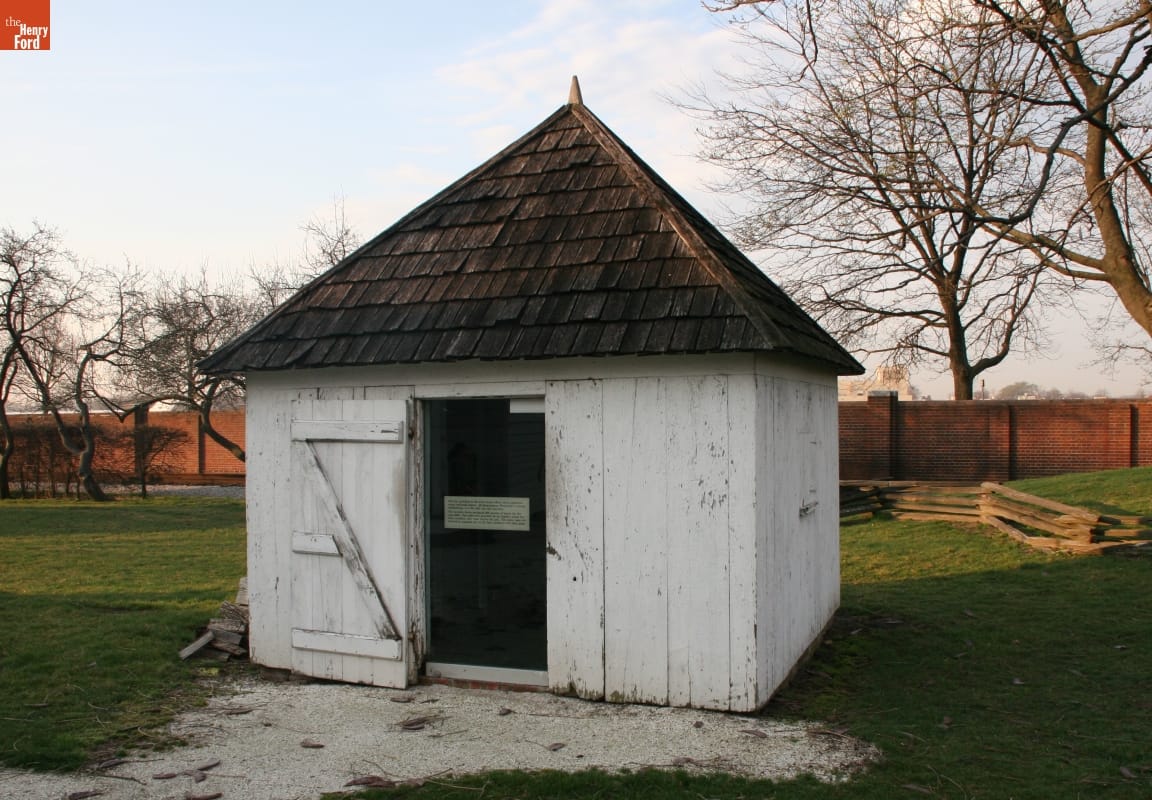
- Susquehanna Dairy - This dairy house stood on Susquehanna Plantation, near the main dwelling house. Here, enslaved African Americans had responsibility for the time consuming tasks of making butter and cheese, an important part of the planters' diet. Besides a dairy, plantation outbuildings typically included slave quarters, tobacco barn, corn house, stable, meat house, poultry house, blacksmith and carpentry shops.
- circa 1800
- Collections - Artifact
Susquehanna Dairy
This dairy house stood on Susquehanna Plantation, near the main dwelling house. Here, enslaved African Americans had responsibility for the time consuming tasks of making butter and cheese, an important part of the planters' diet. Besides a dairy, plantation outbuildings typically included slave quarters, tobacco barn, corn house, stable, meat house, poultry house, blacksmith and carpentry shops.
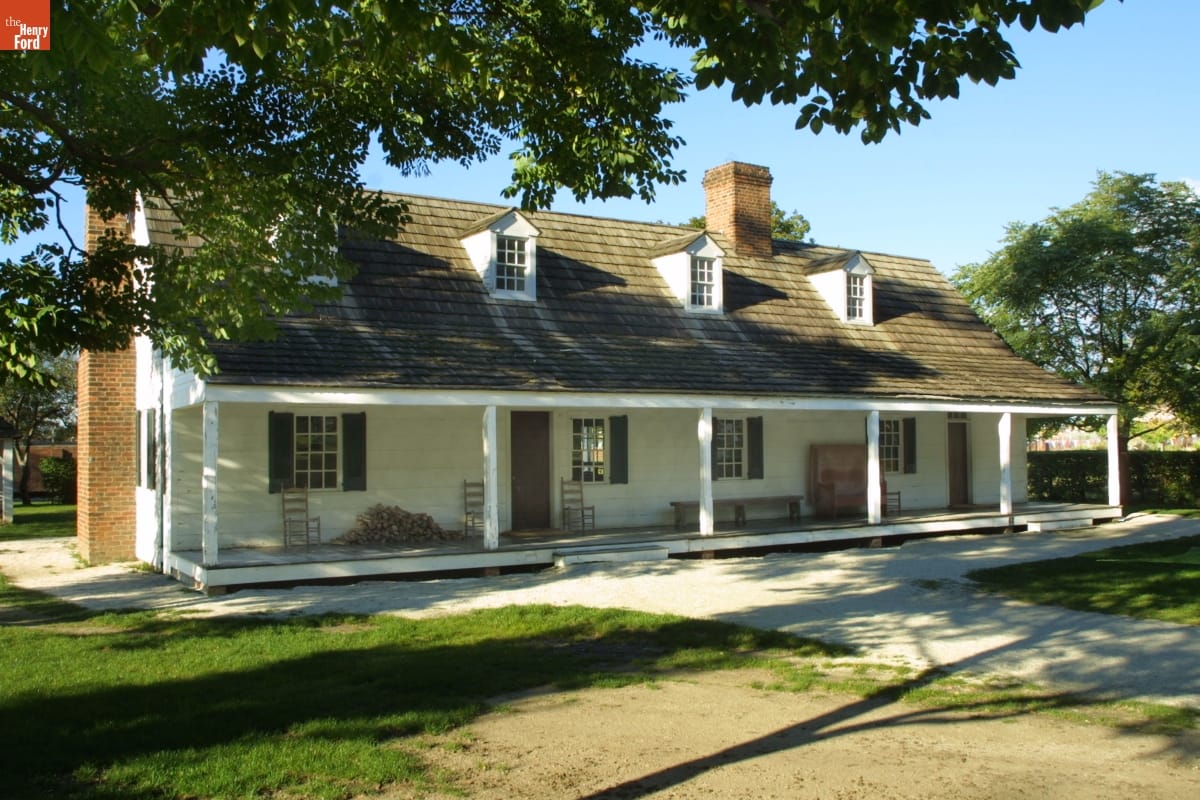
- Susquehanna Plantation - Henry Carroll owned this Maryland house on the Patuxent River in the decades before and after the Civil War. Its form -- one room deep with porches -- invited cooling breezes in the warm, humid climate. In 1860, the Carrolls raised tobacco and wheat on their 700-acre plantation. Seventy-five enslaved African Americans provided the skill and labor that supported the Carroll family's comfortable life.
- circa 1835
- Collections - Artifact
Susquehanna Plantation
Henry Carroll owned this Maryland house on the Patuxent River in the decades before and after the Civil War. Its form -- one room deep with porches -- invited cooling breezes in the warm, humid climate. In 1860, the Carrolls raised tobacco and wheat on their 700-acre plantation. Seventy-five enslaved African Americans provided the skill and labor that supported the Carroll family's comfortable life.