
Search
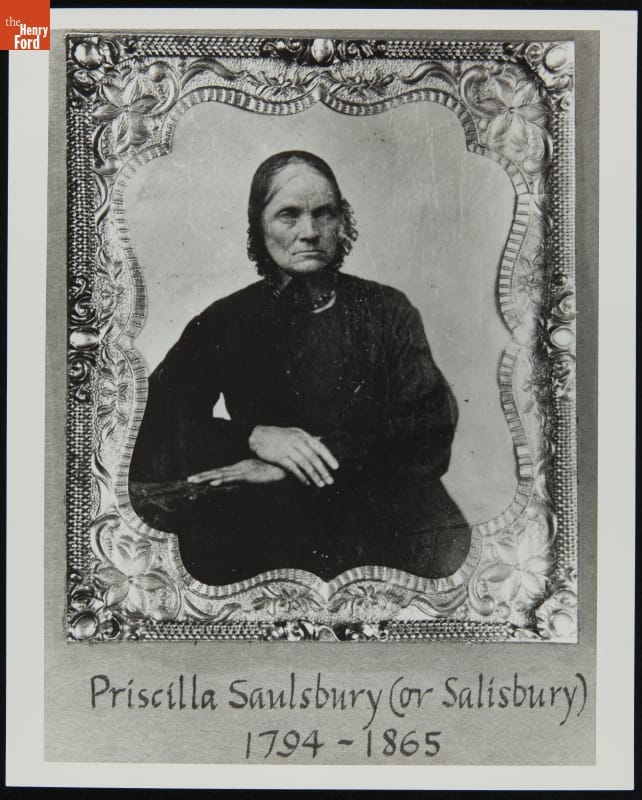
- Portrait of Priscilla Salisbury Howard, circa 1860 - Priscilla and Alonson Howard, Sr., and their children left their home near Sweden, New York, in 1843 and moved to Tekonsha Township, Michigan. The Howards purchased a farm on the wooded plain of the St. Joseph River. Their son, Alonson, Jr., became a well-known local doctor. This image shows the family's matriarch, Priscilla Howard, about 1860.
- circa 1860
- Collections - Artifact
Portrait of Priscilla Salisbury Howard, circa 1860
Priscilla and Alonson Howard, Sr., and their children left their home near Sweden, New York, in 1843 and moved to Tekonsha Township, Michigan. The Howards purchased a farm on the wooded plain of the St. Joseph River. Their son, Alonson, Jr., became a well-known local doctor. This image shows the family's matriarch, Priscilla Howard, about 1860.
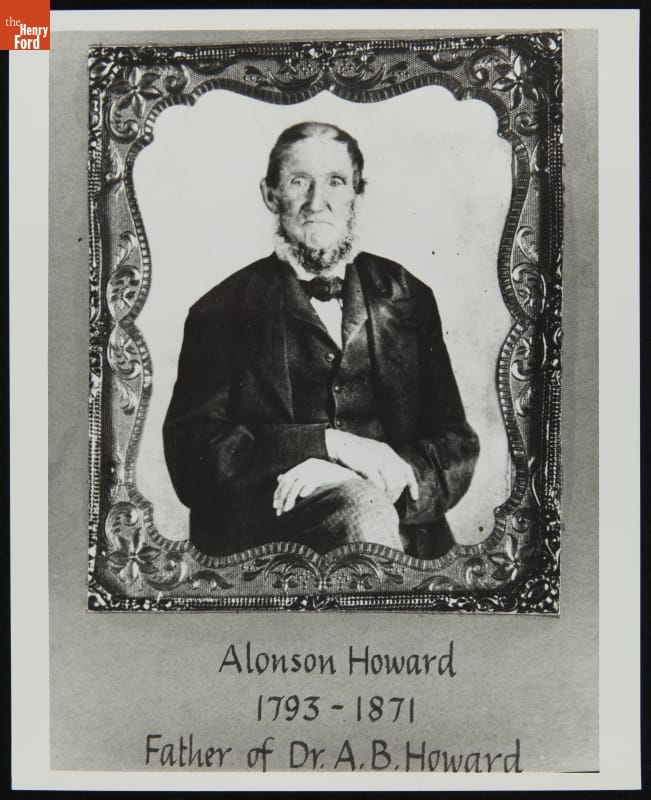
- Portrait of Alonson Howard, Father of Dr. Alonson B. Howard, circa 1860 - Priscilla and Alonson Howard, Sr., and their children left their home near Sweden, New York, in 1843 and moved to Tekonsha Township, Michigan. The Howards purchased a farm on the wooded plain of the St. Joseph River. Their son, Alonson, Jr., became a well-known local doctor. This image shows Alonson Howard, Sr., about 1860.
- circa 1860
- Collections - Artifact
Portrait of Alonson Howard, Father of Dr. Alonson B. Howard, circa 1860
Priscilla and Alonson Howard, Sr., and their children left their home near Sweden, New York, in 1843 and moved to Tekonsha Township, Michigan. The Howards purchased a farm on the wooded plain of the St. Joseph River. Their son, Alonson, Jr., became a well-known local doctor. This image shows Alonson Howard, Sr., about 1860.
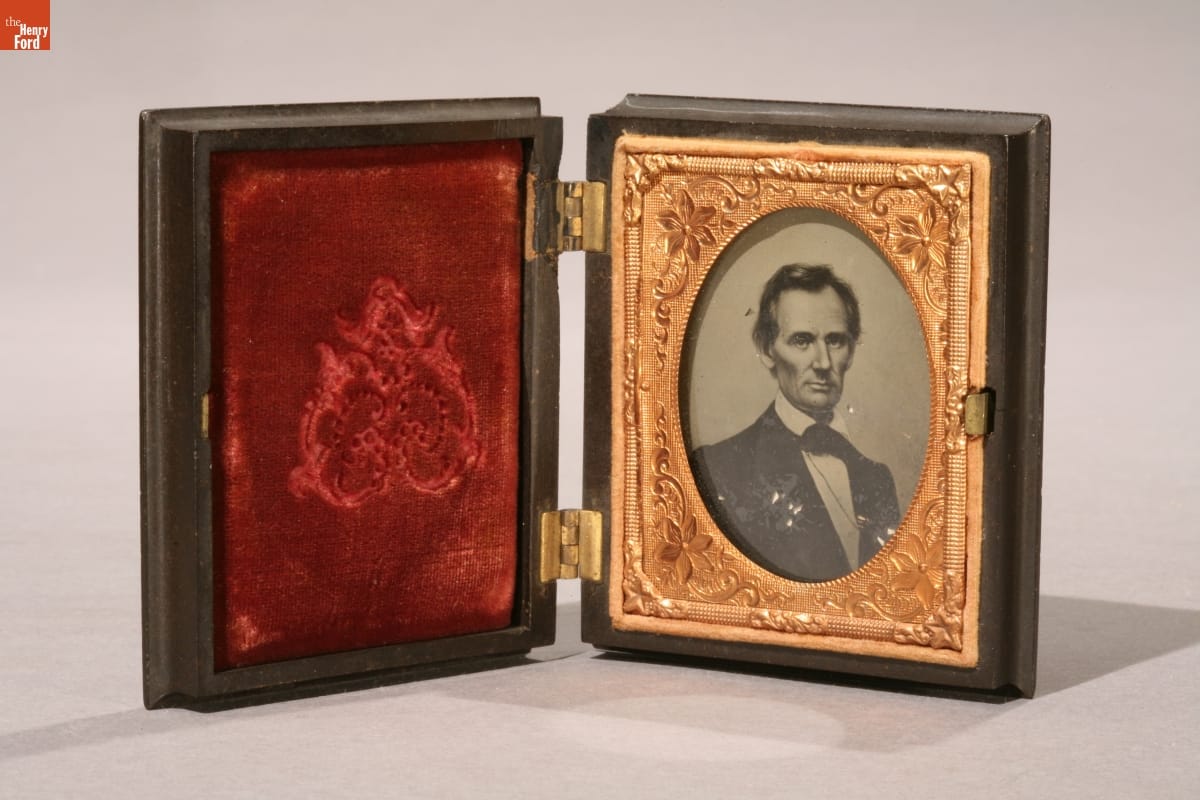
- Abraham Lincoln Ambrotype Portrait and Presidential Election Campaign Badge, 1860 - This portrait of Abraham Lincoln was used as a campaign badge during the 1860 presidential election. It was originally housed in an oval brass frame and pinned to one's clothing. The ambrotype is based on a photograph of Lincoln taken by Mathew B. Brady on February 27, 1860. Lincoln was in New York City to give a speech at Cooper Union.
- 1860
- Collections - Artifact
Abraham Lincoln Ambrotype Portrait and Presidential Election Campaign Badge, 1860
This portrait of Abraham Lincoln was used as a campaign badge during the 1860 presidential election. It was originally housed in an oval brass frame and pinned to one's clothing. The ambrotype is based on a photograph of Lincoln taken by Mathew B. Brady on February 27, 1860. Lincoln was in New York City to give a speech at Cooper Union.
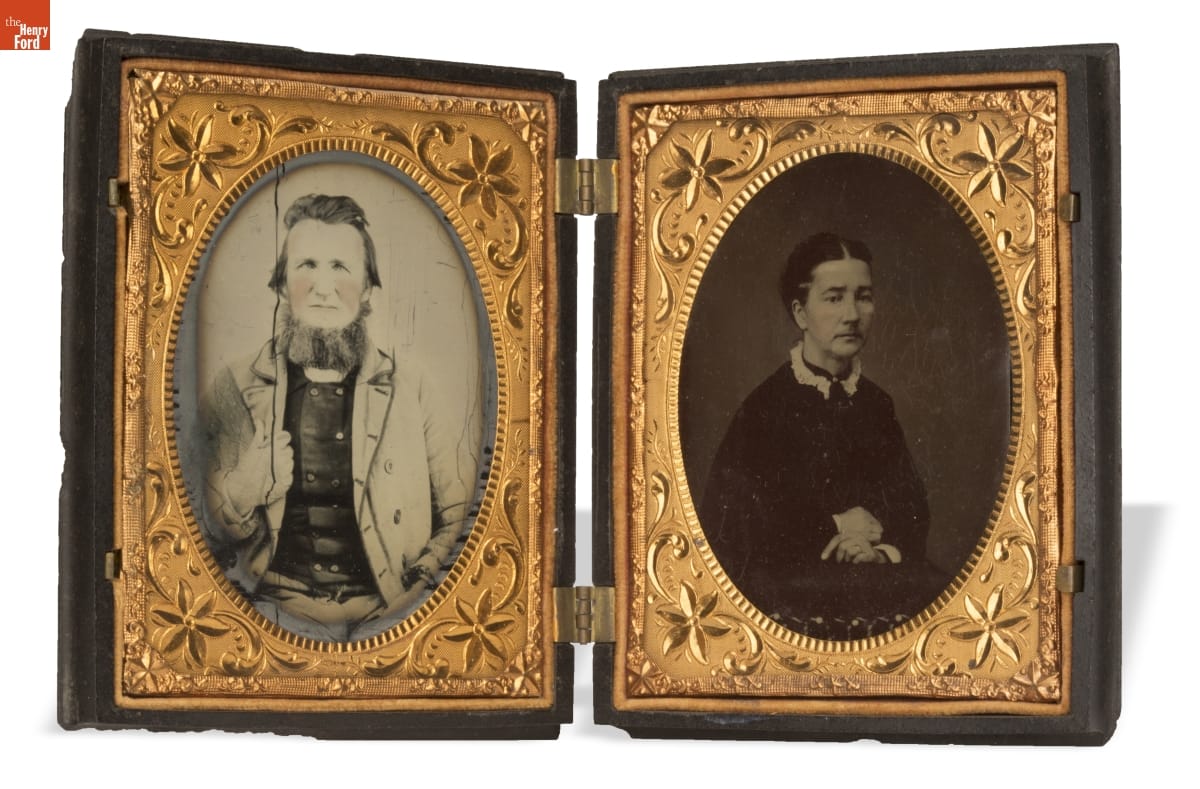
- Portraits of Dr. Alonson B. Howard, circa 1860-1865, and Cynthia Coryell Edmunds Howard, 1870-1875 - Alonson Howard, Jr., a doctor practicing medicine in Tekonsha Township, Michigan, married his second wife, Cynthia Coryell Edmunds, in August 1858. Dr. Howard's first wife had passed away a year earlier. Cynthia became a caring stepmother to Alonson's two sons, and the couple would have four children of their own.
- circa 1860-circa 1875
- Collections - Artifact
Portraits of Dr. Alonson B. Howard, circa 1860-1865, and Cynthia Coryell Edmunds Howard, 1870-1875
Alonson Howard, Jr., a doctor practicing medicine in Tekonsha Township, Michigan, married his second wife, Cynthia Coryell Edmunds, in August 1858. Dr. Howard's first wife had passed away a year earlier. Cynthia became a caring stepmother to Alonson's two sons, and the couple would have four children of their own.
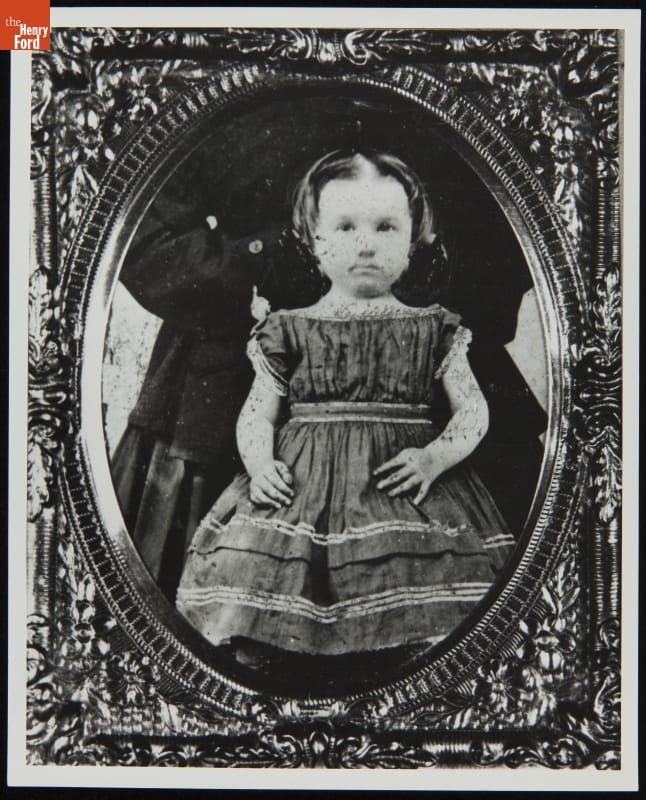
- Portrait of Letitia Howard, 1866-1868 - Alonson Howard, Jr., a doctor practicing medicine in Tekonsha Township, Michigan, married his second wife, Cynthia Coryell Edmunds, in August 1858. Dr. Howard's first wife had passed away a year earlier. Cynthia became a caring stepmother to Alonson's two sons, and the couple would have four children of their own. This photograph shows Letitia Elizabeth Howard, the couple's first daughter.
- 1866-1868
- Collections - Artifact
Portrait of Letitia Howard, 1866-1868
Alonson Howard, Jr., a doctor practicing medicine in Tekonsha Township, Michigan, married his second wife, Cynthia Coryell Edmunds, in August 1858. Dr. Howard's first wife had passed away a year earlier. Cynthia became a caring stepmother to Alonson's two sons, and the couple would have four children of their own. This photograph shows Letitia Elizabeth Howard, the couple's first daughter.
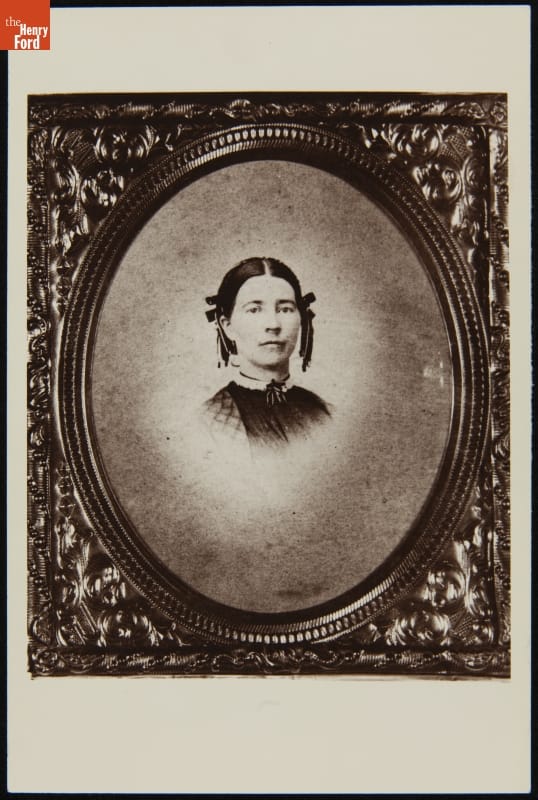
- Portrait of Cynthia Coryell Edmunds Howard, 1860-1866 - Alonson Howard, Jr., a doctor practicing medicine in Tekonsha Township, Michigan, married his second wife, Cynthia Coryell Edmunds, in August 1858. Dr. Howard's first wife had passed away a year earlier. Cynthia became a caring stepmother to Alonson's two sons, and the couple would have four children of their own.
- 1860-1866
- Collections - Artifact
Portrait of Cynthia Coryell Edmunds Howard, 1860-1866
Alonson Howard, Jr., a doctor practicing medicine in Tekonsha Township, Michigan, married his second wife, Cynthia Coryell Edmunds, in August 1858. Dr. Howard's first wife had passed away a year earlier. Cynthia became a caring stepmother to Alonson's two sons, and the couple would have four children of their own.
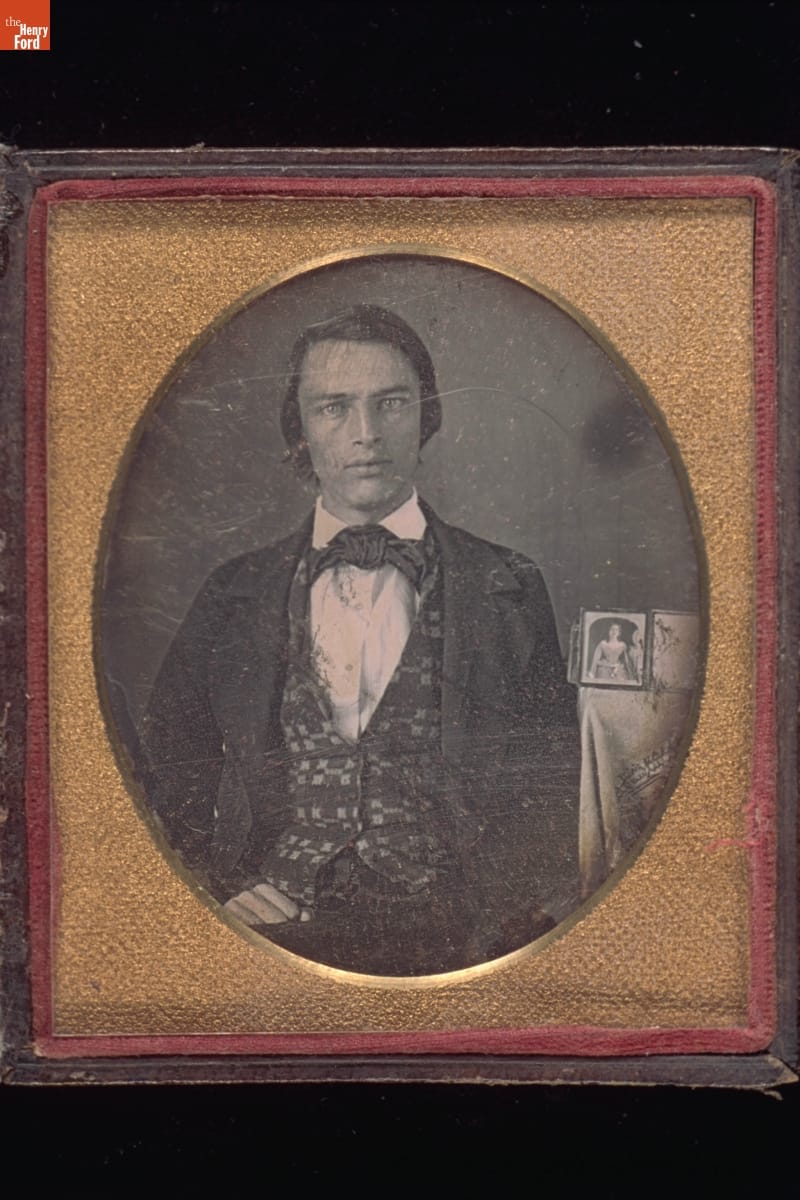
- Portrait of a Young Man with a Cased Photograph of a Woman, Athens, Alabama, 1847 - The daguerreotype, popular in the early 1840s-late 1850s, was the first form of photography available to the public. Sheets of silver-plated copper--polished to a mirror finish--were bathed in photosensitive vapors, and exposed in cameras. In formal studios and traveling booths, photographers created affordable portraits. For the first time, people saw their likenesses--fixed permanently in time and place.
- November 01, 1847
- Collections - Artifact
Portrait of a Young Man with a Cased Photograph of a Woman, Athens, Alabama, 1847
The daguerreotype, popular in the early 1840s-late 1850s, was the first form of photography available to the public. Sheets of silver-plated copper--polished to a mirror finish--were bathed in photosensitive vapors, and exposed in cameras. In formal studios and traveling booths, photographers created affordable portraits. For the first time, people saw their likenesses--fixed permanently in time and place.