
Search
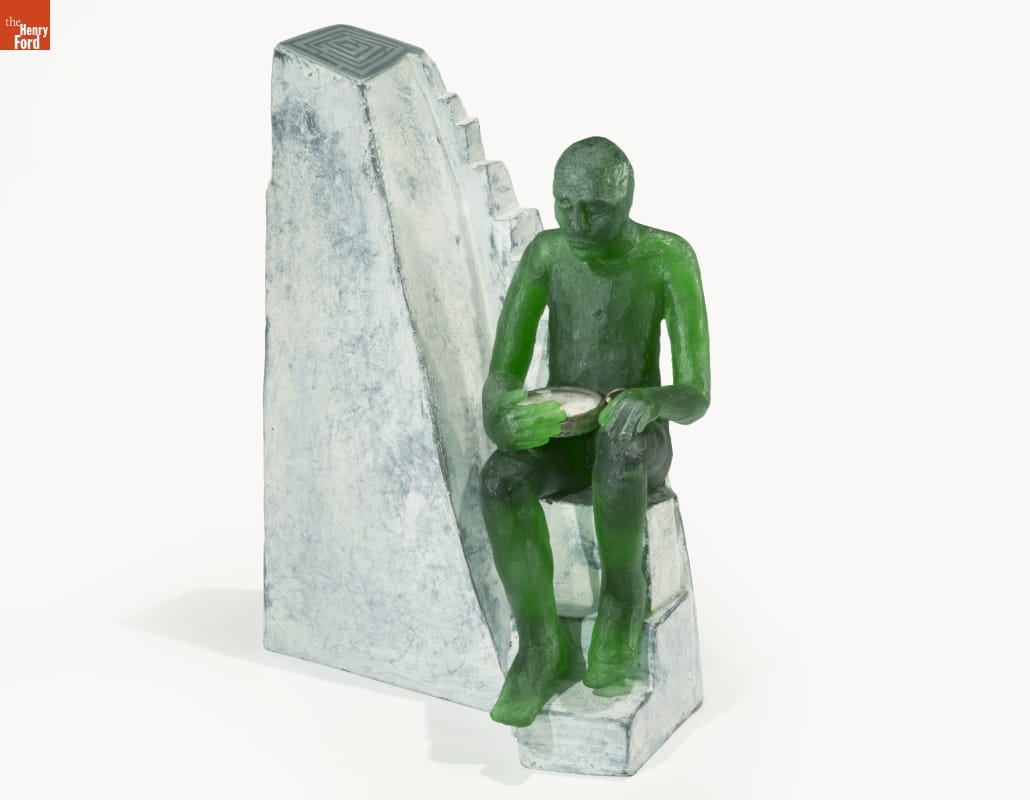
- "Compaz" by Itzell Tazzyman, 1996 -
- 1996
- Collections - Artifact
"Compaz" by Itzell Tazzyman, 1996
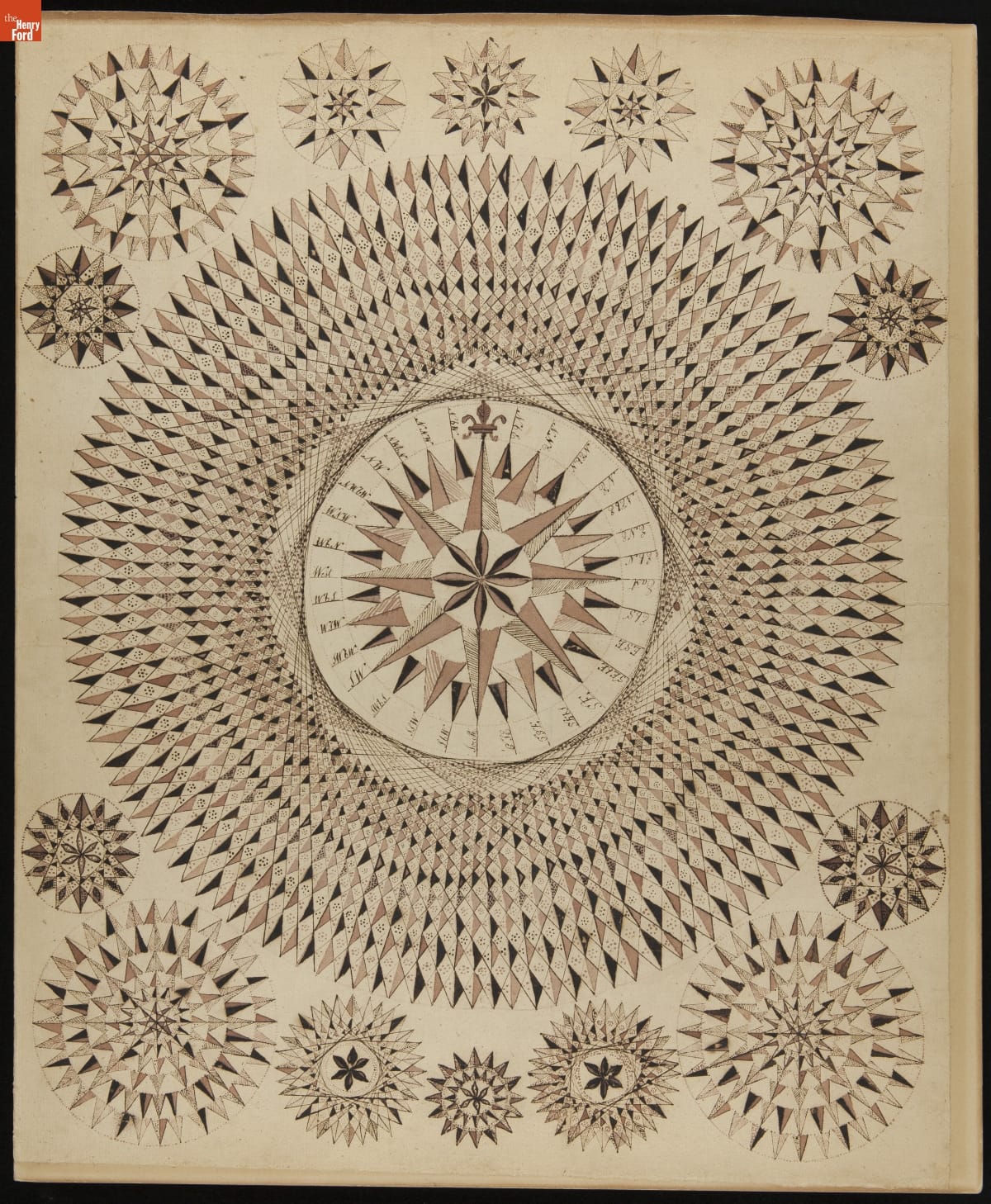
- Drawing of Compass Motifs, 1800-1825 -
- 1800-1825
- Collections - Artifact
Drawing of Compass Motifs, 1800-1825
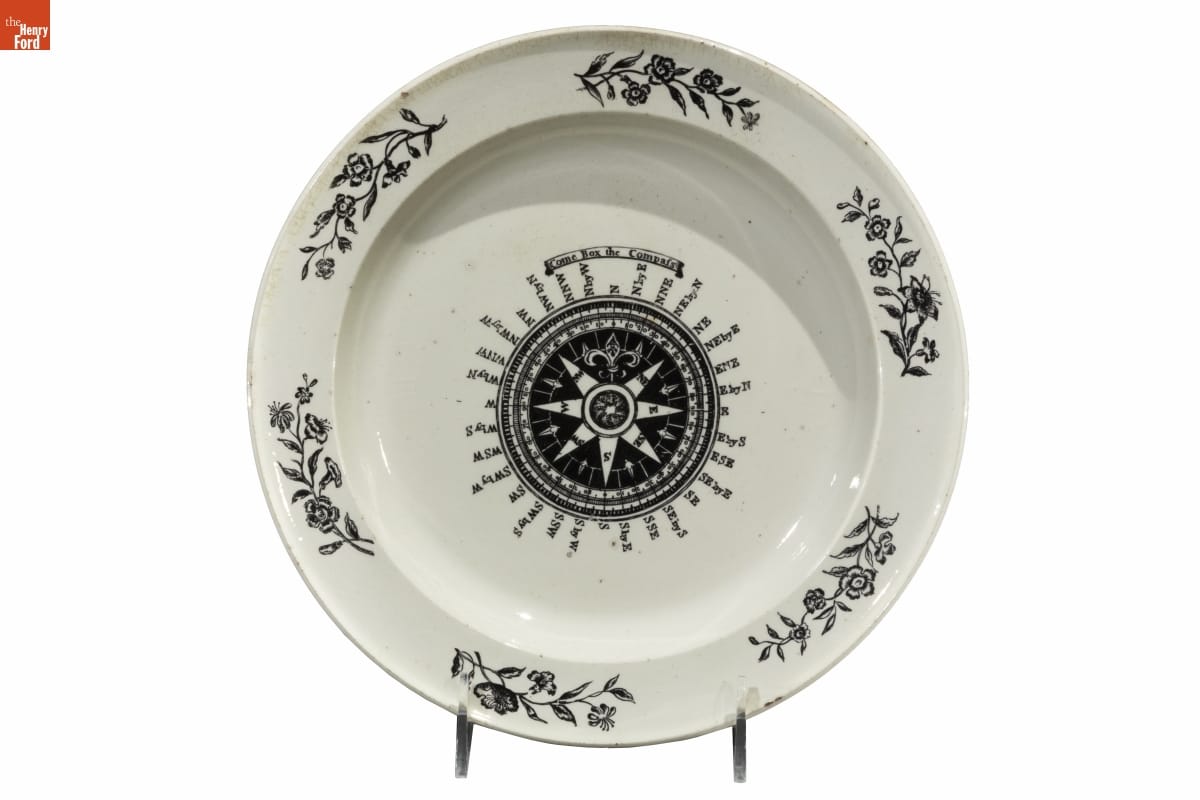
- Plate, 1790-1815 -
- 1790-1815
- Collections - Artifact
Plate, 1790-1815
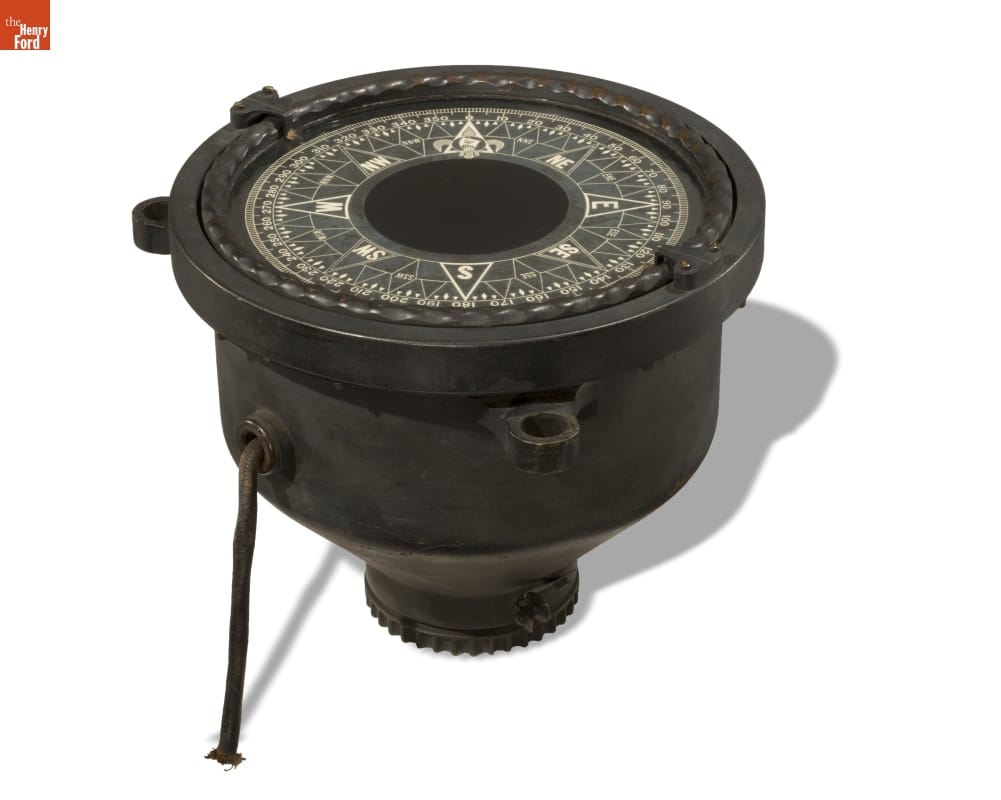
- Compass from a Wireless Direction Finder, 1920-1925 -
- 1920-1925
- Collections - Artifact
Compass from a Wireless Direction Finder, 1920-1925
- Grand Army of the Republic (G.A.R.) Forsyth Post at the 1908 Toledo, Ohio National Encampment Badge - The Grand Army of the Republic (G.A.R.), a Union veterans' organization formed in 1866, held state and national conventions or "encampments" where members could reunite with other Civil War veterans. Encampment attendees--sporting badges and other insignia--paraded through town, gathered at receptions, toured local attractions, and reminisced about shared wartime experiences. The G.A.R. sponsored these meetings for more than 80 years.
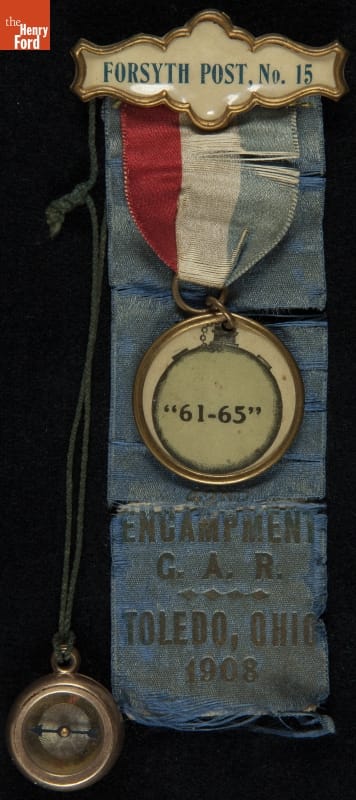
- September 03, 1908
- Collections - Artifact
Grand Army of the Republic (G.A.R.) Forsyth Post at the 1908 Toledo, Ohio National Encampment Badge
The Grand Army of the Republic (G.A.R.), a Union veterans' organization formed in 1866, held state and national conventions or "encampments" where members could reunite with other Civil War veterans. Encampment attendees--sporting badges and other insignia--paraded through town, gathered at receptions, toured local attractions, and reminisced about shared wartime experiences. The G.A.R. sponsored these meetings for more than 80 years.
- Hallmark "Across the Miles" Christmas Ornament, 1995 - Already known for greeting cards, Hallmark introduced a line of Christmas ornaments in 1973. The company's annual release of an increasing array of ornaments revolutionized Christmas decorating, appealing to customers' interest in marking memories and milestones as well as expressing one's personality and unique tastes.
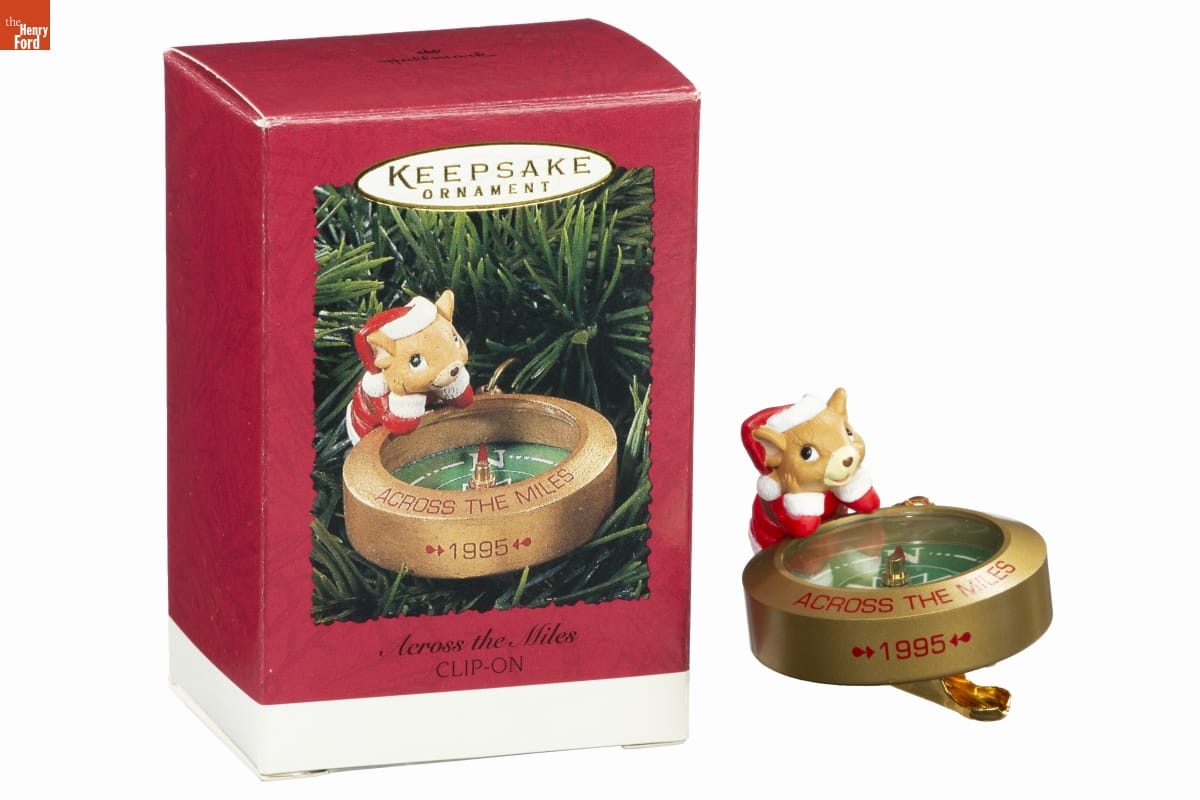
- 1995
- Collections - Artifact
Hallmark "Across the Miles" Christmas Ornament, 1995
Already known for greeting cards, Hallmark introduced a line of Christmas ornaments in 1973. The company's annual release of an increasing array of ornaments revolutionized Christmas decorating, appealing to customers' interest in marking memories and milestones as well as expressing one's personality and unique tastes.
- Hallmark "Polar Post" Christmas Ornament, 1992 - Already known for greeting cards, Hallmark introduced a line of Christmas ornaments in 1973. The company's annual release of an increasing array of ornaments revolutionized Christmas decorating, appealing to customers' interest in marking memories and milestones as well as expressing one's personality and unique tastes.
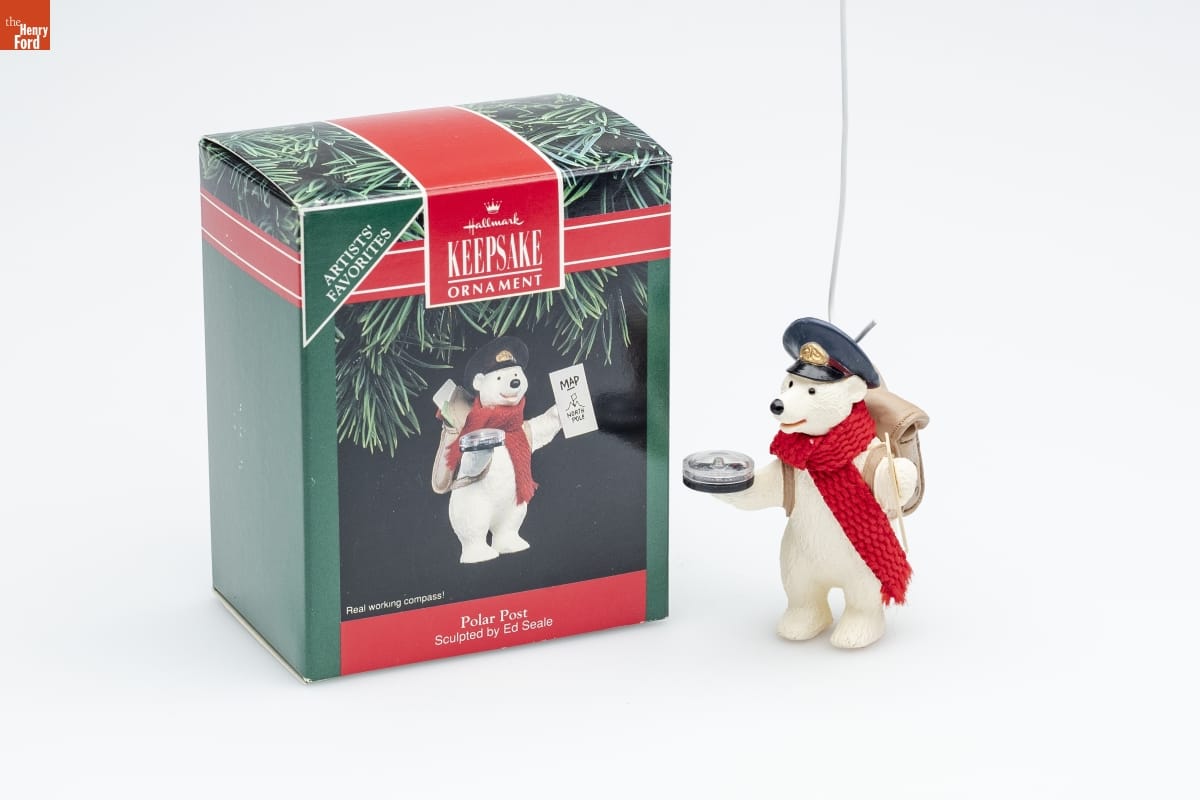
- 1992
- Collections - Artifact
Hallmark "Polar Post" Christmas Ornament, 1992
Already known for greeting cards, Hallmark introduced a line of Christmas ornaments in 1973. The company's annual release of an increasing array of ornaments revolutionized Christmas decorating, appealing to customers' interest in marking memories and milestones as well as expressing one's personality and unique tastes.
- Pocket Compass, Used by John Muir in His Travels in Canada, 1864-1866 - John Muir (1838-1914) was one of America's most influential naturalists and conservationists. Muir's love of the natural world blossomed in early adulthood when he began to study botany. In the mid-1860s, Muir explored the wilds of southern Ontario examining the diverse plant life. According to family reminiscences, John and his younger brother Daniel used this compass on one of their first wanderings in Canada.
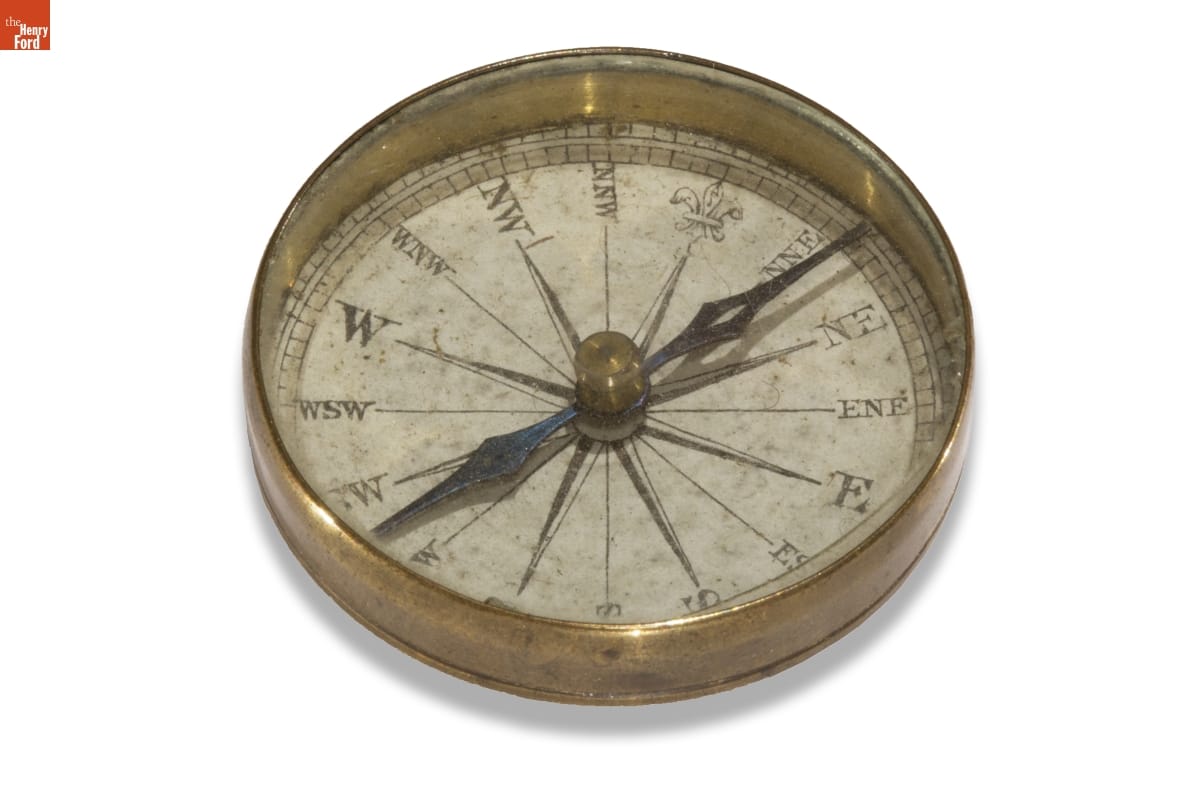
- 1864-1866
- Collections - Artifact
Pocket Compass, Used by John Muir in His Travels in Canada, 1864-1866
John Muir (1838-1914) was one of America's most influential naturalists and conservationists. Muir's love of the natural world blossomed in early adulthood when he began to study botany. In the mid-1860s, Muir explored the wilds of southern Ontario examining the diverse plant life. According to family reminiscences, John and his younger brother Daniel used this compass on one of their first wanderings in Canada.
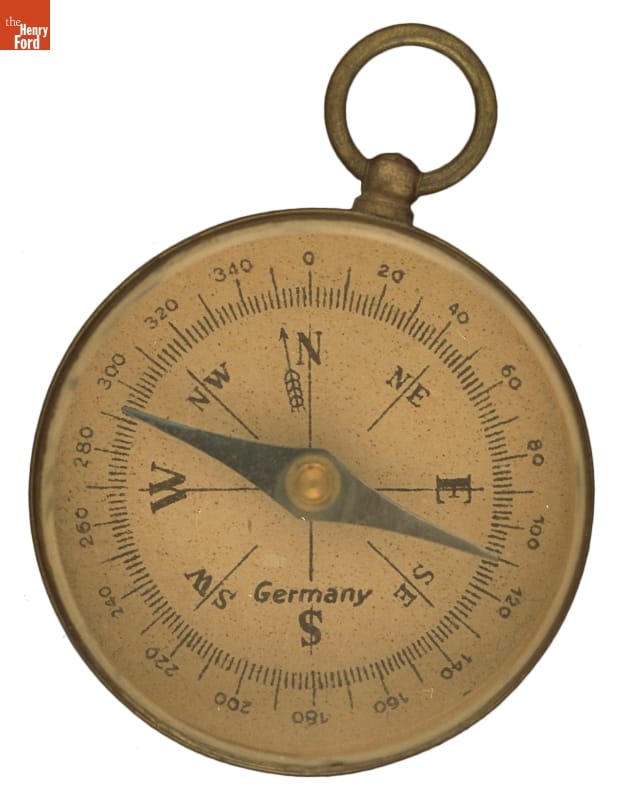
- Compass, 1900-1950 - This early 20th-century compass uses a magnetized steel needle that rotates to align with the Earth's magnetic field. With the needle indicating north, users can reference markings around the dial to gain precise bearings. Despite modern GPS technology, compasses remain important navigational instruments for airplanes and ships and for casual use on small boats or recreational hikes.
- 1900-1950
- Collections - Artifact
Compass, 1900-1950
This early 20th-century compass uses a magnetized steel needle that rotates to align with the Earth's magnetic field. With the needle indicating north, users can reference markings around the dial to gain precise bearings. Despite modern GPS technology, compasses remain important navigational instruments for airplanes and ships and for casual use on small boats or recreational hikes.
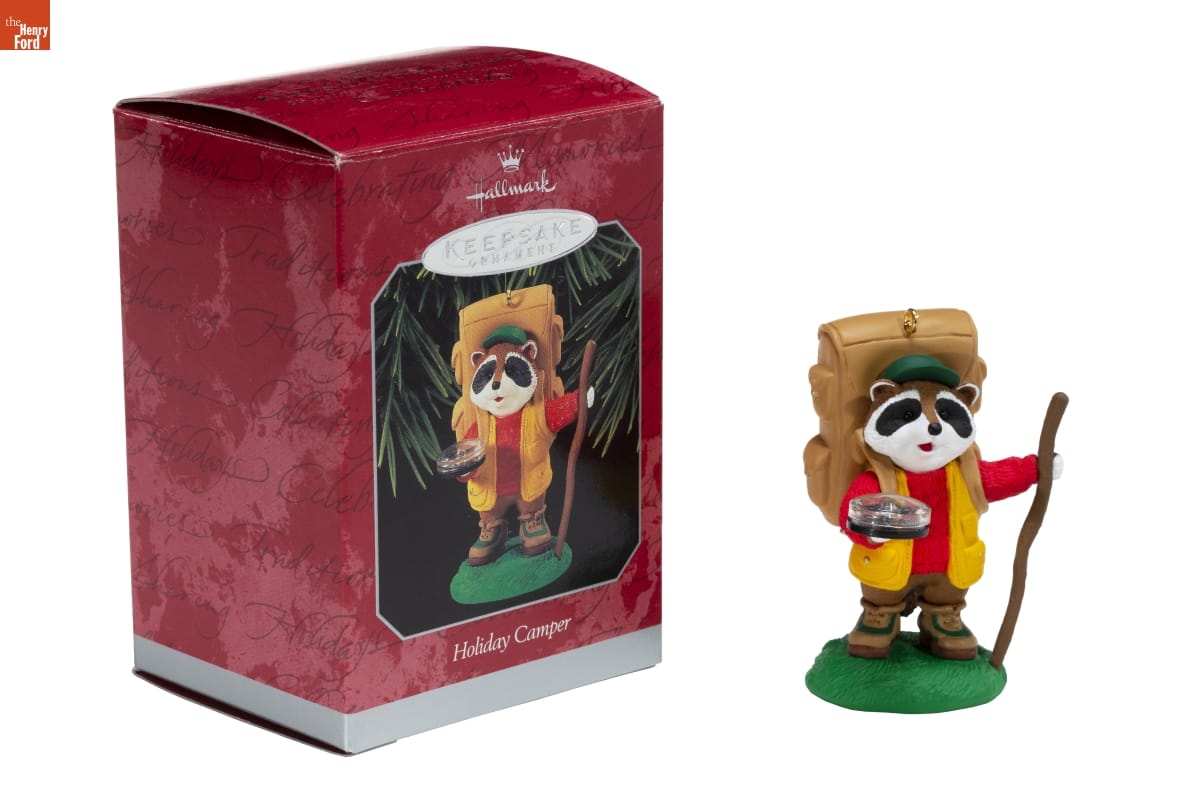
- Hallmark "Holiday Camper" Christmas Ornament, 1998 - Already known for greeting cards, Hallmark introduced a line of Christmas ornaments in 1973. The company's annual release of an increasing array of ornaments revolutionized Christmas decorating, appealing to customers' interest in marking memories and milestones as well as expressing one's personality and unique tastes.
- 1998
- Collections - Artifact
Hallmark "Holiday Camper" Christmas Ornament, 1998
Already known for greeting cards, Hallmark introduced a line of Christmas ornaments in 1973. The company's annual release of an increasing array of ornaments revolutionized Christmas decorating, appealing to customers' interest in marking memories and milestones as well as expressing one's personality and unique tastes.