
Search
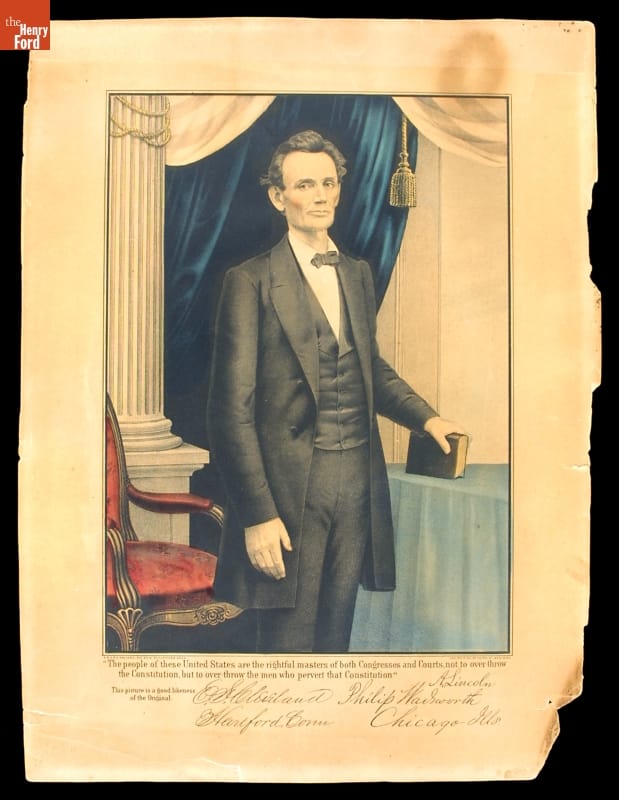
- Lithograph Portrait of Abraham Lincoln in 1860 - On February 27, 1860, Abraham Lincoln delivered a carefully written speech at Cooper Union in New York City. This print quotes the speech, which detailed Lincoln's views on stopping further expansion of slavery and likely helped secure his nomination for the presidency. The image is based on a carte-de-visite made that day by pioneering photographer Mathew B. Brady.
- 1860
- Collections - Artifact
Lithograph Portrait of Abraham Lincoln in 1860
On February 27, 1860, Abraham Lincoln delivered a carefully written speech at Cooper Union in New York City. This print quotes the speech, which detailed Lincoln's views on stopping further expansion of slavery and likely helped secure his nomination for the presidency. The image is based on a carte-de-visite made that day by pioneering photographer Mathew B. Brady.
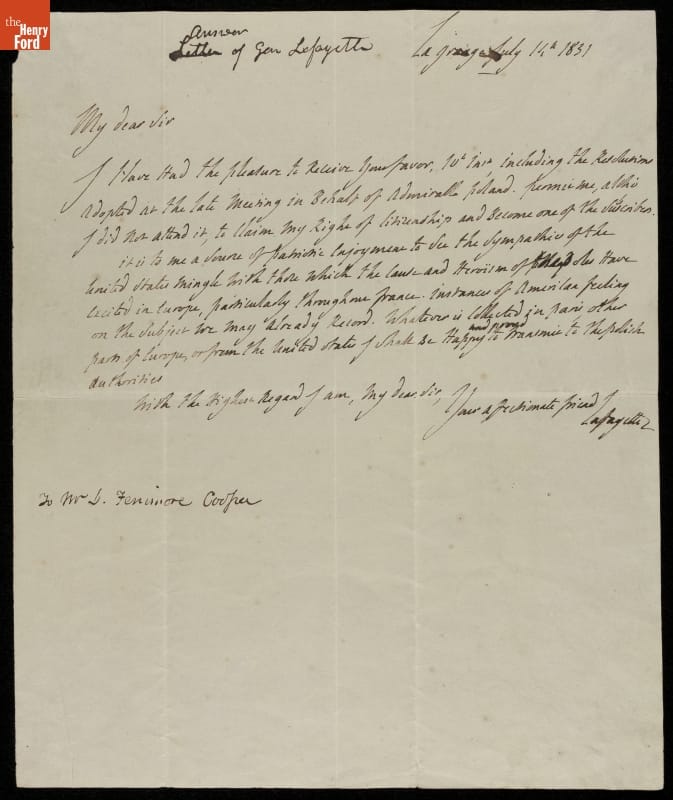
- Letter from Marquis de Lafayette to James Fenimore Cooper, 1831 -
- July 14, 1831
- Collections - Artifact
Letter from Marquis de Lafayette to James Fenimore Cooper, 1831
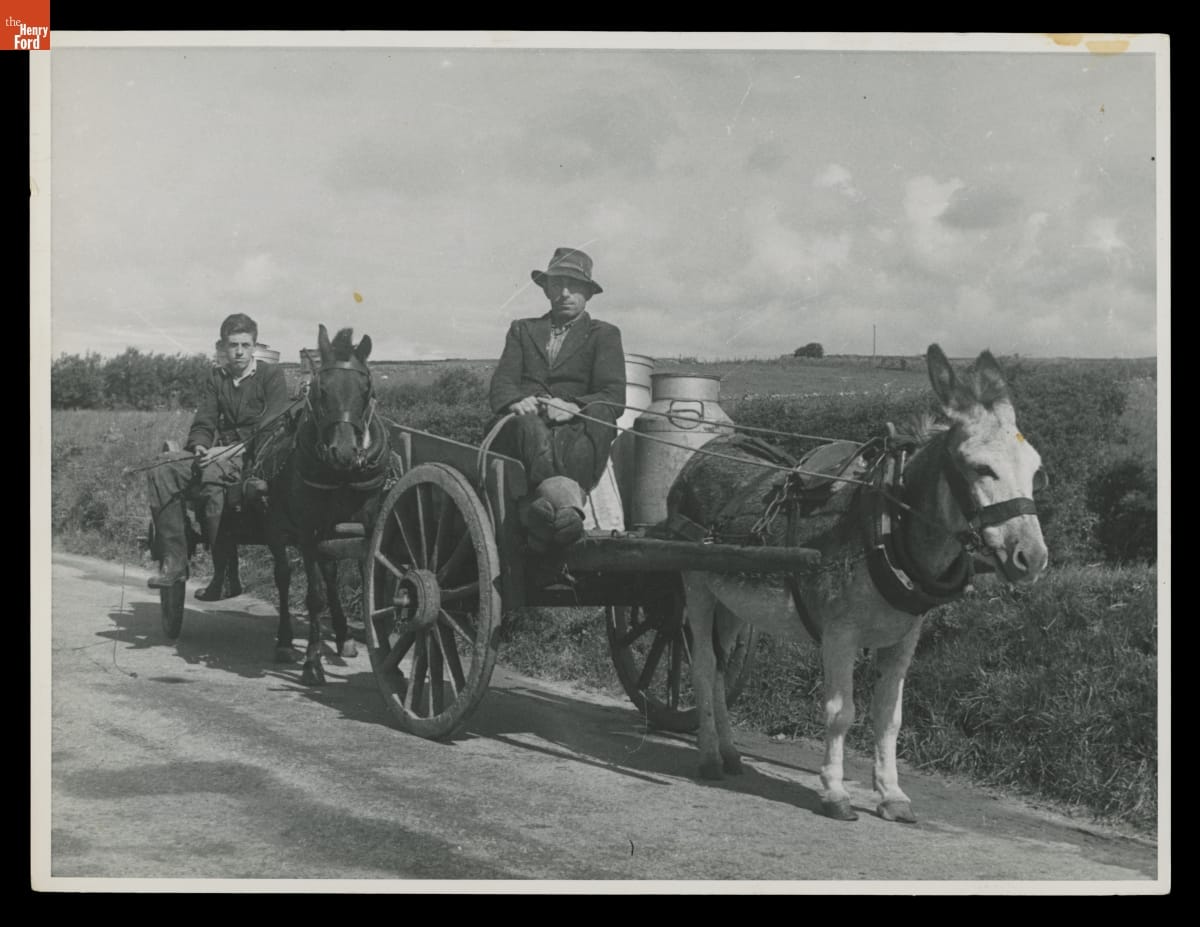
- Traditional Milk Delivery in Ireland, 1948-1951 -
- 1948-1951
- Collections - Artifact
Traditional Milk Delivery in Ireland, 1948-1951
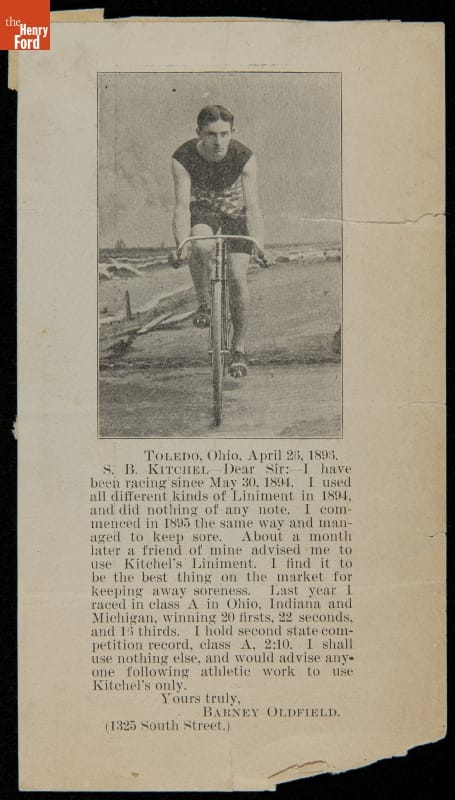
- Endorsement for Kitchel's Liniment, Showing Barney Oldfield Riding a Bicycle, 1896 - Automobile racing legend Barney Oldfield began his racing career on two wheels. In 1894, the sixteen-year-old Ohioan entered his first bicycle race -- he finished second. Over the next several years, the young cyclist competed in a number of competitions throughout the country. The budding showman also found time to promote various products, like Kitchel's Liniment.
- 1896
- Collections - Artifact
Endorsement for Kitchel's Liniment, Showing Barney Oldfield Riding a Bicycle, 1896
Automobile racing legend Barney Oldfield began his racing career on two wheels. In 1894, the sixteen-year-old Ohioan entered his first bicycle race -- he finished second. Over the next several years, the young cyclist competed in a number of competitions throughout the country. The budding showman also found time to promote various products, like Kitchel's Liniment.
- Topps Astronaut Trading Card, "Astronauts in Flight Suits," 1963 - President John F. Kennedy's vision to explore the "new frontier" of space ignited the public's imagination. Pictorial souvenir cards like this helped generate excitement about the latest achievements in the space program. The U.S. astronauts and their accomplishments dominate the card fronts, while the backs show drawings that blend elements of science fiction and fantasy-requiring 3-D glasses to view.
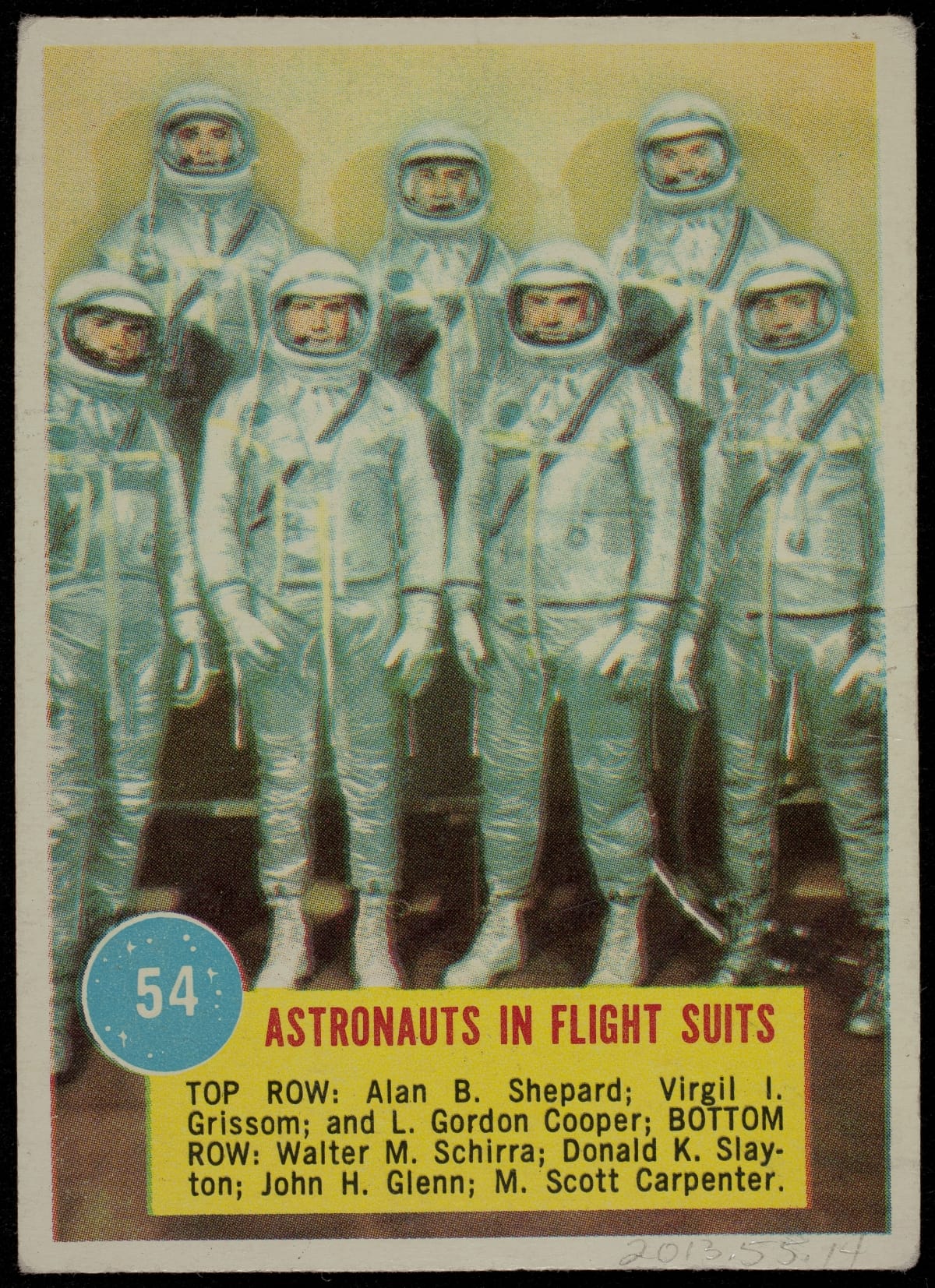
- 1960-1962
- Collections - Artifact
Topps Astronaut Trading Card, "Astronauts in Flight Suits," 1963
President John F. Kennedy's vision to explore the "new frontier" of space ignited the public's imagination. Pictorial souvenir cards like this helped generate excitement about the latest achievements in the space program. The U.S. astronauts and their accomplishments dominate the card fronts, while the backs show drawings that blend elements of science fiction and fantasy-requiring 3-D glasses to view.
- Barrel-Making Demonstration in the Cooper Shop in Greenfield Village, 1975 -
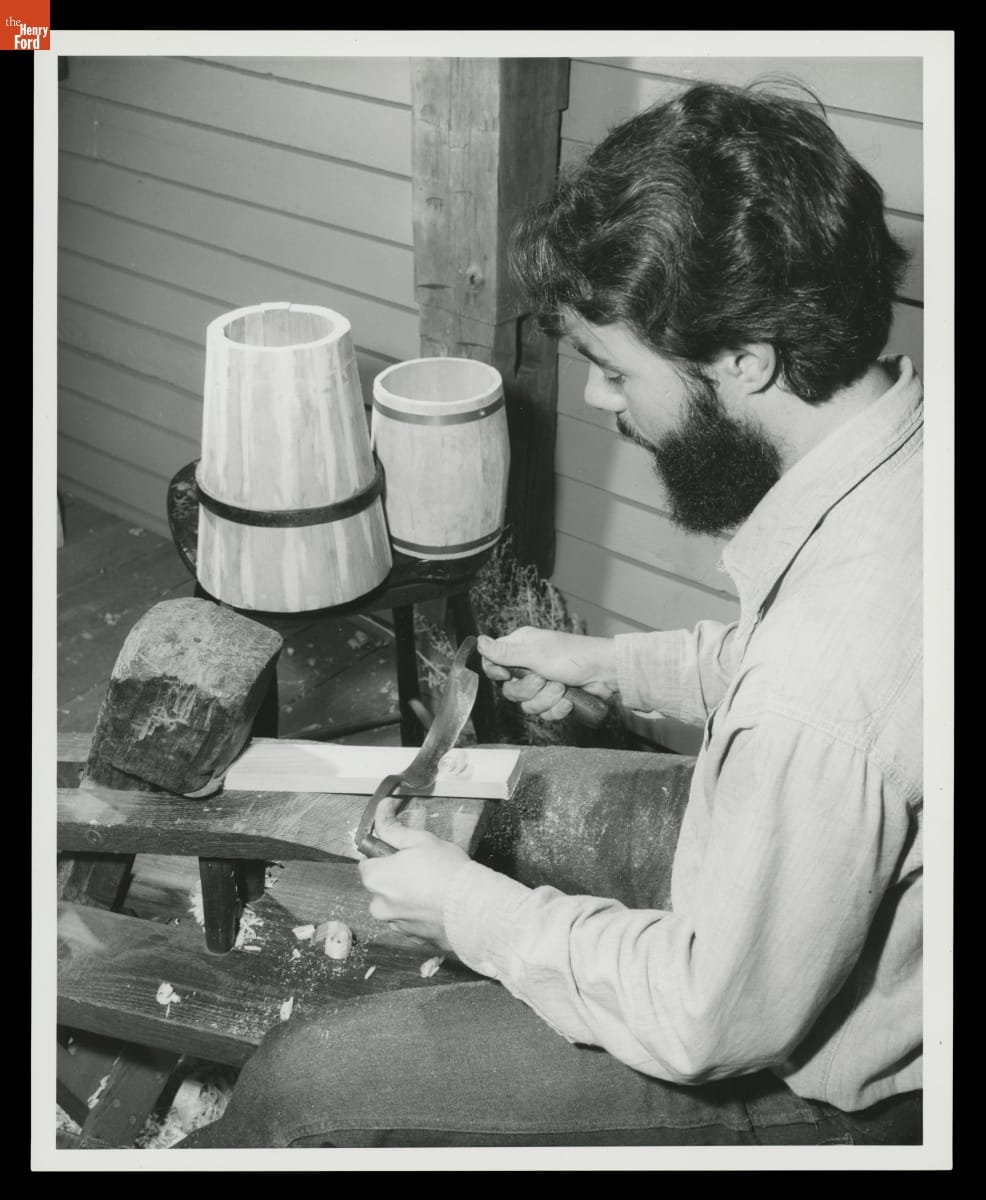
- 1975
- Collections - Artifact
Barrel-Making Demonstration in the Cooper Shop in Greenfield Village, 1975
- "Lynching Northern Style," June 1949 -
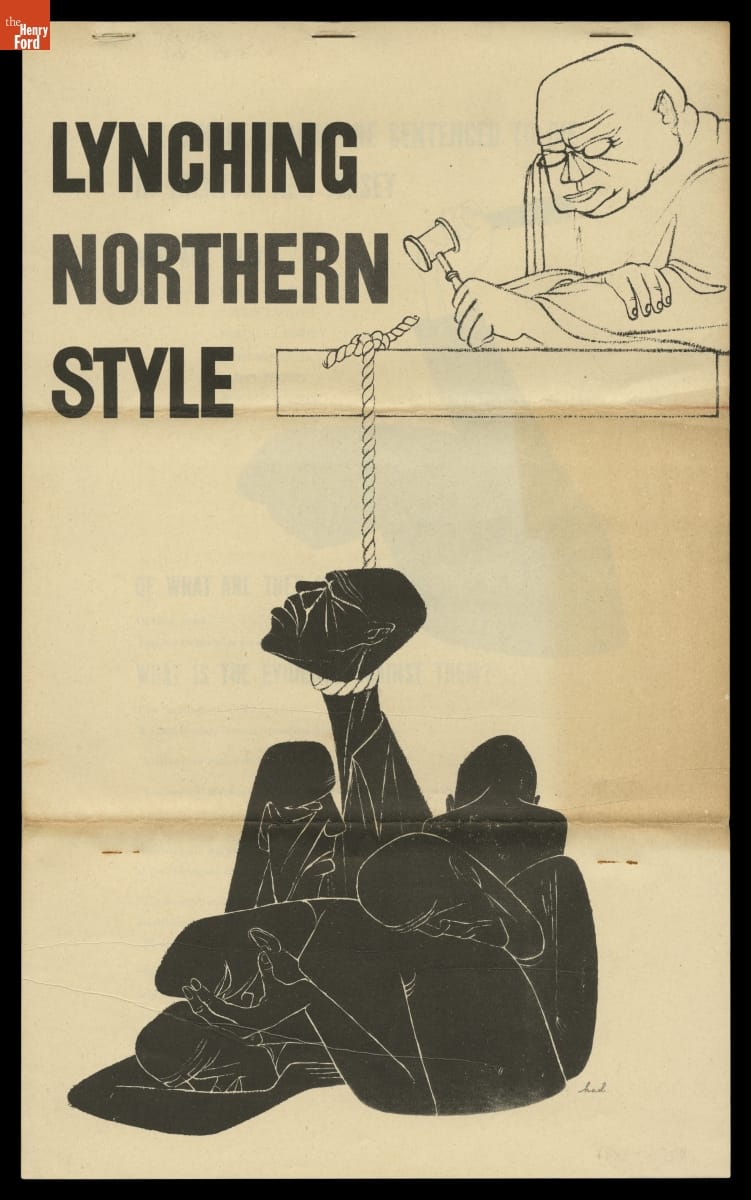
- June 01, 1949
- Collections - Artifact
"Lynching Northern Style," June 1949
- "Jerry O'Mahony Dining Cars: In Our Line We Lead the World," 1928 - The New Jersey-based Jerry O'Mahony Dining Cars was one of the leading diner manufacturers for decades, building hundreds of diners in numerous styles and giving many diner builders their start. This 1928 catalog features its new steel dining car, the "Monarch," along with its other models and advice to would-be operators.
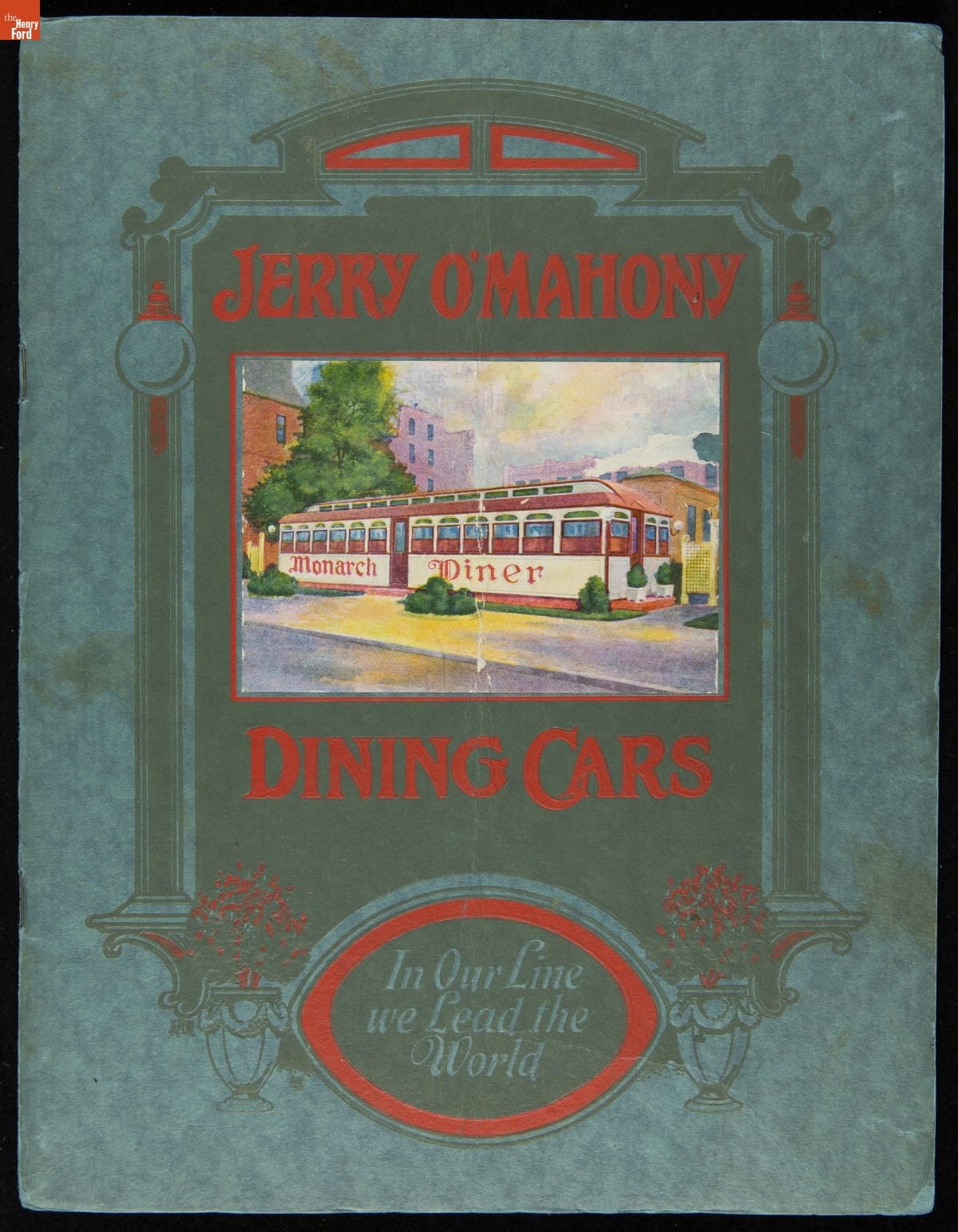
- 1928
- Collections - Artifact
"Jerry O'Mahony Dining Cars: In Our Line We Lead the World," 1928
The New Jersey-based Jerry O'Mahony Dining Cars was one of the leading diner manufacturers for decades, building hundreds of diners in numerous styles and giving many diner builders their start. This 1928 catalog features its new steel dining car, the "Monarch," along with its other models and advice to would-be operators.
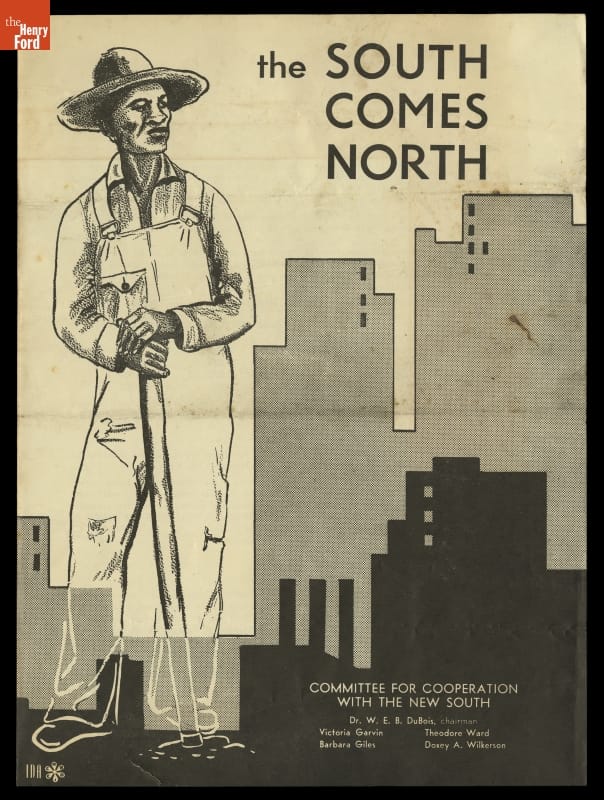
- Brochure, "The South Comes North," 1948-1950 - The Committee for Cooperation with the New South sought to change the discriminatory and segregationist policies in the post-World War II South. With this brochure, the committee targeted Northerners to back their cause. Supporters were urged to donate a dollar or more to aid progressive Southerners who promoted voter registration, "Negro liberation" and the interests of sharecroppers.
- 1948-1950
- Collections - Artifact
Brochure, "The South Comes North," 1948-1950
The Committee for Cooperation with the New South sought to change the discriminatory and segregationist policies in the post-World War II South. With this brochure, the committee targeted Northerners to back their cause. Supporters were urged to donate a dollar or more to aid progressive Southerners who promoted voter registration, "Negro liberation" and the interests of sharecroppers.
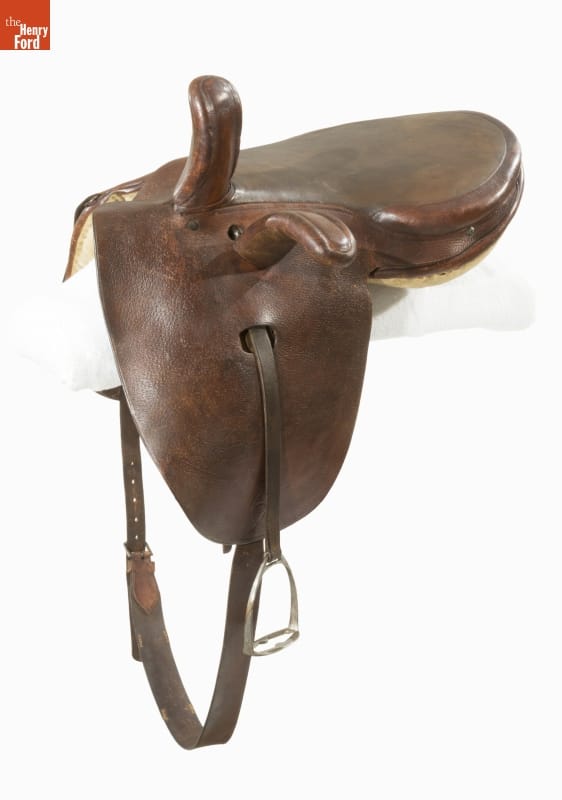
- Sidesaddle, Used by the Hewitt Family, 1870-1900 - Abram Hewitt and Edward Cooper formed the Trenton Iron Works in 1847. Hewitt married Cooper's sister, Sarah Amelia Cooper, in 1855. The Cooper and Hewitt families co-owned several subsequent businesses, and they shared a summer estate, Ringwood Manor, in northern New Jersey. Abram Hewitt served in the U.S. House of Representatives and as mayor of New York City.
- 1870-1900
- Collections - Artifact
Sidesaddle, Used by the Hewitt Family, 1870-1900
Abram Hewitt and Edward Cooper formed the Trenton Iron Works in 1847. Hewitt married Cooper's sister, Sarah Amelia Cooper, in 1855. The Cooper and Hewitt families co-owned several subsequent businesses, and they shared a summer estate, Ringwood Manor, in northern New Jersey. Abram Hewitt served in the U.S. House of Representatives and as mayor of New York City.