
Search
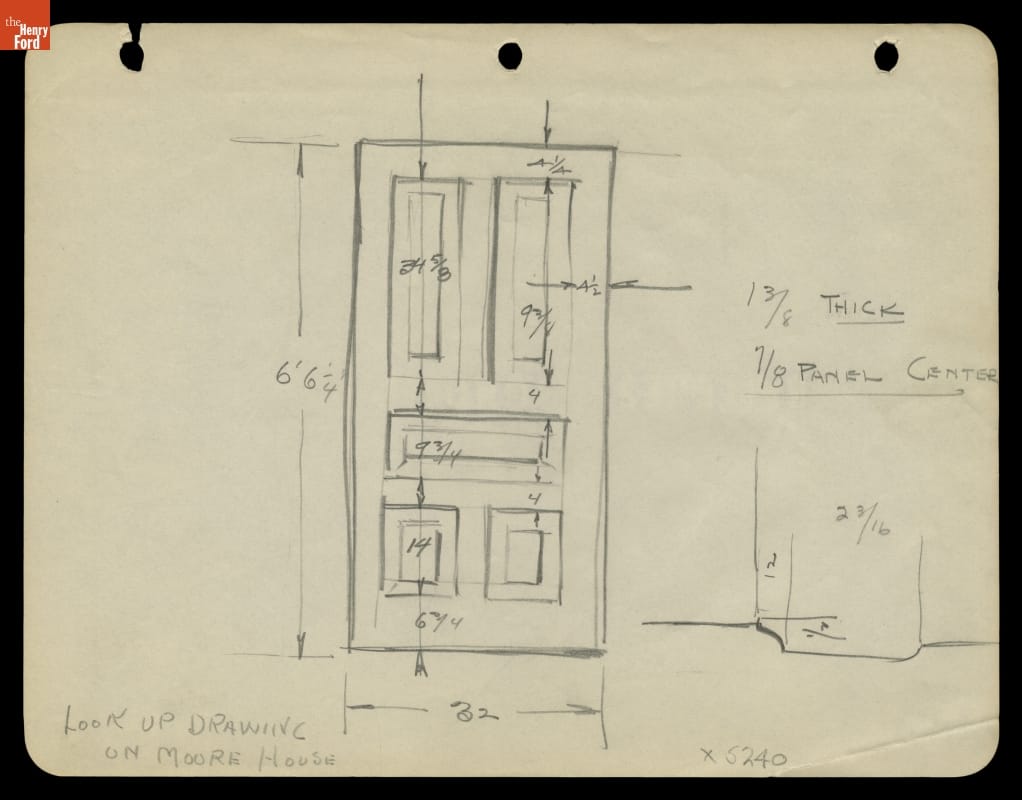
- Drawing, Wright Cycle Shop, Dayton, Ohio, 1936 - In October 1936, Henry Ford purchased the bicycle shop used by Wilbur and Orville Wright in Dayton, Ohio. Over the next 18 months, Ford relocated and reassembled the building at his Greenfield Village museum complex in Dearborn, Michigan. Before the move, architect Edward Cutler made detailed drawings of the shop to ensure the project's accuracy.
- 1936
- Collections - Artifact
Drawing, Wright Cycle Shop, Dayton, Ohio, 1936
In October 1936, Henry Ford purchased the bicycle shop used by Wilbur and Orville Wright in Dayton, Ohio. Over the next 18 months, Ford relocated and reassembled the building at his Greenfield Village museum complex in Dearborn, Michigan. Before the move, architect Edward Cutler made detailed drawings of the shop to ensure the project's accuracy.
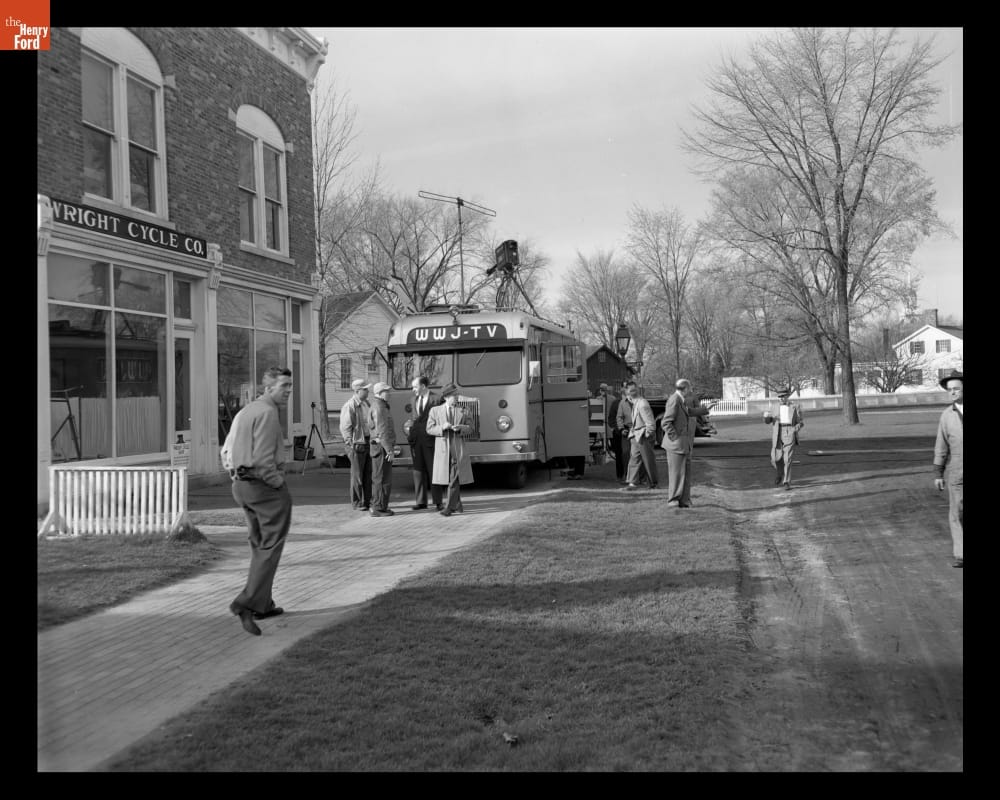
- NBC "Today" Show Broadcast from Greenfield Village, April 18, 1955 - In April 1955, NBC's <em>Today</em> show came to Detroit, Michigan, to cover the automotive industry. The morning news and entertainment show originated a remote broadcast from Greenfield Village on April 18th. Staff paraded a line of vehicles -- both horse-drawn carriages and automobiles -- past the cameras. NBC reporter Dick McCutcheon and museum curator Hayward Ablewhite provided commentary.
- April 18, 1955
- Collections - Artifact
NBC "Today" Show Broadcast from Greenfield Village, April 18, 1955
In April 1955, NBC's Today show came to Detroit, Michigan, to cover the automotive industry. The morning news and entertainment show originated a remote broadcast from Greenfield Village on April 18th. Staff paraded a line of vehicles -- both horse-drawn carriages and automobiles -- past the cameras. NBC reporter Dick McCutcheon and museum curator Hayward Ablewhite provided commentary.
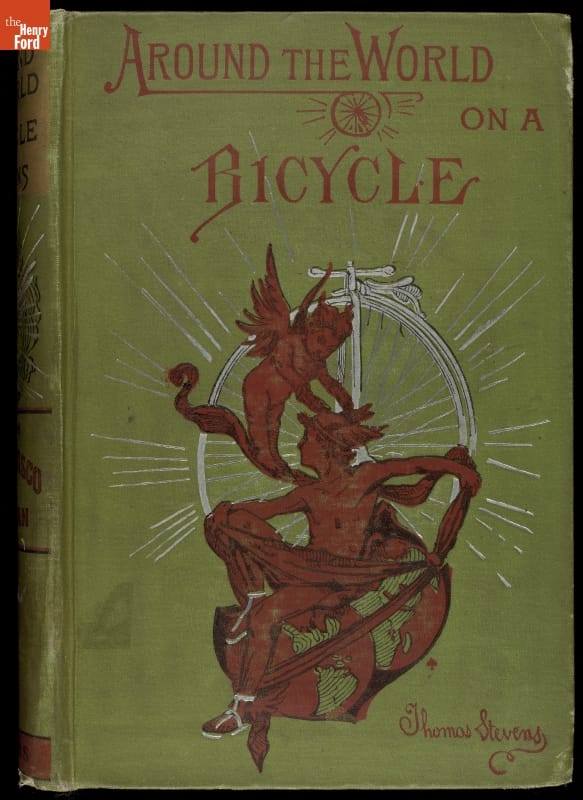
- "Around the World on a Bicycle, Volume I, From San Francisco to Teheran," 1887 - In 1884, Thomas Stevens set out from San Francisco, California, on his high-wheel bicycle and pedaled around the world. He reported on his adventure in the sporting journal <EM>Outing Magazine</EM> and wrote a two volume work after the completion of his journey. This volume, published in 1887, recounts his travels from San Francisco, California, to Teheran in present-day Iran.
- 1884
- Collections - Artifact
"Around the World on a Bicycle, Volume I, From San Francisco to Teheran," 1887
In 1884, Thomas Stevens set out from San Francisco, California, on his high-wheel bicycle and pedaled around the world. He reported on his adventure in the sporting journal Outing Magazine and wrote a two volume work after the completion of his journey. This volume, published in 1887, recounts his travels from San Francisco, California, to Teheran in present-day Iran.
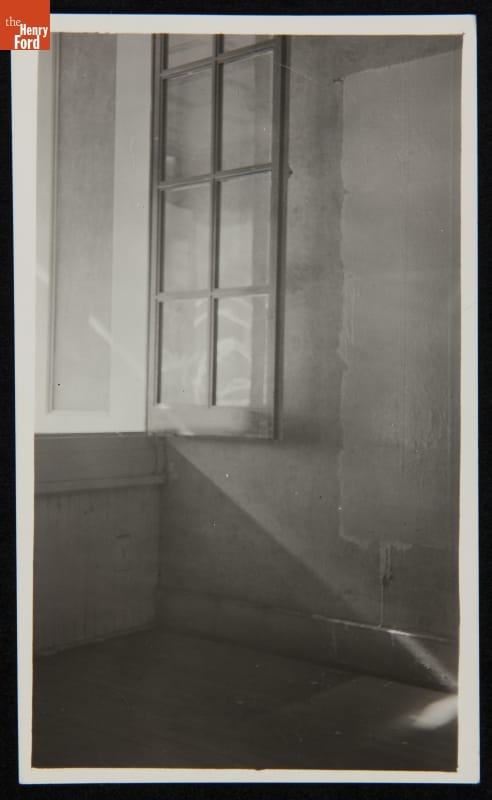
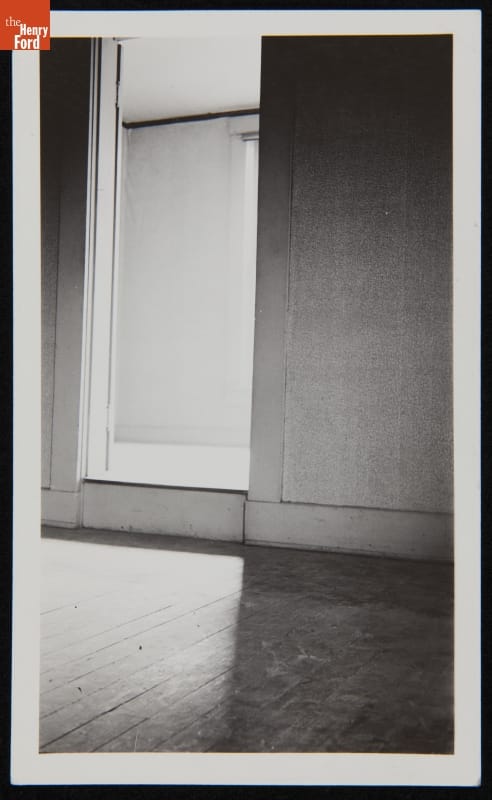
- Interior of Wright Cycle Shop in Dayton, Ohio, 1936 - Before moving the Wright Cycle Shop from Dayton, Ohio, to Greenfield Village in November 1936, Henry Ford's agents found and took detailed photographs of the building's interior. These photos helped the team reassemble the structure in Dearborn, Michigan. Orville Wright and Charlie Taylor, the mechanic who built the engine for the 1903 Flyer, also assisted to ensure the reconstruction's accuracy.
- 1936
- Collections - Artifact
Interior of Wright Cycle Shop in Dayton, Ohio, 1936
Before moving the Wright Cycle Shop from Dayton, Ohio, to Greenfield Village in November 1936, Henry Ford's agents found and took detailed photographs of the building's interior. These photos helped the team reassemble the structure in Dearborn, Michigan. Orville Wright and Charlie Taylor, the mechanic who built the engine for the 1903 Flyer, also assisted to ensure the reconstruction's accuracy.
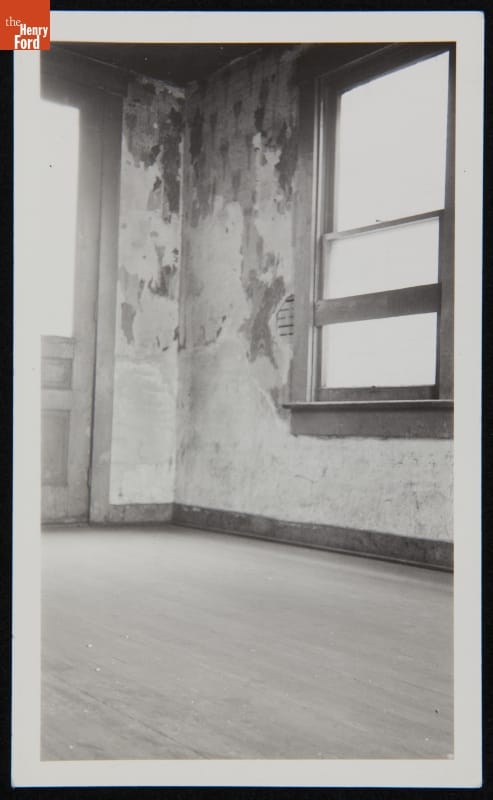
- Interior of Wright Cycle Shop in Dayton, Ohio, 1936 - Before moving the Wright Cycle Shop from Dayton, Ohio, to Greenfield Village in November 1936, Henry Ford's agents found and took detailed photographs of the building's interior. These photos helped the team reassemble the structure in Dearborn, Michigan. Orville Wright and Charlie Taylor, the mechanic who built the engine for the 1903 Flyer, also assisted to ensure the reconstruction's accuracy.
- 1936
- Collections - Artifact
Interior of Wright Cycle Shop in Dayton, Ohio, 1936
Before moving the Wright Cycle Shop from Dayton, Ohio, to Greenfield Village in November 1936, Henry Ford's agents found and took detailed photographs of the building's interior. These photos helped the team reassemble the structure in Dearborn, Michigan. Orville Wright and Charlie Taylor, the mechanic who built the engine for the 1903 Flyer, also assisted to ensure the reconstruction's accuracy.
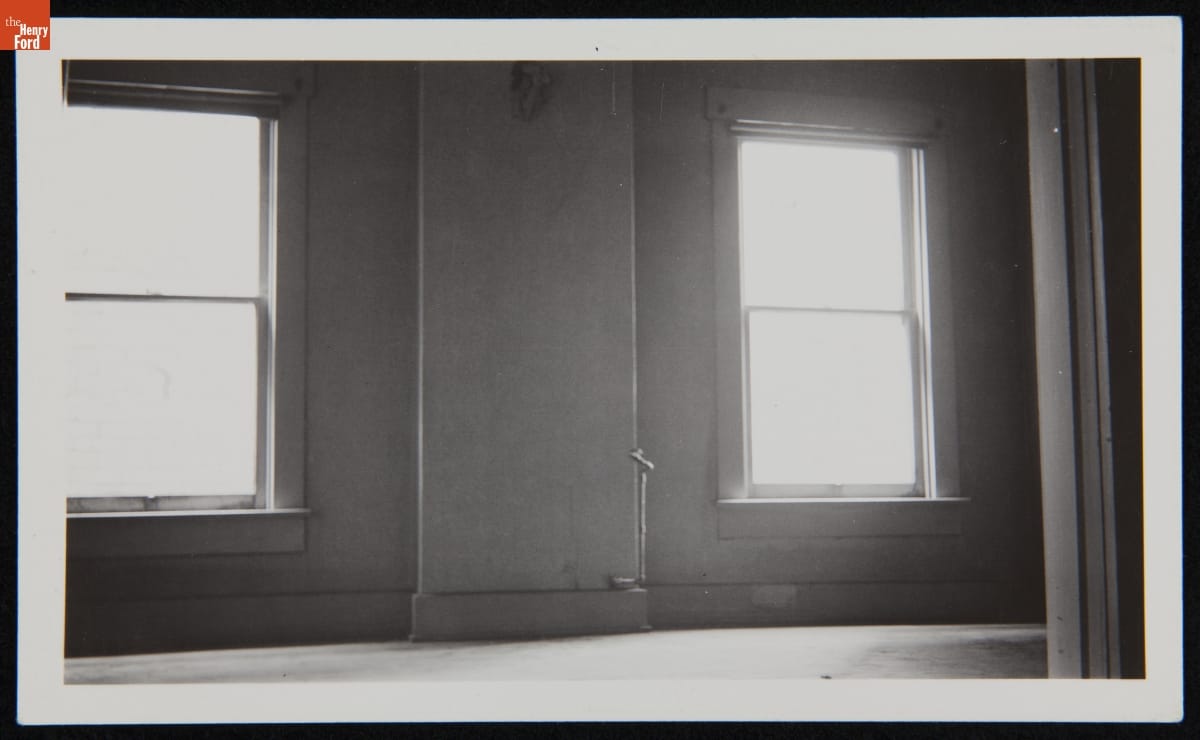
- Interior of Wright Cycle Shop in Dayton, Ohio, 1936 - Before moving the Wright Cycle Shop from Dayton, Ohio, to Greenfield Village in November 1936, Henry Ford's agents found and took detailed photographs of the building's interior. These photos helped the team reassemble the structure in Dearborn, Michigan. Orville Wright and Charlie Taylor, the mechanic who built the engine for the 1903 Flyer, also assisted to ensure the reconstruction's accuracy.
- 1936
- Collections - Artifact
Interior of Wright Cycle Shop in Dayton, Ohio, 1936
Before moving the Wright Cycle Shop from Dayton, Ohio, to Greenfield Village in November 1936, Henry Ford's agents found and took detailed photographs of the building's interior. These photos helped the team reassemble the structure in Dearborn, Michigan. Orville Wright and Charlie Taylor, the mechanic who built the engine for the 1903 Flyer, also assisted to ensure the reconstruction's accuracy.
- Interior of Wright Cycle Shop in Dayton, Ohio, 1936 - Before moving the Wright Cycle Shop from Dayton, Ohio, to Greenfield Village in November 1936, Henry Ford's agents found and took detailed photographs of the building's interior. These photos helped the team reassemble the structure in Dearborn, Michigan. Orville Wright and Charlie Taylor, the mechanic who built the engine for the 1903 Flyer, also assisted to ensure the reconstruction's accuracy.
- 1936
- Collections - Artifact
Interior of Wright Cycle Shop in Dayton, Ohio, 1936
Before moving the Wright Cycle Shop from Dayton, Ohio, to Greenfield Village in November 1936, Henry Ford's agents found and took detailed photographs of the building's interior. These photos helped the team reassemble the structure in Dearborn, Michigan. Orville Wright and Charlie Taylor, the mechanic who built the engine for the 1903 Flyer, also assisted to ensure the reconstruction's accuracy.
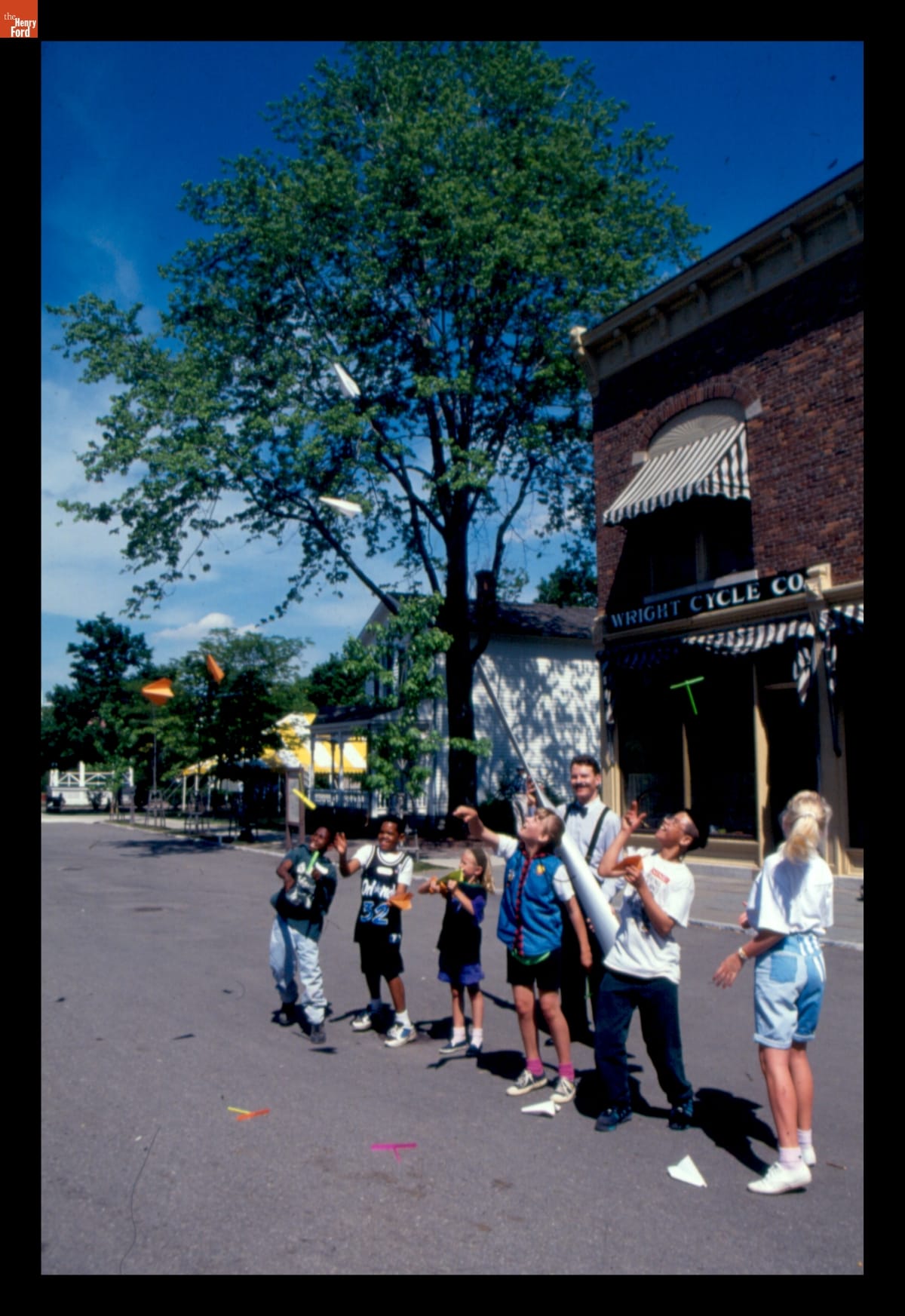
- "Smart Fun Field Trip" at Wright Cycle Shop in Greenfield Village, 1994 -
- 1994
- Collections - Artifact
"Smart Fun Field Trip" at Wright Cycle Shop in Greenfield Village, 1994
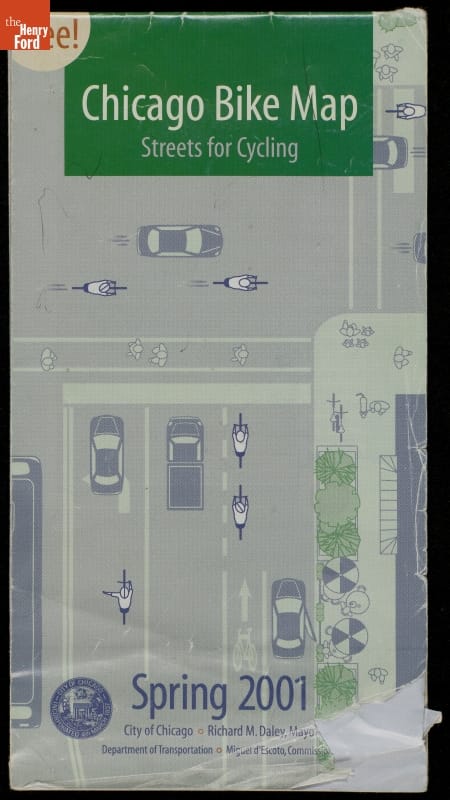
- "Chicago Bike Map- Streets for Cycling," Spring, 2001 - Most urban road infrastructure is built for cars, so city traveling can be difficult for cyclists. This roadmap suggests the safest and most convenient routes for cyclists to take in Chicago. It was published jointly by the city of Chicago and a nonprofit bicycle advocacy group.
- 2001
- Collections - Artifact
"Chicago Bike Map- Streets for Cycling," Spring, 2001
Most urban road infrastructure is built for cars, so city traveling can be difficult for cyclists. This roadmap suggests the safest and most convenient routes for cyclists to take in Chicago. It was published jointly by the city of Chicago and a nonprofit bicycle advocacy group.
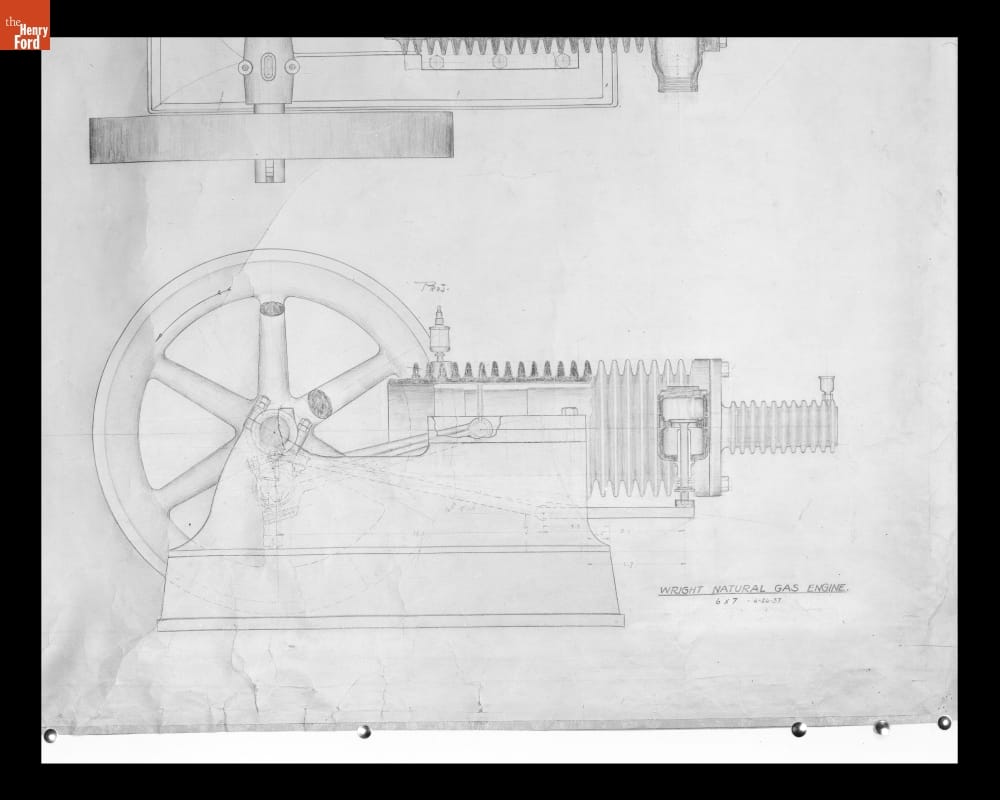
- Drawing, Wright Natural Gas Engine, June 26, 1937 - While reassembling the Wright Cycle Shop in Greenfield Village in 1937, Henry Ford's agents made this drawing of an engine designed and built by the Wright brothers. The shop had no electricity, and machinery was powered by the engine via an overhead line shaft. The engine was fueled by the same city gas used to light the building.
- June 26, 1937
- Collections - Artifact
Drawing, Wright Natural Gas Engine, June 26, 1937
While reassembling the Wright Cycle Shop in Greenfield Village in 1937, Henry Ford's agents made this drawing of an engine designed and built by the Wright brothers. The shop had no electricity, and machinery was powered by the engine via an overhead line shaft. The engine was fueled by the same city gas used to light the building.