
Search
- Funnel -
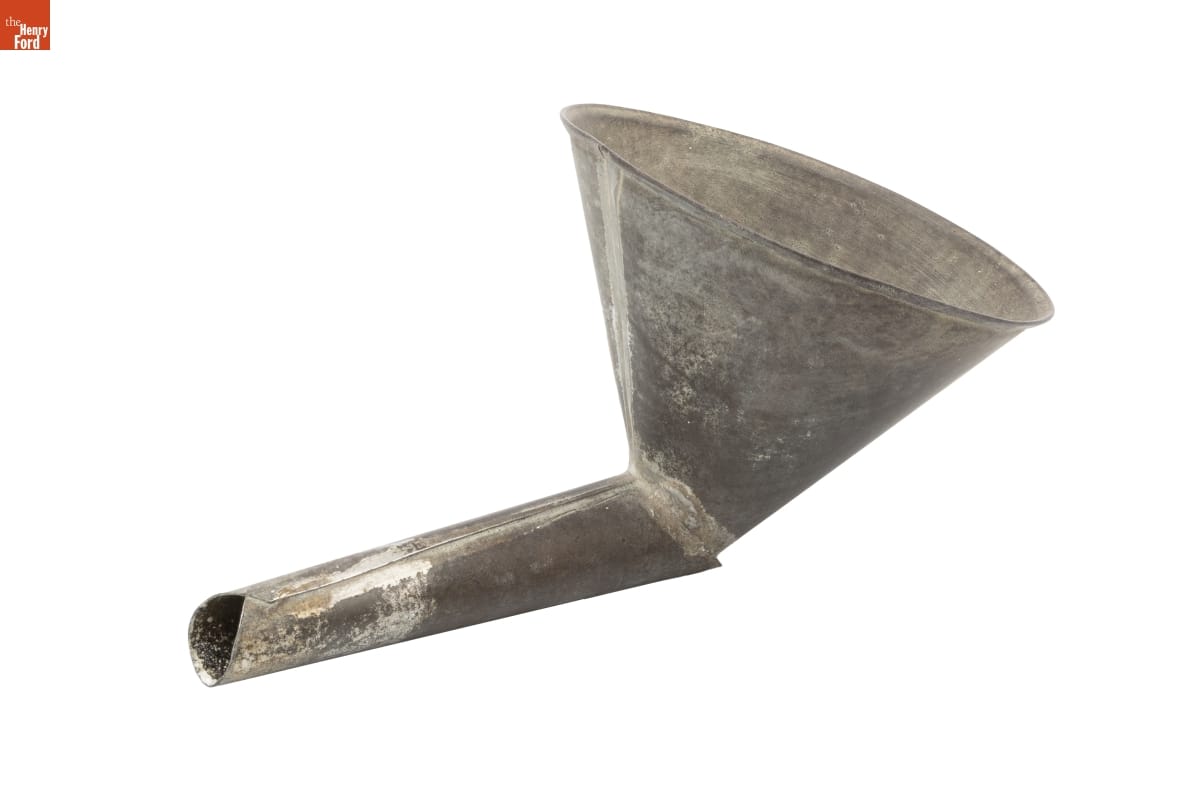
- Collections - Artifact
Funnel
- Funnel -
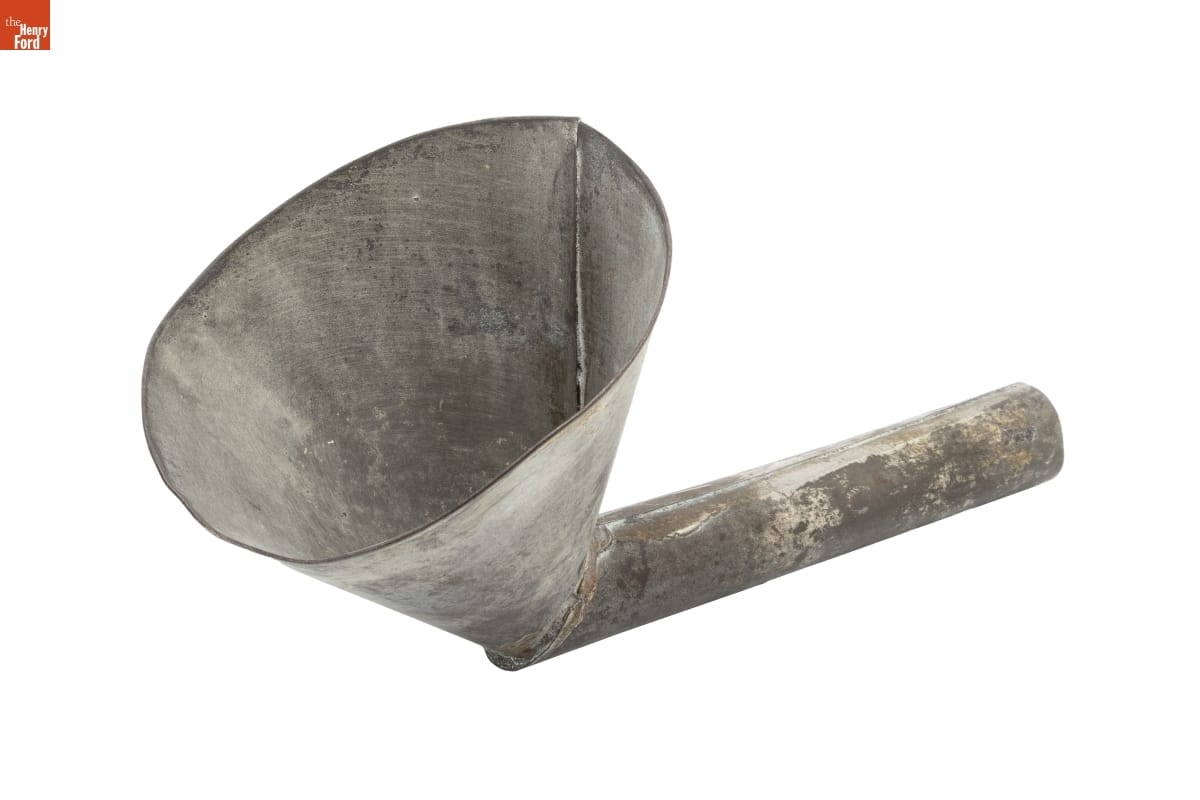
- Collections - Artifact
Funnel
- Butter Press -
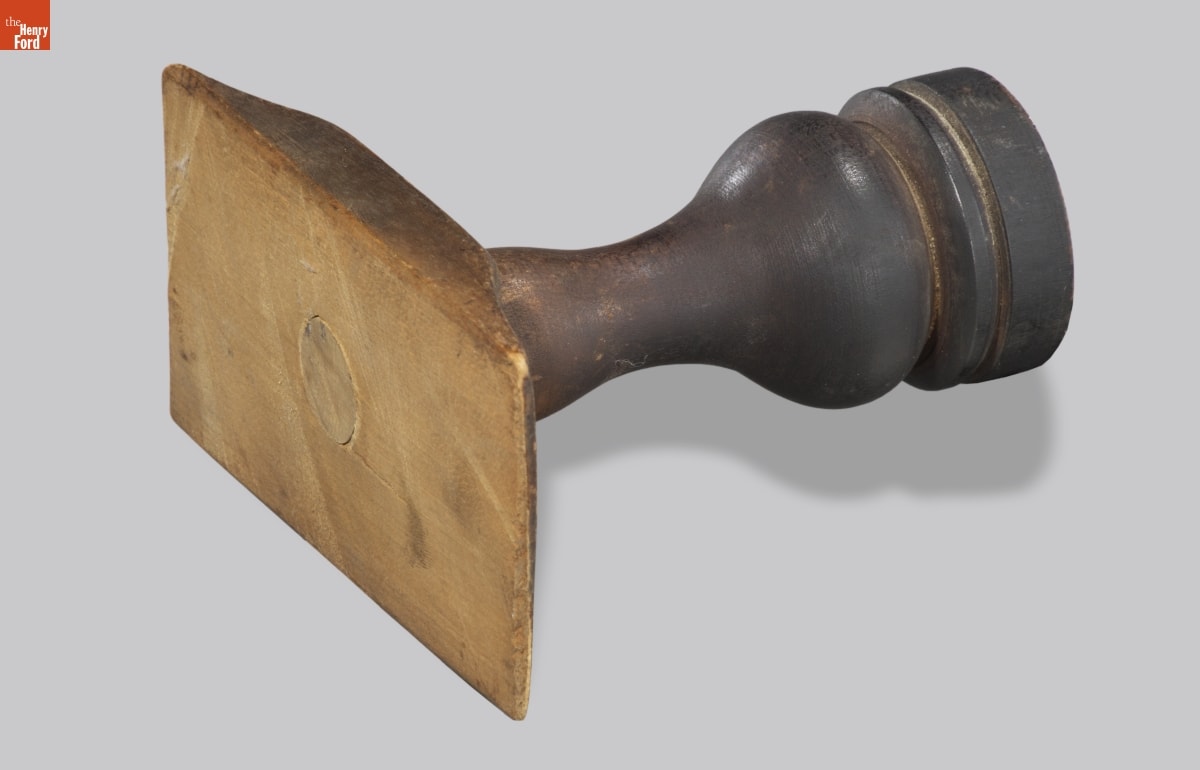
- Collections - Artifact
Butter Press
- Milking Stool -
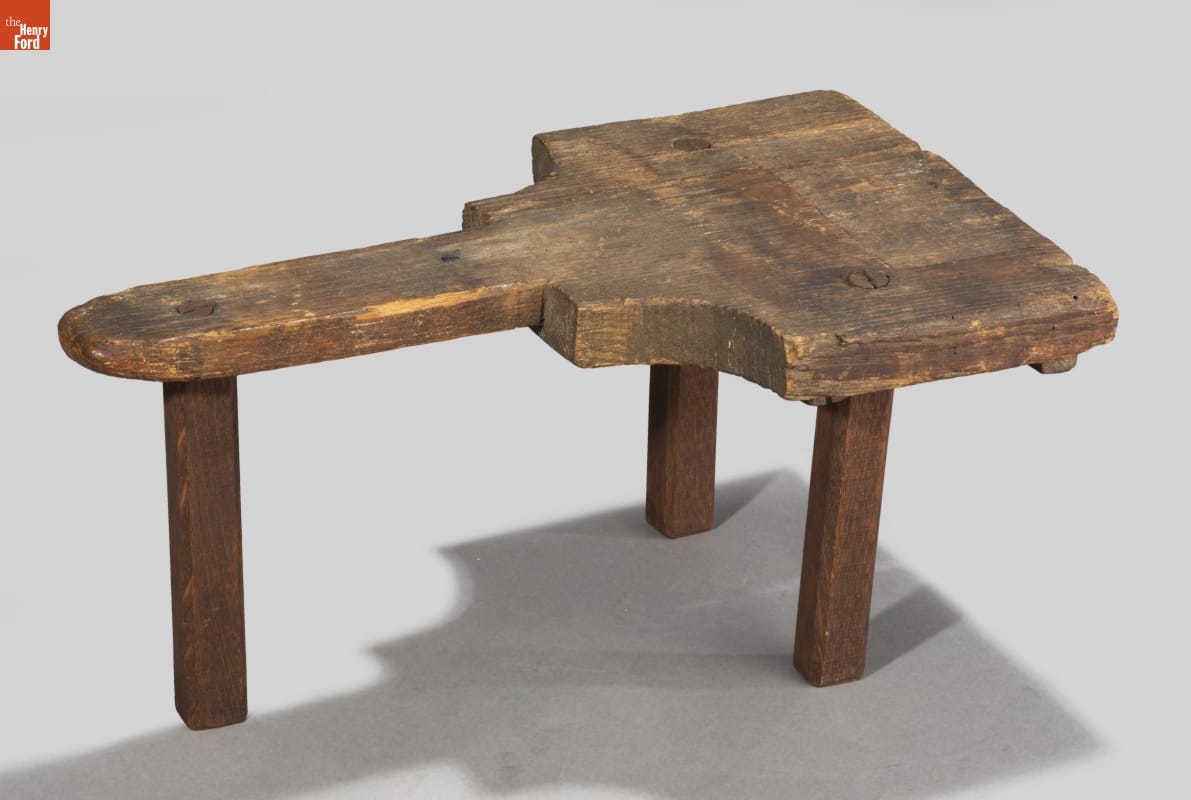
- Collections - Artifact
Milking Stool
- Fries & Co. Cream Whipper, circa 1900 -
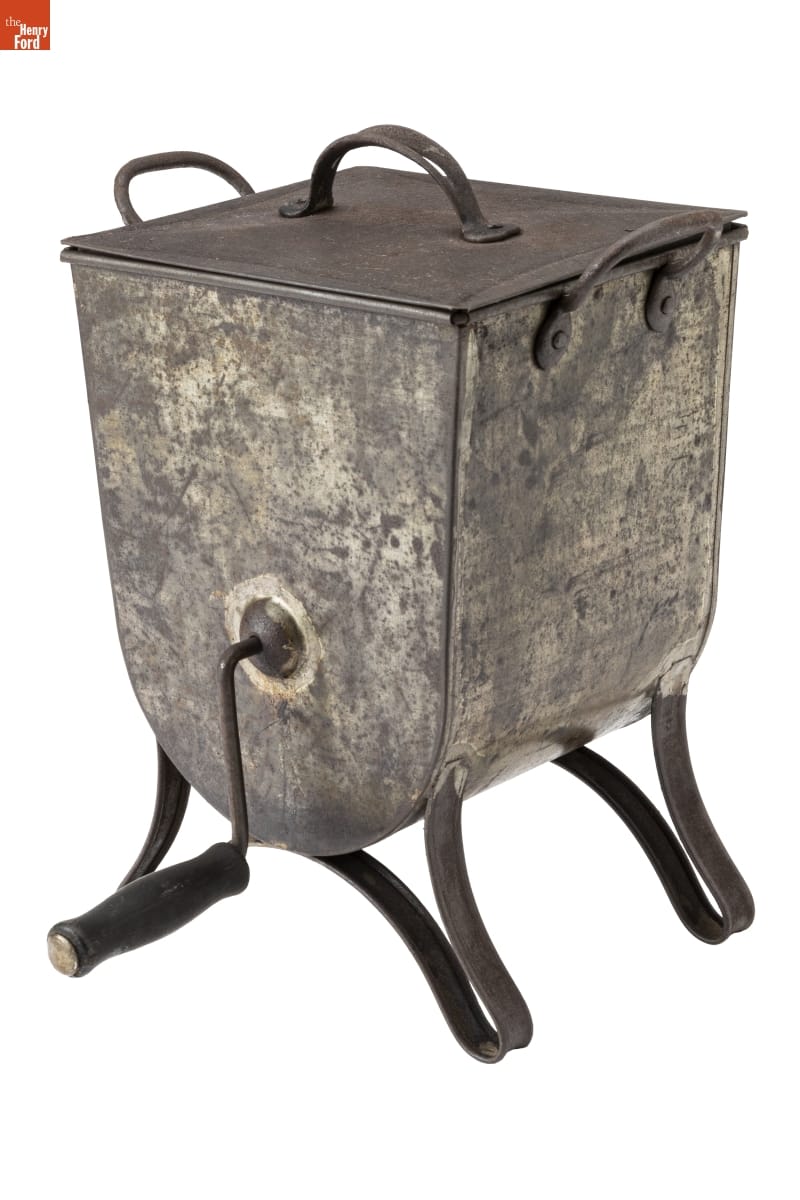
- circa 1900
- Collections - Artifact
Fries & Co. Cream Whipper, circa 1900
- Dorset Dairies Milk Measurement Can -
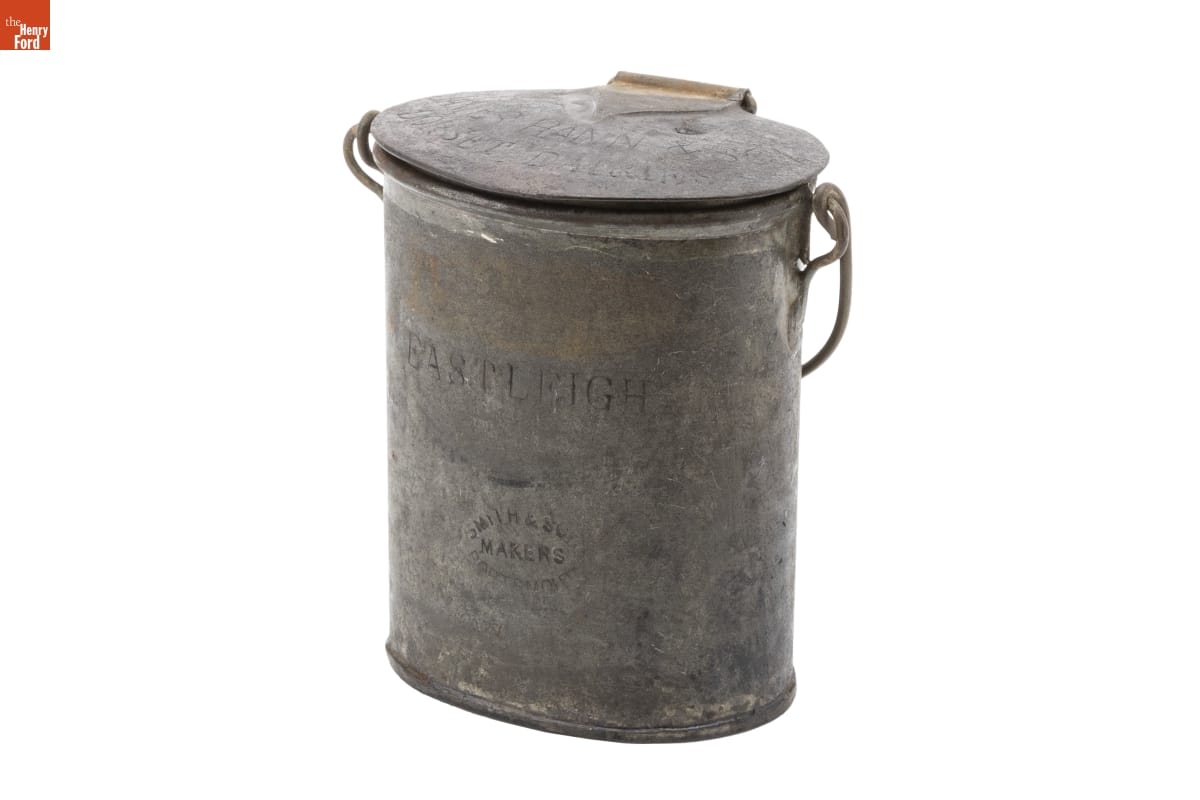
- Collections - Artifact
Dorset Dairies Milk Measurement Can
- 1941 Mack Model ED Panel Trucks, "Allentown Dairy Co.," June 1941 - Founded in Brooklyn, New York, in 1900, Mack Brothers Company relocated to Allentown, Pennsylvania, in 1905 and adopted the name Mack Trucks in 1922. Motorized trucks began to replace horse-drawn dairy delivery wagons early in the 20th century. Horses were well suited to the frequent stops on a residential delivery route, but trucks provided greater range at lower cost.
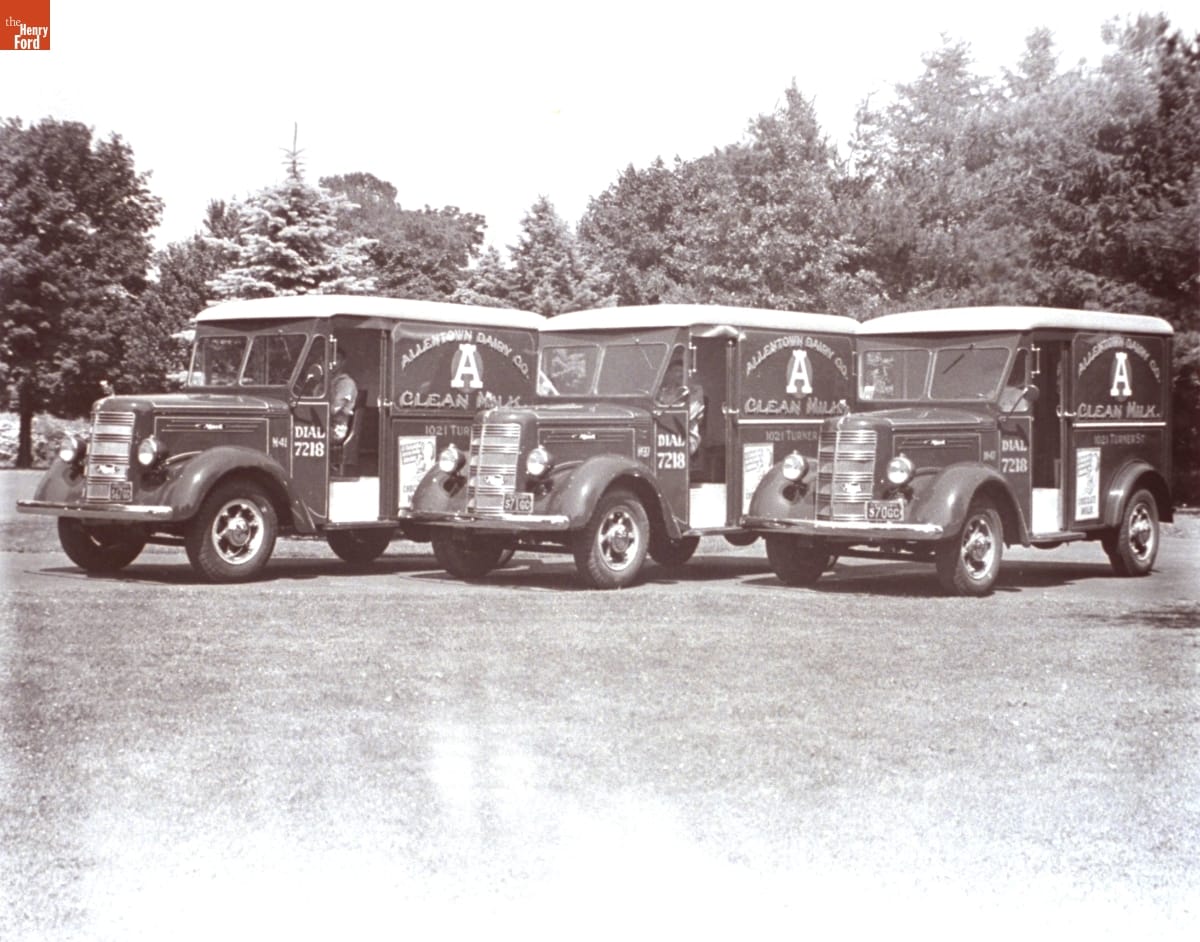
- June 01, 1941
- Collections - Artifact
1941 Mack Model ED Panel Trucks, "Allentown Dairy Co.," June 1941
Founded in Brooklyn, New York, in 1900, Mack Brothers Company relocated to Allentown, Pennsylvania, in 1905 and adopted the name Mack Trucks in 1922. Motorized trucks began to replace horse-drawn dairy delivery wagons early in the 20th century. Horses were well suited to the frequent stops on a residential delivery route, but trucks provided greater range at lower cost.
- 1937 Mack Junior Model 10MF Delivery Truck, "Hazelfern Dairy," June 1937 - Founded in Brooklyn, New York, in 1900, Mack Brothers Company relocated to Allentown, Pennsylvania, in 1905 and adopted the name Mack Trucks in 1922. Motorized trucks began to replace horse-drawn dairy delivery wagons early in the 20th century. Horses were well suited to the frequent stops on a residential delivery route, but trucks provided greater range at lower cost.
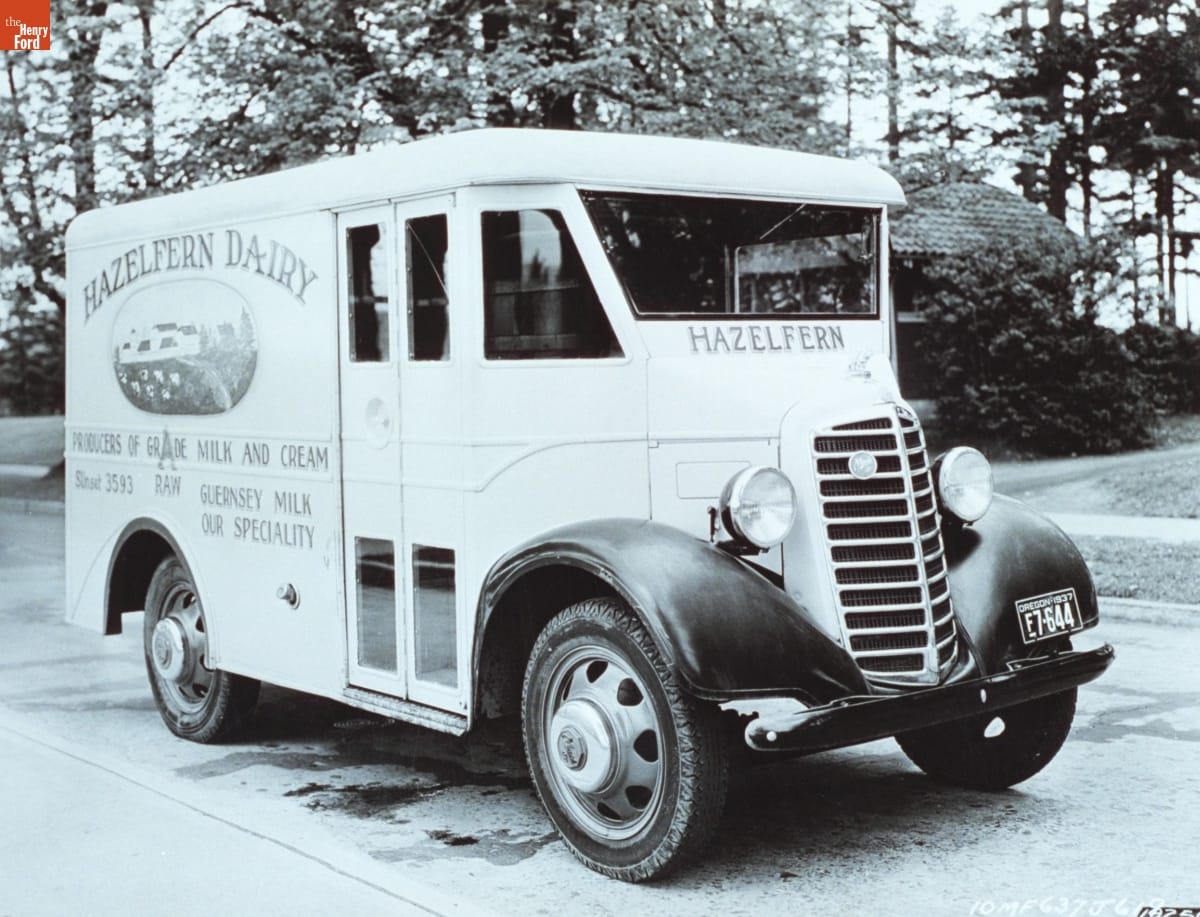
- June 01, 1937
- Collections - Artifact
1937 Mack Junior Model 10MF Delivery Truck, "Hazelfern Dairy," June 1937
Founded in Brooklyn, New York, in 1900, Mack Brothers Company relocated to Allentown, Pennsylvania, in 1905 and adopted the name Mack Trucks in 1922. Motorized trucks began to replace horse-drawn dairy delivery wagons early in the 20th century. Horses were well suited to the frequent stops on a residential delivery route, but trucks provided greater range at lower cost.
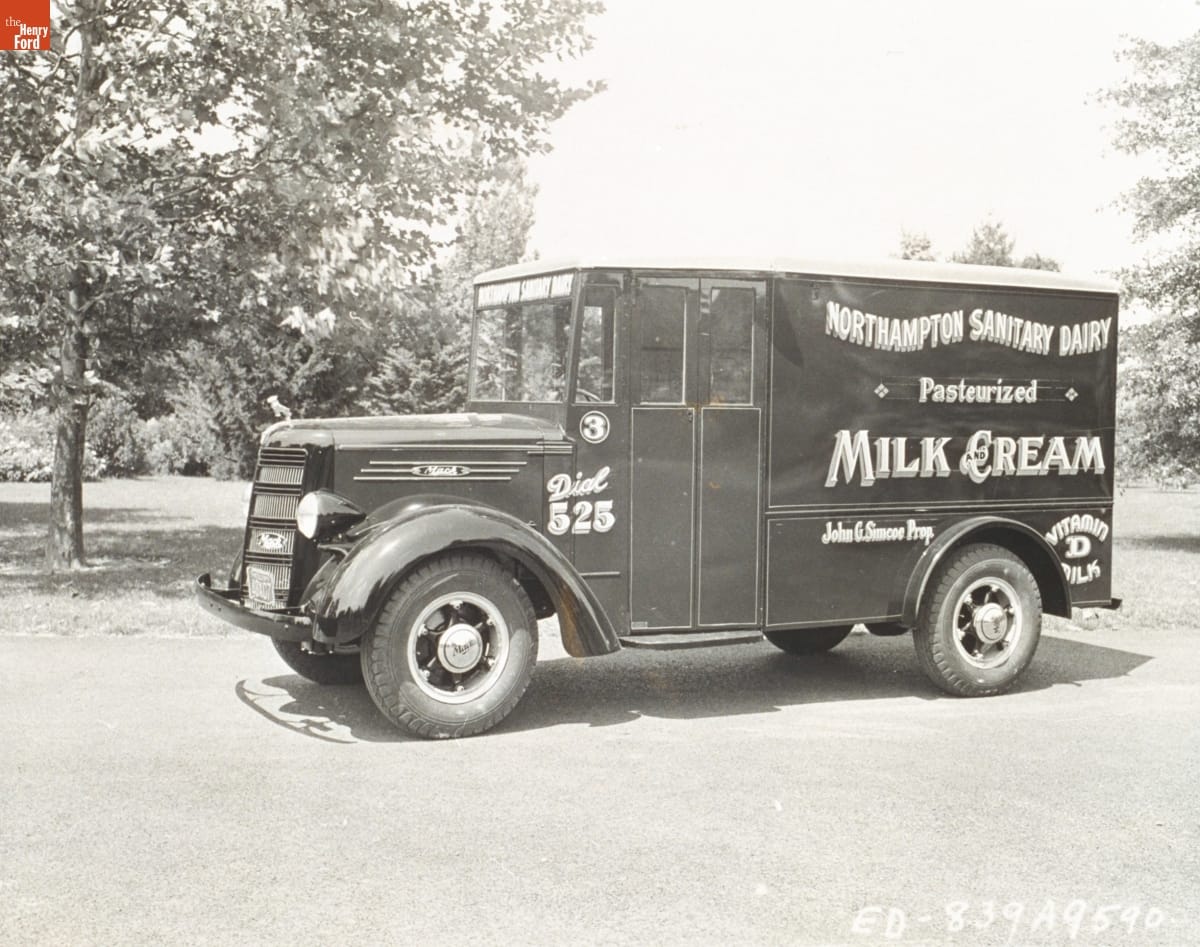
- 1939 Mack Model ED Truck, "Northampton Sanitary Dairy, Pasteurized Milk and Cream," August 1939 - Founded in Brooklyn, New York, in 1900, Mack Brothers Company relocated to Allentown, Pennsylvania, in 1905 and adopted the name Mack Trucks in 1922. Motorized trucks began to replace horse-drawn dairy delivery wagons early in the 20th century. Horses were well suited to the frequent stops on a residential delivery route, but trucks provided greater range at lower cost.
- August 01, 1939
- Collections - Artifact
1939 Mack Model ED Truck, "Northampton Sanitary Dairy, Pasteurized Milk and Cream," August 1939
Founded in Brooklyn, New York, in 1900, Mack Brothers Company relocated to Allentown, Pennsylvania, in 1905 and adopted the name Mack Trucks in 1922. Motorized trucks began to replace horse-drawn dairy delivery wagons early in the 20th century. Horses were well suited to the frequent stops on a residential delivery route, but trucks provided greater range at lower cost.
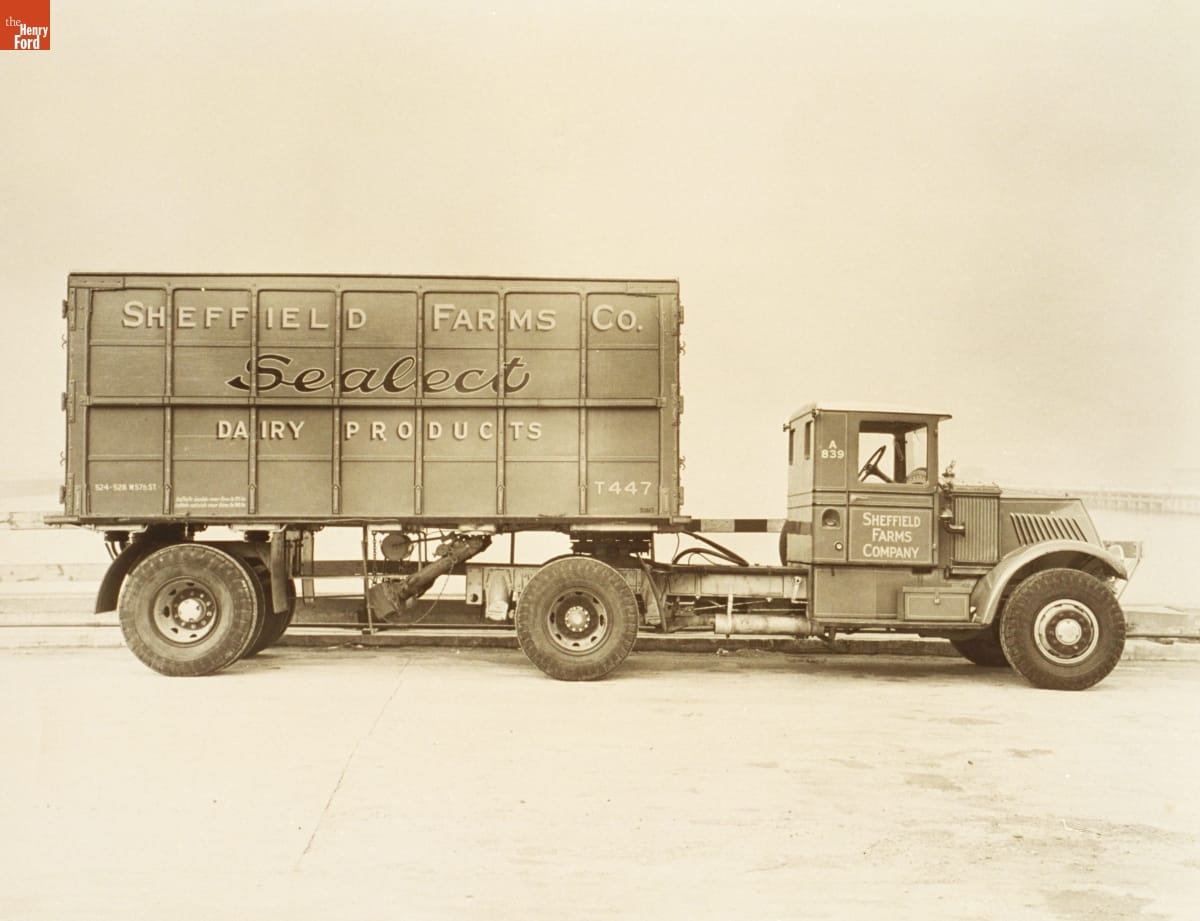
- 1934 Mack Model AK6 Truck with Semi-trailer, "Sheffield Farms Co.," December 1934 - Founded in Brooklyn, New York, in 1900, Mack Brothers Company relocated to Allentown, Pennsylvania, in 1905 and adopted the name Mack Trucks in 1922. Motorized trucks began to replace horse-drawn dairy delivery wagons early in the 20th century. Larger trucks delivered milk and other dairy products to commercial users like grocery stores and restaurants.
- December 01, 1934
- Collections - Artifact
1934 Mack Model AK6 Truck with Semi-trailer, "Sheffield Farms Co.," December 1934
Founded in Brooklyn, New York, in 1900, Mack Brothers Company relocated to Allentown, Pennsylvania, in 1905 and adopted the name Mack Trucks in 1922. Motorized trucks began to replace horse-drawn dairy delivery wagons early in the 20th century. Larger trucks delivered milk and other dairy products to commercial users like grocery stores and restaurants.