
Search
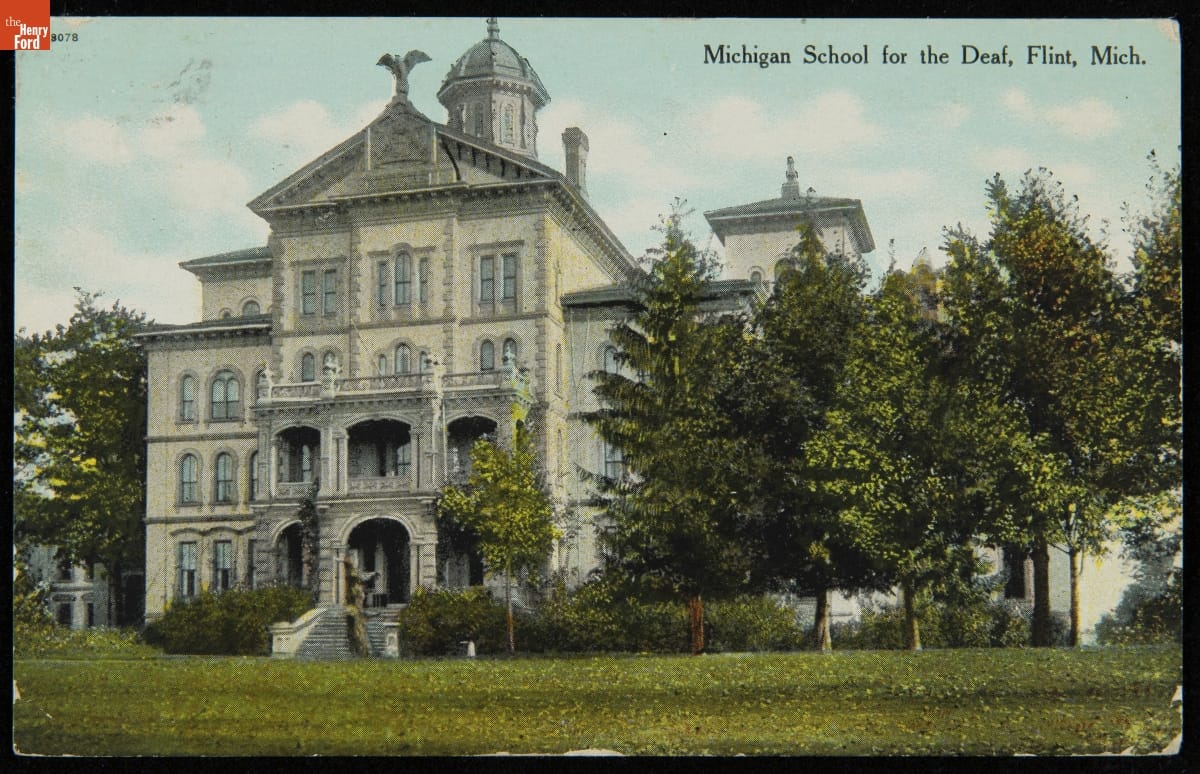
- Michigan School for the Deaf, Flint, Michigan, circa 1909 -
- circa 1909
- Collections - Artifact
Michigan School for the Deaf, Flint, Michigan, circa 1909
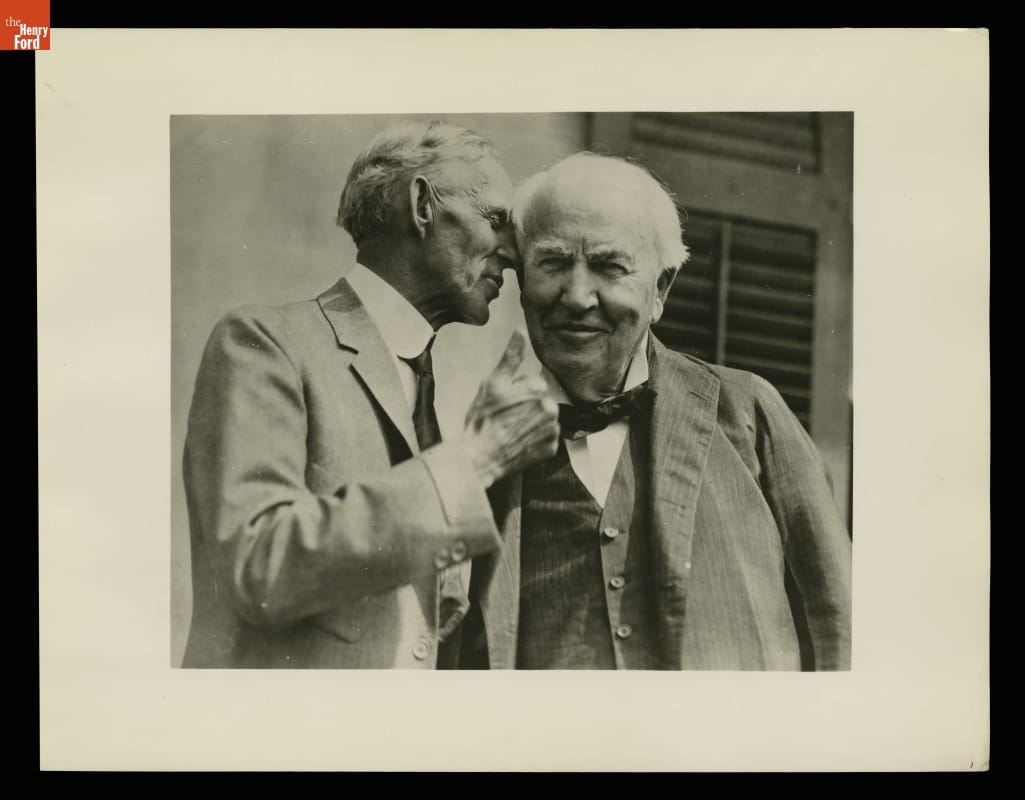
- Henry Ford Speaking into Thomas Edison's Ear, 1925 - Thomas Edison was both a mentor and a friend to Henry Ford. While this photograph, taken in 1925, suggests the notion of Ford whispering something to Edison, reality was quite the opposite. From childhood, Edison experienced hearing loss that advanced with age. For Edison to hear him, Ford spoke loudly and directly into the inventor's ear.
- 1925
- Collections - Artifact
Henry Ford Speaking into Thomas Edison's Ear, 1925
Thomas Edison was both a mentor and a friend to Henry Ford. While this photograph, taken in 1925, suggests the notion of Ford whispering something to Edison, reality was quite the opposite. From childhood, Edison experienced hearing loss that advanced with age. For Edison to hear him, Ford spoke loudly and directly into the inventor's ear.
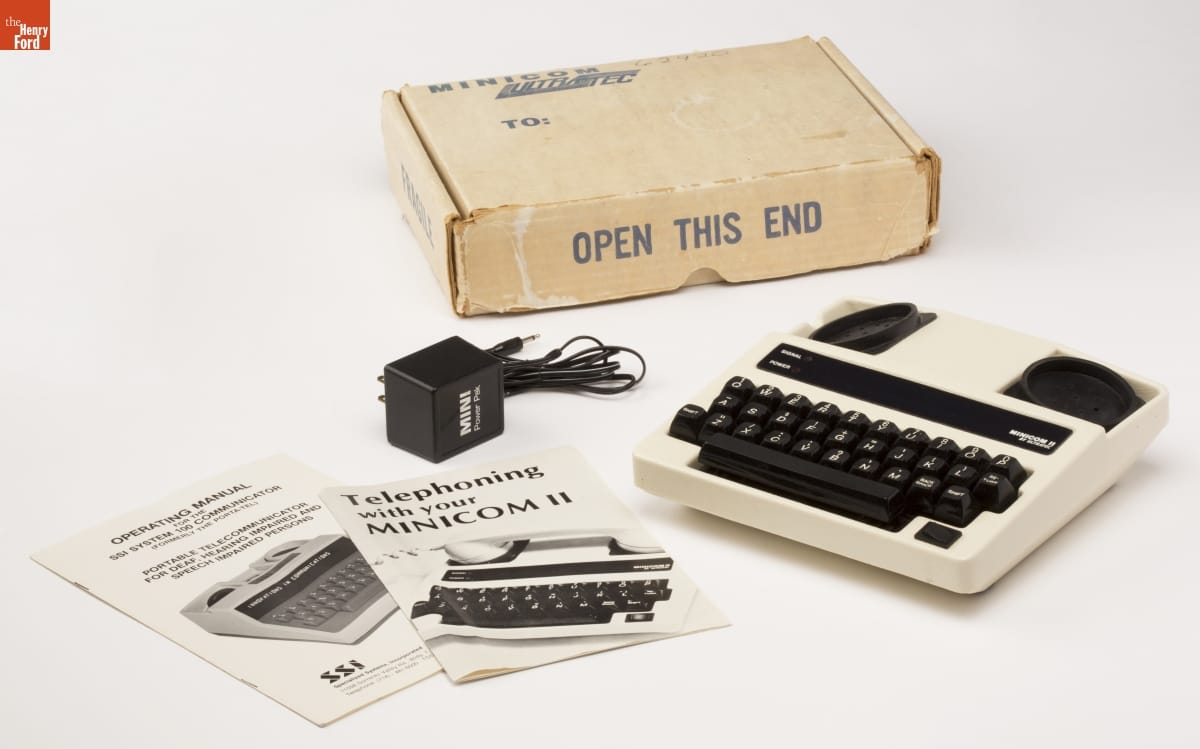
- MiniCom II Telecommunications Device for the Deaf (TDD), 1983 -
- 1983
- Collections - Artifact
MiniCom II Telecommunications Device for the Deaf (TDD), 1983
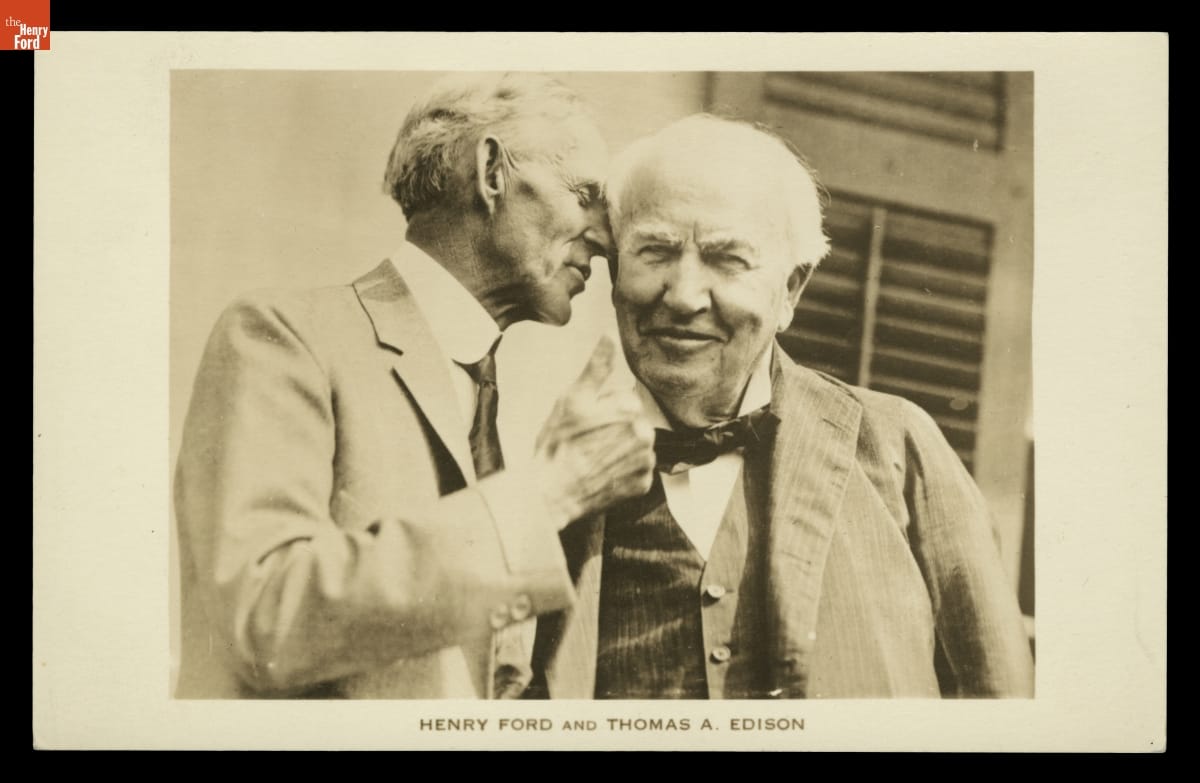
- Henry Ford Speaking into Thomas Edison's Ear, 1925 - Thomas Edison was both a mentor and a friend to Henry Ford. While this photograph, taken in 1925, suggests the notion of Ford whispering something to Edison, reality was quite the opposite. From childhood, Edison experienced hearing loss that advanced with age. For Edison to hear him, Ford spoke loudly and directly into the inventor's ear.
- 1925
- Collections - Artifact
Henry Ford Speaking into Thomas Edison's Ear, 1925
Thomas Edison was both a mentor and a friend to Henry Ford. While this photograph, taken in 1925, suggests the notion of Ford whispering something to Edison, reality was quite the opposite. From childhood, Edison experienced hearing loss that advanced with age. For Edison to hear him, Ford spoke loudly and directly into the inventor's ear.
- Vegetable Dish, 1814-1830 -
- 1814-1830
- Collections - Artifact
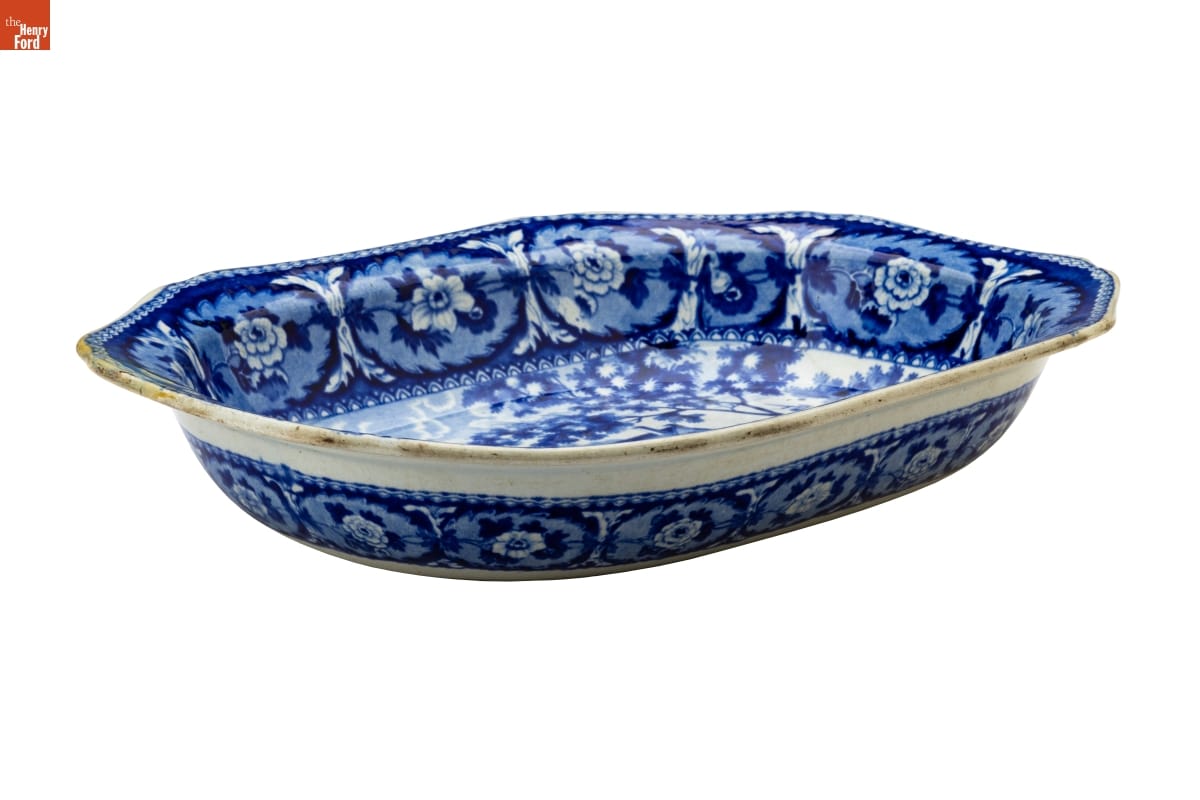
Vegetable Dish, 1814-1830
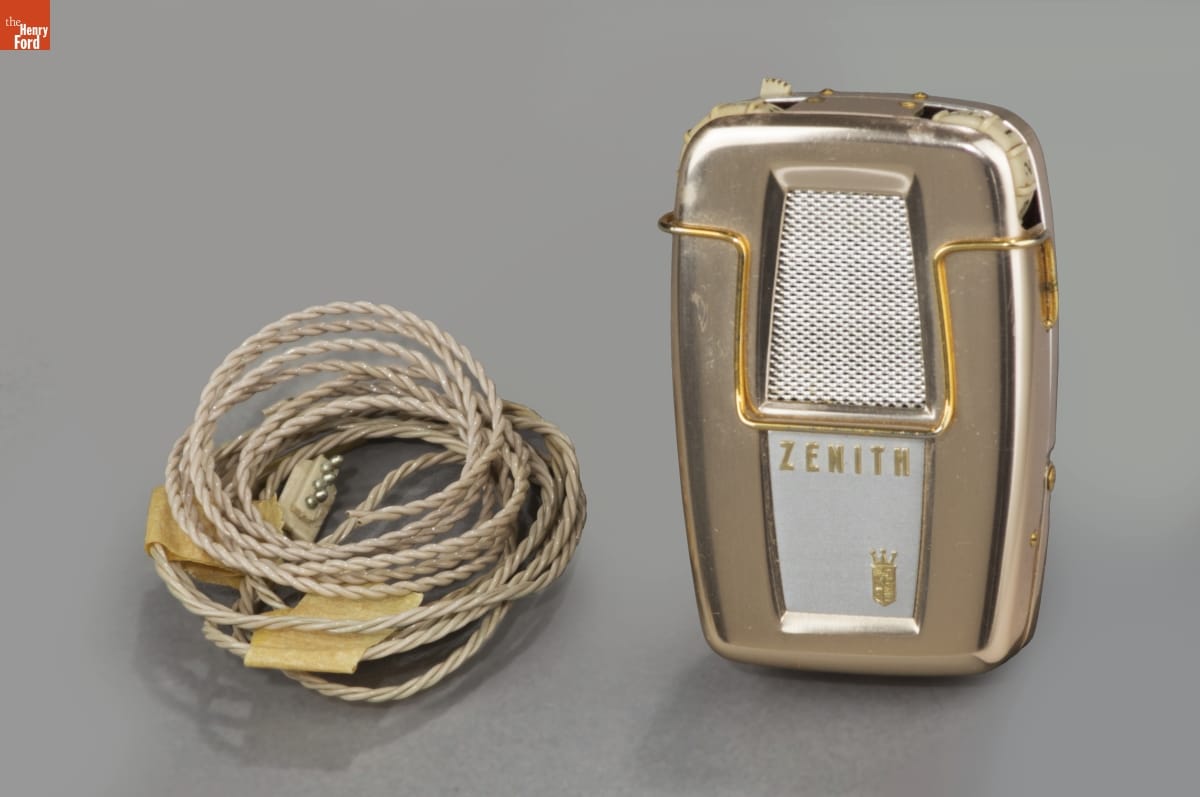
- Zenith Royal Crusader Hearing Aid, circa 1965 - The invention of transistors went beyond miniaturization of radio technology. This small transistor-powered hearing aid gathered sound waves and transmitted the sound to the earpiece placed within the wearer's ear. The packaging is as interesting as the small hearing aid device; it was carefully designed by the donor, Mel Boldt, to appeal to the style-conscious consumers in the 1960s.
- circa 1965
- Collections - Artifact
Zenith Royal Crusader Hearing Aid, circa 1965
The invention of transistors went beyond miniaturization of radio technology. This small transistor-powered hearing aid gathered sound waves and transmitted the sound to the earpiece placed within the wearer's ear. The packaging is as interesting as the small hearing aid device; it was carefully designed by the donor, Mel Boldt, to appeal to the style-conscious consumers in the 1960s.
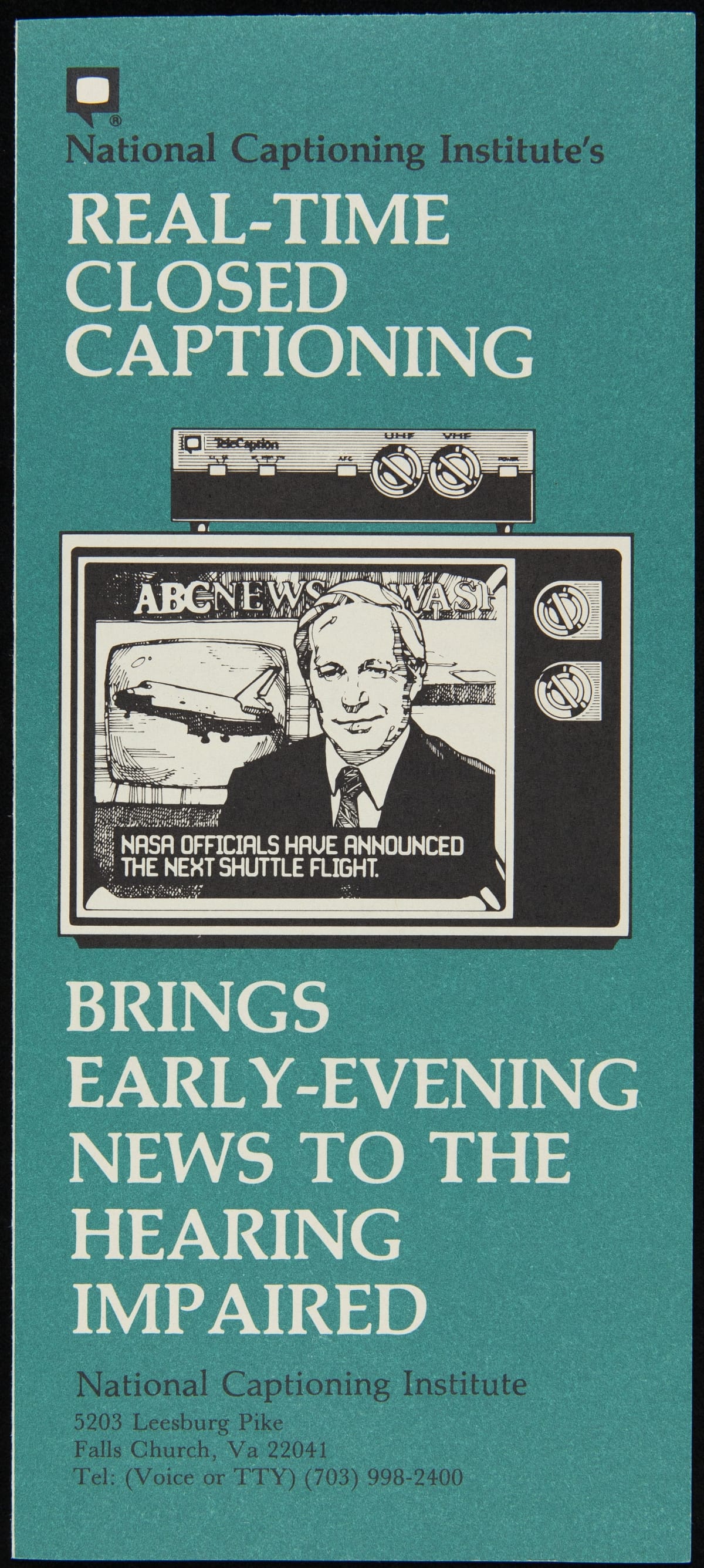
- Real-Time Closed Captioning Brings Early-Evening News to the Hearing Impaired, circa 1981 -
- circa 1981
- Collections - Artifact
Real-Time Closed Captioning Brings Early-Evening News to the Hearing Impaired, circa 1981
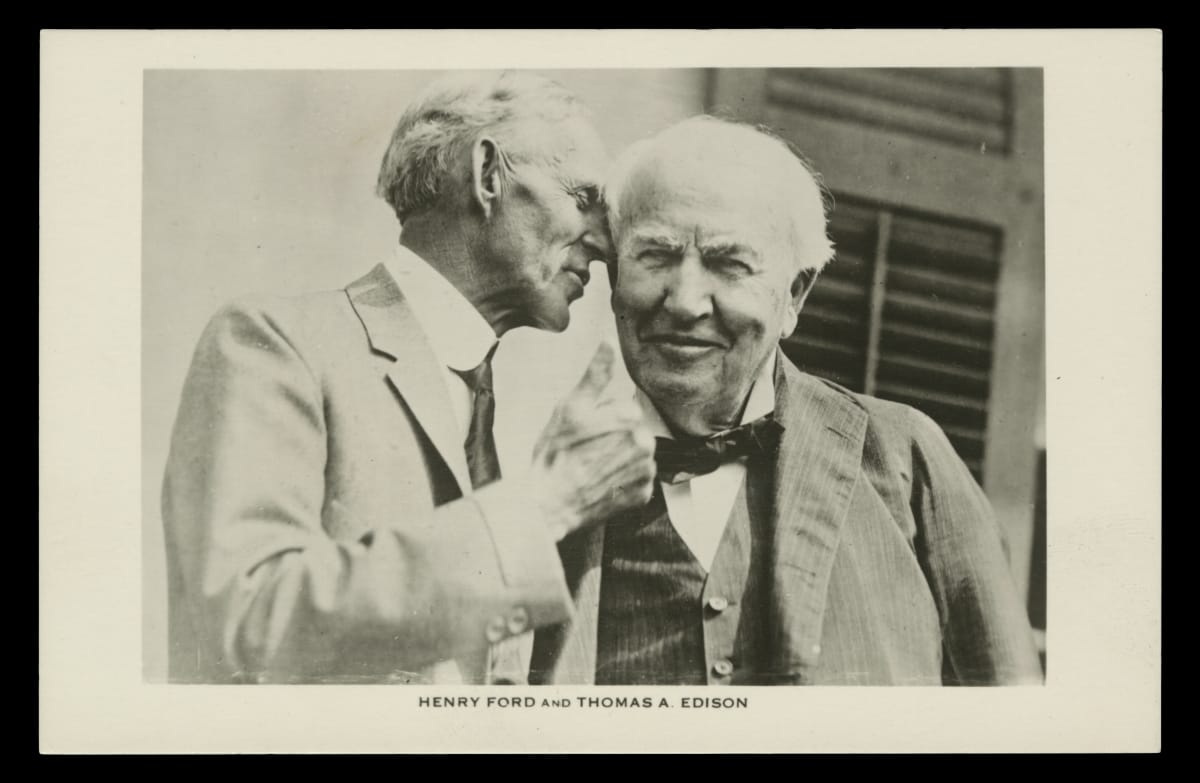
- Henry Ford Speaking into Thomas Edison's Ear, 1925 - Thomas Edison was both a mentor and a friend to Henry Ford. While this photograph, taken in 1925, suggests the notion of Ford whispering something to Edison, reality was quite the opposite. From childhood, Edison experienced hearing loss that advanced with age. For Edison to hear him, Ford spoke loudly and directly into the inventor's ear.
- 1925
- Collections - Artifact
Henry Ford Speaking into Thomas Edison's Ear, 1925
Thomas Edison was both a mentor and a friend to Henry Ford. While this photograph, taken in 1925, suggests the notion of Ford whispering something to Edison, reality was quite the opposite. From childhood, Edison experienced hearing loss that advanced with age. For Edison to hear him, Ford spoke loudly and directly into the inventor's ear.
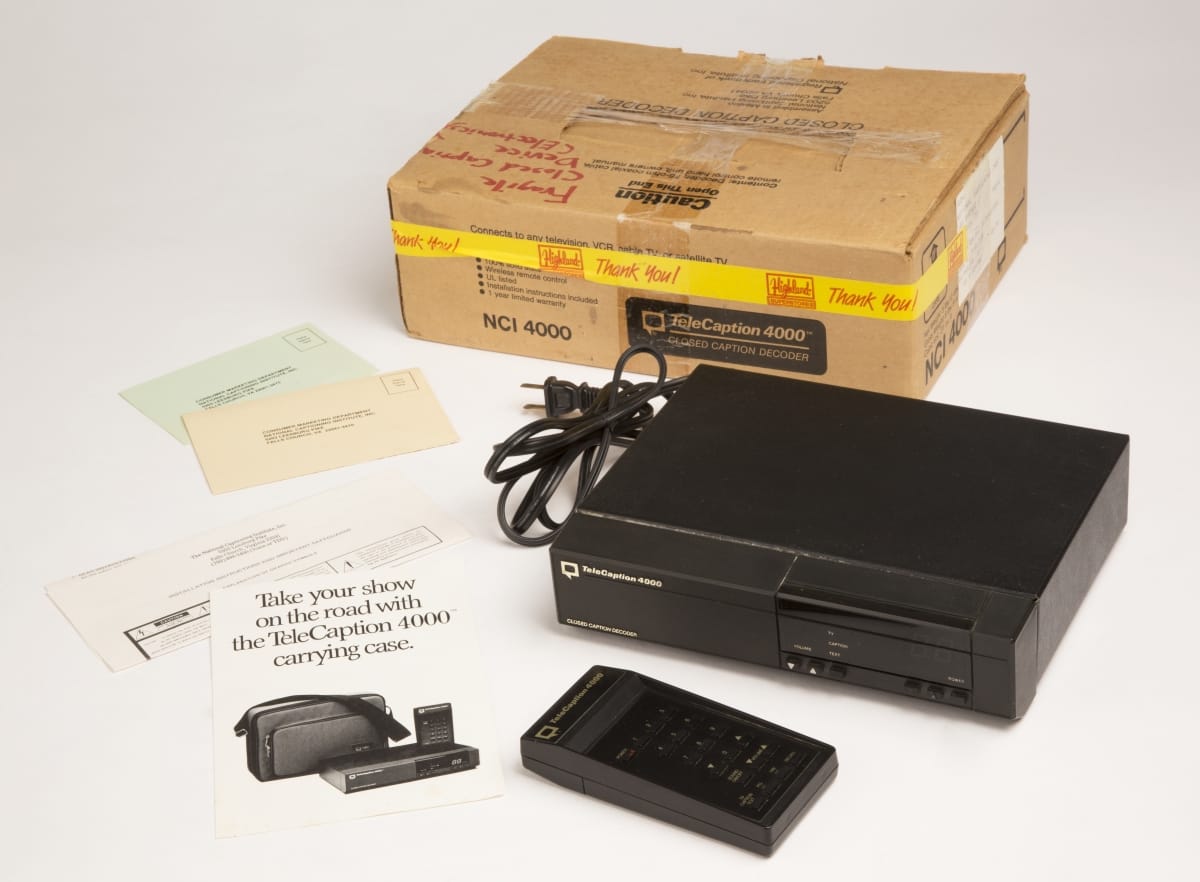
- TeleCaption 4000 Closed Caption Decoder, circa 1989 - Closed caption decoders provided transcriptions of the audio portions of television programs. They allowed deaf and hard of hearing people to tap into entertainment and information that previously might have required an interpreter. In 1990, the use of decoding boxes declined because the Television Decoder Circuitry Act mandated all new television sets have built-in captioning.
- circa 1989
- Collections - Artifact
TeleCaption 4000 Closed Caption Decoder, circa 1989
Closed caption decoders provided transcriptions of the audio portions of television programs. They allowed deaf and hard of hearing people to tap into entertainment and information that previously might have required an interpreter. In 1990, the use of decoding boxes declined because the Television Decoder Circuitry Act mandated all new television sets have built-in captioning.
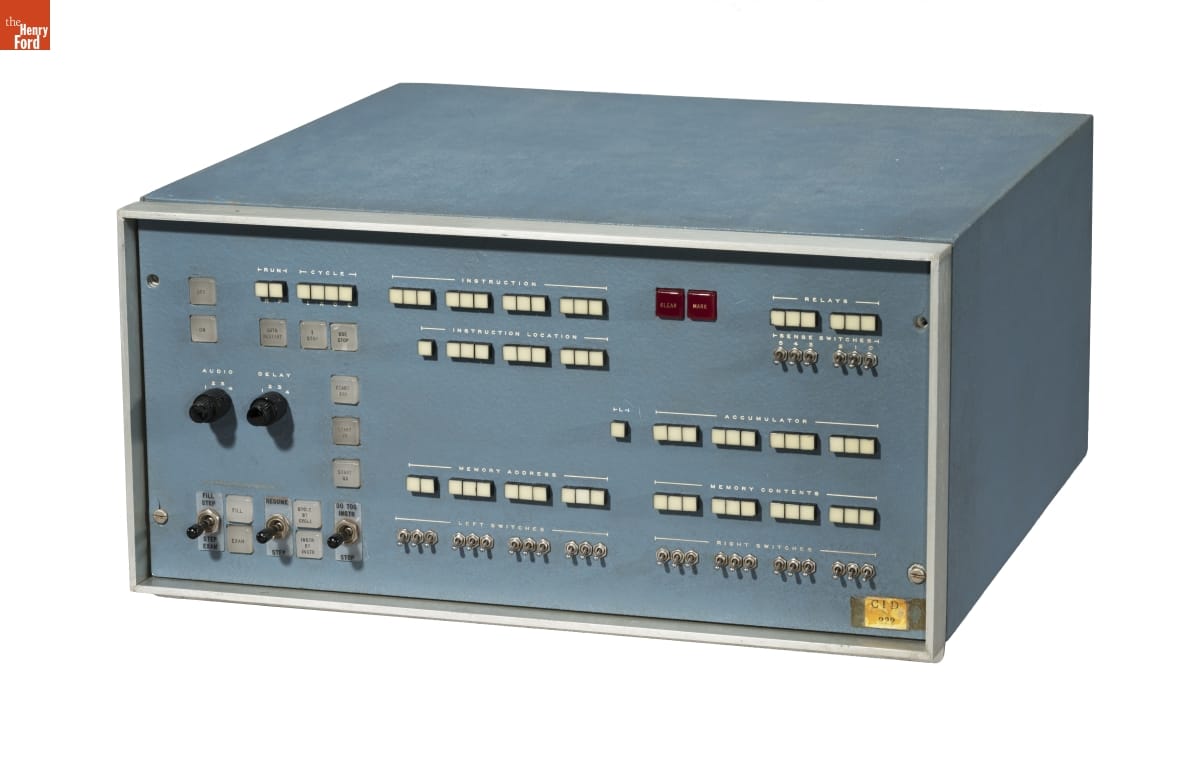
- LINC Main Console, 1963 - This transistorized computer was designed for use in medical and scientific laboratories. Created at MIT's Lincoln Laboratory by Wesley A. Clark and Charles Molnar, researchers could program the LINC to receive instant visual feedback in their own laboratory, rather than using timeshared systems. This LINC console was built by computer scientist Jerry Cox at the Central Institute for the Deaf.
- 1963
- Collections - Artifact
LINC Main Console, 1963
This transistorized computer was designed for use in medical and scientific laboratories. Created at MIT's Lincoln Laboratory by Wesley A. Clark and Charles Molnar, researchers could program the LINC to receive instant visual feedback in their own laboratory, rather than using timeshared systems. This LINC console was built by computer scientist Jerry Cox at the Central Institute for the Deaf.