
Search
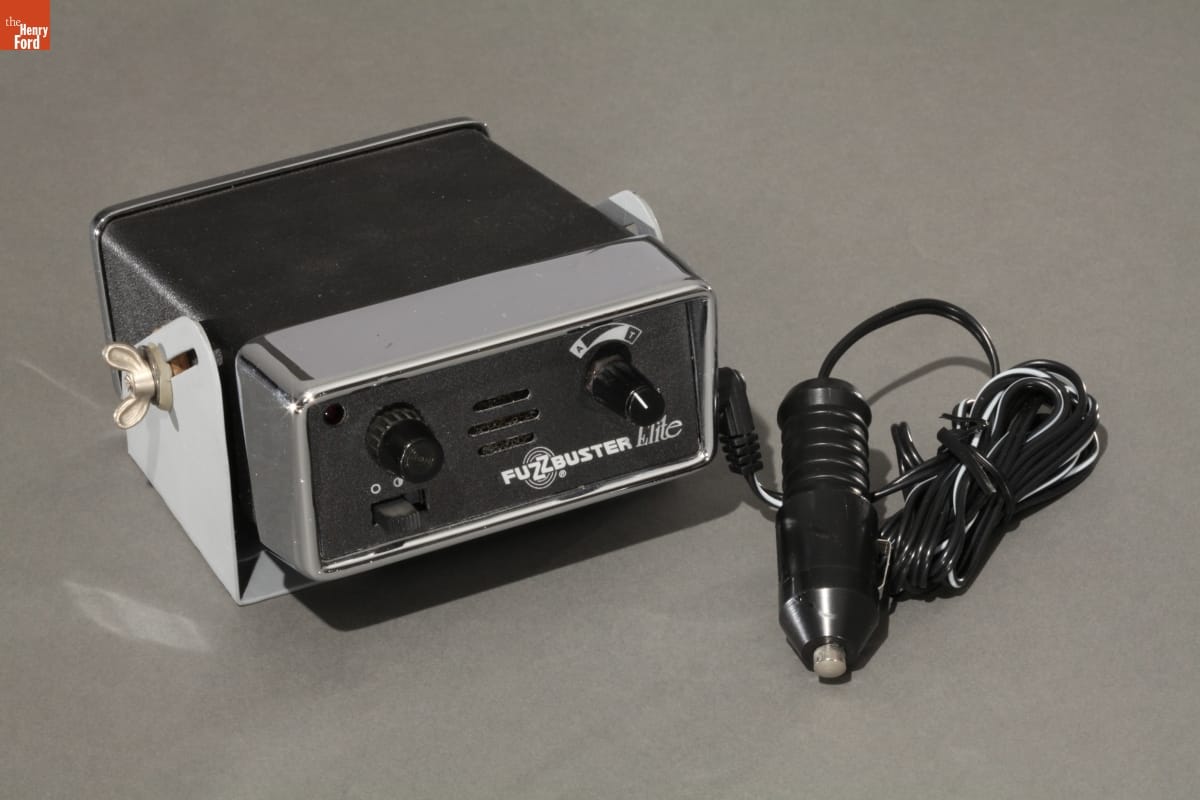
- Fuzzbuster Elite Radar Detector, 1979-1980 - This Fuzzbuster Elite helped motorists detect police radar as they sped down America's highways. The original Fuzzbuster had been around since the late 1960s and its name has become synonymous for police radar detectors. Radar detectors caught on when the 1970s energy crisis led to a nationwide 55-mph speed limit to reduce gasoline consumption.
- 1979-1980
- Collections - Artifact
Fuzzbuster Elite Radar Detector, 1979-1980
This Fuzzbuster Elite helped motorists detect police radar as they sped down America's highways. The original Fuzzbuster had been around since the late 1960s and its name has become synonymous for police radar detectors. Radar detectors caught on when the 1970s energy crisis led to a nationwide 55-mph speed limit to reduce gasoline consumption.
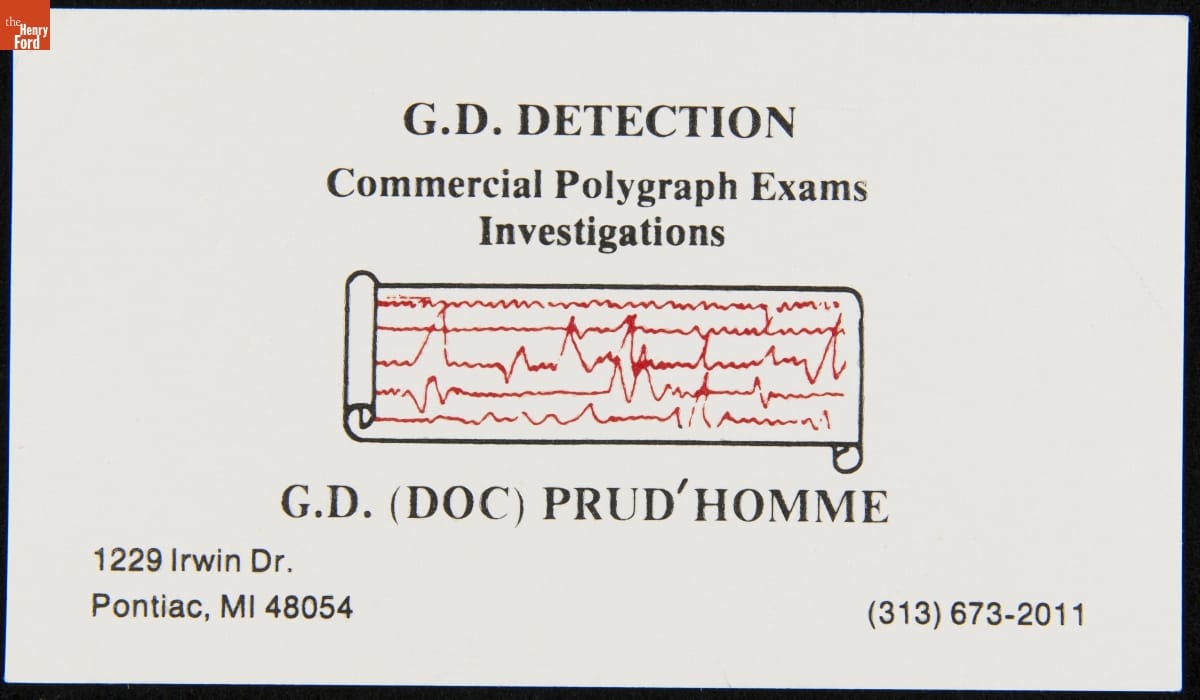
- Business Card for "G.D. Detection," 1974-1990 - "Doc" Prud'homme is the former owner and chief examiner of Polygraph Specialists Company. Polygraphs are more popularly known as "lie detector" machines. Prud'homme trained to use these devices while stationed in Vietnam. Upon returning to Michigan, he established his own business. The mobility of the polygraph machine allowed him to administer tests throughout the Metro-Detroit area.
- 1974-1990
- Collections - Artifact
Business Card for "G.D. Detection," 1974-1990
"Doc" Prud'homme is the former owner and chief examiner of Polygraph Specialists Company. Polygraphs are more popularly known as "lie detector" machines. Prud'homme trained to use these devices while stationed in Vietnam. Upon returning to Michigan, he established his own business. The mobility of the polygraph machine allowed him to administer tests throughout the Metro-Detroit area.
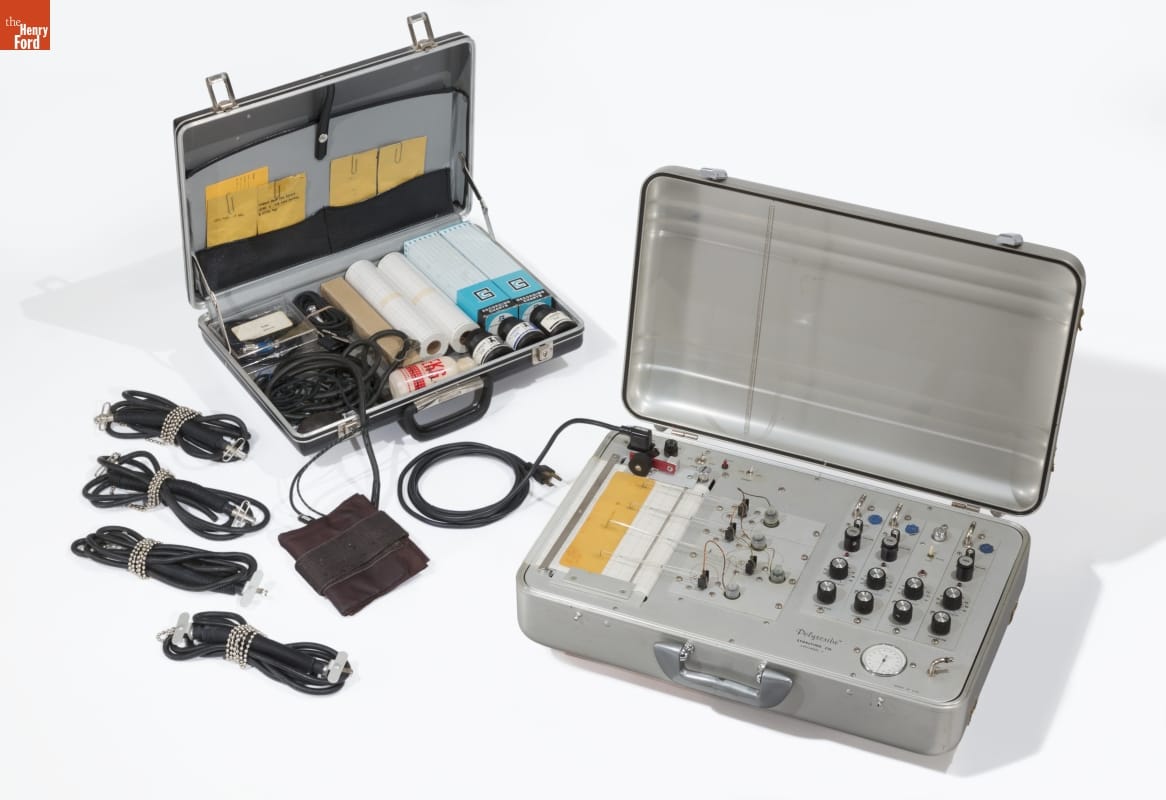
- Polyscribe Model 22770 Polygraph Machine and Accessories Kit, 1974-1977 - Polygraphs are more popularly known as "lie detector" machines. They measure a person's pulse, breathing rate, perspiration, and blood pressure. Polygraphs convert this data into electronic signals; inking arms output this information onto paper charts. Trained examiners interpret the results, to determine guilt or innocence. The polygraph has been called out as unethical and legally inadmissible in some cases.
- 1974-1977
- Collections - Artifact
Polyscribe Model 22770 Polygraph Machine and Accessories Kit, 1974-1977
Polygraphs are more popularly known as "lie detector" machines. They measure a person's pulse, breathing rate, perspiration, and blood pressure. Polygraphs convert this data into electronic signals; inking arms output this information onto paper charts. Trained examiners interpret the results, to determine guilt or innocence. The polygraph has been called out as unethical and legally inadmissible in some cases.
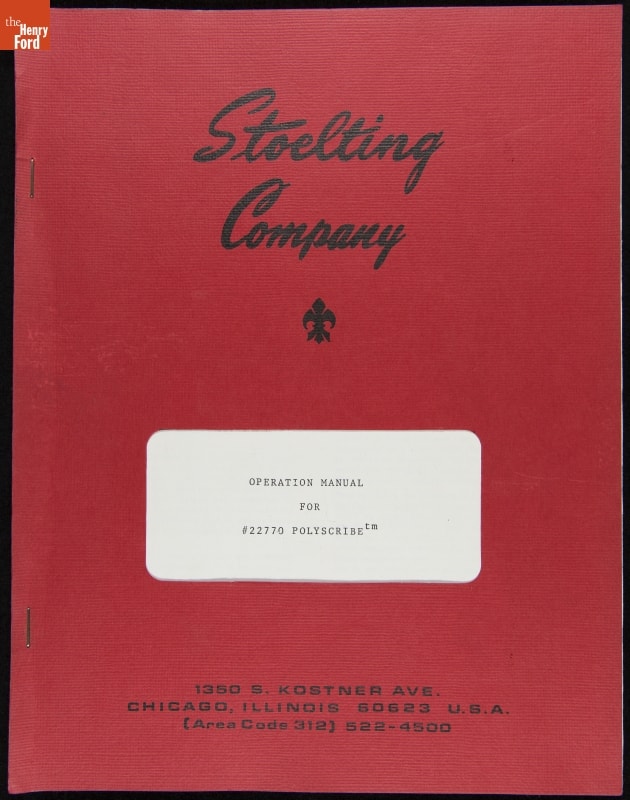
- Stoelting Company Operating Manual for the Polyscribe Model 22770, circa 1976 - Polygraphs are more popularly known as "lie detector" machines. They measure a person's pulse, breathing rate, perspiration, and blood pressure. Polygraphs convert this data into electronic signals; inking arms output this information onto paper charts. Trained examiners interpret the results, to determine guilt or innocence. The polygraph has been called out as unethical and legally inadmissible in some cases.
- circa 1976
- Collections - Artifact
Stoelting Company Operating Manual for the Polyscribe Model 22770, circa 1976
Polygraphs are more popularly known as "lie detector" machines. They measure a person's pulse, breathing rate, perspiration, and blood pressure. Polygraphs convert this data into electronic signals; inking arms output this information onto paper charts. Trained examiners interpret the results, to determine guilt or innocence. The polygraph has been called out as unethical and legally inadmissible in some cases.
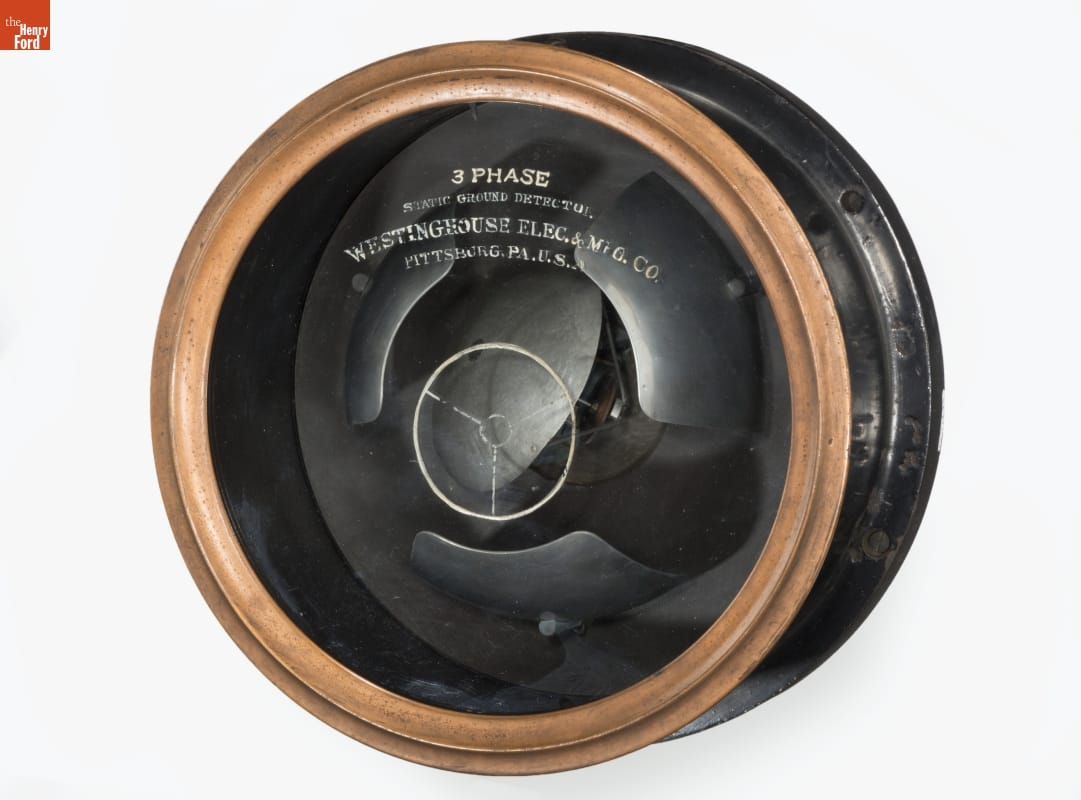
- Westinghouse Ground Detector, circa 1900 -
- circa 1900
- Collections - Artifact
Westinghouse Ground Detector, circa 1900
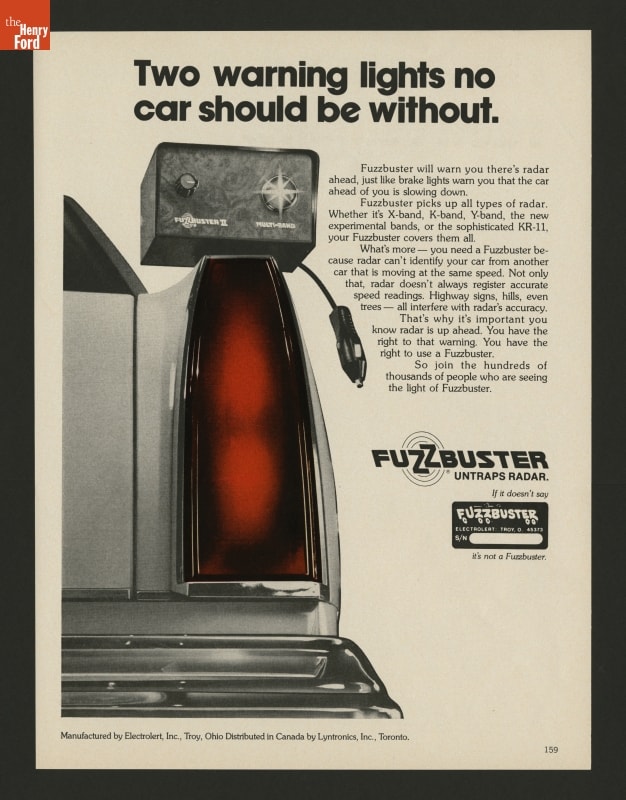
- Fuzzbuster Radar Detector Ad, 1978 - This 1978 Fuzzbuster advertisement equates the warning light of the Fuzzbuster with a car's taillight. Both are signals alerting motorists to slow down. The device warned speeding drivers of police radar being used up ahead.
- 1978
- Collections - Artifact
Fuzzbuster Radar Detector Ad, 1978
This 1978 Fuzzbuster advertisement equates the warning light of the Fuzzbuster with a car's taillight. Both are signals alerting motorists to slow down. The device warned speeding drivers of police radar being used up ahead.
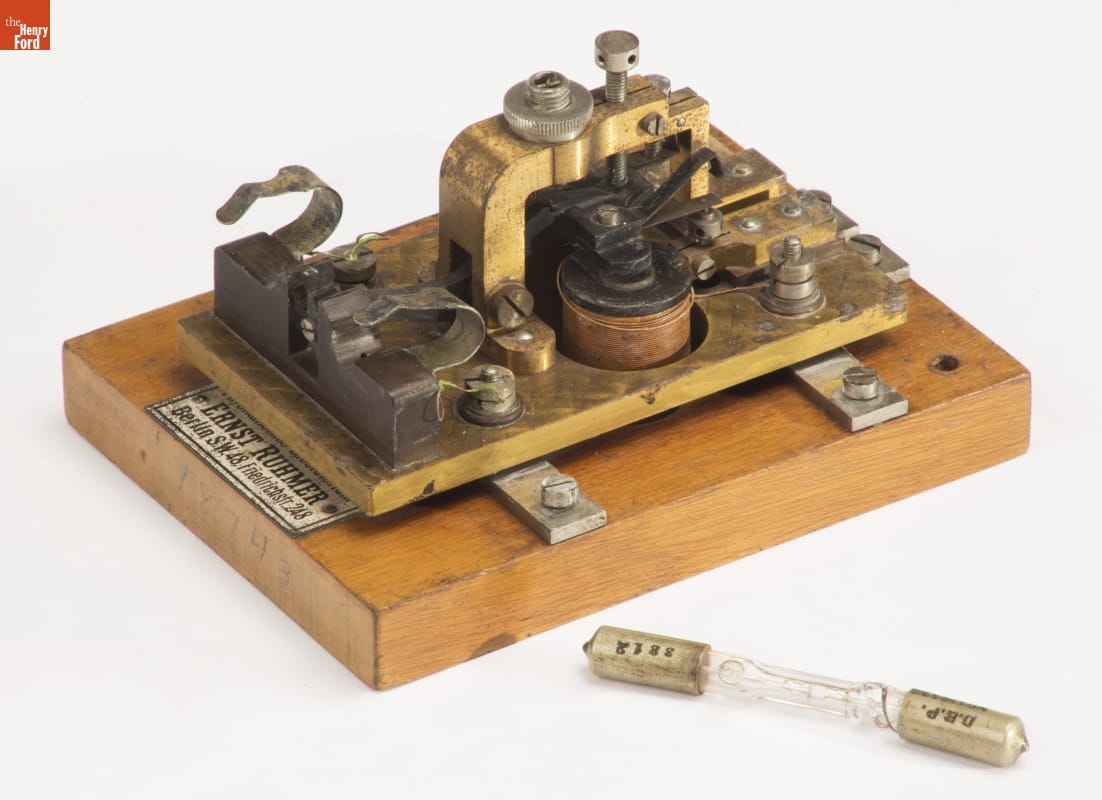
- Ruhmer Coherer, Used at Hammond Radio Research Laboratory, circa 1905 - John Hays Hammond, Jr., was largely responsible for launching the field of radio control. In 1926, he built a medieval-inspired castle in Gloucester, Massachusetts. This site served as his home and research laboratory. With over 400 patents to his name, Hammond developed ideas for radio control, autopilot function, and targeted missile detonation. This device was used in Hammond's laboratory.
- circa 1905
- Collections - Artifact
Ruhmer Coherer, Used at Hammond Radio Research Laboratory, circa 1905
John Hays Hammond, Jr., was largely responsible for launching the field of radio control. In 1926, he built a medieval-inspired castle in Gloucester, Massachusetts. This site served as his home and research laboratory. With over 400 patents to his name, Hammond developed ideas for radio control, autopilot function, and targeted missile detonation. This device was used in Hammond's laboratory.
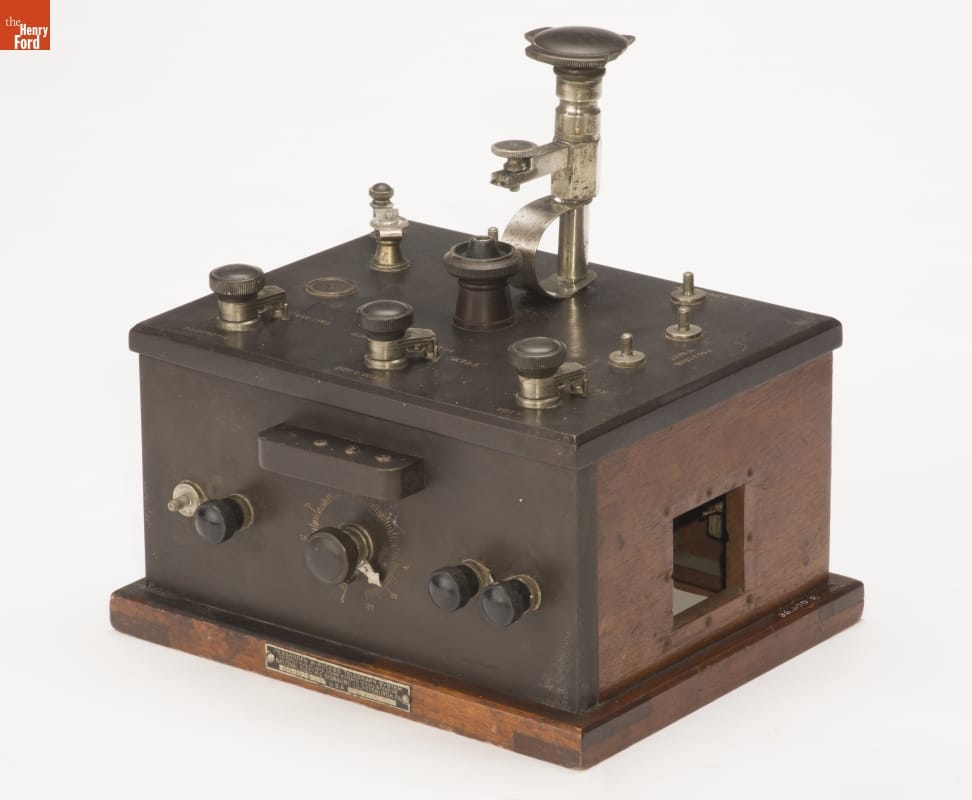
- Fessenden Wireless Telegraph System, 1908-1910 -
- 1908-1910
- Collections - Artifact
Fessenden Wireless Telegraph System, 1908-1910
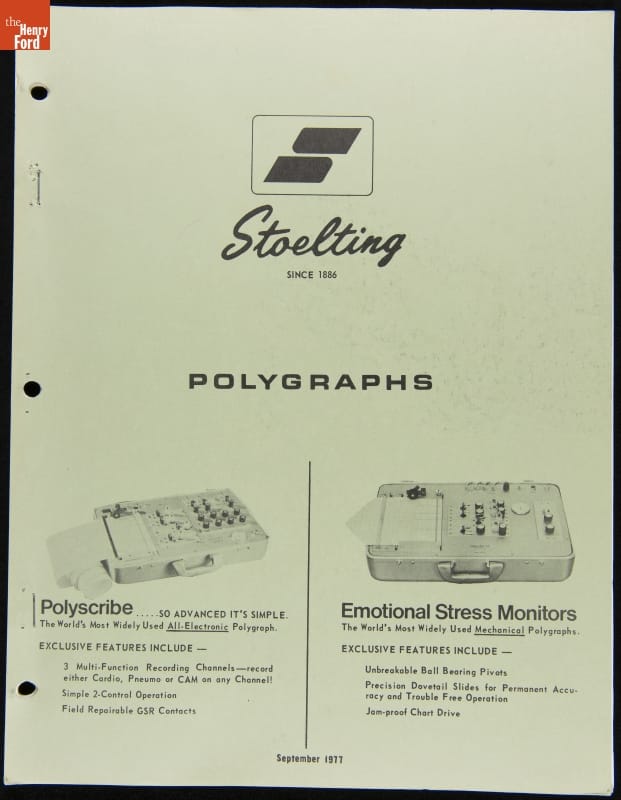
- Stoelting Company Polygraph Catalog, September 1977 - Polygraphs are more popularly known as "lie detector" machines. They measure a person's pulse, breathing rate, perspiration, and blood pressure. Polygraphs convert this data into electronic signals; inking arms output this information onto paper charts. Trained examiners interpret the results, to determine guilt or innocence. The polygraph has been called out as unethical and legally inadmissible in some cases.
- September 01, 1977
- Collections - Artifact
Stoelting Company Polygraph Catalog, September 1977
Polygraphs are more popularly known as "lie detector" machines. They measure a person's pulse, breathing rate, perspiration, and blood pressure. Polygraphs convert this data into electronic signals; inking arms output this information onto paper charts. Trained examiners interpret the results, to determine guilt or innocence. The polygraph has been called out as unethical and legally inadmissible in some cases.
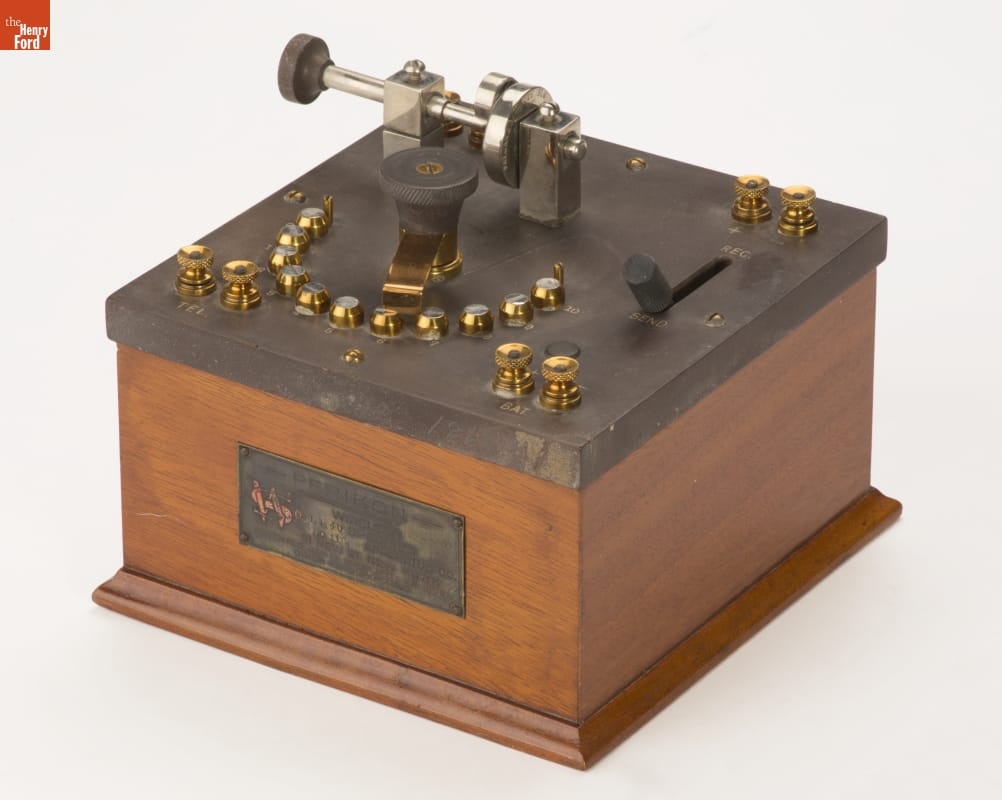
- WSA Perikon Radio Detector, circa 1908 -
- circa 1908
- Collections - Artifact
WSA Perikon Radio Detector, circa 1908