
Search
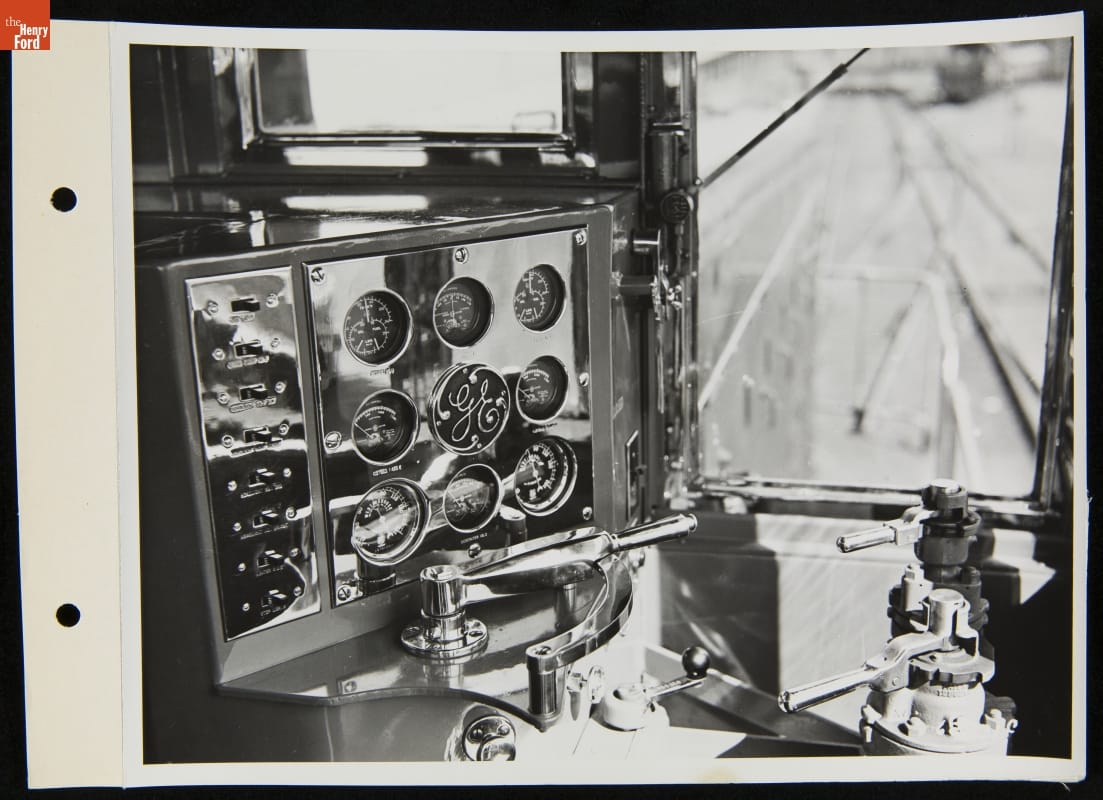
- Diesel Locomotive in North Yard, Ford Rouge Plant, September 1937 - Some 100 miles of railroad track covered the grounds of Ford Motor Company's Rouge plant. The automaker maintained its own fleet of locomotives to move incoming railcars loaded with raw materials, and outgoing railcars filled with finished parts and automobiles, around the complex. Additionally, specialized tank cars ferried molten iron from the factory's blast furnaces to its foundry.
- September 20, 1937
- Collections - Artifact
Diesel Locomotive in North Yard, Ford Rouge Plant, September 1937
Some 100 miles of railroad track covered the grounds of Ford Motor Company's Rouge plant. The automaker maintained its own fleet of locomotives to move incoming railcars loaded with raw materials, and outgoing railcars filled with finished parts and automobiles, around the complex. Additionally, specialized tank cars ferried molten iron from the factory's blast furnaces to its foundry.
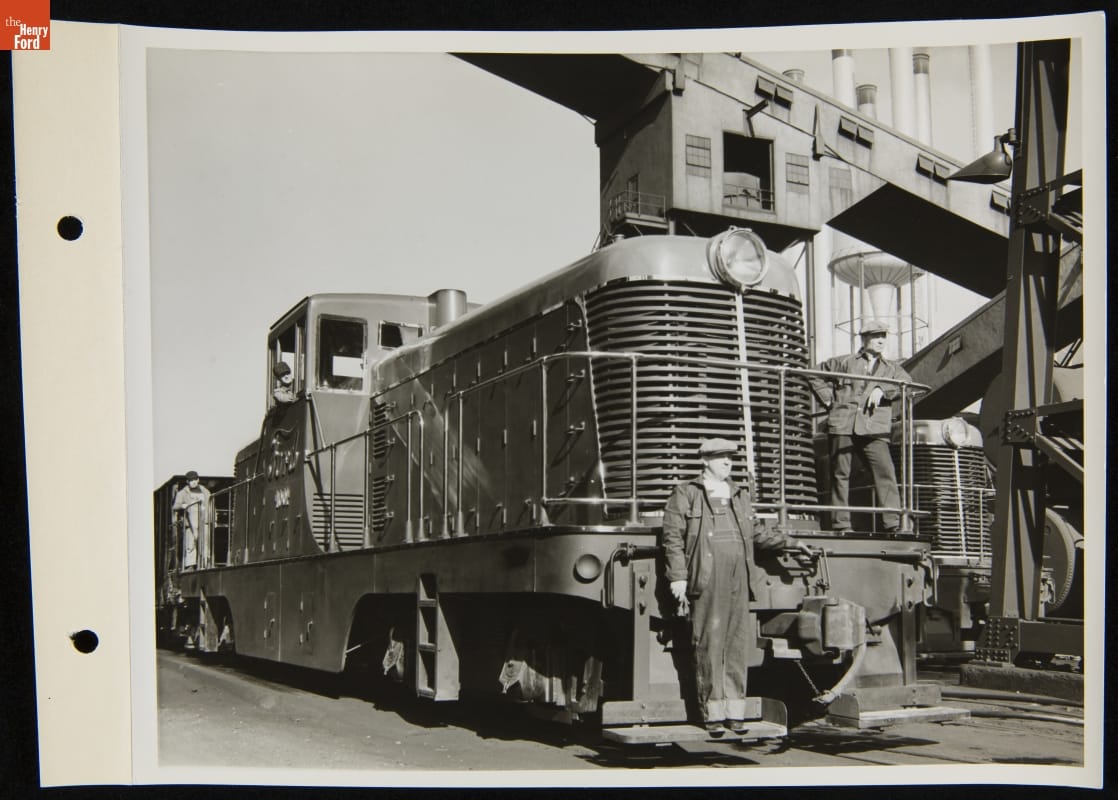
- Diesel Locomotives at the Ford Rouge Plant, November 1937 - Some 100 miles of railroad track covered the grounds of Ford Motor Company's Rouge plant. The automaker maintained its own fleet of locomotives to move incoming railcars loaded with raw materials, and outgoing railcars filled with finished parts and automobiles, around the complex. Additionally, specialized tank cars ferried molten iron from the factory's blast furnaces to its foundry.
- November 10, 1937
- Collections - Artifact
Diesel Locomotives at the Ford Rouge Plant, November 1937
Some 100 miles of railroad track covered the grounds of Ford Motor Company's Rouge plant. The automaker maintained its own fleet of locomotives to move incoming railcars loaded with raw materials, and outgoing railcars filled with finished parts and automobiles, around the complex. Additionally, specialized tank cars ferried molten iron from the factory's blast furnaces to its foundry.
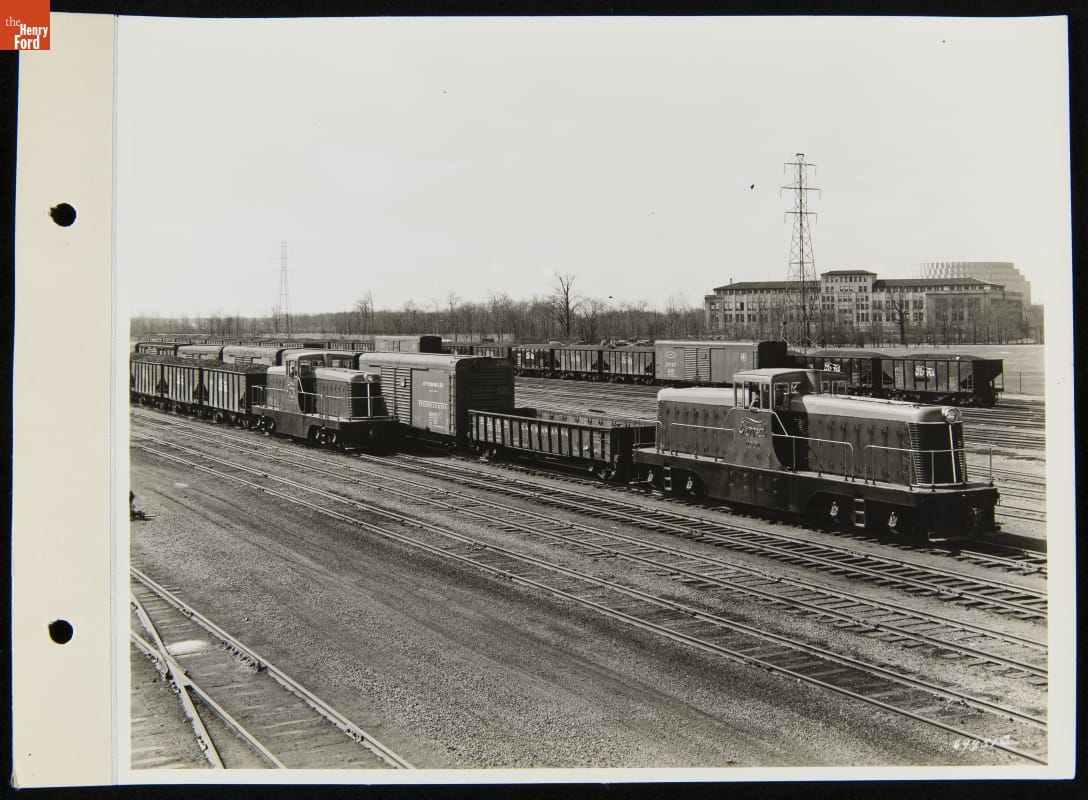
- Diesel Locomotives at the Ford Rouge Plant, March 1938 - Some 100 miles of railroad track covered the grounds of Ford Motor Company's Rouge plant. The automaker maintained its own fleet of locomotives to move incoming railcars loaded with raw materials, and outgoing railcars filled with finished parts and automobiles, around the complex. Additionally, specialized tank cars ferried molten iron from the factory's blast furnaces to its foundry.
- March 09, 1938
- Collections - Artifact
Diesel Locomotives at the Ford Rouge Plant, March 1938
Some 100 miles of railroad track covered the grounds of Ford Motor Company's Rouge plant. The automaker maintained its own fleet of locomotives to move incoming railcars loaded with raw materials, and outgoing railcars filled with finished parts and automobiles, around the complex. Additionally, specialized tank cars ferried molten iron from the factory's blast furnaces to its foundry.
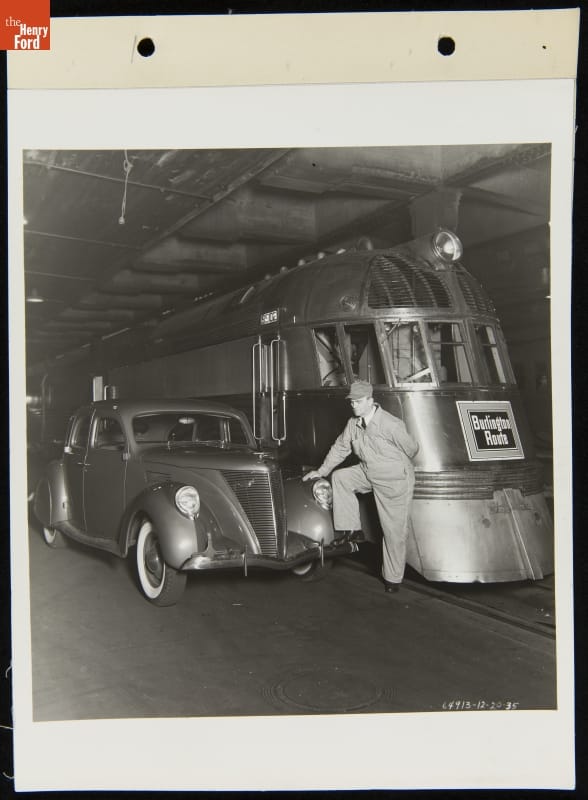
- Lincoln Zephyr Automobile with the Diesel-Powered "Burlington Zephyr" Streamlined Train, December 1935 - This publicity photo posed a Lincoln Zephyr automobile beside the Chicago, Burlington & Quincy Railroad's <em>Pioneer Zephyr</em>. In 1934 the streamlined train made a widely publicized run from Denver to Chicago in just over 13 hours, maintaining an average speed of 77 miles per hour. It's no coincidence that Lincoln gave its streamlined car, introduced in 1935, a similar name.
- December 20, 1935
- Collections - Artifact
Lincoln Zephyr Automobile with the Diesel-Powered "Burlington Zephyr" Streamlined Train, December 1935
This publicity photo posed a Lincoln Zephyr automobile beside the Chicago, Burlington & Quincy Railroad's Pioneer Zephyr. In 1934 the streamlined train made a widely publicized run from Denver to Chicago in just over 13 hours, maintaining an average speed of 77 miles per hour. It's no coincidence that Lincoln gave its streamlined car, introduced in 1935, a similar name.
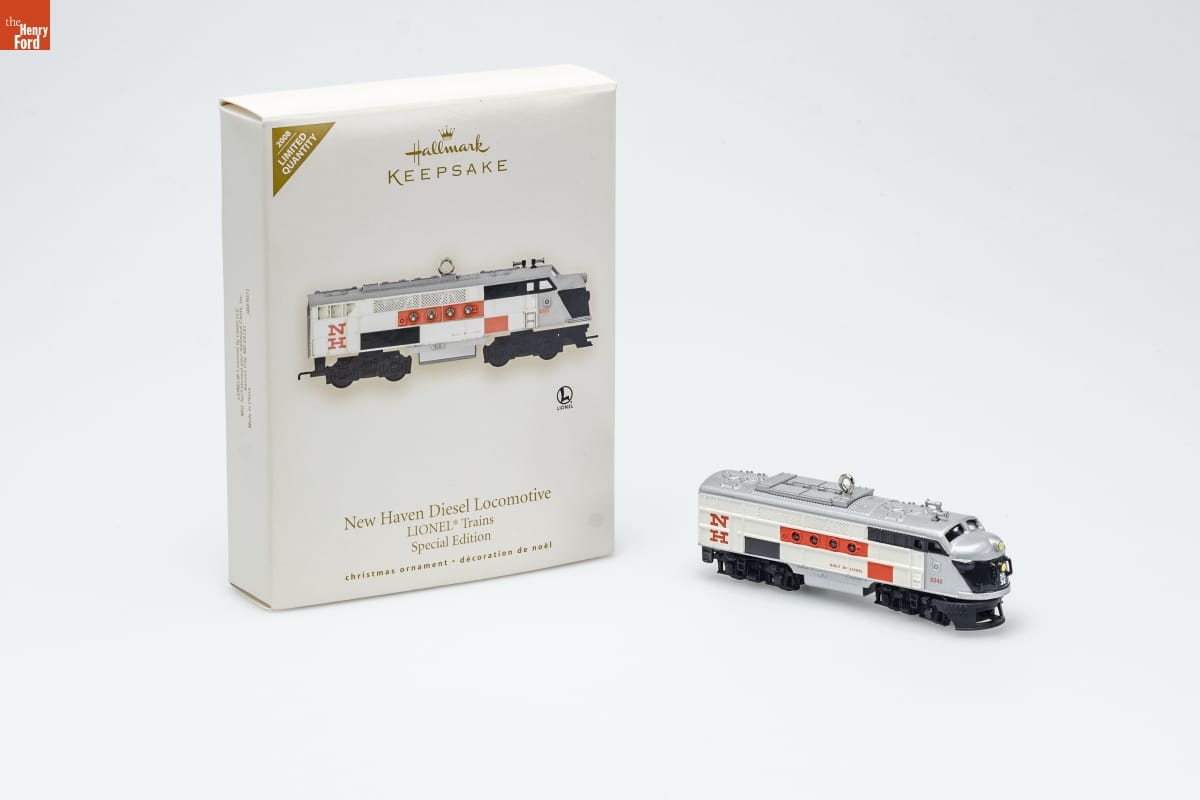
- Hallmark "Lionel Trains: New Haven Diesel Locomotive" Special Edition Christmas Ornament, 2008 - Already known for greeting cards, Hallmark introduced a line of Christmas ornaments in 1973. The company's annual release of an increasing array of ornaments revolutionized Christmas decorating, appealing to customers' interest in marking memories and milestones as well as expressing one's personality and unique tastes.
- 2008
- Collections - Artifact
Hallmark "Lionel Trains: New Haven Diesel Locomotive" Special Edition Christmas Ornament, 2008
Already known for greeting cards, Hallmark introduced a line of Christmas ornaments in 1973. The company's annual release of an increasing array of ornaments revolutionized Christmas decorating, appealing to customers' interest in marking memories and milestones as well as expressing one's personality and unique tastes.
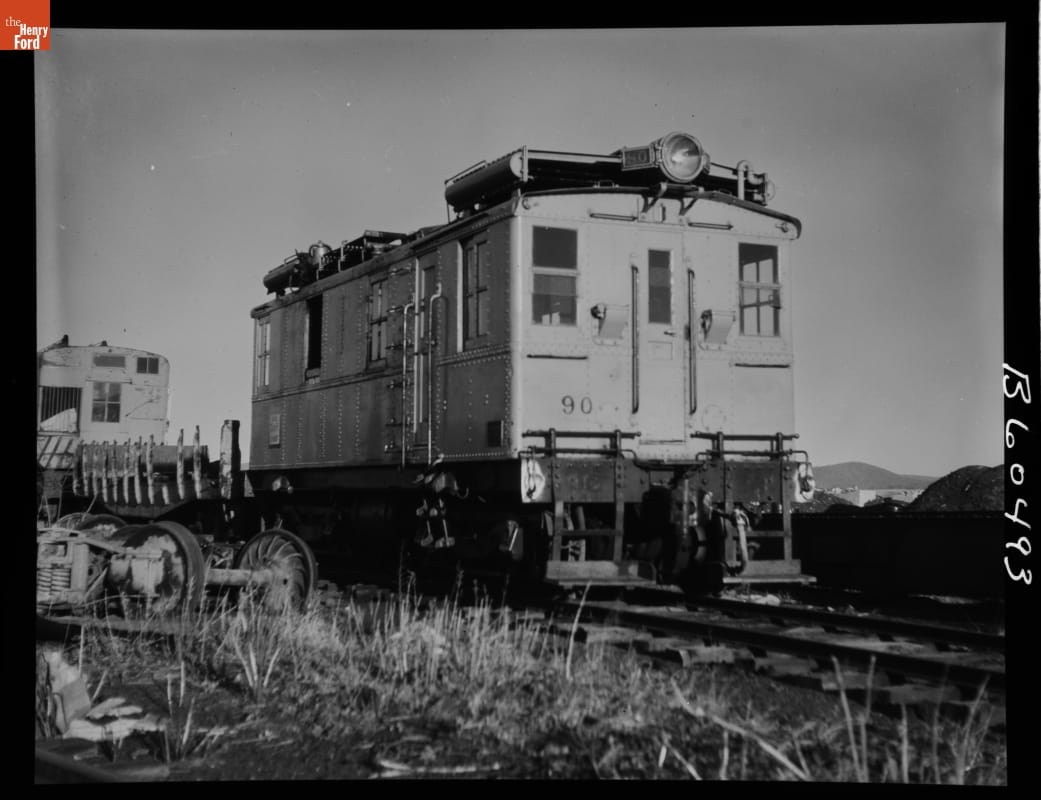
- Ingersoll-Rand's Diesel-Electric Locomotive #90, Phillipsburg, New Jersey, March 1970 - Ingersoll-Rand, in collaboration with General Electric and American Locomotive Company, built diesel-electric locomotive #90 in 1926. Ingersoll-Rand used the locomotive in the railyard at its Phillipsburg, New Jersey, plant for some 40 years. Diesel-electric power proved more efficient and cost-effective than steam. Donated to The Henry Ford in 1970, the locomotive received a cosmetic restoration in 1983.
- March 01, 1970
- Collections - Artifact
Ingersoll-Rand's Diesel-Electric Locomotive #90, Phillipsburg, New Jersey, March 1970
Ingersoll-Rand, in collaboration with General Electric and American Locomotive Company, built diesel-electric locomotive #90 in 1926. Ingersoll-Rand used the locomotive in the railyard at its Phillipsburg, New Jersey, plant for some 40 years. Diesel-electric power proved more efficient and cost-effective than steam. Donated to The Henry Ford in 1970, the locomotive received a cosmetic restoration in 1983.
- Ingersoll-Rand Diesel-Electric Locomotive #90 Before Restoration at Henry Ford Museum, 1982 - Ingersoll-Rand, in collaboration with General Electric and American Locomotive Company, built diesel-electric locomotive #90 in 1926. Ingersoll-Rand used the locomotive in the railyard at its Phillipsburg, New Jersey, plant for some 40 years. Diesel-electric power proved more efficient and cost-effective than steam. Donated to The Henry Ford in 1970, the locomotive received a cosmetic restoration in 1983.
- 1982
- Collections - Artifact
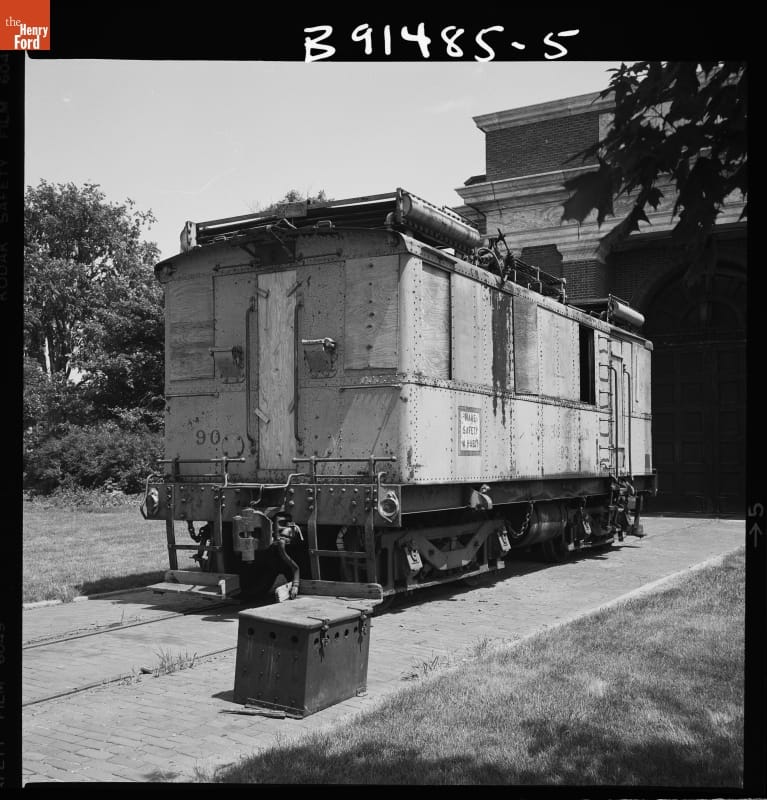
Ingersoll-Rand Diesel-Electric Locomotive #90 Before Restoration at Henry Ford Museum, 1982
Ingersoll-Rand, in collaboration with General Electric and American Locomotive Company, built diesel-electric locomotive #90 in 1926. Ingersoll-Rand used the locomotive in the railyard at its Phillipsburg, New Jersey, plant for some 40 years. Diesel-electric power proved more efficient and cost-effective than steam. Donated to The Henry Ford in 1970, the locomotive received a cosmetic restoration in 1983.
- Ingersoll-Rand Diesel-Electric Locomotive #90 Before Restoration at Henry Ford Museum, 1982 - Ingersoll-Rand, in collaboration with General Electric and American Locomotive Company, built diesel-electric locomotive #90 in 1926. Ingersoll-Rand used the locomotive in the railyard at its Phillipsburg, New Jersey, plant for some 40 years. Diesel-electric power proved more efficient and cost-effective than steam. Donated to The Henry Ford in 1970, the locomotive received a cosmetic restoration in 1983.
- 1982
- Collections - Artifact
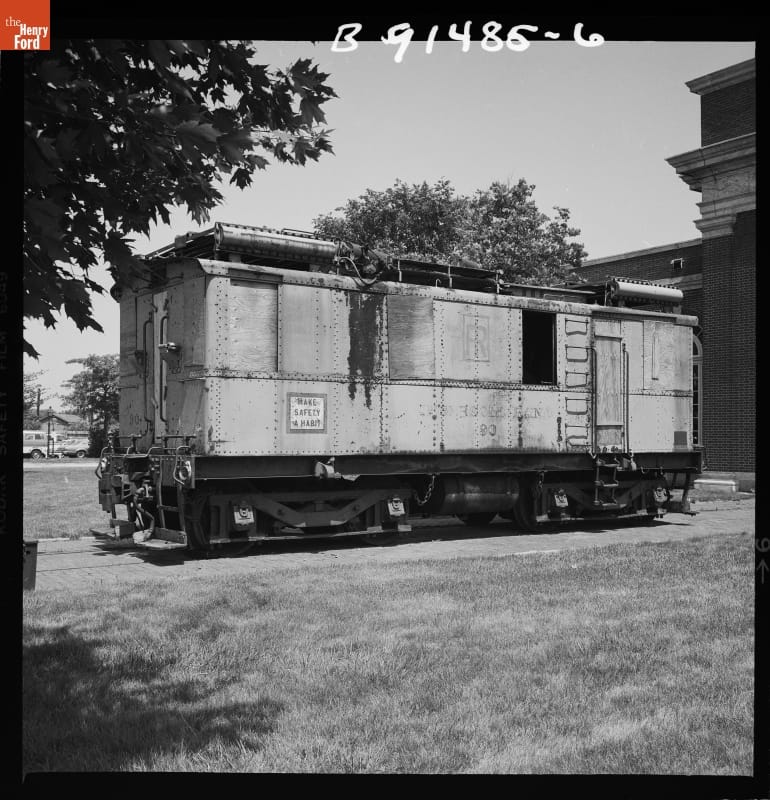
Ingersoll-Rand Diesel-Electric Locomotive #90 Before Restoration at Henry Ford Museum, 1982
Ingersoll-Rand, in collaboration with General Electric and American Locomotive Company, built diesel-electric locomotive #90 in 1926. Ingersoll-Rand used the locomotive in the railyard at its Phillipsburg, New Jersey, plant for some 40 years. Diesel-electric power proved more efficient and cost-effective than steam. Donated to The Henry Ford in 1970, the locomotive received a cosmetic restoration in 1983.
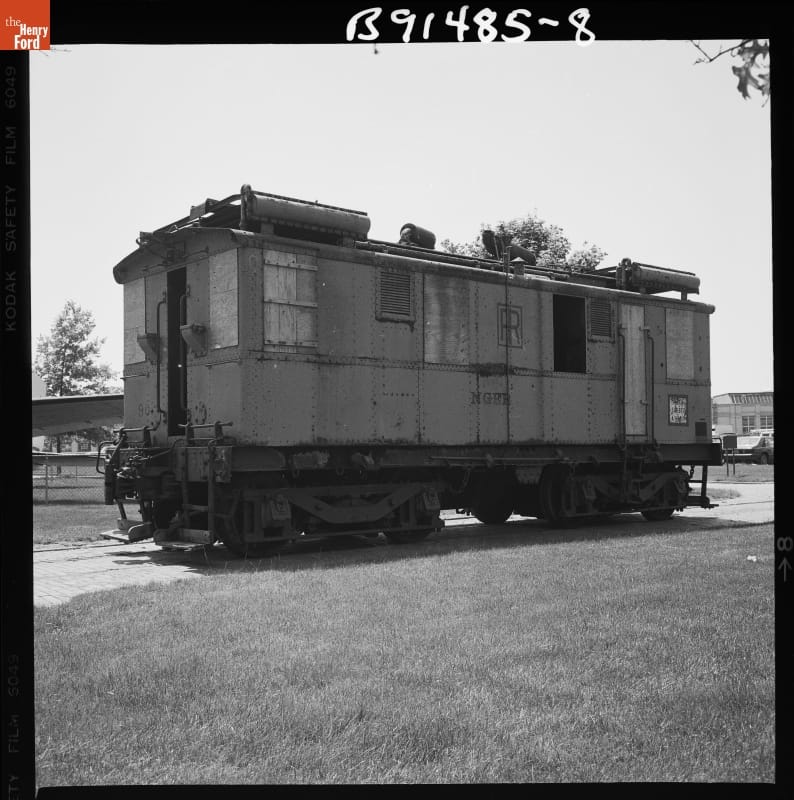
- Ingersoll-Rand Diesel-Electric Locomotive #90 Before Restoration at Henry Ford Museum, 1982 - Ingersoll-Rand, in collaboration with General Electric and American Locomotive Company, built diesel-electric locomotive #90 in 1926. Ingersoll-Rand used the locomotive in the railyard at its Phillipsburg, New Jersey, plant for some 40 years. Diesel-electric power proved more efficient and cost-effective than steam. Donated to The Henry Ford in 1970, the locomotive received a cosmetic restoration in 1983.
- 1982
- Collections - Artifact
Ingersoll-Rand Diesel-Electric Locomotive #90 Before Restoration at Henry Ford Museum, 1982
Ingersoll-Rand, in collaboration with General Electric and American Locomotive Company, built diesel-electric locomotive #90 in 1926. Ingersoll-Rand used the locomotive in the railyard at its Phillipsburg, New Jersey, plant for some 40 years. Diesel-electric power proved more efficient and cost-effective than steam. Donated to The Henry Ford in 1970, the locomotive received a cosmetic restoration in 1983.
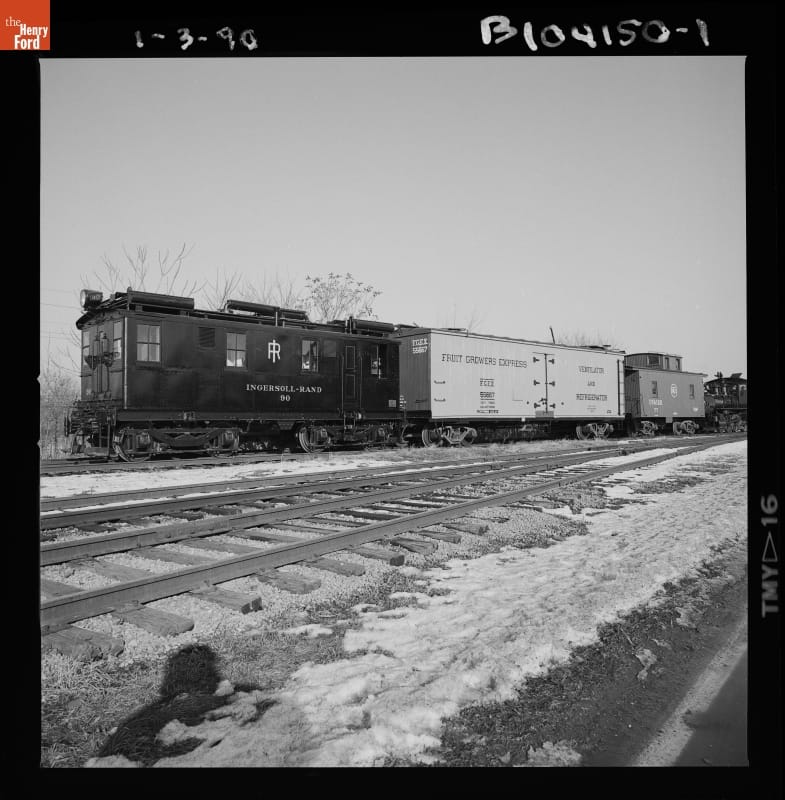
- Restored Ingersoll-Rand Diesel-Electric Locomotive #90 in Greenfield Village, January 3, 1990 - Ingersoll-Rand, in collaboration with General Electric and American Locomotive Company, built diesel-electric locomotive #90 in 1926. Ingersoll-Rand used the locomotive in the railyard at its Phillipsburg, New Jersey, plant for some 40 years. Diesel-electric power proved more efficient and cost-effective than steam. Donated to The Henry Ford in 1970, the locomotive received a cosmetic restoration in 1983.
- January 03, 1990
- Collections - Artifact
Restored Ingersoll-Rand Diesel-Electric Locomotive #90 in Greenfield Village, January 3, 1990
Ingersoll-Rand, in collaboration with General Electric and American Locomotive Company, built diesel-electric locomotive #90 in 1926. Ingersoll-Rand used the locomotive in the railyard at its Phillipsburg, New Jersey, plant for some 40 years. Diesel-electric power proved more efficient and cost-effective than steam. Donated to The Henry Ford in 1970, the locomotive received a cosmetic restoration in 1983.