
Search
- Battery Jar - In the late 19th and early 20th centuries, batteries powered telegraph, telephone, and alarm systems, ran small appliances, or sparked gasoline engines in areas where the electric grid did not reach, or electric generators were impractical. Companies made wet cell batteries to meet this growing need. The glass jar held a conductive solution surrounding carbon and zinc elements that produced an electrochemical reaction.
- Collections - Artifact
Battery Jar
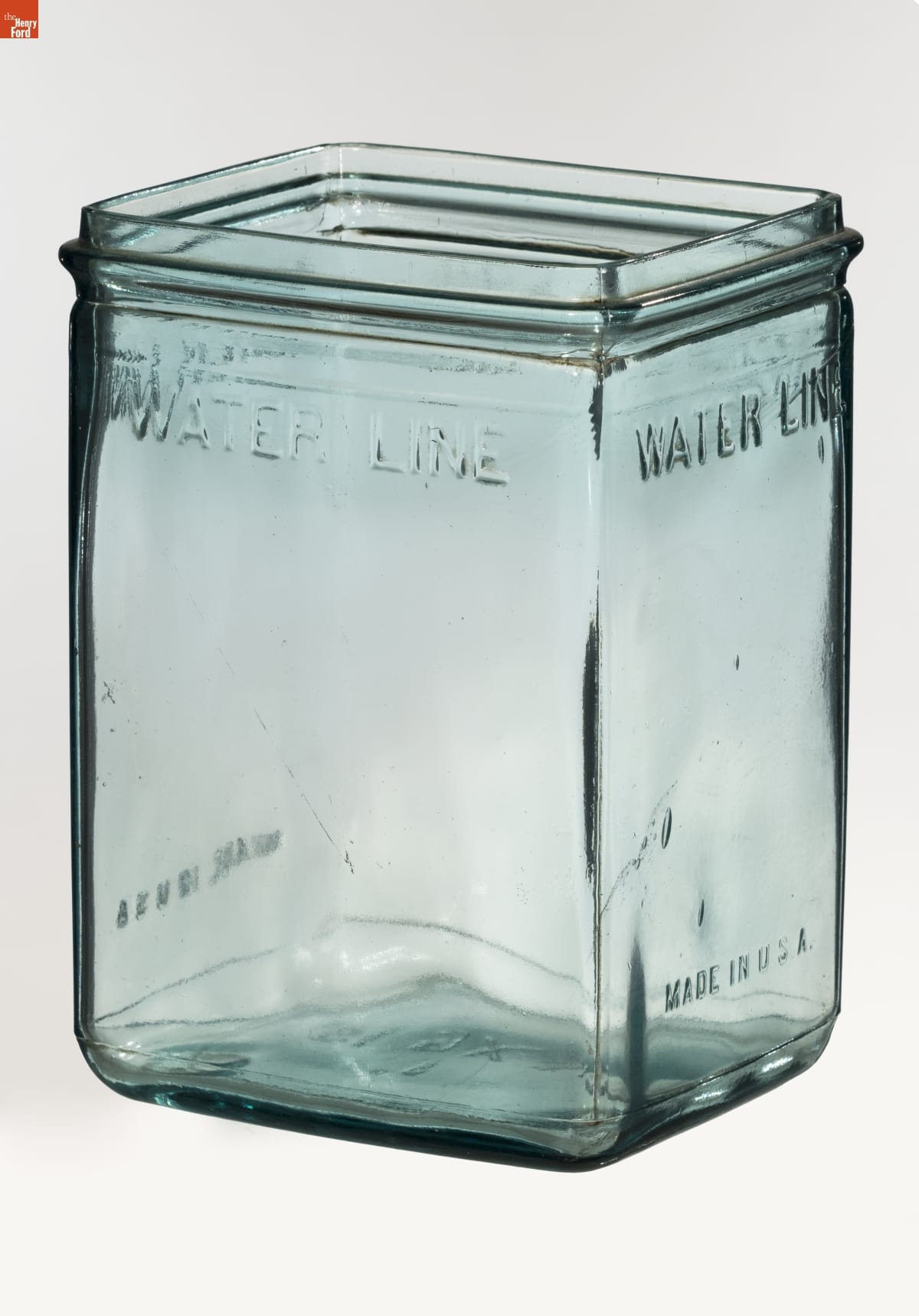
In the late 19th and early 20th centuries, batteries powered telegraph, telephone, and alarm systems, ran small appliances, or sparked gasoline engines in areas where the electric grid did not reach, or electric generators were impractical. Companies made wet cell batteries to meet this growing need. The glass jar held a conductive solution surrounding carbon and zinc elements that produced an electrochemical reaction.
- Edison Manufacturing Company Small Battery Motor, 1889-1911 -
- 1889-1911
- Collections - Artifact
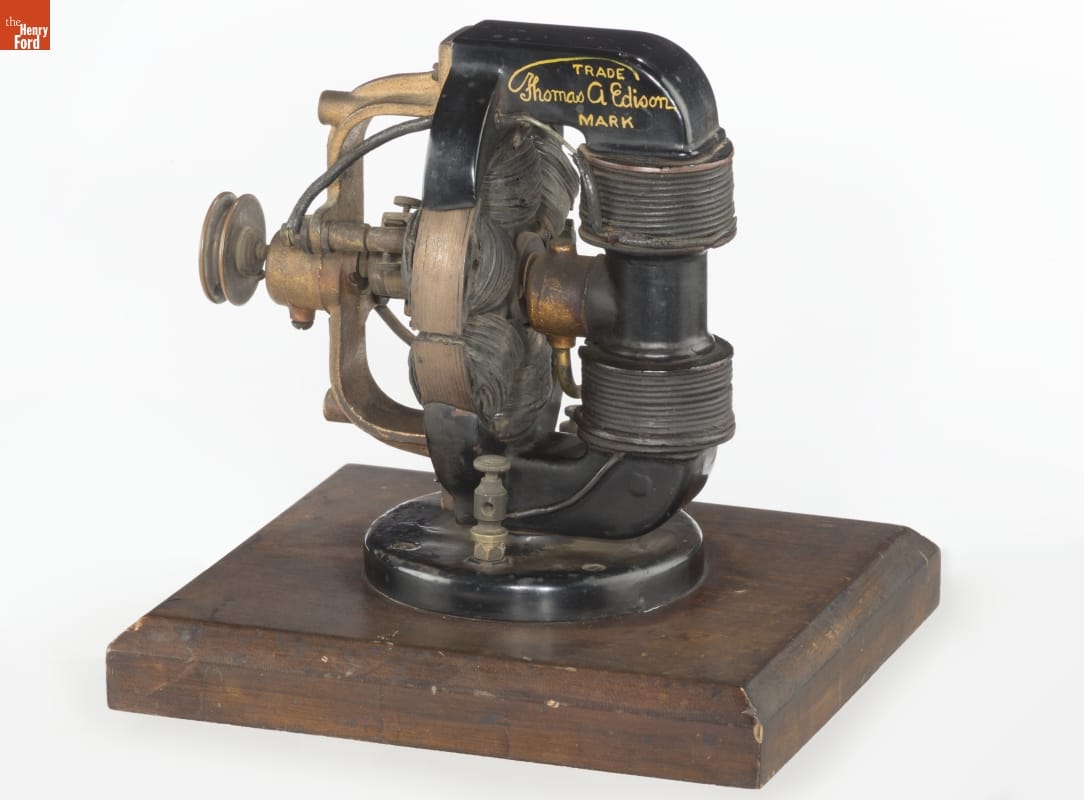
Edison Manufacturing Company Small Battery Motor, 1889-1911
- Battery Shell -
- Collections - Artifact
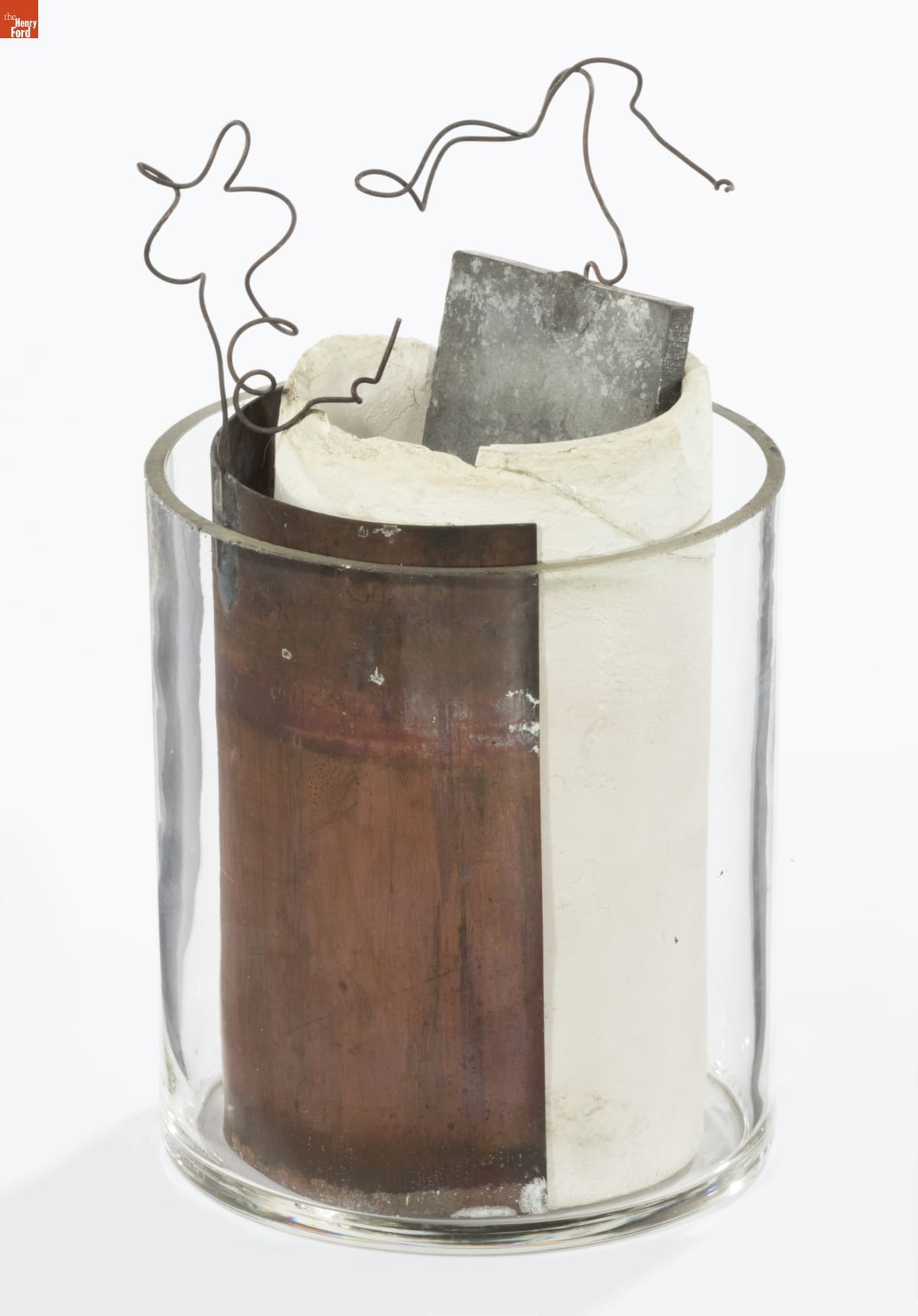
Battery Shell
- Battery Jar - In the late 19th and early 20th centuries, batteries powered telegraph, telephone, and alarm systems, ran small appliances, or sparked gasoline engines in areas where the electric grid did not reach, or electric generators were impractical. Companies made wet cell batteries to meet this growing need. The glass jar held a conductive solution surrounding carbon and zinc elements that produced an electrochemical reaction.
- Collections - Artifact
Battery Jar
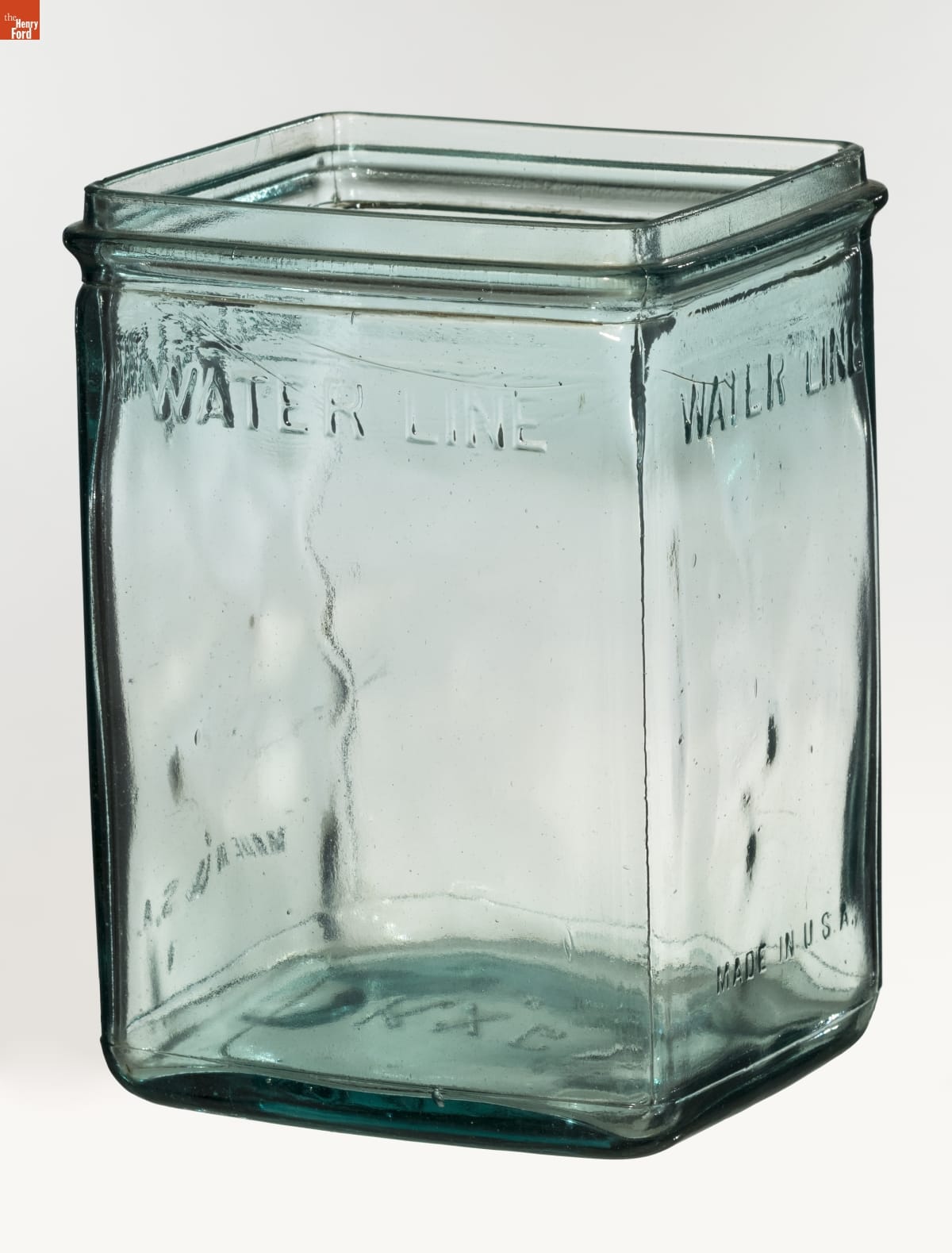
In the late 19th and early 20th centuries, batteries powered telegraph, telephone, and alarm systems, ran small appliances, or sparked gasoline engines in areas where the electric grid did not reach, or electric generators were impractical. Companies made wet cell batteries to meet this growing need. The glass jar held a conductive solution surrounding carbon and zinc elements that produced an electrochemical reaction.
- Battery Shell -
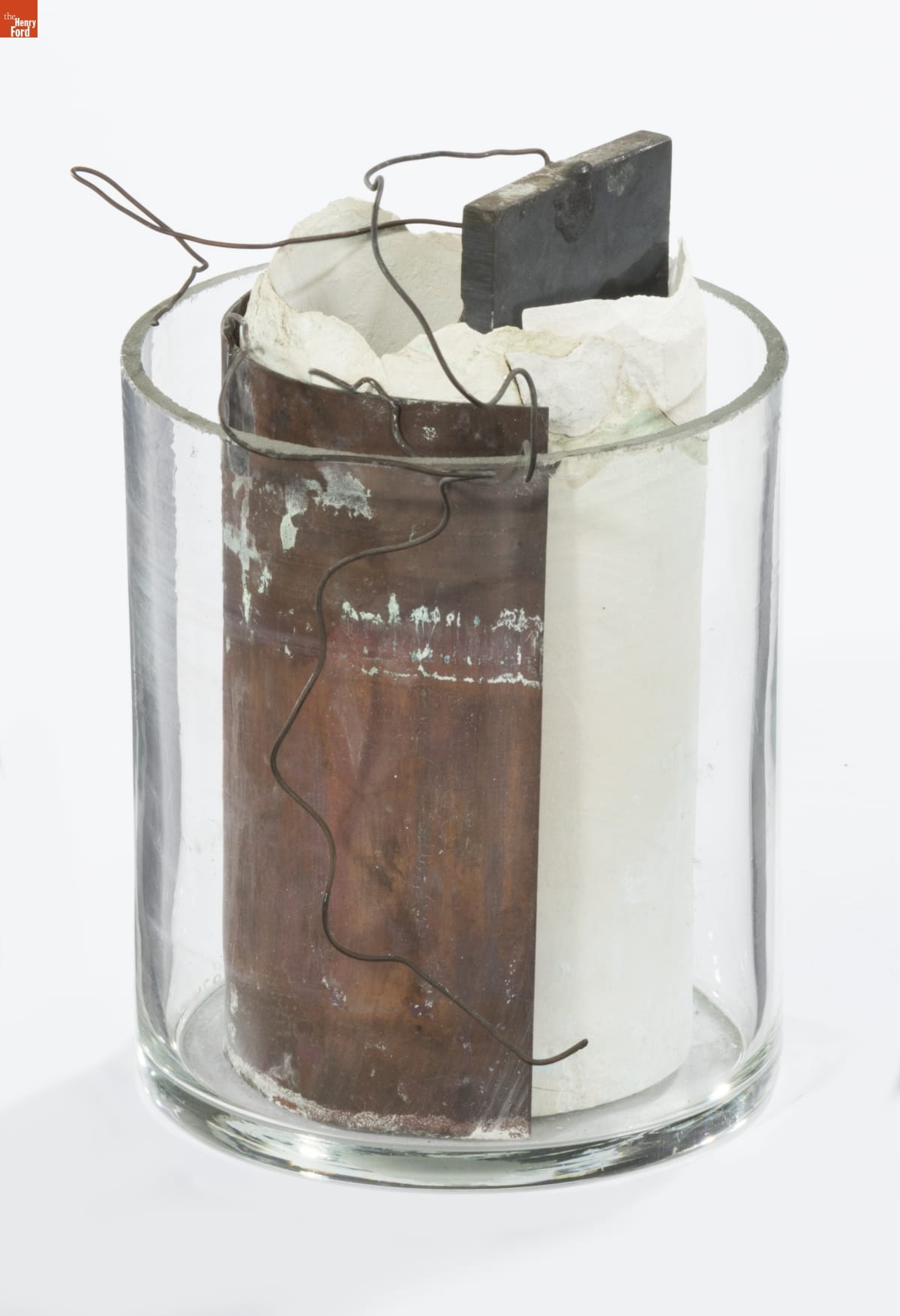
- Collections - Artifact
Battery Shell
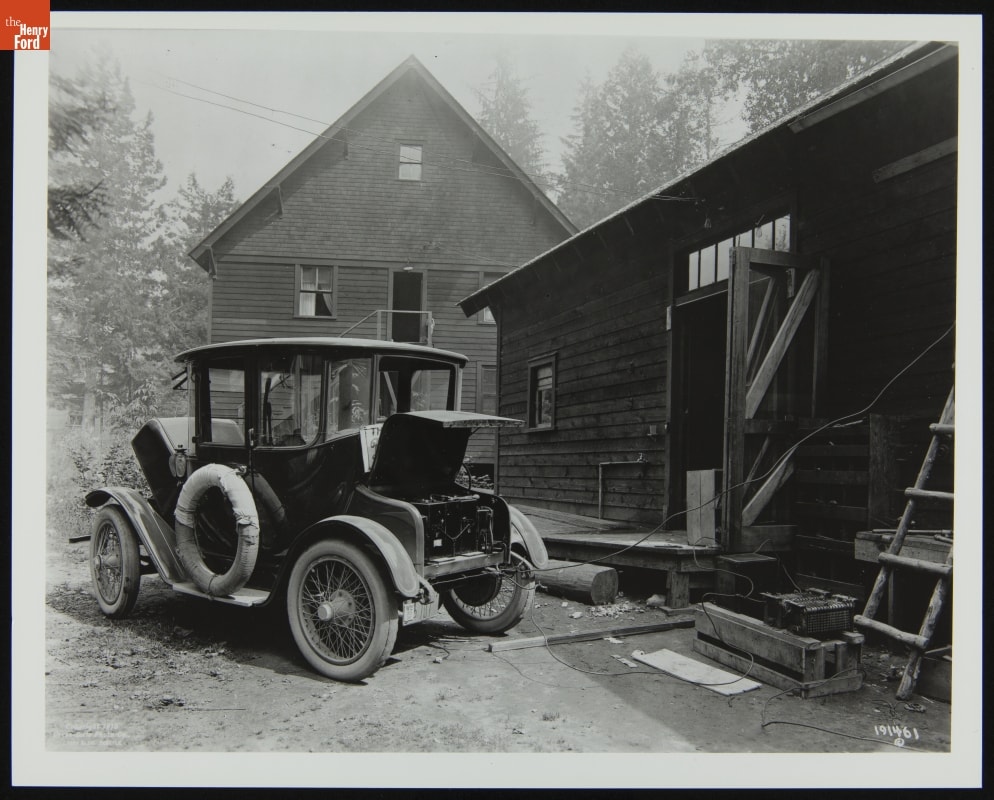
- Charging the Battery of a Detroit Electric Automobile, circa 1919 - Electric automobiles offered advantages over early internal combustion engine cars. They were clean and quiet. They were also relatively easy to operate, with no hand crank needed to start them and no gears to shift. But batteries were expensive and required several hours to recharge. And, though electricity was readily available in cities, rural electrification wasn't widespread until the 1940s.
- circa 1919
- Collections - Artifact
Charging the Battery of a Detroit Electric Automobile, circa 1919
Electric automobiles offered advantages over early internal combustion engine cars. They were clean and quiet. They were also relatively easy to operate, with no hand crank needed to start them and no gears to shift. But batteries were expensive and required several hours to recharge. And, though electricity was readily available in cities, rural electrification wasn't widespread until the 1940s.
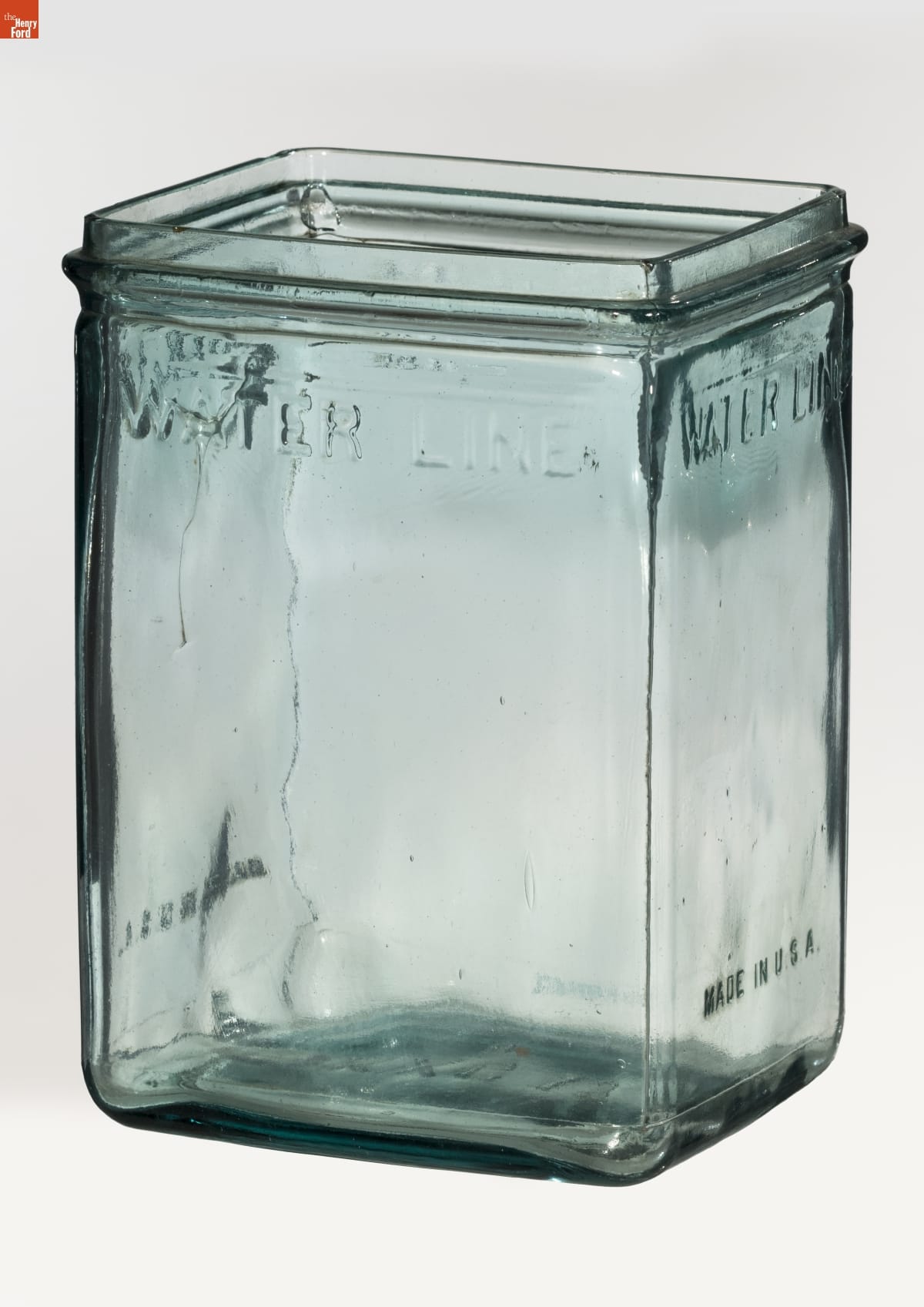
- Battery Jar - In the late 19th and early 20th centuries, batteries powered telegraph, telephone, and alarm systems, ran small appliances, or sparked gasoline engines in areas where the electric grid did not reach, or electric generators were impractical. Companies made wet cell batteries to meet this growing need. The glass jar held a conductive solution surrounding carbon and zinc elements that produced an electrochemical reaction.
- Collections - Artifact
Battery Jar
In the late 19th and early 20th centuries, batteries powered telegraph, telephone, and alarm systems, ran small appliances, or sparked gasoline engines in areas where the electric grid did not reach, or electric generators were impractical. Companies made wet cell batteries to meet this growing need. The glass jar held a conductive solution surrounding carbon and zinc elements that produced an electrochemical reaction.
- Battery Jar - In the late 19th and early 20th centuries, batteries powered telegraph, telephone, and alarm systems, ran small appliances, or sparked gasoline engines in areas where the electric grid did not reach, or electric generators were impractical. Companies made wet cell batteries to meet this growing need. The glass jar held a conductive solution surrounding carbon and zinc elements that produced an electrochemical reaction.

- Collections - Artifact
Battery Jar
In the late 19th and early 20th centuries, batteries powered telegraph, telephone, and alarm systems, ran small appliances, or sparked gasoline engines in areas where the electric grid did not reach, or electric generators were impractical. Companies made wet cell batteries to meet this growing need. The glass jar held a conductive solution surrounding carbon and zinc elements that produced an electrochemical reaction.
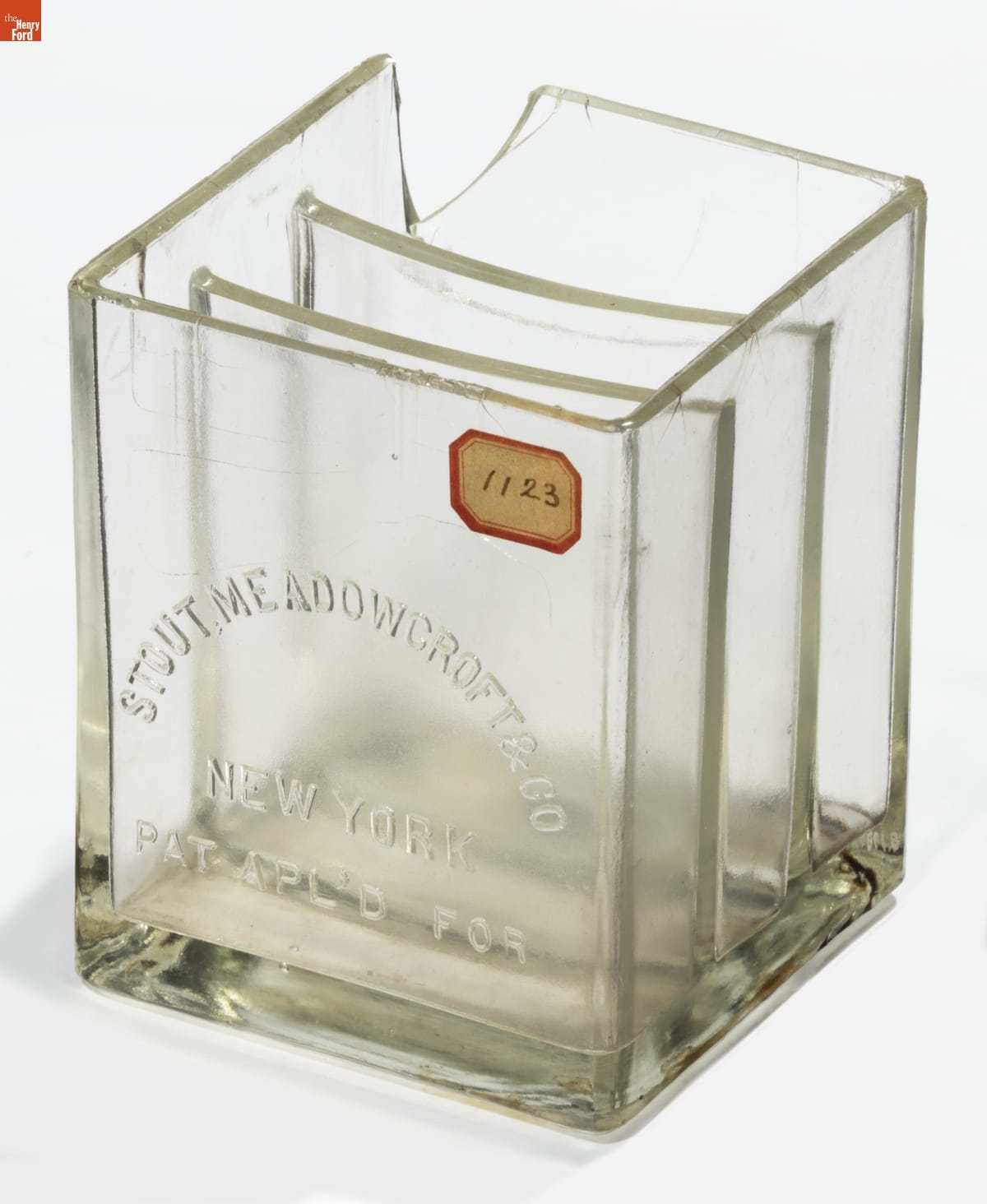
- Battery Cell Jar, 1886 -
- 1886
- Collections - Artifact
Battery Cell Jar, 1886
- Battery Jar - In the late 19th and early 20th centuries, batteries powered telegraph, telephone, and alarm systems, ran small appliances, or sparked gasoline engines in areas where the electric grid did not reach, or electric generators were impractical. Companies made wet cell batteries to meet this growing need. The glass jar held a conductive solution surrounding carbon and zinc elements that produced an electrochemical reaction.
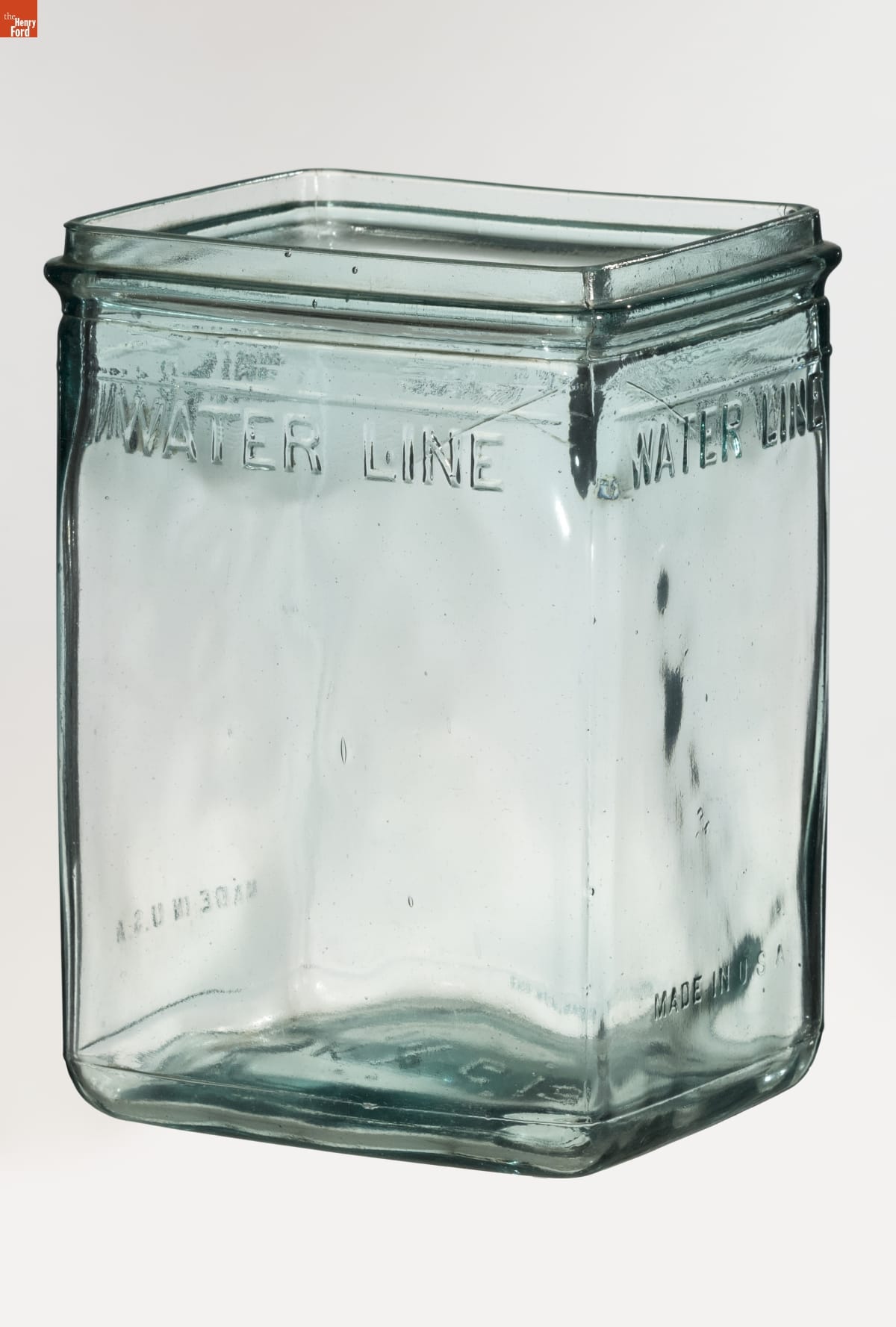
- Collections - Artifact
Battery Jar
In the late 19th and early 20th centuries, batteries powered telegraph, telephone, and alarm systems, ran small appliances, or sparked gasoline engines in areas where the electric grid did not reach, or electric generators were impractical. Companies made wet cell batteries to meet this growing need. The glass jar held a conductive solution surrounding carbon and zinc elements that produced an electrochemical reaction.