
Search
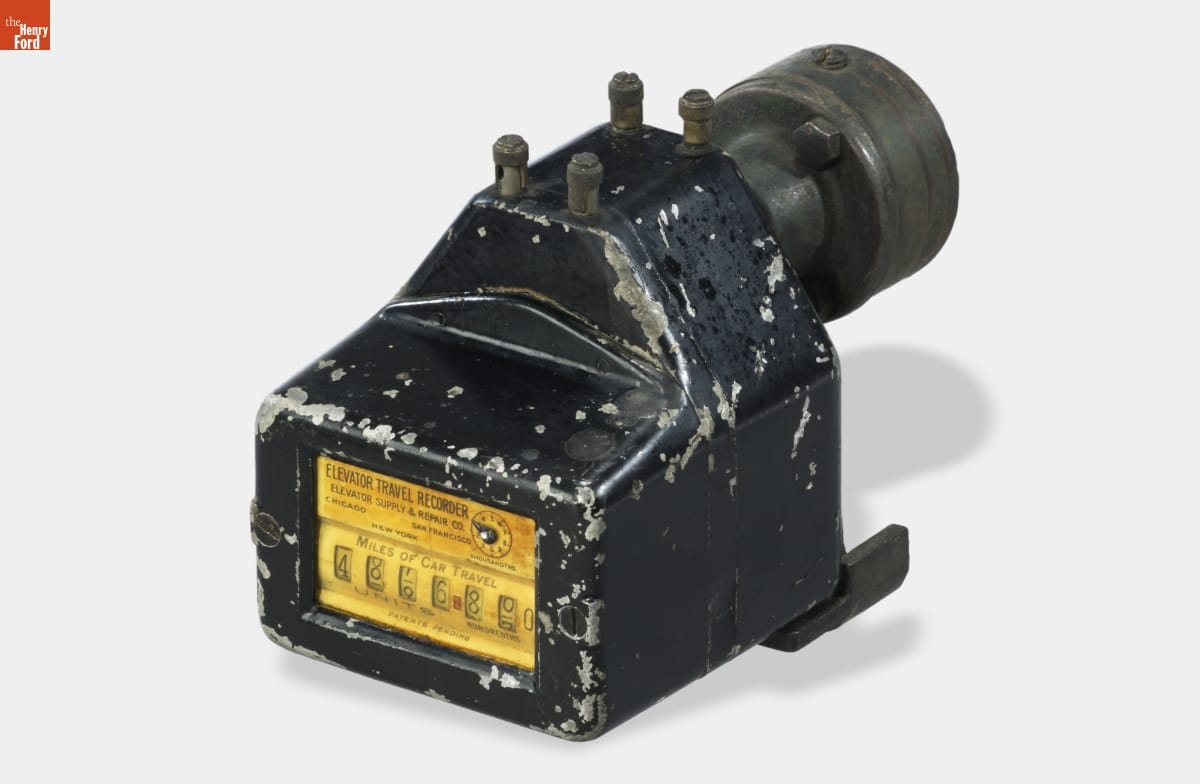
- Elevator Supply & Repair Co. Elevator Travel Recorder, circa 1915 -
- circa 1915
- Collections - Artifact
Elevator Supply & Repair Co. Elevator Travel Recorder, circa 1915
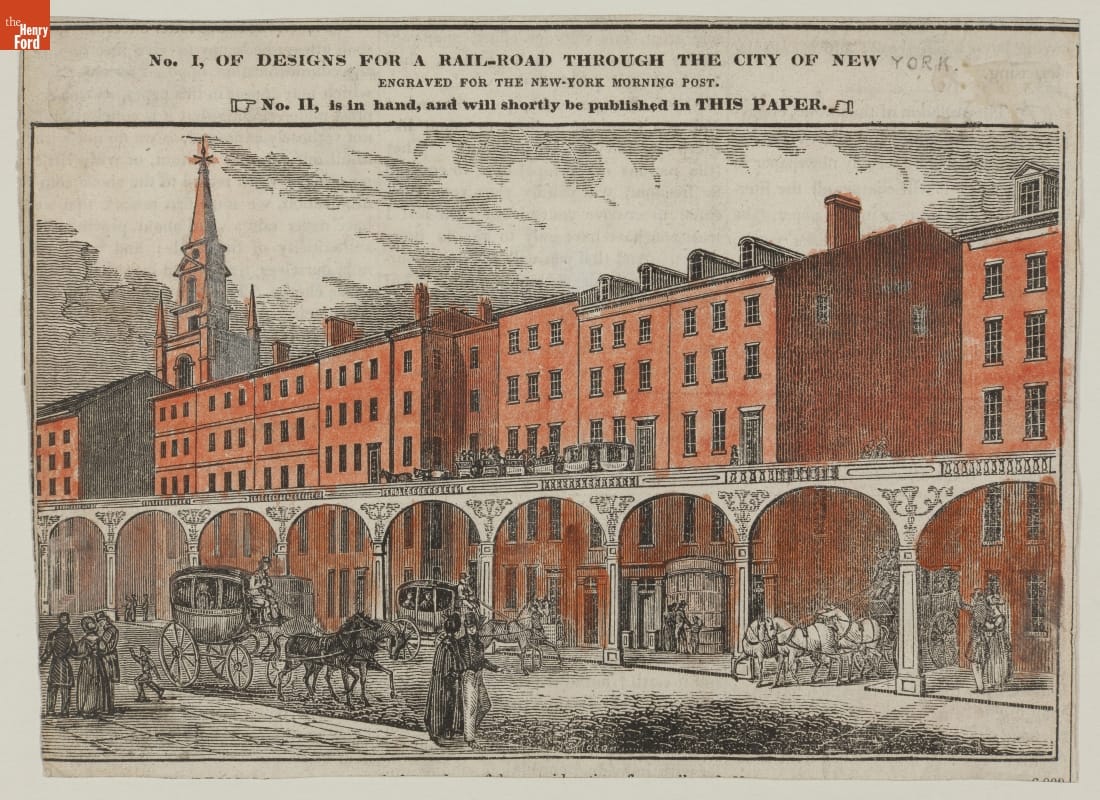
- Wood Engraving, Design for an Elevated Horse-Drawn Railway in New York, circa 1842 - The key to turning mass transit into rapid transit was in removing it from busy streets. One alternative was to build elevated structures that carried streetcars over city traffic. New York City, with its limited land and boundless population, developed a network of elevated lines that covered the length of Manhattan. Other cities, notably Chicago, adopted the technology too.
- circa 1842
- Collections - Artifact
Wood Engraving, Design for an Elevated Horse-Drawn Railway in New York, circa 1842
The key to turning mass transit into rapid transit was in removing it from busy streets. One alternative was to build elevated structures that carried streetcars over city traffic. New York City, with its limited land and boundless population, developed a network of elevated lines that covered the length of Manhattan. Other cities, notably Chicago, adopted the technology too.
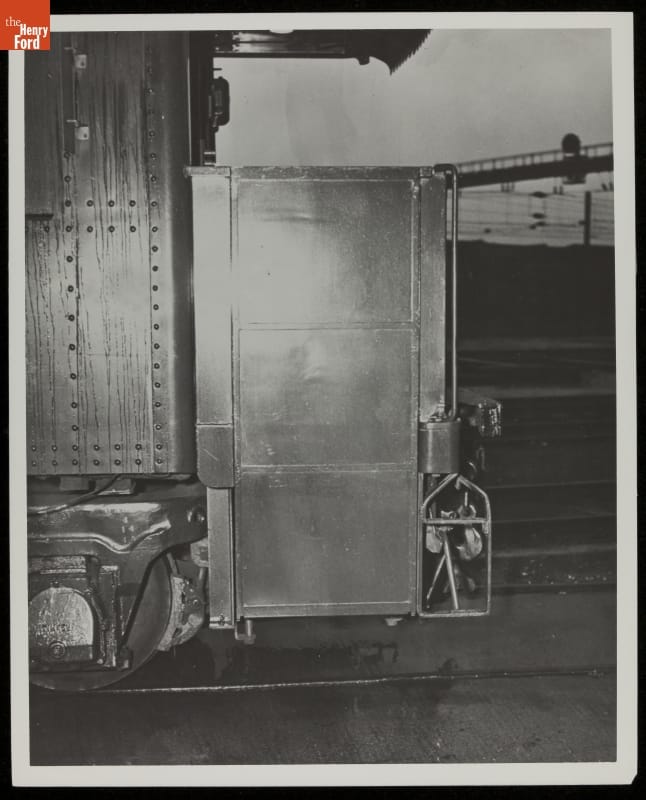
- Lift Created for Franklin D. Roosevelt to Board the Presidential Railcar, "Ferdinand Magellan," circa 1943 - Franklin Delano Roosevelt was diagnosed with polio (later suggested to have been Guillain-Barre syndrome) in 1921 and experienced permanent paralysis in both legs. Though he tried to keep it private, Roosevelt used a wheelchair throughout his presidency (1933-1945). This lift allowed him to board the railcar <em>Ferdinand Magellan</em>, which was equipped for presidential use during World War II.
- circa 1943
- Collections - Artifact
Lift Created for Franklin D. Roosevelt to Board the Presidential Railcar, "Ferdinand Magellan," circa 1943
Franklin Delano Roosevelt was diagnosed with polio (later suggested to have been Guillain-Barre syndrome) in 1921 and experienced permanent paralysis in both legs. Though he tried to keep it private, Roosevelt used a wheelchair throughout his presidency (1933-1945). This lift allowed him to board the railcar Ferdinand Magellan, which was equipped for presidential use during World War II.
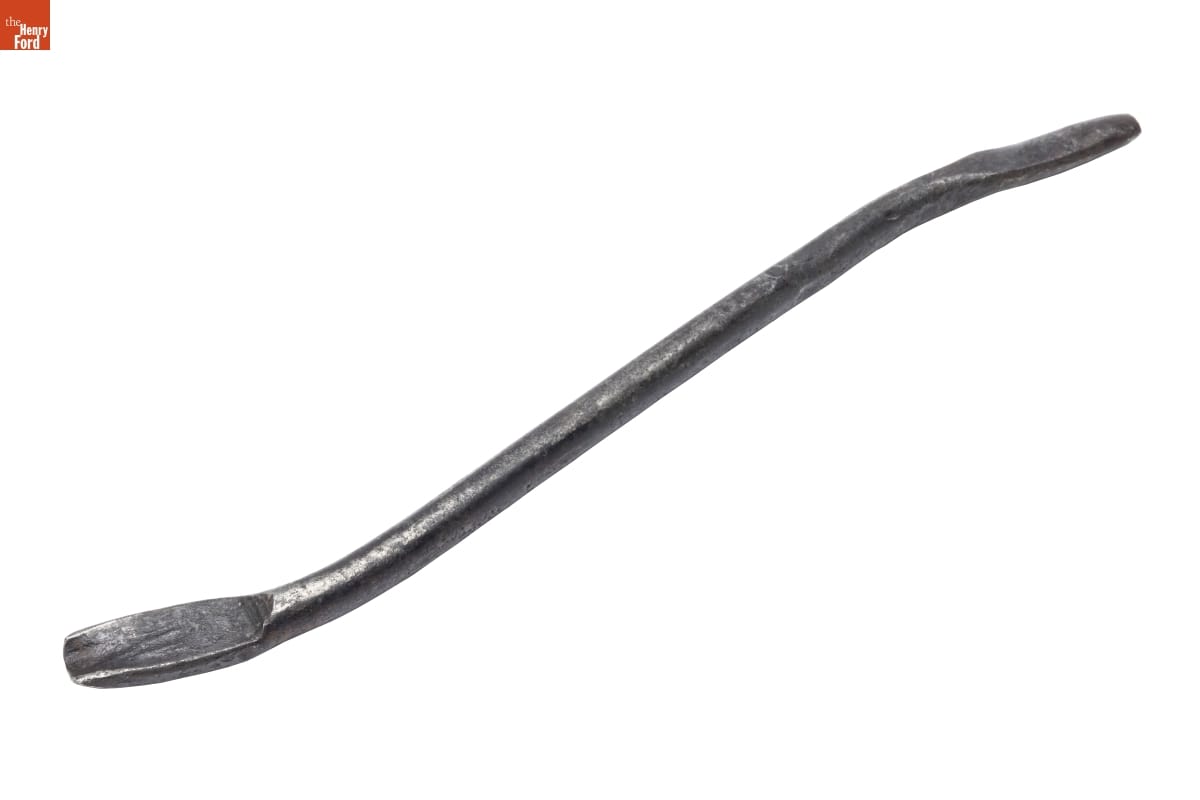
- Tooth Elevator, circa 1910 - Domestic horses require frequent dental maintenance to file down a tooth's sharp edges and prevent infections. Occasionally, however, a horse's tooth needs to be removed. This dental elevator helps veterinarians lift an infected tooth, making it easier to grasp with forceps to extract it.
- circa 1910
- Collections - Artifact
Tooth Elevator, circa 1910
Domestic horses require frequent dental maintenance to file down a tooth's sharp edges and prevent infections. Occasionally, however, a horse's tooth needs to be removed. This dental elevator helps veterinarians lift an infected tooth, making it easier to grasp with forceps to extract it.
- Elevated Railroad at Cooper Union and 4th Avenue, New York, New York, circa 1900 - For nearly thirty years, 1895 to 1924, the Detroit Publishing Company was one of the major image publishers in the world. The company had a wide-ranging stock of original photographs, including many scenes from across North America. Here, trains run on an elevated railway above a commercial New York City street.

- circa 1900
- Collections - Artifact
Elevated Railroad at Cooper Union and 4th Avenue, New York, New York, circa 1900
For nearly thirty years, 1895 to 1924, the Detroit Publishing Company was one of the major image publishers in the world. The company had a wide-ranging stock of original photographs, including many scenes from across North America. Here, trains run on an elevated railway above a commercial New York City street.
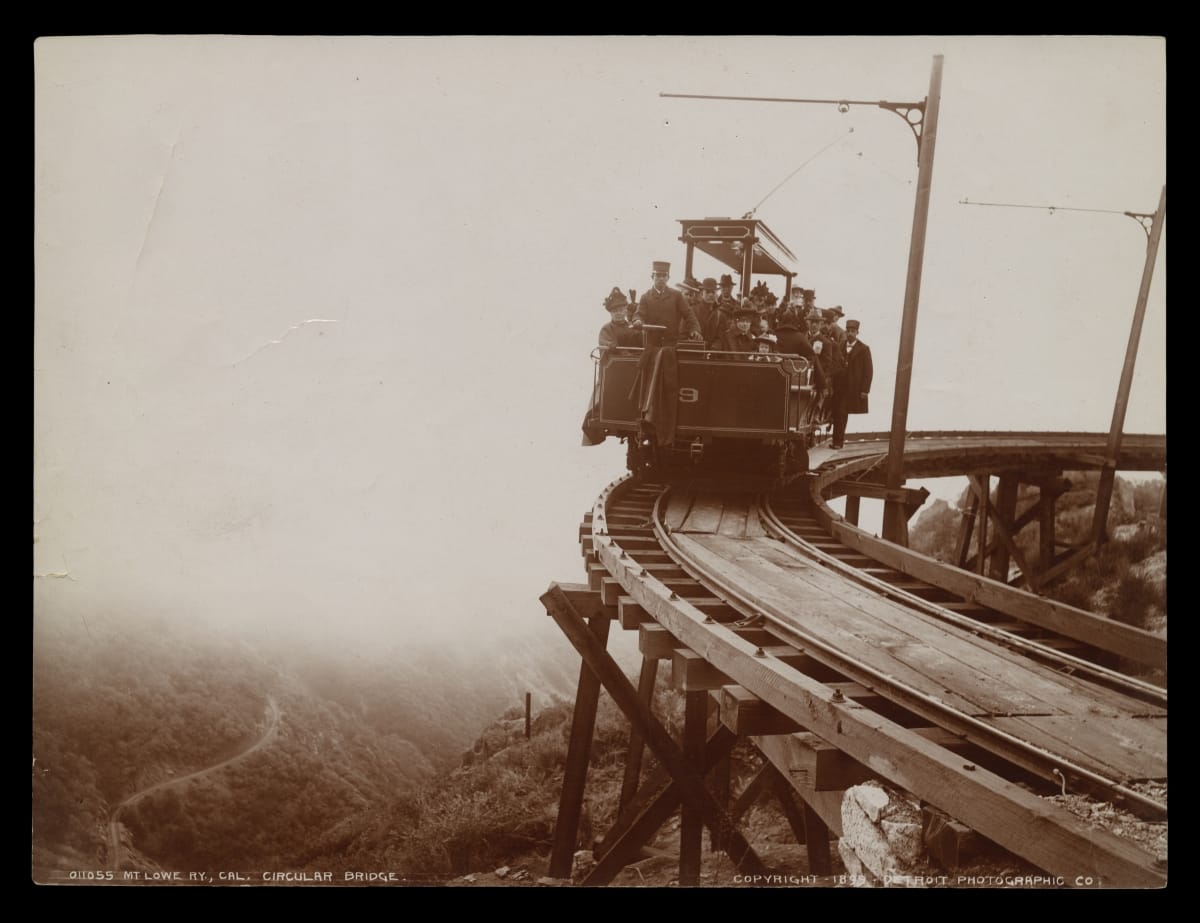
- Sightseers aboard Cable Car on Circular Bridge, Mt. Lowe Railway, California, 1899 - From 1895 to 1924, the Detroit Publishing Company was one of the major image publishers in the world. The company's wide-ranging stock of original photographs documented life and landscapes from across the nation and around the globe. From the tens of thousands of negatives, the company created prints, postcards, lantern slides, panoramas, and other merchandise for sale to educators, businessmen, advertisers, homeowners and travelers.
- 1899
- Collections - Artifact
Sightseers aboard Cable Car on Circular Bridge, Mt. Lowe Railway, California, 1899
From 1895 to 1924, the Detroit Publishing Company was one of the major image publishers in the world. The company's wide-ranging stock of original photographs documented life and landscapes from across the nation and around the globe. From the tens of thousands of negatives, the company created prints, postcards, lantern slides, panoramas, and other merchandise for sale to educators, businessmen, advertisers, homeowners and travelers.
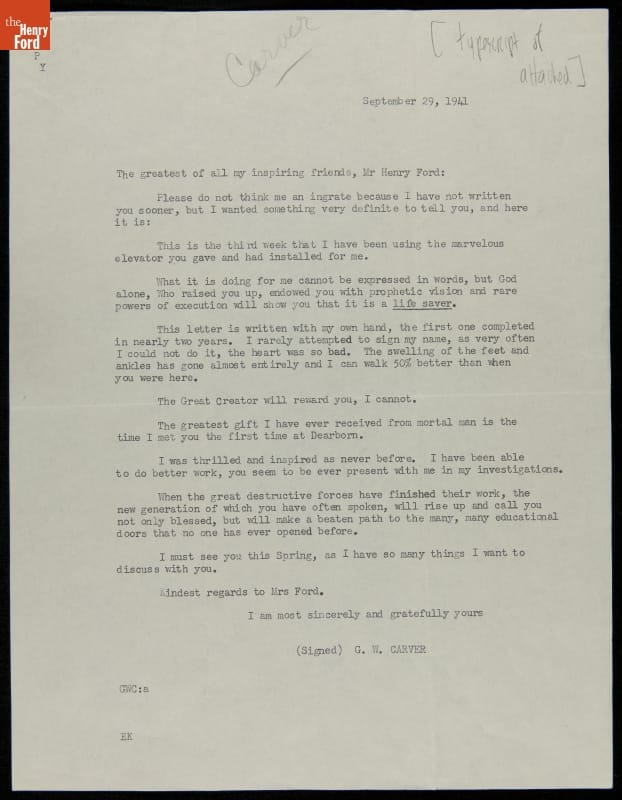
- Letter from George Washington Carver to Henry Ford, September 29, 1941 - Henry Ford and George Washington Carver were colleagues, correspondents, and friends. Carver lived and worked at the Tuskegee Institute in Alabama. By 1941, he had become increasingly frail. Henry Ford paid for an elevator to be installed at Tuskegee so Carver could travel from his rooms to his laboratory. In this letter Carver offers his profuse thanks for the gift.
- September 29, 1941
- Collections - Artifact
Letter from George Washington Carver to Henry Ford, September 29, 1941
Henry Ford and George Washington Carver were colleagues, correspondents, and friends. Carver lived and worked at the Tuskegee Institute in Alabama. By 1941, he had become increasingly frail. Henry Ford paid for an elevator to be installed at Tuskegee so Carver could travel from his rooms to his laboratory. In this letter Carver offers his profuse thanks for the gift.
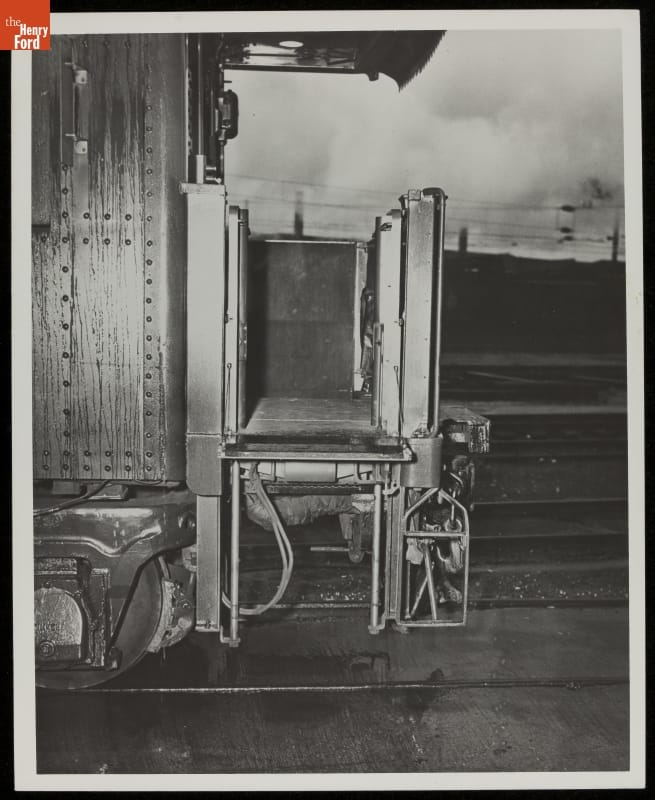
- Lift Created for Franklin D. Roosevelt to Board the Presidential Railcar, "Ferdinand Magellan," circa 1943 - Franklin Delano Roosevelt was diagnosed with polio (later suggested to have been Guillain-Barre syndrome) in 1921 and experienced permanent paralysis in both legs. Though he tried to keep it private, Roosevelt used a wheelchair throughout his presidency (1933-1945). This lift allowed him to board the railcar <em>Ferdinand Magellan</em>, which was equipped for presidential use during World War II.
- circa 1943
- Collections - Artifact
Lift Created for Franklin D. Roosevelt to Board the Presidential Railcar, "Ferdinand Magellan," circa 1943
Franklin Delano Roosevelt was diagnosed with polio (later suggested to have been Guillain-Barre syndrome) in 1921 and experienced permanent paralysis in both legs. Though he tried to keep it private, Roosevelt used a wheelchair throughout his presidency (1933-1945). This lift allowed him to board the railcar Ferdinand Magellan, which was equipped for presidential use during World War II.
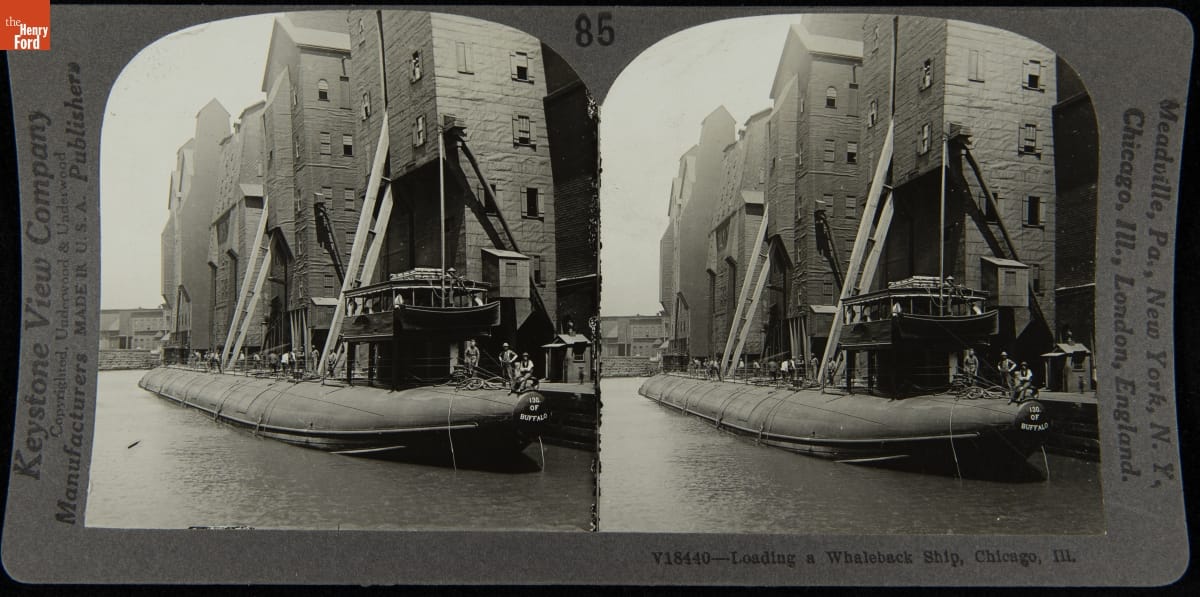
- Loading a Whaleback Ship, Chicago, Ill., circa 1895 -
- circa 1895
- Collections - Artifact
Loading a Whaleback Ship, Chicago, Ill., circa 1895
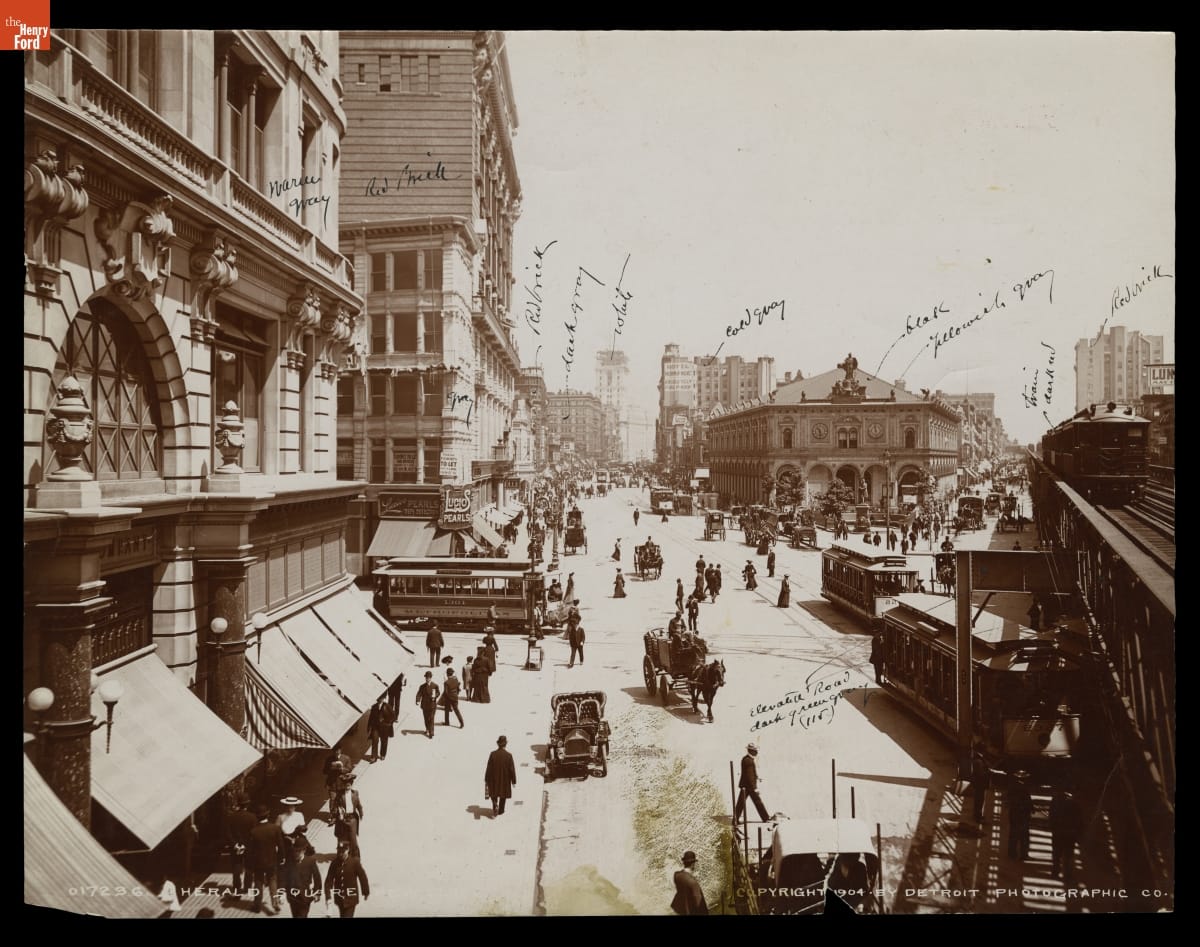
- Herald Square, New York City, 1904 (Photograph with Handwritten Production Notes) - From 1895 to 1924, the Detroit Publishing Company was one of the major image publishers in the world. The company had a wide-ranging stock of original photographs, including many scenes from across North America. This image captured a variety of traffic -- including pedestrian, horse-drawn, automotive, streetcar, and elevated rail -- on the move in Manhattan's Herald Square.
- 1904
- Collections - Artifact
Herald Square, New York City, 1904 (Photograph with Handwritten Production Notes)
From 1895 to 1924, the Detroit Publishing Company was one of the major image publishers in the world. The company had a wide-ranging stock of original photographs, including many scenes from across North America. This image captured a variety of traffic -- including pedestrian, horse-drawn, automotive, streetcar, and elevated rail -- on the move in Manhattan's Herald Square.