
Search
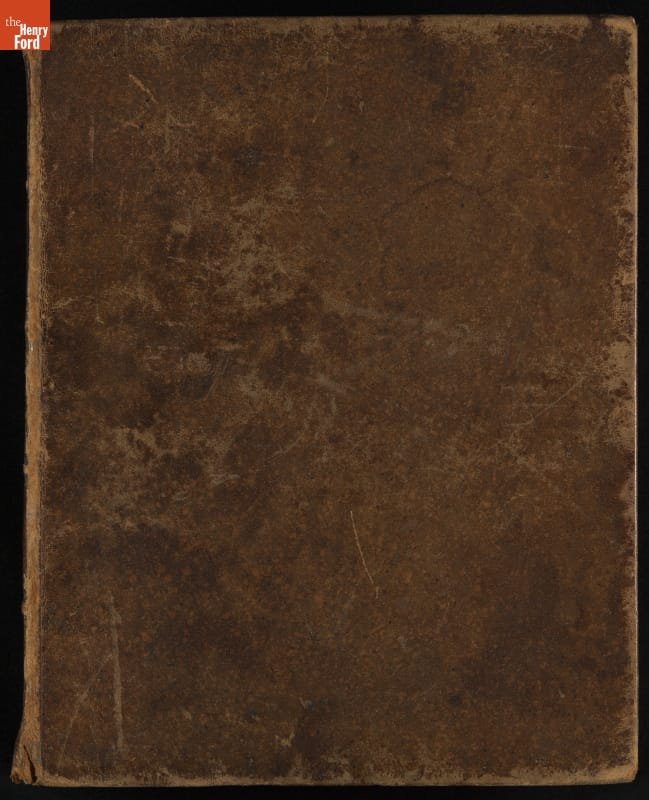
- "An American Dictionary of the English Language" by Noah Webster, 1828, Volume 2 - Noah Webster wrote the first dictionary of American English. It was a radical attempt to foster a uniform language for the United States. Webster's first edition in 1828 contained about 70,000 entries -- some 12,000 more than had appeared in earlier vocabulary lists. Webster added many technical and scientific terms, included common Americanisms, and suggested new ways of spelling and pronouncing words.
- 1828
- Collections - Artifact
"An American Dictionary of the English Language" by Noah Webster, 1828, Volume 2
Noah Webster wrote the first dictionary of American English. It was a radical attempt to foster a uniform language for the United States. Webster's first edition in 1828 contained about 70,000 entries -- some 12,000 more than had appeared in earlier vocabulary lists. Webster added many technical and scientific terms, included common Americanisms, and suggested new ways of spelling and pronouncing words.
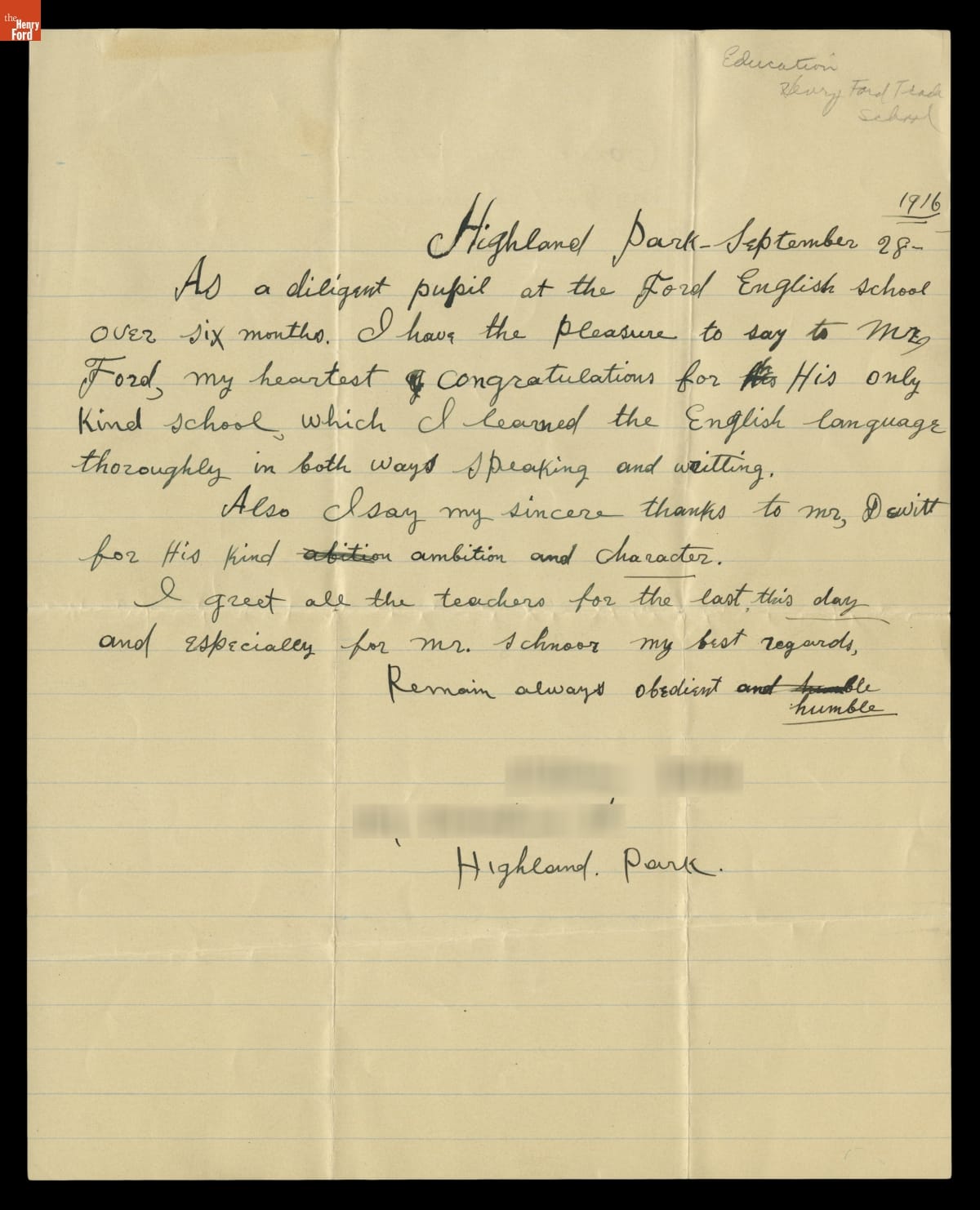
- Letter from a Ford English School Student to Henry Ford, September 28, 1916 -
- September 28, 1916
- Collections - Artifact
Letter from a Ford English School Student to Henry Ford, September 28, 1916
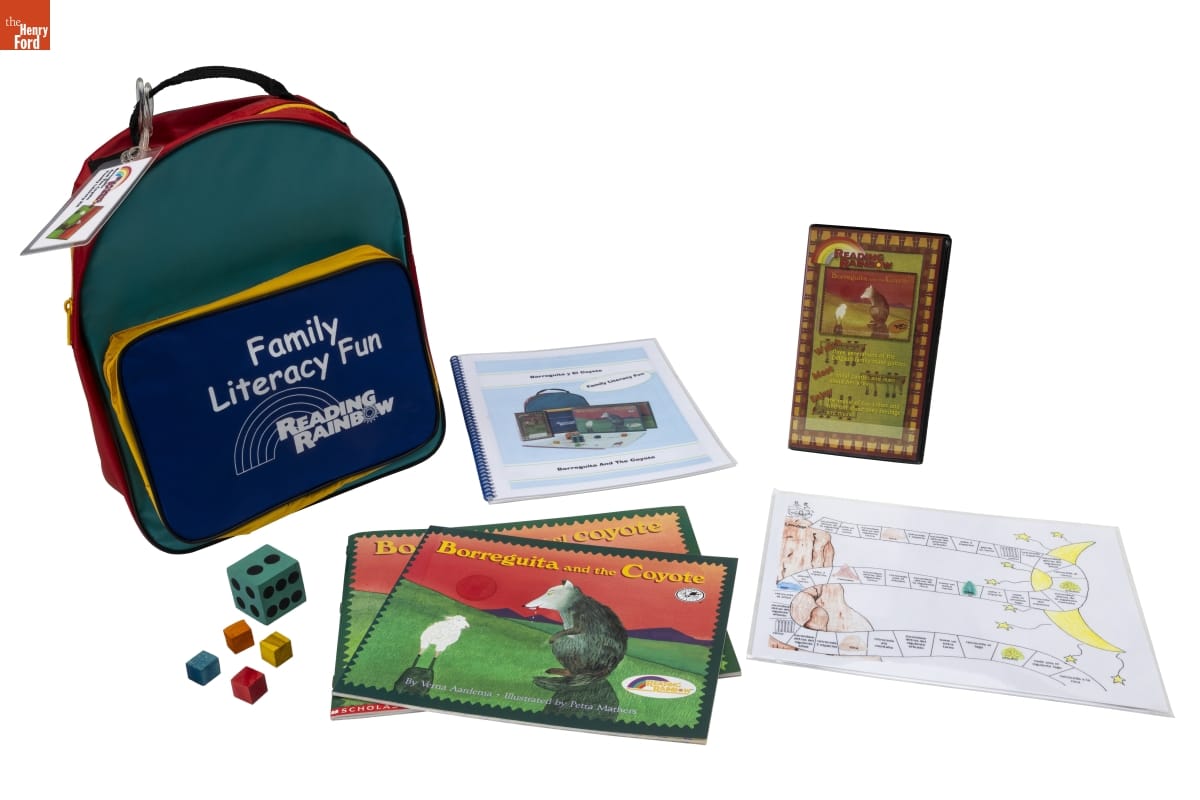
- Reading Rainbow "Borreguita and the Coyote" Family Literacy Kit, 1999-2008 - From 1983 until 2006, <em>Reading Rainbow</em> aimed to encourage a love of books and reading in children. The show won over 250 awards, including 26 Emmys, and earned the title of the most-watched PBS program in classrooms. The program's commitment to literacy also extended outside of the show itself, through sponsorship of programs like this literacy kit.
- 1999-2008
- Collections - Artifact
Reading Rainbow "Borreguita and the Coyote" Family Literacy Kit, 1999-2008
From 1983 until 2006, Reading Rainbow aimed to encourage a love of books and reading in children. The show won over 250 awards, including 26 Emmys, and earned the title of the most-watched PBS program in classrooms. The program's commitment to literacy also extended outside of the show itself, through sponsorship of programs like this literacy kit.
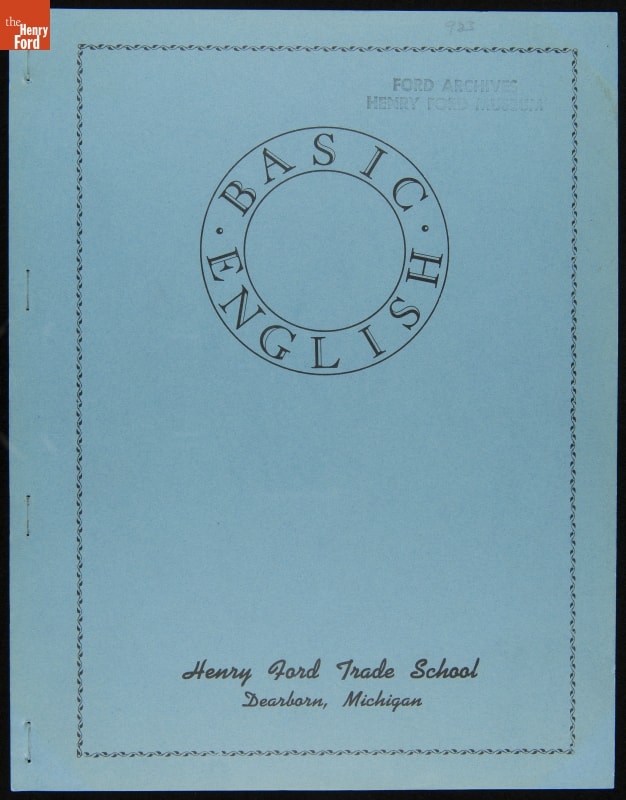
- Textbook, "Basic English," Henry Ford Trade School, Dearborn, Michigan, 1916 - Boys who attended the Henry Ford Trade School learned by doing. The school, the brainchild of Henry Ford, trained teenage boys in a variety of skilled industrial trade work -- machining, metallurgy, drafting, and engine design, among others. Students created useful components for local factories in hands-on lab and shop classes. In addition to the manual training received, academic classes were required.
- 1916
- Collections - Artifact
Textbook, "Basic English," Henry Ford Trade School, Dearborn, Michigan, 1916
Boys who attended the Henry Ford Trade School learned by doing. The school, the brainchild of Henry Ford, trained teenage boys in a variety of skilled industrial trade work -- machining, metallurgy, drafting, and engine design, among others. Students created useful components for local factories in hands-on lab and shop classes. In addition to the manual training received, academic classes were required.
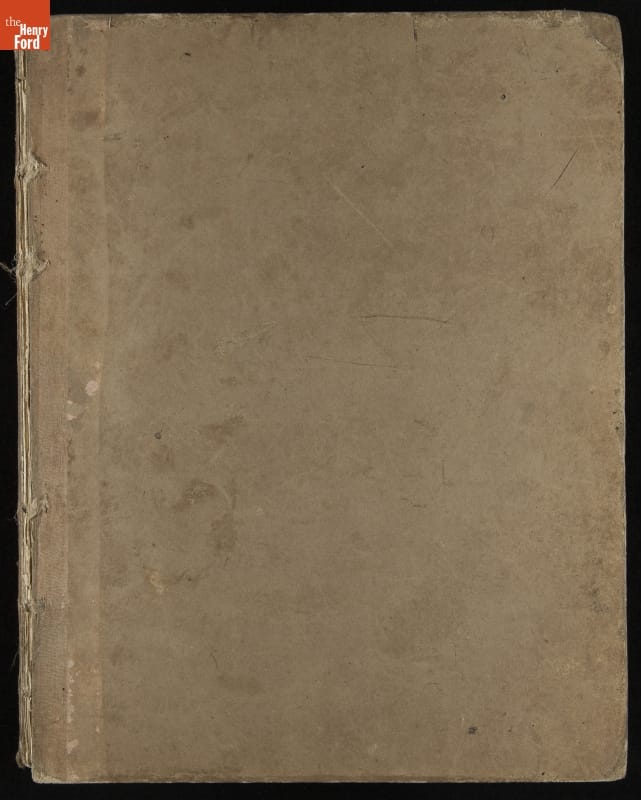
- "An American Dictionary of the English Language" by Noah Webster, 1828, Volume 1 - Noah Webster wrote the first dictionary of American English. It was a radical attempt to foster a uniform language for the United States. Webster's first edition in 1828 contained about 70,000 entries -- some 12,000 more than had appeared in earlier vocabulary lists. Webster added many technical and scientific terms, included common Americanisms, and suggested new ways of spelling and pronouncing words.
- 1828
- Collections - Artifact
"An American Dictionary of the English Language" by Noah Webster, 1828, Volume 1
Noah Webster wrote the first dictionary of American English. It was a radical attempt to foster a uniform language for the United States. Webster's first edition in 1828 contained about 70,000 entries -- some 12,000 more than had appeared in earlier vocabulary lists. Webster added many technical and scientific terms, included common Americanisms, and suggested new ways of spelling and pronouncing words.