
Search
- Meeting Minutes from the Dearborn Township Branch of the Equal Suffrage League of Wayne County, July 11, 1918 - Suffragists in the early 20th century joined local suffrage leagues and associations to advocate for women's right to vote. In July 1918, the Dearborn (Michigan) chapter of the Equal Suffrage League of Wayne County met to learn about organizing efforts and elect officials. Michigan suffragists worked tirelessly over the next few months to pass a state suffrage amendment.
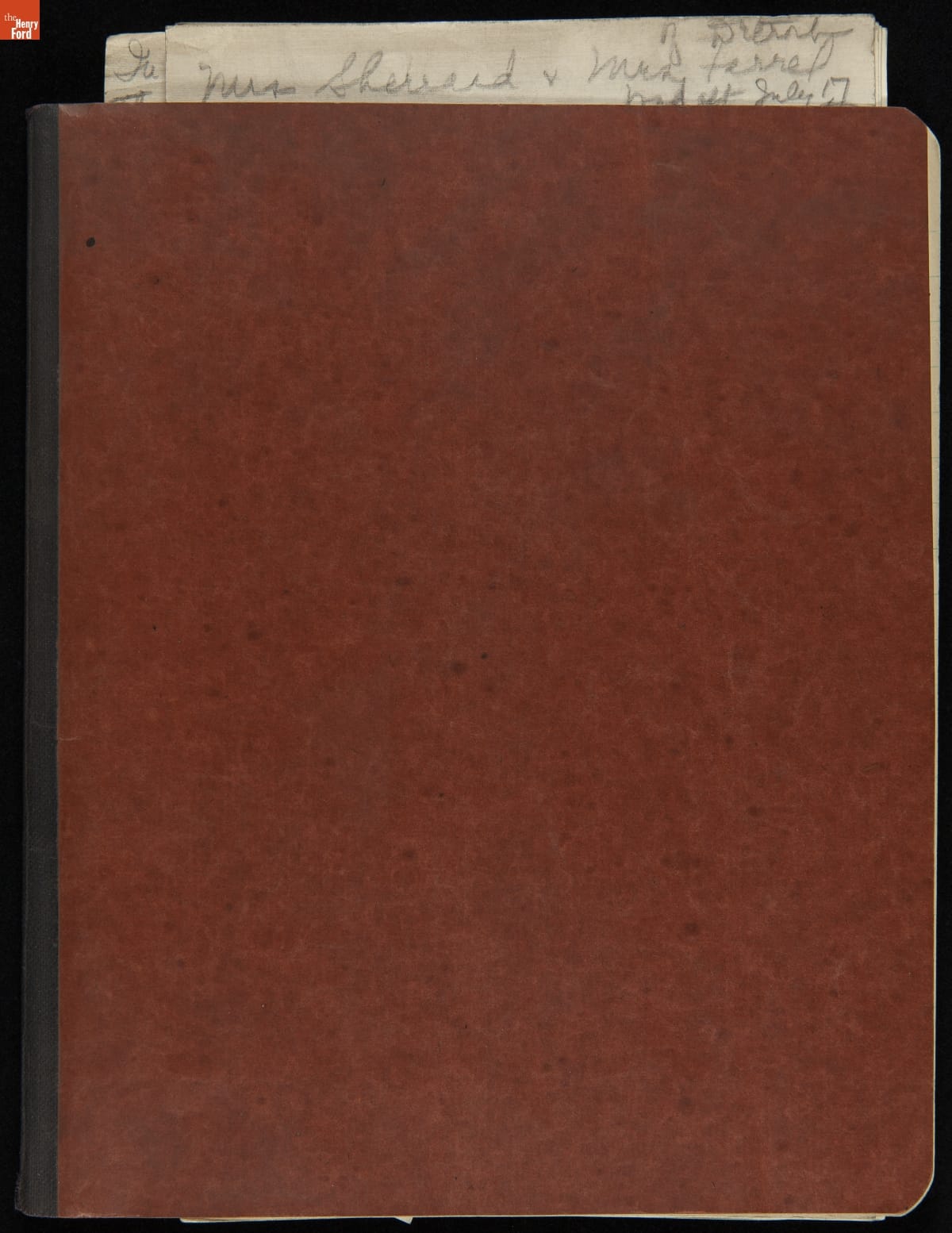
- July 11, 1918
- Collections - Artifact
Meeting Minutes from the Dearborn Township Branch of the Equal Suffrage League of Wayne County, July 11, 1918
Suffragists in the early 20th century joined local suffrage leagues and associations to advocate for women's right to vote. In July 1918, the Dearborn (Michigan) chapter of the Equal Suffrage League of Wayne County met to learn about organizing efforts and elect officials. Michigan suffragists worked tirelessly over the next few months to pass a state suffrage amendment.
- Protest Poster, "White Privilege Has Been Cancelled," 2020 - In June 2020, Detroit-based non-profit letterpress organization Signal-Return responded to the civil unrest that followed the death of George Floyd by producing free protest posters for the community. These posters were made in solidarity with the principles behind the Black Lives Matter movement and distributed with the intent that they be carried in local protests or displayed in visible places.
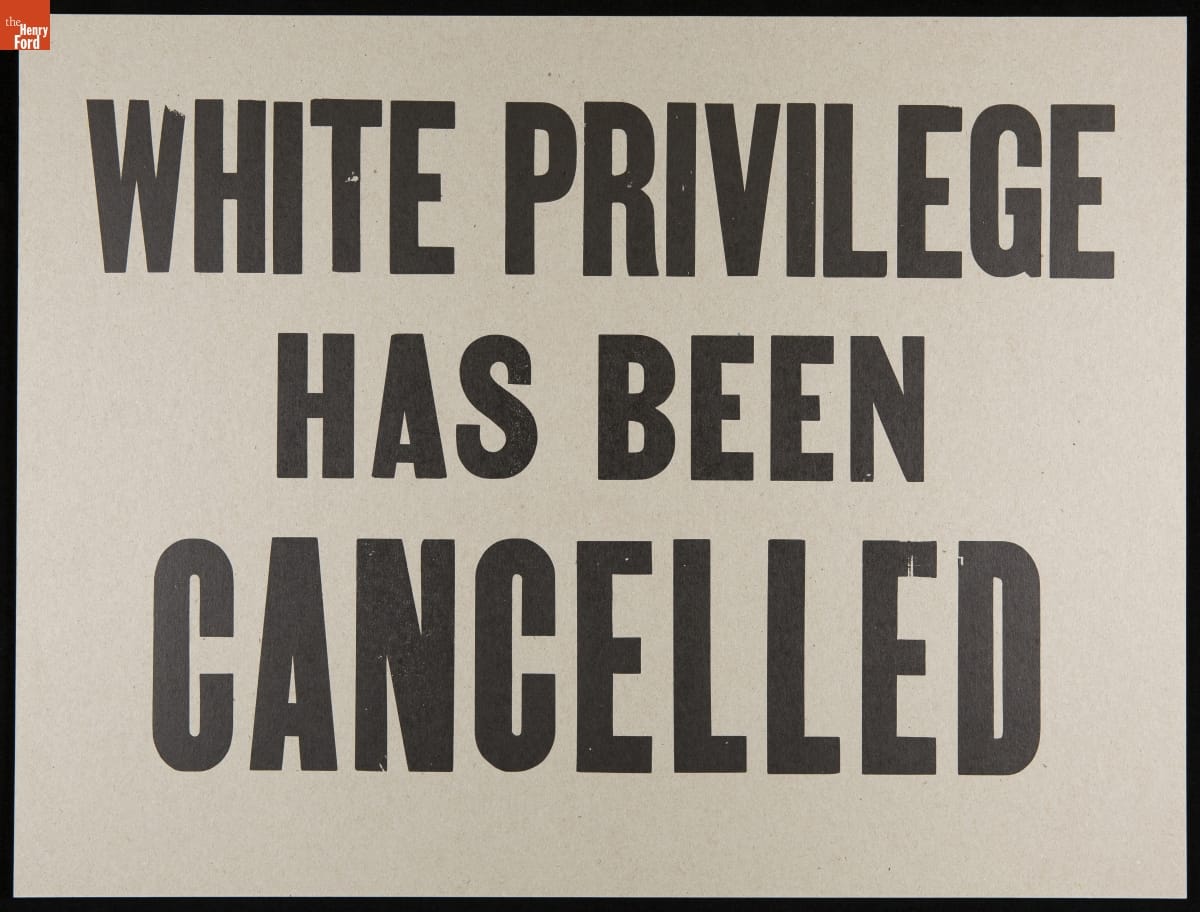
- 2020
- Collections - Artifact
Protest Poster, "White Privilege Has Been Cancelled," 2020
In June 2020, Detroit-based non-profit letterpress organization Signal-Return responded to the civil unrest that followed the death of George Floyd by producing free protest posters for the community. These posters were made in solidarity with the principles behind the Black Lives Matter movement and distributed with the intent that they be carried in local protests or displayed in visible places.
- Button, "ERA: Yes," circa 1972 - In the 1970s, women's rights activists rallied in support of the proposed Equal Rights Amendment (ERA), which would guarantee women equal rights with men as part of the United States Constitution. The ERA, first put forward in 1923, finally passed both houses of Congress in 1972 -- but it was not ratified in enough state legislatures for approval.
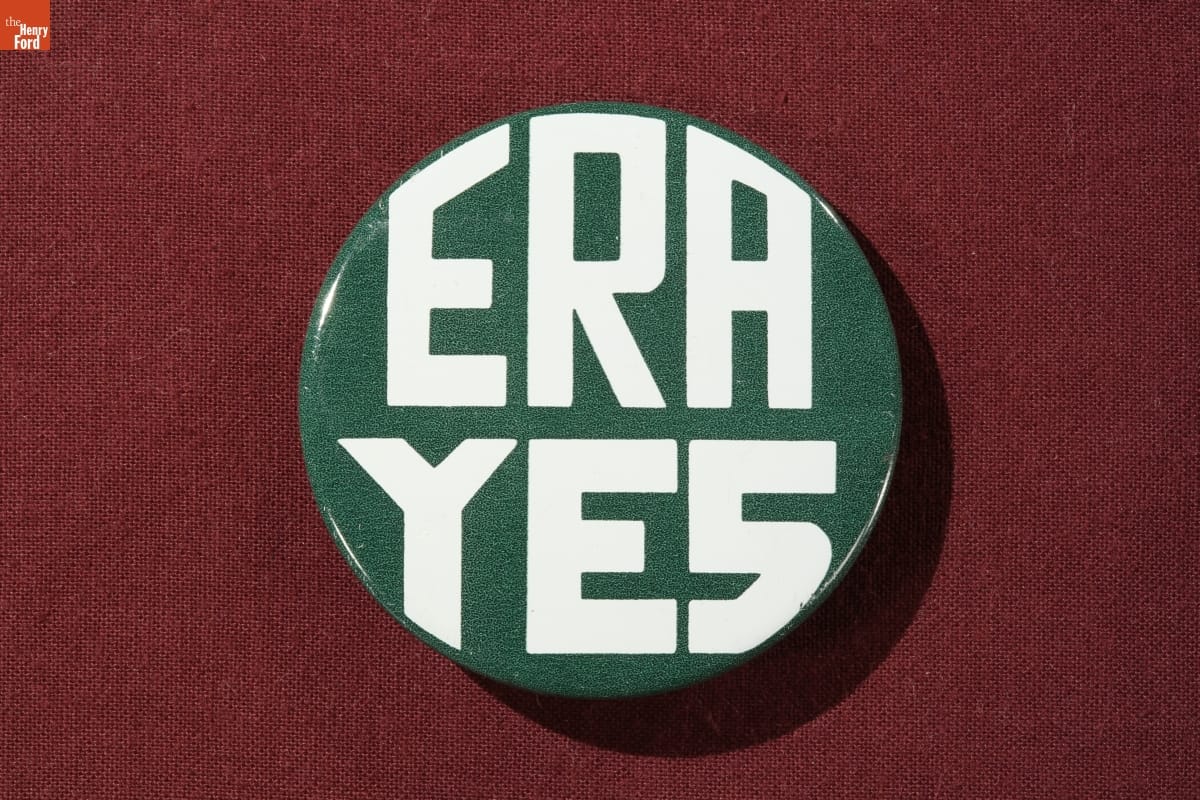
- circa 1972
- Collections - Artifact
Button, "ERA: Yes," circa 1972
In the 1970s, women's rights activists rallied in support of the proposed Equal Rights Amendment (ERA), which would guarantee women equal rights with men as part of the United States Constitution. The ERA, first put forward in 1923, finally passed both houses of Congress in 1972 -- but it was not ratified in enough state legislatures for approval.
- March in Downtown Seattle for Equal Rights Amendment, May 16, 1976 -
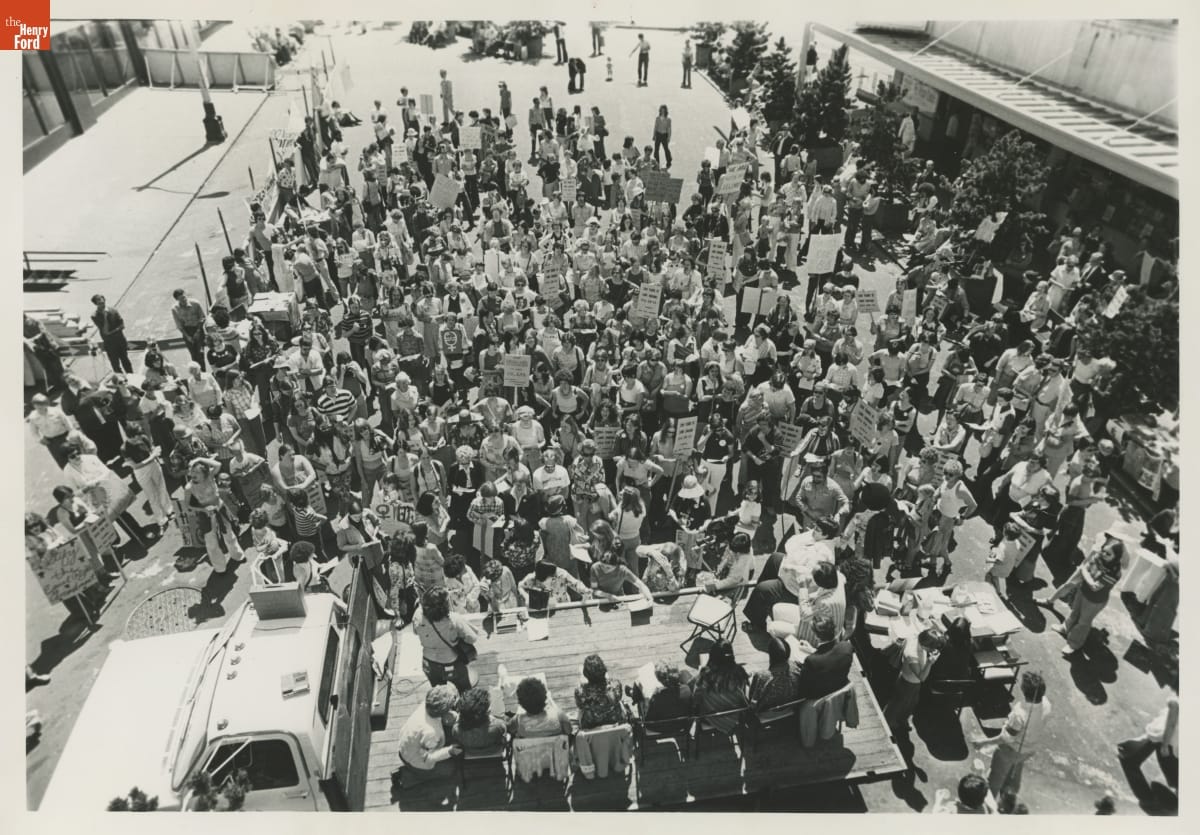
- May 16, 1976
- Collections - Artifact
March in Downtown Seattle for Equal Rights Amendment, May 16, 1976
- More than 3,000 People March in Washington, D.C. in Support of the Equal Rights Amendment, August 1977 -
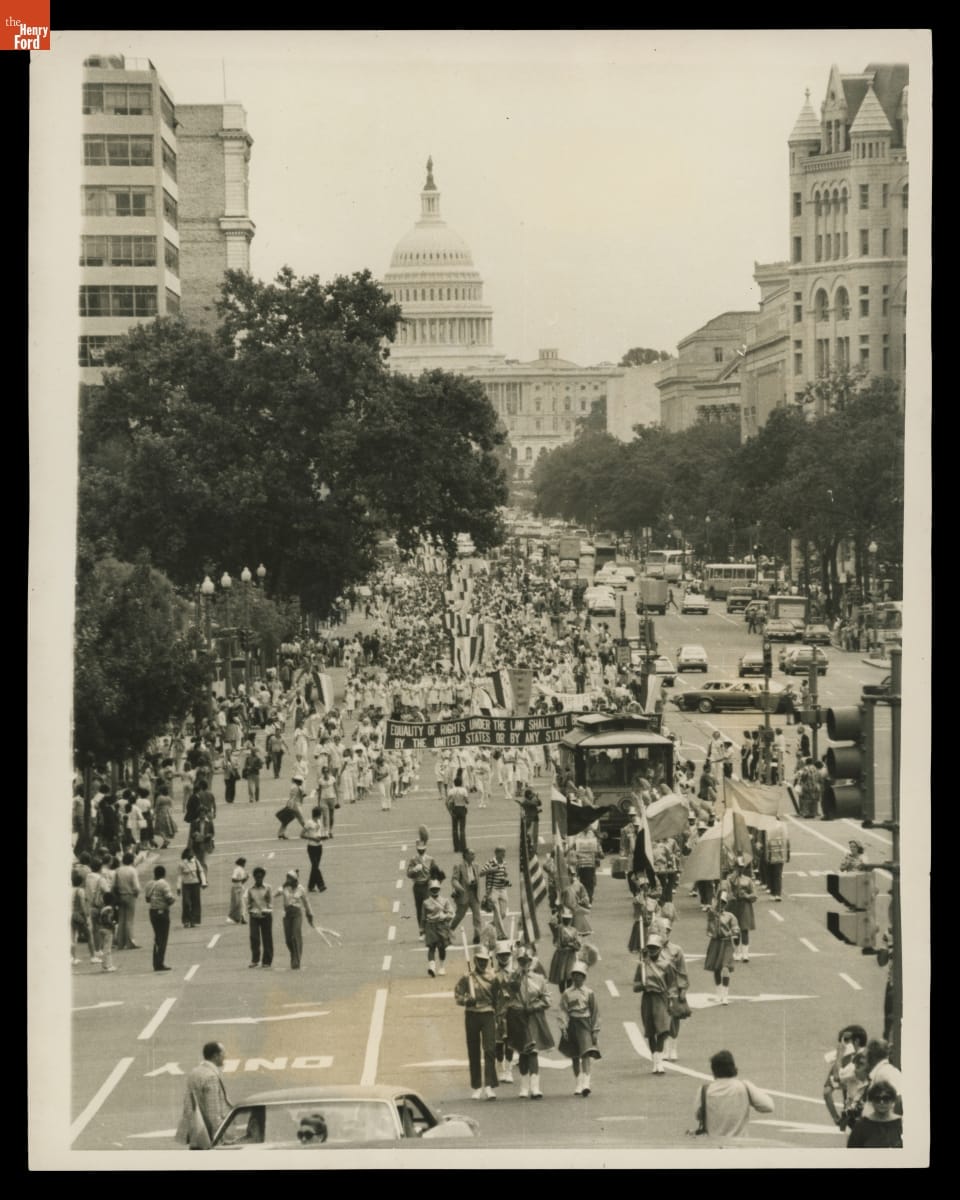
- August 31, 1977
- Collections - Artifact
More than 3,000 People March in Washington, D.C. in Support of the Equal Rights Amendment, August 1977
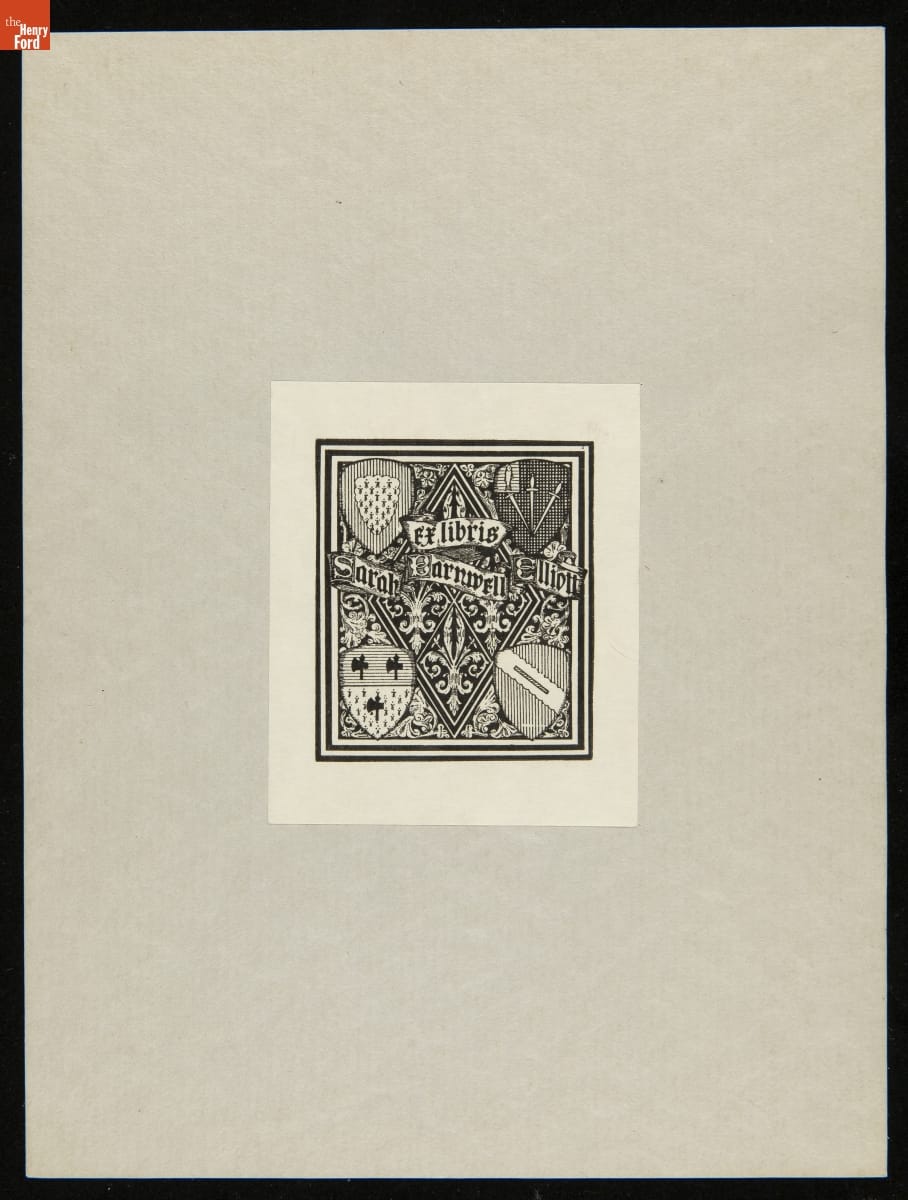
- Bookplate of Sarah Barnwell Elliott, 1905-1912 - Bookplates show ownership, but they can also tell us more. Often pasted on the inside of a book's front cover or endpaper, these printed labels contain the owner's name and sometimes the words "ex-libris" (Latin for "from the library of"). Coats of arms, crests, other decorative images, poems, mottoes, and even font type provide insight into the beliefs, passions, and interests of the book's owner.
- 1905-1912
- Collections - Artifact
Bookplate of Sarah Barnwell Elliott, 1905-1912
Bookplates show ownership, but they can also tell us more. Often pasted on the inside of a book's front cover or endpaper, these printed labels contain the owner's name and sometimes the words "ex-libris" (Latin for "from the library of"). Coats of arms, crests, other decorative images, poems, mottoes, and even font type provide insight into the beliefs, passions, and interests of the book's owner.
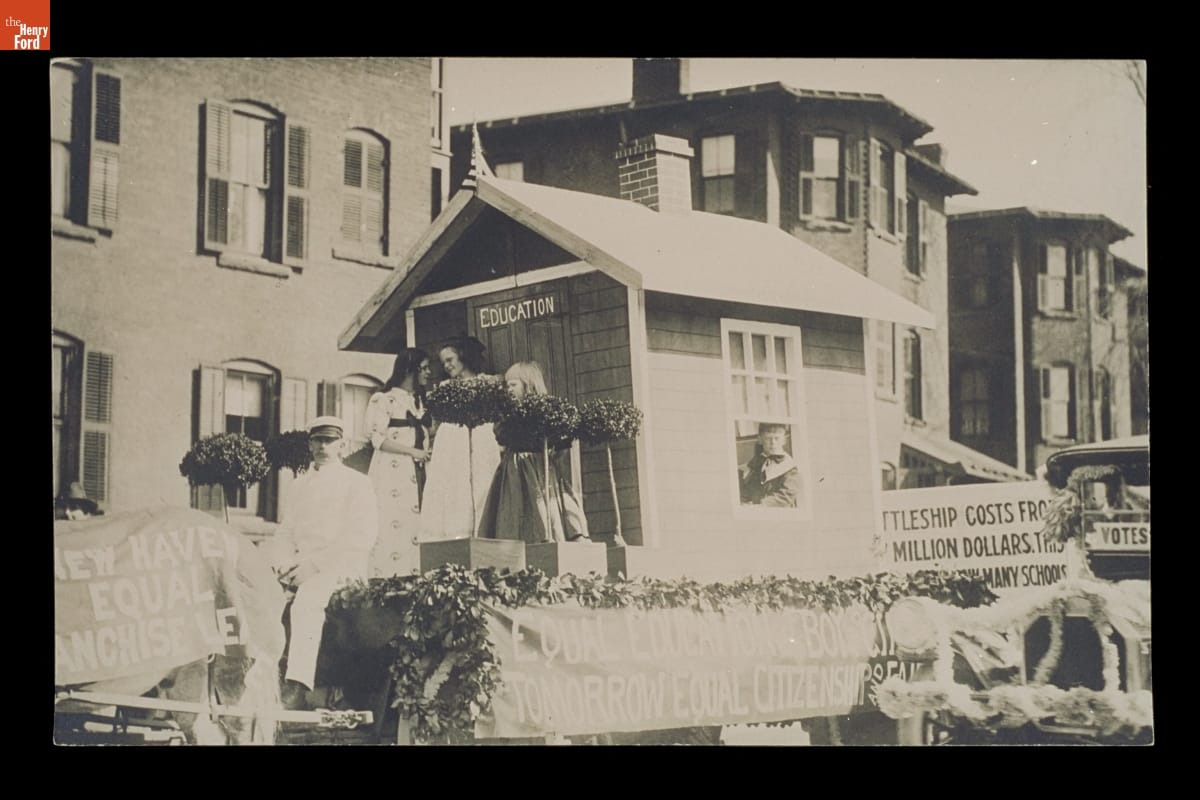
- Parade for Women's Suffrage and Equal Education, New Haven, Connecticut, circa 1915 - In the 1910s, many Americans joined the already decades-long fight for women's suffrage, or equal voting rights. To rally support, suffragists staged parades. These often elaborate processions championed numerous individual causes. This float in New Haven, Connecticut, related "equal education for boys and girls" to "equal citizenship" in the future. A constitutional amendment granting women suffrage was finally ratified in 1920.
- circa 1915
- Collections - Artifact
Parade for Women's Suffrage and Equal Education, New Haven, Connecticut, circa 1915
In the 1910s, many Americans joined the already decades-long fight for women's suffrage, or equal voting rights. To rally support, suffragists staged parades. These often elaborate processions championed numerous individual causes. This float in New Haven, Connecticut, related "equal education for boys and girls" to "equal citizenship" in the future. A constitutional amendment granting women suffrage was finally ratified in 1920.
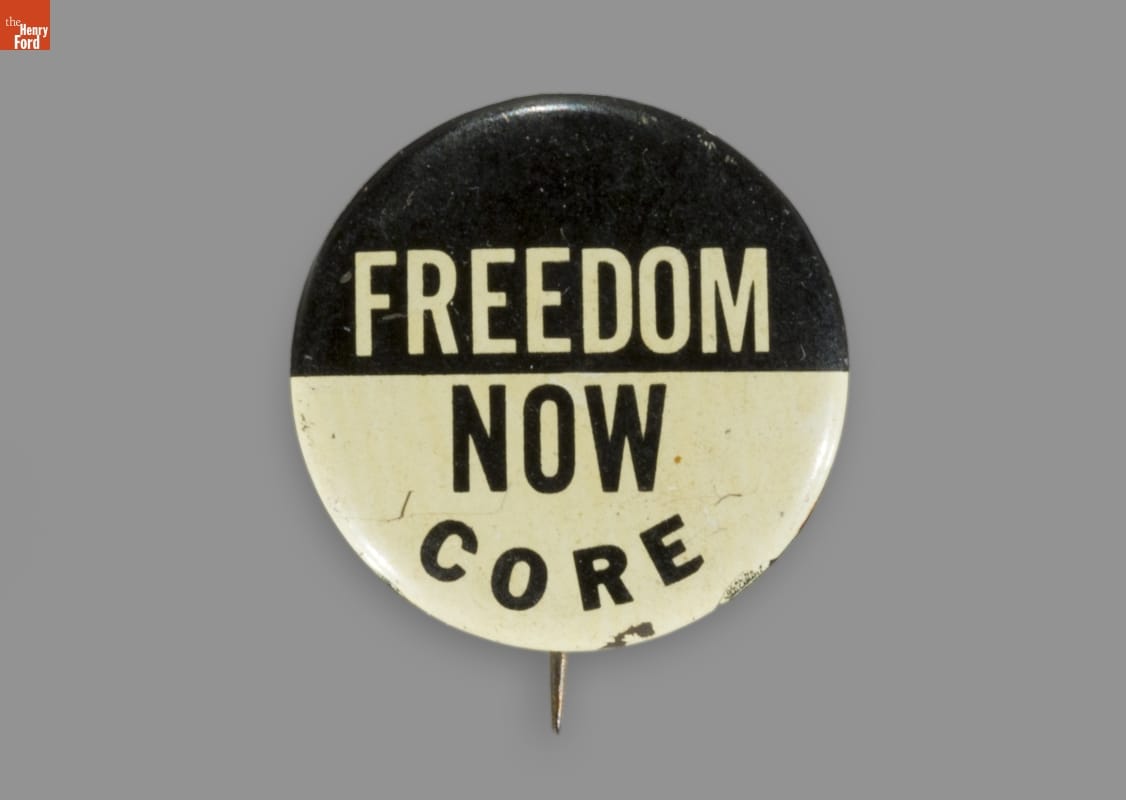
- Button, "Freedom Now Core," circa 1960 -
- circa 1960
- Collections - Artifact
Button, "Freedom Now Core," circa 1960
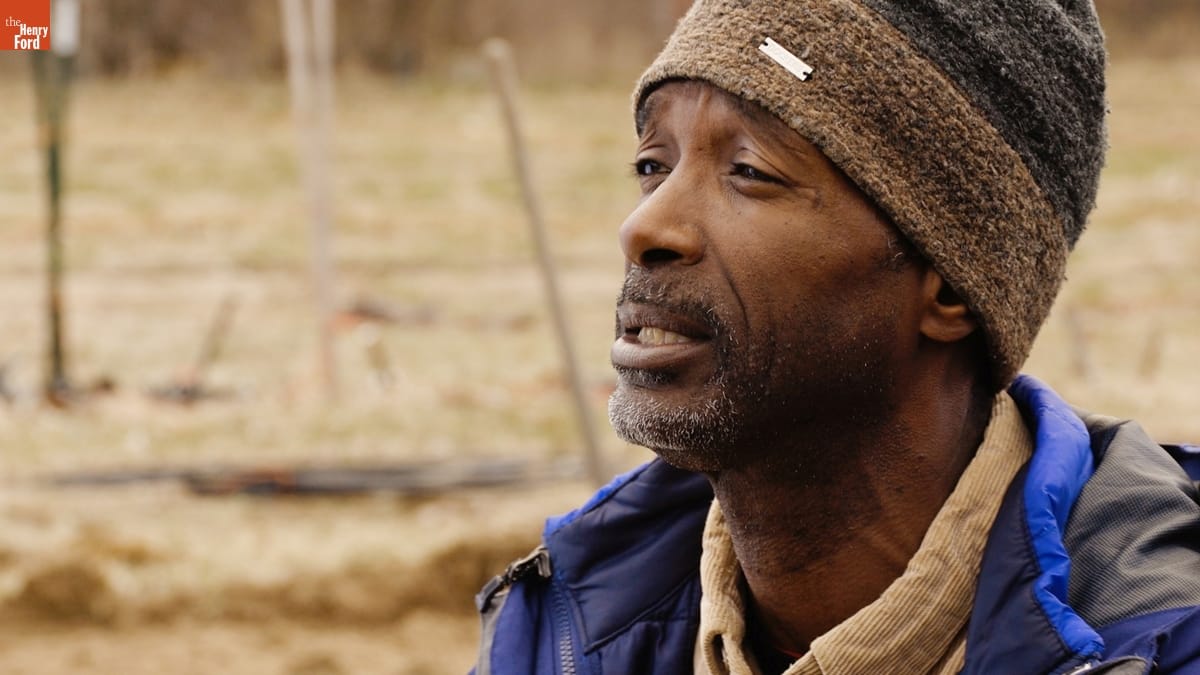
- "Food and Social Justice" Clip from Pre-Interview with Melvin Parson, April 5, 2019 - Melvin Parson, founder of We The People Growers Association, was the Spring 2019 Entrepreneur-In-Residence at The Henry Ford, funded by the William Davidson Foundation Initiative for Entrepreneurship. During his interview, Parson explains his journey and mission towards securing equality and social justice through urban farming, comparing it to taking a seat at the table as a full member of society.
- April 05, 2019
- Collections - Artifact
"Food and Social Justice" Clip from Pre-Interview with Melvin Parson, April 5, 2019
Melvin Parson, founder of We The People Growers Association, was the Spring 2019 Entrepreneur-In-Residence at The Henry Ford, funded by the William Davidson Foundation Initiative for Entrepreneurship. During his interview, Parson explains his journey and mission towards securing equality and social justice through urban farming, comparing it to taking a seat at the table as a full member of society.
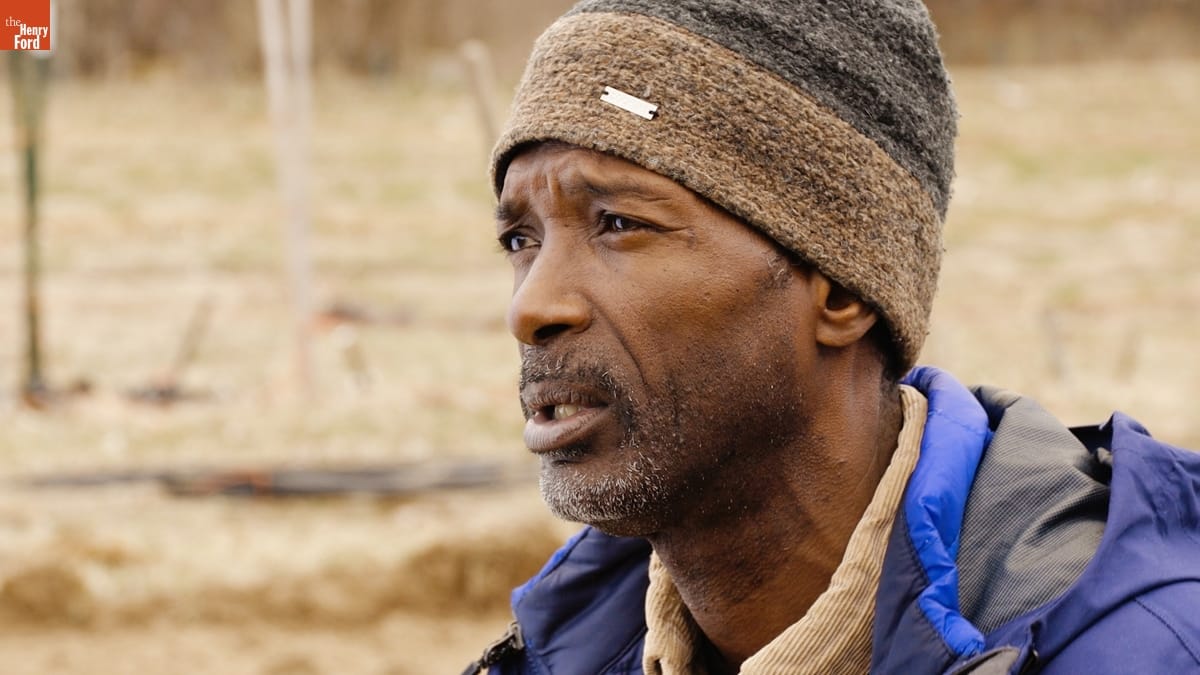
- "Social Justice and Human Connection," Clip from Interview with Melvin Parson, April 5, 2019 - Melvin Parson, founder of We The People Growers Association, was the Spring 2019 Entrepreneur-In-Residence at The Henry Ford, funded by the William Davidson Foundation Initiative for Entrepreneurship. During his interview, Parson explains his journey and mission towards securing equality and social justice through urban farming, comparing it to taking a seat at the table as a full member of society.
- April 05, 2019
- Collections - Artifact
"Social Justice and Human Connection," Clip from Interview with Melvin Parson, April 5, 2019
Melvin Parson, founder of We The People Growers Association, was the Spring 2019 Entrepreneur-In-Residence at The Henry Ford, funded by the William Davidson Foundation Initiative for Entrepreneurship. During his interview, Parson explains his journey and mission towards securing equality and social justice through urban farming, comparing it to taking a seat at the table as a full member of society.