
Search
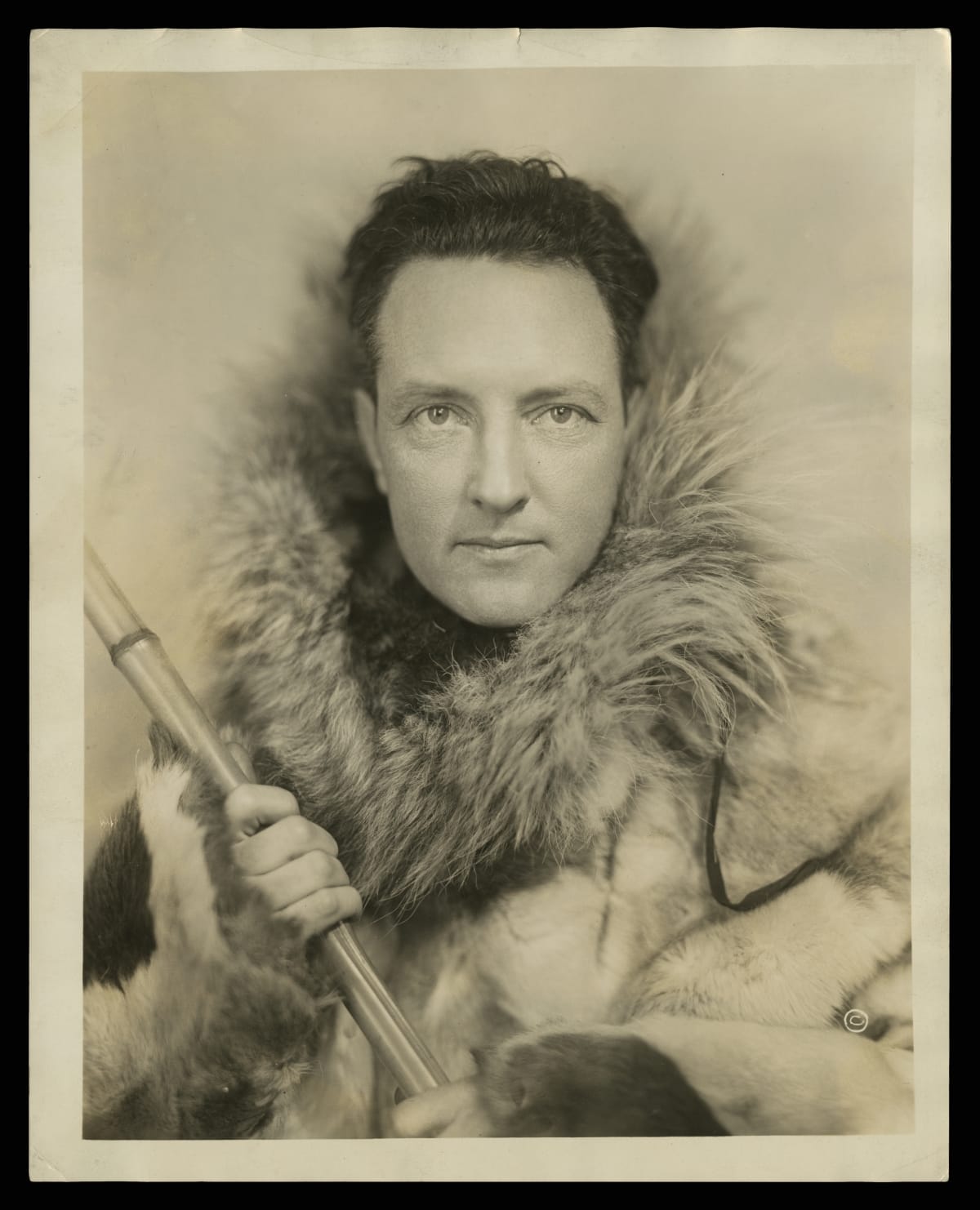
- Portrait of Richard Byrd, 1928 - Richard E. Byrd learned to fly while serving as an officer in the U.S. Navy during World War I. In 1926, he led a flight toward the North Pole and is generally credited with success, though controversy remains over whether Byrd reached the actual pole. Three years later, Byrd led a verified flight over the South Pole.
- 1928
- Collections - Artifact
Portrait of Richard Byrd, 1928
Richard E. Byrd learned to fly while serving as an officer in the U.S. Navy during World War I. In 1926, he led a flight toward the North Pole and is generally credited with success, though controversy remains over whether Byrd reached the actual pole. Three years later, Byrd led a verified flight over the South Pole.
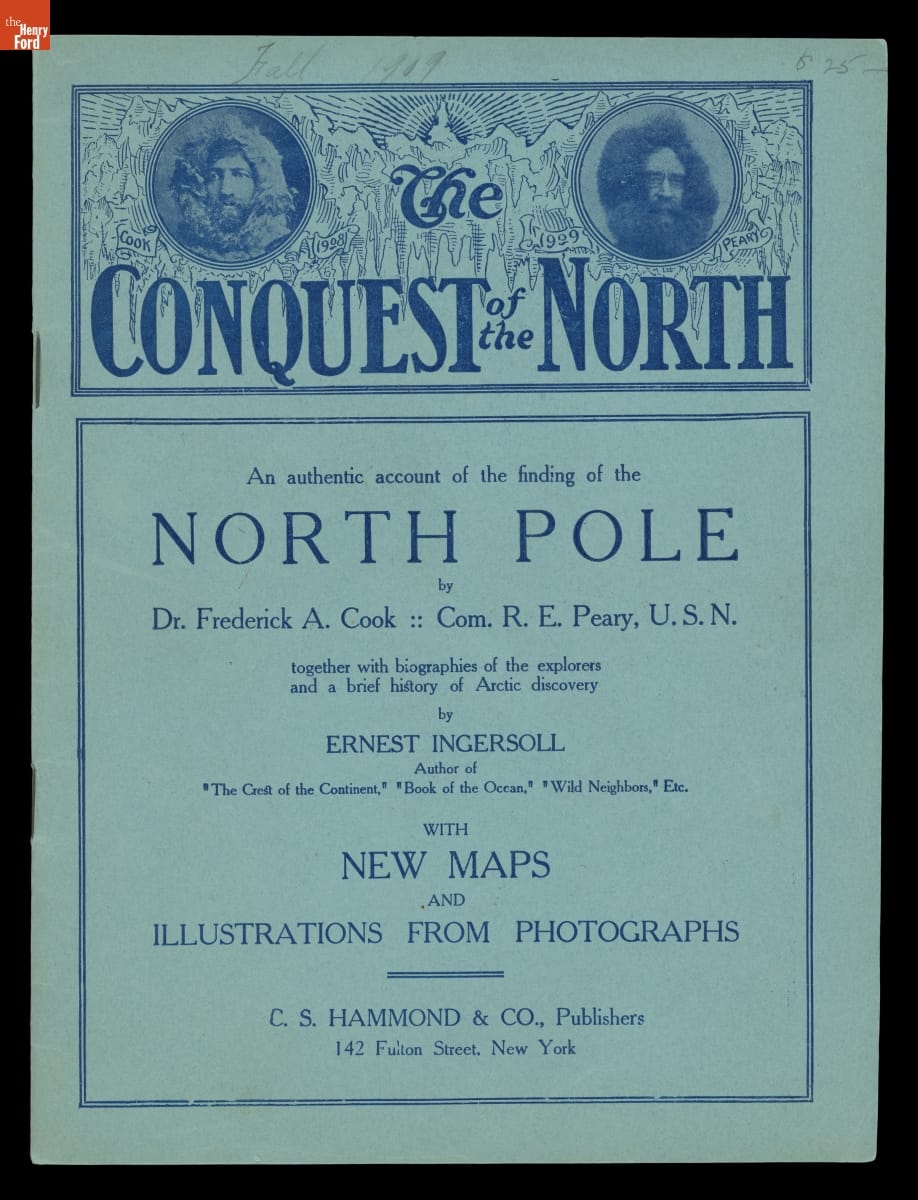
- "The Conquest of the North : An Authentic Account of the Finding of the North Pole," 1909 - In 1909, two Americans claimed to have reached the North Pole: Dr. Frederick Cook and Robert Peary. But who was first? Cook asserted he arrived at the pole in April 1908; Peary declared he made it in April 1909. Both explorers had their supporters and detractors. This publication recounts the story of each explorer's dash for the pole.
- 1909
- Collections - Artifact
"The Conquest of the North : An Authentic Account of the Finding of the North Pole," 1909
In 1909, two Americans claimed to have reached the North Pole: Dr. Frederick Cook and Robert Peary. But who was first? Cook asserted he arrived at the pole in April 1908; Peary declared he made it in April 1909. Both explorers had their supporters and detractors. This publication recounts the story of each explorer's dash for the pole.
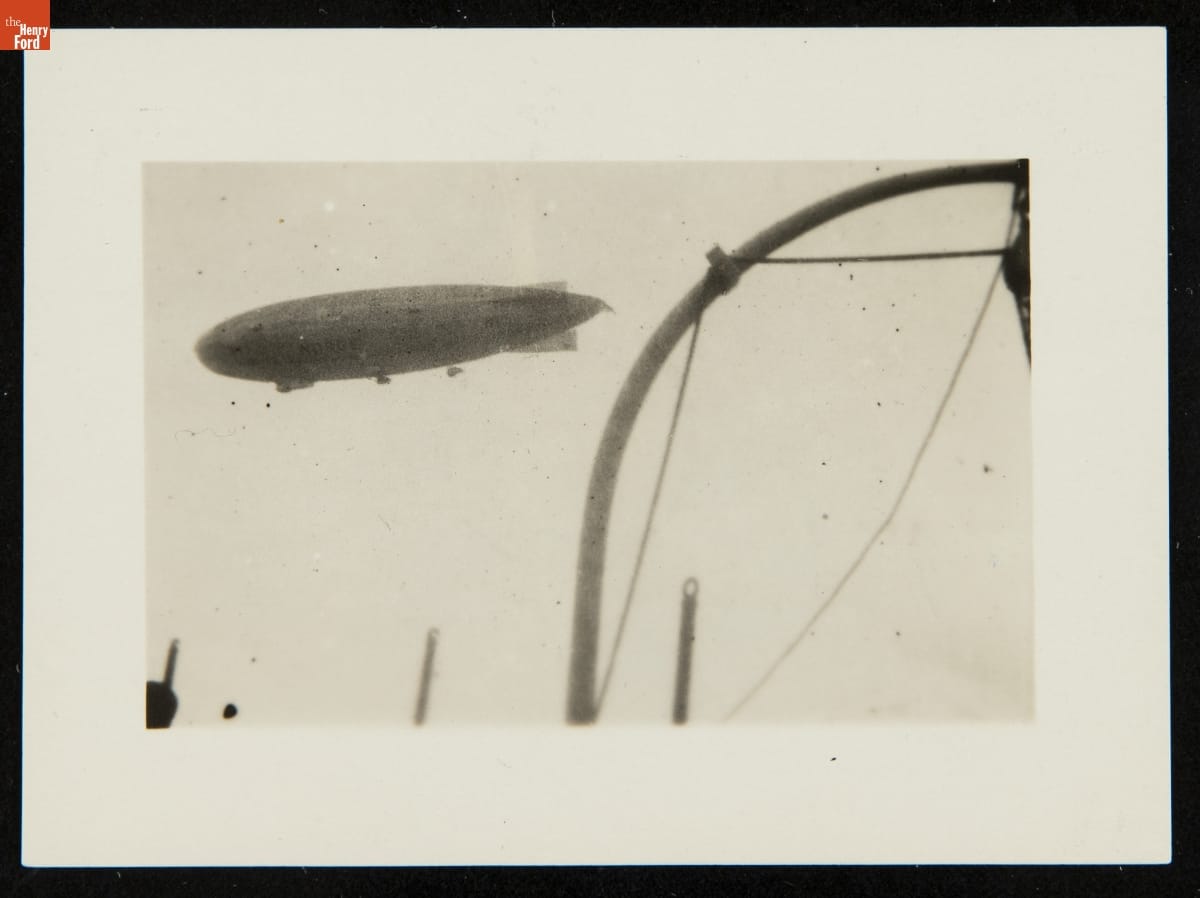
- Airship "Norge" in the Air before the Amundsen-Ellsworth-Nobile Transpolar Flight, May 1926 - The semi-rigid airship <em>Norge</em> flew over the North Pole on May 12, 1926. It was the first confirmed visit of any kind to the pole. Norwegian explorer Roald Amundsen headed the expedition. He was joined by American adventurer Lincoln Ellsworth, who helped fund the mission, Italian aviator Umberto Nobile, who designed the <em>Norge</em>, and a crew of 13 others.
- May 01, 1926
- Collections - Artifact
Airship "Norge" in the Air before the Amundsen-Ellsworth-Nobile Transpolar Flight, May 1926
The semi-rigid airship Norge flew over the North Pole on May 12, 1926. It was the first confirmed visit of any kind to the pole. Norwegian explorer Roald Amundsen headed the expedition. He was joined by American adventurer Lincoln Ellsworth, who helped fund the mission, Italian aviator Umberto Nobile, who designed the Norge, and a crew of 13 others.
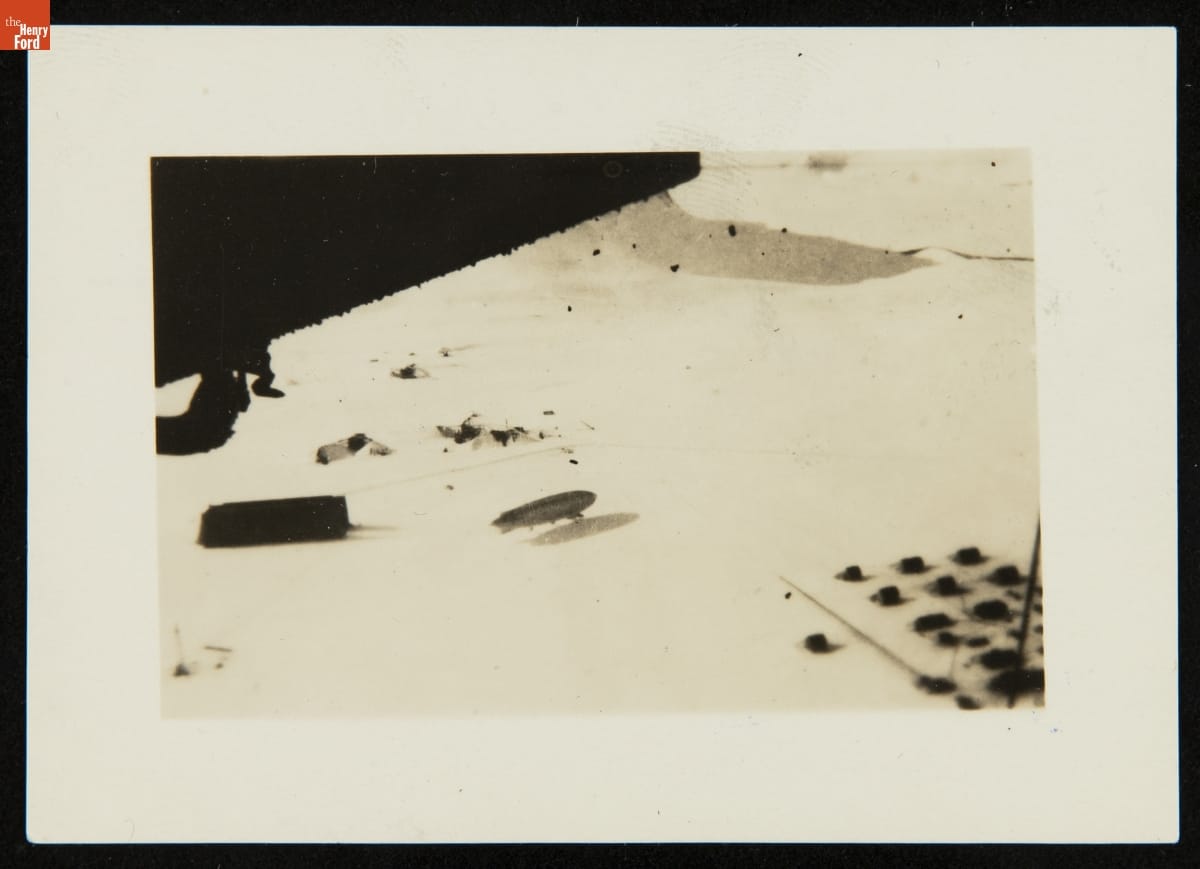
- Airship "Norge" before the Amundsen-Ellsworth-Nobile Transpolar Flight, May 1926 - The semi-rigid airship <em>Norge</em> flew over the North Pole on May 12, 1926. It was the first confirmed visit of any kind to the pole. Norwegian explorer Roald Amundsen headed the expedition. He was joined by American adventurer Lincoln Ellsworth, who helped fund the mission, Italian aviator Umberto Nobile, who designed the <em>Norge</em>, and a crew of 13 others.
- May 01, 1926
- Collections - Artifact
Airship "Norge" before the Amundsen-Ellsworth-Nobile Transpolar Flight, May 1926
The semi-rigid airship Norge flew over the North Pole on May 12, 1926. It was the first confirmed visit of any kind to the pole. Norwegian explorer Roald Amundsen headed the expedition. He was joined by American adventurer Lincoln Ellsworth, who helped fund the mission, Italian aviator Umberto Nobile, who designed the Norge, and a crew of 13 others.
- Airship "Norge" before the Amundsen-Ellsworth-Nobile Transpolar Flight, May 1926 - The semi-rigid airship <em>Norge</em> flew over the North Pole on May 12, 1926. It was the first confirmed visit of any kind to the pole. Norwegian explorer Roald Amundsen headed the expedition. He was joined by American adventurer Lincoln Ellsworth, who helped fund the mission, Italian aviator Umberto Nobile, who designed the <em>Norge</em>, and a crew of 13 others.
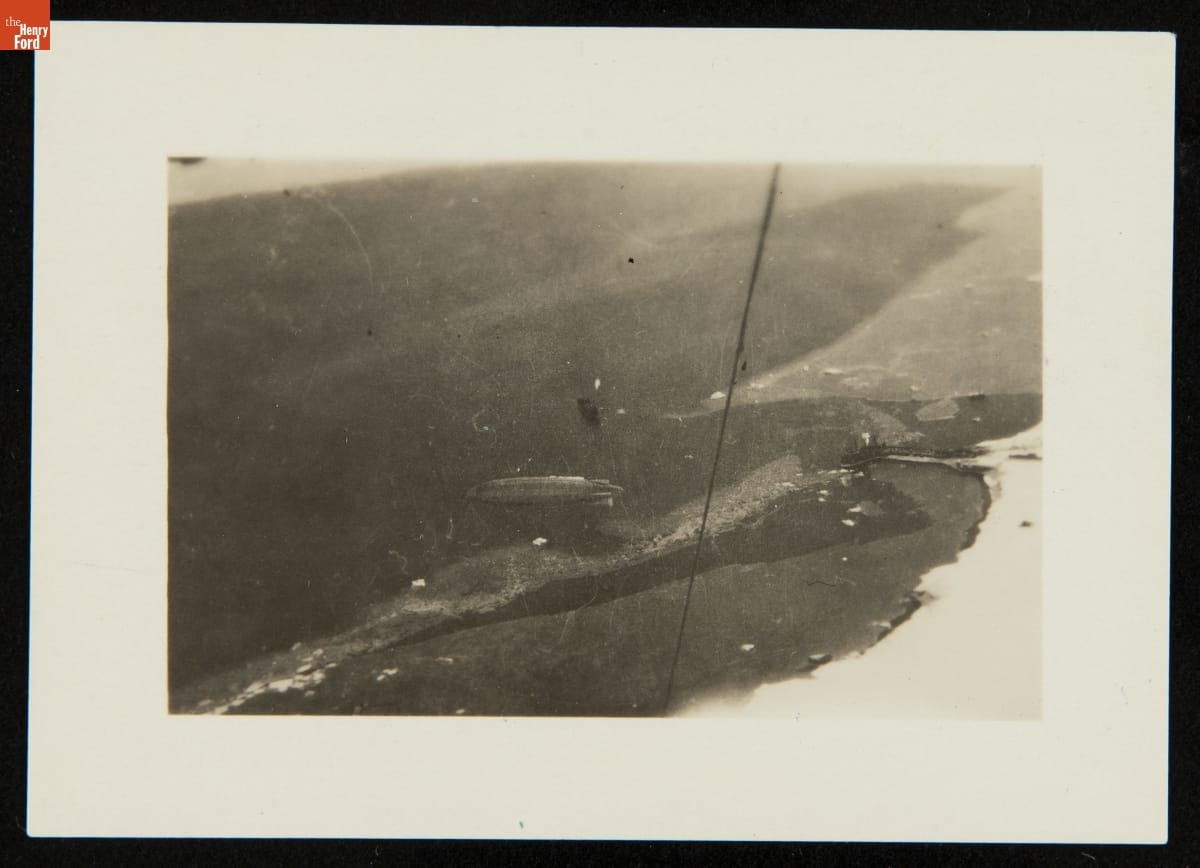
- May 01, 1926
- Collections - Artifact
Airship "Norge" before the Amundsen-Ellsworth-Nobile Transpolar Flight, May 1926
The semi-rigid airship Norge flew over the North Pole on May 12, 1926. It was the first confirmed visit of any kind to the pole. Norwegian explorer Roald Amundsen headed the expedition. He was joined by American adventurer Lincoln Ellsworth, who helped fund the mission, Italian aviator Umberto Nobile, who designed the Norge, and a crew of 13 others.
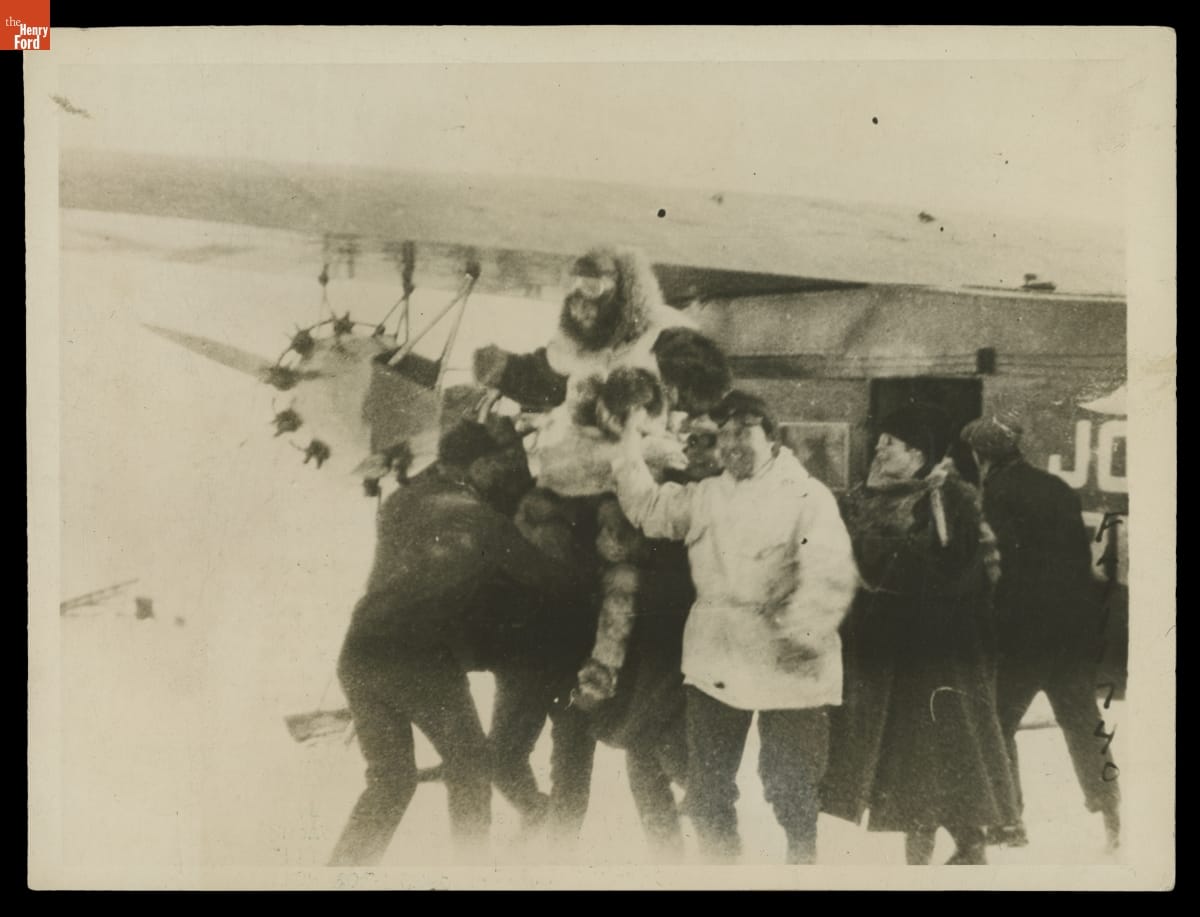
- Richard E. Byrd, Floyd Bennett, and Others Celebrate the Arctic Expedition beside the Fokker Airplane, the "Josephine Ford," June 2, 1926 - On May 9, 1926, explorer Richard Byrd and pilot Floyd Bennett flew toward the North Pole in a Fokker F.VII Tri-Motor airplane. Edsel Ford provided considerable financial support to the expedition, and Byrd named his airplane <em>Josephine Ford</em> to honor Mr. Ford's young daughter. Though Byrd is generally credited with reaching the pole, controversy remains.
- June 02, 1926
- Collections - Artifact
Richard E. Byrd, Floyd Bennett, and Others Celebrate the Arctic Expedition beside the Fokker Airplane, the "Josephine Ford," June 2, 1926
On May 9, 1926, explorer Richard Byrd and pilot Floyd Bennett flew toward the North Pole in a Fokker F.VII Tri-Motor airplane. Edsel Ford provided considerable financial support to the expedition, and Byrd named his airplane Josephine Ford to honor Mr. Ford's young daughter. Though Byrd is generally credited with reaching the pole, controversy remains.
- Can Label, "Columbus Brand Tomatoes with Puree," circa 1930 - Manufacturers of similar products sought ways to make their company's goods stand out on store shelves. Attractive labels, like this design for Columbus Brand Tomatoes with Puree, helped catch the attention of potential customers -- hopefully encouraging them to purchase the company's product rather than that of a competitor.
- circa 1930
- Collections - Artifact
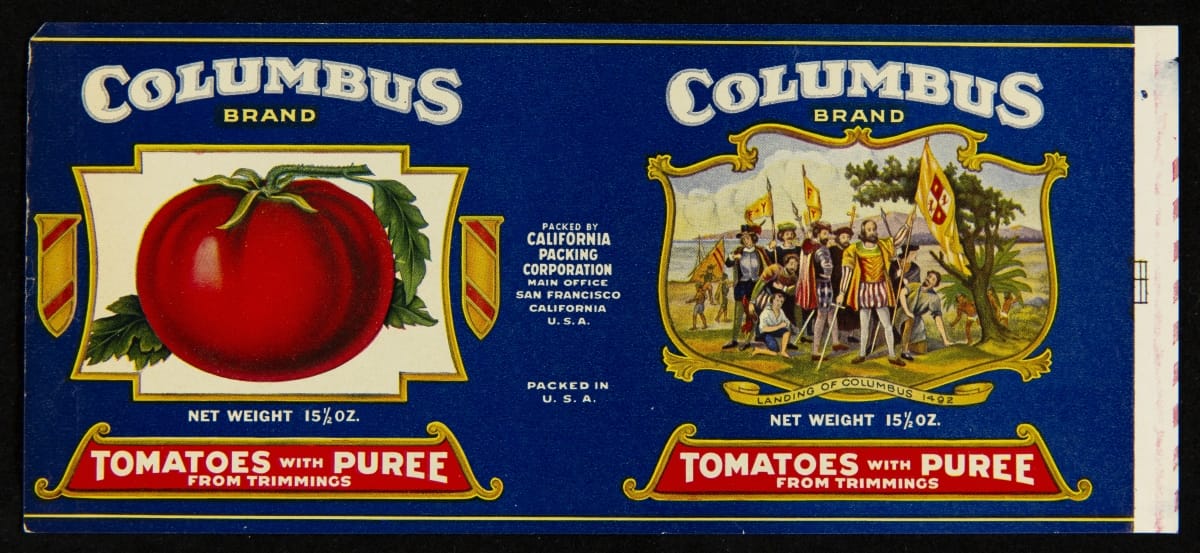
Can Label, "Columbus Brand Tomatoes with Puree," circa 1930
Manufacturers of similar products sought ways to make their company's goods stand out on store shelves. Attractive labels, like this design for Columbus Brand Tomatoes with Puree, helped catch the attention of potential customers -- hopefully encouraging them to purchase the company's product rather than that of a competitor.
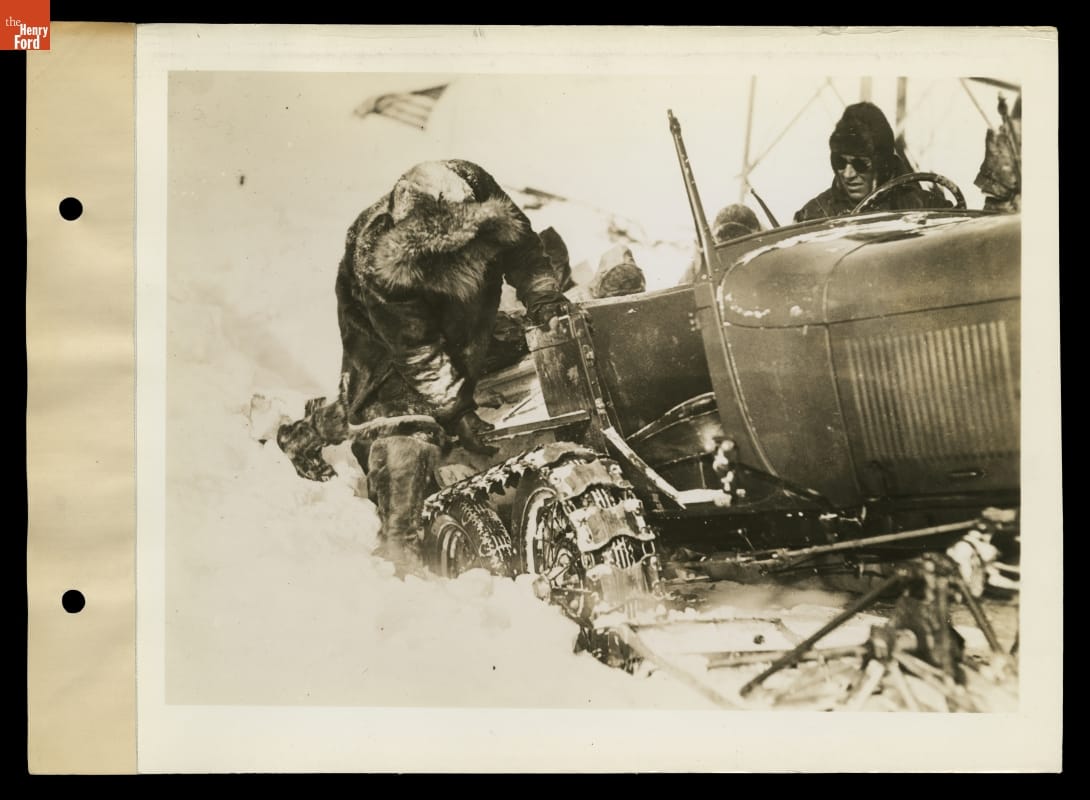
- Snowmobile Built on a Ford Model A Chassis Being Used on Admiral Byrd's Antarctic Expedition, circa 1929 - From August 1928 to June 1930, Richard Byrd led an expedition to the Antarctic with 83 men, four ships, and three airplanes. The team operated from a base camp they called Little America. On November 28-29, 1929, Byrd and three crewmates took their Ford Tri-Motor <em>Floyd Bennett</em> on the first flight over the South Pole.
- circa 1929
- Collections - Artifact
Snowmobile Built on a Ford Model A Chassis Being Used on Admiral Byrd's Antarctic Expedition, circa 1929
From August 1928 to June 1930, Richard Byrd led an expedition to the Antarctic with 83 men, four ships, and three airplanes. The team operated from a base camp they called Little America. On November 28-29, 1929, Byrd and three crewmates took their Ford Tri-Motor Floyd Bennett on the first flight over the South Pole.
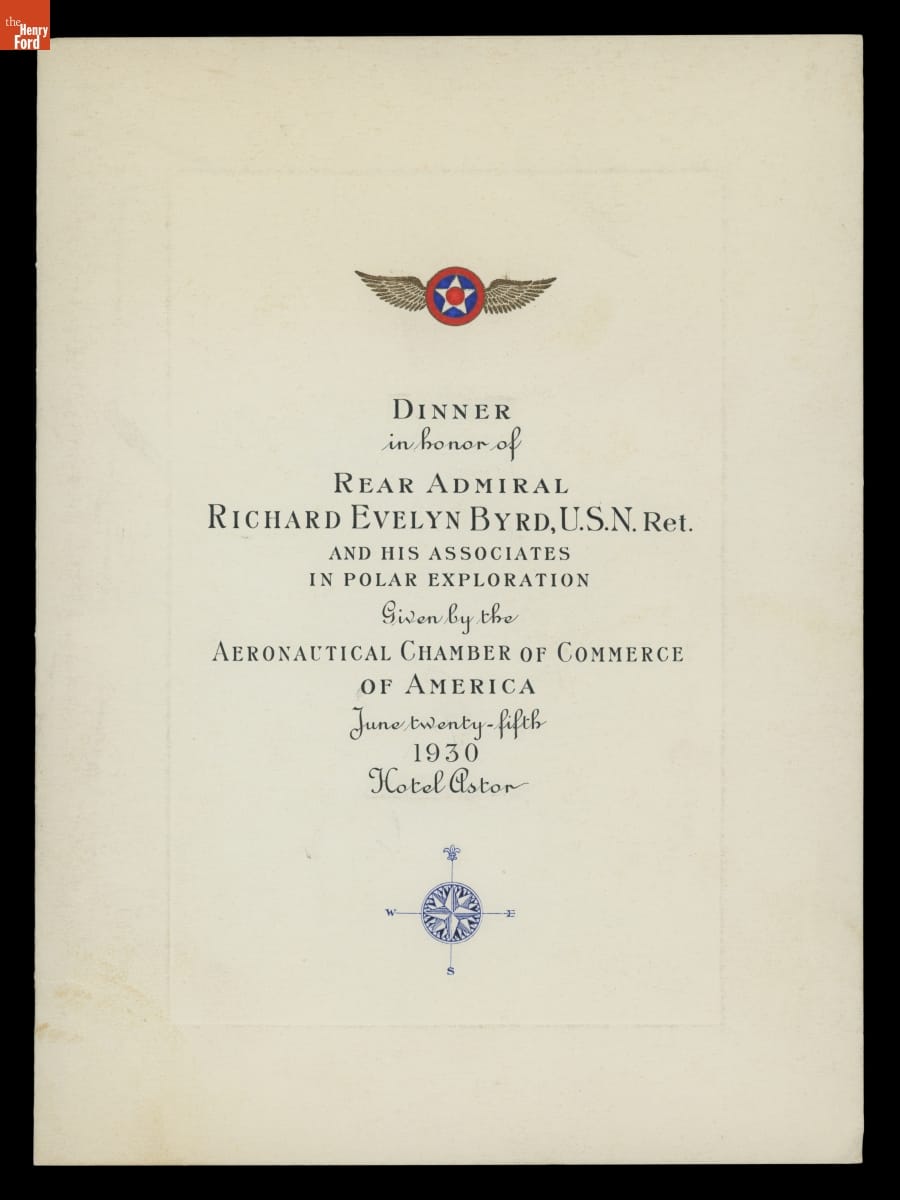
- Program for Dinner in Honor of Rear Admiral Richard Evelyn Byrd and His Associates in Polar Exploration, June 25, 1930 - From August 1928 to June 1930, Richard Byrd led an expedition to the Antarctic with 83 men, four ships, and three airplanes. The team operated from a base camp they called Little America. On November 28-29, 1929, Byrd and three crewmates took their Ford Tri-Motor <em>Floyd Bennett</em> on the first flight over the South Pole.
- June 25, 1930
- Collections - Artifact
Program for Dinner in Honor of Rear Admiral Richard Evelyn Byrd and His Associates in Polar Exploration, June 25, 1930
From August 1928 to June 1930, Richard Byrd led an expedition to the Antarctic with 83 men, four ships, and three airplanes. The team operated from a base camp they called Little America. On November 28-29, 1929, Byrd and three crewmates took their Ford Tri-Motor Floyd Bennett on the first flight over the South Pole.
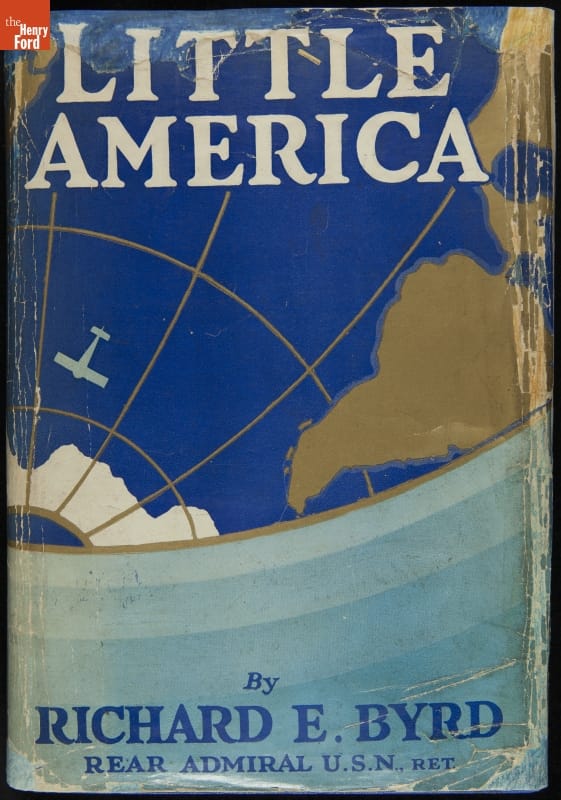
- Little America: Aerial Exploration In the Antarctic: The Flight To the South Pole - From August 1928 to June 1930, Richard Byrd led an expedition to the Antarctic with 83 men, four ships, and three airplanes. On November 28-29, 1929, Byrd and three crewmates made the first flight over the South Pole. Byrd recounted the expedition's story in his 1930 book <em>Little America: Aerial Exploration in the Antarctic: The Flight to the South Pole</em>.
- 1930
- Collections - Artifact
Little America: Aerial Exploration In the Antarctic: The Flight To the South Pole
From August 1928 to June 1930, Richard Byrd led an expedition to the Antarctic with 83 men, four ships, and three airplanes. On November 28-29, 1929, Byrd and three crewmates made the first flight over the South Pole. Byrd recounted the expedition's story in his 1930 book Little America: Aerial Exploration in the Antarctic: The Flight to the South Pole.