
Search
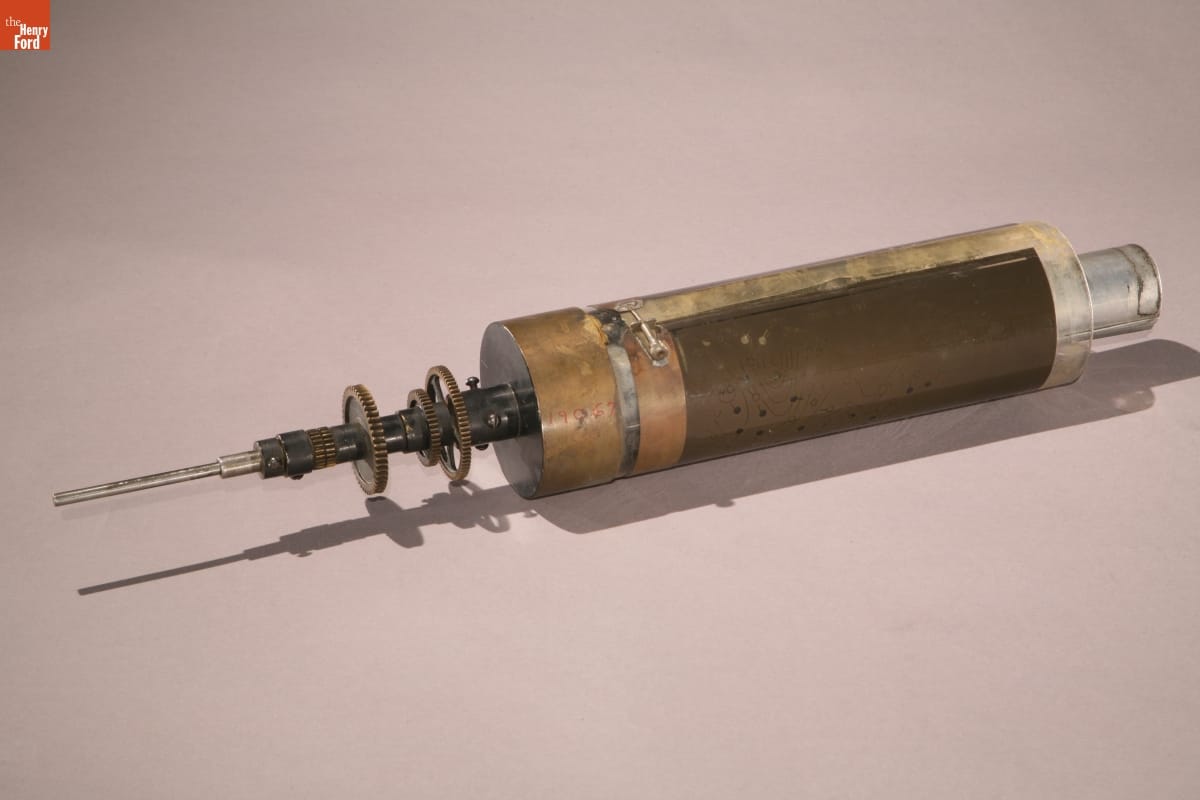
- Jenkins Transmitting Scanning Device for Weather Map Facsimile Recorder, circa 1927 - Charles Francis Jenkins, pioneer of mechanical scanning television, also developed one of the first marine facsimile systems, depicted here. In 1926, Jenkins created an experimental device similar to a modern fax machine, capable of transmitting weather maps to ships at sea. In September, it became a lifeline, guiding the USS <em>Kittery</em> to safety against the blows of the Great Miami Hurricane.
- circa 1927
- Collections - Artifact
Jenkins Transmitting Scanning Device for Weather Map Facsimile Recorder, circa 1927
Charles Francis Jenkins, pioneer of mechanical scanning television, also developed one of the first marine facsimile systems, depicted here. In 1926, Jenkins created an experimental device similar to a modern fax machine, capable of transmitting weather maps to ships at sea. In September, it became a lifeline, guiding the USS Kittery to safety against the blows of the Great Miami Hurricane.
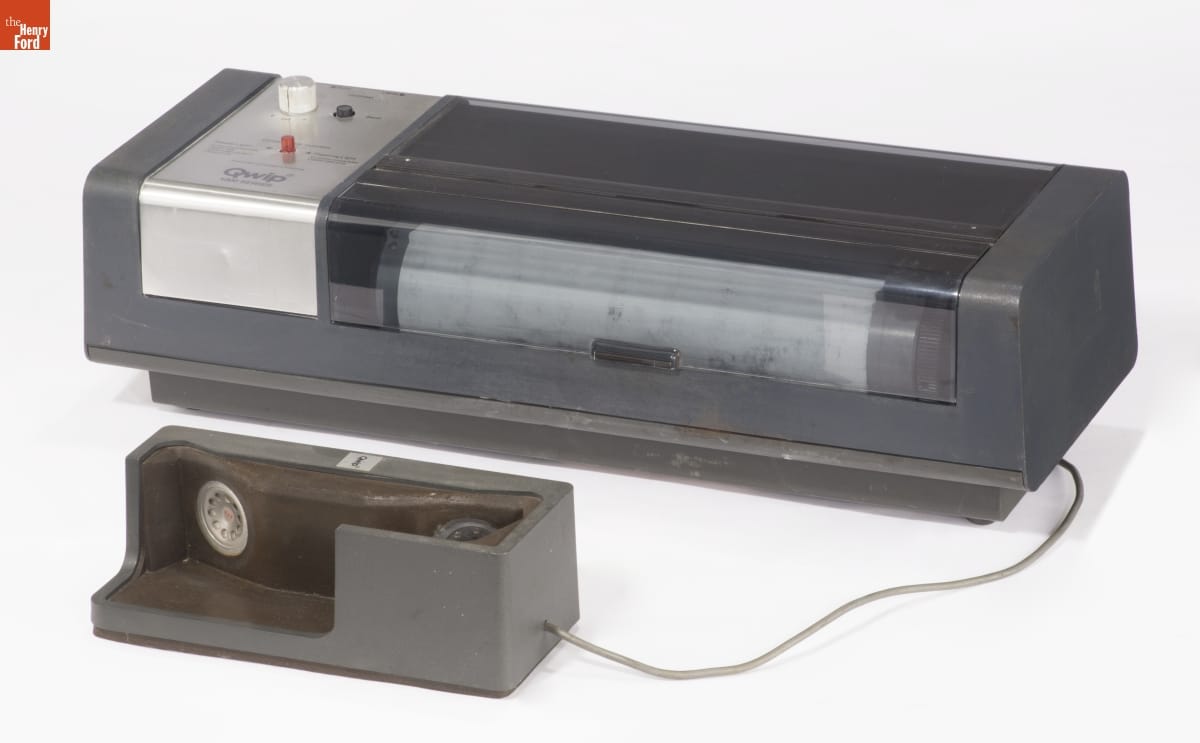
- Qwip Facsimile Transceiver, 1975-1985 - The Qwip is an early telephone-transmission fax machine. To transmit a document, two people established a telephone voice connection--a document attached to the drum of one fax machine, blank paper to the other. The transmitting Qwip read the document line by line, converting image into sound. The receiving fax then reassembled the sound back into a printed image.
- 1975-1985
- Collections - Artifact
Qwip Facsimile Transceiver, 1975-1985
The Qwip is an early telephone-transmission fax machine. To transmit a document, two people established a telephone voice connection--a document attached to the drum of one fax machine, blank paper to the other. The transmitting Qwip read the document line by line, converting image into sound. The receiving fax then reassembled the sound back into a printed image.
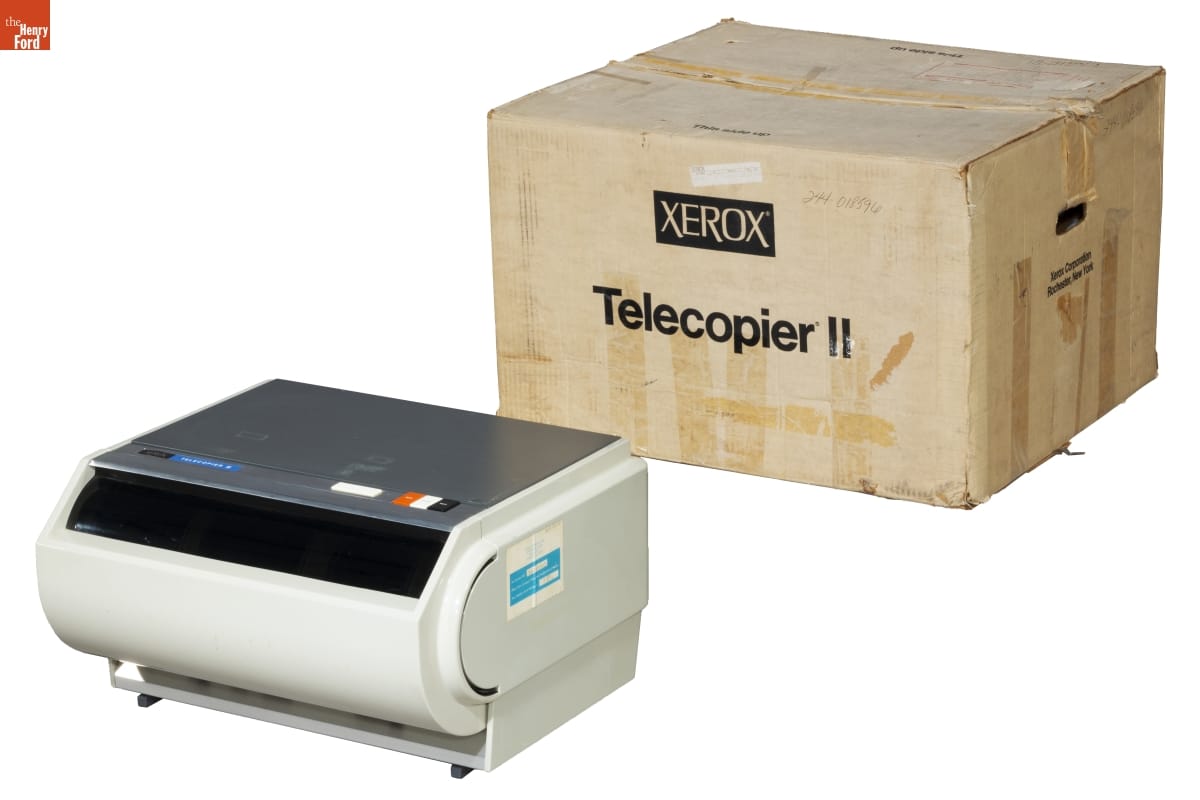
- Xerox Magnafax Telecopier II Fax Machine, circa 1968 -
- circa 1968
- Collections - Artifact
Xerox Magnafax Telecopier II Fax Machine, circa 1968
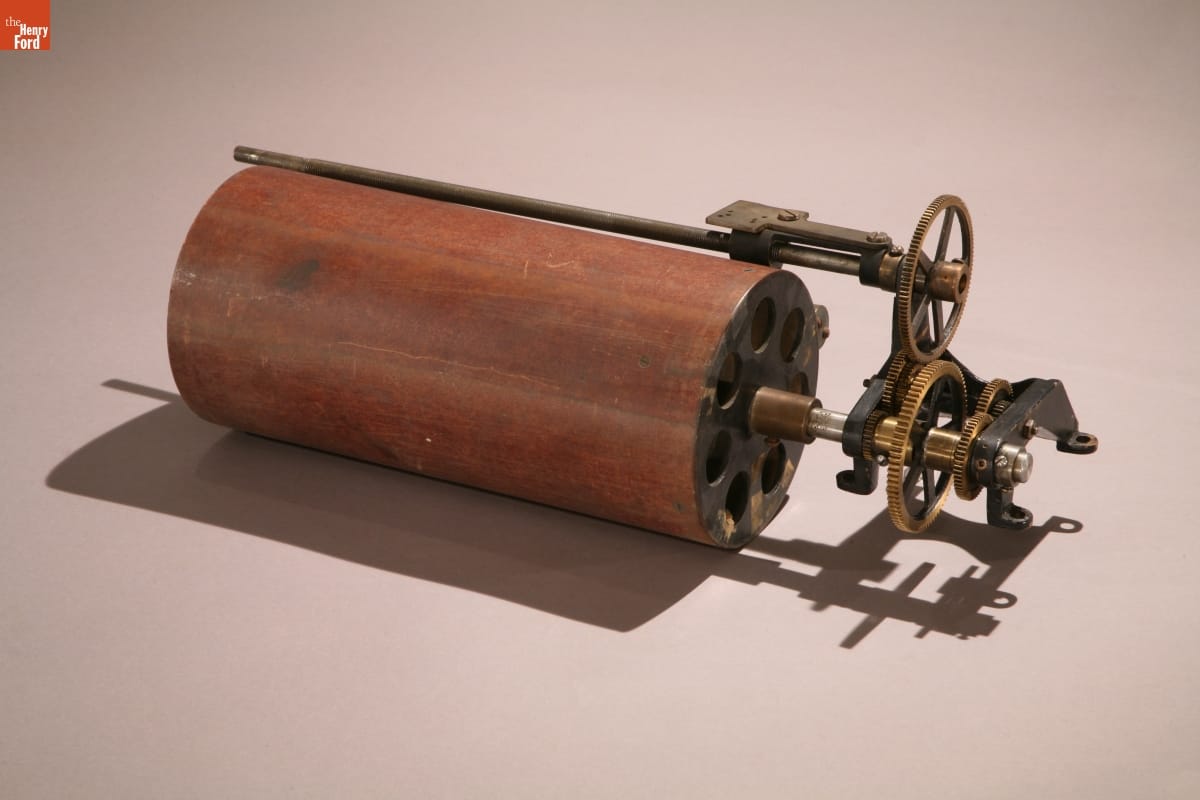
- Jenkins Scanner Drum for a Facsimile Receiver, circa 1927 - Charles Francis Jenkins, pioneer of mechanical scanning television, also developed one of the first marine facsimile systems, depicted here. In 1926, Jenkins created an experimental device similar to a modern fax machine, capable of transmitting weather maps to ships at sea. In September, it became a lifeline, guiding the USS <em>Kittery</em> to safety against the blows of the Great Miami Hurricane.
- circa 1927
- Collections - Artifact
Jenkins Scanner Drum for a Facsimile Receiver, circa 1927
Charles Francis Jenkins, pioneer of mechanical scanning television, also developed one of the first marine facsimile systems, depicted here. In 1926, Jenkins created an experimental device similar to a modern fax machine, capable of transmitting weather maps to ships at sea. In September, it became a lifeline, guiding the USS Kittery to safety against the blows of the Great Miami Hurricane.