
Search
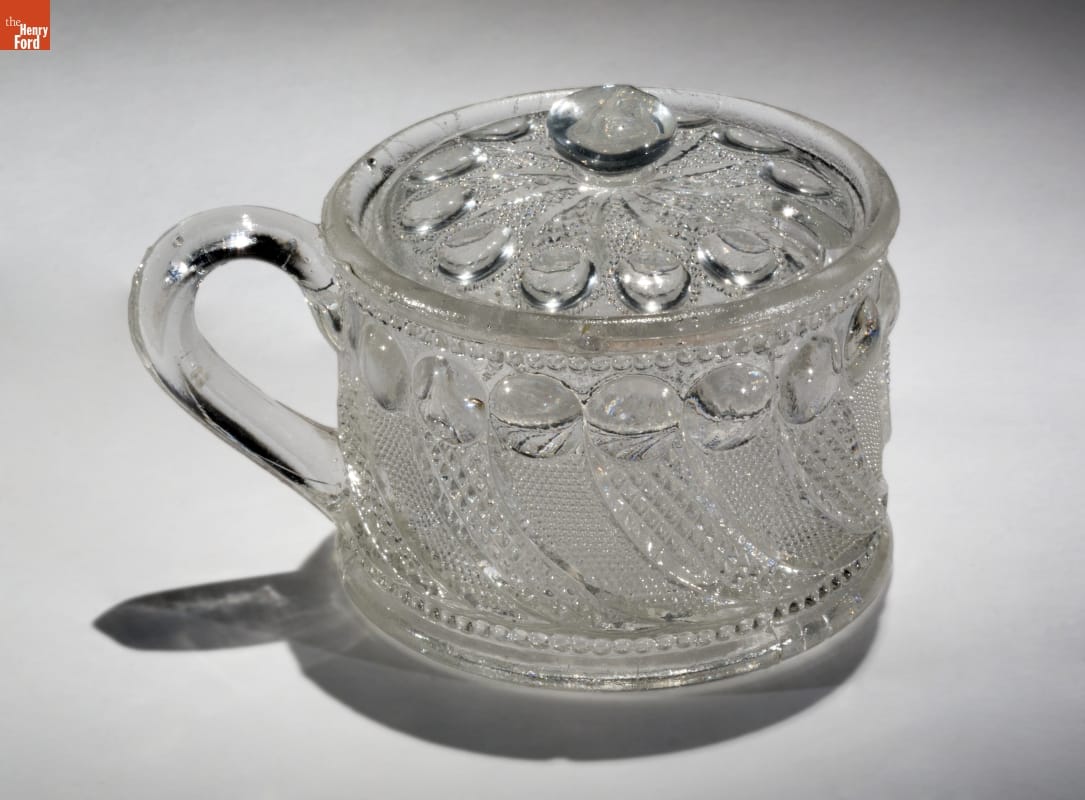
- Mustard Pot, 1830-1845 - Mechanically pressed glass was an innovation in glass history, making decorative, "patterned" glass available to a broad audience. One of the earliest types of pressed glass, dating to the 1830s is known as "Lacy Glass". Complex stippled patterns were developed to help hide technical defects caused by early presses, when the glass gather was cut off and dropped into a mold.
- 1830-1845
- Collections - Artifact
Mustard Pot, 1830-1845
Mechanically pressed glass was an innovation in glass history, making decorative, "patterned" glass available to a broad audience. One of the earliest types of pressed glass, dating to the 1830s is known as "Lacy Glass". Complex stippled patterns were developed to help hide technical defects caused by early presses, when the glass gather was cut off and dropped into a mold.
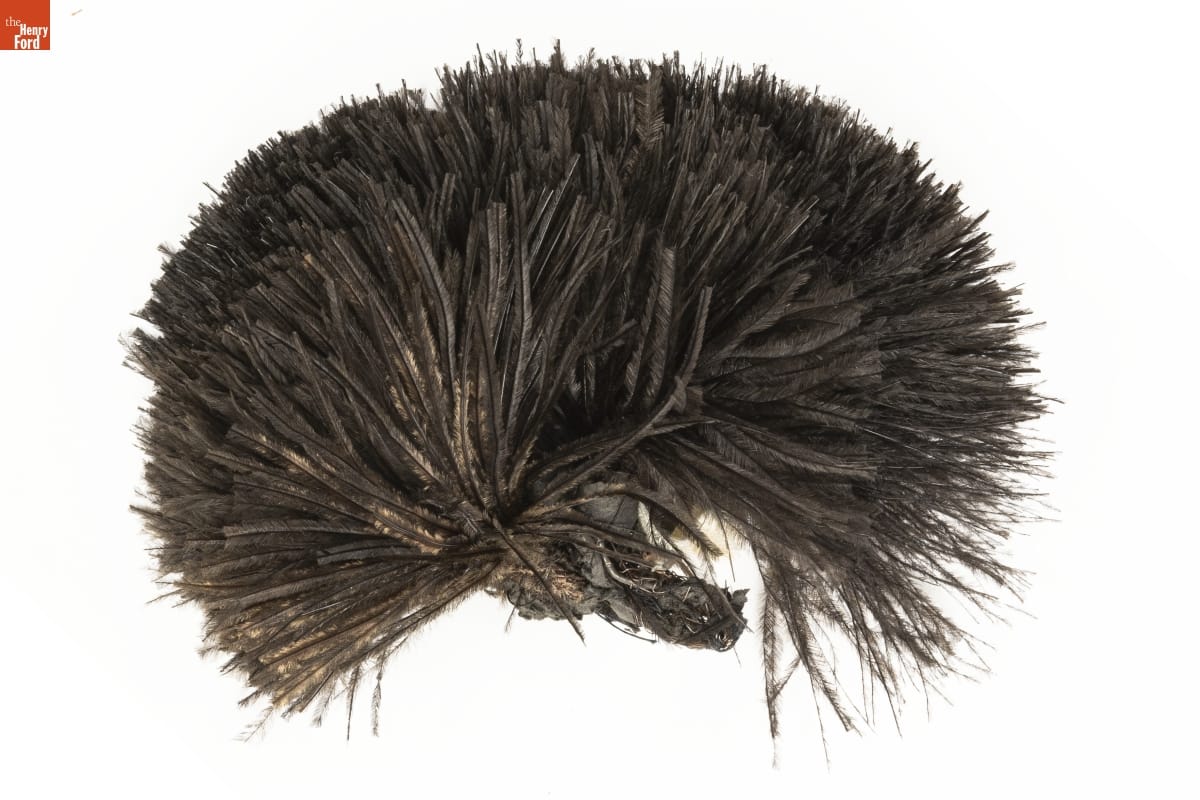
- Millinery Feathers, 1900-1915 - By the early 20th century, demands for feathers and other bird parts as fashionable decorations for women's hats helped spur the decline of bird populations. Several species became extinct. Many well-to-do women rallied with conservationists to protect birds, refusing to wear hats with bird plumage and urging the passage of strict regulatory laws. The U.S. Congress passed the Migratory Bird Treaty Act in 1918.
- 1900-1915
- Collections - Artifact
Millinery Feathers, 1900-1915
By the early 20th century, demands for feathers and other bird parts as fashionable decorations for women's hats helped spur the decline of bird populations. Several species became extinct. Many well-to-do women rallied with conservationists to protect birds, refusing to wear hats with bird plumage and urging the passage of strict regulatory laws. The U.S. Congress passed the Migratory Bird Treaty Act in 1918.
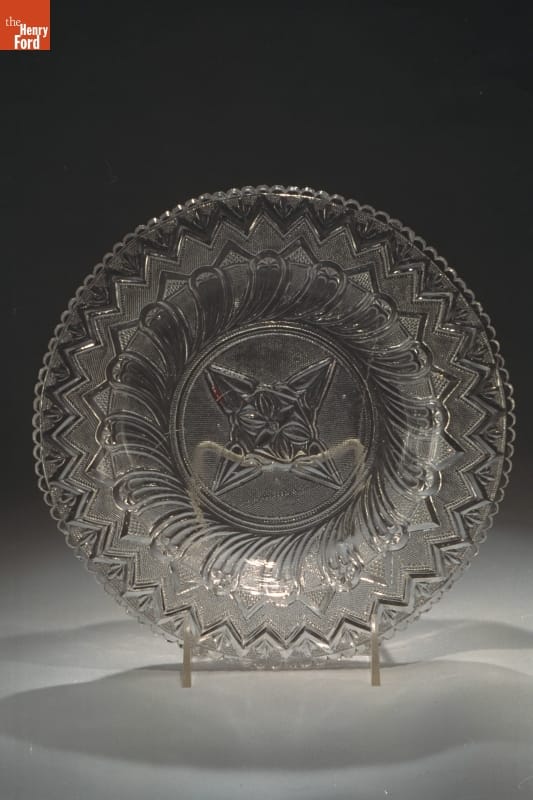
- Dish, 1830-1845 - Mechanically pressed glass was an innovation in glass history, making decorative, "patterned" glass available to a broad audience. One of the earliest types of pressed glass, dating to the 1830s is known as "Lacy Glass". Complex stippled patterns were developed to help hide technical defects caused by early presses, when the glass gather was cut off and dropped into a mold.
- 1830-1845
- Collections - Artifact
Dish, 1830-1845
Mechanically pressed glass was an innovation in glass history, making decorative, "patterned" glass available to a broad audience. One of the earliest types of pressed glass, dating to the 1830s is known as "Lacy Glass". Complex stippled patterns were developed to help hide technical defects caused by early presses, when the glass gather was cut off and dropped into a mold.
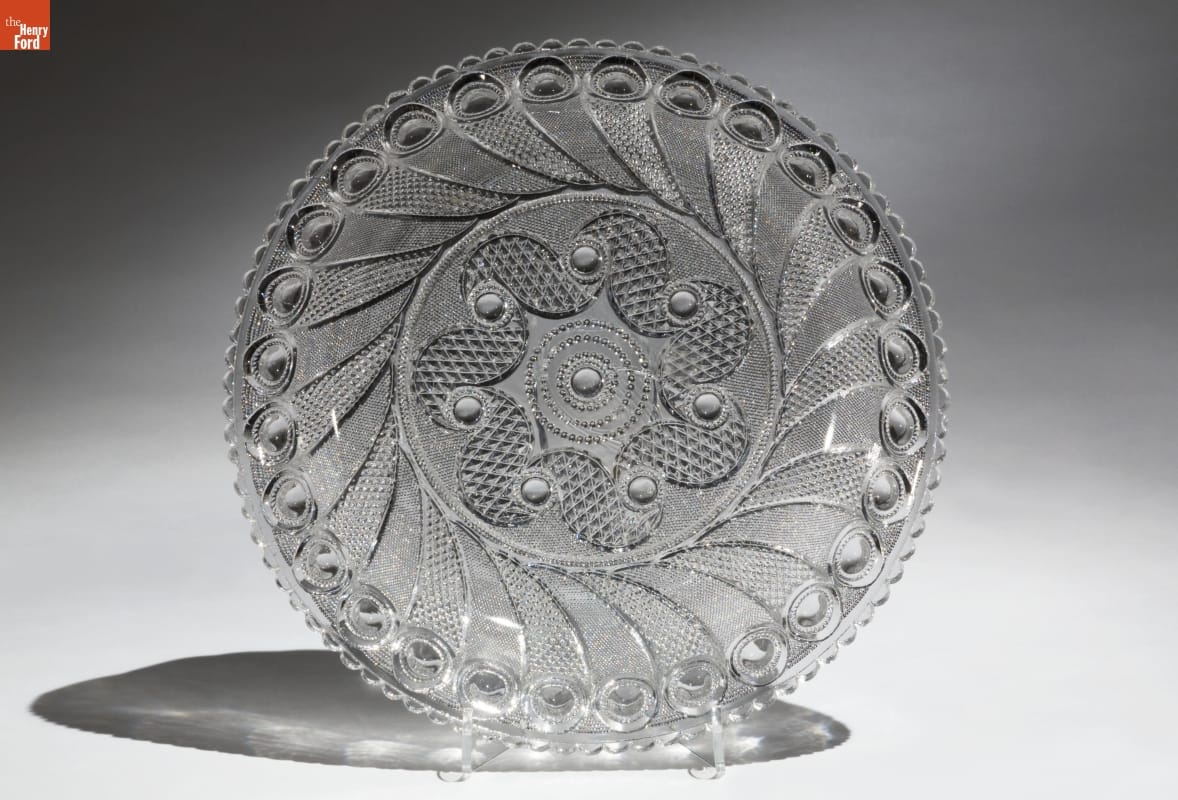
- Dish, 1830-1845 - Mechanically pressed glass was an innovation in glass history, making decorative, "patterned" glass available to a broad audience. One of the earliest types of pressed glass, dating to the 1830s is known as "Lacy Glass". Complex stippled patterns were developed to help hide technical defects caused by early presses, when the glass gather was cut off and dropped into a mold.
- 1830-1845
- Collections - Artifact
Dish, 1830-1845
Mechanically pressed glass was an innovation in glass history, making decorative, "patterned" glass available to a broad audience. One of the earliest types of pressed glass, dating to the 1830s is known as "Lacy Glass". Complex stippled patterns were developed to help hide technical defects caused by early presses, when the glass gather was cut off and dropped into a mold.
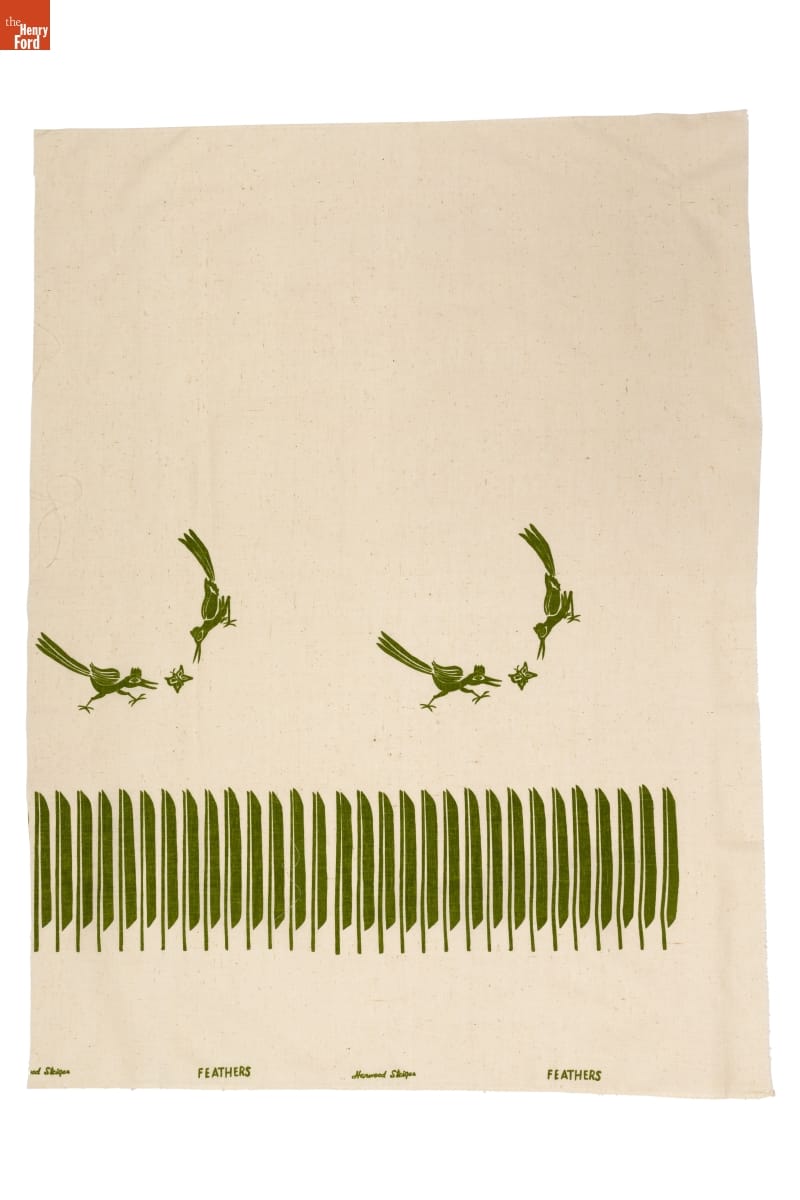
- Harwood Steiger Fabric, "Feathers" - The screen-printed fabrics produced by the studio of Harwood Steiger, Inc. are replete with motifs from the American Southwest. Although husband-and-wife proprietors Harwood and Sophie Steiger were born in the Northeast, the Sonoran Desert became their home. Its flora, fauna, and wildlife were a constant inspiration in their enduring partnership, which saw Harwood as the primary artist, and Sophie as the expert botanist and businesswoman.
- 1956-1980
- Collections - Artifact
Harwood Steiger Fabric, "Feathers"
The screen-printed fabrics produced by the studio of Harwood Steiger, Inc. are replete with motifs from the American Southwest. Although husband-and-wife proprietors Harwood and Sophie Steiger were born in the Northeast, the Sonoran Desert became their home. Its flora, fauna, and wildlife were a constant inspiration in their enduring partnership, which saw Harwood as the primary artist, and Sophie as the expert botanist and businesswoman.
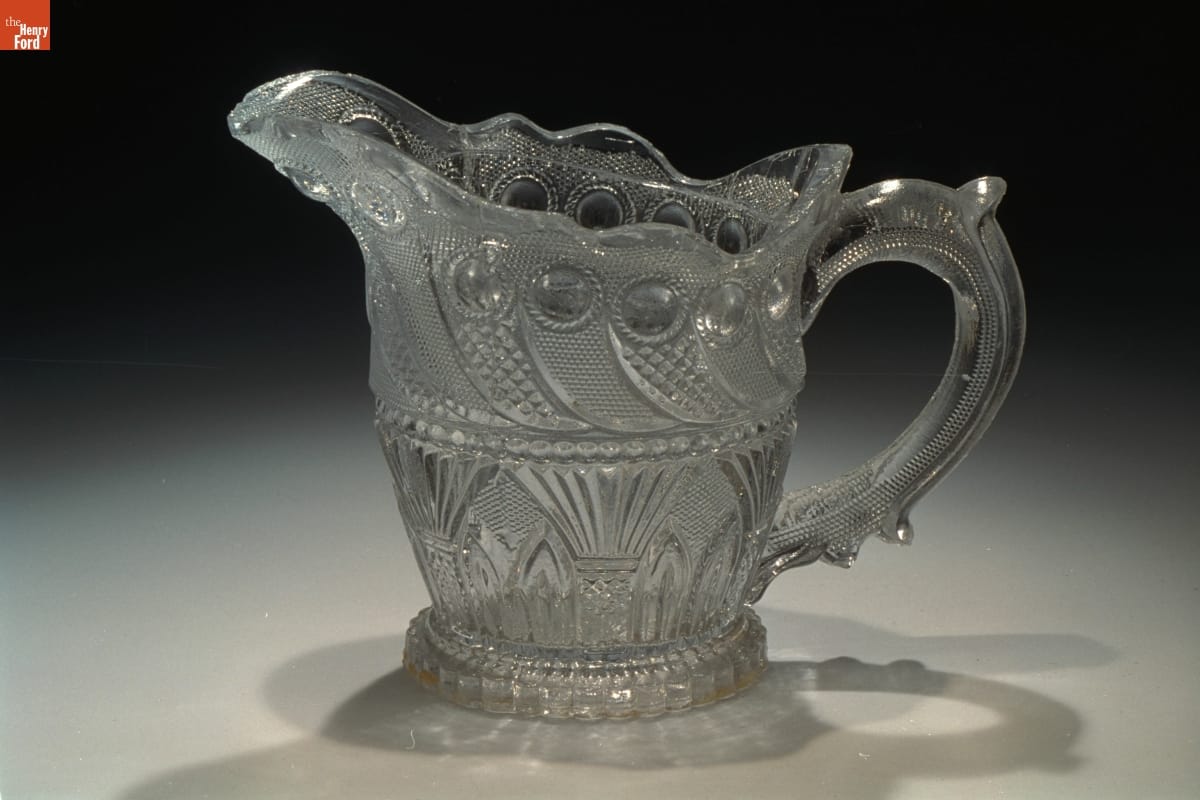
- Creamer, 1830-1840 - Mechanically pressed glass was an innovation in glass history, making decorative, "patterned" glass available to a broad audience. One of the earliest types of pressed glass, dating to the 1830s is known as "Lacy Glass". Complex stippled patterns were developed to help hide technical defects caused by early presses, when the glass gather was cut off and dropped into a mold.
- 1830-1840
- Collections - Artifact
Creamer, 1830-1840
Mechanically pressed glass was an innovation in glass history, making decorative, "patterned" glass available to a broad audience. One of the earliest types of pressed glass, dating to the 1830s is known as "Lacy Glass". Complex stippled patterns were developed to help hide technical defects caused by early presses, when the glass gather was cut off and dropped into a mold.
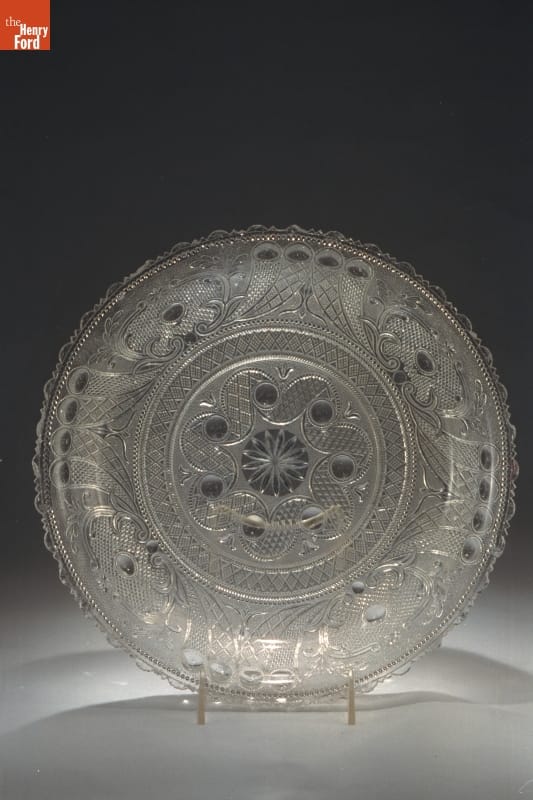
- Bowl, 1830-1840 - Mechanically pressed glass was an innovation in glass history, making decorative, "patterned" glass available to a broad audience. One of the earliest types of pressed glass, dating to the 1830s is known as "Lacy Glass". Complex stippled patterns were developed to help hide technical defects caused by early presses, when the glass gather was cut off and dropped into a mold.
- 1830-1840
- Collections - Artifact
Bowl, 1830-1840
Mechanically pressed glass was an innovation in glass history, making decorative, "patterned" glass available to a broad audience. One of the earliest types of pressed glass, dating to the 1830s is known as "Lacy Glass". Complex stippled patterns were developed to help hide technical defects caused by early presses, when the glass gather was cut off and dropped into a mold.
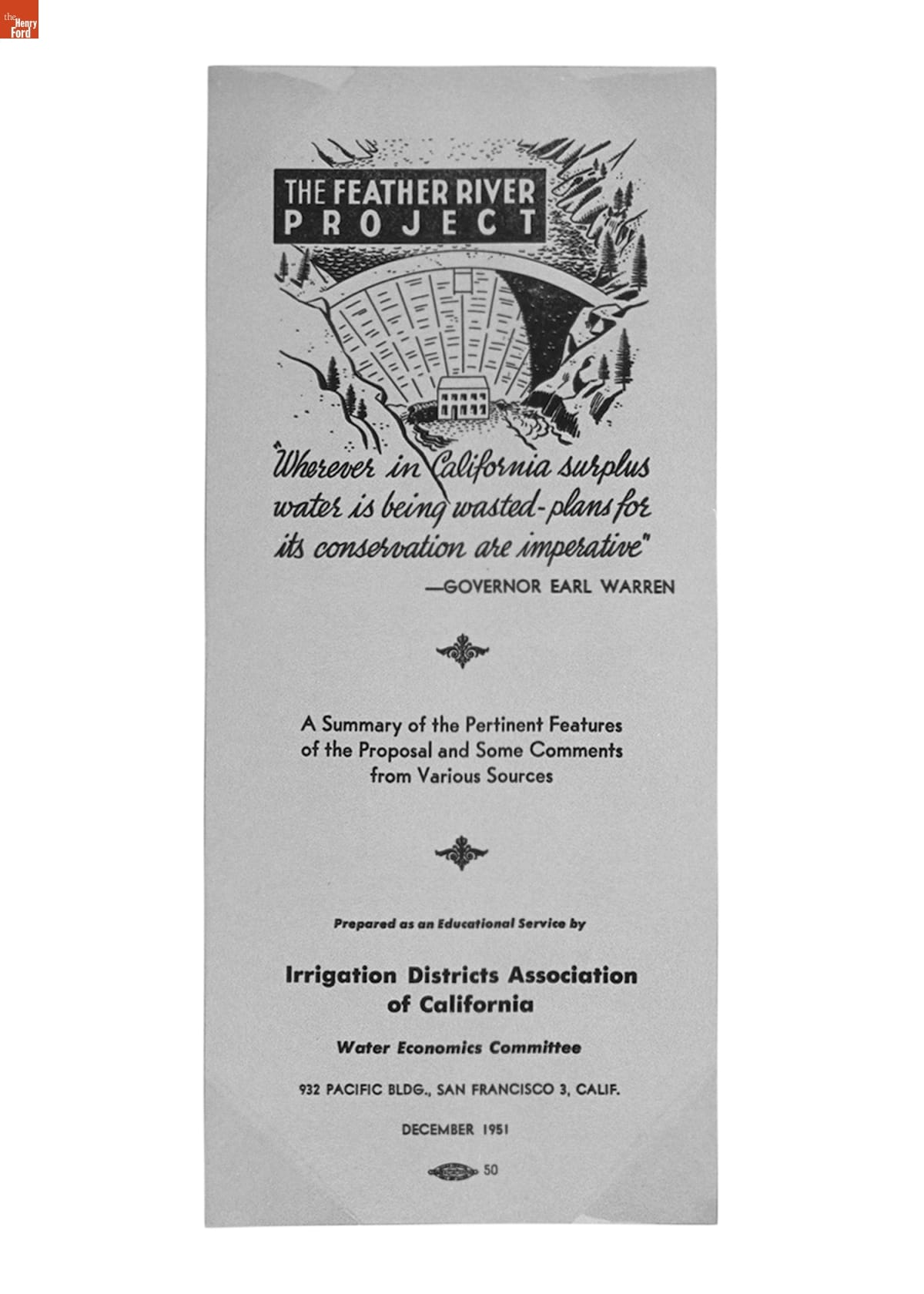
- The Feather River Project, December 1951 -
- December 01, 1951
- Collections - Artifact
The Feather River Project, December 1951
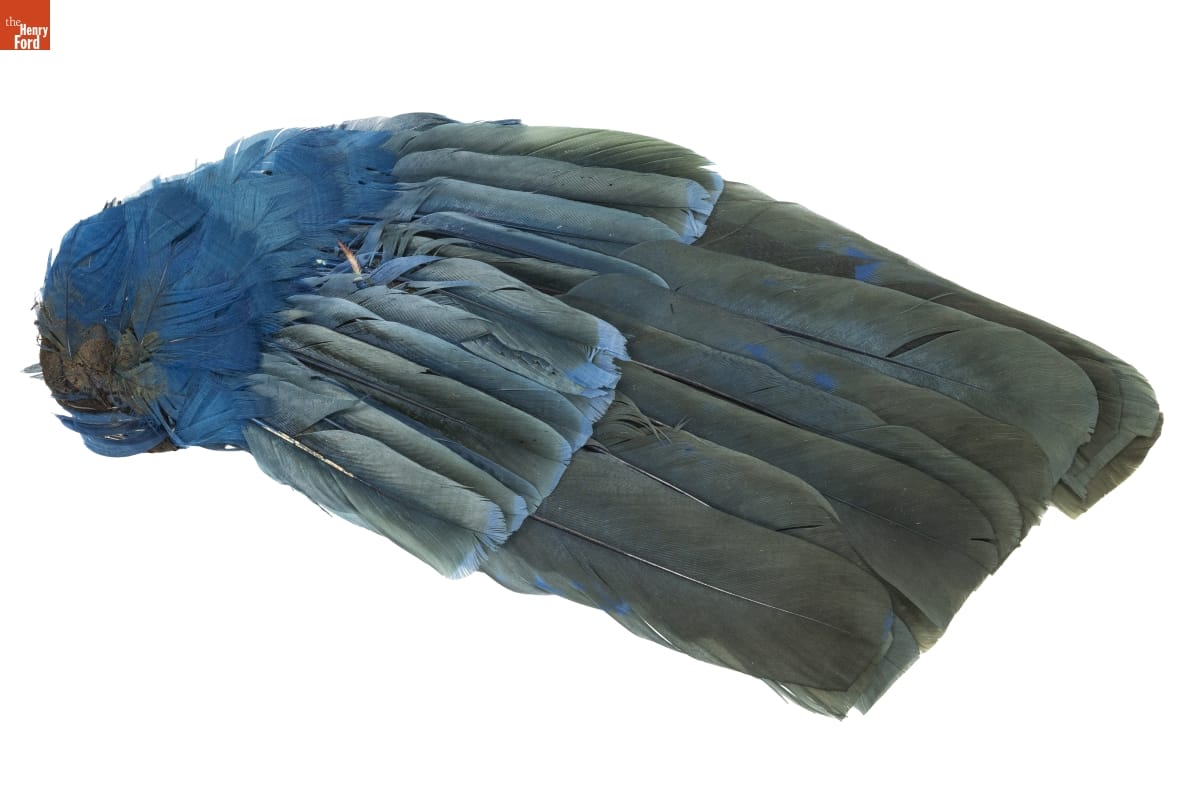
- Millinery Feathers, 1900-1915 - By the early 20th century, demands for feathers and other bird parts as fashionable decorations for women's hats helped spur the decline of bird populations. Several species became extinct. Many well-to-do women rallied with conservationists to protect birds, refusing to wear hats with bird plumage and urging the passage of strict regulatory laws. The U.S. Congress passed the Migratory Bird Treaty Act in 1918.
- 1900-1915
- Collections - Artifact
Millinery Feathers, 1900-1915
By the early 20th century, demands for feathers and other bird parts as fashionable decorations for women's hats helped spur the decline of bird populations. Several species became extinct. Many well-to-do women rallied with conservationists to protect birds, refusing to wear hats with bird plumage and urging the passage of strict regulatory laws. The U.S. Congress passed the Migratory Bird Treaty Act in 1918.
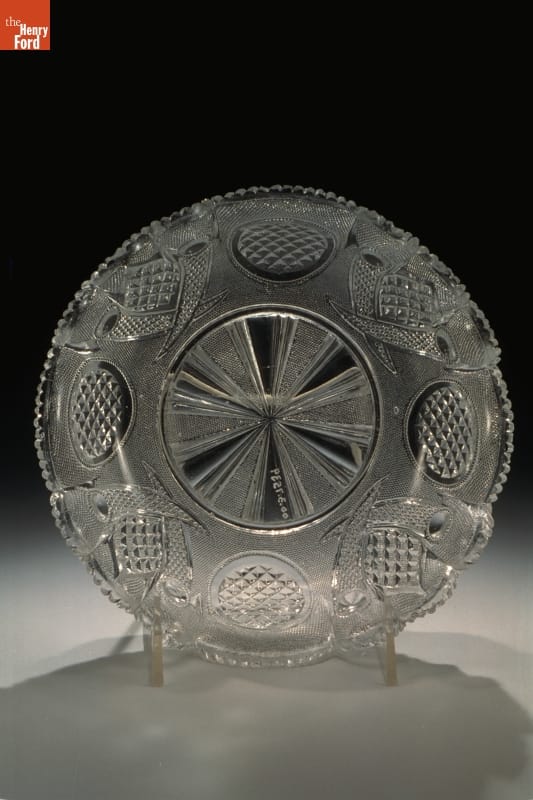
- Dish, 1840-1850 - Mechanically pressed glass was an innovation in glass history, making decorative, "patterned" glass available to a broad audience. One of the earliest types of pressed glass, dating to the 1830s is known as "Lacy Glass". Complex stippled patterns were developed to help hide technical defects caused by early presses, when the glass gather was cut off and dropped into a mold.
- 1840-1850
- Collections - Artifact
Dish, 1840-1850
Mechanically pressed glass was an innovation in glass history, making decorative, "patterned" glass available to a broad audience. One of the earliest types of pressed glass, dating to the 1830s is known as "Lacy Glass". Complex stippled patterns were developed to help hide technical defects caused by early presses, when the glass gather was cut off and dropped into a mold.