
Search
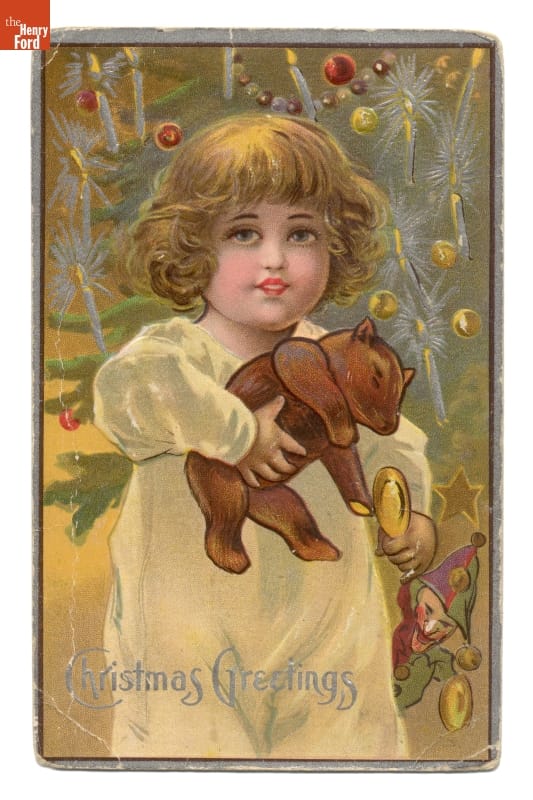
- "Christmas Greetings," 1910-1920 - Colorful, commercially designed greeting cards were popular in early 20th-century America--especially during the holidays. Friends and neighbors customarily exchanged cards wishing one another a Merry Christmas or Happy New Year. This example features a child, a common motif that captured the youthful delight of the season and the promise of the coming year.
- 1910-1920
- Collections - Artifact
"Christmas Greetings," 1910-1920
Colorful, commercially designed greeting cards were popular in early 20th-century America--especially during the holidays. Friends and neighbors customarily exchanged cards wishing one another a Merry Christmas or Happy New Year. This example features a child, a common motif that captured the youthful delight of the season and the promise of the coming year.
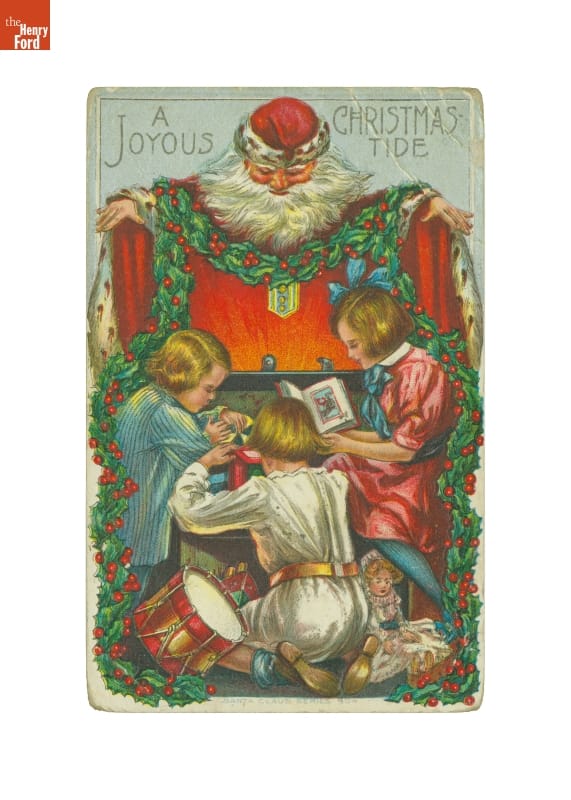
- "A Joyous Christmastide," 1910-1920 - Colorful, commercially designed greeting cards were popular in early 20th-century America--especially during the holidays. Friends and neighbors commonly exchanged cards wishing the recipient a merry Christmas or happy New Year. To represent the youthful delight of the season and the promise of the coming year, publishers sometimes decorated Christmas cards with images of children.
- 1910-1920
- Collections - Artifact
"A Joyous Christmastide," 1910-1920
Colorful, commercially designed greeting cards were popular in early 20th-century America--especially during the holidays. Friends and neighbors commonly exchanged cards wishing the recipient a merry Christmas or happy New Year. To represent the youthful delight of the season and the promise of the coming year, publishers sometimes decorated Christmas cards with images of children.
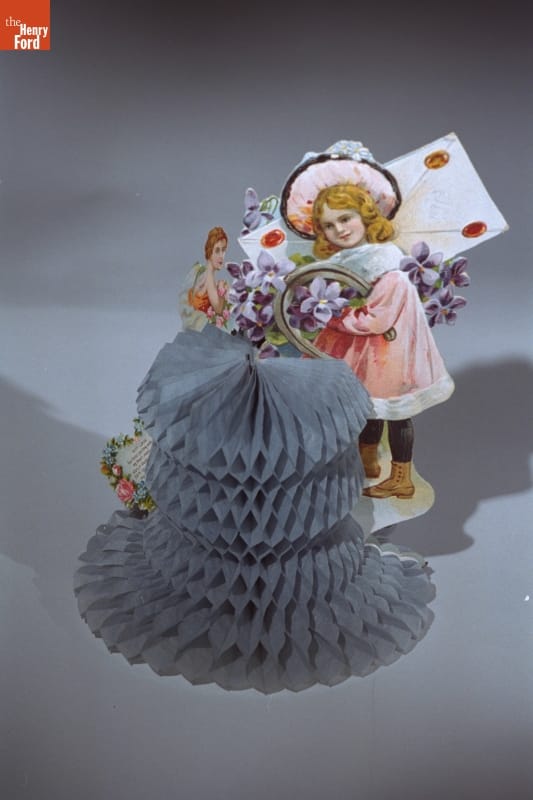
- Three-Dimensional Valentine Card, "With Love," 1900-1920 - The custom of sending messages of affection on February 14 dates back to Roman times, when mid-February was a time to meet and court prospective mates. The earliest American valentines were labors of love, handmade by the sender. The spread of commercially produced valentines in the second half of the nineteenth century made sending and receiving Valentine's Day cards a more lighthearted activity.
- 1900-1920
- Collections - Artifact
Three-Dimensional Valentine Card, "With Love," 1900-1920
The custom of sending messages of affection on February 14 dates back to Roman times, when mid-February was a time to meet and court prospective mates. The earliest American valentines were labors of love, handmade by the sender. The spread of commercially produced valentines in the second half of the nineteenth century made sending and receiving Valentine's Day cards a more lighthearted activity.
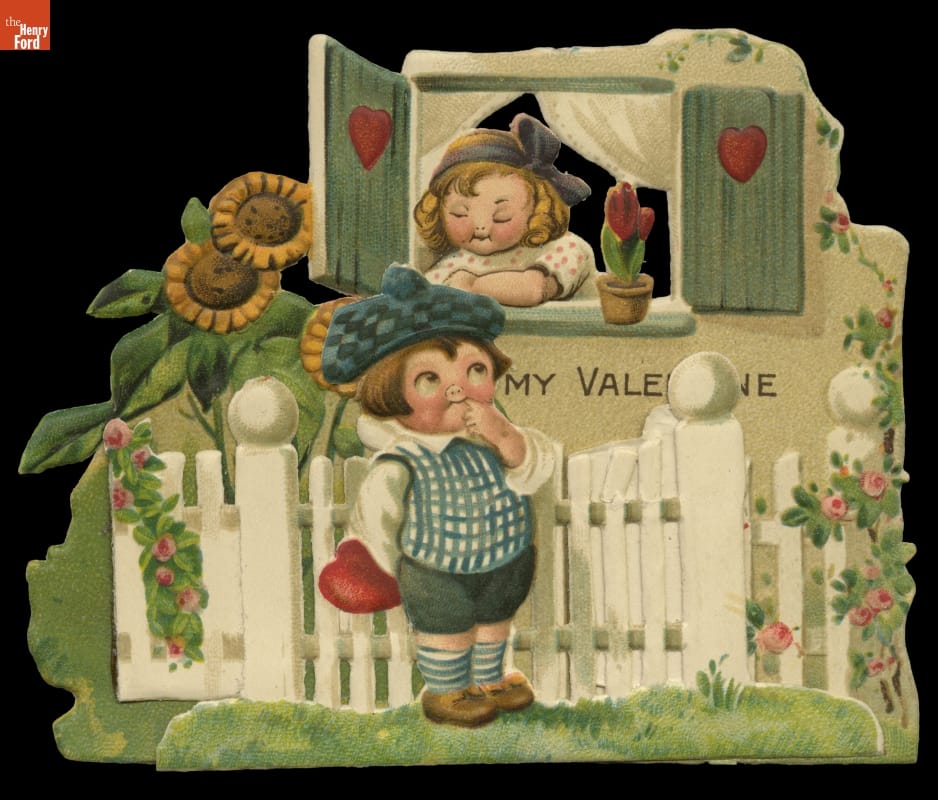
- Fold-out Valentine's Day Card, "To My Valentine," 1900-1920 - The custom of sending messages of affection on February 14 dates back to Roman times, when mid-February was a time to meet and court prospective mates. The earliest American valentines were labors of love, handmade by the sender. The spread of commercially produced valentines in the second half of the nineteenth century made sending and receiving Valentine's Day cards a more lighthearted activity.
- 1900-1920
- Collections - Artifact
Fold-out Valentine's Day Card, "To My Valentine," 1900-1920
The custom of sending messages of affection on February 14 dates back to Roman times, when mid-February was a time to meet and court prospective mates. The earliest American valentines were labors of love, handmade by the sender. The spread of commercially produced valentines in the second half of the nineteenth century made sending and receiving Valentine's Day cards a more lighthearted activity.
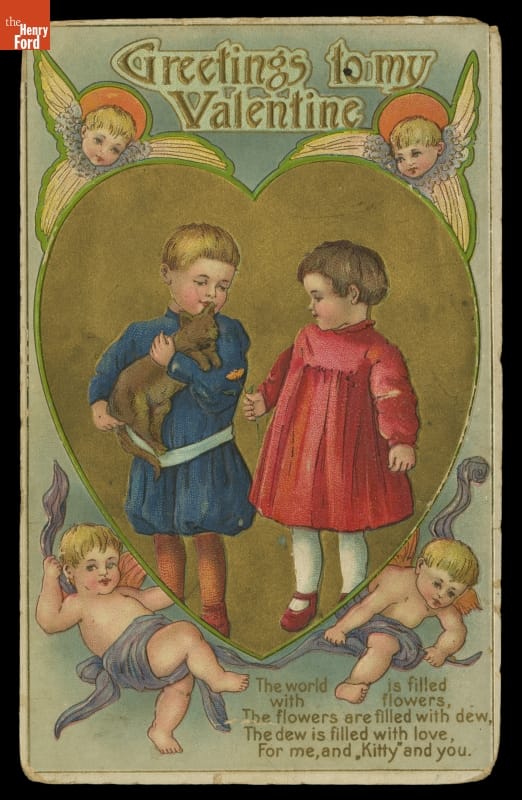
- Valentine Postcard, "Greetings to My Valentine," circa 1910 - The custom of sending messages of affection on February 14 dates back to Roman times, when mid-February was a time to meet and court prospective mates. The earliest American valentines were labors of love, handmade by the sender. The spread of commercially produced valentines in the second half of the nineteenth century made sending and receiving Valentine's Day cards a more lighthearted activity.
- circa 1910
- Collections - Artifact
Valentine Postcard, "Greetings to My Valentine," circa 1910
The custom of sending messages of affection on February 14 dates back to Roman times, when mid-February was a time to meet and court prospective mates. The earliest American valentines were labors of love, handmade by the sender. The spread of commercially produced valentines in the second half of the nineteenth century made sending and receiving Valentine's Day cards a more lighthearted activity.
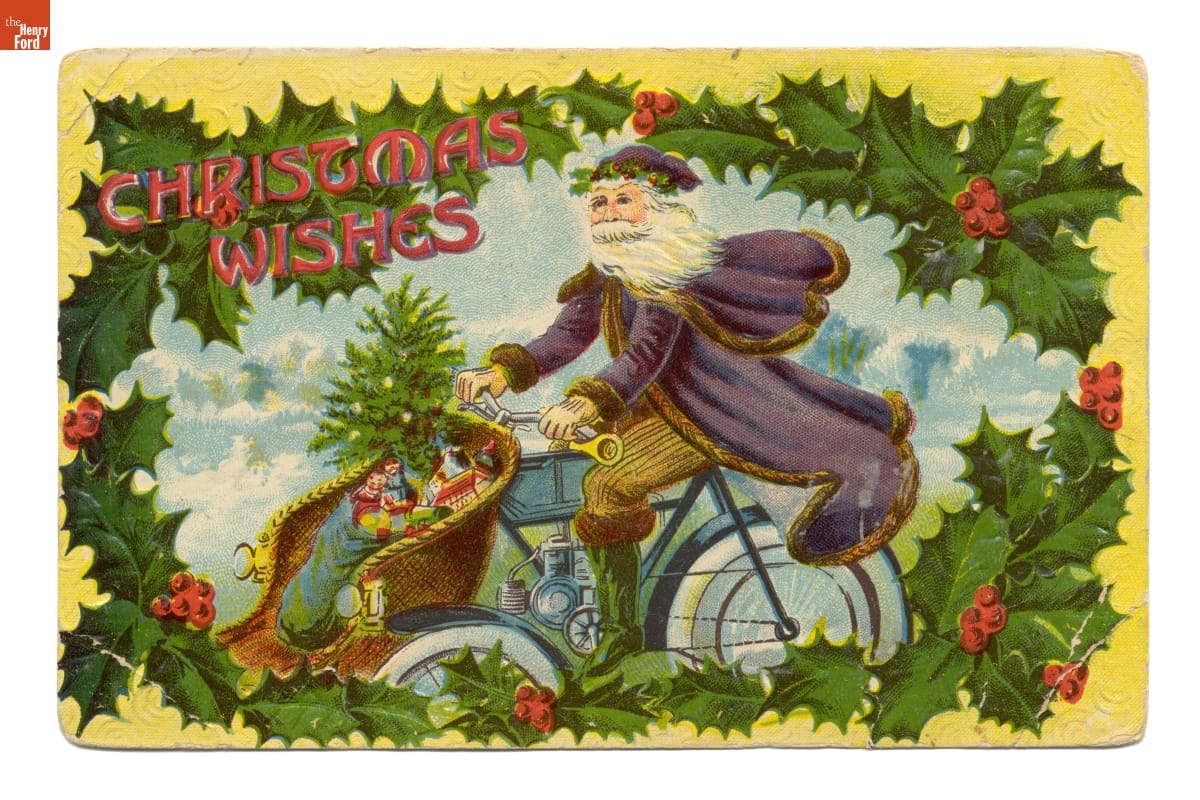
- "Christmas Wishes," 1910-1920 - Mailing colorful, commercially designed greeting cards was a 20th-century American tradition. During the holidays, friends and neighbors commonly exchanged cards wishing the recipient a Mery Christmas or Happy New Year. Santa Claus, a regular feature, is sometimes depicted non-traditionally in scenes that reflect the time. This example from the 1910s shows the legendary figure on a modern motorcycle laden with gifts.
- 1910-1920
- Collections - Artifact
"Christmas Wishes," 1910-1920
Mailing colorful, commercially designed greeting cards was a 20th-century American tradition. During the holidays, friends and neighbors commonly exchanged cards wishing the recipient a Mery Christmas or Happy New Year. Santa Claus, a regular feature, is sometimes depicted non-traditionally in scenes that reflect the time. This example from the 1910s shows the legendary figure on a modern motorcycle laden with gifts.
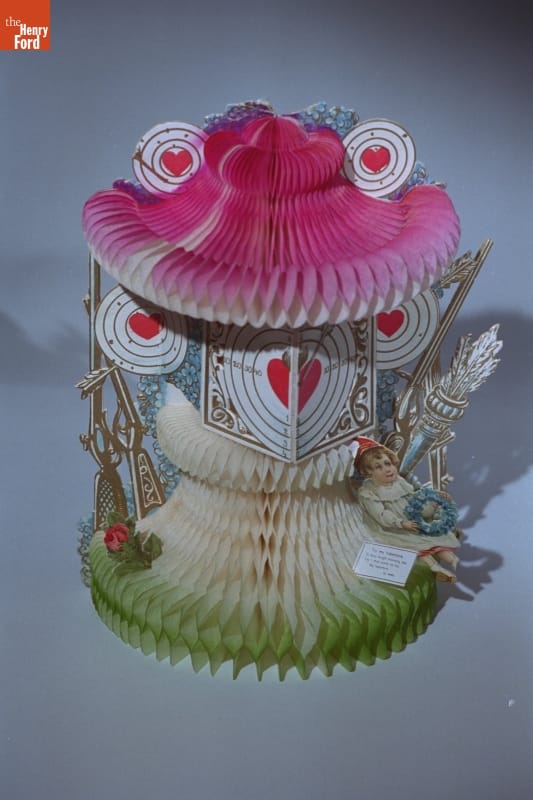
- Three-Dimensional Valentine Card, "To My Valentine O Thou Bright Morning Star," 1900-1920 - The custom of sending messages of affection on February 14 dates back to Roman times, when mid-February was a time to meet and court prospective mates. The earliest American valentines were labors of love, handmade by the sender. The spread of commercially produced valentines in the second half of the nineteenth century made sending and receiving Valentine's Day cards a more lighthearted activity.
- 1900-1920
- Collections - Artifact
Three-Dimensional Valentine Card, "To My Valentine O Thou Bright Morning Star," 1900-1920
The custom of sending messages of affection on February 14 dates back to Roman times, when mid-February was a time to meet and court prospective mates. The earliest American valentines were labors of love, handmade by the sender. The spread of commercially produced valentines in the second half of the nineteenth century made sending and receiving Valentine's Day cards a more lighthearted activity.
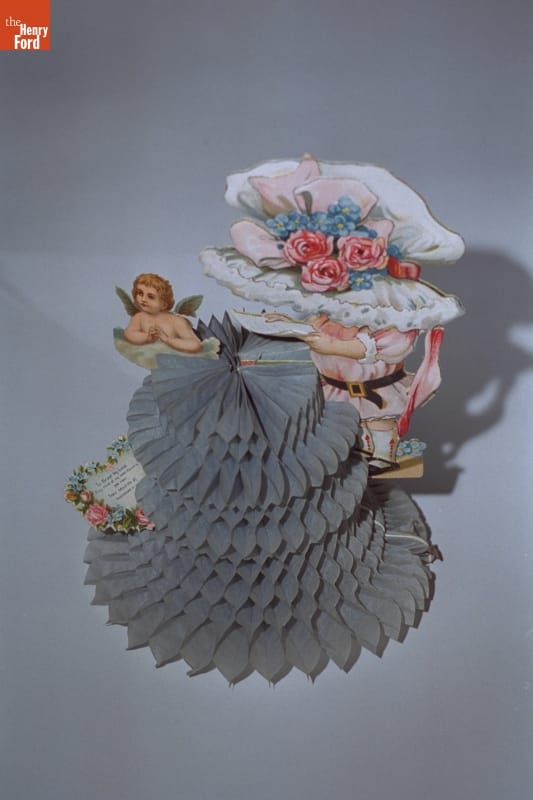
- Three-Dimensional Valentine, "To Greet My Love," 1900-1920 - The custom of sending messages of affection on February 14 dates back to Roman times, when mid-February was a time to meet and court prospective mates. The earliest American valentines were labors of love, handmade by the sender. The spread of commercially produced valentines in the second half of the nineteenth century made sending and receiving Valentine's Day cards a more lighthearted activity.
- 1900-1920
- Collections - Artifact
Three-Dimensional Valentine, "To Greet My Love," 1900-1920
The custom of sending messages of affection on February 14 dates back to Roman times, when mid-February was a time to meet and court prospective mates. The earliest American valentines were labors of love, handmade by the sender. The spread of commercially produced valentines in the second half of the nineteenth century made sending and receiving Valentine's Day cards a more lighthearted activity.
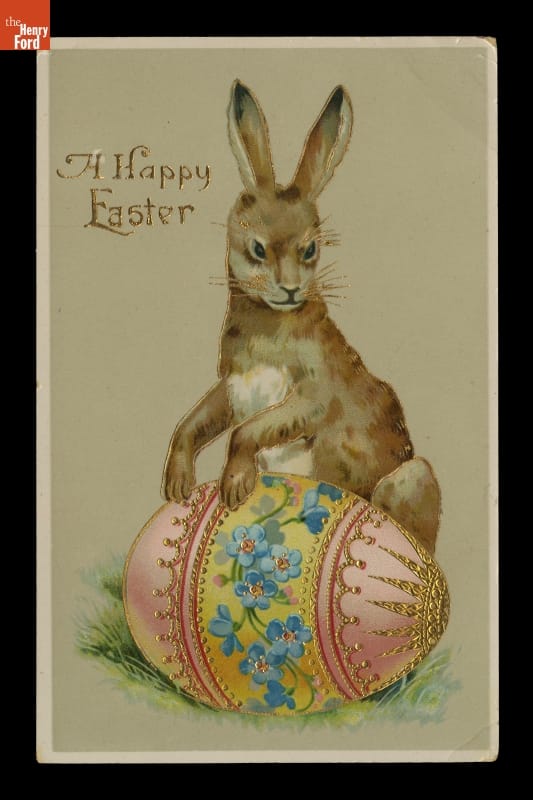
- "Happy Easter," circa 1910 - Sending greeting cards and postcards for the Easter holiday became popular in the United States by the 1880s. Publishers made cards with themes of a religious nature as well as secular decorations to celebrate the arrival of spring. Artists working for these publishers illustrated the cards with images symbolic of the season, such as crosses, angels, flowers, eggs, children, birds, and rabbits.
- circa 1910
- Collections - Artifact
"Happy Easter," circa 1910
Sending greeting cards and postcards for the Easter holiday became popular in the United States by the 1880s. Publishers made cards with themes of a religious nature as well as secular decorations to celebrate the arrival of spring. Artists working for these publishers illustrated the cards with images symbolic of the season, such as crosses, angels, flowers, eggs, children, birds, and rabbits.
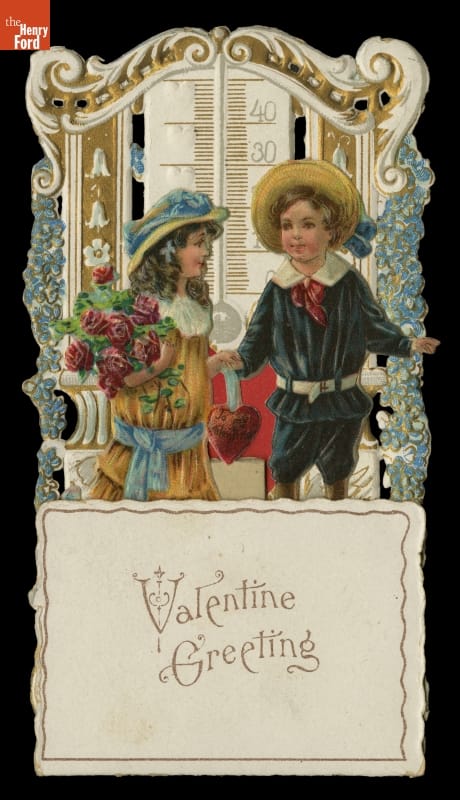
- Valentine Card, "Valentine Greeting," 1900-1920 - The custom of sending messages of affection on February 14 dates back to Roman times, when mid-February was a time to meet and court prospective mates. The earliest American valentines were labors of love, handmade by the sender. The spread of commercially produced valentines in the second half of the nineteenth century made sending and receiving Valentine's Day cards a more lighthearted activity.
- 1900-1920
- Collections - Artifact
Valentine Card, "Valentine Greeting," 1900-1920
The custom of sending messages of affection on February 14 dates back to Roman times, when mid-February was a time to meet and court prospective mates. The earliest American valentines were labors of love, handmade by the sender. The spread of commercially produced valentines in the second half of the nineteenth century made sending and receiving Valentine's Day cards a more lighthearted activity.