
Search
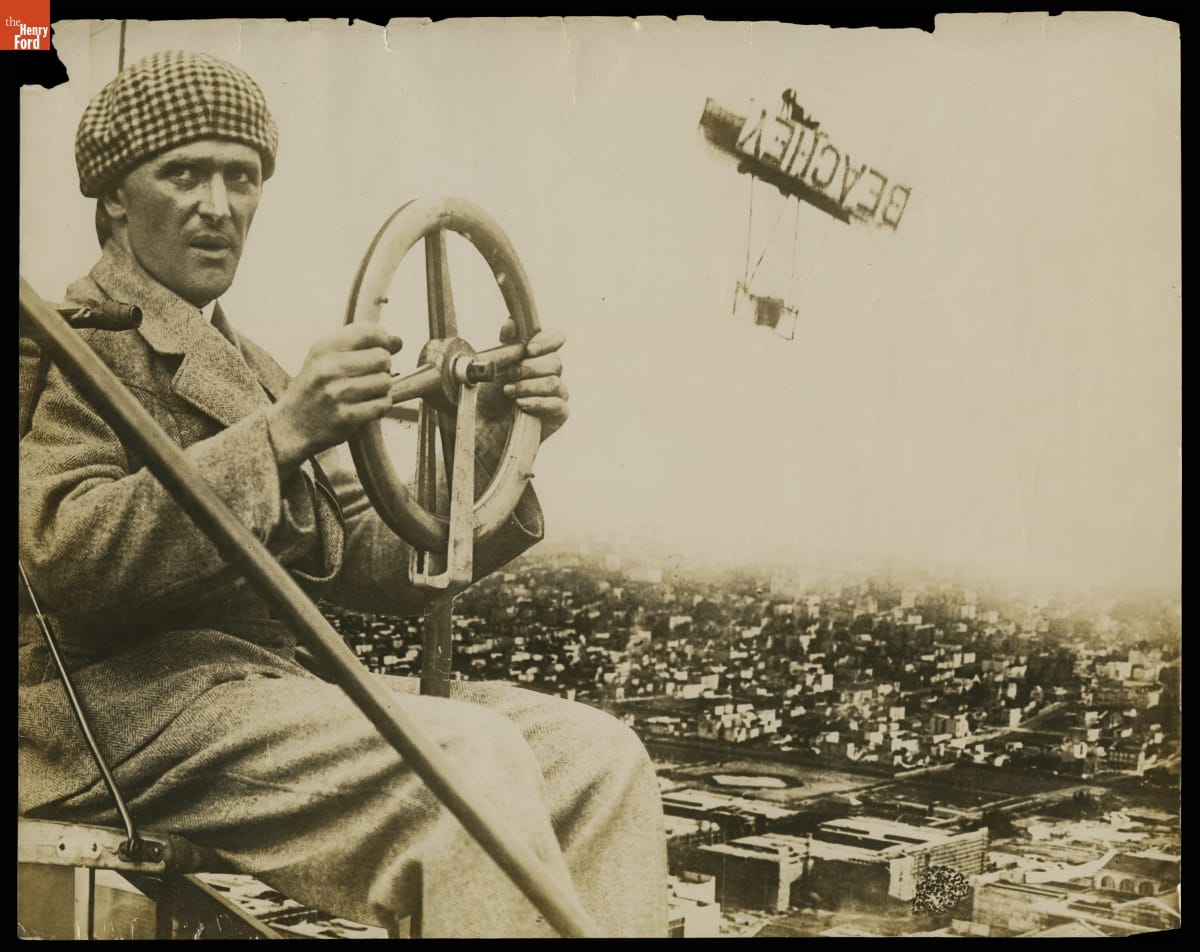
- Lincoln Beachey Stunt Flying over San Francisco, California, circa 1915 - Lincoln Beachey is remembered as America's first great stunt flyer. He perfected a series of aerobatic maneuvers -- including spins, dives, spirals, and loops -- and earned fame and fortune by staging heart-stopping exhibition flights for audiences across the country. Beachey died when the wings broke loose from his airplane during a stunt flight over San Francisco Bay in 1915.
- circa 1915
- Collections - Artifact
Lincoln Beachey Stunt Flying over San Francisco, California, circa 1915
Lincoln Beachey is remembered as America's first great stunt flyer. He perfected a series of aerobatic maneuvers -- including spins, dives, spirals, and loops -- and earned fame and fortune by staging heart-stopping exhibition flights for audiences across the country. Beachey died when the wings broke loose from his airplane during a stunt flight over San Francisco Bay in 1915.
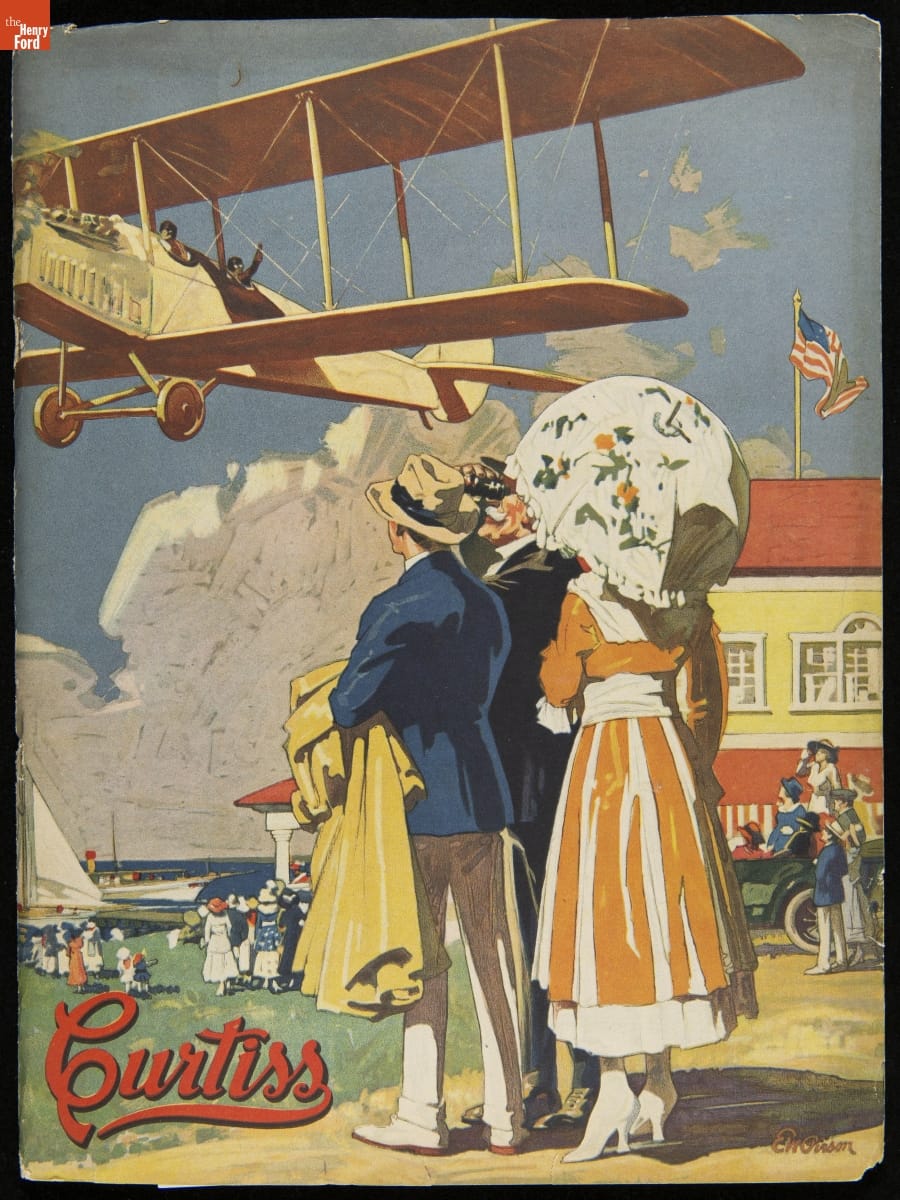
- Curtiss Aeroplane Co. Trade Catalog, "Curtiss Flying Boats, Aeronautical Motors, Aeroplanes, Hydroaeroplanes," 1917 - Glenn Curtiss established what would become the Curtiss Aeroplane and Motor Company in his hometown of Hammondsport, New York, in 1909. As military orders soared during World War I, Curtiss relocated the company to Buffalo, New York, in 1916. Curtiss's firm was acquired by Willys-Overland the following year, and it merged with the Wright Company in 1929.
- 1917
- Collections - Artifact
Curtiss Aeroplane Co. Trade Catalog, "Curtiss Flying Boats, Aeronautical Motors, Aeroplanes, Hydroaeroplanes," 1917
Glenn Curtiss established what would become the Curtiss Aeroplane and Motor Company in his hometown of Hammondsport, New York, in 1909. As military orders soared during World War I, Curtiss relocated the company to Buffalo, New York, in 1916. Curtiss's firm was acquired by Willys-Overland the following year, and it merged with the Wright Company in 1929.
- Flying Geese Quilt by Clara Finch Hulse, 1925-1930 -
- 1925-1930
- Collections - Artifact
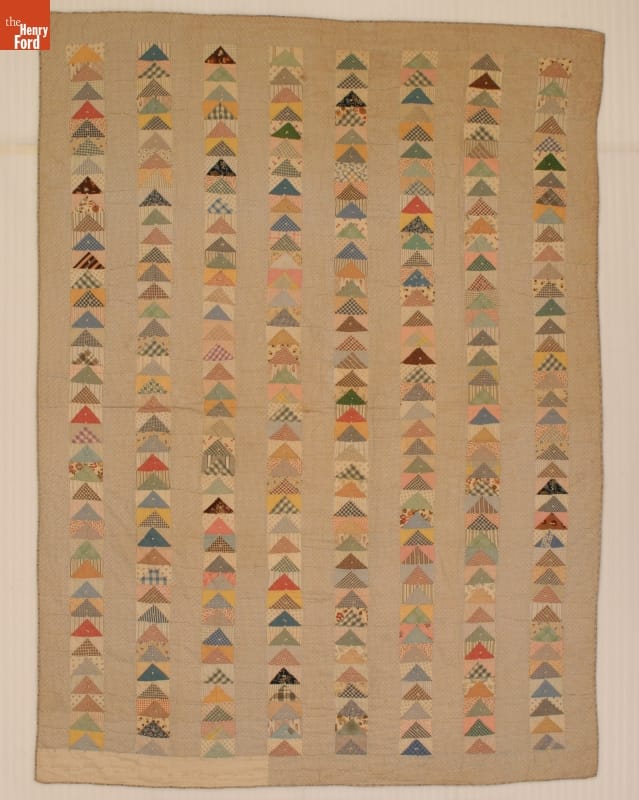
Flying Geese Quilt by Clara Finch Hulse, 1925-1930
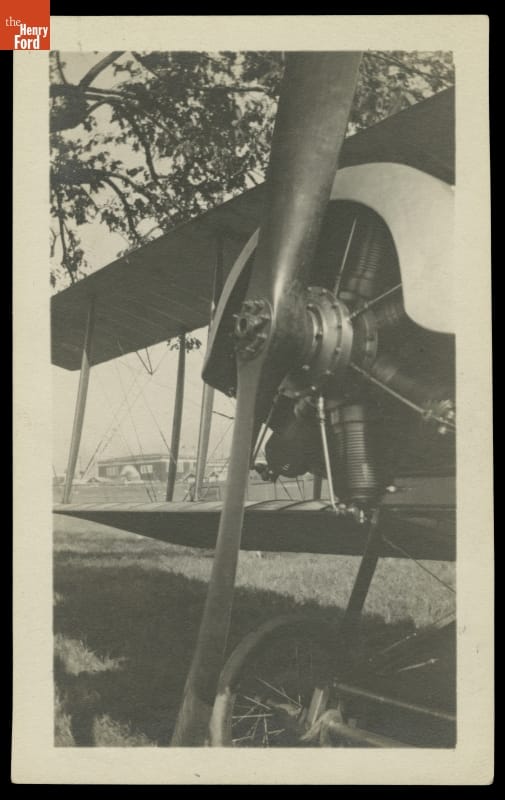
- Katherine Stinson's Laird Biplane at the Tri-State Fair, October 1916 - Katherine Stinson flew this biplane, designed by Emil "Matty" Laird, at Memphis, Tennessee, in October 1916. Stinson was only the fourth American woman to earn a pilot's license, and she consistently dazzled spectators with her skilled stunt flying. Though in her 20s, the petite Stinson looked even younger. The press took to calling her the "Flying Schoolgirl."
- October 01, 1916
- Collections - Artifact
Katherine Stinson's Laird Biplane at the Tri-State Fair, October 1916
Katherine Stinson flew this biplane, designed by Emil "Matty" Laird, at Memphis, Tennessee, in October 1916. Stinson was only the fourth American woman to earn a pilot's license, and she consistently dazzled spectators with her skilled stunt flying. Though in her 20s, the petite Stinson looked even younger. The press took to calling her the "Flying Schoolgirl."
- Katherine Stinson's Laird Biplane at the Tri-State Fair, October 1916 - Katherine Stinson flew this biplane, designed by Emil "Matty" Laird, at Memphis, Tennessee, in October 1916. Stinson was only the fourth American woman to earn a pilot's license, and she consistently dazzled spectators with her skilled stunt flying. Though in her 20s, the petite Stinson looked even younger. The press took to calling her the "Flying Schoolgirl."
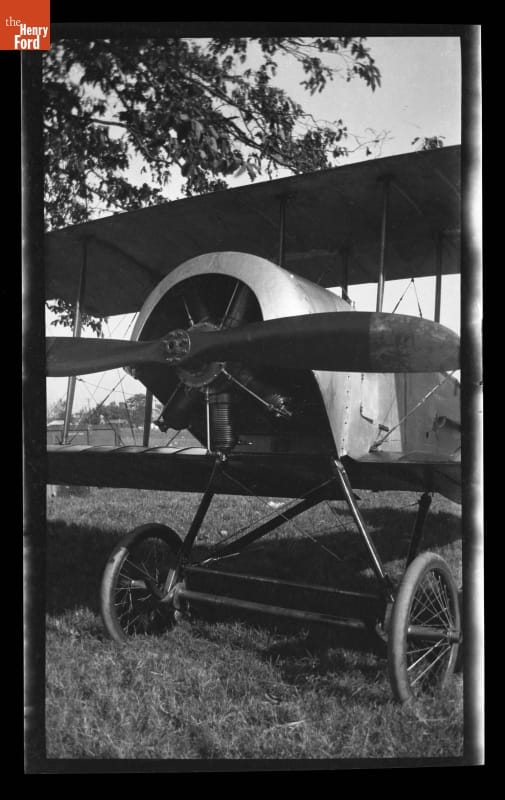
- October 01, 1916
- Collections - Artifact
Katherine Stinson's Laird Biplane at the Tri-State Fair, October 1916
Katherine Stinson flew this biplane, designed by Emil "Matty" Laird, at Memphis, Tennessee, in October 1916. Stinson was only the fourth American woman to earn a pilot's license, and she consistently dazzled spectators with her skilled stunt flying. Though in her 20s, the petite Stinson looked even younger. The press took to calling her the "Flying Schoolgirl."
- Katherine Stinson Securing Magnesium Flares to Her Laird Biplane at the Tri-State Fair, October 1916 - Attracted by the high fees paid to stunt pilots, Katherine Stinson earned her pilot's license in 1912 as a way to finance music lessons. Flight quickly replaced music as her passion and Stinson became one of the most skilled pilots of her era. She became the first woman to skywrite at night, using flares like this, in 1915.
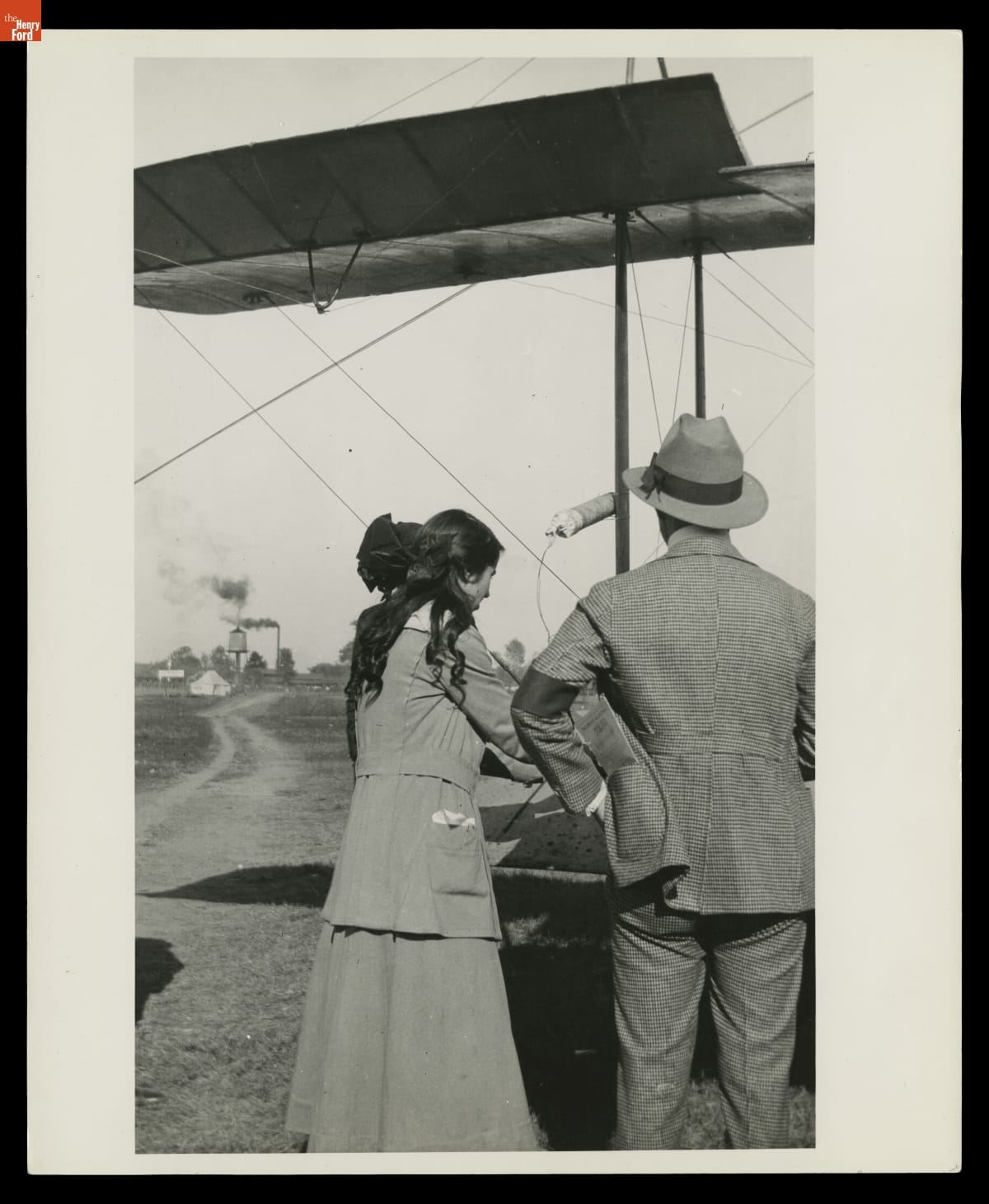
- October 01, 1916
- Collections - Artifact
Katherine Stinson Securing Magnesium Flares to Her Laird Biplane at the Tri-State Fair, October 1916
Attracted by the high fees paid to stunt pilots, Katherine Stinson earned her pilot's license in 1912 as a way to finance music lessons. Flight quickly replaced music as her passion and Stinson became one of the most skilled pilots of her era. She became the first woman to skywrite at night, using flares like this, in 1915.
- Katherine Stinson and Elfreida Mais on the Racetrack during the Tri-State Fair, Memphis, TN, October 1916 - Katherine Stinson was only the fourth American woman to receive a pilot's license when she earned hers, at age 21, in 1912. Stinson went on to achieve several more firsts: the first woman authorized to carry U.S. air mail, the first woman to fly a complete vertical loop, and the first woman to fly in Japan and China.
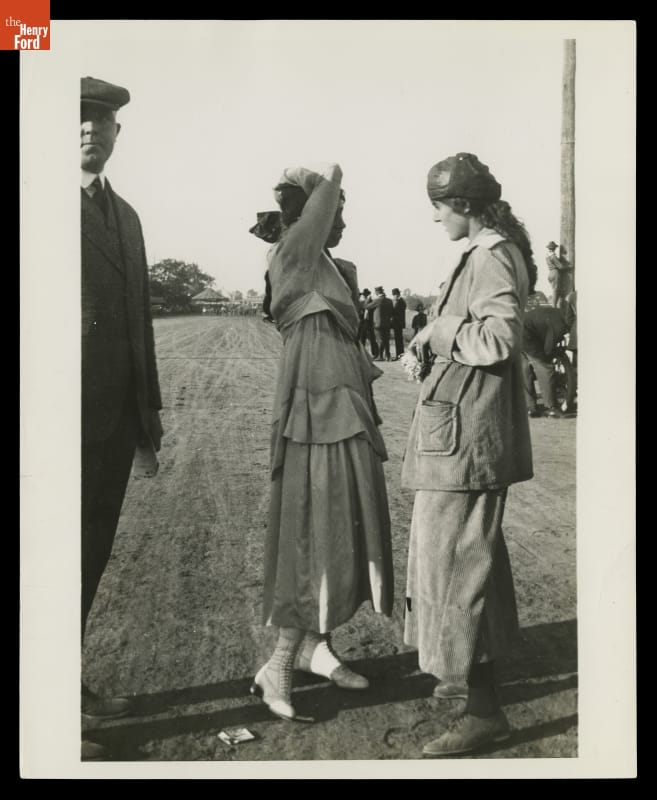
- October 01, 1916
- Collections - Artifact
Katherine Stinson and Elfreida Mais on the Racetrack during the Tri-State Fair, Memphis, TN, October 1916
Katherine Stinson was only the fourth American woman to receive a pilot's license when she earned hers, at age 21, in 1912. Stinson went on to achieve several more firsts: the first woman authorized to carry U.S. air mail, the first woman to fly a complete vertical loop, and the first woman to fly in Japan and China.
- Wright Brothers - Wilbur and Orville, 1909-1912 - This postcard put the 1903 Wright Flyer -- and its builders, Wilbur and Orville Wright -- into context with other triumphs of engineering and invention. It surrounded the Wright brothers and their airplane with an anvil, a suspension bridge, drafting tools, a telephone, a stock ticker, a steam locomotive, and an ocean liner.
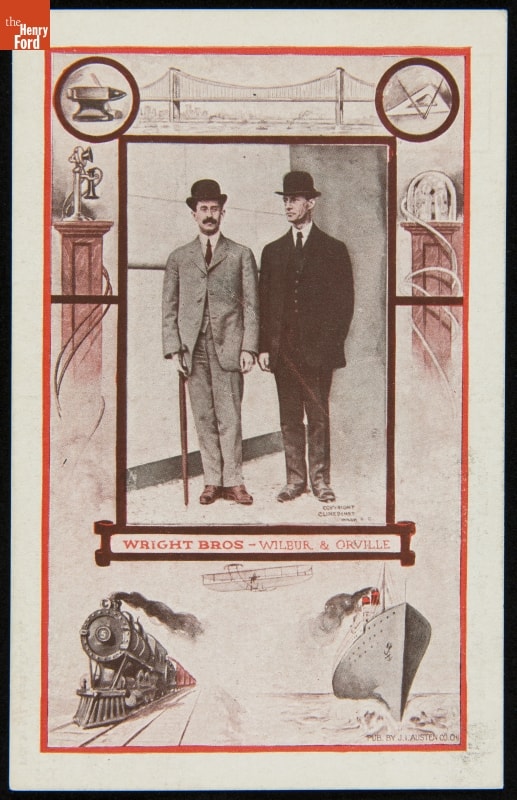
- 1909-1912
- Collections - Artifact
Wright Brothers - Wilbur and Orville, 1909-1912
This postcard put the 1903 Wright Flyer -- and its builders, Wilbur and Orville Wright -- into context with other triumphs of engineering and invention. It surrounded the Wright brothers and their airplane with an anvil, a suspension bridge, drafting tools, a telephone, a stock ticker, a steam locomotive, and an ocean liner.
- First Regular Flight on Overnight Air Mail Route from New York to Chicago, July 1, 1925 - In 1924, with the success of experimental night operations and increasing business interest in next-day mail, the U.S. Air Mail Service announced plans to establish regular overnight flights between New York and Chicago. Preparations included mounting floodlights and searchlights at airfields and constructing a series of routing beacons and emergency landing fields along the route. The first official flights departed from both terminal cities on July 1, 1925.
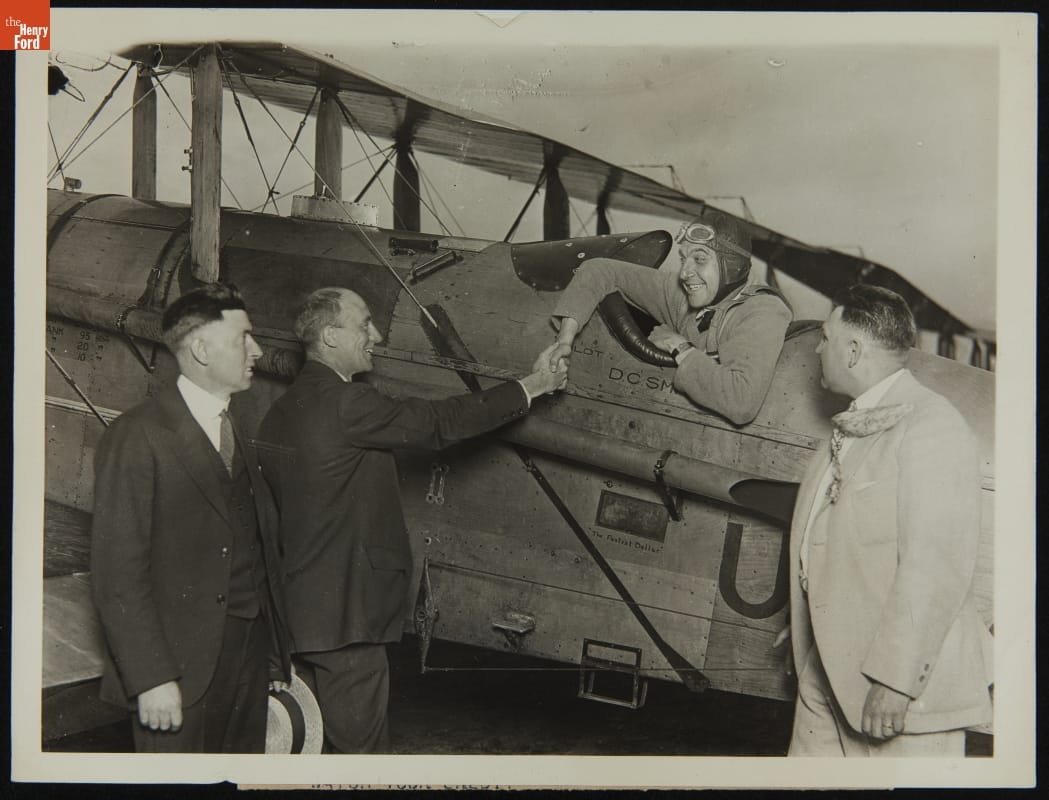
- July 01, 1925
- Collections - Artifact
First Regular Flight on Overnight Air Mail Route from New York to Chicago, July 1, 1925
In 1924, with the success of experimental night operations and increasing business interest in next-day mail, the U.S. Air Mail Service announced plans to establish regular overnight flights between New York and Chicago. Preparations included mounting floodlights and searchlights at airfields and constructing a series of routing beacons and emergency landing fields along the route. The first official flights departed from both terminal cities on July 1, 1925.
- Katherine Stinson with Barney Oldfield at Ascot Speedway, Los Angeles, California, November 29, 1917 - Two celebrity daredevils meet in this 1917 photo. Barney Oldfield raced bicycles before moving to automobiles in 1902. He traveled the country staging exhibition races for enthusiastic crowds. Katherine Stinson earned her pilot's license at age 21 and began exhibition flying in 1913. The petite Stinson performed difficult stunts with ease and charmed the press who dubbed her the "Flying Schoolgirl."
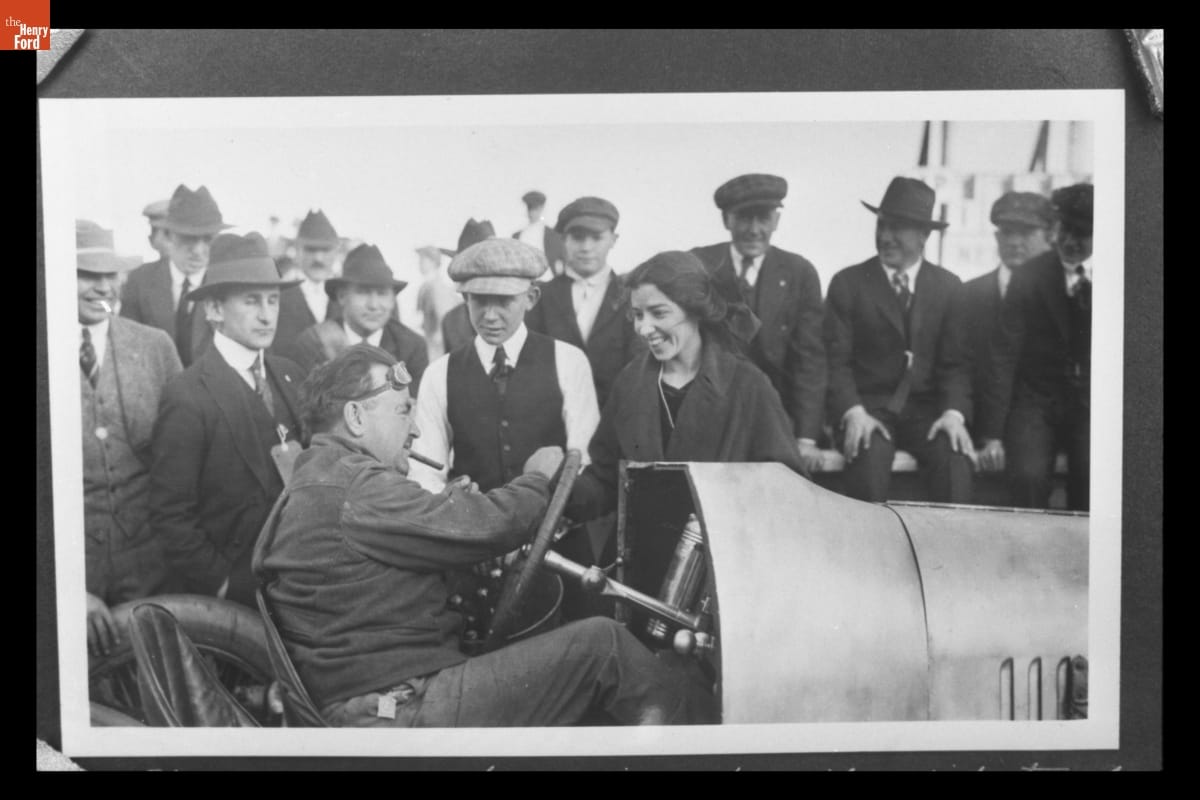
- November 29, 1917
- Collections - Artifact
Katherine Stinson with Barney Oldfield at Ascot Speedway, Los Angeles, California, November 29, 1917
Two celebrity daredevils meet in this 1917 photo. Barney Oldfield raced bicycles before moving to automobiles in 1902. He traveled the country staging exhibition races for enthusiastic crowds. Katherine Stinson earned her pilot's license at age 21 and began exhibition flying in 1913. The petite Stinson performed difficult stunts with ease and charmed the press who dubbed her the "Flying Schoolgirl."