
Search
- Flour Sifter, circa 1870 - Nineteenth-century American homemakers sifted flour to remove leftover grain and clumps of flour. By the end of the century, however, America grain mills incorporated sifting into production procedures, and consumers could use flour straight from the mill.
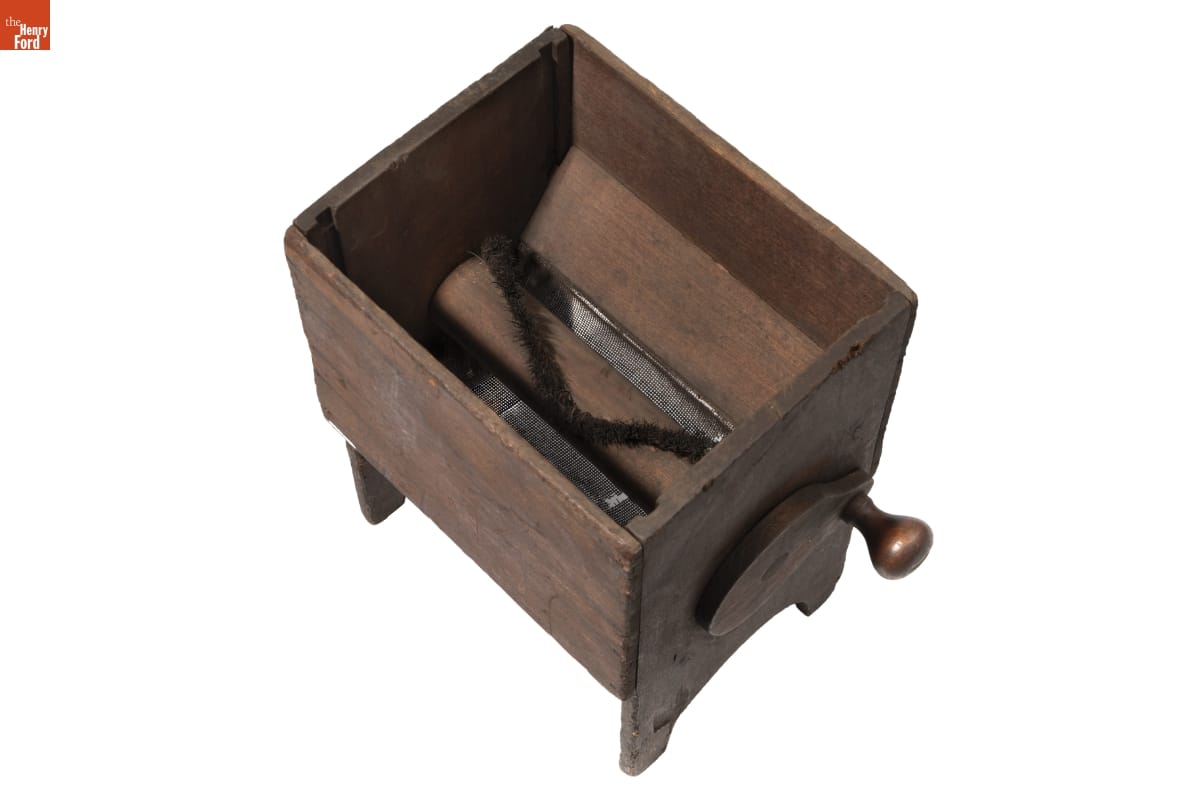
- circa 1870
- Collections - Artifact
Flour Sifter, circa 1870
Nineteenth-century American homemakers sifted flour to remove leftover grain and clumps of flour. By the end of the century, however, America grain mills incorporated sifting into production procedures, and consumers could use flour straight from the mill.
- Meat Grinder, 1859-1865 - By the mid-1800s, Americans could use grinders instead of mincing knives to cut, chop, and prepare meat for cooking. Grinders like this one saved time and made food processing more efficient.
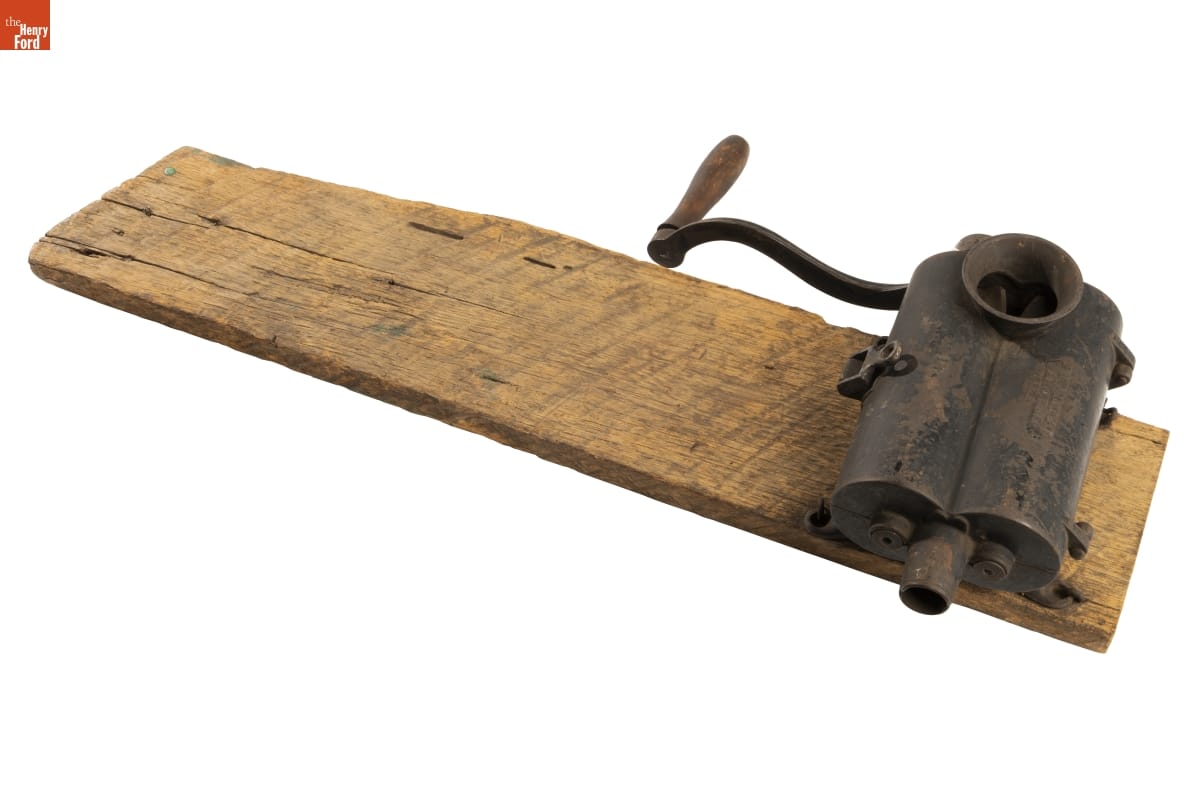
- 1859-1865
- Collections - Artifact
Meat Grinder, 1859-1865
By the mid-1800s, Americans could use grinders instead of mincing knives to cut, chop, and prepare meat for cooking. Grinders like this one saved time and made food processing more efficient.
- Apple Parer, 1800-1850 - Lots of new labor-saving kitchen gadgets appeared on the market during the late 19th century. This mechanical apple parer made quick work of the task. All the user had to do was place the apple on the prong, turn the crank -- then let the blade arm do the rest of the work.
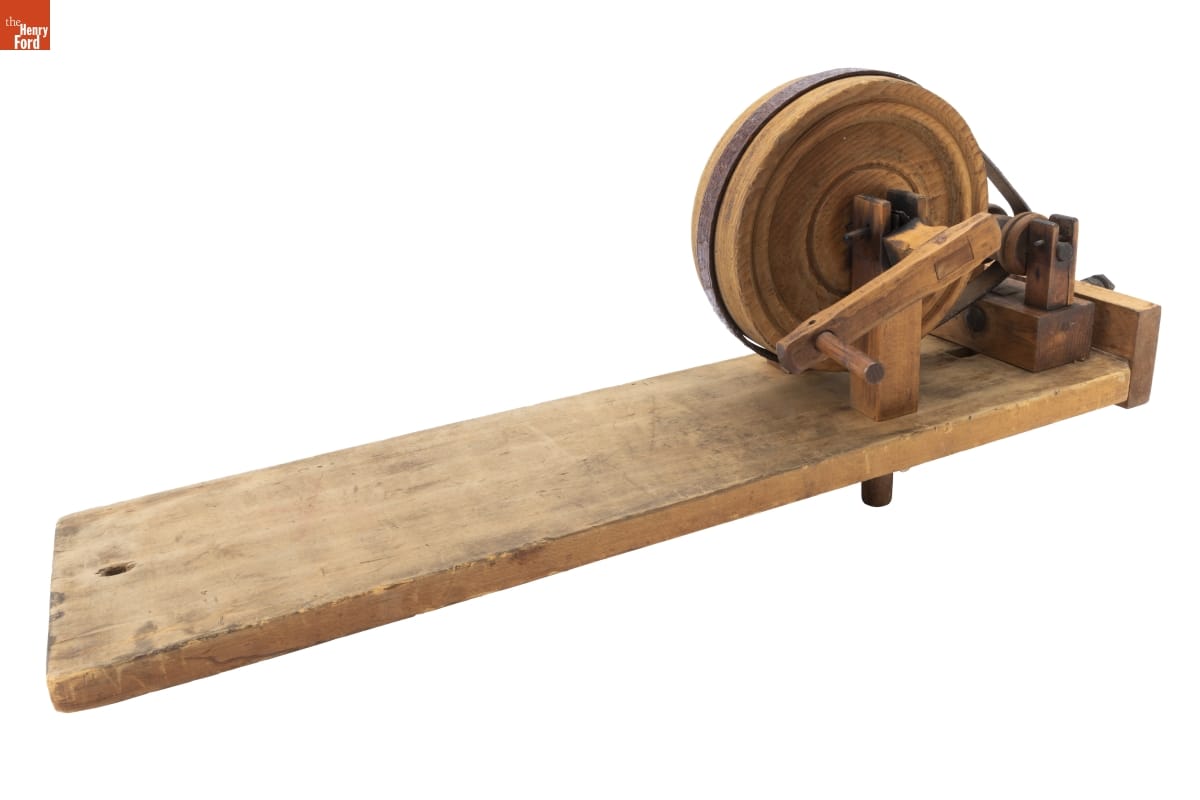
- 1800-1850
- Collections - Artifact
Apple Parer, 1800-1850
Lots of new labor-saving kitchen gadgets appeared on the market during the late 19th century. This mechanical apple parer made quick work of the task. All the user had to do was place the apple on the prong, turn the crank -- then let the blade arm do the rest of the work.
- Meat Grinder, 1775-1875 - By the mid-1800s, Americans could use grinders instead of mincing knives to cut, chop, and prepare meat for cooking. Grinders like this one saved time and made food processing more efficient.
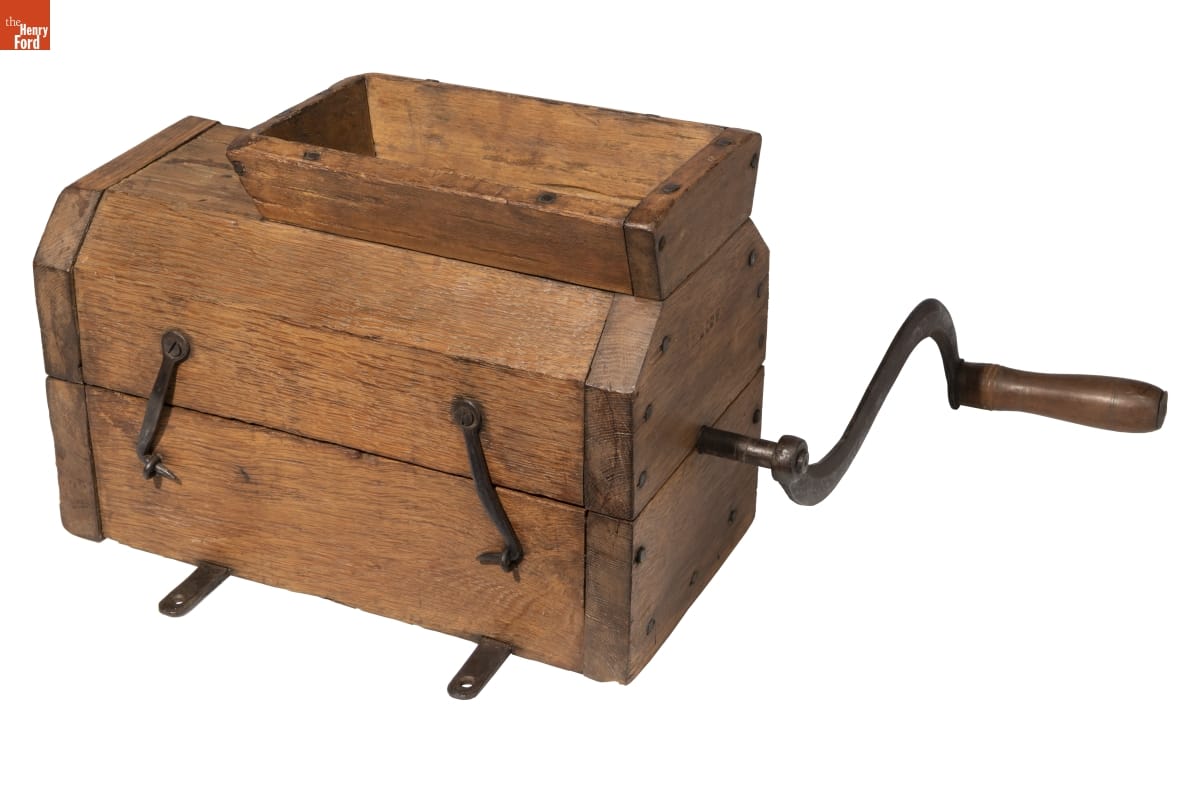
- 1775-1875
- Collections - Artifact
Meat Grinder, 1775-1875
By the mid-1800s, Americans could use grinders instead of mincing knives to cut, chop, and prepare meat for cooking. Grinders like this one saved time and made food processing more efficient.
- Press -
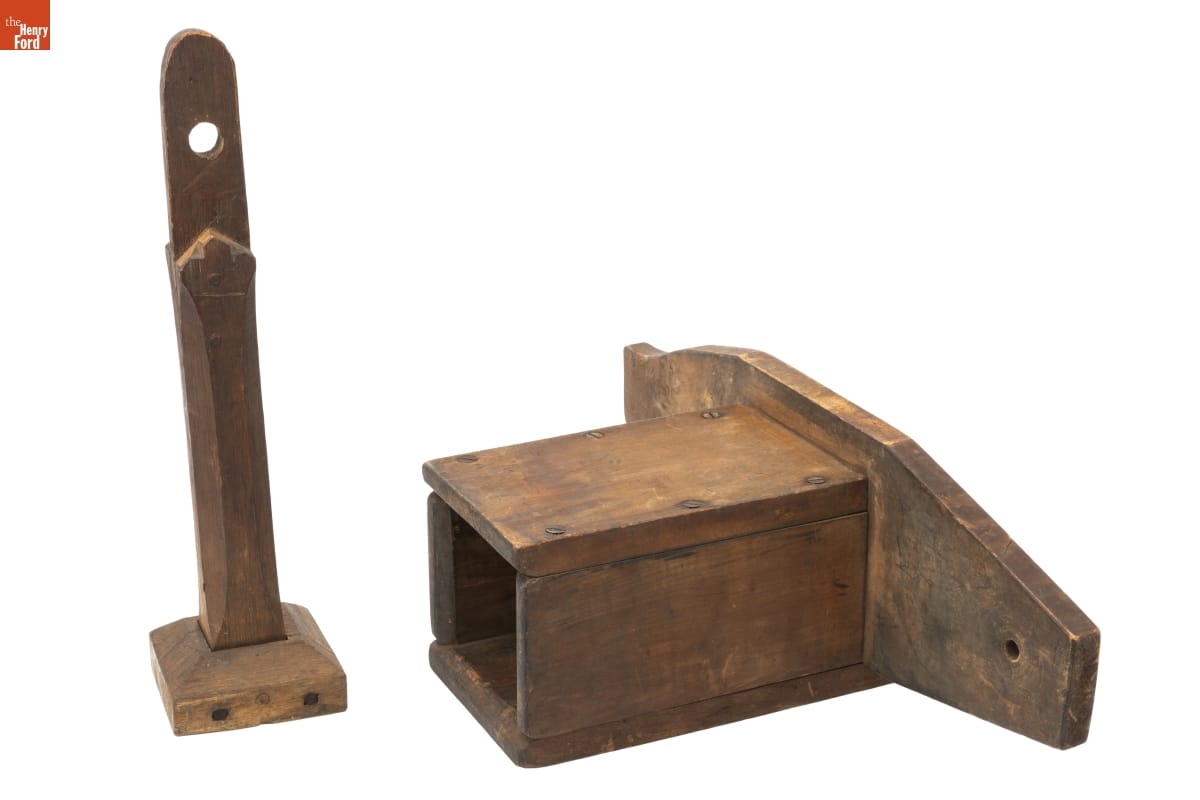
- Collections - Artifact
Press
- Press -
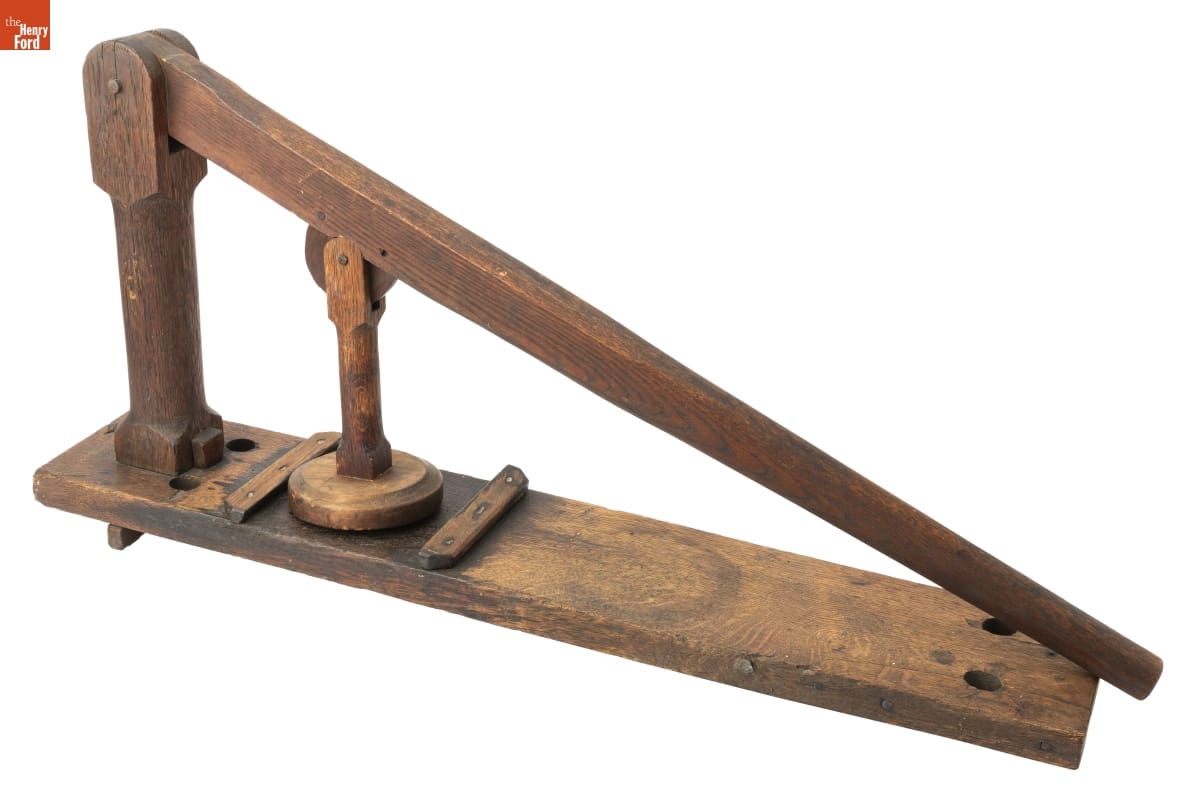
- Collections - Artifact
Press
- "Ford Times," March 1945 - Ford Motor Company published<em> Ford Times</em> magazine from 1908 to 1917 and again from 1943 to 1993. Intended for dealers and consumers, the publication was key to Ford's public relations efforts. With articles emphasizing a range of topics, including automobiles but also recreation, food, history, nature, and culture, <em>Ford Times</em> became an important document of 20th-century American life.
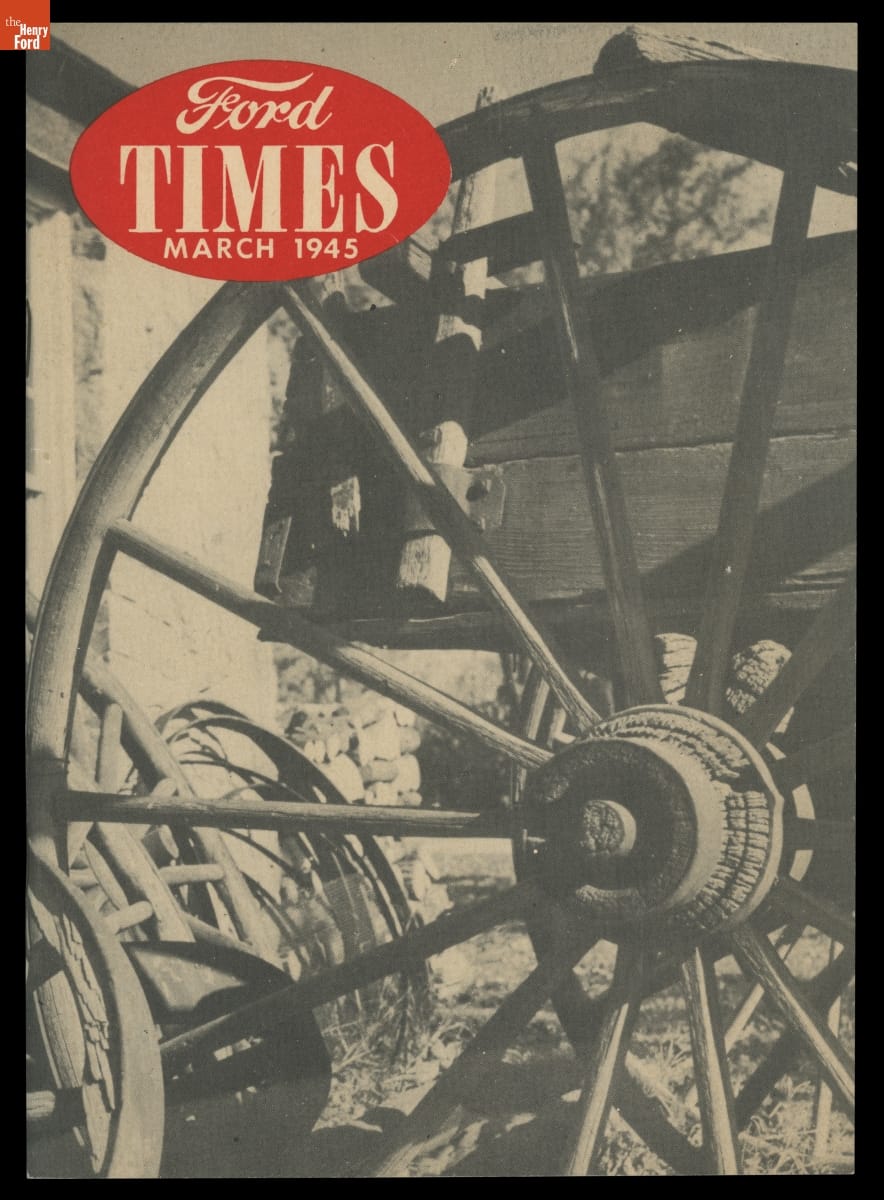
- March 01, 1945
- Collections - Artifact
"Ford Times," March 1945
Ford Motor Company published Ford Times magazine from 1908 to 1917 and again from 1943 to 1993. Intended for dealers and consumers, the publication was key to Ford's public relations efforts. With articles emphasizing a range of topics, including automobiles but also recreation, food, history, nature, and culture, Ford Times became an important document of 20th-century American life.
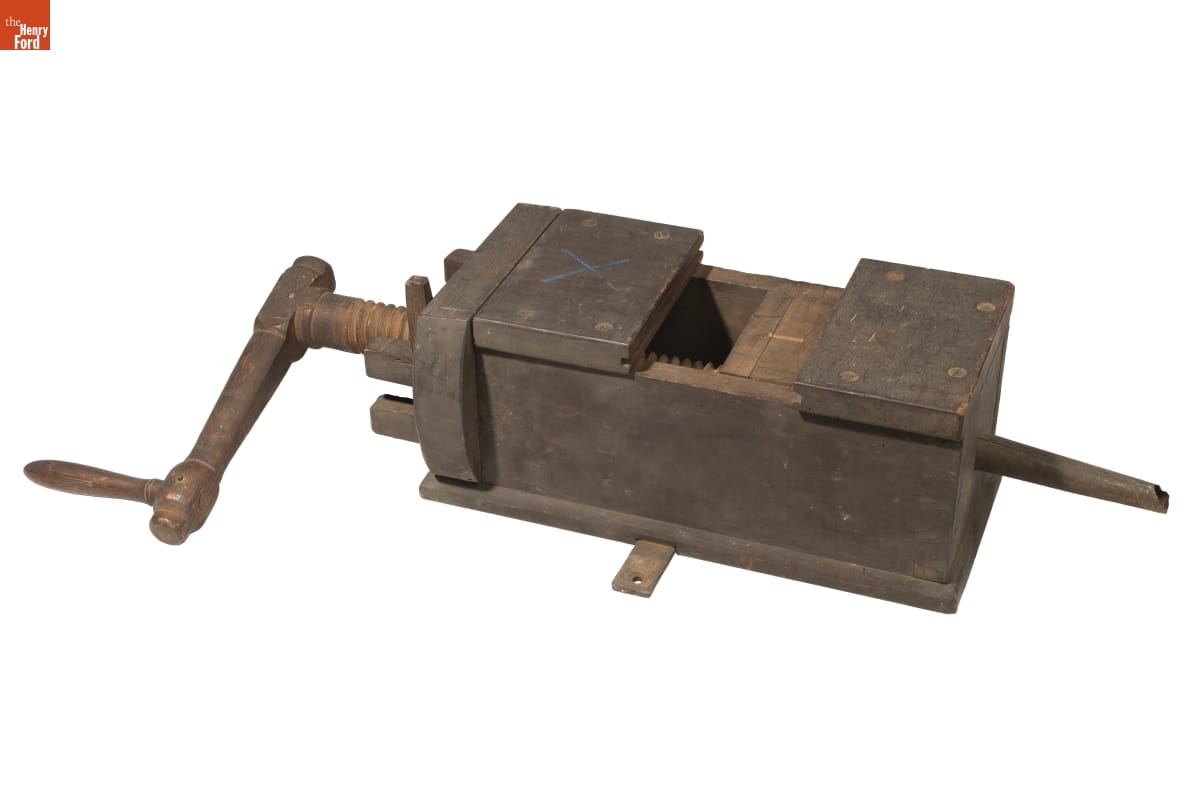
- Sausage Stuffer, 1800-1850 - For centuries, American housemakers have preserved surplus meat products by turning them into sausage. Adding spices improved the taste of sausage, and kitchen tools like sausage stuffers improved the production process.
- 1800-1850
- Collections - Artifact
Sausage Stuffer, 1800-1850
For centuries, American housemakers have preserved surplus meat products by turning them into sausage. Adding spices improved the taste of sausage, and kitchen tools like sausage stuffers improved the production process.
- Sausage Stuffer, 1850-1900 - For centuries, American housemakers have preserved surplus meat products by turning them into sausage. Adding spices improved the taste of sausage, and kitchen tools like sausage stuffers improved the production process.
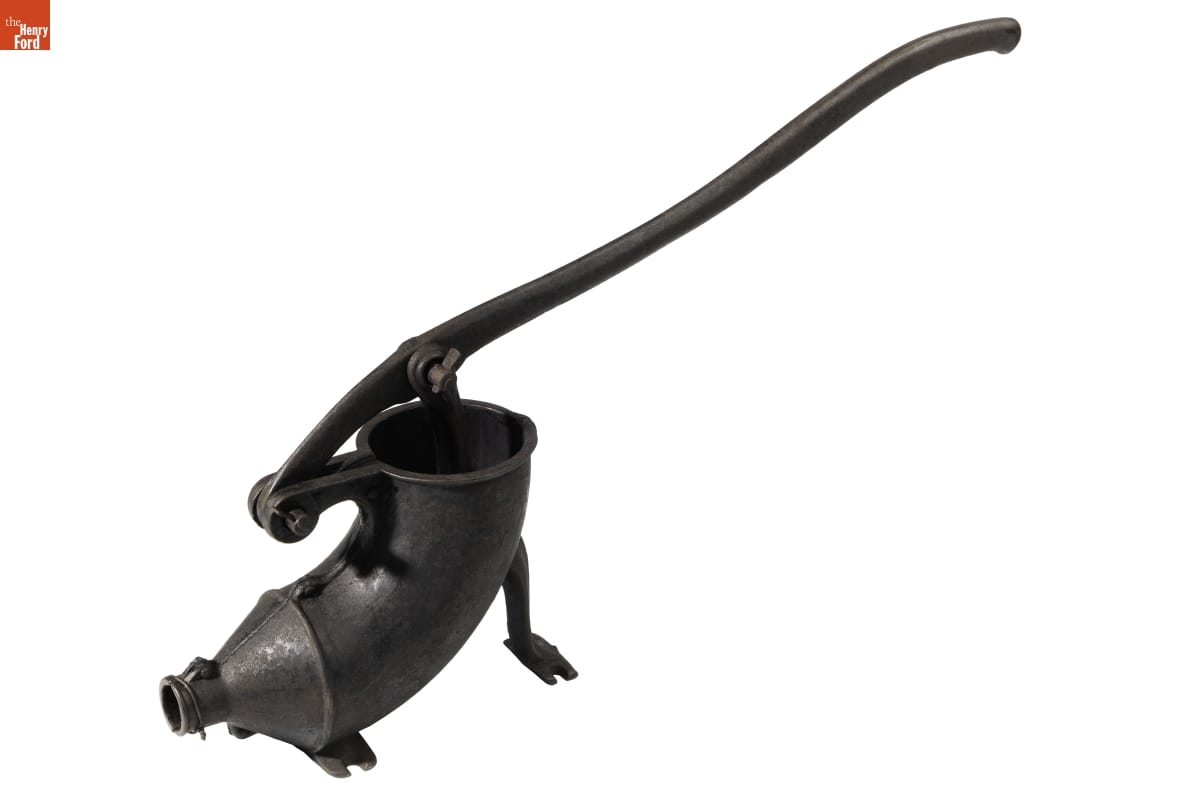
- 1850-1900
- Collections - Artifact
Sausage Stuffer, 1850-1900
For centuries, American housemakers have preserved surplus meat products by turning them into sausage. Adding spices improved the taste of sausage, and kitchen tools like sausage stuffers improved the production process.
- Apple Parer, 1800-1860 - Lots of new labor-saving kitchen gadgets appeared on the market during the late 19th century. This mechanical apple parer made quick work of the task. All the user had to do was place the apple on the prong, turn the crank -- then let the blade arm do the rest of the work.
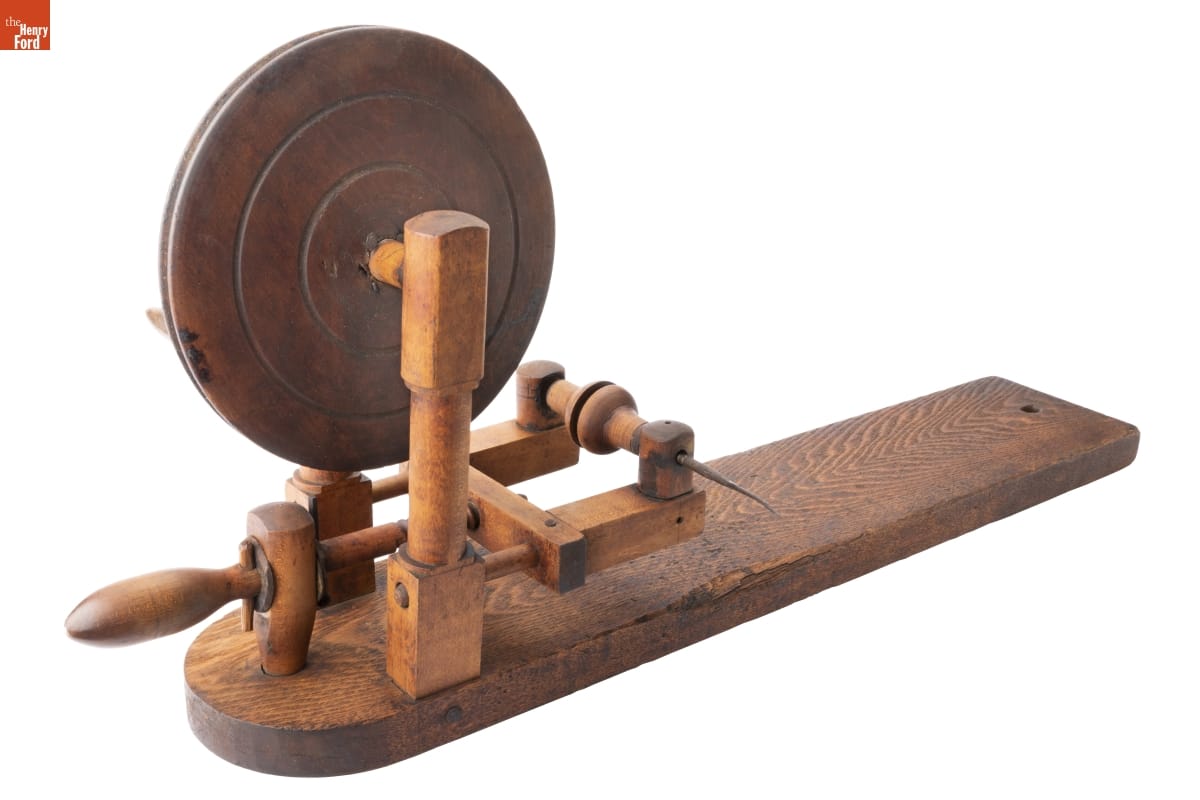
- 1800-1860
- Collections - Artifact
Apple Parer, 1800-1860
Lots of new labor-saving kitchen gadgets appeared on the market during the late 19th century. This mechanical apple parer made quick work of the task. All the user had to do was place the apple on the prong, turn the crank -- then let the blade arm do the rest of the work.