
Search
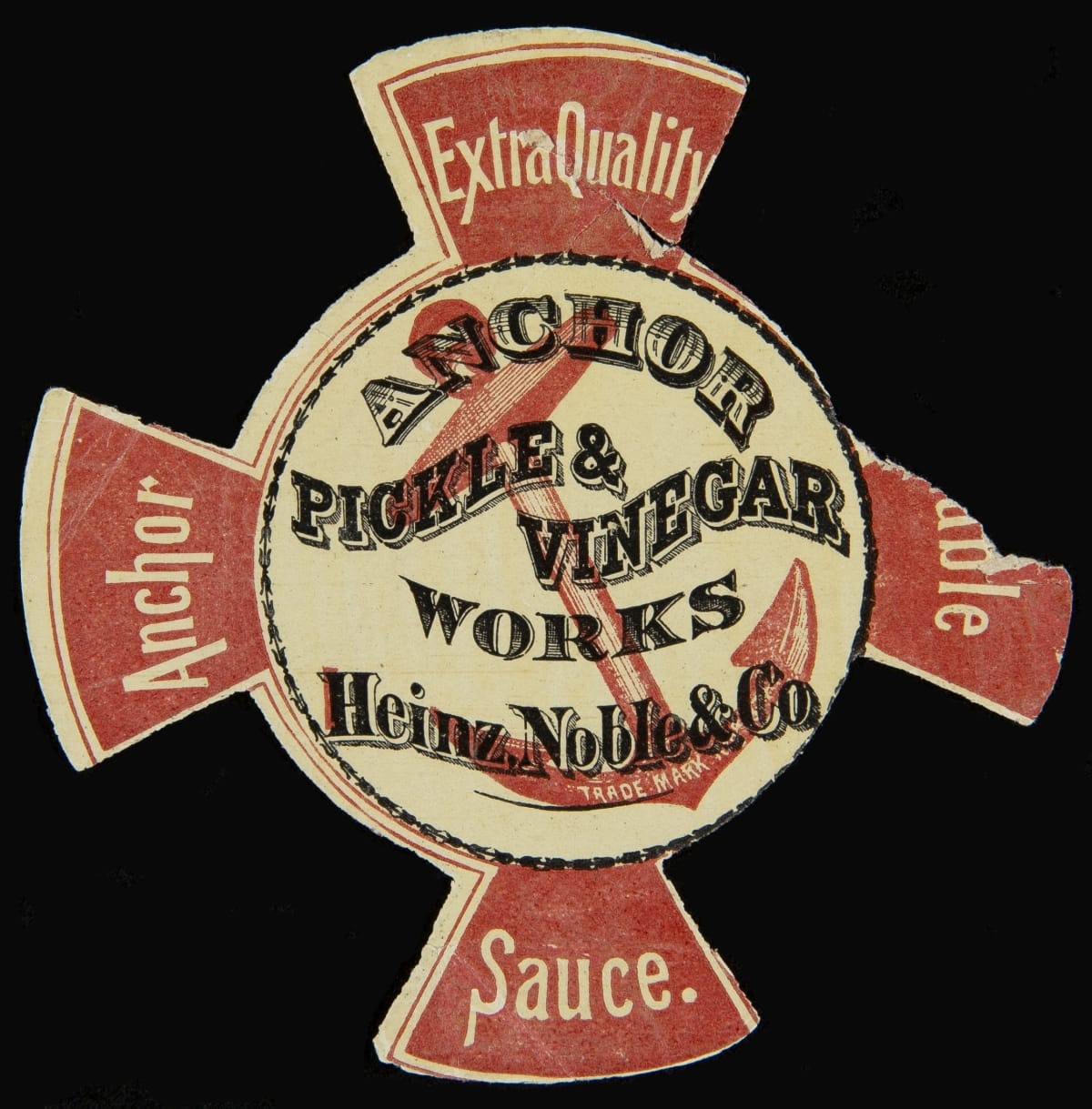
- Label, "Heinz, Noble & Company Brand Sauce Product," circa 1875 - In 1869, entrepreneur H.J. Heinz entered the processed food business with L.C. Noble selling products under the Anchor Brand. Horseradish was their first product, quickly followed by celery sauce and pickled cucumbers (pickles today) among other pickled foods and condiments. In 1872, L.C. Noble's brother joined the partnership and the company's name officially became Heinz, Noble & Co. until it went bankrupt in 1875.
- circa 1875
- Collections - Artifact
Label, "Heinz, Noble & Company Brand Sauce Product," circa 1875
In 1869, entrepreneur H.J. Heinz entered the processed food business with L.C. Noble selling products under the Anchor Brand. Horseradish was their first product, quickly followed by celery sauce and pickled cucumbers (pickles today) among other pickled foods and condiments. In 1872, L.C. Noble's brother joined the partnership and the company's name officially became Heinz, Noble & Co. until it went bankrupt in 1875.
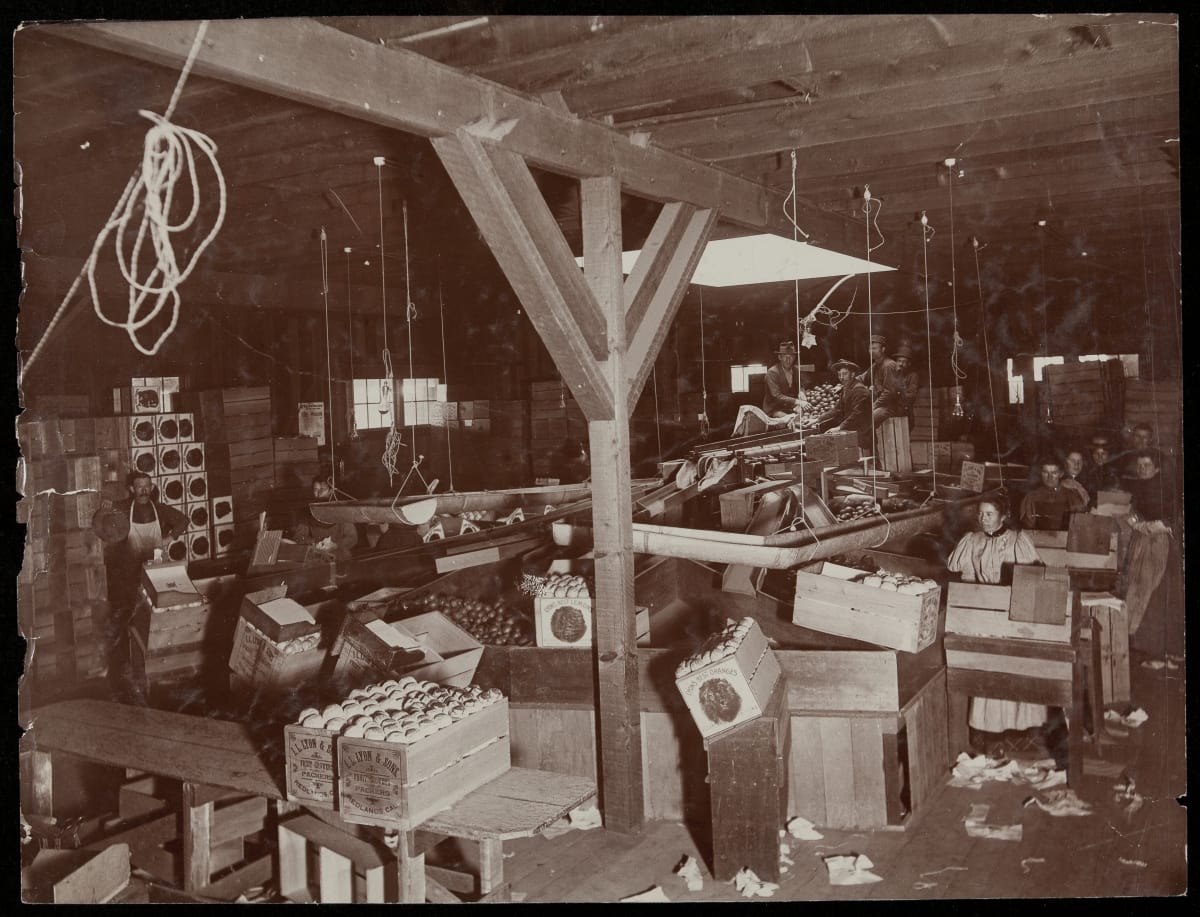
- Workers at L. L. Lyon & Sons Fruit Growers & Packers, Redlands, California, circa 1900 - For nearly thirty years, 1895 to 1924, the Detroit Publishing Company was one of the major image publishers in the world. The company had a wide-ranging stock of original photographs, including many scenes from across North America. Here, workers in California pack lemons and oranges for shipping.
- circa 1900
- Collections - Artifact
Workers at L. L. Lyon & Sons Fruit Growers & Packers, Redlands, California, circa 1900
For nearly thirty years, 1895 to 1924, the Detroit Publishing Company was one of the major image publishers in the world. The company had a wide-ranging stock of original photographs, including many scenes from across North America. Here, workers in California pack lemons and oranges for shipping.
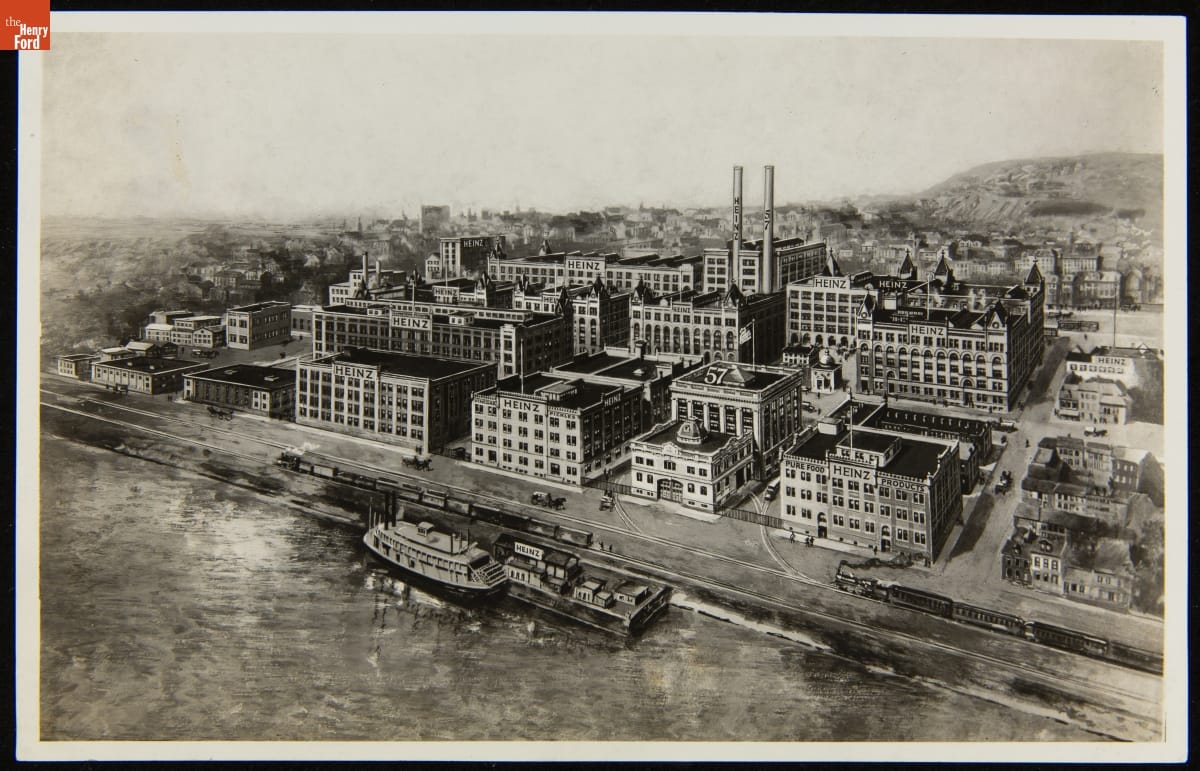
- H. J. Heinz Company Main Plant, Pittsburgh, Pennsylvania, circa 1910 - The H.J. Heinz Company had humble beginnings in 1869 when its founder began selling horseradish out his parents' home in Sharpsburg, Pennsylvania. With a rapidly expanding product line and extensive marketing, the Heinz brand became a household name by the turn of the century. Its main plant in Pittsburgh, Pennsylvania (seen here), was known as the "Home of the 57" and offered tours for visitors.
- circa 1910
- Collections - Artifact
H. J. Heinz Company Main Plant, Pittsburgh, Pennsylvania, circa 1910
The H.J. Heinz Company had humble beginnings in 1869 when its founder began selling horseradish out his parents' home in Sharpsburg, Pennsylvania. With a rapidly expanding product line and extensive marketing, the Heinz brand became a household name by the turn of the century. Its main plant in Pittsburgh, Pennsylvania (seen here), was known as the "Home of the 57" and offered tours for visitors.
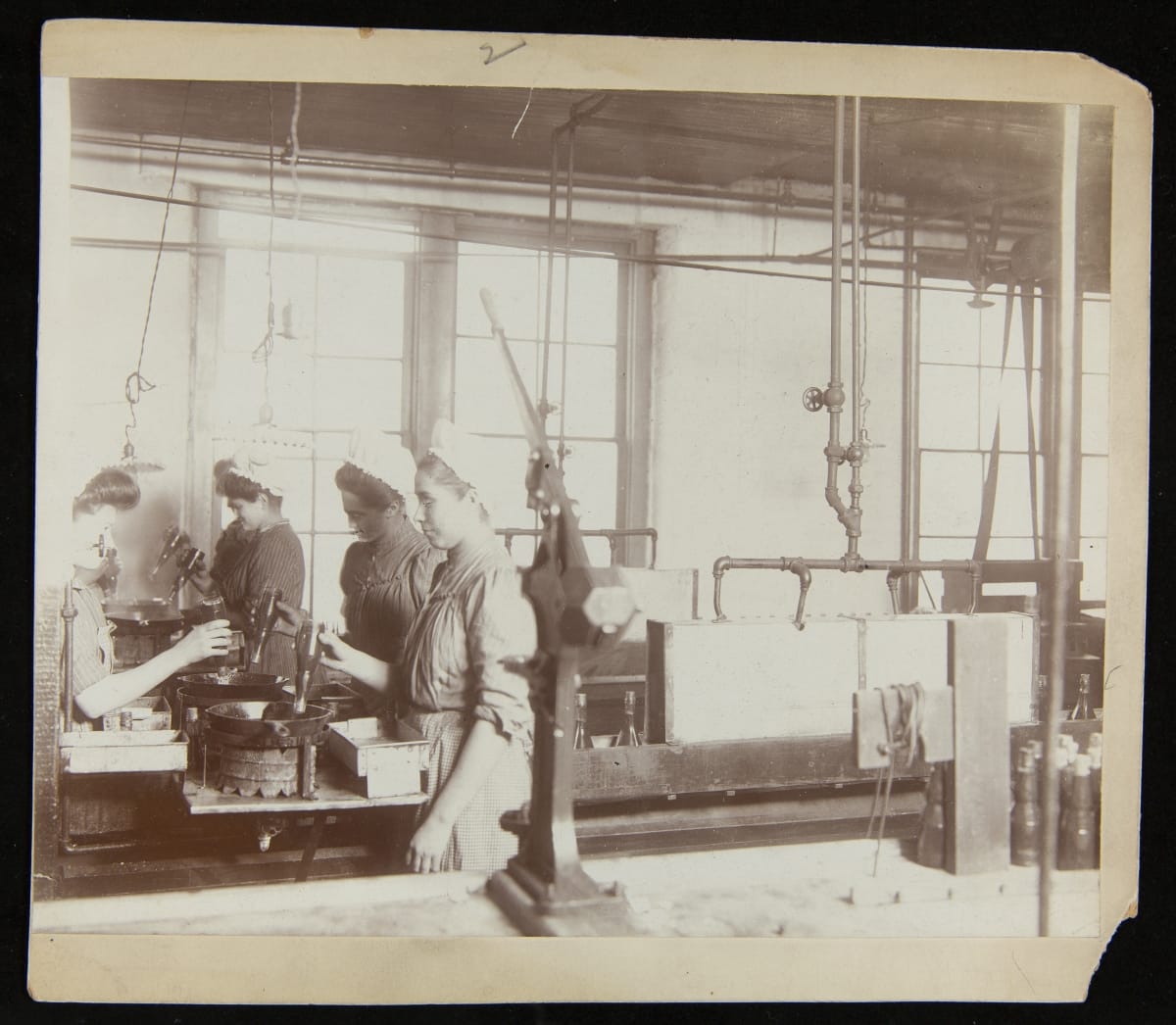
- Employees in the Ketchup Department, H. J. Heinz Company, Pittsburgh, Pennsylvania, circa 1910 - Before complete mechanization of the manufacturing process, many tasks at the Heinz factory were done by hand. The H. J. Heinz Company documented the many departments of the manufacturing process through photographs. This photograph shows employees working in the Ketchup Department.
- circa 1910
- Collections - Artifact
Employees in the Ketchup Department, H. J. Heinz Company, Pittsburgh, Pennsylvania, circa 1910
Before complete mechanization of the manufacturing process, many tasks at the Heinz factory were done by hand. The H. J. Heinz Company documented the many departments of the manufacturing process through photographs. This photograph shows employees working in the Ketchup Department.
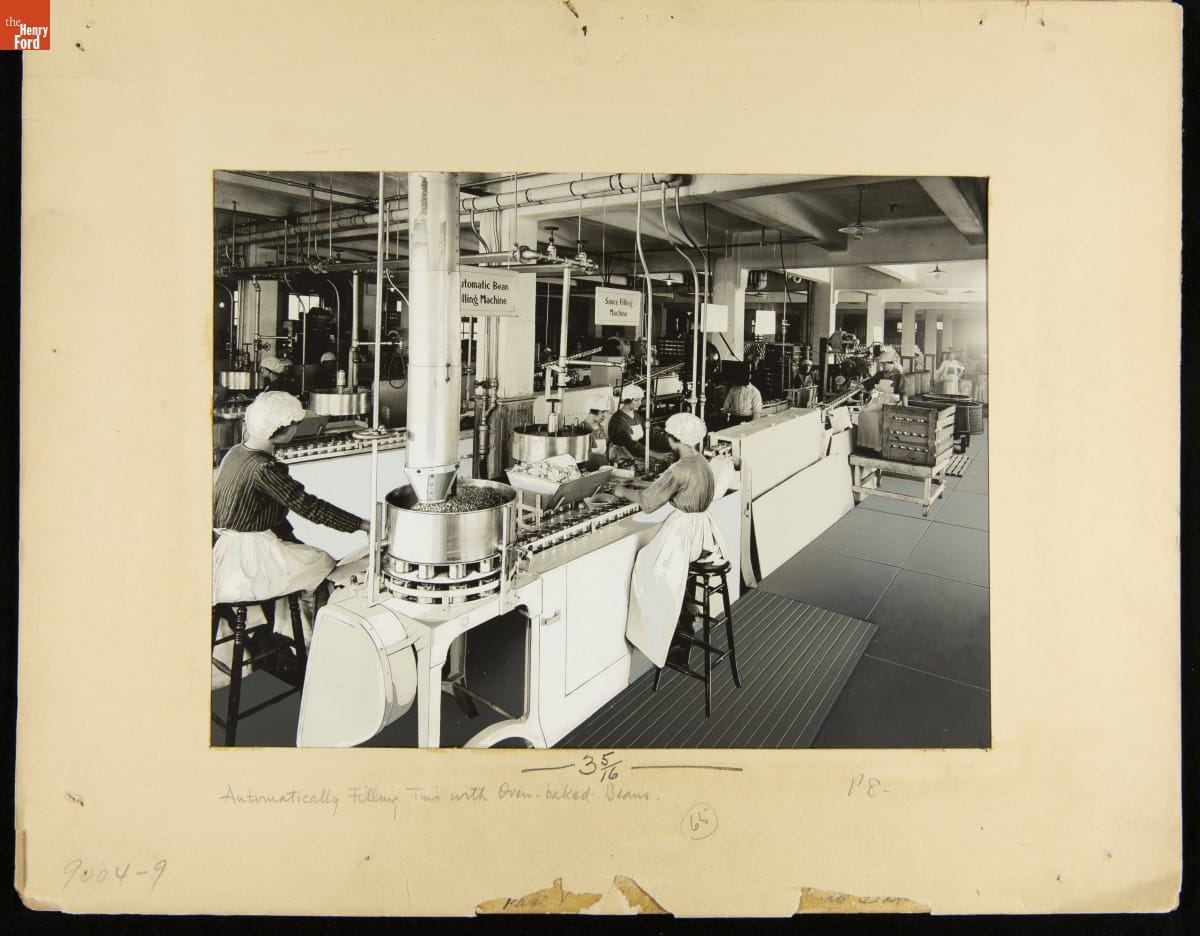
- Advertising Layout Photograph of Employees Filling Tins with Heinz Oven-Baked Beans, November 14, 1921 - Before complete mechanization of the manufacturing process, many tasks at the Heinz factory were done by hand. Photographs of this process were often taken and then modified for advertising and publications. Pictured here are employees filling tins of oven-baked beans.
- November 14, 1921
- Collections - Artifact
Advertising Layout Photograph of Employees Filling Tins with Heinz Oven-Baked Beans, November 14, 1921
Before complete mechanization of the manufacturing process, many tasks at the Heinz factory were done by hand. Photographs of this process were often taken and then modified for advertising and publications. Pictured here are employees filling tins of oven-baked beans.
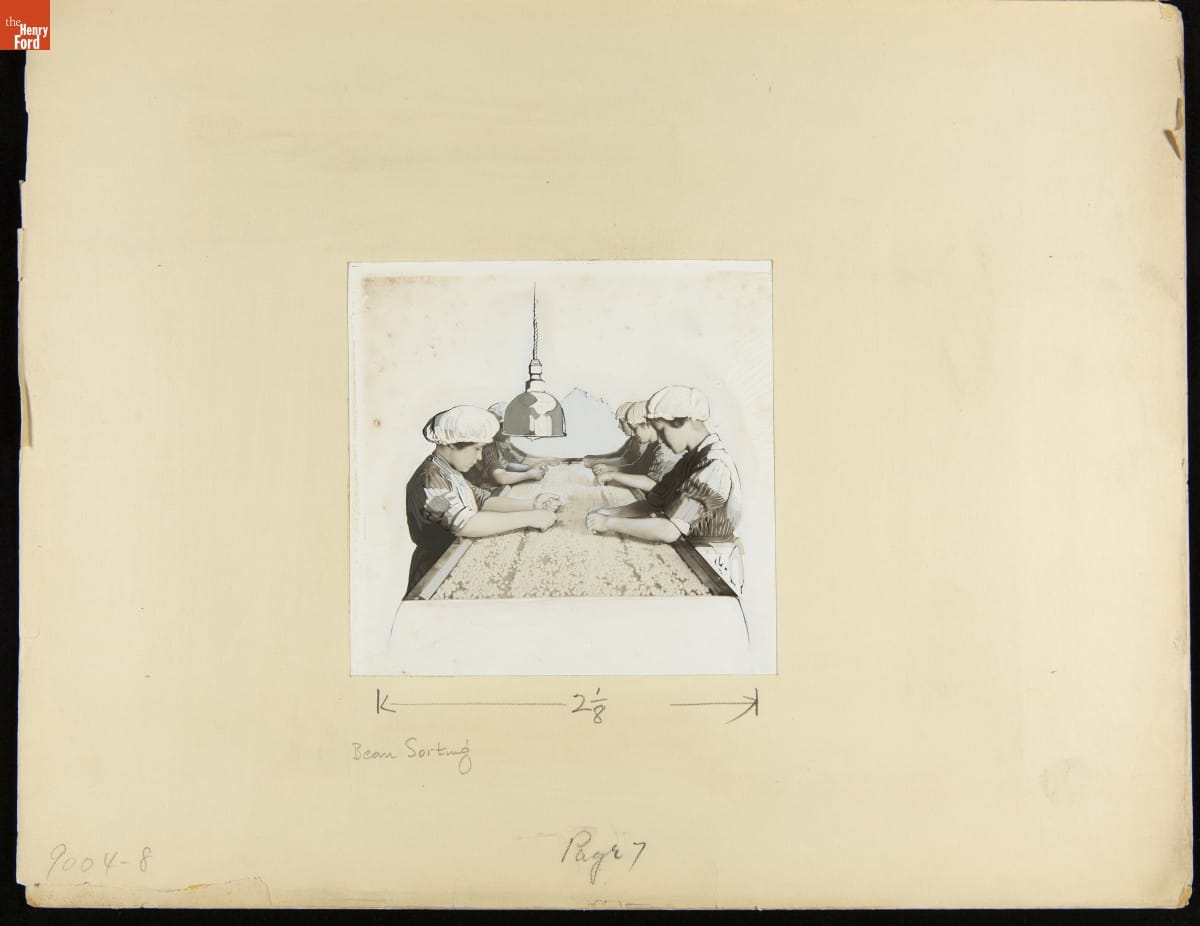
- Advertising Layout Photograph of Employees Sorting Beans for Heinz Products, circa 1915 - Before complete mechanization of the manufacturing process, many tasks at the Heinz factory were done by hand. Photographs of this process were often taken and then modified for advertising and publications. Pictured here are employees sorting baked beans.
- circa 1915
- Collections - Artifact
Advertising Layout Photograph of Employees Sorting Beans for Heinz Products, circa 1915
Before complete mechanization of the manufacturing process, many tasks at the Heinz factory were done by hand. Photographs of this process were often taken and then modified for advertising and publications. Pictured here are employees sorting baked beans.
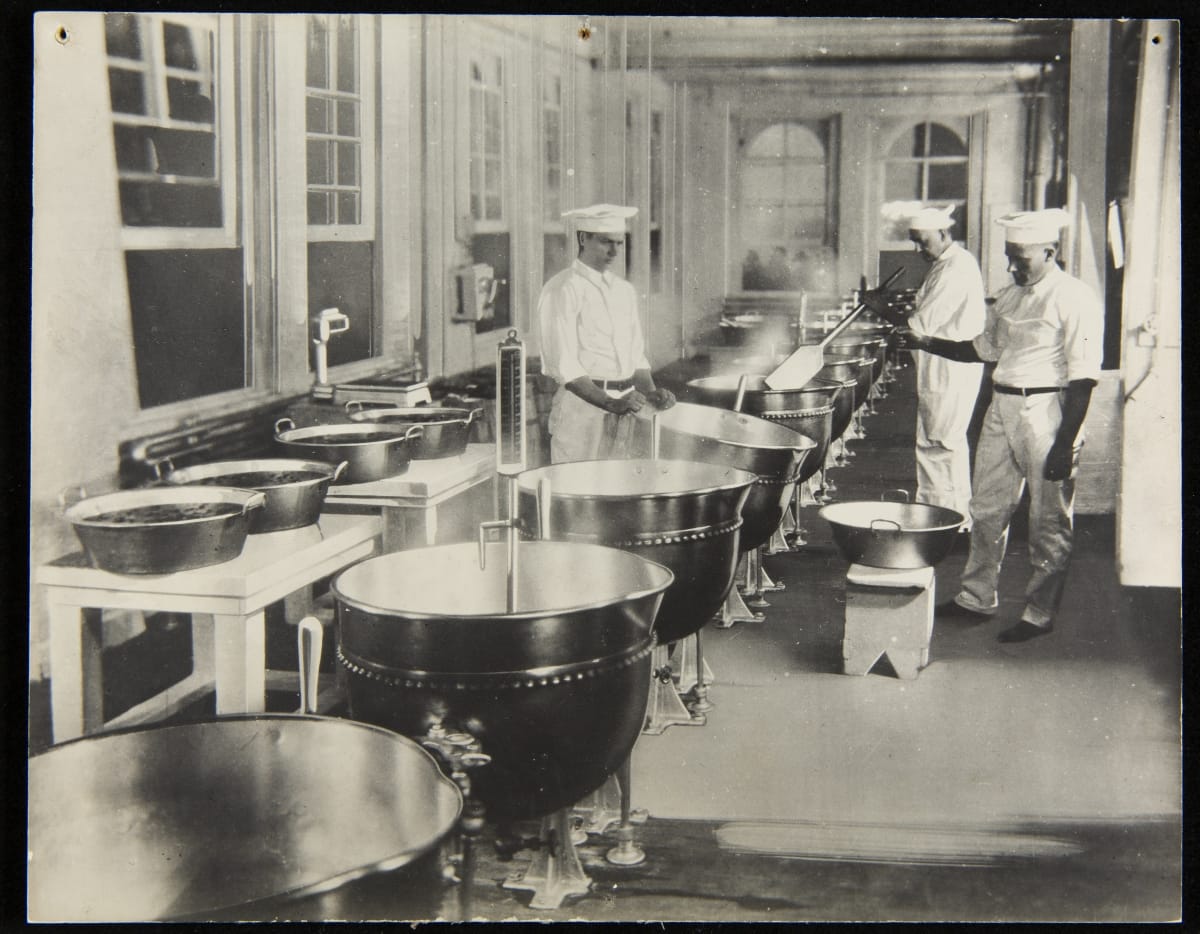
- Employees in Preserves Department of Main Plant, H. J. Heinz Company, Pittsburgh, Pennsylvania, circa 1920 - Before complete mechanization of the manufacturing process, many tasks at the Heinz factory were done by hand. The H.J. Heinz Company documented the many departments of the manufacturing process through photographs. This photograph shows employees in the Preserves Department. Instead of glass jars or bottles, fruit preserves and butters were sold in stoneware crocks.
- circa 1920
- Collections - Artifact
Employees in Preserves Department of Main Plant, H. J. Heinz Company, Pittsburgh, Pennsylvania, circa 1920
Before complete mechanization of the manufacturing process, many tasks at the Heinz factory were done by hand. The H.J. Heinz Company documented the many departments of the manufacturing process through photographs. This photograph shows employees in the Preserves Department. Instead of glass jars or bottles, fruit preserves and butters were sold in stoneware crocks.
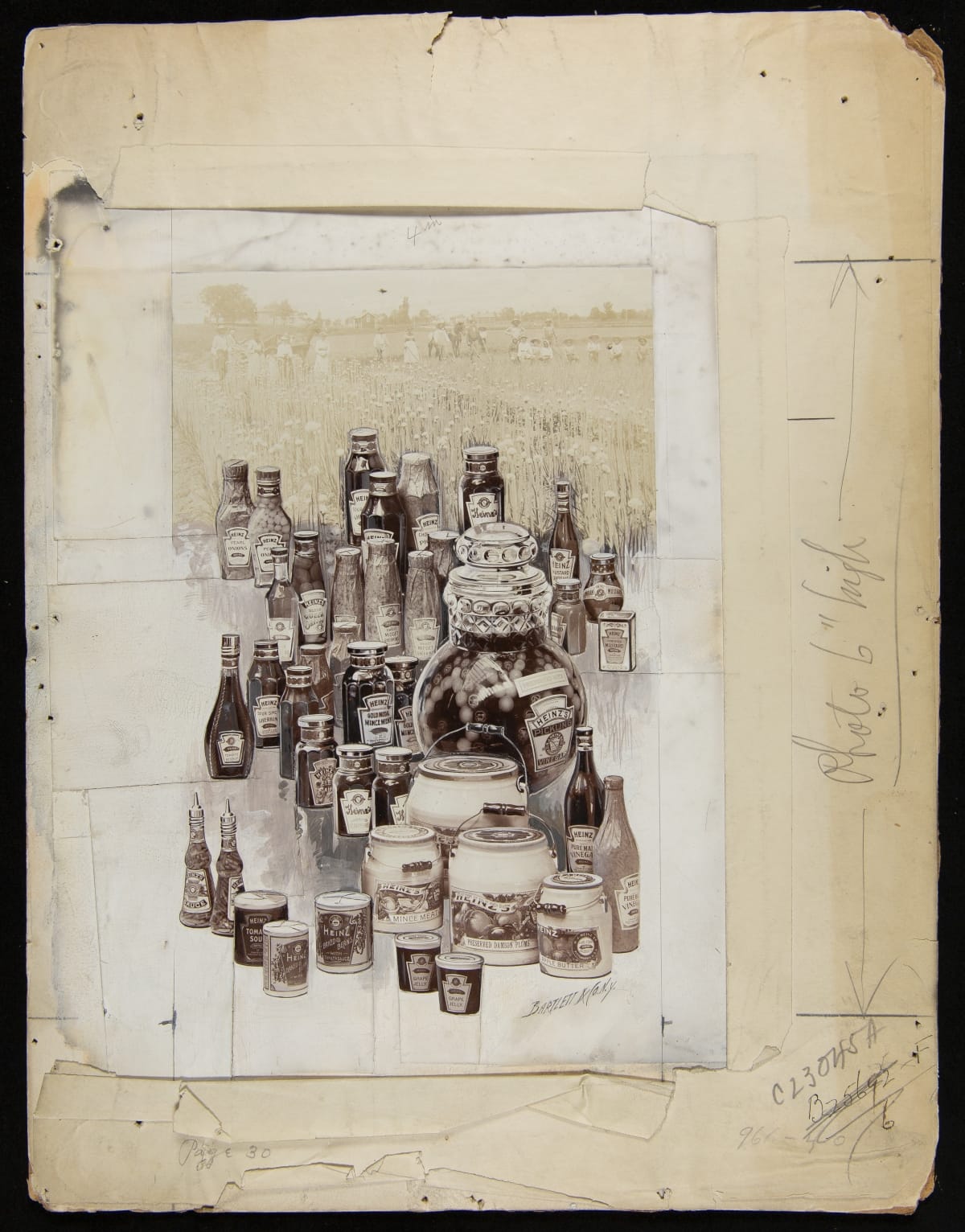
- Advertising Layout of Heinz Products, Farm Field and Employees in Background, circa 1909 - The H.J. Heinz Company employed ambitious and comprehensive advertising strategies to meet consumers at home, in stores, and everywhere in between. Drawings, illustrations and modified photographs of Heinz products were often used for advertising and in publications. This advertising layout represents a step in the marketing process where the size and arrangement are taken into consideration before the final advertisement is created.
- circa 1909
- Collections - Artifact
Advertising Layout of Heinz Products, Farm Field and Employees in Background, circa 1909
The H.J. Heinz Company employed ambitious and comprehensive advertising strategies to meet consumers at home, in stores, and everywhere in between. Drawings, illustrations and modified photographs of Heinz products were often used for advertising and in publications. This advertising layout represents a step in the marketing process where the size and arrangement are taken into consideration before the final advertisement is created.
- Product Catalogue of F. & J. Heinz Company, circa 1878 - After H.J. Heinz lost his first business to bankruptcy, he persuaded his brother and cousin to form the F. & J. Heinz Company in 1876 -- the precursor to the H.J. Heinz Company. Working with them, Heinz helped the company gain a reputation for high-quality pickled foods and condiments. This catalogue shows the many varieties of products the company offered in 1878.
- circa 1878
- Collections - Artifact
Product Catalogue of F. & J. Heinz Company, circa 1878
After H.J. Heinz lost his first business to bankruptcy, he persuaded his brother and cousin to form the F. & J. Heinz Company in 1876 -- the precursor to the H.J. Heinz Company. Working with them, Heinz helped the company gain a reputation for high-quality pickled foods and condiments. This catalogue shows the many varieties of products the company offered in 1878.
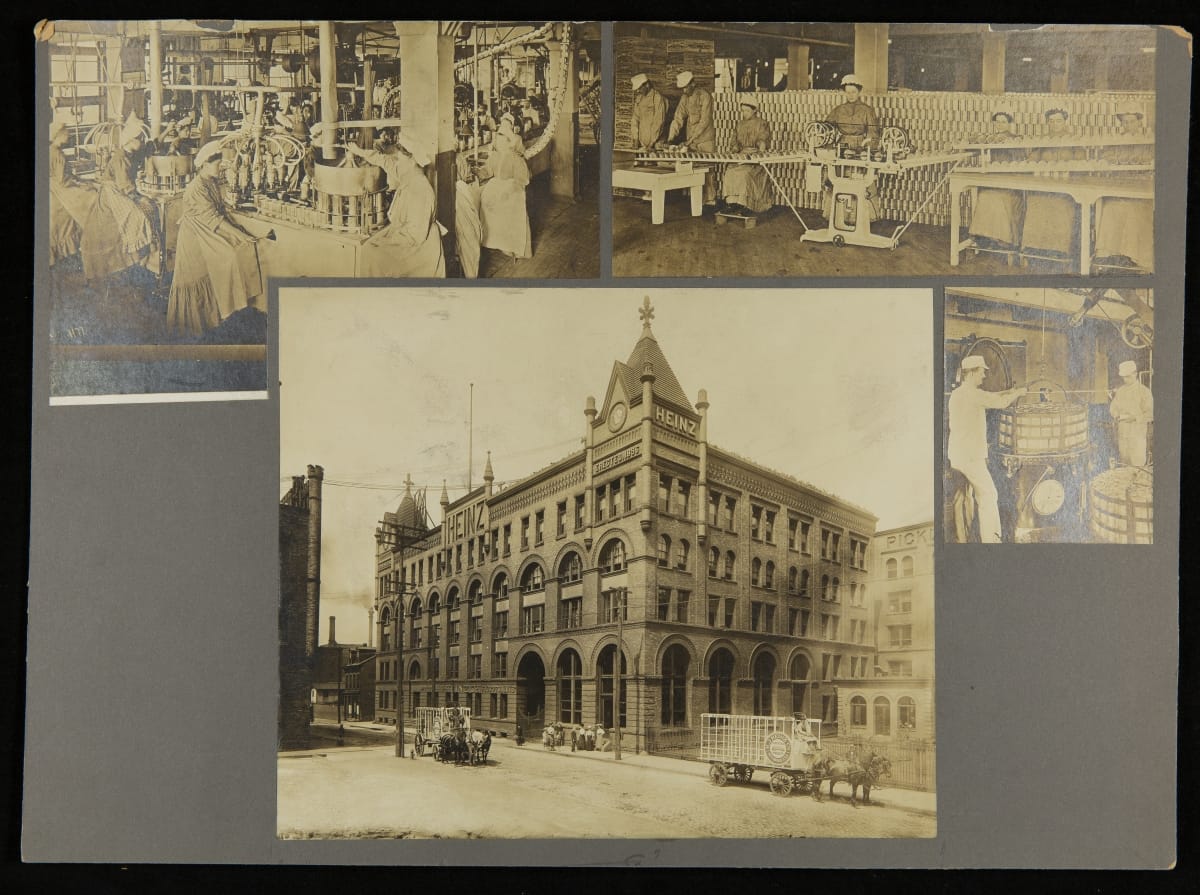
- Photomontage Showing H. J. Heinz Company Main Plant in Pittsburgh, Pennsylvania, circa 1910 - Photographs of the H.J. Heinz factory -- including buildings, employees, and the manufacturing process -- were often taken and then modified for advertising and publications. This advertising layout features several modified photographs of the various steps in the manufacturing process.
- circa 1910
- Collections - Artifact
Photomontage Showing H. J. Heinz Company Main Plant in Pittsburgh, Pennsylvania, circa 1910
Photographs of the H.J. Heinz factory -- including buildings, employees, and the manufacturing process -- were often taken and then modified for advertising and publications. This advertising layout features several modified photographs of the various steps in the manufacturing process.