
Search
- Willow Run Ford Village Industry Plant, July 1945 - In the 1920s and '30s, Henry Ford located small hydroelectrically powered factories throughout rural southeast Michigan. Built in 1939, the Willow Run plant differed from other "Village Industries." Instead of local residents, boys from Ford's nearby Camp Willow Run -- which provided income and life-skills training for underprivileged teenagers -- worked here, supplying door and ignition locks and keys for Ford's passenger cars.
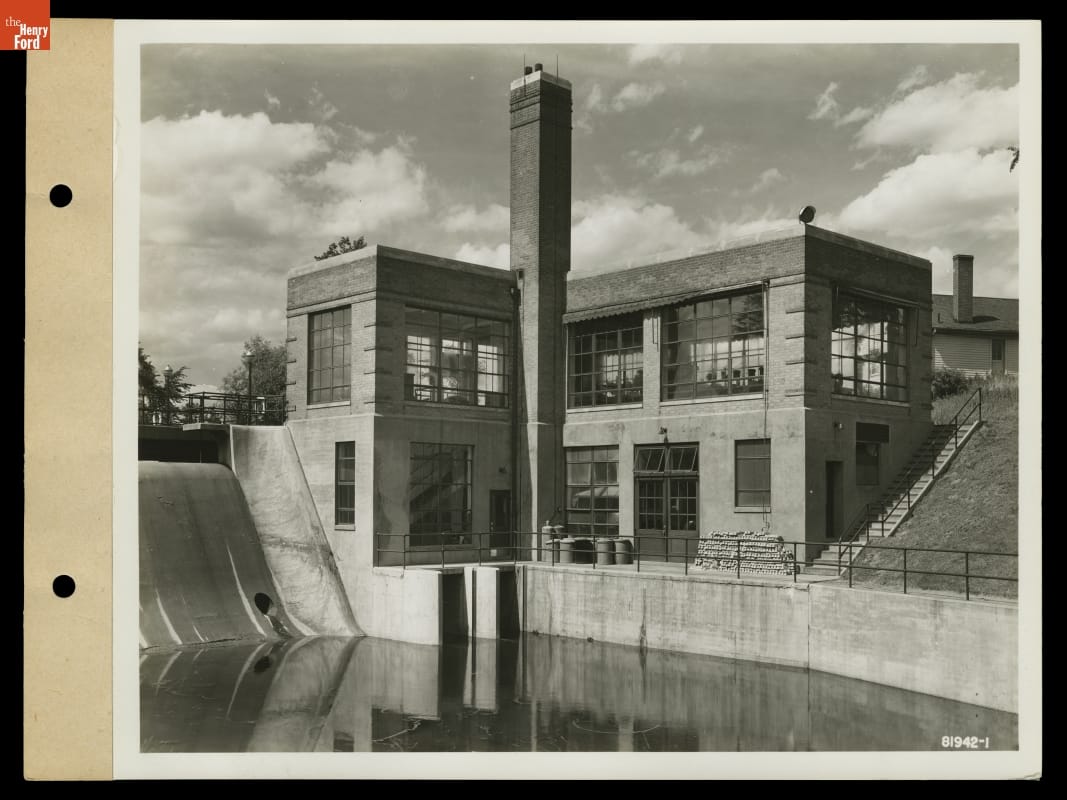
- July 11, 1945
- Collections - Artifact
Willow Run Ford Village Industry Plant, July 1945
In the 1920s and '30s, Henry Ford located small hydroelectrically powered factories throughout rural southeast Michigan. Built in 1939, the Willow Run plant differed from other "Village Industries." Instead of local residents, boys from Ford's nearby Camp Willow Run -- which provided income and life-skills training for underprivileged teenagers -- worked here, supplying door and ignition locks and keys for Ford's passenger cars.
- Inside Willow Run Ford Village Industry Plant Powerhouse, February 1940 - In the 1920s and '30s, Henry Ford located small hydroelectrically powered factories throughout rural southeast Michigan. Built in 1939, the Willow Run plant differed from other "Village Industries." Instead of local residents, boys from Ford's nearby Camp Willow Run -- which provided income and life-skills training for underprivileged teenagers -- worked here, supplying door and ignition locks and keys for Ford's passenger cars.
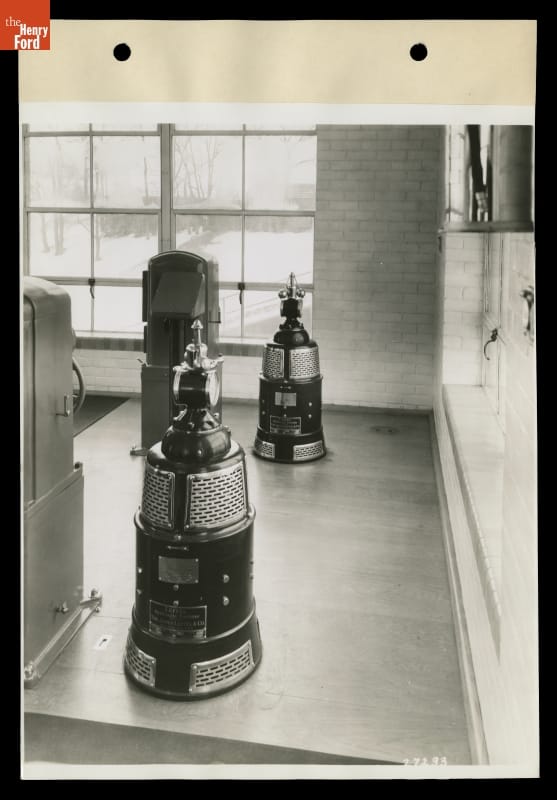
- February 12, 1940
- Collections - Artifact
Inside Willow Run Ford Village Industry Plant Powerhouse, February 1940
In the 1920s and '30s, Henry Ford located small hydroelectrically powered factories throughout rural southeast Michigan. Built in 1939, the Willow Run plant differed from other "Village Industries." Instead of local residents, boys from Ford's nearby Camp Willow Run -- which provided income and life-skills training for underprivileged teenagers -- worked here, supplying door and ignition locks and keys for Ford's passenger cars.
- Inside Willow Run Ford Village Industry Plant Powerhouse, February 1940 - In the 1920s and '30s, Henry Ford located small hydroelectrically powered factories throughout rural southeast Michigan. Built in 1939, the Willow Run plant differed from other "Village Industries." Instead of local residents, boys from Ford's nearby Camp Willow Run -- which provided income and life-skills training for underprivileged teenagers -- worked here, supplying door and ignition locks and keys for Ford's passenger cars.
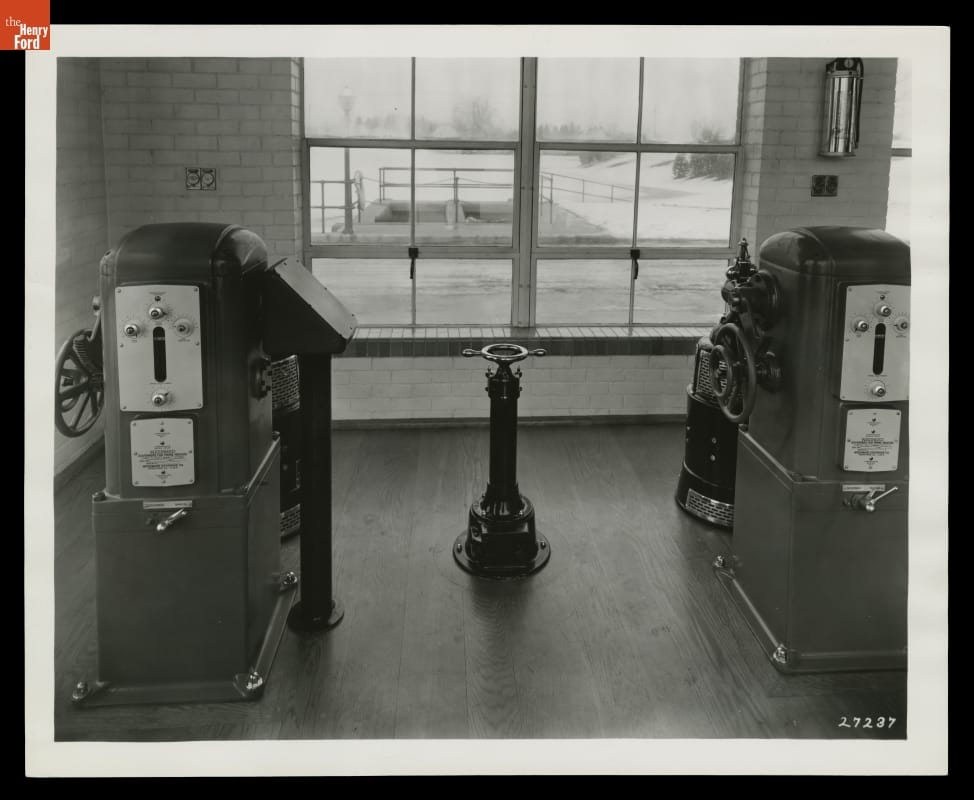
- February 12, 1940
- Collections - Artifact
Inside Willow Run Ford Village Industry Plant Powerhouse, February 1940
In the 1920s and '30s, Henry Ford located small hydroelectrically powered factories throughout rural southeast Michigan. Built in 1939, the Willow Run plant differed from other "Village Industries." Instead of local residents, boys from Ford's nearby Camp Willow Run -- which provided income and life-skills training for underprivileged teenagers -- worked here, supplying door and ignition locks and keys for Ford's passenger cars.
- Inside Willow Run Ford Village Industry Plant Powerhouse, February 1940 - In the 1920s and '30s, Henry Ford located small hydroelectrically powered factories throughout rural southeast Michigan. Built in 1939, the Willow Run plant differed from other "Village Industries." Instead of local residents, boys from Ford's nearby Camp Willow Run -- which provided income and life-skills training for underprivileged teenagers -- worked here, supplying door and ignition locks and keys for Ford's passenger cars.
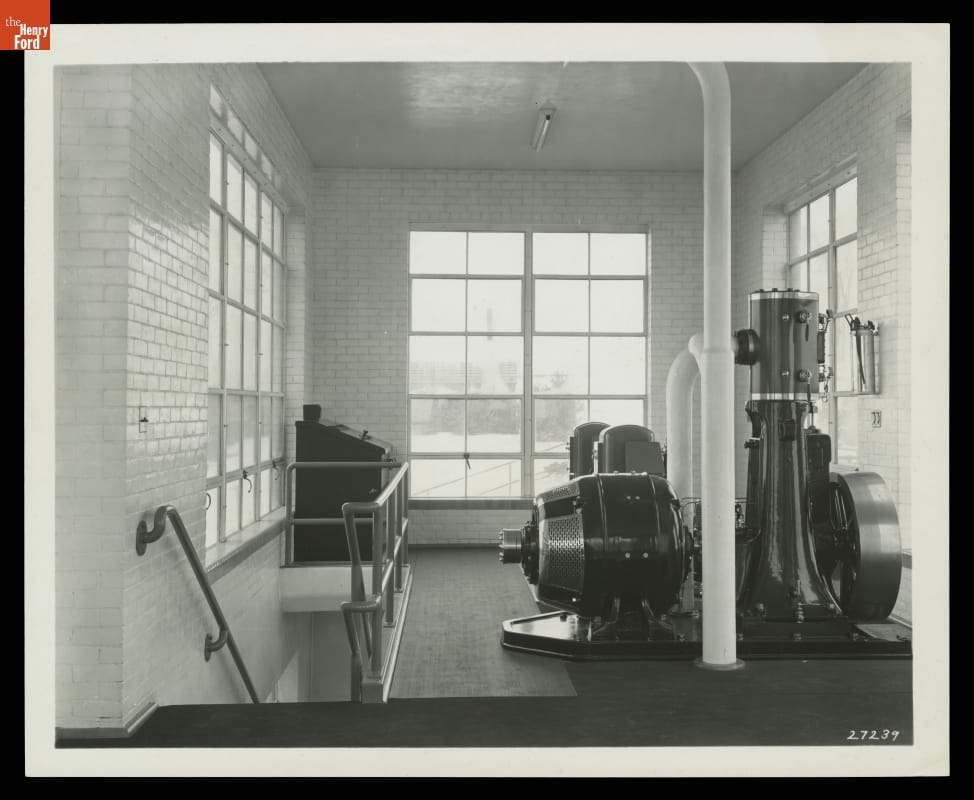
- February 12, 1940
- Collections - Artifact
Inside Willow Run Ford Village Industry Plant Powerhouse, February 1940
In the 1920s and '30s, Henry Ford located small hydroelectrically powered factories throughout rural southeast Michigan. Built in 1939, the Willow Run plant differed from other "Village Industries." Instead of local residents, boys from Ford's nearby Camp Willow Run -- which provided income and life-skills training for underprivileged teenagers -- worked here, supplying door and ignition locks and keys for Ford's passenger cars.
- Construction of the Willow Run Ford Village Industry Plant, September 1939 - In the 1920s and '30s, Henry Ford located small hydroelectrically powered factories throughout rural southeast Michigan. Built in 1939, the Willow Run plant differed from other "Village Industries." Instead of local residents, boys from Ford's nearby Camp Willow Run -- which provided income and life-skills training for underprivileged teenagers -- worked here, supplying door and ignition locks and keys for Ford's passenger cars.
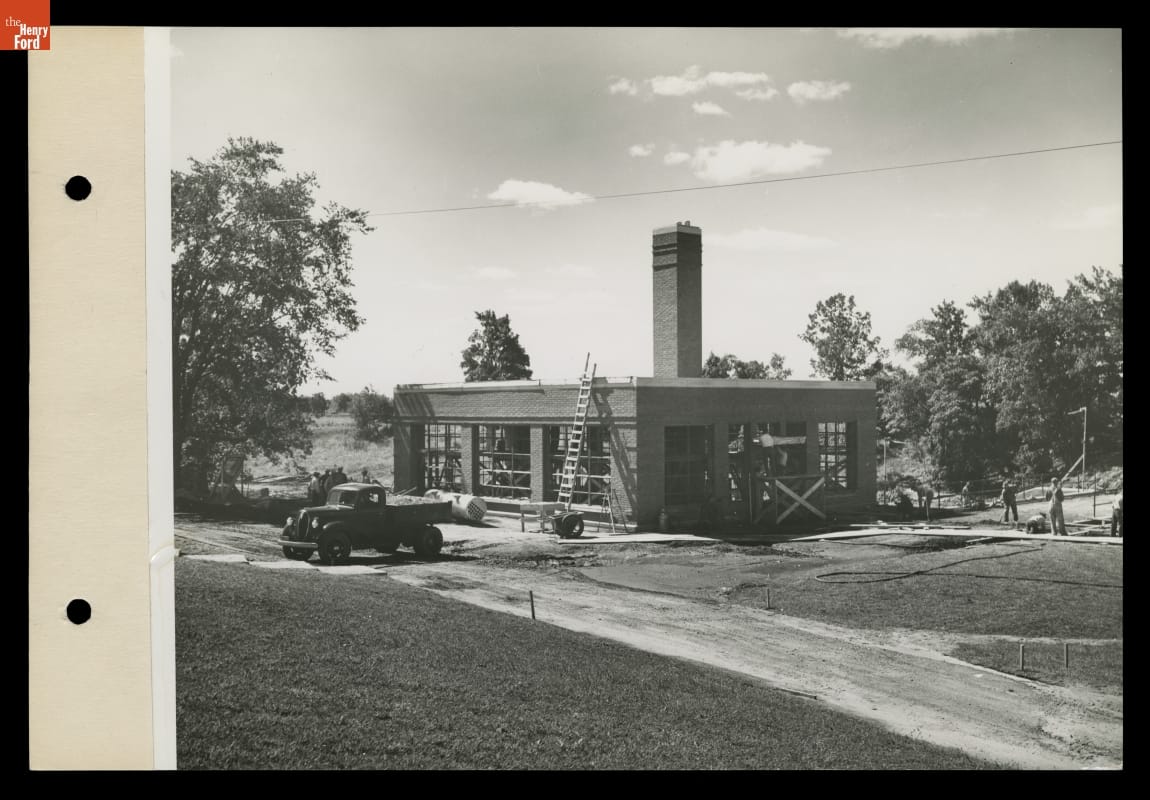
- September 05, 1939
- Collections - Artifact
Construction of the Willow Run Ford Village Industry Plant, September 1939
In the 1920s and '30s, Henry Ford located small hydroelectrically powered factories throughout rural southeast Michigan. Built in 1939, the Willow Run plant differed from other "Village Industries." Instead of local residents, boys from Ford's nearby Camp Willow Run -- which provided income and life-skills training for underprivileged teenagers -- worked here, supplying door and ignition locks and keys for Ford's passenger cars.
- Young Man Working at Willow Run Ford Village Industry Plant, May 1940 - In the 1920s and '30s, Henry Ford located small hydroelectrically powered factories throughout rural southeast Michigan. Built in 1939, the Willow Run plant differed from other "Village Industries." Instead of local residents, boys from Ford's nearby Camp Willow Run -- which provided income and life-skills training for underprivileged teenagers -- worked here, supplying door and ignition locks and keys for Ford's passenger cars.
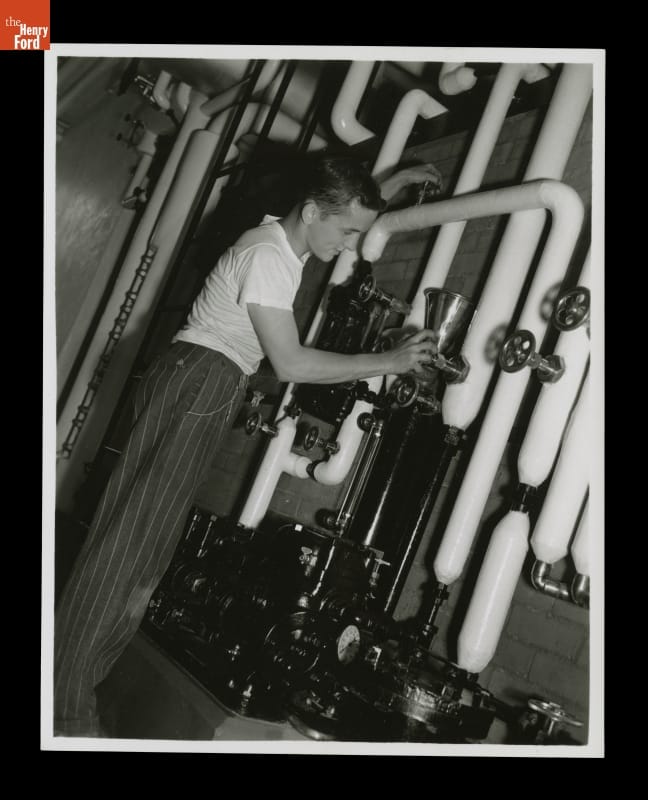
- May 14, 1940
- Collections - Artifact
Young Man Working at Willow Run Ford Village Industry Plant, May 1940
In the 1920s and '30s, Henry Ford located small hydroelectrically powered factories throughout rural southeast Michigan. Built in 1939, the Willow Run plant differed from other "Village Industries." Instead of local residents, boys from Ford's nearby Camp Willow Run -- which provided income and life-skills training for underprivileged teenagers -- worked here, supplying door and ignition locks and keys for Ford's passenger cars.
- Willow Run Ford Village Industry Plant, December 1939 - In the 1920s and '30s, Henry Ford located small hydroelectrically powered factories throughout rural southeast Michigan. Built in 1939, the Willow Run plant differed from other "Village Industries." Instead of local residents, boys from Ford's nearby Camp Willow Run -- which provided income and life-skills training for underprivileged teenagers -- worked here, supplying door and ignition locks and keys for Ford's passenger cars.
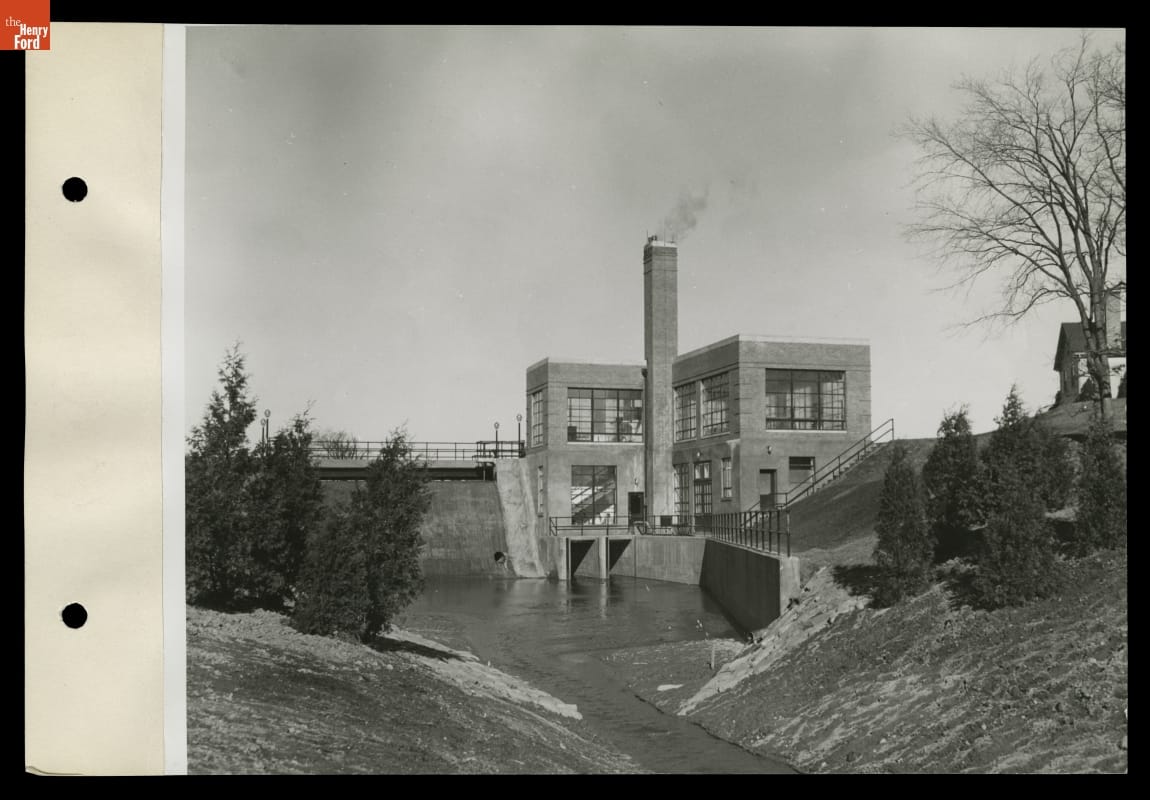
- December 22, 1939
- Collections - Artifact
Willow Run Ford Village Industry Plant, December 1939
In the 1920s and '30s, Henry Ford located small hydroelectrically powered factories throughout rural southeast Michigan. Built in 1939, the Willow Run plant differed from other "Village Industries." Instead of local residents, boys from Ford's nearby Camp Willow Run -- which provided income and life-skills training for underprivileged teenagers -- worked here, supplying door and ignition locks and keys for Ford's passenger cars.
- Young Man Working at Willow Run Ford Village Industry Plant, May 1940 - In the 1920s and '30s, Henry Ford located small hydroelectrically powered factories throughout rural southeast Michigan. Built in 1939, the Willow Run plant differed from other "Village Industries." Instead of local residents, boys from Ford's nearby Camp Willow Run -- which provided income and life-skills training for underprivileged teenagers -- worked here, supplying door and ignition locks and keys for Ford's passenger cars.
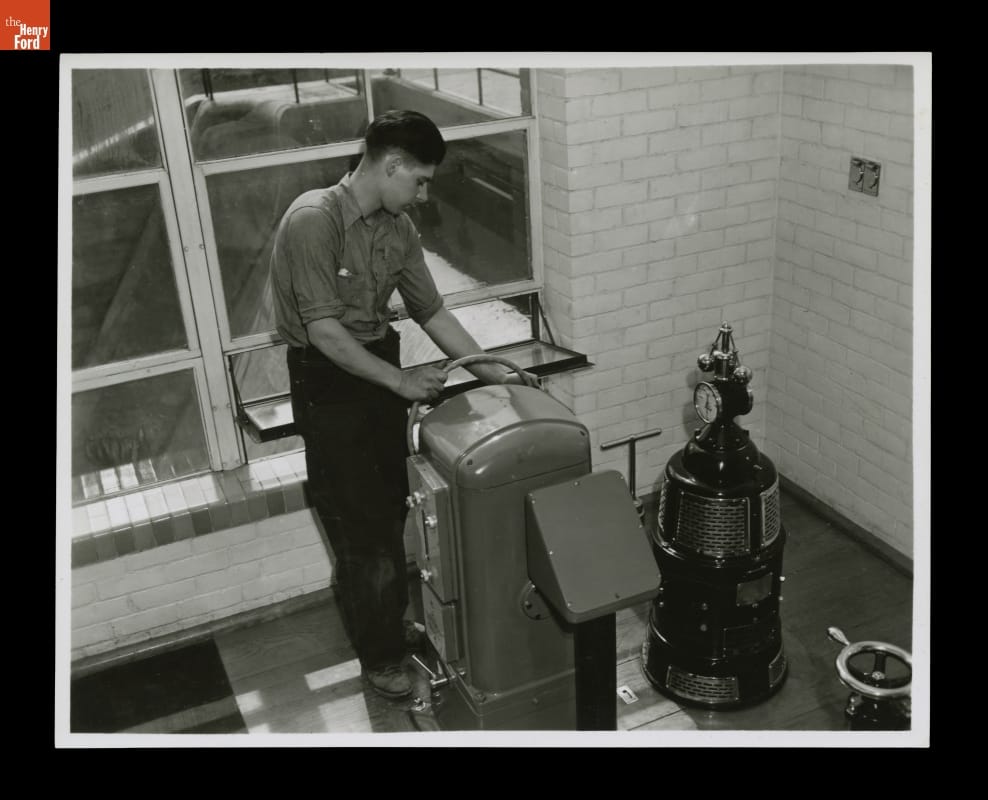
- May 13, 1940
- Collections - Artifact
Young Man Working at Willow Run Ford Village Industry Plant, May 1940
In the 1920s and '30s, Henry Ford located small hydroelectrically powered factories throughout rural southeast Michigan. Built in 1939, the Willow Run plant differed from other "Village Industries." Instead of local residents, boys from Ford's nearby Camp Willow Run -- which provided income and life-skills training for underprivileged teenagers -- worked here, supplying door and ignition locks and keys for Ford's passenger cars.
- Willow Run Ford Village Industry Plant, July 1945 - In the 1920s and '30s, Henry Ford located small hydroelectrically powered factories throughout rural southeast Michigan. Built in 1939, the Willow Run plant differed from other "Village Industries." Instead of local residents, boys from Ford's nearby Camp Willow Run -- which provided income and life-skills training for underprivileged teenagers -- worked here, supplying door and ignition locks and keys for Ford's passenger cars.
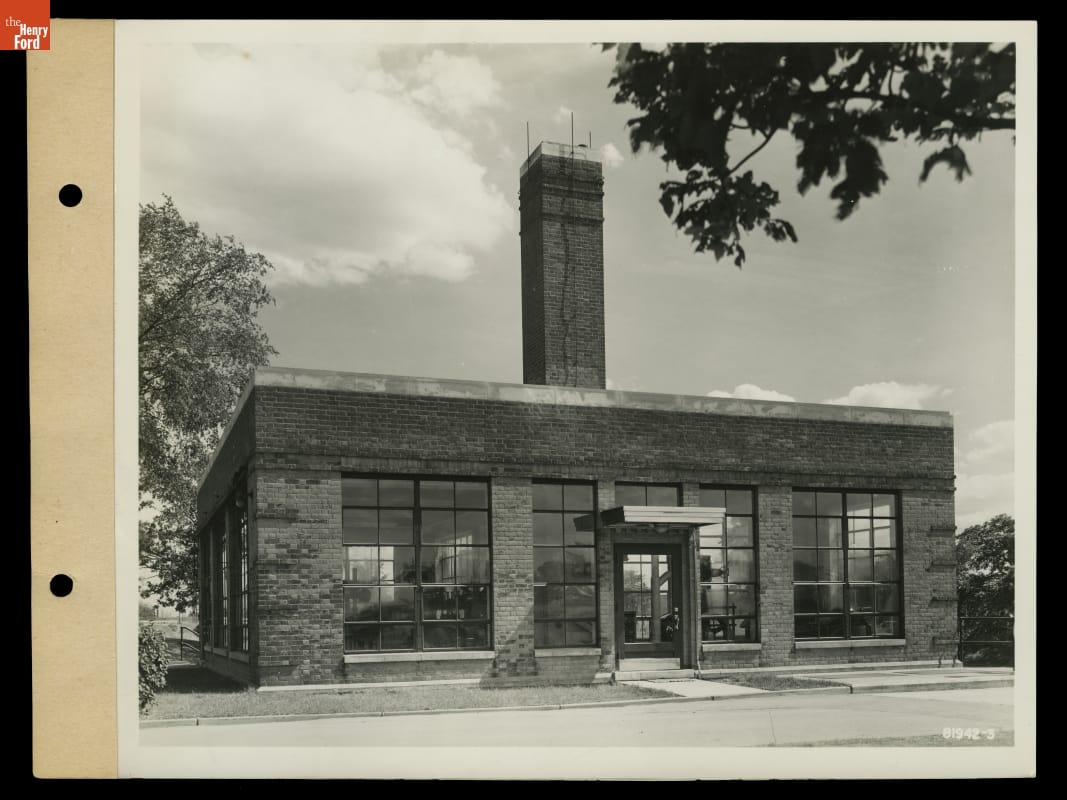
- July 11, 1945
- Collections - Artifact
Willow Run Ford Village Industry Plant, July 1945
In the 1920s and '30s, Henry Ford located small hydroelectrically powered factories throughout rural southeast Michigan. Built in 1939, the Willow Run plant differed from other "Village Industries." Instead of local residents, boys from Ford's nearby Camp Willow Run -- which provided income and life-skills training for underprivileged teenagers -- worked here, supplying door and ignition locks and keys for Ford's passenger cars.
- Willow Run Ford Village Industry Plant, February 1940 - In the 1920s and '30s, Henry Ford located small hydroelectrically powered factories throughout rural southeast Michigan. Built in 1939, the Willow Run plant differed from other "Village Industries." Instead of local residents, boys from Ford's nearby Camp Willow Run -- which provided income and life-skills training for underprivileged teenagers -- worked here, supplying door and ignition locks and keys for Ford's passenger cars.
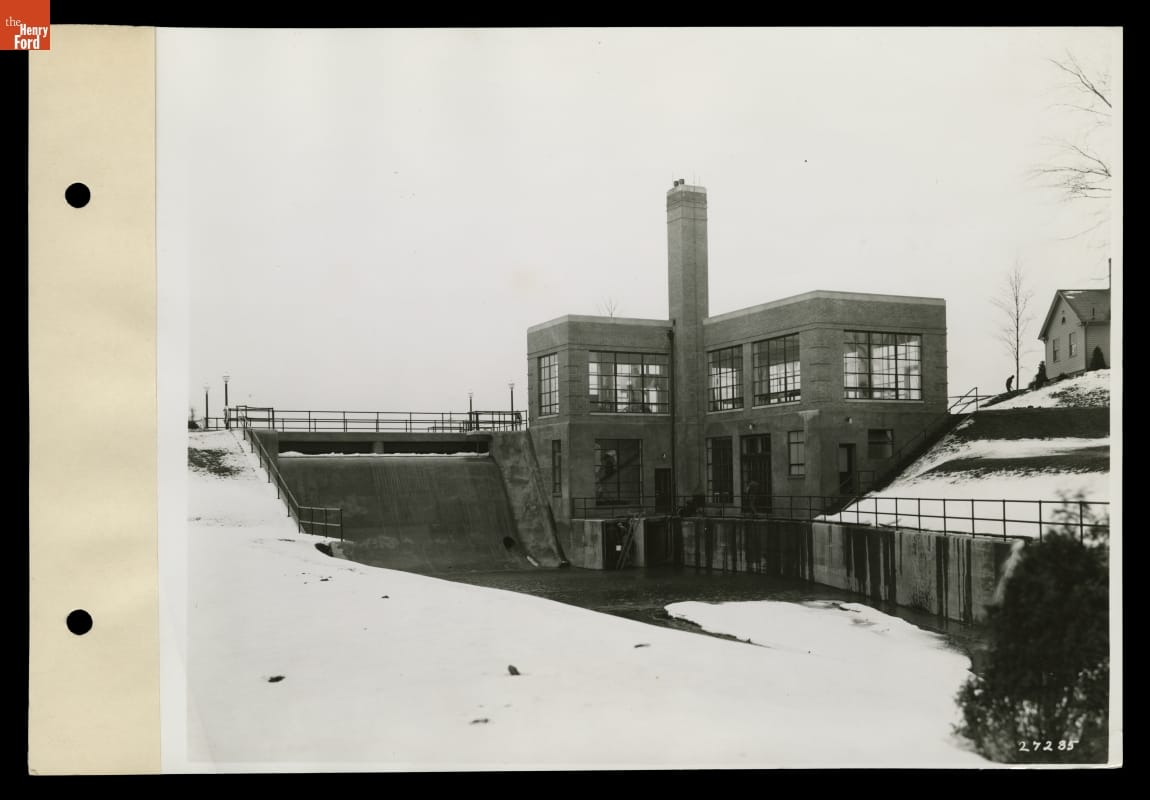
- February 12, 1940
- Collections - Artifact
Willow Run Ford Village Industry Plant, February 1940
In the 1920s and '30s, Henry Ford located small hydroelectrically powered factories throughout rural southeast Michigan. Built in 1939, the Willow Run plant differed from other "Village Industries." Instead of local residents, boys from Ford's nearby Camp Willow Run -- which provided income and life-skills training for underprivileged teenagers -- worked here, supplying door and ignition locks and keys for Ford's passenger cars.