
Search
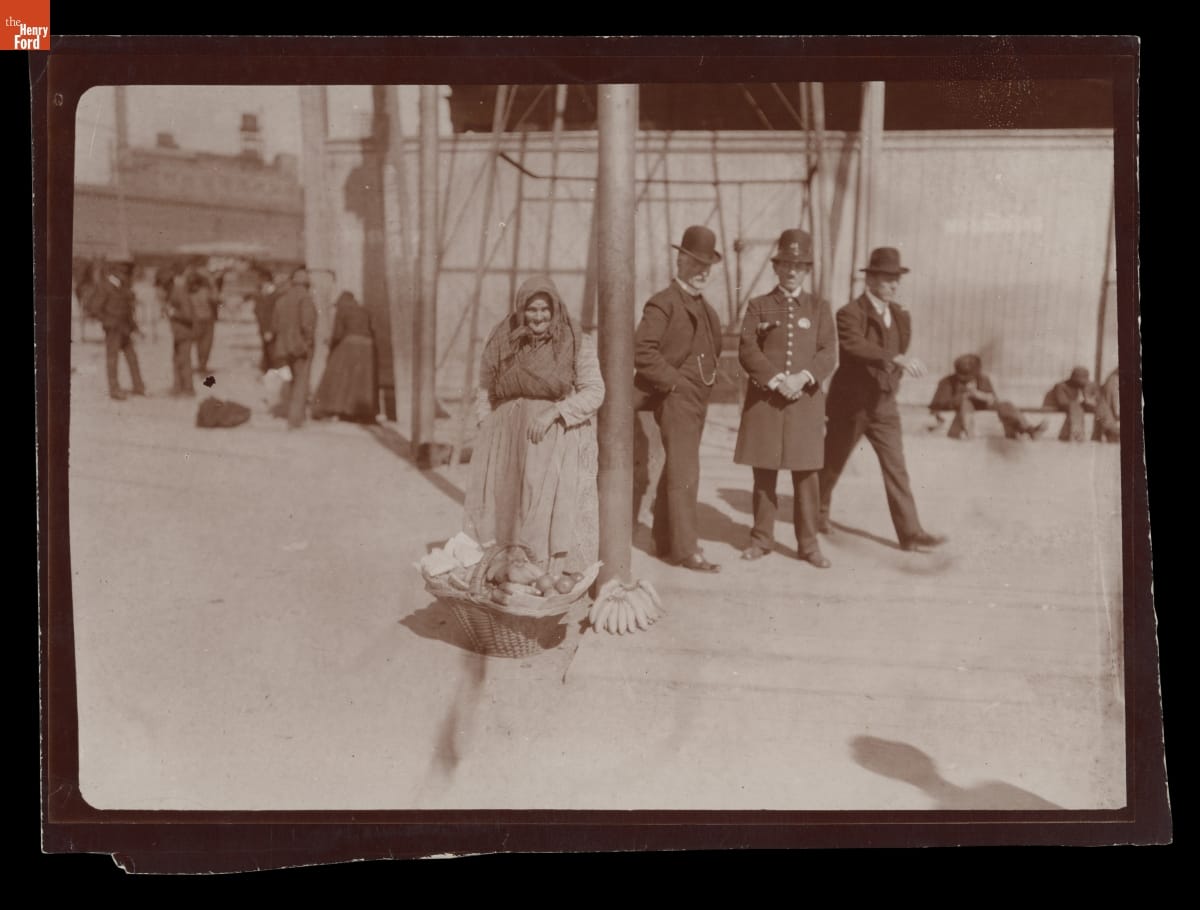
- Woman with Basket of Fruit, New Orleans, Louisiana, circa 1905 -
- circa 1905
- Collections - Artifact
Woman with Basket of Fruit, New Orleans, Louisiana, circa 1905
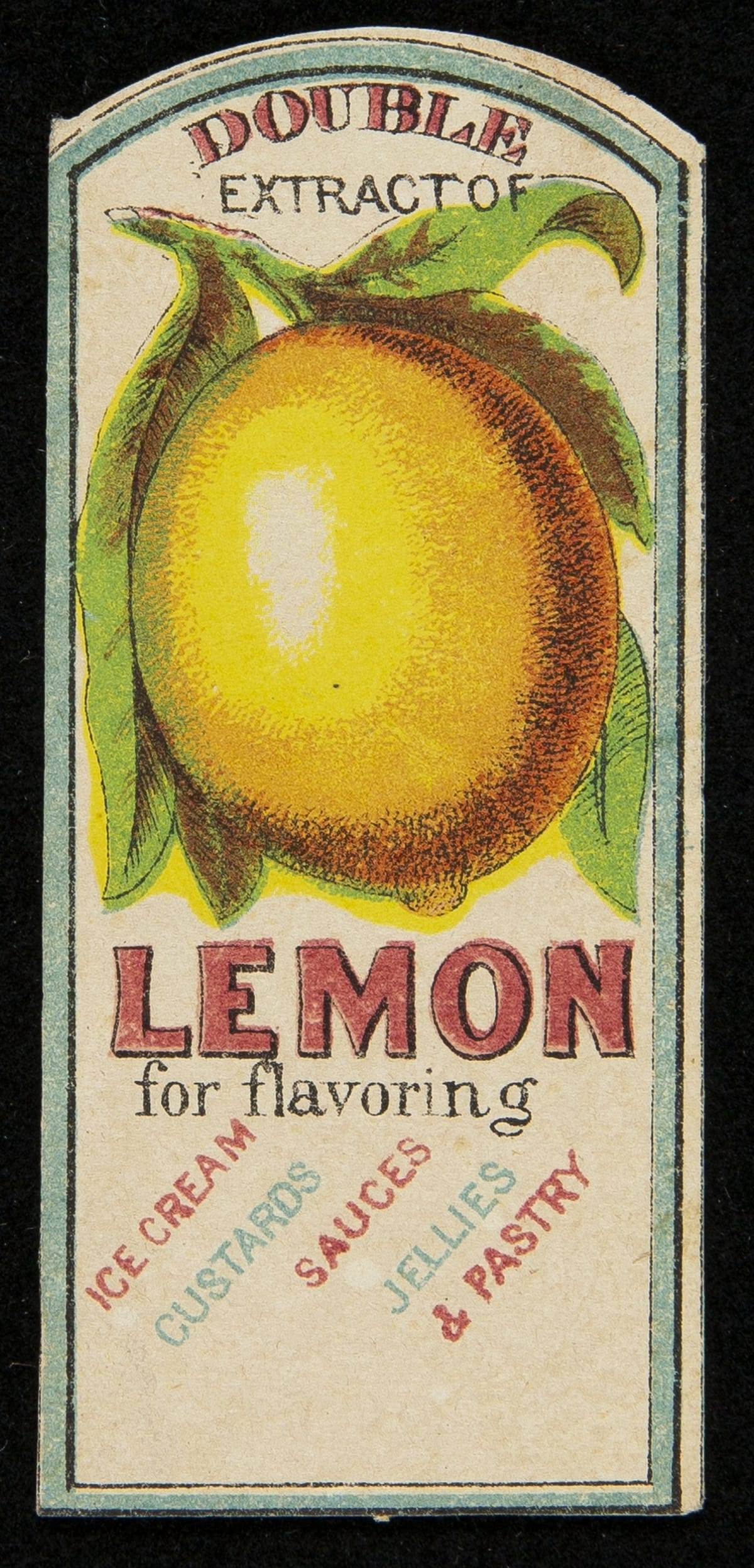
- Label for Double Extract of Lemon, 1880-1910 -
- 1880-1910
- Collections - Artifact
Label for Double Extract of Lemon, 1880-1910
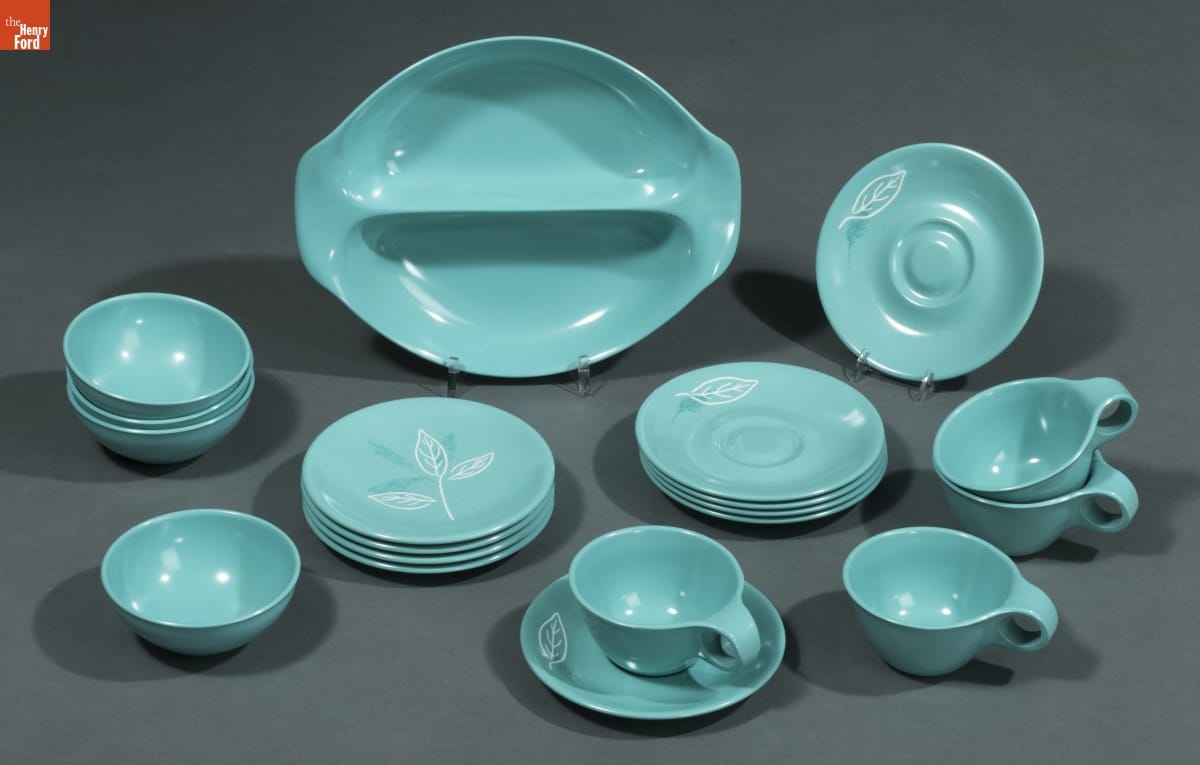
- Set of Melamine Tableware, 1950-1960 - During the early 1950s, plastic dinnerware in the form of melamine was introduced to the American market. By 1956, twenty-five percent of Americans owned at least a pair of these plates. Industrial designers Russel and Mary Wright were famous for producing aesthetically pleasing ceramic dinnerware as early as the 1930s. This set, in fashionable turquoise, was the Wrights' first design in plastic.
- 1950-1960
- Collections - Artifact
Set of Melamine Tableware, 1950-1960
During the early 1950s, plastic dinnerware in the form of melamine was introduced to the American market. By 1956, twenty-five percent of Americans owned at least a pair of these plates. Industrial designers Russel and Mary Wright were famous for producing aesthetically pleasing ceramic dinnerware as early as the 1930s. This set, in fashionable turquoise, was the Wrights' first design in plastic.
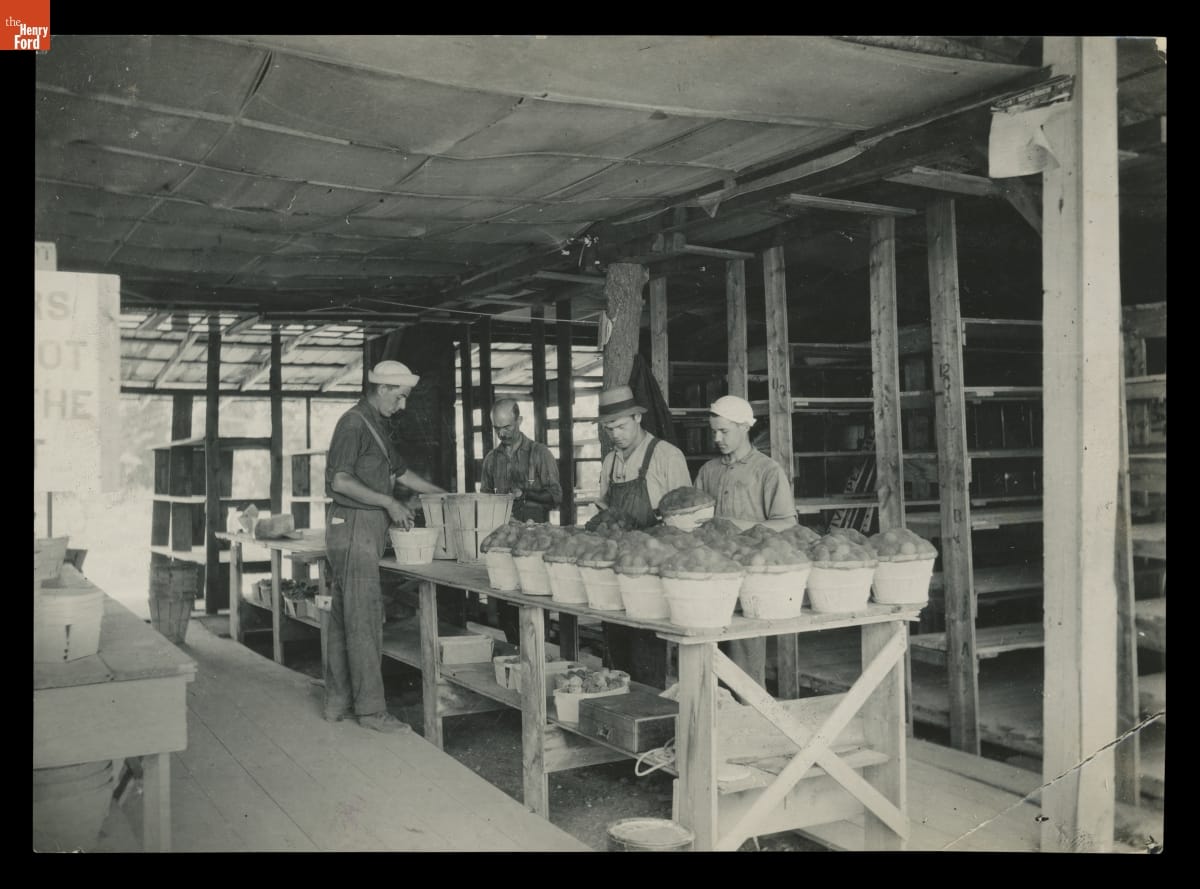
- Packing Peaches, circa 1923 -
- circa 1923
- Collections - Artifact
Packing Peaches, circa 1923
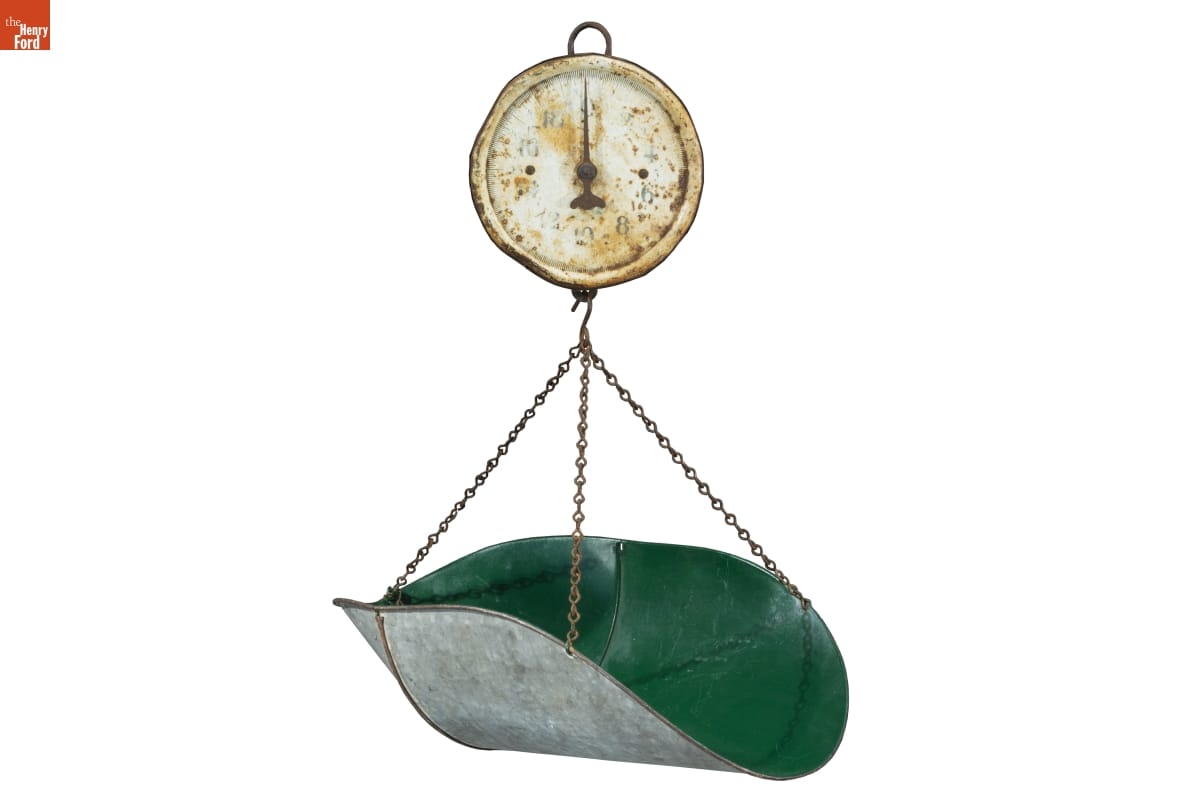
- Fruit and Vegetable Scale, Used by the Krasnoff Family at Eastern Market, Detroit, Michigan, 1923-1940 -
- 1923-1940
- Collections - Artifact
Fruit and Vegetable Scale, Used by the Krasnoff Family at Eastern Market, Detroit, Michigan, 1923-1940
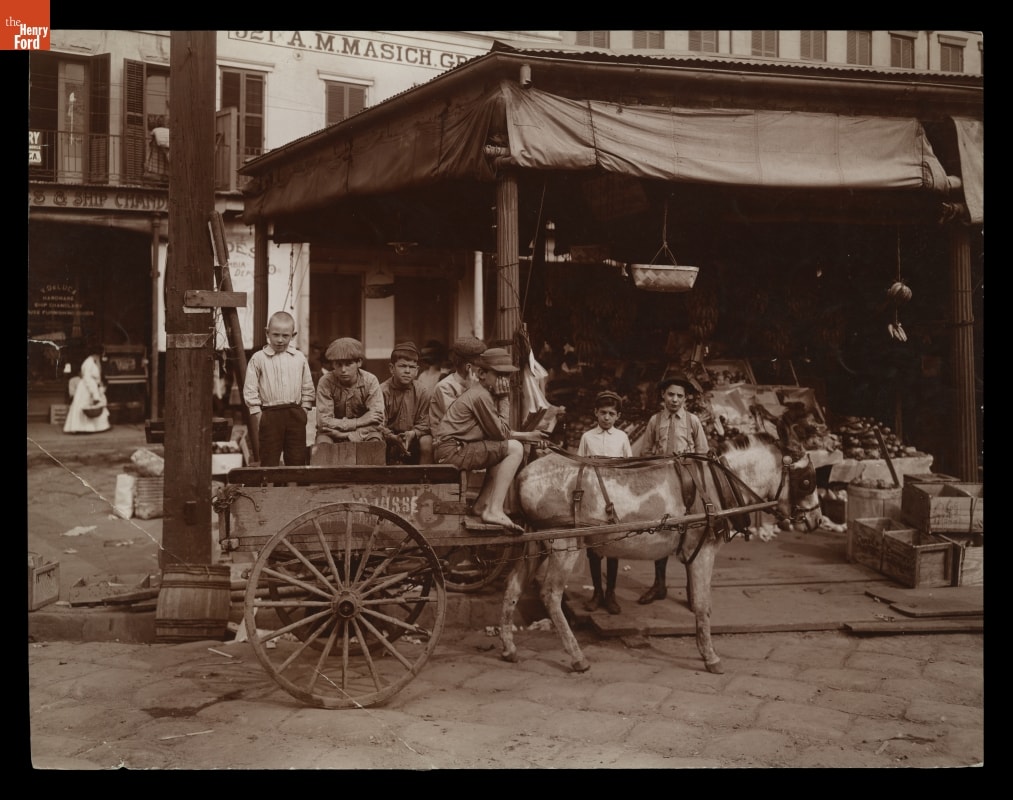
- Boys on Donkey Cart, Street Corner of the French Market, New Orleans, Louisiana, circa 1905 - From 1895 to 1924, the Detroit Publishing Company was one of the major image publishers in the world. The company's wide-ranging stock of original photographs documented life and landscapes from across the nation and around the globe. From the tens of thousands of negatives, the company created prints, postcards, lantern slides, panoramas, and other merchandise for sale to educators, businessmen, advertisers, homeowners and travelers.
- circa 1905
- Collections - Artifact
Boys on Donkey Cart, Street Corner of the French Market, New Orleans, Louisiana, circa 1905
From 1895 to 1924, the Detroit Publishing Company was one of the major image publishers in the world. The company's wide-ranging stock of original photographs documented life and landscapes from across the nation and around the globe. From the tens of thousands of negatives, the company created prints, postcards, lantern slides, panoramas, and other merchandise for sale to educators, businessmen, advertisers, homeowners and travelers.
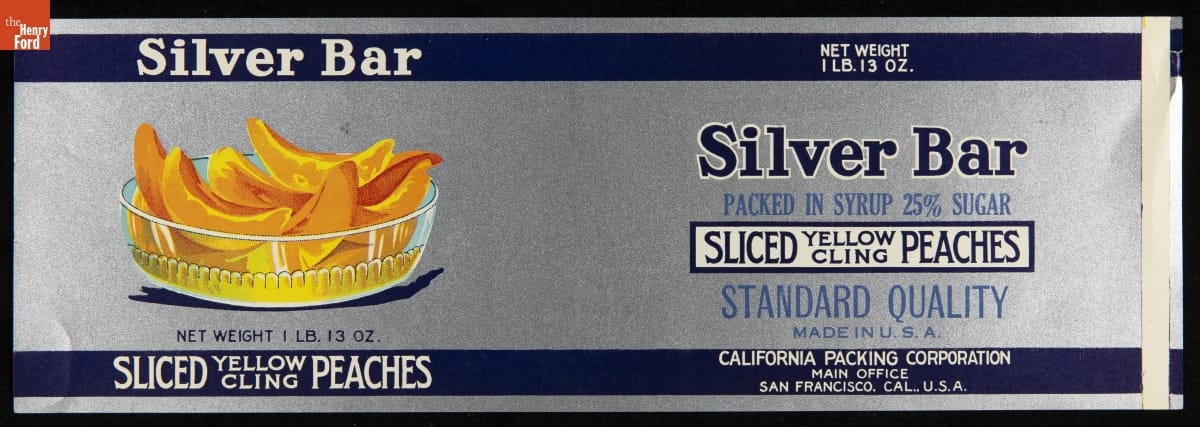
- Can Label, "Silver Bar Brand Sliced Yellow Cling Peaches," circa 1920 - Manufacturers of similar products sought ways to make their company's goods stand out on store shelves. Attractive labels, like this design for Silver Bar Brand Yellow Cling Peaches, helped catch the attention of potential customers -- hopefully encouraging them to purchase the company's product rather than that of a competitor.
- circa 1920
- Collections - Artifact
Can Label, "Silver Bar Brand Sliced Yellow Cling Peaches," circa 1920
Manufacturers of similar products sought ways to make their company's goods stand out on store shelves. Attractive labels, like this design for Silver Bar Brand Yellow Cling Peaches, helped catch the attention of potential customers -- hopefully encouraging them to purchase the company's product rather than that of a competitor.
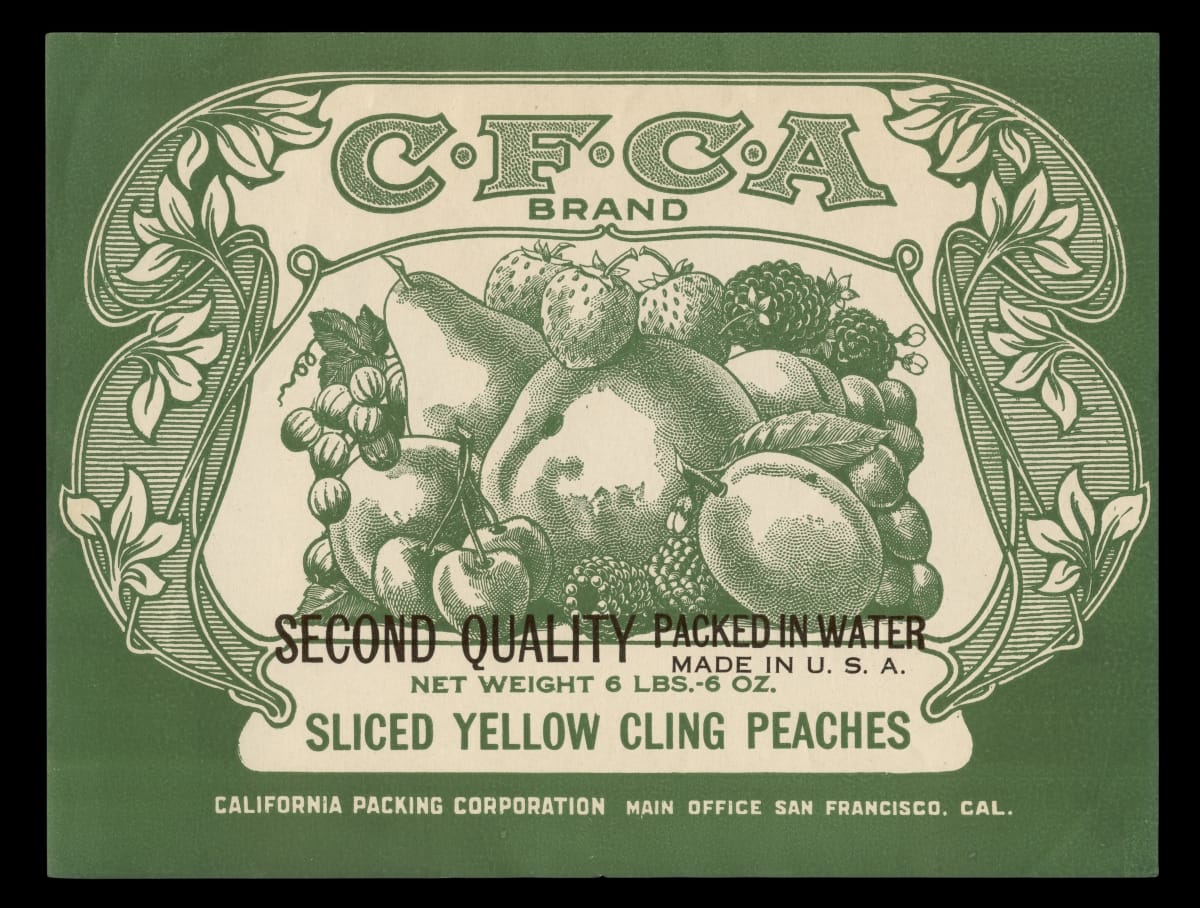
- Crate Label, "C.F.C.A. Brand Sliced Yellow Cling Peaches," 1920-1930 - In 1869, the transcontinental railroad opened eastern markets to the West Coast produce industry for the first time. As produce companies shipped crates of fruits and vegetables across the country, they needed a way to distinguish their goods from their competitors'. Colorful, eye-catching labels, like this one for C.F.C.A. Brand Sliced Yellow Cling Peaches, were created to attract grocers purchasing goods from wholesale markets.
- 1920-1930
- Collections - Artifact
Crate Label, "C.F.C.A. Brand Sliced Yellow Cling Peaches," 1920-1930
In 1869, the transcontinental railroad opened eastern markets to the West Coast produce industry for the first time. As produce companies shipped crates of fruits and vegetables across the country, they needed a way to distinguish their goods from their competitors'. Colorful, eye-catching labels, like this one for C.F.C.A. Brand Sliced Yellow Cling Peaches, were created to attract grocers purchasing goods from wholesale markets.
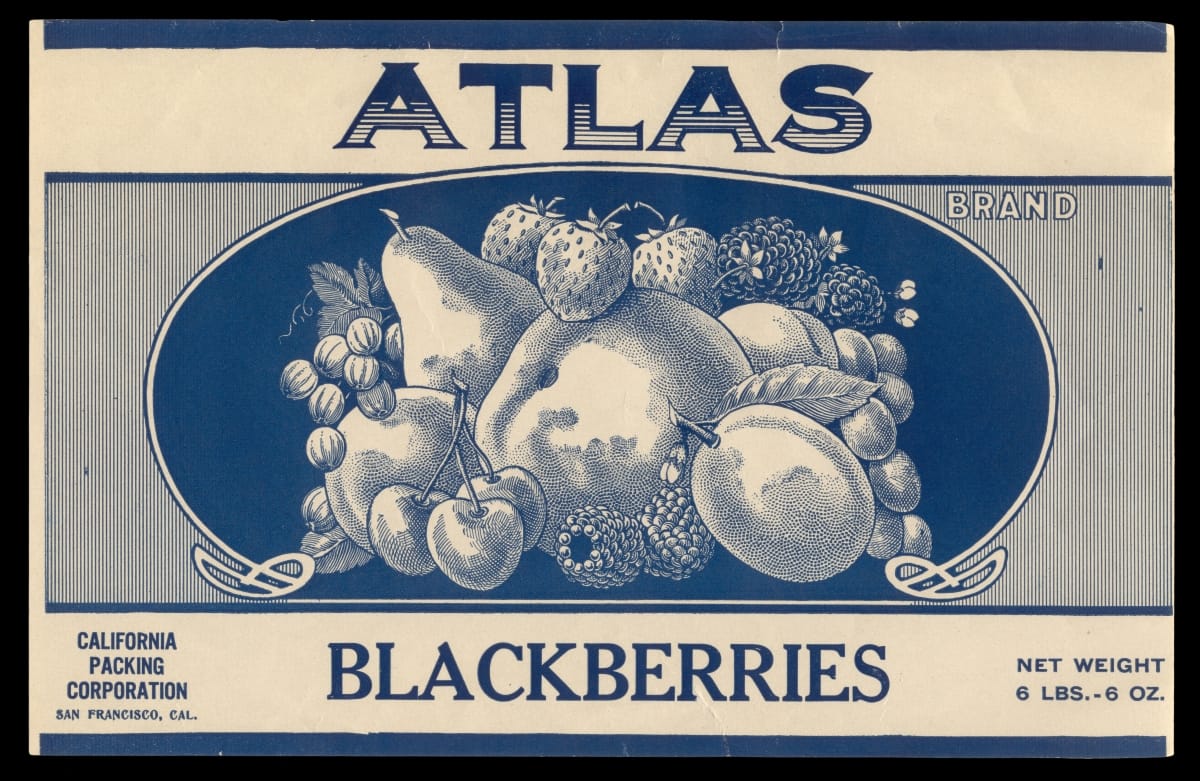
- Crate Label, "Atlas Brand Blackberries," 1920-1930 - In 1869, the transcontinental railroad opened eastern markets to the West Coast produce industry for the first time. As produce companies shipped crates of fruits and vegetables across the country, they needed a way to distinguish their goods from their competitors'. Colorful, eye-catching labels, like this one for Atlas Brand Blackberries, were created to attract grocers purchasing goods from wholesale markets.
- 1920-1930
- Collections - Artifact
Crate Label, "Atlas Brand Blackberries," 1920-1930
In 1869, the transcontinental railroad opened eastern markets to the West Coast produce industry for the first time. As produce companies shipped crates of fruits and vegetables across the country, they needed a way to distinguish their goods from their competitors'. Colorful, eye-catching labels, like this one for Atlas Brand Blackberries, were created to attract grocers purchasing goods from wholesale markets.
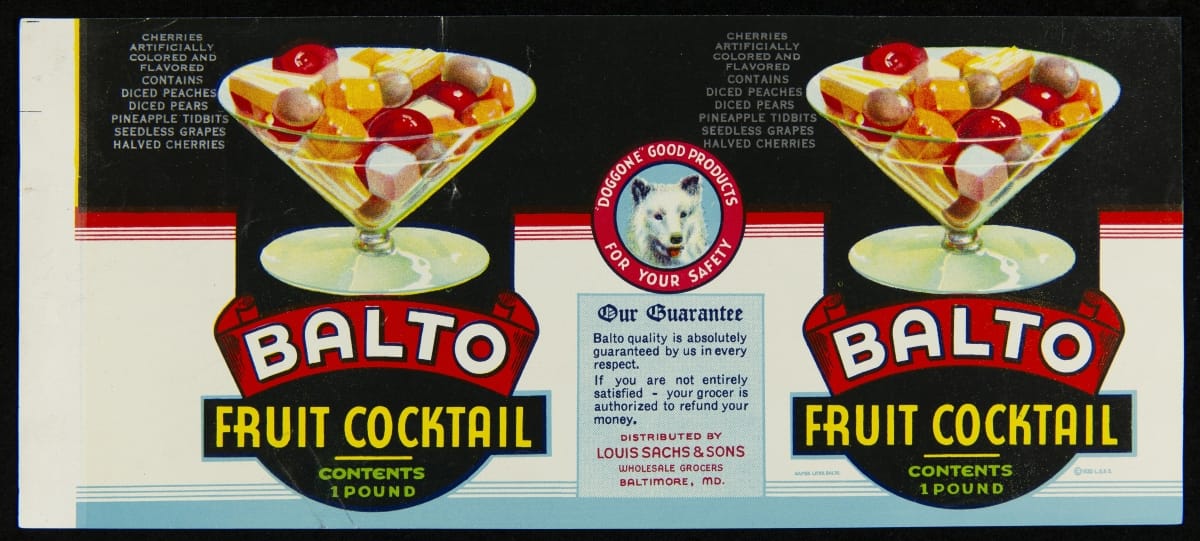
- Can Label, "Balto Brand Fruit Cocktail," 1935 - Manufacturers of similar products sought ways to make their company's goods stand out on store shelves. Attractive labels, like this design for Balto Brand Fruit Cocktails, helped catch the attention of potential customers - hopefully encouraging them to purchase the company's product rather than that of a competitor.
- 1935
- Collections - Artifact
Can Label, "Balto Brand Fruit Cocktail," 1935
Manufacturers of similar products sought ways to make their company's goods stand out on store shelves. Attractive labels, like this design for Balto Brand Fruit Cocktails, helped catch the attention of potential customers - hopefully encouraging them to purchase the company's product rather than that of a competitor.