
Search
- General Electric Household Appliances Advertisement, circa 1926 -
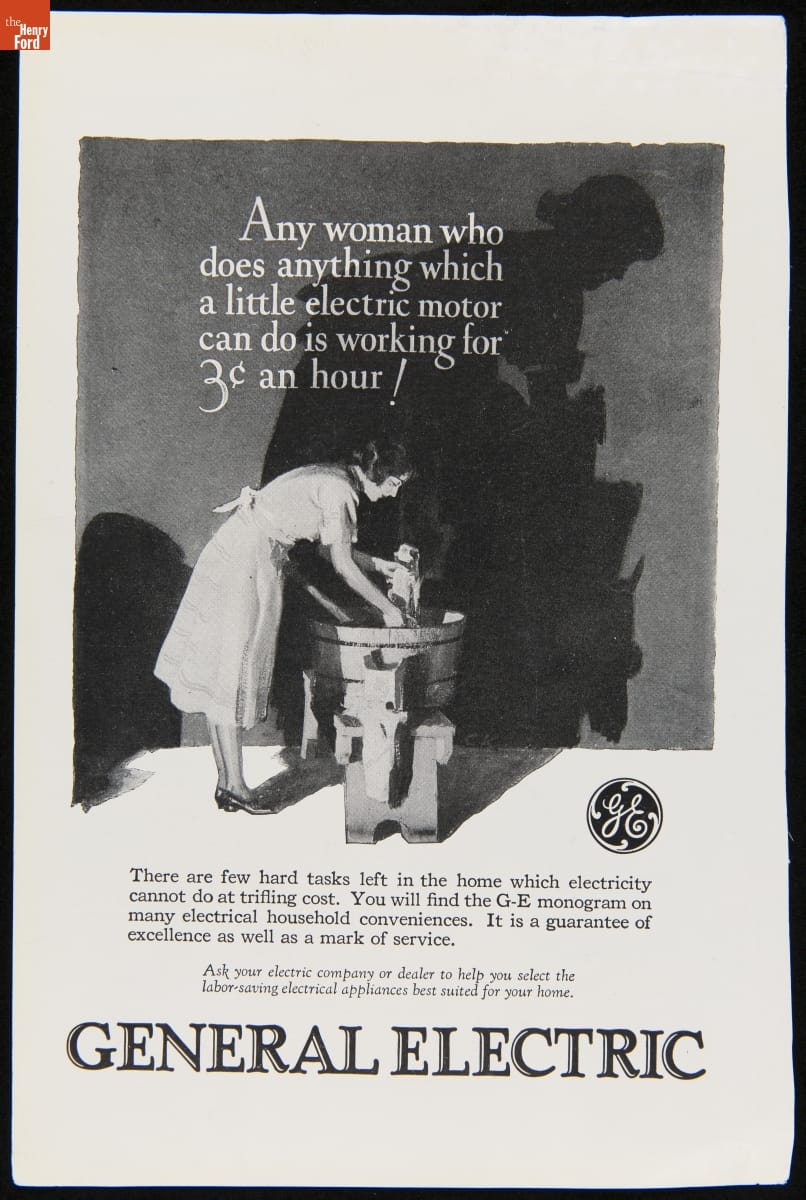
- September 01, 1926
- Collections - Artifact
General Electric Household Appliances Advertisement, circa 1926
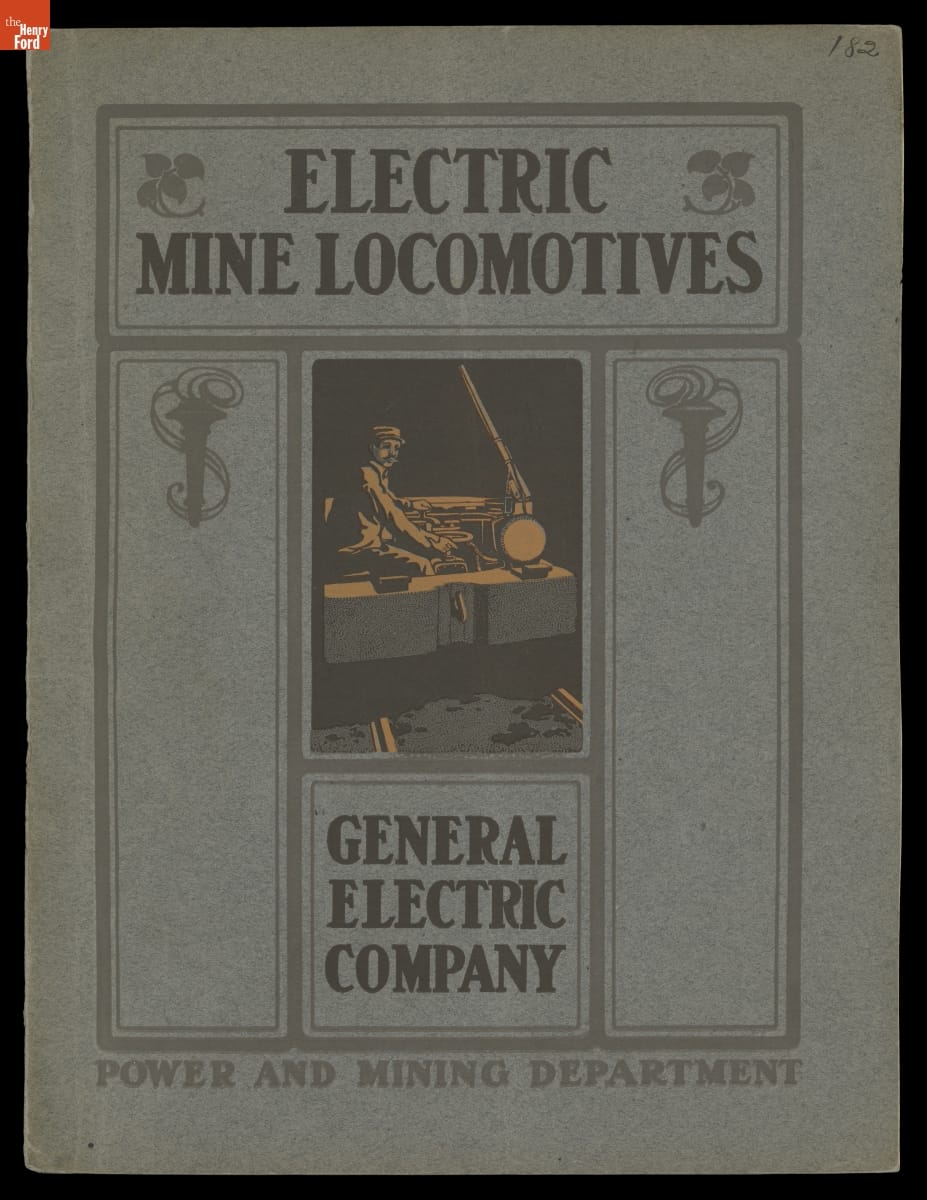
- General Electric Company Catalog, "Electric Mine Locomotives," 1904 - At the turn of the 20th century, General Electric manufactured several models of electric locomotives for use in underground mines -- where smoke and soot from steam locomotives was dangerous and impractical. These small mine locomotives collected electricity from overhead lines or third rails that ran alongside the track. GE also built larger electric locomotives for use with conventional railcars aboveground.
- 1904
- Collections - Artifact
General Electric Company Catalog, "Electric Mine Locomotives," 1904
At the turn of the 20th century, General Electric manufactured several models of electric locomotives for use in underground mines -- where smoke and soot from steam locomotives was dangerous and impractical. These small mine locomotives collected electricity from overhead lines or third rails that ran alongside the track. GE also built larger electric locomotives for use with conventional railcars aboveground.
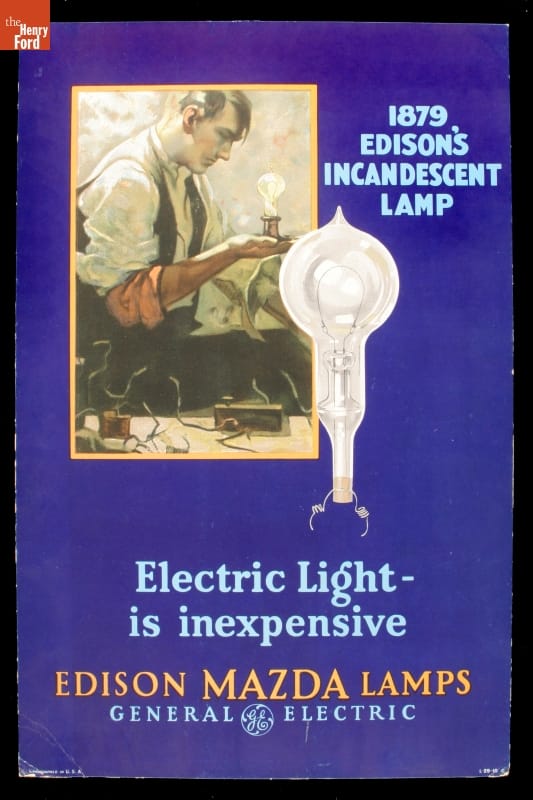
- Advertising Poster for Edison Mazda Lamps, "Electric Light is Inexpensive," circa 1925 - General Electric promoted its bright, long-lasting Edison Mazda light bulb through an advertising campaign featuring illustrations by artists including Maxfield Parrish and Norman Rockwell. Advertisements depicting the history and power of light ran in popular magazines like <em>The Saturday Evening Post</em> and <em>Ladies' Home Journal</em>. The images were also reproduced for point-of-purchase materials and posters like this one.
- circa 1925
- Collections - Artifact
Advertising Poster for Edison Mazda Lamps, "Electric Light is Inexpensive," circa 1925
General Electric promoted its bright, long-lasting Edison Mazda light bulb through an advertising campaign featuring illustrations by artists including Maxfield Parrish and Norman Rockwell. Advertisements depicting the history and power of light ran in popular magazines like The Saturday Evening Post and Ladies' Home Journal. The images were also reproduced for point-of-purchase materials and posters like this one.
- Lord and Lady Kelvin Visiting General Electric Company, Schenectady, New York, September 23, 1897 -
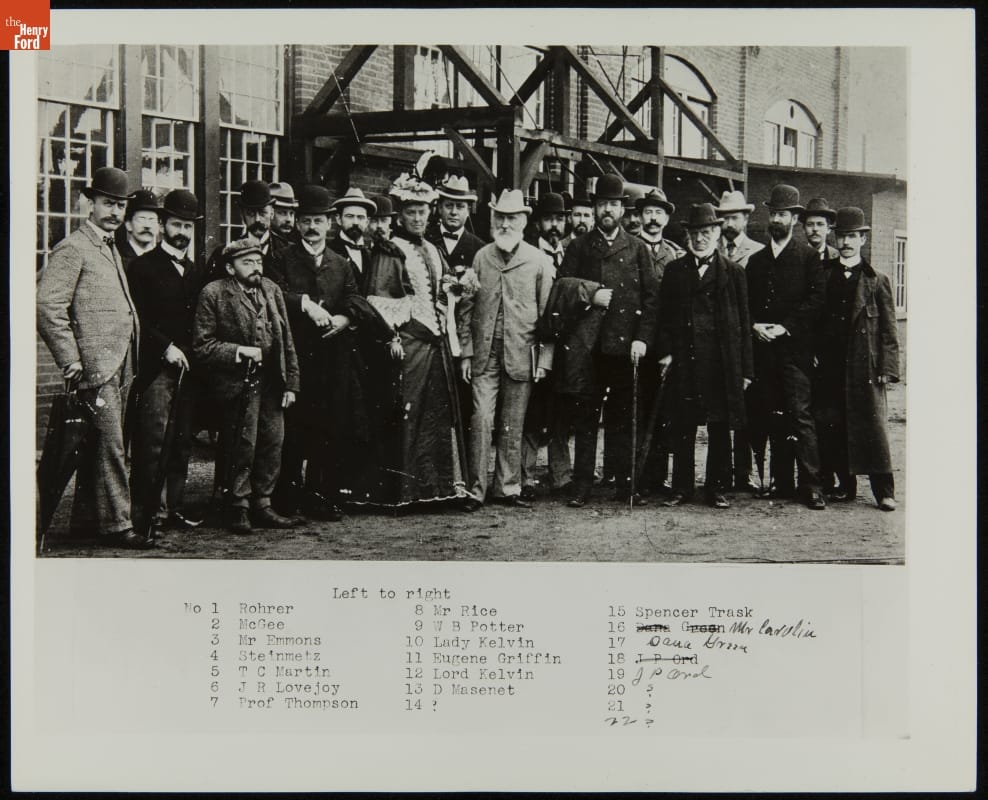
- September 23, 1897
- Collections - Artifact
Lord and Lady Kelvin Visiting General Electric Company, Schenectady, New York, September 23, 1897
- Portrait of E.W. Rice, Jr., 1887-1920 -
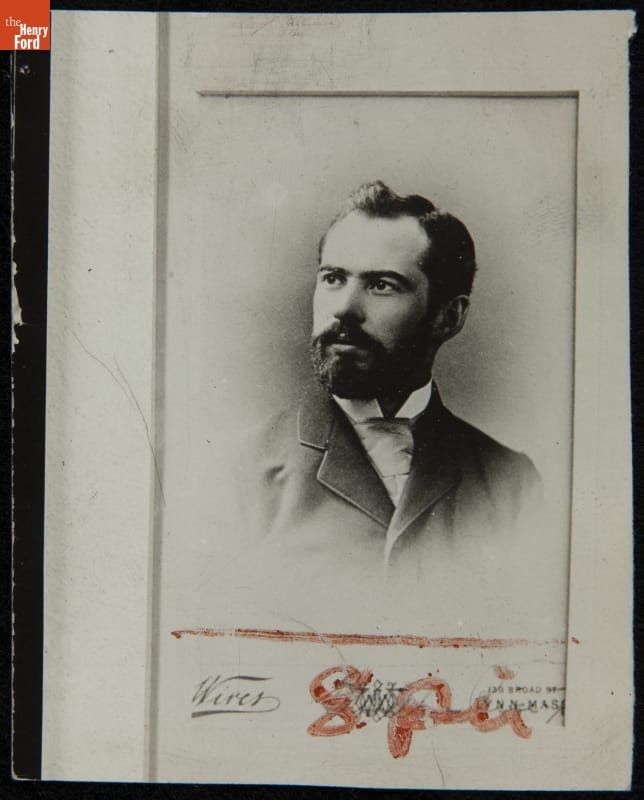
- 1887-1920
- Collections - Artifact
Portrait of E.W. Rice, Jr., 1887-1920
- Portrait of William Stanley, 1883-1903 -
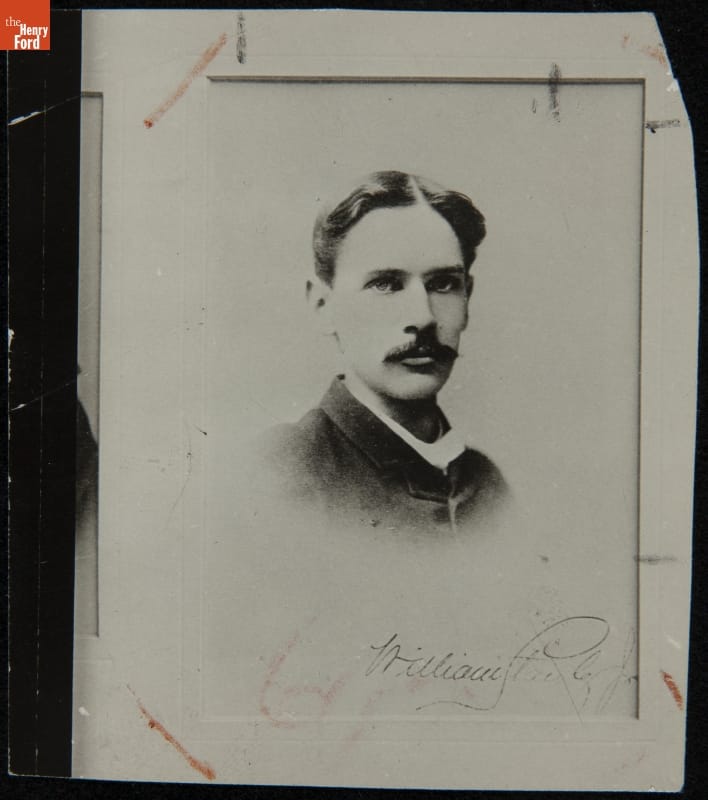
- 1883-1903
- Collections - Artifact
Portrait of William Stanley, 1883-1903
- "Instruction Book No. 8071, Sewing Machine Motor Ourfits," May 29, 1899 -
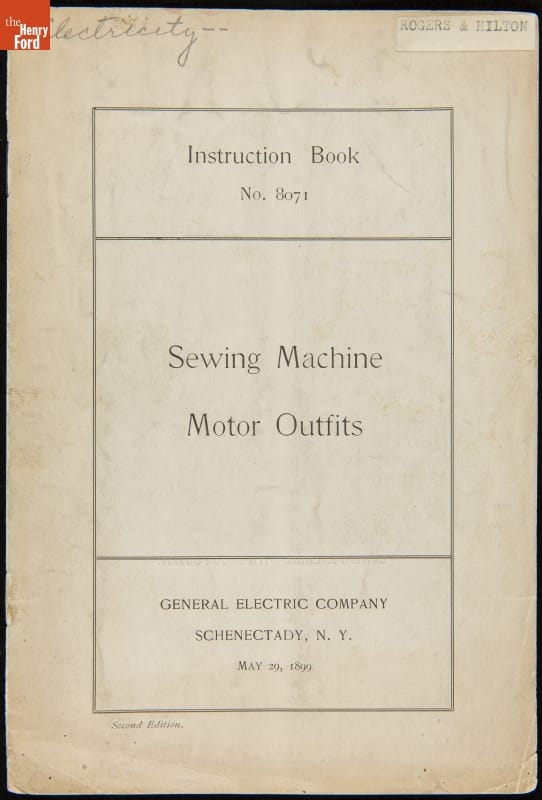
- May 20, 1899
- Collections - Artifact
"Instruction Book No. 8071, Sewing Machine Motor Ourfits," May 29, 1899
- H. Aron Meter, Used by Budapest General Electric Company, 1898 - Hermann Aron, a German physicist and lecturer-turned-manufacturer, developed a pendulum watt-hour meter in the 1880s for companies that supplied electricity to consumers in Europe's growing urban areas. Swinging pendulums turned hands on dials that accurately registered how much electricity customers used--so companies could charge appropriate rates. Aron's pendulum meters remained practical until less expensive motor meters became standard.
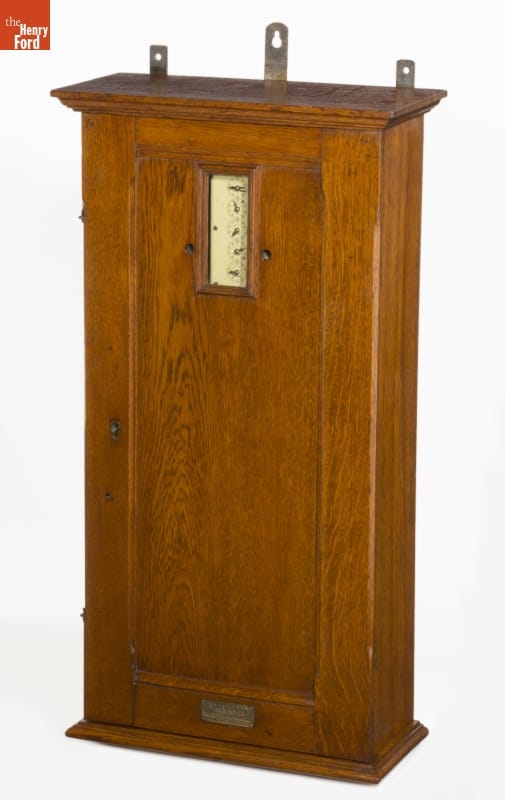
- 1898
- Collections - Artifact
H. Aron Meter, Used by Budapest General Electric Company, 1898
Hermann Aron, a German physicist and lecturer-turned-manufacturer, developed a pendulum watt-hour meter in the 1880s for companies that supplied electricity to consumers in Europe's growing urban areas. Swinging pendulums turned hands on dials that accurately registered how much electricity customers used--so companies could charge appropriate rates. Aron's pendulum meters remained practical until less expensive motor meters became standard.
- "Inside the Atom" Comic Book, 1955 -
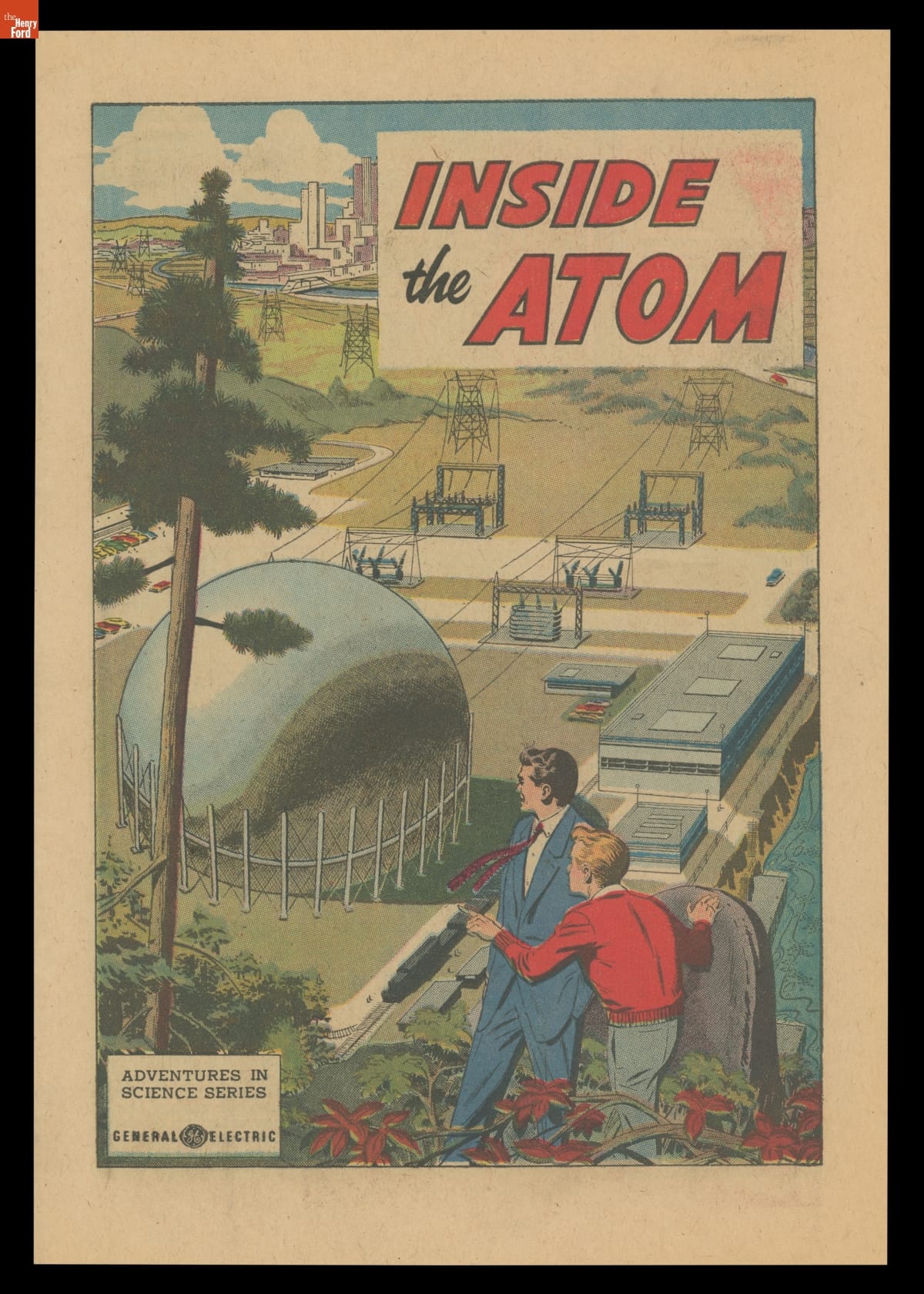
- 1955
- Collections - Artifact
"Inside the Atom" Comic Book, 1955
- General Electric Tungsten Lamp, circa 1906 -
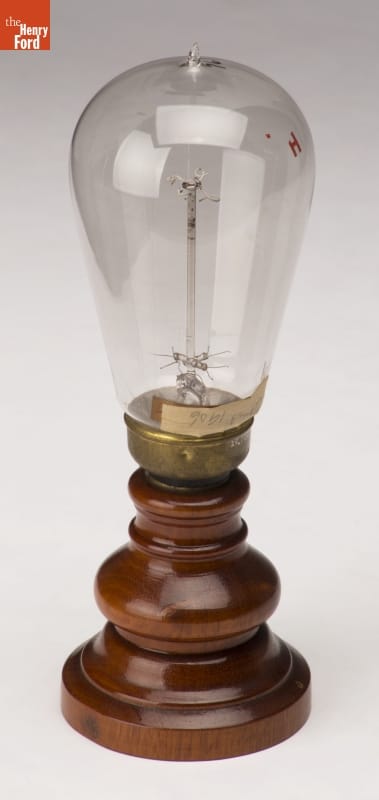
- circa 1906
- Collections - Artifact
General Electric Tungsten Lamp, circa 1906