
Search
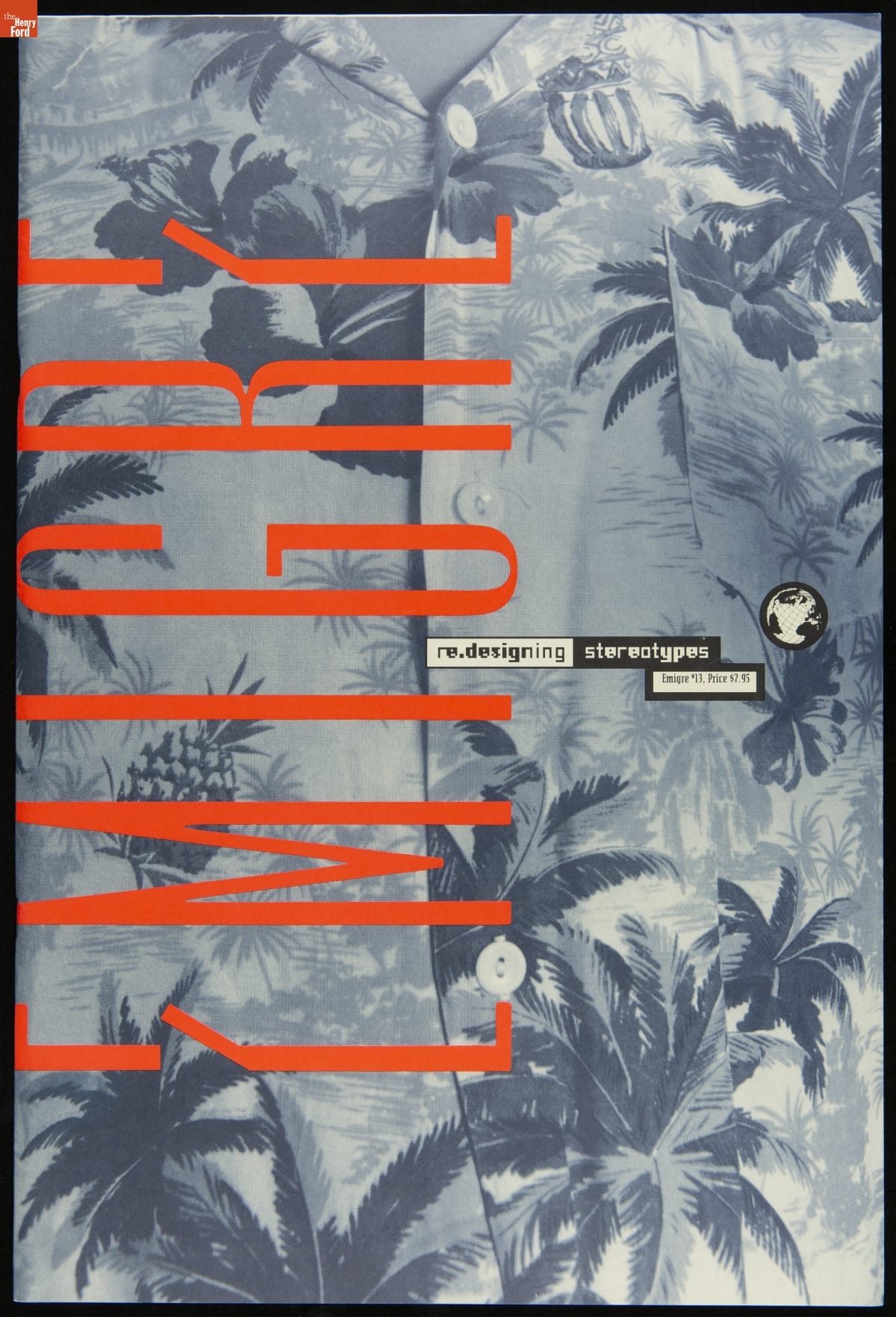
- Magazine, Emigre No. 13, "Redesigning Stereotypes," 1989 - Emigre is a digital type foundry established by Rudy VanderLans and Zuzana Licko. The company's history is linked with the introduction of the 1984 Macintosh computer, used to design their early bitmapped typefaces. Emigre's digital work gained notoriety -- defying visual communication standards with fractured, layered combinations of text and image. <em>Emigre</em> magazine showcased their fonts and promoted groundbreaking designers.
- 1989
- Collections - Artifact
Magazine, Emigre No. 13, "Redesigning Stereotypes," 1989
Emigre is a digital type foundry established by Rudy VanderLans and Zuzana Licko. The company's history is linked with the introduction of the 1984 Macintosh computer, used to design their early bitmapped typefaces. Emigre's digital work gained notoriety -- defying visual communication standards with fractured, layered combinations of text and image. Emigre magazine showcased their fonts and promoted groundbreaking designers.
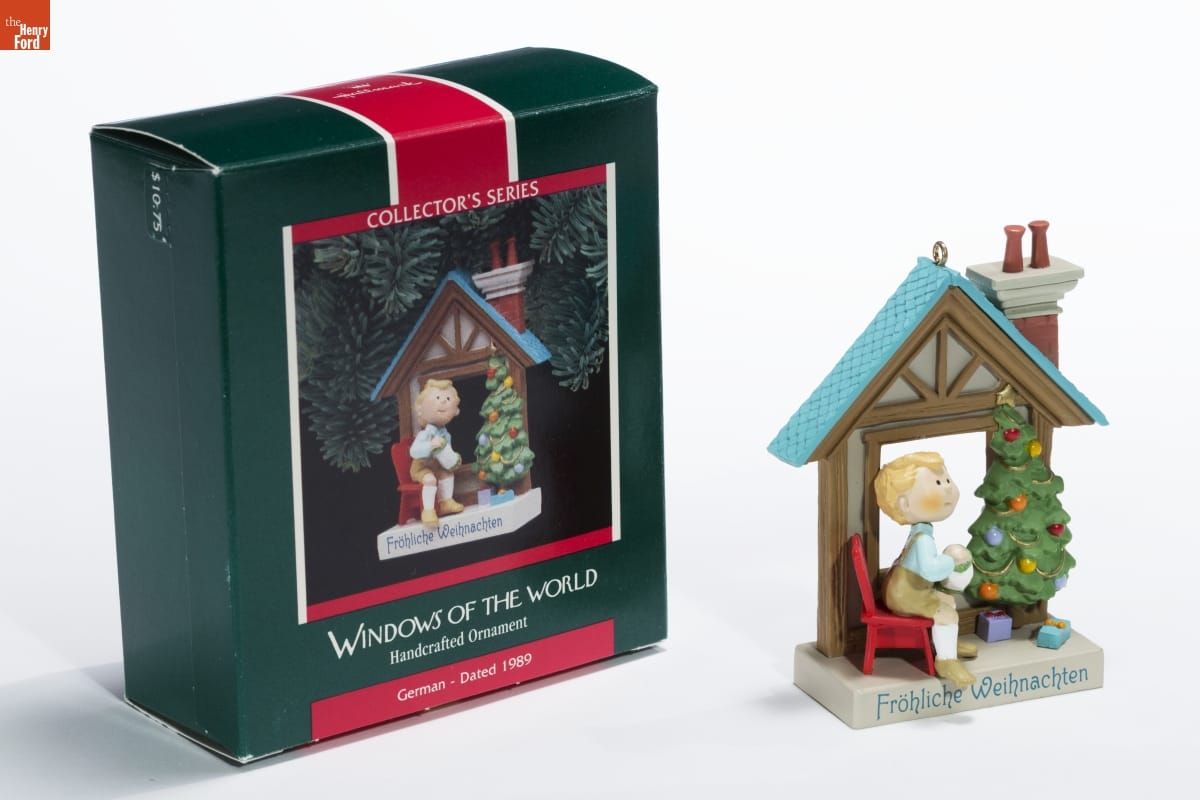
- Hallmark "Windows of the World International Series: German" Christmas Ornament, 1989 - Already known for greeting cards, Hallmark introduced a line of Christmas ornaments in 1973. The company's annual release of an increasing array of ornaments revolutionized Christmas decorating, appealing to customers' interest in marking memories and milestones as well as expressing one's personality and unique tastes.
- 1989
- Collections - Artifact
Hallmark "Windows of the World International Series: German" Christmas Ornament, 1989
Already known for greeting cards, Hallmark introduced a line of Christmas ornaments in 1973. The company's annual release of an increasing array of ornaments revolutionized Christmas decorating, appealing to customers' interest in marking memories and milestones as well as expressing one's personality and unique tastes.
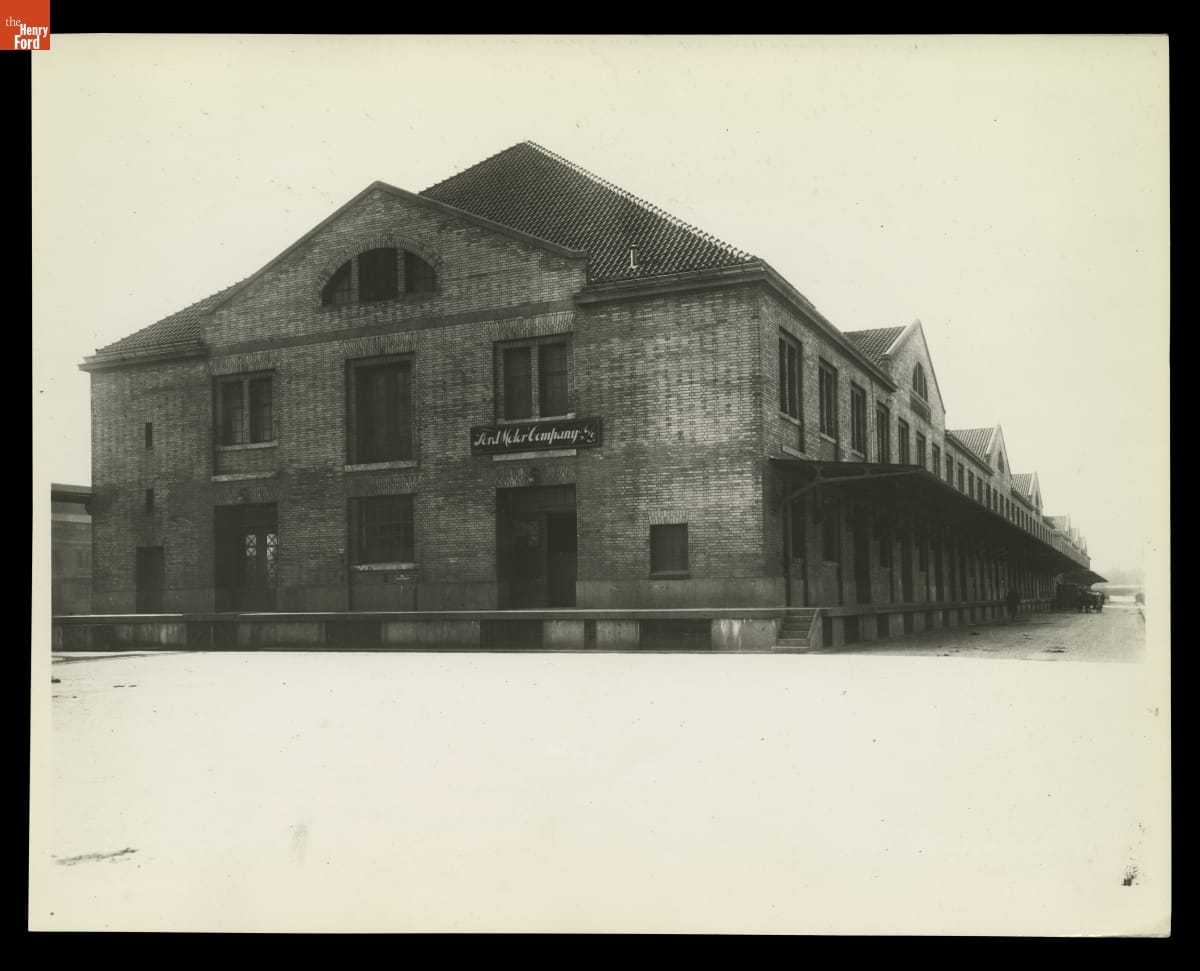
- Ford Motor Company Branch in Berlin, Germany, April 26, 1926 - Ford Motor Company operated sales and service branches in cities around the world. This photograph shows the company's branch in Berlin, Germany. Ford's first German branch opened in Hamburg in 1912. The automaker established its Berlin office in 1924. Ford began assembling Model T cars in Berlin, from imported parts, in 1926.
- April 26, 1926
- Collections - Artifact
Ford Motor Company Branch in Berlin, Germany, April 26, 1926
Ford Motor Company operated sales and service branches in cities around the world. This photograph shows the company's branch in Berlin, Germany. Ford's first German branch opened in Hamburg in 1912. The automaker established its Berlin office in 1924. Ford began assembling Model T cars in Berlin, from imported parts, in 1926.
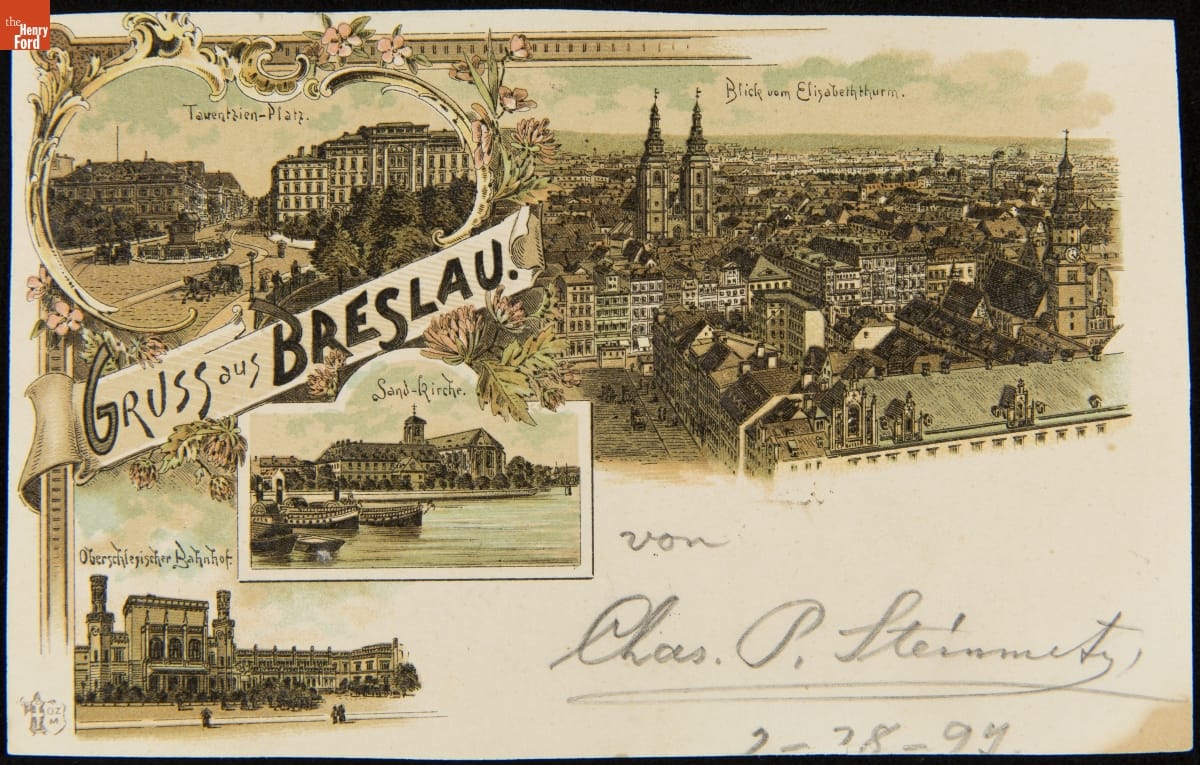
- Postcard Sent by Charles Steinmetz to Clara Steinmetz, February 28, 1897, "Gruss aus Breslau" - Charles Steinmetz moved to the United States in 1889 and began an influential career in electrical engineering. His sister Clara, a poet and painter, followed sometime around 1897. The siblings remained close, visiting one another and corresponding regularly until Charles' death in 1923. On a business trip in 1897, Charles mailed Clara this postcard with "greetings from Breslau," their German hometown.
- February 28, 1897
- Collections - Artifact
Postcard Sent by Charles Steinmetz to Clara Steinmetz, February 28, 1897, "Gruss aus Breslau"
Charles Steinmetz moved to the United States in 1889 and began an influential career in electrical engineering. His sister Clara, a poet and painter, followed sometime around 1897. The siblings remained close, visiting one another and corresponding regularly until Charles' death in 1923. On a business trip in 1897, Charles mailed Clara this postcard with "greetings from Breslau," their German hometown.
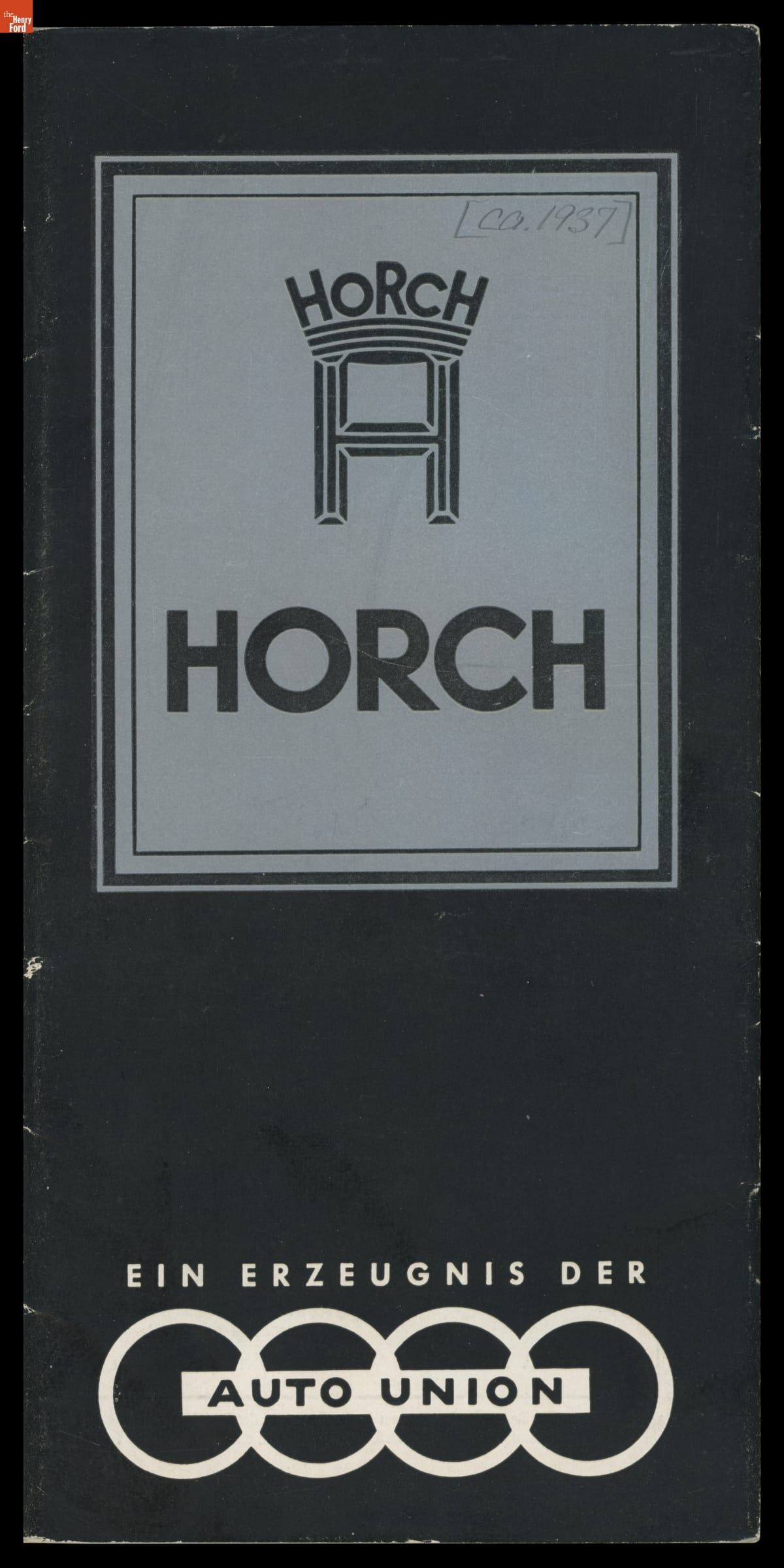
- Auto Union Sales Catalog, Horch Brand Automobiles, circa 1937 - German engineer August Horch formed the automobile company that bore his name in 1904. Through technical innovation and creative advertising, the Horch brand grew into a prominent and successful maker of luxury cars. Horch merged with Audi, DKW and Wanderer to form Auto Union in 1932. Auto Union was rebranded as Audi in 1985.
- circa 1937
- Collections - Artifact
Auto Union Sales Catalog, Horch Brand Automobiles, circa 1937
German engineer August Horch formed the automobile company that bore his name in 1904. Through technical innovation and creative advertising, the Horch brand grew into a prominent and successful maker of luxury cars. Horch merged with Audi, DKW and Wanderer to form Auto Union in 1932. Auto Union was rebranded as Audi in 1985.
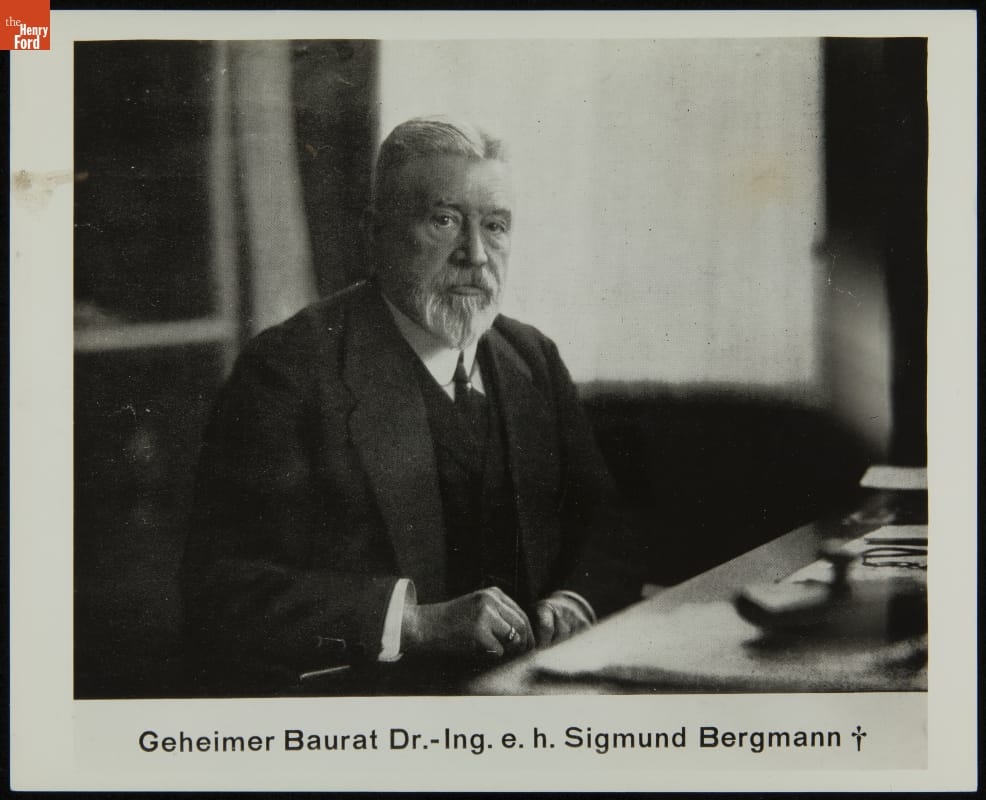
- Portrait of Sigmund Bergmann, 1927 -
- 1927
- Collections - Artifact
Portrait of Sigmund Bergmann, 1927
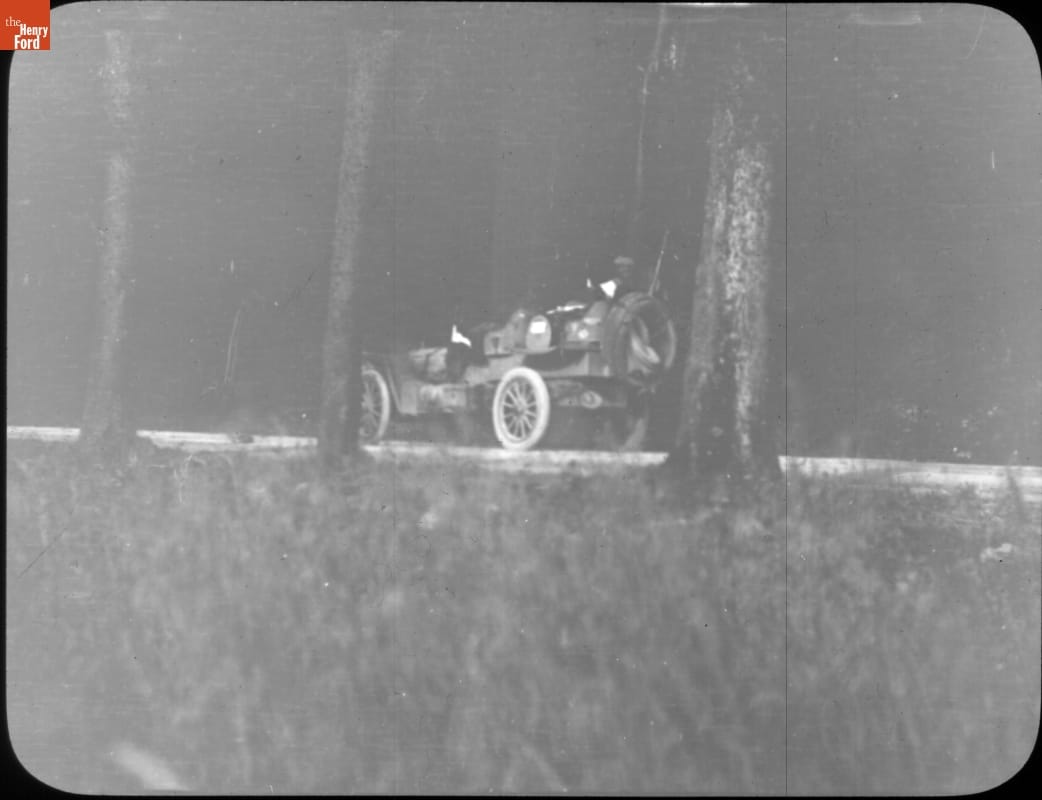
- Thomas Flyer in the Black Forest, Germany, New York to Paris Race, 1908 - The 1908 New York to Paris race was a 22,000-mile automobile endurance contest that spanned three continents and lasted over 169 days. In late July, the American team in a Thomas Flyer passed through Germany. After five long months, the Flyer soon would be in Paris and declared the winner.
- 1908
- Collections - Artifact
Thomas Flyer in the Black Forest, Germany, New York to Paris Race, 1908
The 1908 New York to Paris race was a 22,000-mile automobile endurance contest that spanned three continents and lasted over 169 days. In late July, the American team in a Thomas Flyer passed through Germany. After five long months, the Flyer soon would be in Paris and declared the winner.
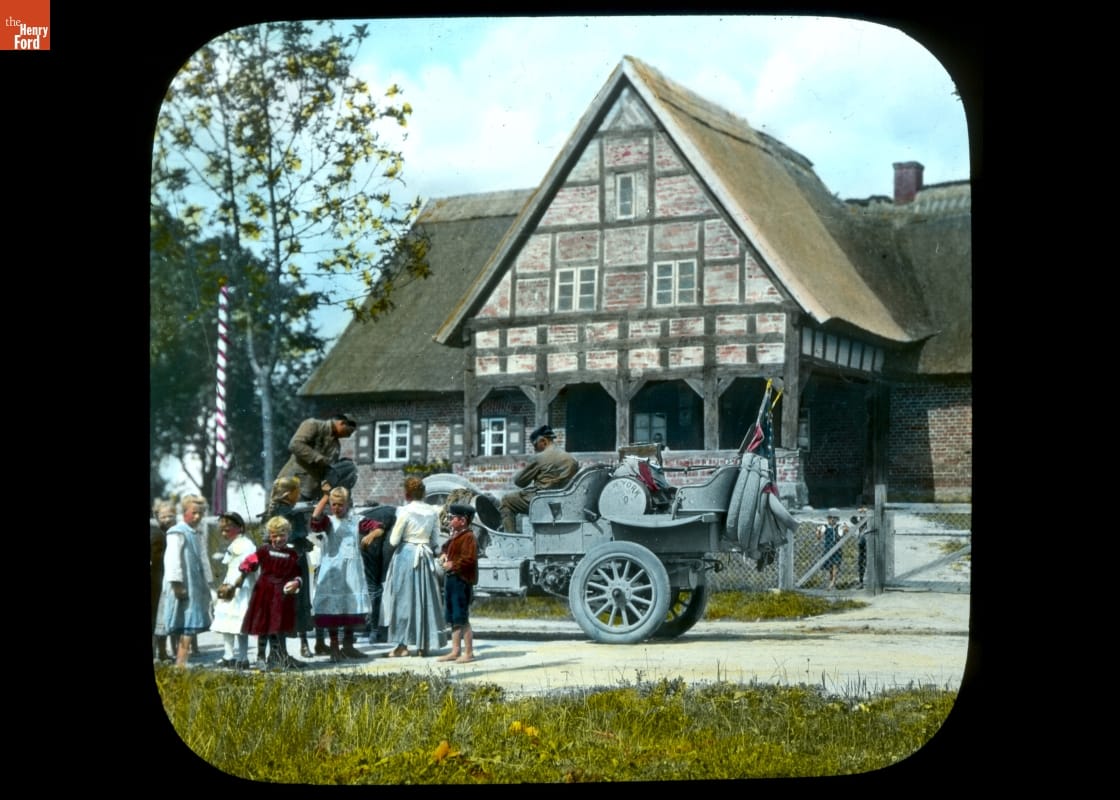
- Thomas Flyer in Germany, New York to Paris Race, 1908 - The 1908 New York to Paris race was a 22,000-mile automobile endurance contest that spanned three continents and lasted over 169 days. In late July, the American team in a Thomas Flyer passed through Germany. After five long months, the Flyer soon would be in Paris and declared the winner.
- 1908
- Collections - Artifact
Thomas Flyer in Germany, New York to Paris Race, 1908
The 1908 New York to Paris race was a 22,000-mile automobile endurance contest that spanned three continents and lasted over 169 days. In late July, the American team in a Thomas Flyer passed through Germany. After five long months, the Flyer soon would be in Paris and declared the winner.
- 1966 Nurburgring 1000 Km -
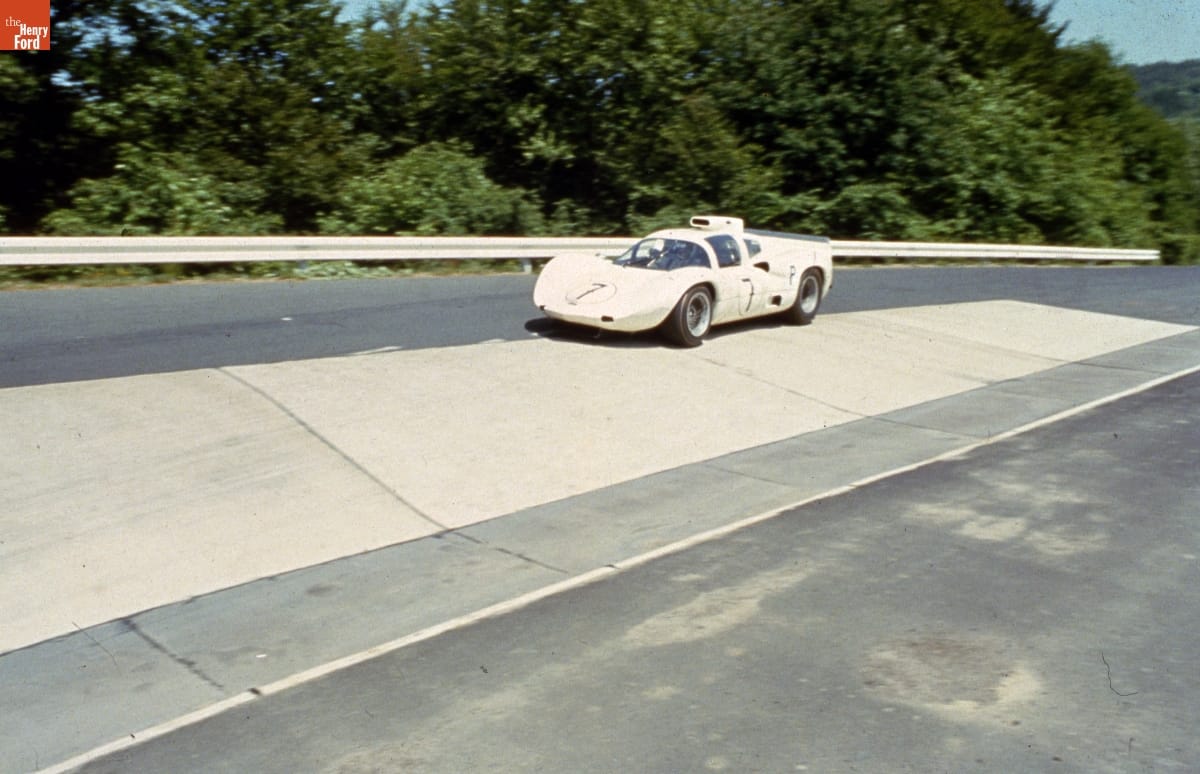
- June 01, 1966
- Collections - Artifact
1966 Nurburgring 1000 Km
- Letter from Hedwig Einert regarding a Donation for Christmas Gifts for the Poor, November 13, 1928 -
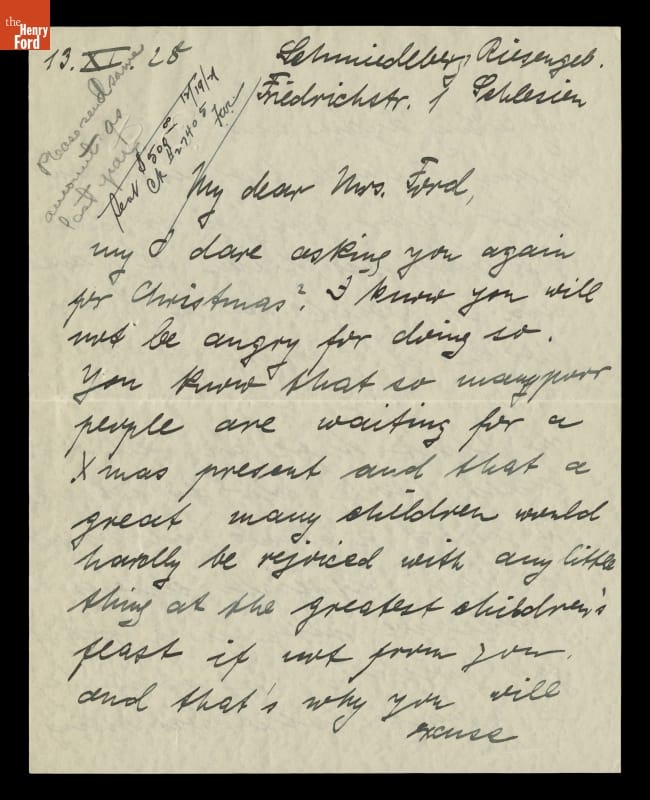
- November 13, 1928
- Collections - Artifact
Letter from Hedwig Einert regarding a Donation for Christmas Gifts for the Poor, November 13, 1928