
Search
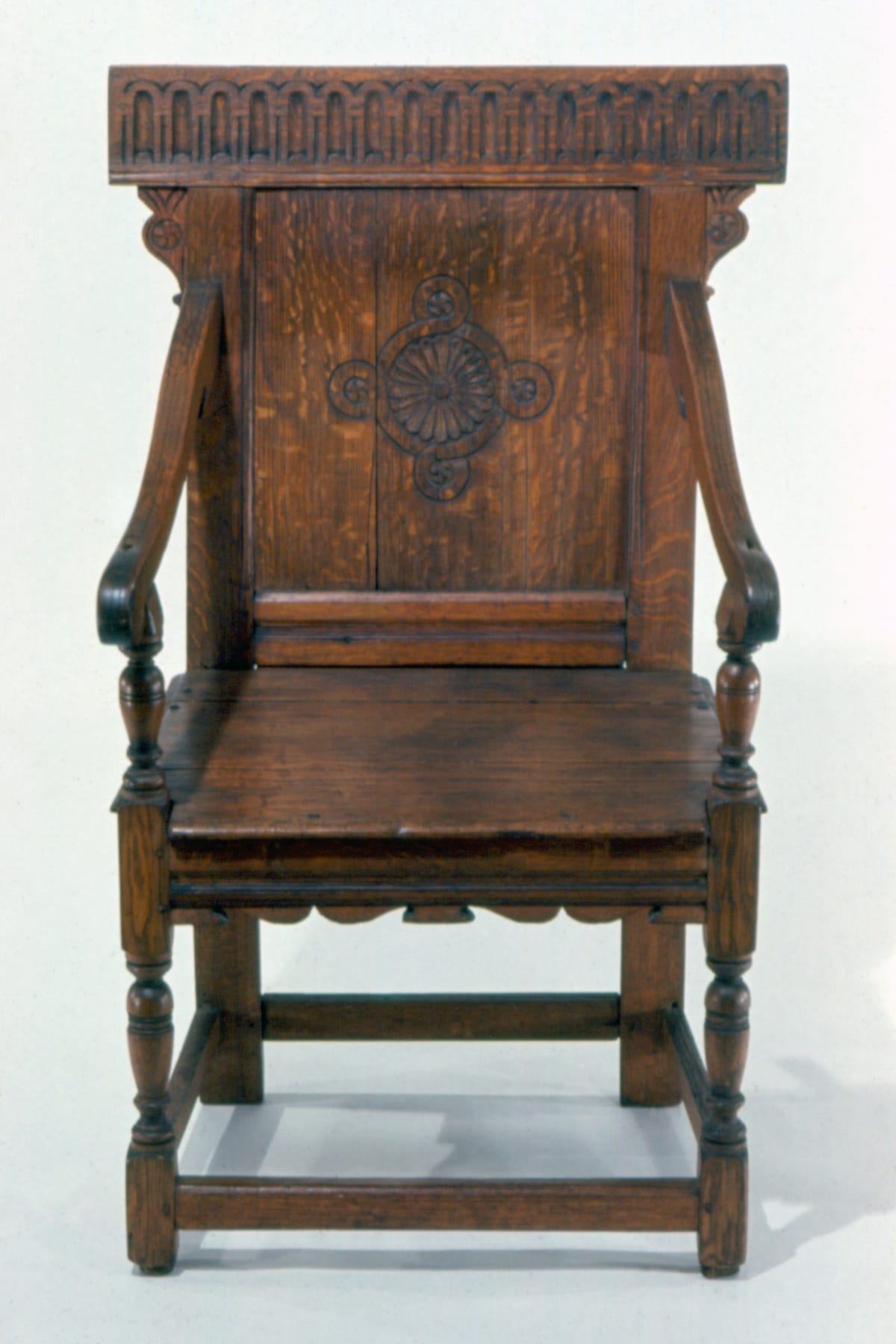
- Great Chair, 1650-1675 - Furniture can signify a person's status within a household. This chair's large proportions and expensively turned arm posts and carved rails and seat back would have outshone others in the room. Only the head of the family and honored guests would have used this "great chair." Other family members would be resigned to simpler chairs, benches or stools.
- 1650-1675
- Collections - Artifact
Great Chair, 1650-1675
Furniture can signify a person's status within a household. This chair's large proportions and expensively turned arm posts and carved rails and seat back would have outshone others in the room. Only the head of the family and honored guests would have used this "great chair." Other family members would be resigned to simpler chairs, benches or stools.
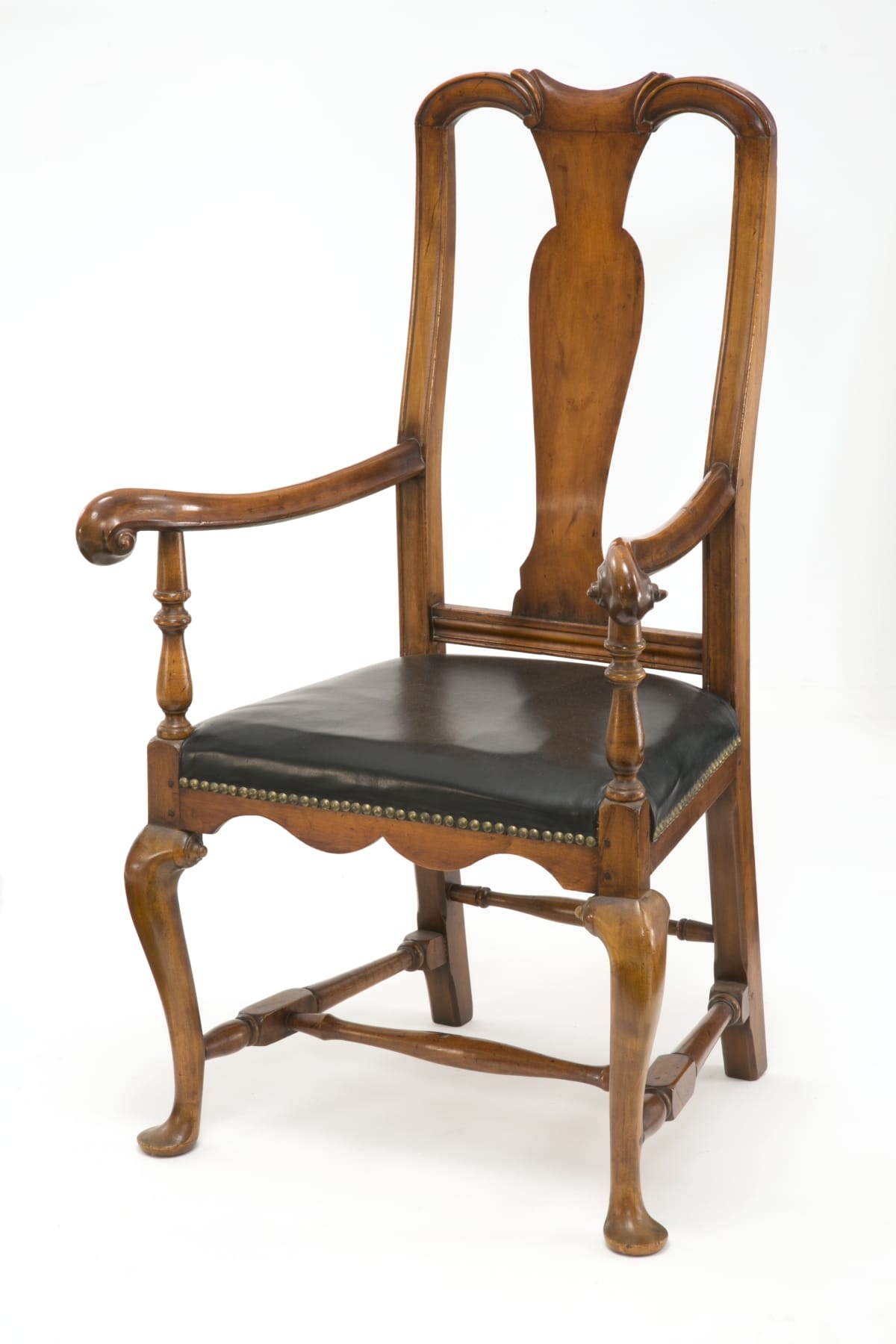
- Armchair, 1740-1760 - Furniture can signify a person's status within a household. This early-to-mid-18th-century chair's large proportions and elaborate turnings and carvings would have outshone other chairs in the room. Only the head of the family and honored guests would have used this "great chair." Other family members would be resigned to smaller and simpler chairs -- and probably ones without arms.
- 1740-1760
- Collections - Artifact
Armchair, 1740-1760
Furniture can signify a person's status within a household. This early-to-mid-18th-century chair's large proportions and elaborate turnings and carvings would have outshone other chairs in the room. Only the head of the family and honored guests would have used this "great chair." Other family members would be resigned to smaller and simpler chairs -- and probably ones without arms.
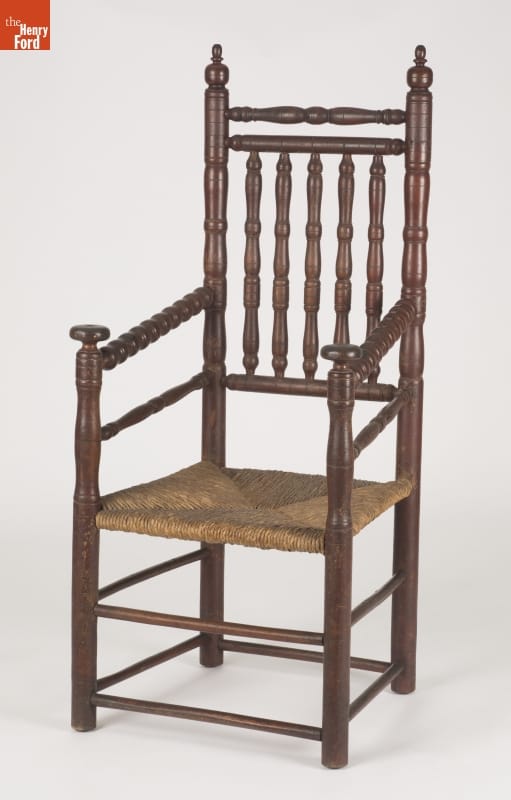
- Carver Armchair, circa 1660 -
- circa 1660
- Collections - Artifact
Carver Armchair, circa 1660
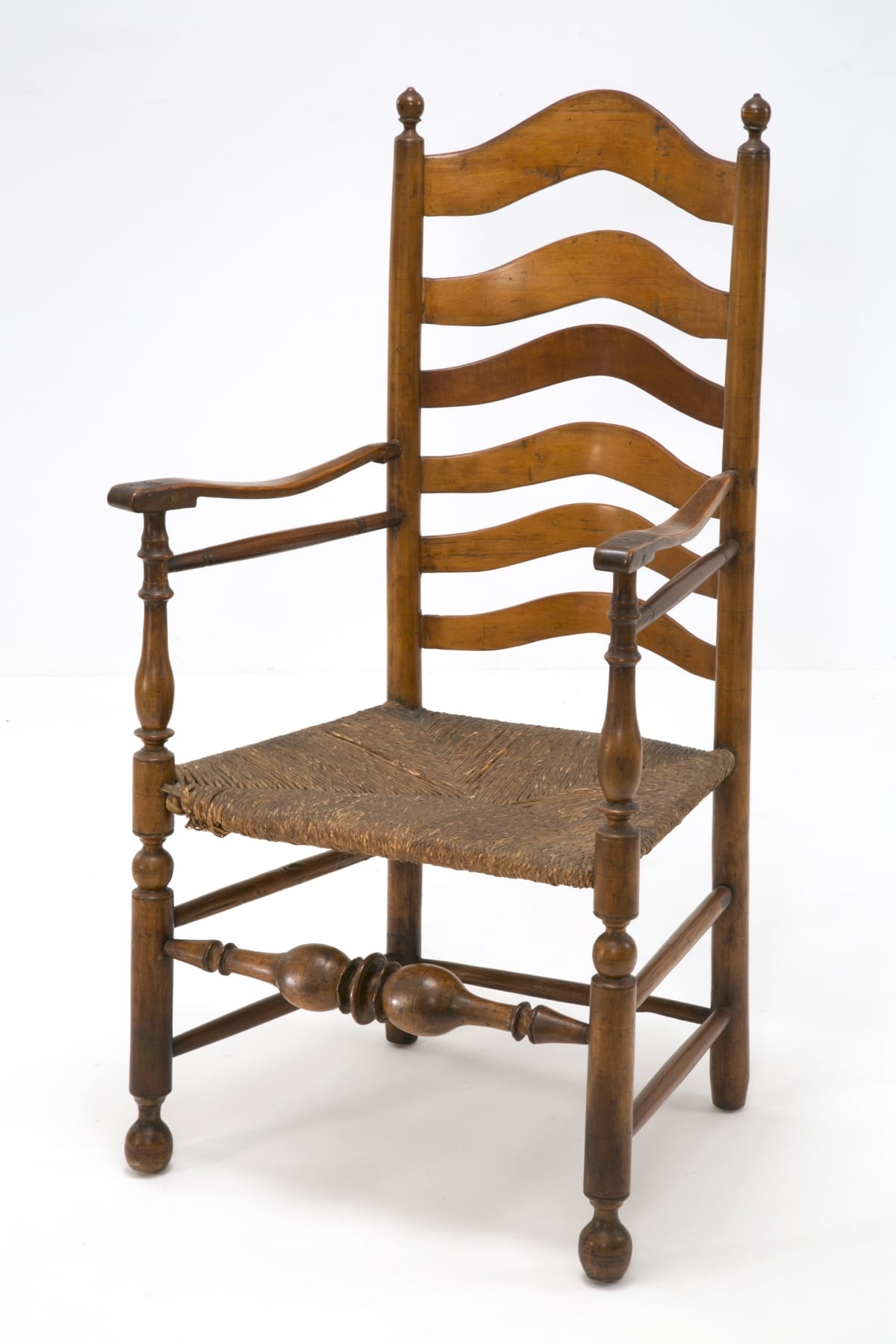
- Slat-back Armchair, 1765-1795 -
- 1765-1795
- Collections - Artifact
Slat-back Armchair, 1765-1795
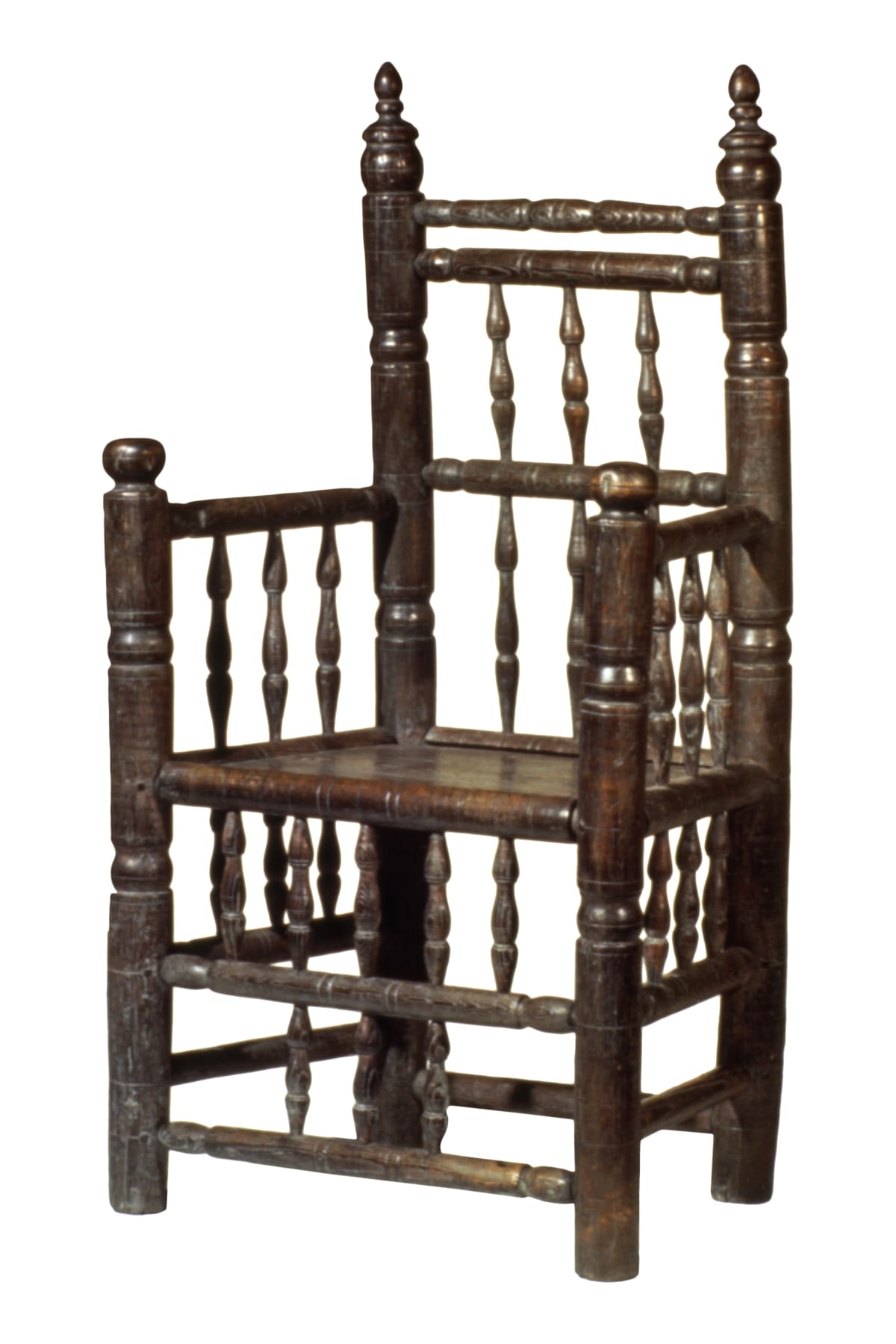
- "Brewster" Chair, 1969 - In 1970, the Henry Ford Museum purchased what was believed to be a rare and remarkable 17th century armchair. In 1977, a story broke about a woodworker who attempted to demonstrate his skill by making a similar chair that would fool the experts. Analysis proved the Museum's chair was the woodworker's modern fake. Today, the Museum views the chair as an educational tool. Does it fool you?
- 1969
- Collections - Artifact
"Brewster" Chair, 1969
In 1970, the Henry Ford Museum purchased what was believed to be a rare and remarkable 17th century armchair. In 1977, a story broke about a woodworker who attempted to demonstrate his skill by making a similar chair that would fool the experts. Analysis proved the Museum's chair was the woodworker's modern fake. Today, the Museum views the chair as an educational tool. Does it fool you?
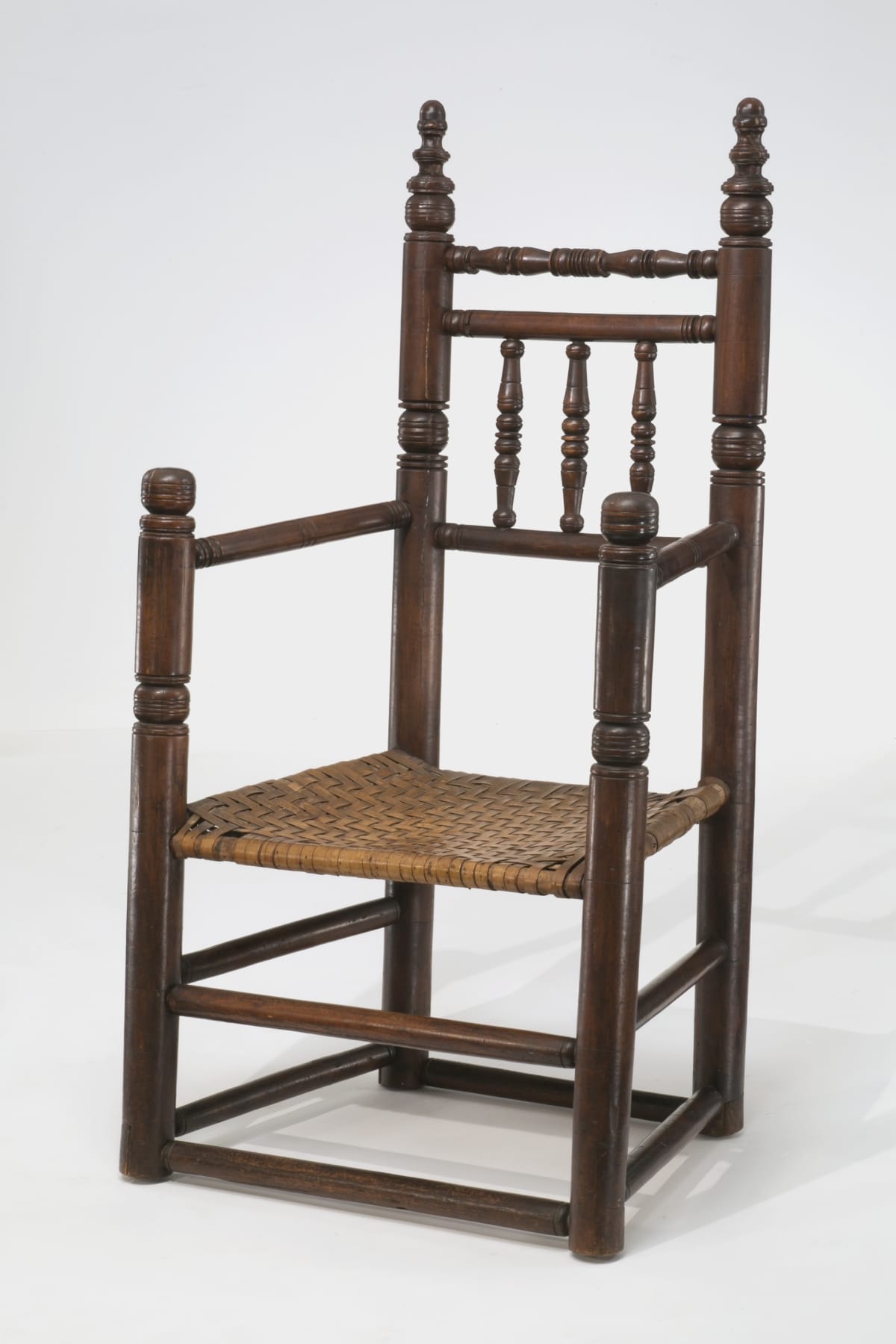
- Great Chair, 1675-1695 - Furniture can signify a person's status within a household. This chair's large proportions and turned arm posts, stiles, top rail, spindles and finials would have outshone others in the room. Only the head of the family and honored guests would have used this "great chair." Other family members would be resigned to smaller and simpler chairs, benches or stools.
- 1675-1695
- Collections - Artifact
Great Chair, 1675-1695
Furniture can signify a person's status within a household. This chair's large proportions and turned arm posts, stiles, top rail, spindles and finials would have outshone others in the room. Only the head of the family and honored guests would have used this "great chair." Other family members would be resigned to smaller and simpler chairs, benches or stools.
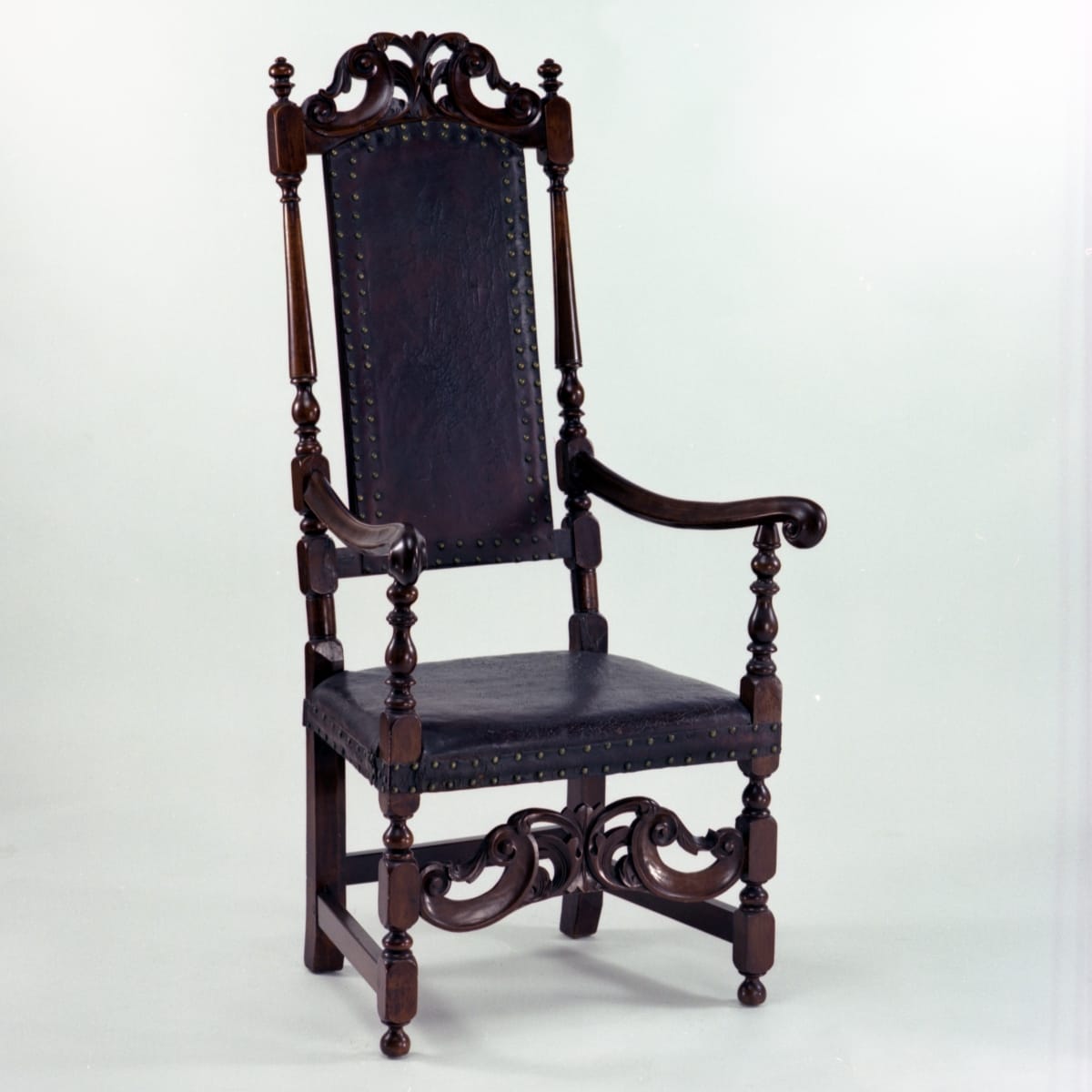
- Armchair, Owned by Peter Schuyler, 1705-1715 - This chair belonged to Pieter Schuyler, a wealthy fur trader and landowner of Dutch descent in colonial New York. He became the first mayor of Albany in 1686. This ornately carved chair was an appropriate piece of furniture for a man of Schuyler's standing. It likely was used in his home on Court Street in Albany.
- 1705-1715
- Collections - Artifact
Armchair, Owned by Peter Schuyler, 1705-1715
This chair belonged to Pieter Schuyler, a wealthy fur trader and landowner of Dutch descent in colonial New York. He became the first mayor of Albany in 1686. This ornately carved chair was an appropriate piece of furniture for a man of Schuyler's standing. It likely was used in his home on Court Street in Albany.