
"Brewster" Chair, 1969
Artifact Overview
In 1970, the Henry Ford Museum purchased a remarkable 17th century armchair from an antiques dealer who stumbled upon it sitting in the parlor of a house in Maine. It was a massive, throne-like chair made up of spindles, a type long associated with one of the founders of the Massachusetts Bay Colony, William Brewster.
Early chairs were often made by men called turners who produced the chair parts by turning them on a lathe. Sockets were drilled in the resulting spindles that were then assembled like a Tinker Toy. The resulting construction often was not meant to provide a place of comfort but rather it was intended to impress the viewer and confirm the sitter's status and position. The king sat on a throne; Elder Brewster sat in his great, turned chair.
Because of its rarity, this "Brewster" chair was highly prized by the museum; it was even featured on the cover of a publication describing the early furniture in the Museum's collection. The authenticity of the chair, however, was called into question in 1977 when The Providence Journal published a story about a wood worker who attempted to demonstrate his skill and knowledge by making a chair that would fool the experts. The article described in great detail how the chair was aged and how a fake provenance was imagined to provide a rationale for every one of the dings and nicks that represented centuries of wear. Unfortunately, the chair was the very one that Henry Ford Museum had purchased seven years before!
The story was picked up by several antiques publications. From these the story spread to The New York Times and then to hundreds of local newspapers. An extensive analysis of the chair proved that it was indeed a modern fake. For example, x-rays showed that the drill bits used for making the holes that received the turned spindles were "modern" having a pointed end rather than having the spoon shape of early bits. With great embarrassment, the museum finally admitted that the maker had fooled the experts.
The Henry Ford Museum keeps the chair as an educational tool. It has been loaned to several national exhibitions about fakes and forgeries.
Artifact Details
Artifact
Date Made
Place of Creation
Location
Object ID
70.65.1
Credit
Material
Oak
Dimensions
Height: 46.25 in
Width: 24.875 in
Length: 18.5 in
Keywords |
|---|
Related Content
 Set
SetThe Most Popular Digital Collection Artifacts of 2017
- 50 Artifacts
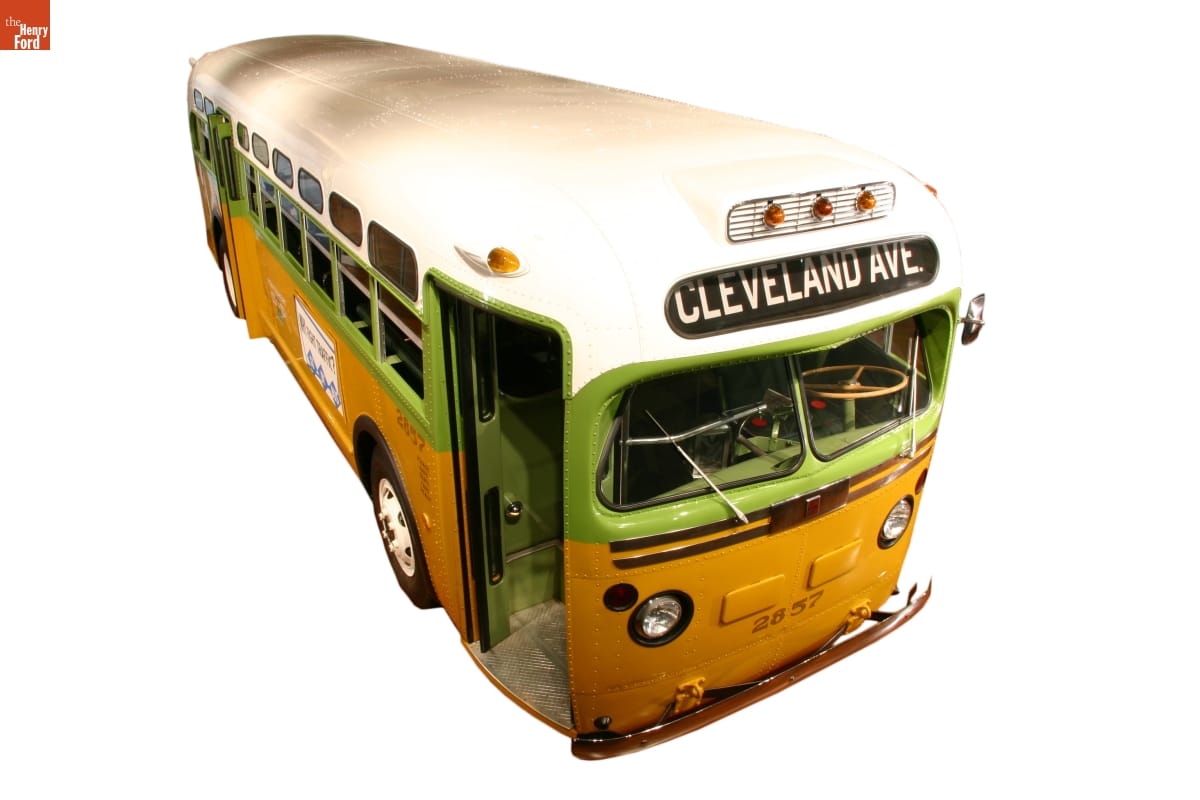
Inside this bus on December 1, 1955, Rosa Parks, a soft-spoken African-American seamstress, refused to give up her seat to a white man, breaking existing segregation laws. The flawless character and quiet strength she exhibited successfully ignited action in others. For this, many believe Rosa Parks's act was the event that sparked the Civil Rights movement.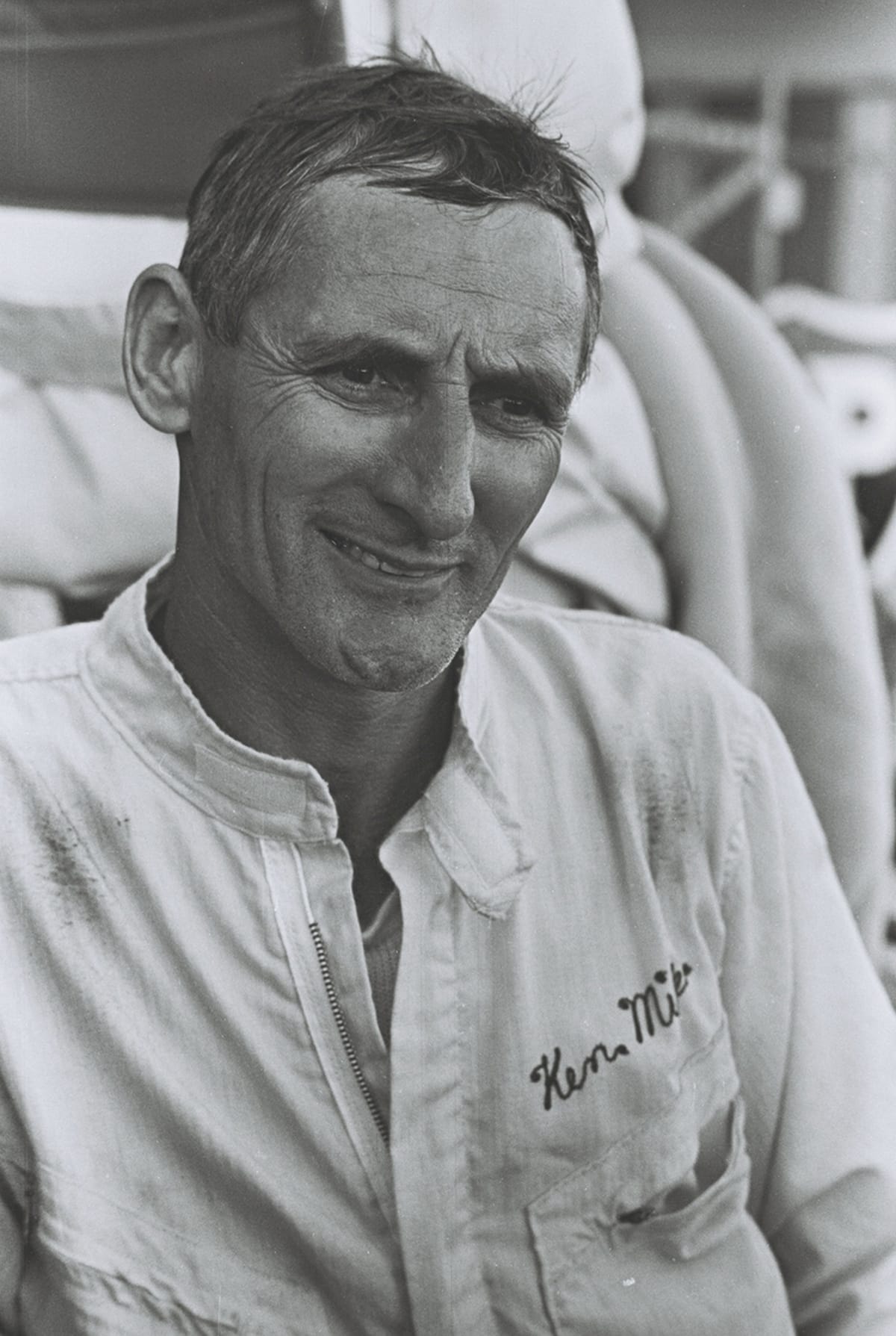 Set
SetOur Most-Viewed Digitized Artifacts of All Time
- 100 Artifacts
British-born Ken Miles was a gifted race car engineer and driver. Through his work for Carroll Shelby, Miles got involved in Ford's GT racing program. Miles won the 24 Hours of Daytona and the 12 Hours of Sebring in 1966, and he placed second at Le Mans. Miles died in a crash while testing Ford's J-Car later that year. Set
SetCelebrating 90 — Collecting through the Decades: 1970s
- 5 Artifacts
The Henry Ford marks its 90th anniversary in 2019. In celebration, The Henry Ford's curators have taken a decade-by-decade look at how our collections have grown — through significant additions and evolving philosophies. This set looks at some of the objects and archives collected during the 1970s. article
Celebrating Ninety: Collecting in the 1970s
We're celebrating our 90th birthday by looking, decade by decade, at significant additions to our collection. During the 1970s, we acquired Daggett Farmhouse, the Brewster chair, and President John F. Kennedy's Lincoln limousine.