
Search
- Tissue Paper Party Hat, 1920-1940 -
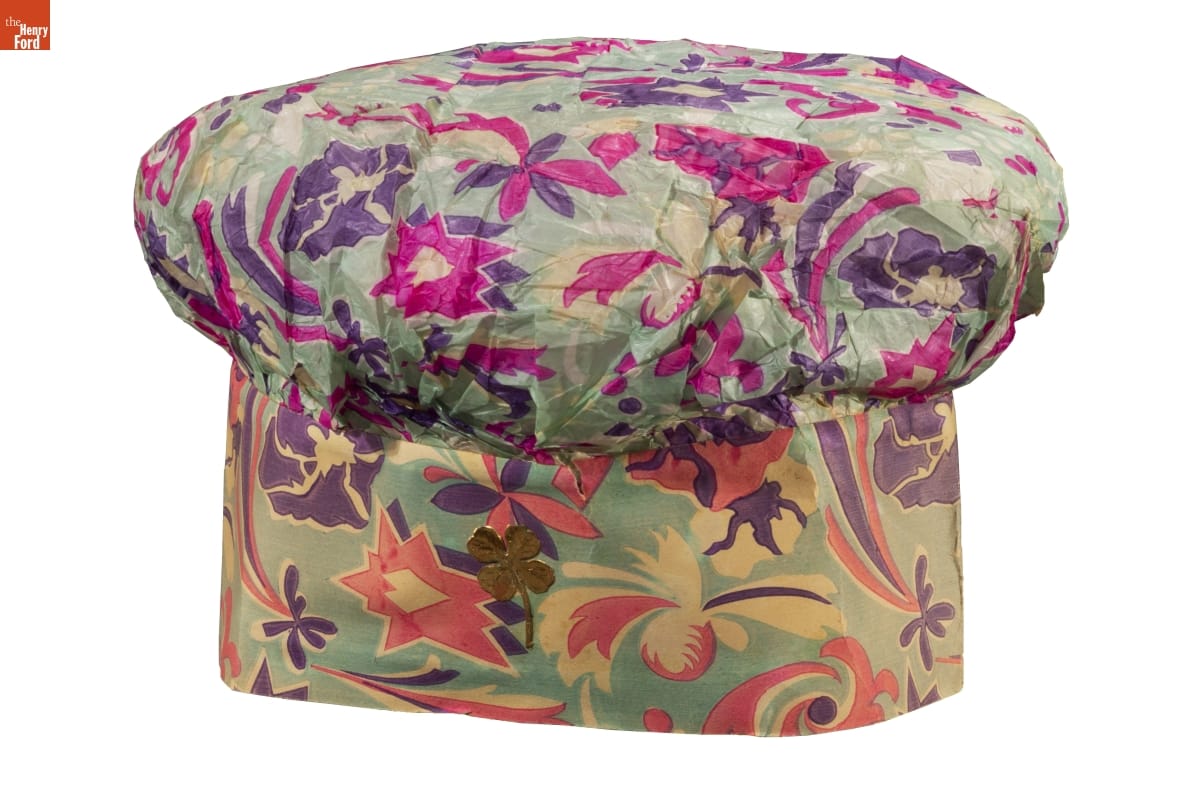
- 1920-1940
- Collections - Artifact
Tissue Paper Party Hat, 1920-1940
- Ruth McCulloch Hat Box, 1950-1960 -
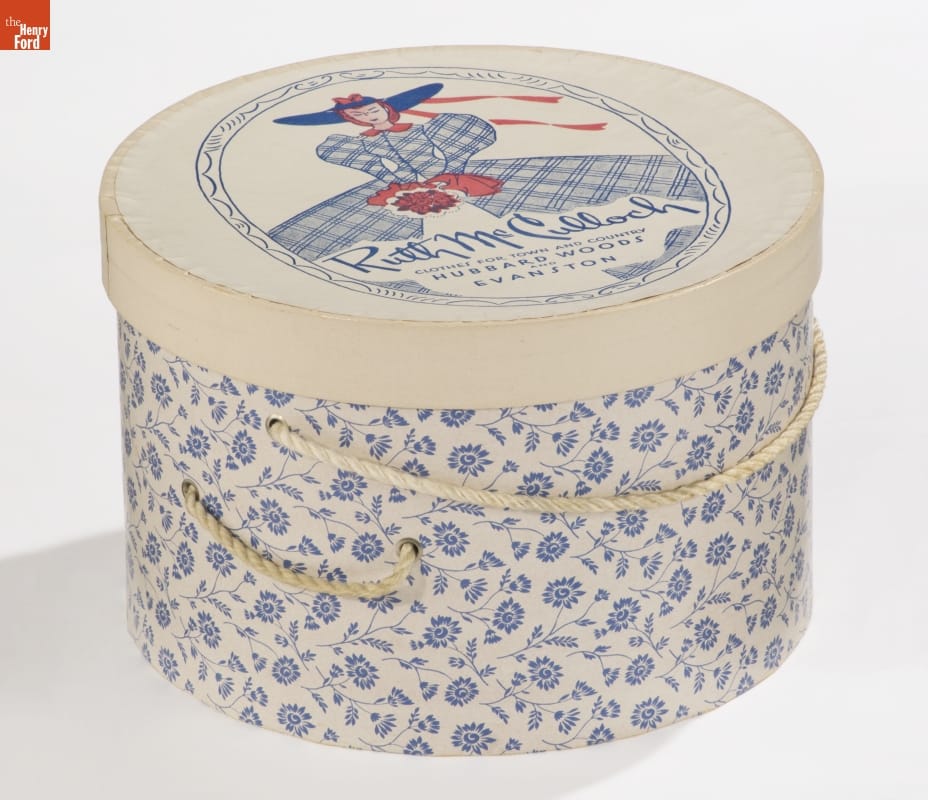
- circa 1950
- Collections - Artifact
Ruth McCulloch Hat Box, 1950-1960
- Famous Glamour Veil Hat, 1960-1965 -
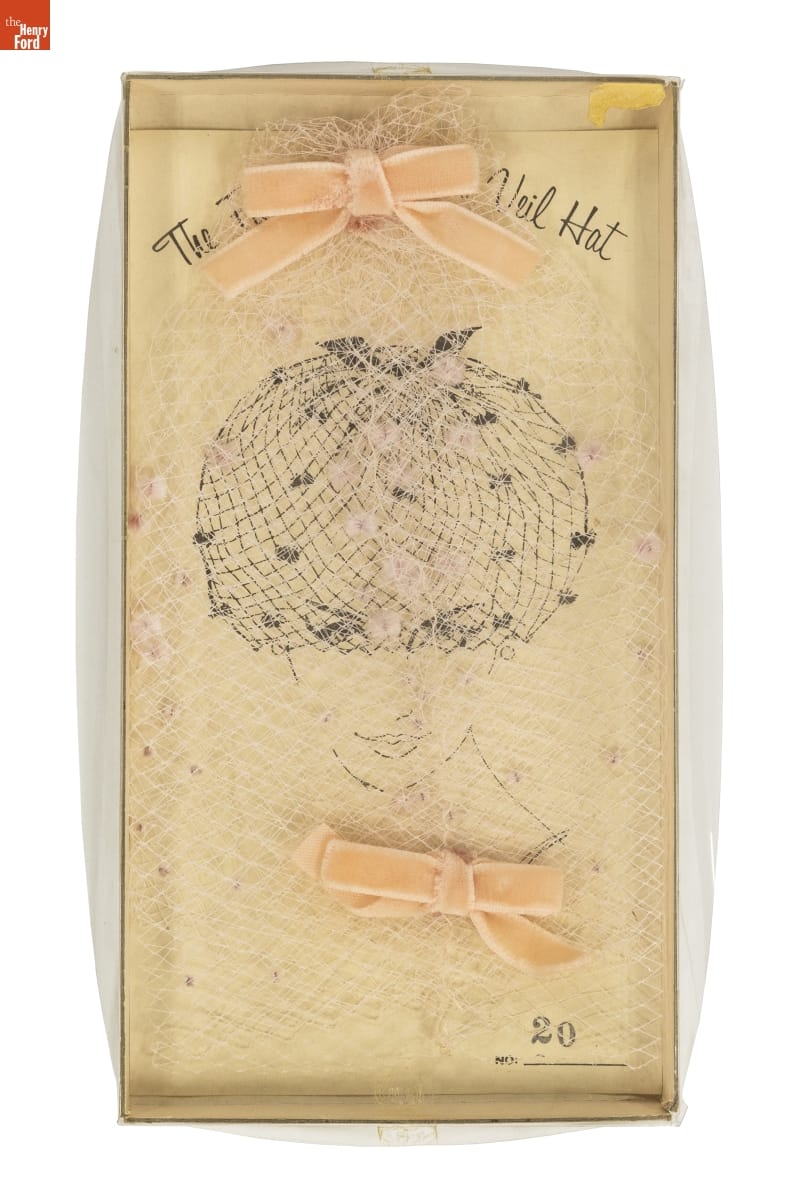
- 1960-1965
- Collections - Artifact
Famous Glamour Veil Hat, 1960-1965
- Larkin Company Catalog, "Stylish Wearing Apparel Given as Premiums with the Larkin Products," Spring/Summer 1908 - John D. Larkin established a soap manufacturing company in 1875. He hired his brother-in-law, Elbert Hubbard, as a salesman. Hubbard developed "The Larkin Idea," a plan that sold goods directly to consumers through mail-order catalogs and offered incentivizing giveaways. It was a success. By the early 1900s, Larkin's catalogs contained pages of products and even more pages of premiums from which customers could choose.
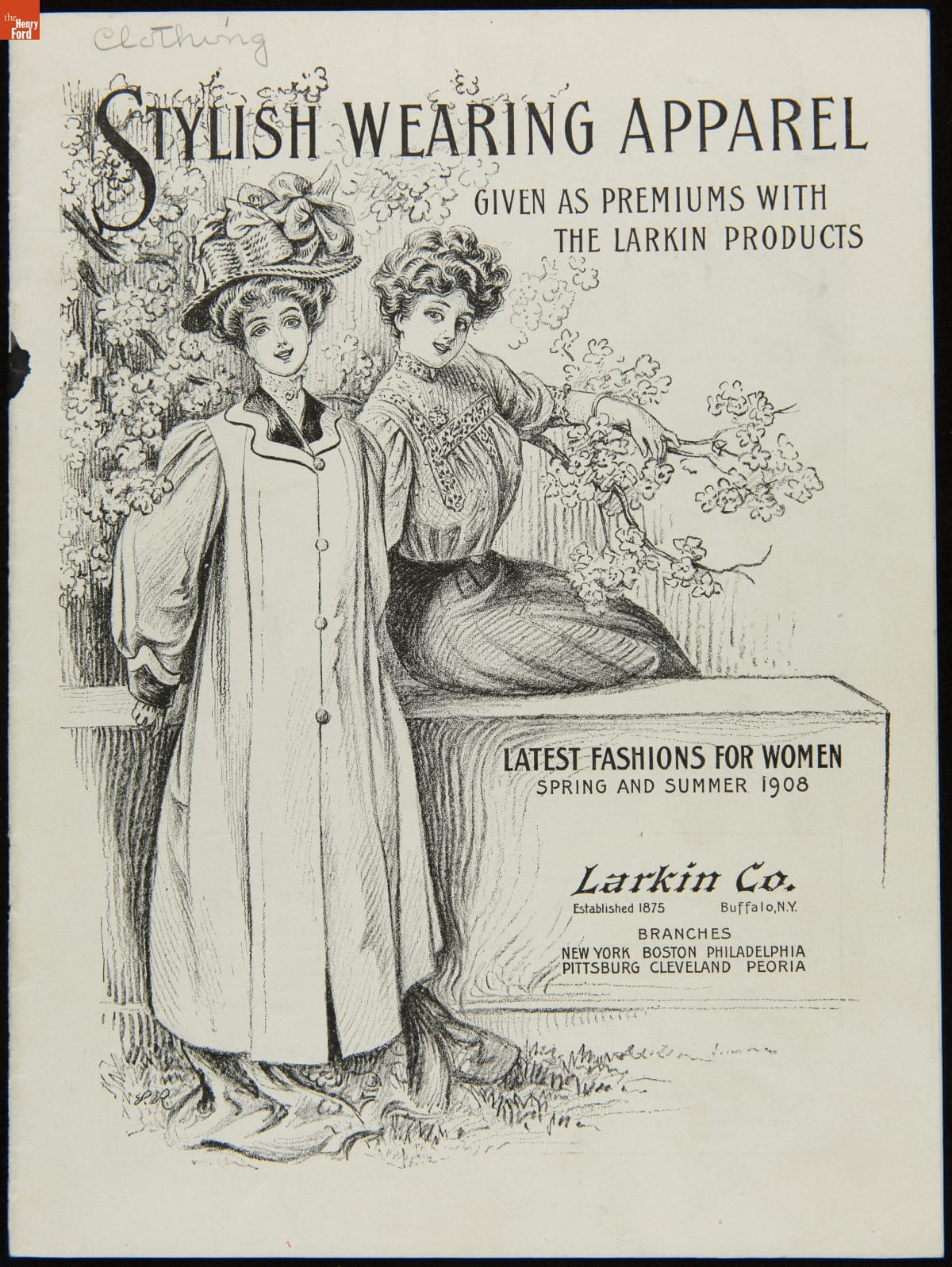
- 1908
- Collections - Artifact
Larkin Company Catalog, "Stylish Wearing Apparel Given as Premiums with the Larkin Products," Spring/Summer 1908
John D. Larkin established a soap manufacturing company in 1875. He hired his brother-in-law, Elbert Hubbard, as a salesman. Hubbard developed "The Larkin Idea," a plan that sold goods directly to consumers through mail-order catalogs and offered incentivizing giveaways. It was a success. By the early 1900s, Larkin's catalogs contained pages of products and even more pages of premiums from which customers could choose.
- Christian Dior Turban, Worn by Elizabeth Parke Firestone, 1955-1960 -
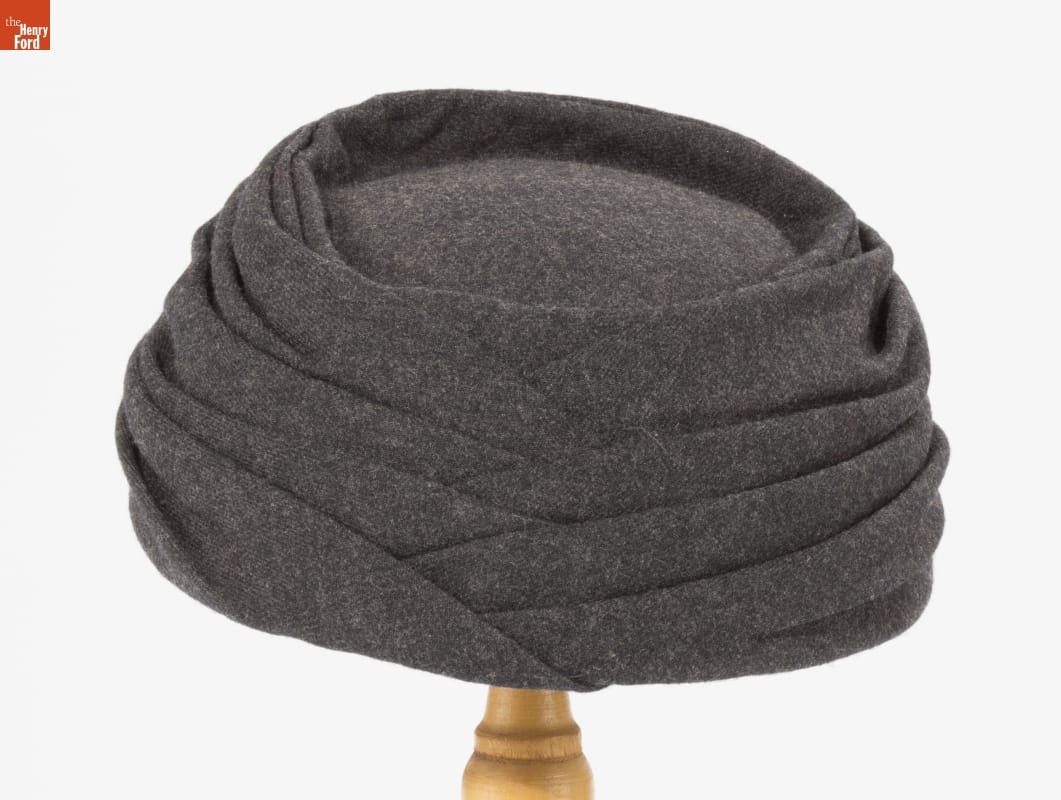
- 1955-1960
- Collections - Artifact
Christian Dior Turban, Worn by Elizabeth Parke Firestone, 1955-1960
- Skullcap, 1850-1910 - During the late 1800s and early 1900s men wore simple, close-fitting, brimless caps like this when working outside or in laboratories, factories or workshops. These caps protected the hair from dirt and debris and kept the head warm.
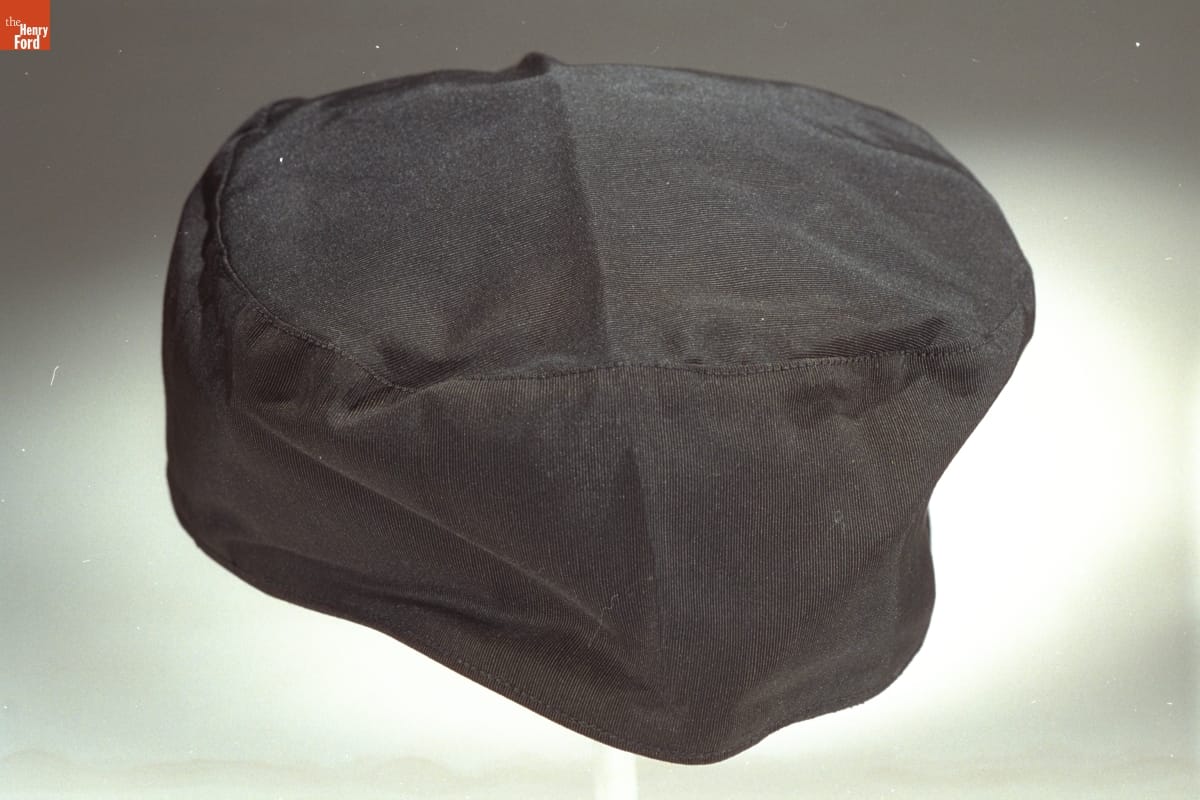
- 1850-1910
- Collections - Artifact
Skullcap, 1850-1910
During the late 1800s and early 1900s men wore simple, close-fitting, brimless caps like this when working outside or in laboratories, factories or workshops. These caps protected the hair from dirt and debris and kept the head warm.
- Skullcap, 1850-1910 - During the late 1800s and early 1900s men wore simple, close-fitting, brimless caps like this when working outside or in laboratories, factories or workshops. These caps protected the hair from dirt and debris and kept the head warm.
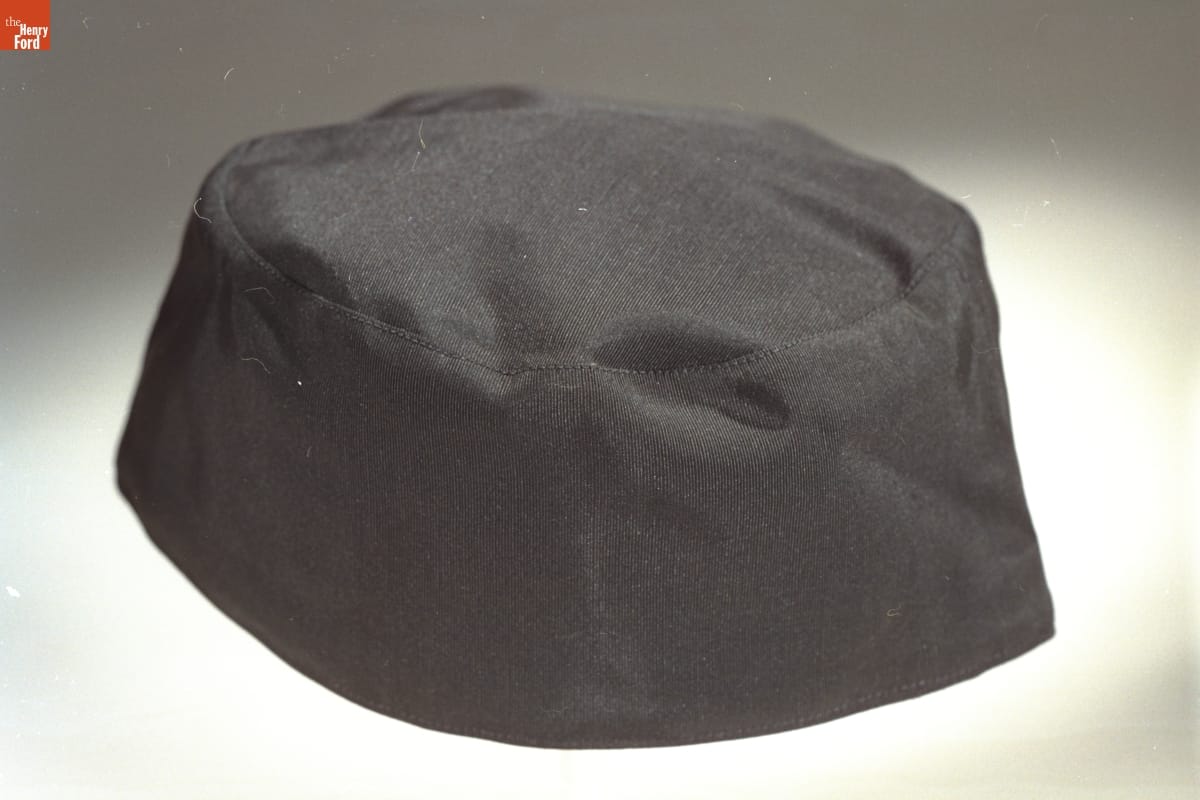
- 1850-1910
- Collections - Artifact
Skullcap, 1850-1910
During the late 1800s and early 1900s men wore simple, close-fitting, brimless caps like this when working outside or in laboratories, factories or workshops. These caps protected the hair from dirt and debris and kept the head warm.
- Skullcap, 1850-1910 - During the late 1800s and early 1900s men wore simple, close-fitting, brimless caps like this when working outside or in laboratories, factories or workshops. These caps protected the hair from dirt and debris and kept the head warm.
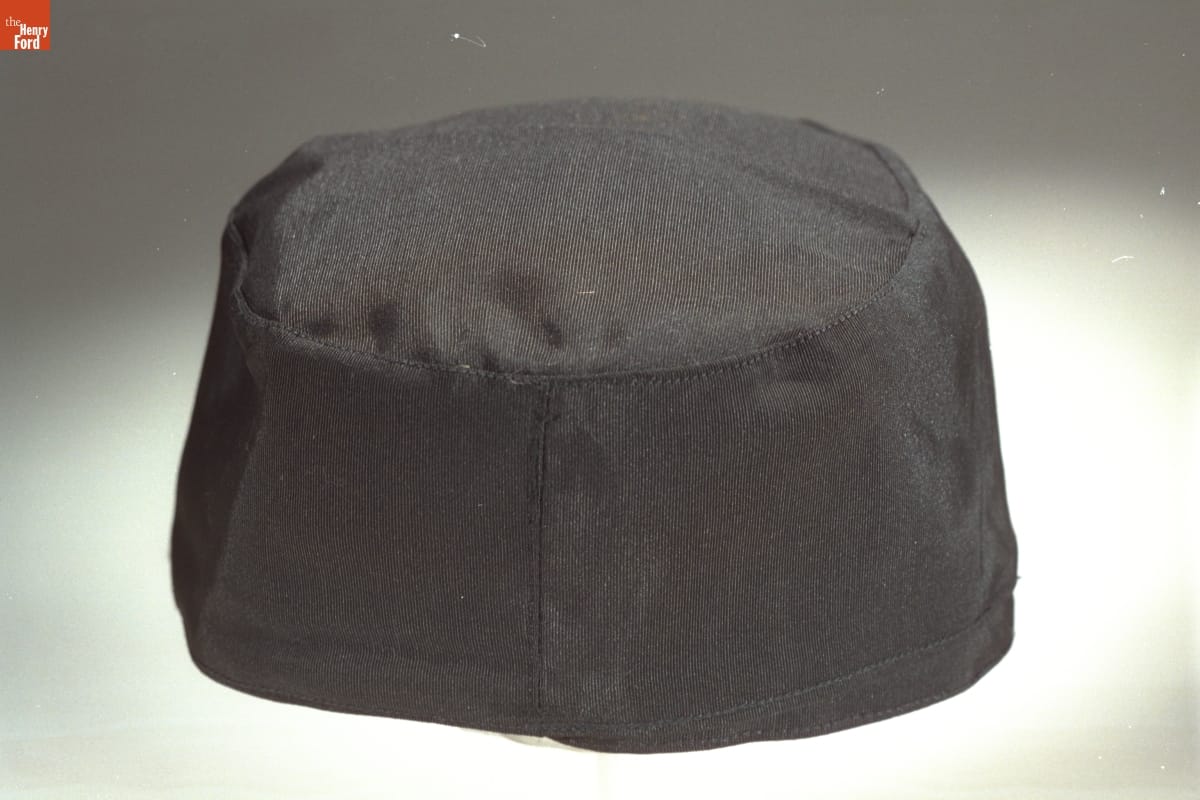
- 1850-1910
- Collections - Artifact
Skullcap, 1850-1910
During the late 1800s and early 1900s men wore simple, close-fitting, brimless caps like this when working outside or in laboratories, factories or workshops. These caps protected the hair from dirt and debris and kept the head warm.
- Skullcap, 1850-1910 - During the late 1800s and early 1900s men wore simple, close-fitting, brimless caps like this when working outside or in laboratories, factories or workshops. These caps protected the hair from dirt and debris and kept the head warm.
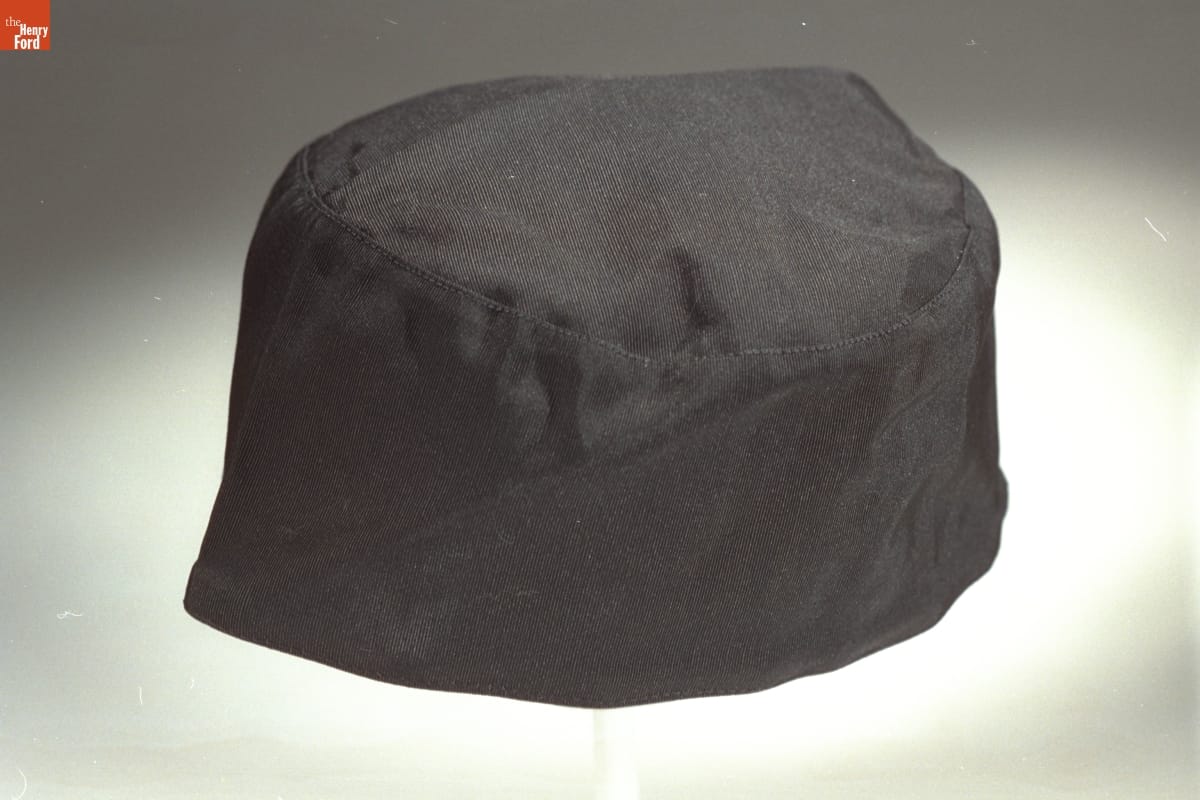
- 1850-1910
- Collections - Artifact
Skullcap, 1850-1910
During the late 1800s and early 1900s men wore simple, close-fitting, brimless caps like this when working outside or in laboratories, factories or workshops. These caps protected the hair from dirt and debris and kept the head warm.
- Skullcap, 1850-1910 - During the late 1800s and early 1900s men wore simple, close-fitting, brimless caps like this when working outside or in laboratories, factories or workshops. These caps protected the hair from dirt and debris and kept the head warm.
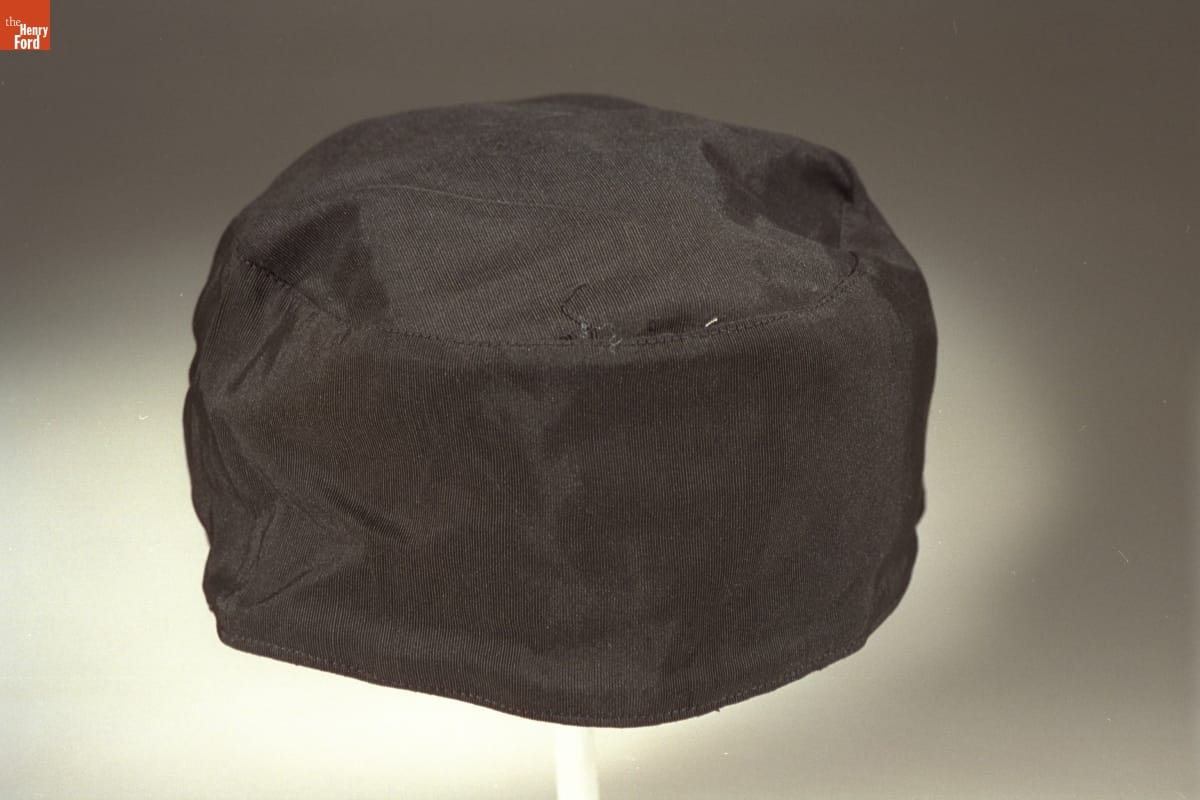
- 1850-1910
- Collections - Artifact
Skullcap, 1850-1910
During the late 1800s and early 1900s men wore simple, close-fitting, brimless caps like this when working outside or in laboratories, factories or workshops. These caps protected the hair from dirt and debris and kept the head warm.