
Search
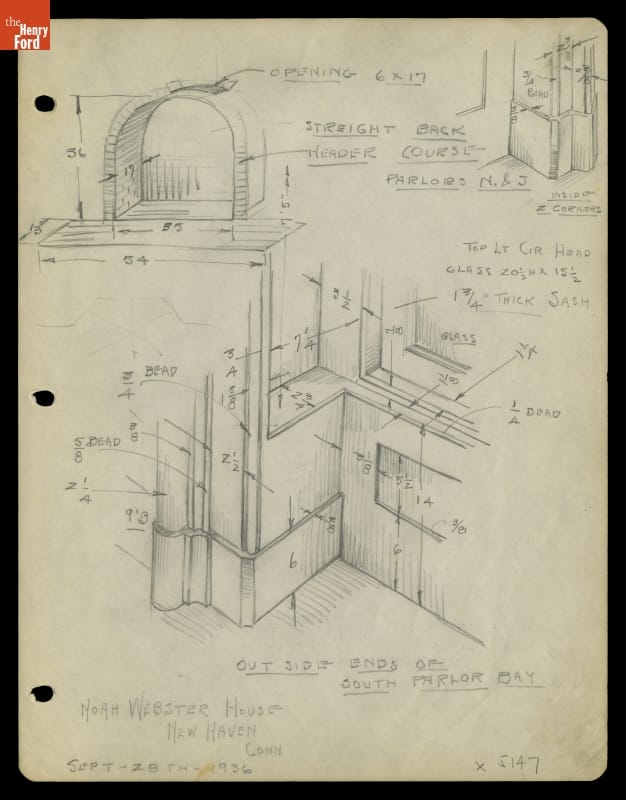
- Drawing, Outside Ends of South Parlor Bay, Noah Webster House, New Haven, Connecticut, September 28, 1936 -
- September 28, 1936
- Collections - Artifact
Drawing, Outside Ends of South Parlor Bay, Noah Webster House, New Haven, Connecticut, September 28, 1936
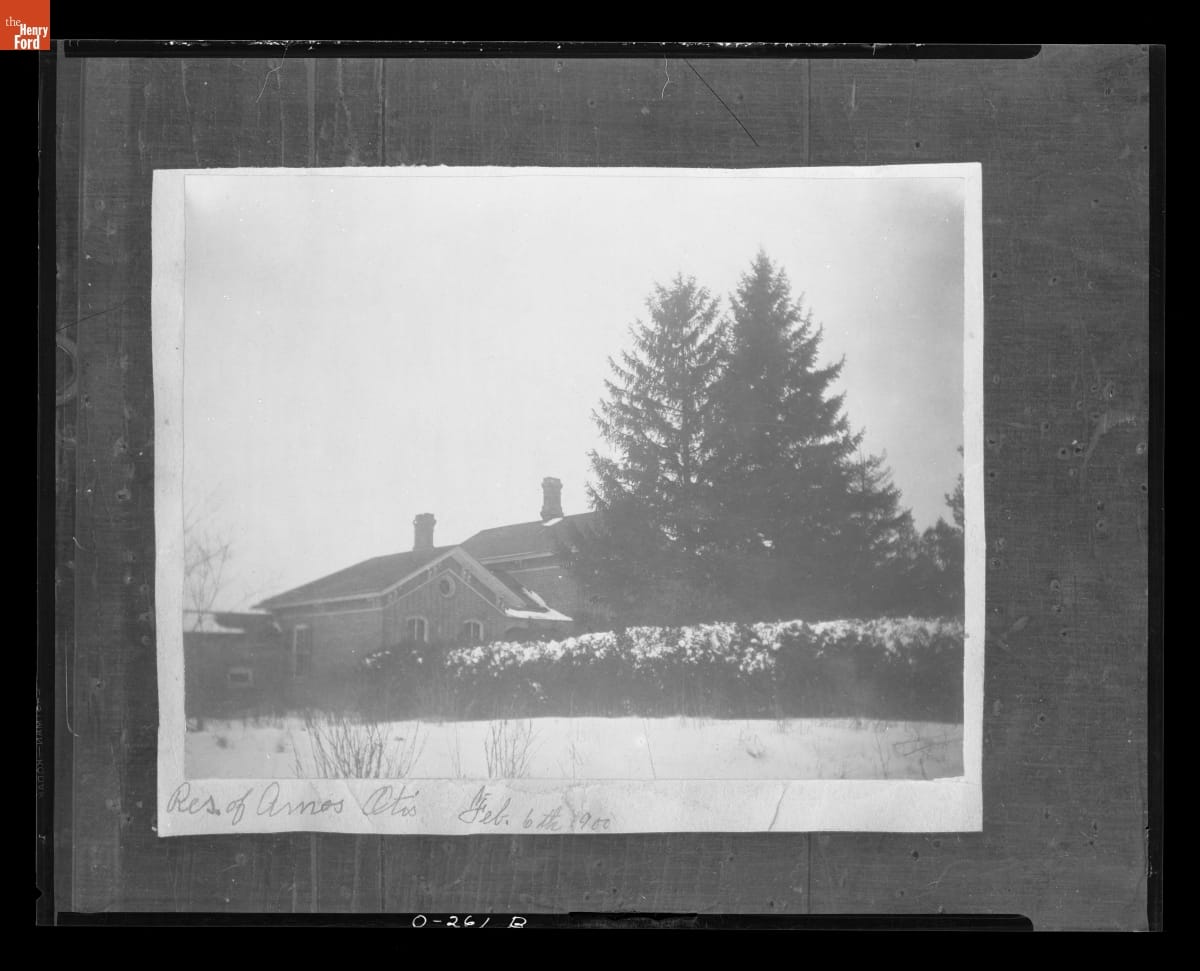
- Amos Otis Residence, Dearborn, Michigan, February 1900 -
- February 06, 1900
- Collections - Artifact
Amos Otis Residence, Dearborn, Michigan, February 1900
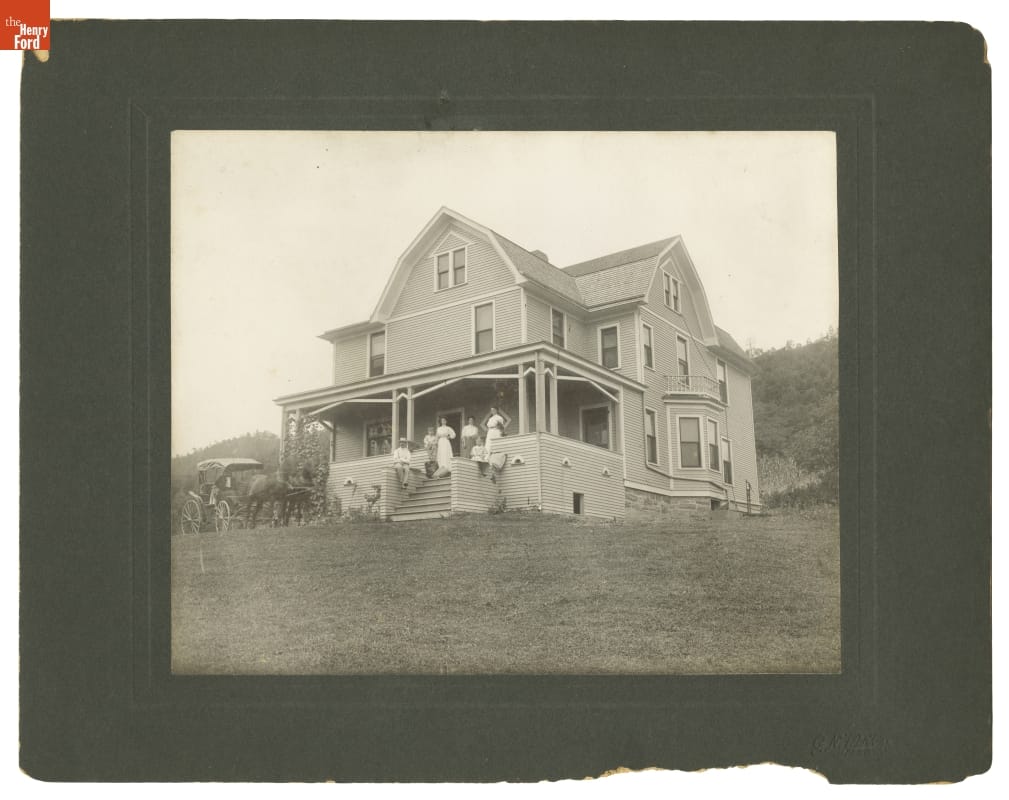
- House with People Gathered on the Porch and Horse-Drawn Buggy in Front, circa 1905 - Affordable, lightweight buggies began pouring out of factories in the late 1800s, making the pleasures of a personal vehicle available to many Americans for the first time. Rural families especially enjoyed owning buggies; they offered convenience and a sense of freedom to the growing middle class.
- circa 1905
- Collections - Artifact
House with People Gathered on the Porch and Horse-Drawn Buggy in Front, circa 1905
Affordable, lightweight buggies began pouring out of factories in the late 1800s, making the pleasures of a personal vehicle available to many Americans for the first time. Rural families especially enjoyed owning buggies; they offered convenience and a sense of freedom to the growing middle class.
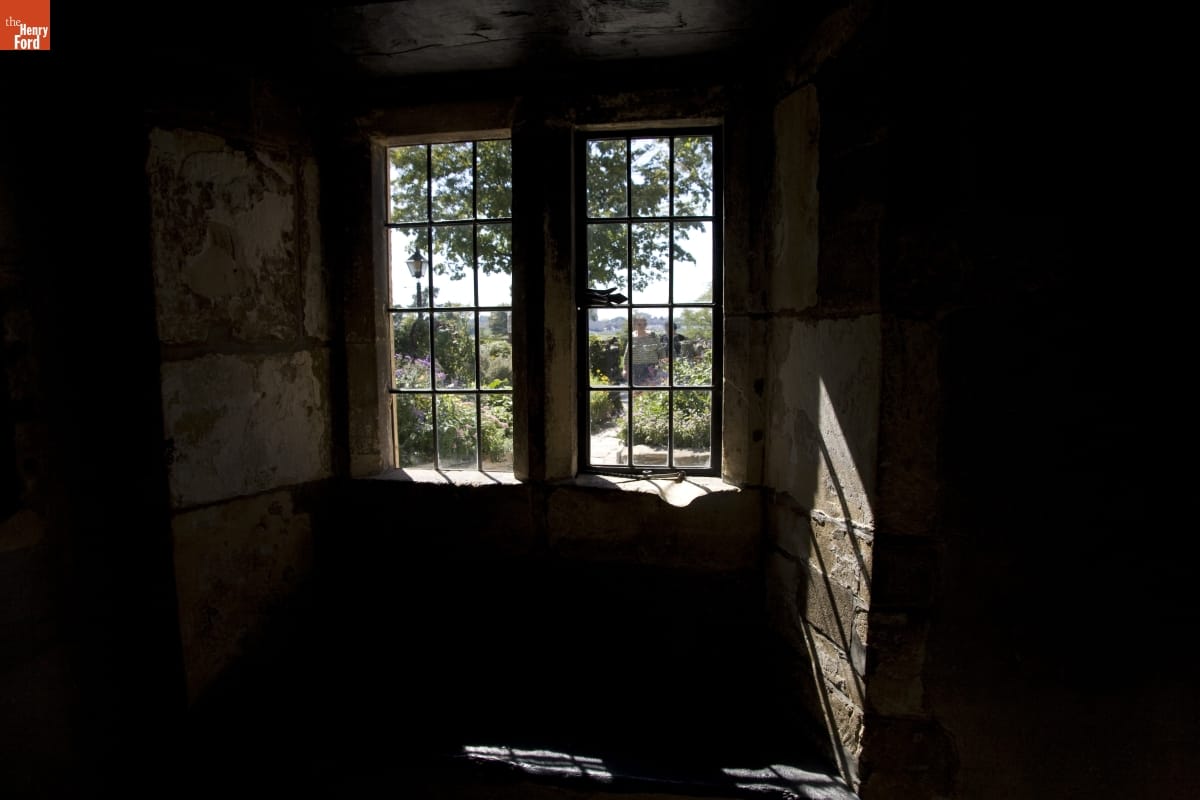
- Cotswold Cottage in Greenfield Village, September 2007 -
- September 01, 2007
- Collections - Artifact
Cotswold Cottage in Greenfield Village, September 2007
- Sarah Jordan Boarding House in Greenfield Village, September 2007 - In 1879, Sarah Jordan ran a boarding house a short walk from Thomas Edison's Menlo Park Laboratory in New Jersey. Her boarding house was home to more than a dozen unmarried men working at the laboratory. Today, this house and other Menlo Park Complex buildings in Greenfield Village offer visitors a glimpse into the lives of those who developed and witnessed the first successful incandescent lamp.
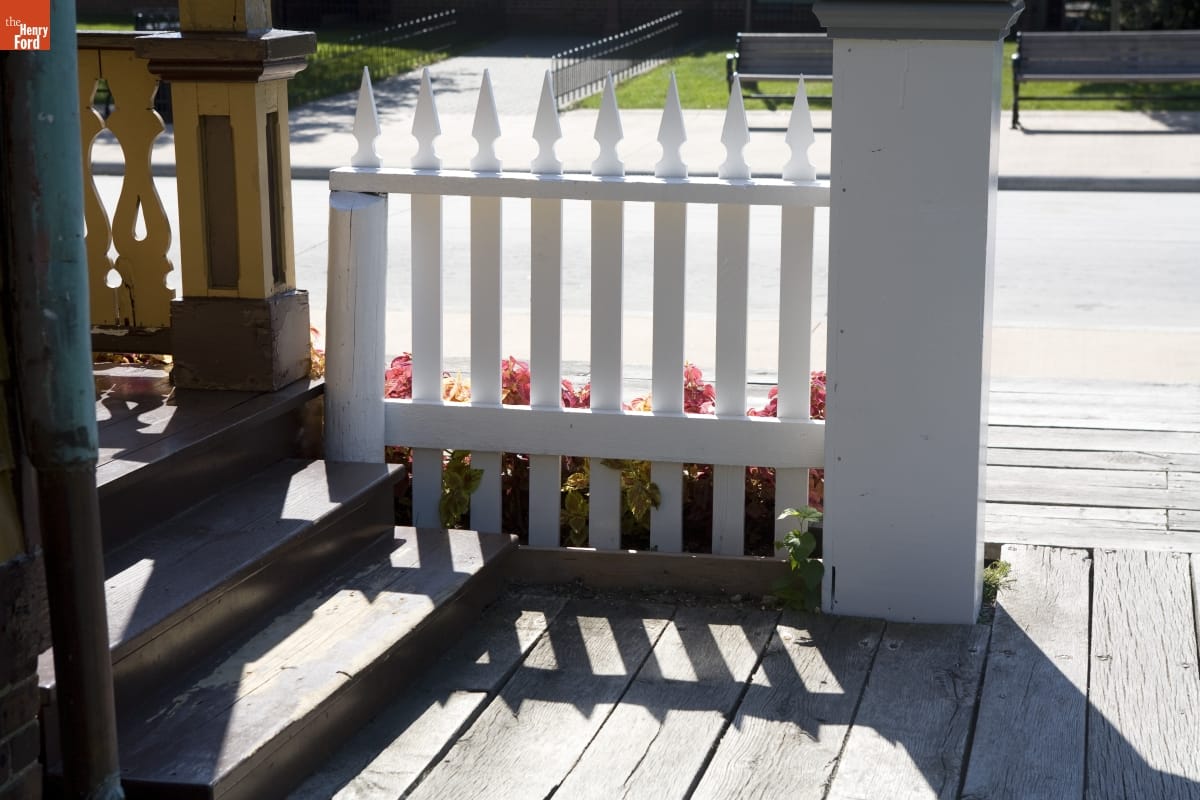
- September 01, 2007
- Collections - Artifact
Sarah Jordan Boarding House in Greenfield Village, September 2007
In 1879, Sarah Jordan ran a boarding house a short walk from Thomas Edison's Menlo Park Laboratory in New Jersey. Her boarding house was home to more than a dozen unmarried men working at the laboratory. Today, this house and other Menlo Park Complex buildings in Greenfield Village offer visitors a glimpse into the lives of those who developed and witnessed the first successful incandescent lamp.
- Chapman Family Home in Greenfield Village, September 2007 - During the 1870s, John B. Chapman and his wife Susie lived in a simple farmhouse. Chapman taught several terms in the one-room schools of his southeast Michigan rural community. Young Henry Ford was one of his pupils. Ford later purchased the home for his outdoor museum in Dearborn, Michigan. This image shows the building's interior as it looked in 2007.
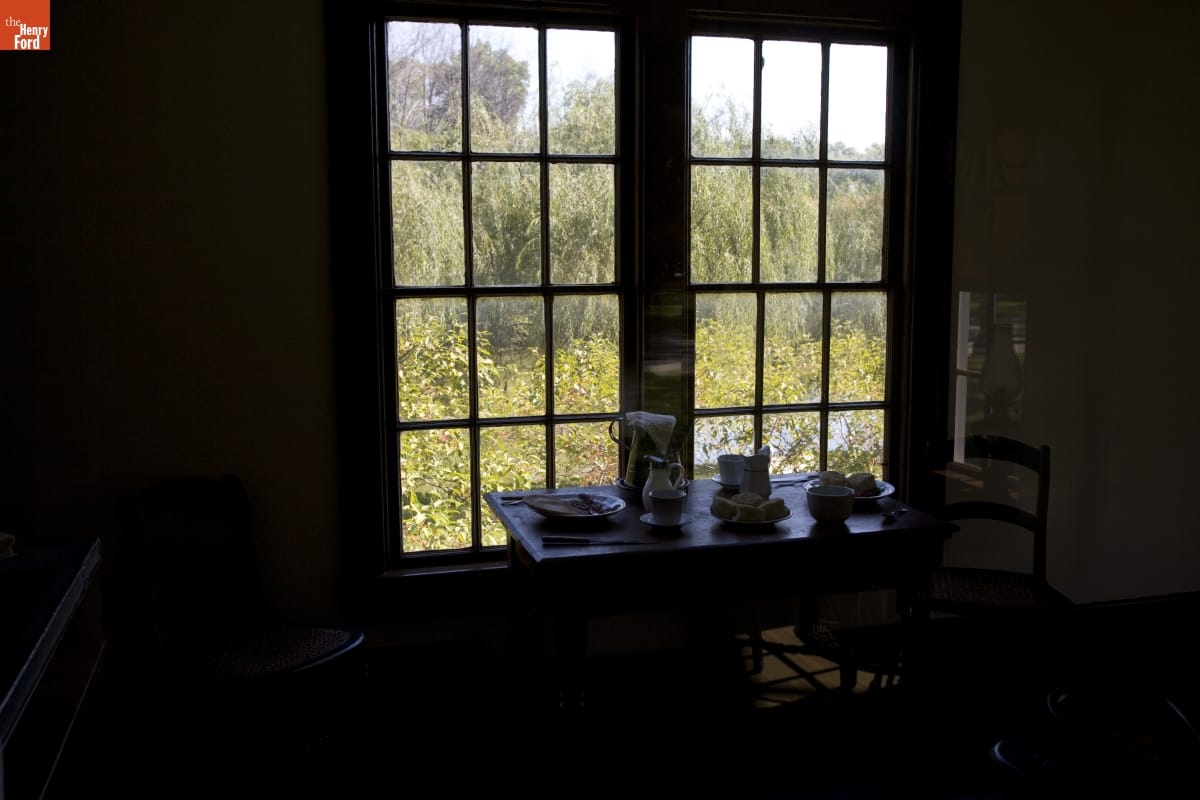
- September 01, 2007
- Collections - Artifact
Chapman Family Home in Greenfield Village, September 2007
During the 1870s, John B. Chapman and his wife Susie lived in a simple farmhouse. Chapman taught several terms in the one-room schools of his southeast Michigan rural community. Young Henry Ford was one of his pupils. Ford later purchased the home for his outdoor museum in Dearborn, Michigan. This image shows the building's interior as it looked in 2007.
- Music Sheet Cover, "Arouse Ye, Patriot Whigs!," 1840 -

- 1840
- Collections - Artifact
Music Sheet Cover, "Arouse Ye, Patriot Whigs!," 1840
- Panoramic View of Seal Harbor, Maine, 1927 - In 1922, Edsel Ford purchased property in Seal Harbor, Maine, and began building his family's summer home. Philanthropist John D. Rockefeller, Jr., a fellow resident of the area, wrote congratulating Edsel on his selection -- the property offered the Fords splendid scenic views of the Maine coast. The letter initiated a friendship between the two that led to partnerships on various charitable causes.
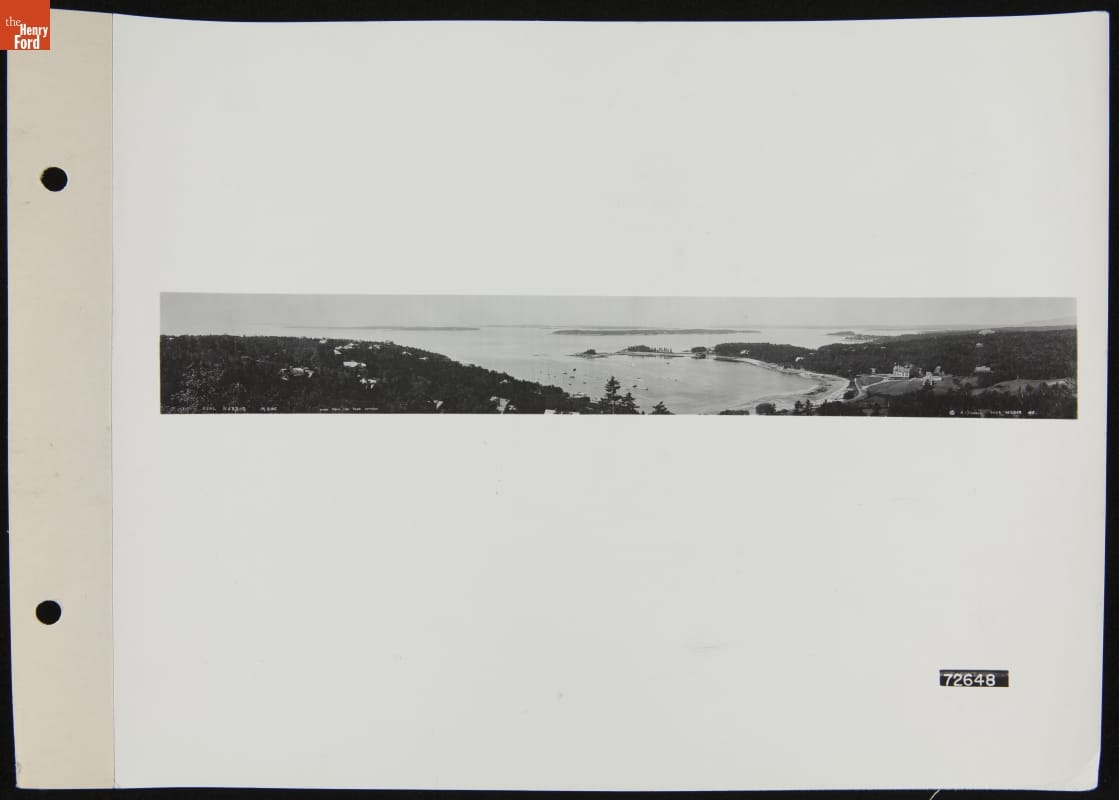
- 1927
- Collections - Artifact
Panoramic View of Seal Harbor, Maine, 1927
In 1922, Edsel Ford purchased property in Seal Harbor, Maine, and began building his family's summer home. Philanthropist John D. Rockefeller, Jr., a fellow resident of the area, wrote congratulating Edsel on his selection -- the property offered the Fords splendid scenic views of the Maine coast. The letter initiated a friendship between the two that led to partnerships on various charitable causes.
- Lithograph, "Last Moments of President LIncoln," 1865 - Abraham Lincoln's assassination in April 1865 plunged Americans into deep mourning. Before the existence of newspaper photos and television, lithographs helped people to understand the tragic event. This print depicts a room of the Petersen House, where the president died, across the street from Ford's Theatre in Washington, D.C. Not all of these people were actually in the room the morning Lincoln died.
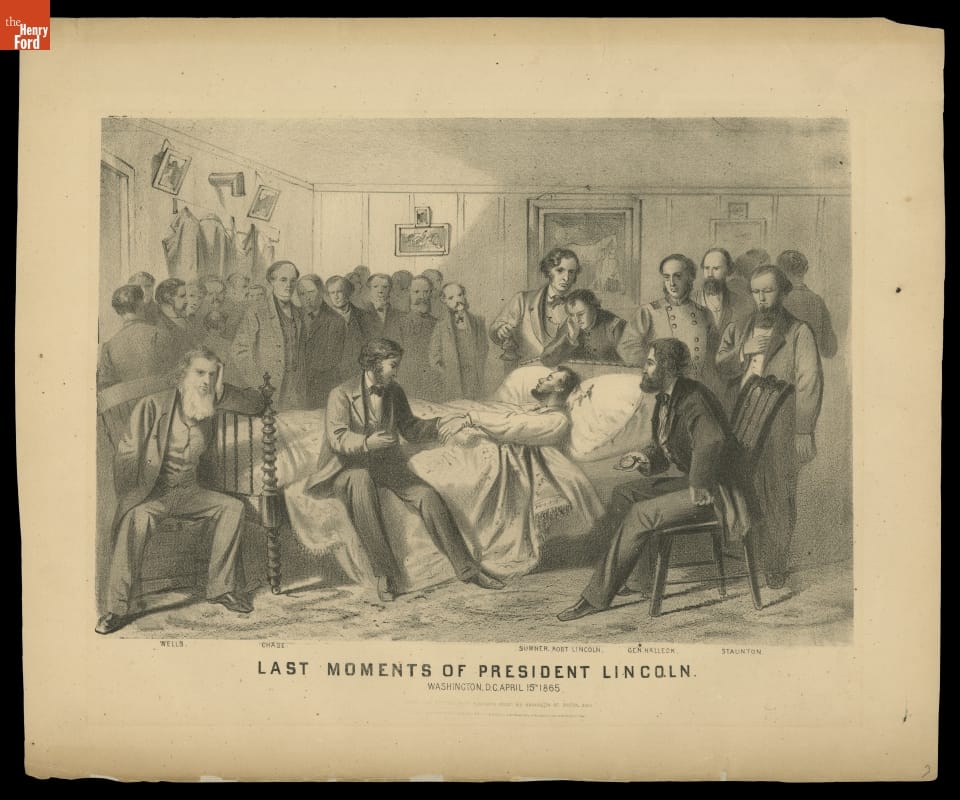
- April 15, 1865
- Collections - Artifact
Lithograph, "Last Moments of President LIncoln," 1865
Abraham Lincoln's assassination in April 1865 plunged Americans into deep mourning. Before the existence of newspaper photos and television, lithographs helped people to understand the tragic event. This print depicts a room of the Petersen House, where the president died, across the street from Ford's Theatre in Washington, D.C. Not all of these people were actually in the room the morning Lincoln died.
- Sounds of America Gallery (Foster Memorial) in Greenfield Village, October 2007 -
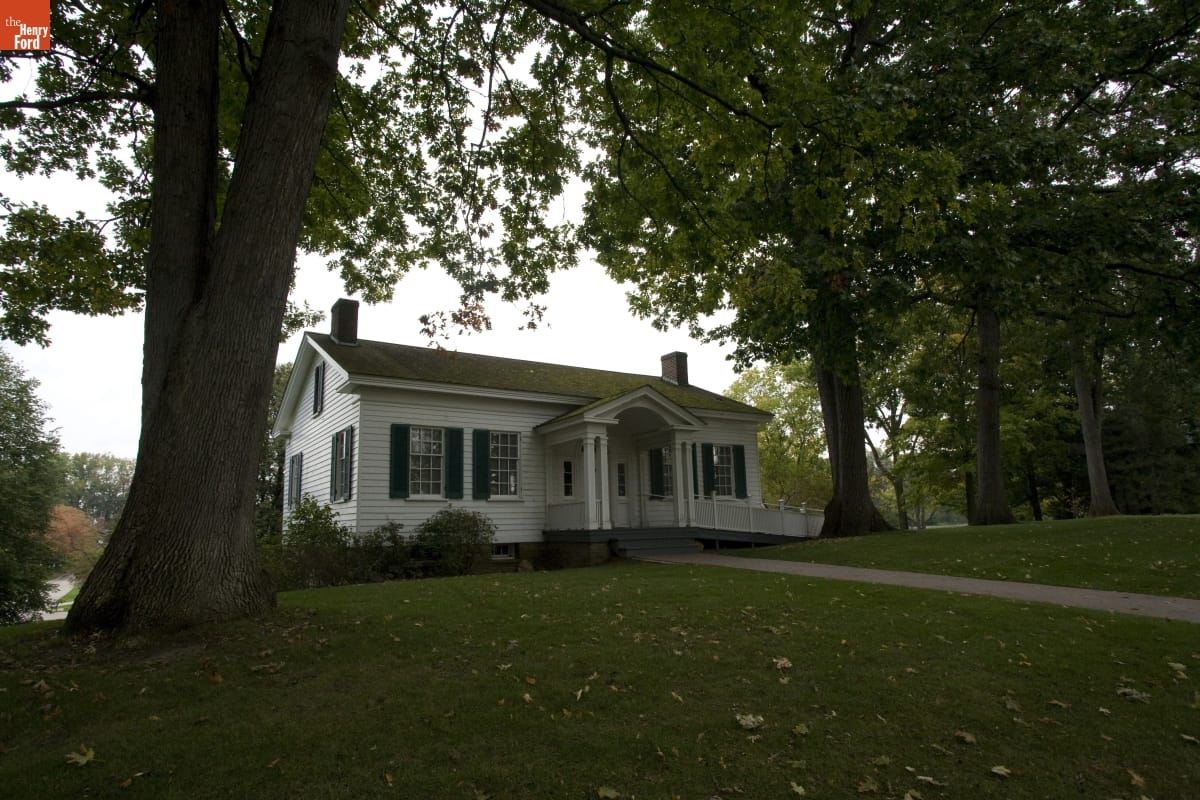
- October 01, 2007
- Collections - Artifact
Sounds of America Gallery (Foster Memorial) in Greenfield Village, October 2007