
Search
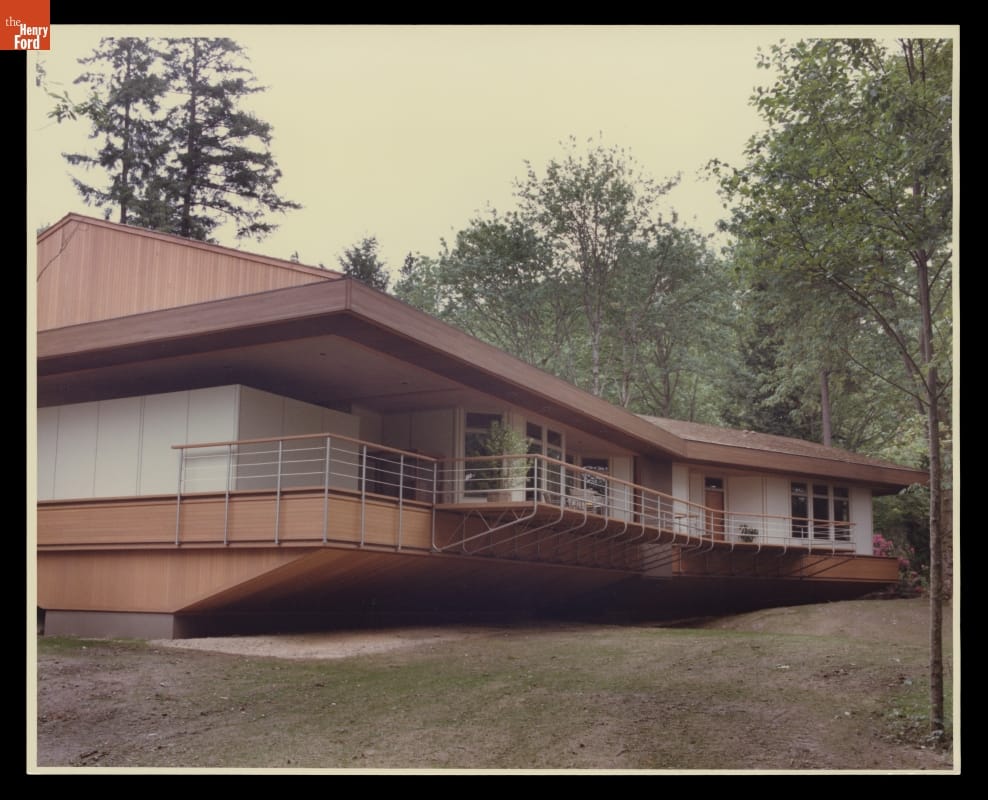
- Propst Housing System, Sammamish, Washington, 1990-2010 -
- 1990-2010
- Collections - Artifact
Propst Housing System, Sammamish, Washington, 1990-2010
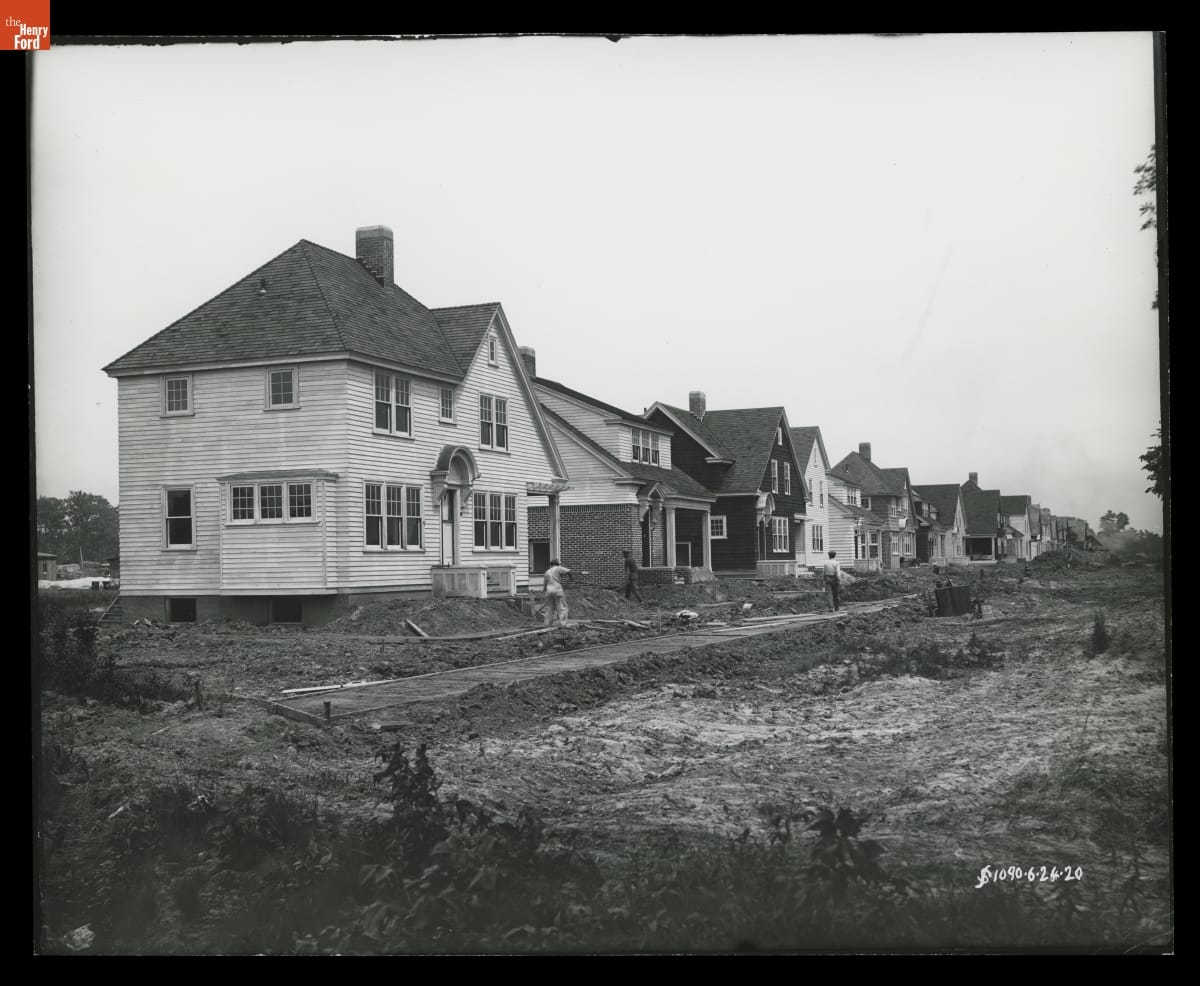
- Construction Progress, Ford Homes District Employee Housing, Dearborn, Michigan, June 1920 - In 1919, Edsel Ford and Ernest Liebold, Henry Ford's executive secretary, organized the Dearborn Realty and Construction Company to develop some of Henry Ford's extensive land holdings. Before the end of 1921, the company built 250 houses in what became the Ford Homes District in Dearborn, Michigan. Standardized designs and fixtures saved time and reduced construction costs in the project.
- June 24, 1920
- Collections - Artifact
Construction Progress, Ford Homes District Employee Housing, Dearborn, Michigan, June 1920
In 1919, Edsel Ford and Ernest Liebold, Henry Ford's executive secretary, organized the Dearborn Realty and Construction Company to develop some of Henry Ford's extensive land holdings. Before the end of 1921, the company built 250 houses in what became the Ford Homes District in Dearborn, Michigan. Standardized designs and fixtures saved time and reduced construction costs in the project.
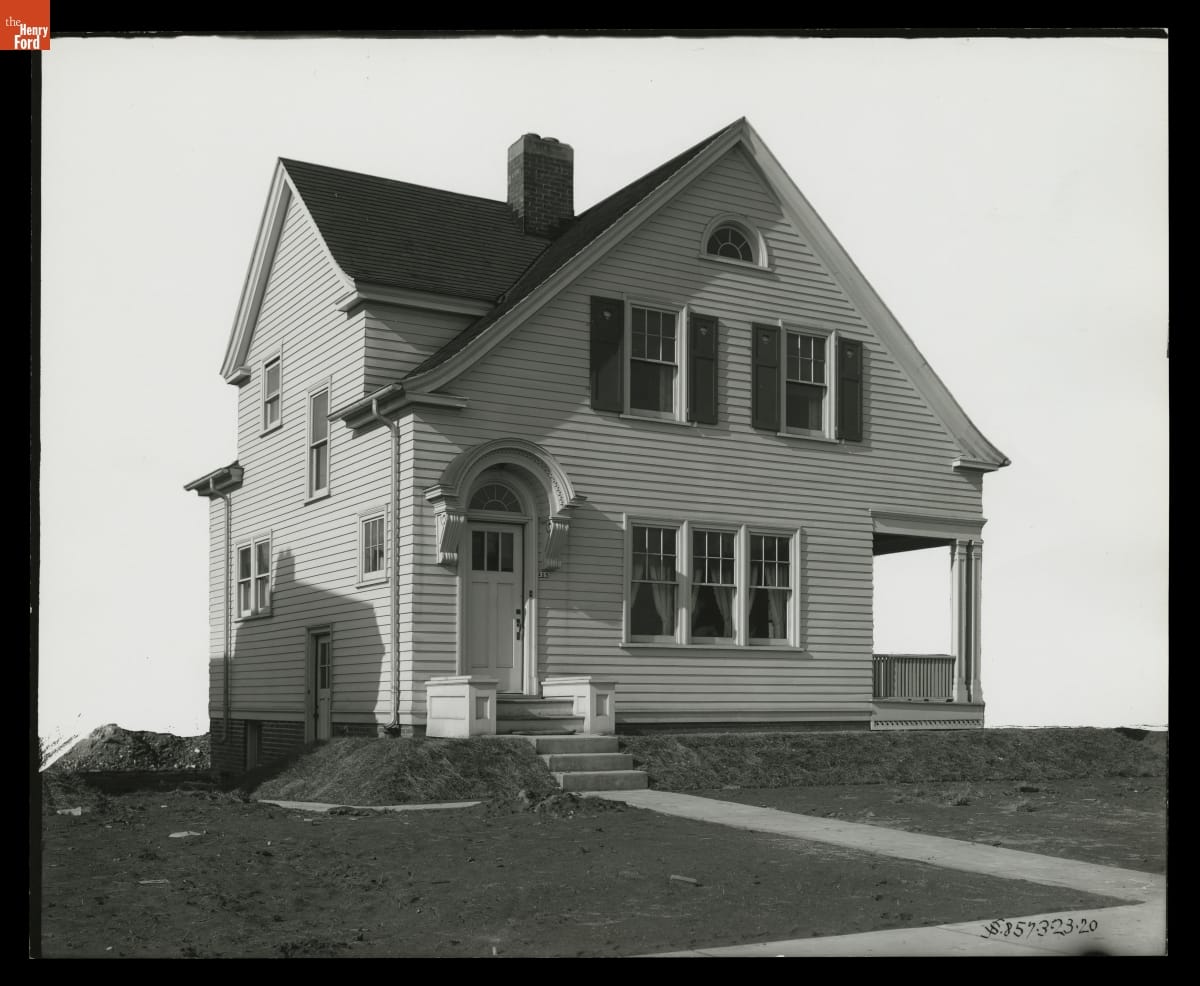
- "Type A" House in Ford Homes District, Dearborn, Michigan, March 1920 - Edsel Ford and Ernest Liebold, Henry Ford's executive secretary, organized the Dearborn Realty and Construction Company in 1919. It built 250 houses in what became the Ford Homes District in Dearborn, Michigan. The houses were made in six different designs using standardized fixtures, which reduced construction time and costs. Priced around $6,500 to $8,000, the homes attracted white-collar Ford employees.
- March 23, 1920
- Collections - Artifact
"Type A" House in Ford Homes District, Dearborn, Michigan, March 1920
Edsel Ford and Ernest Liebold, Henry Ford's executive secretary, organized the Dearborn Realty and Construction Company in 1919. It built 250 houses in what became the Ford Homes District in Dearborn, Michigan. The houses were made in six different designs using standardized fixtures, which reduced construction time and costs. Priced around $6,500 to $8,000, the homes attracted white-collar Ford employees.
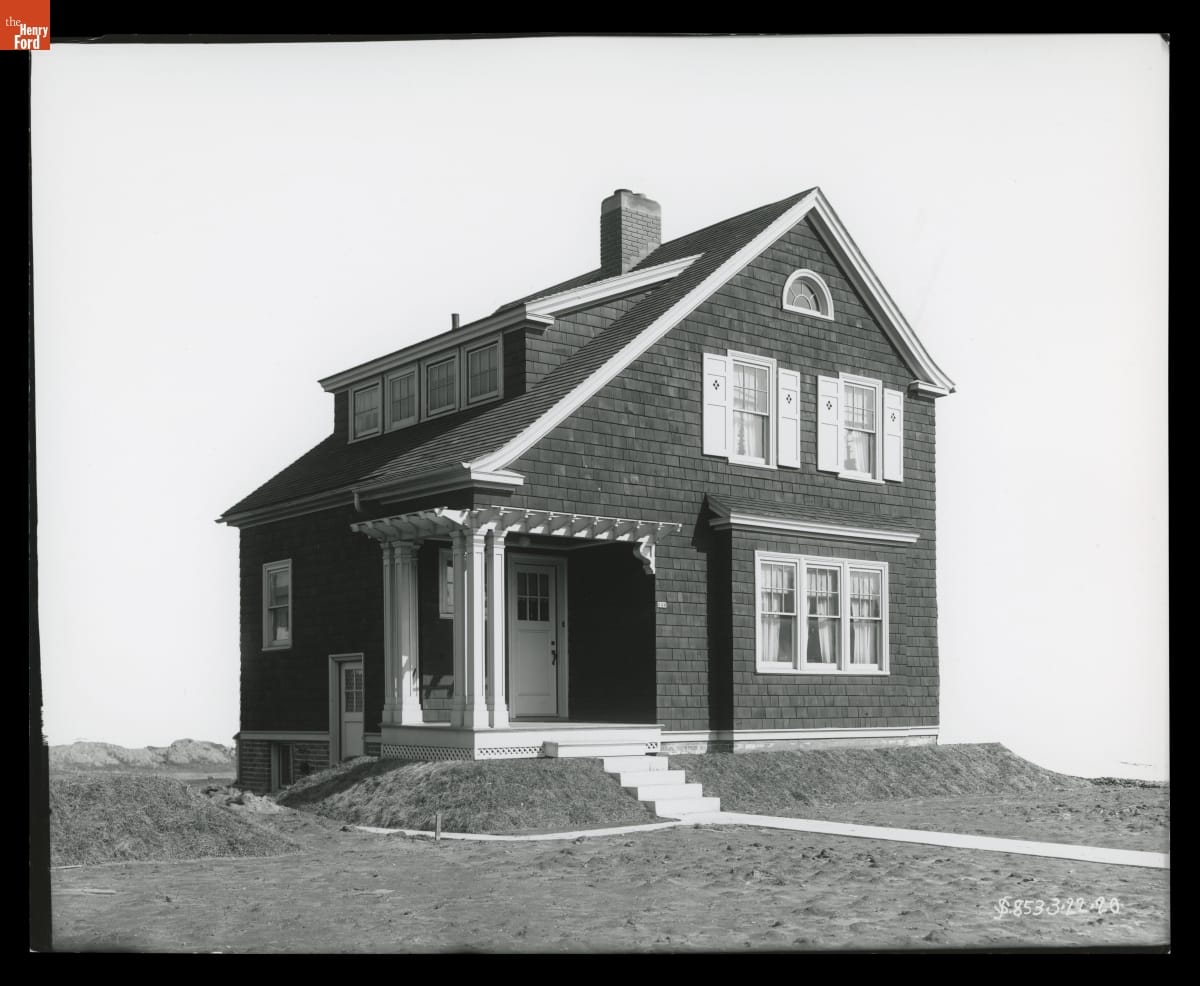
- "Type B" Model Home in the Ford Homes District, Dearborn, Michigan, March 1920 - Edsel Ford and Ernest Liebold, Henry Ford's executive secretary, organized the Dearborn Realty and Construction Company in 1919. It built 250 houses in what became the Ford Homes District in Dearborn, Michigan. The houses were made in six different designs using standardized fixtures, which reduced construction time and costs. Priced around $6,500 to $8,000, the homes attracted white-collar Ford employees.
- March 22, 1920
- Collections - Artifact
"Type B" Model Home in the Ford Homes District, Dearborn, Michigan, March 1920
Edsel Ford and Ernest Liebold, Henry Ford's executive secretary, organized the Dearborn Realty and Construction Company in 1919. It built 250 houses in what became the Ford Homes District in Dearborn, Michigan. The houses were made in six different designs using standardized fixtures, which reduced construction time and costs. Priced around $6,500 to $8,000, the homes attracted white-collar Ford employees.
- Aerial View of Nollar Subdivision, Dearborn, Michigan, 1928 - For most of his life, Henry Ford lived in or near Dearborn, Michigan. He was active in the community's industrial, commercial, and residential development. Ford's Dearborn Realty and Construction Company platted and sold some of the lots in Dearborn's Nollar Farm Subdivision. The area was bounded by Reginald Street, Cherry Hill Street, River Lane, and the Rouge River.
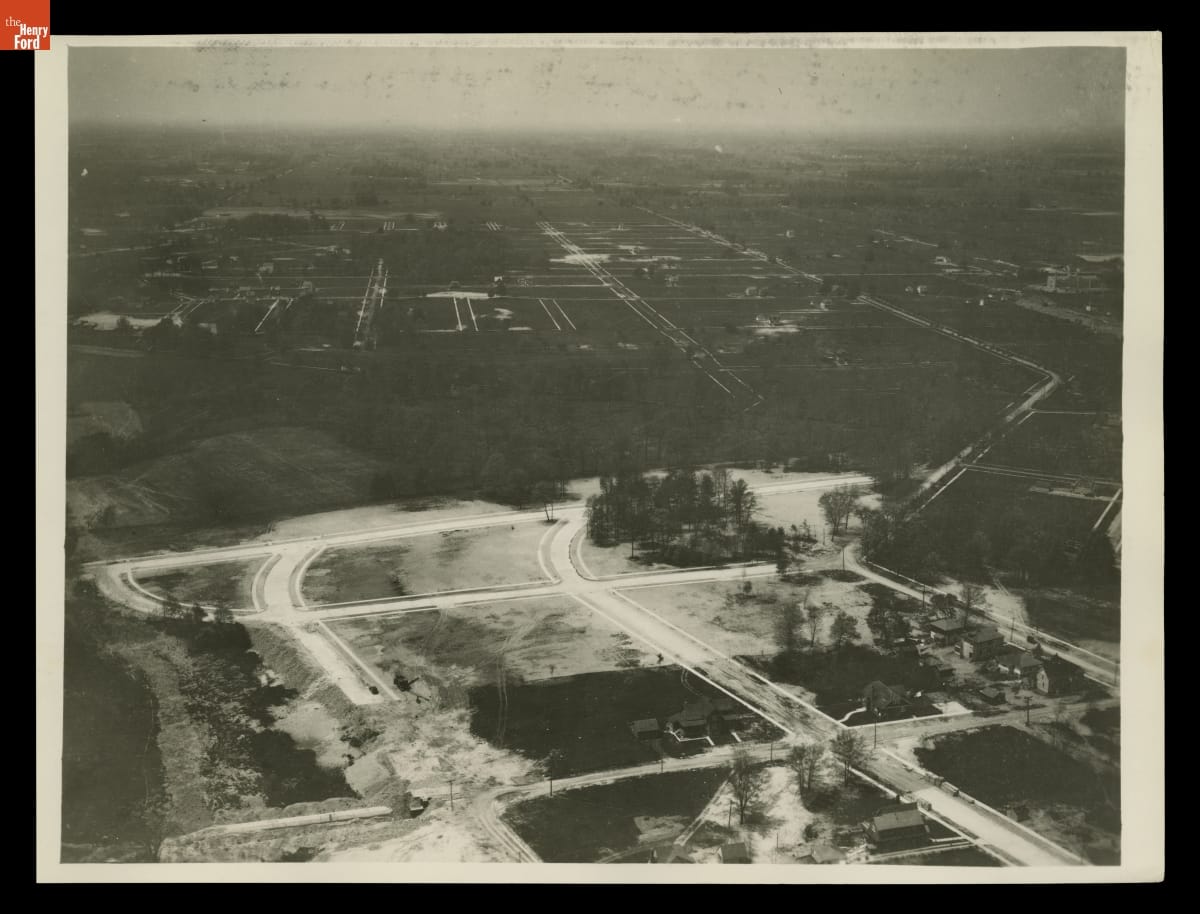
- November 26, 1932
- Collections - Artifact
Aerial View of Nollar Subdivision, Dearborn, Michigan, 1928
For most of his life, Henry Ford lived in or near Dearborn, Michigan. He was active in the community's industrial, commercial, and residential development. Ford's Dearborn Realty and Construction Company platted and sold some of the lots in Dearborn's Nollar Farm Subdivision. The area was bounded by Reginald Street, Cherry Hill Street, River Lane, and the Rouge River.
- Construction Progress, Ford Homes District, Dearborn, Michigan, July 1919 - In 1919, Edsel Ford and Ernest Liebold, Henry Ford's executive secretary, organized the Dearborn Realty and Construction Company to develop some of Henry Ford's extensive land holdings. Before the end of 1921, the company built 250 houses in what became the Ford Homes District in Dearborn, Michigan. Standardized designs and fixtures saved time and reduced construction costs in the project.
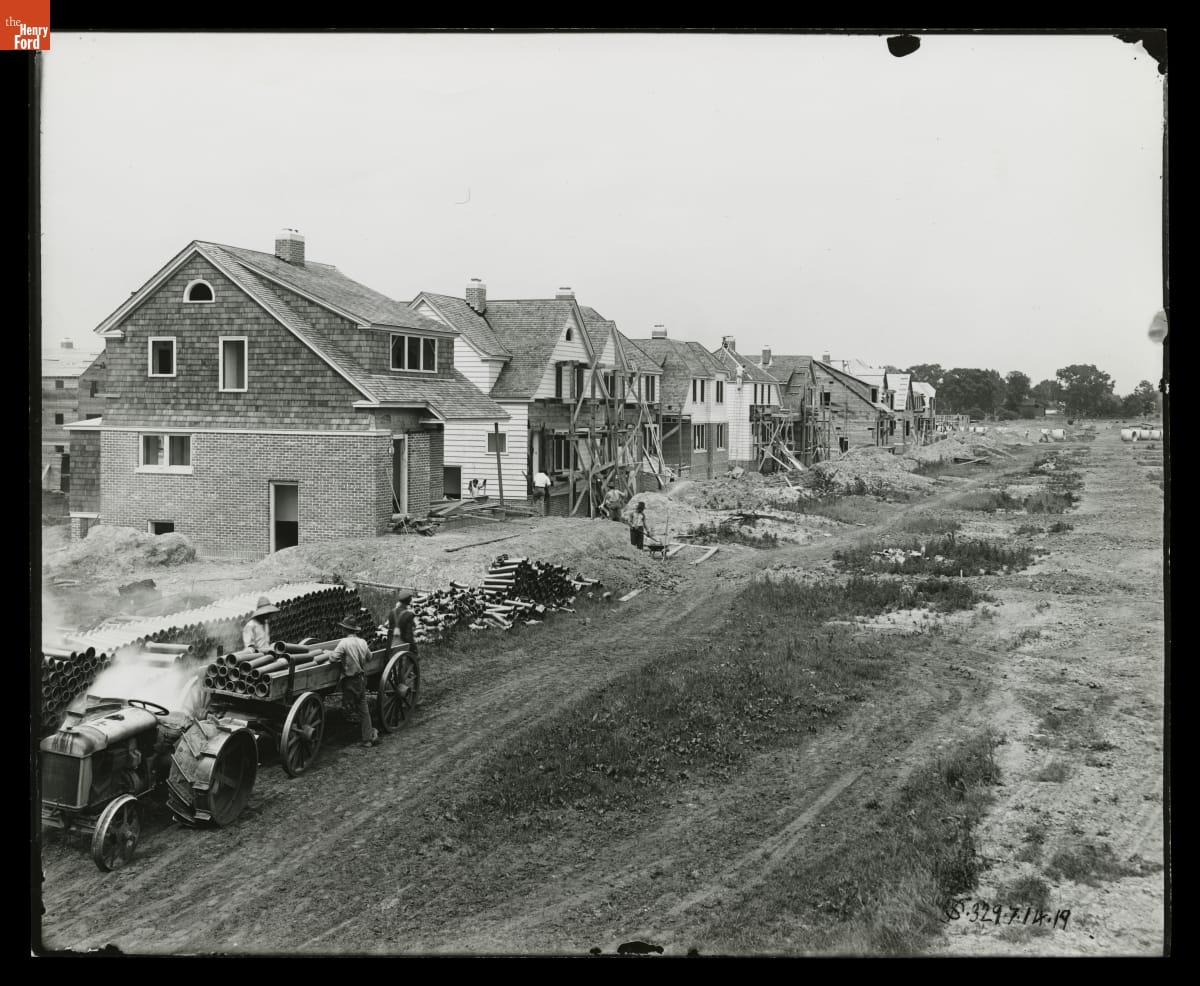
- July 14, 1919
- Collections - Artifact
Construction Progress, Ford Homes District, Dearborn, Michigan, July 1919
In 1919, Edsel Ford and Ernest Liebold, Henry Ford's executive secretary, organized the Dearborn Realty and Construction Company to develop some of Henry Ford's extensive land holdings. Before the end of 1921, the company built 250 houses in what became the Ford Homes District in Dearborn, Michigan. Standardized designs and fixtures saved time and reduced construction costs in the project.
- Construction Progress, Ford Homes District Employee Housing, Dearborn, Michigan, May 1920 - In 1919, Edsel Ford and Ernest Liebold, Henry Ford's executive secretary, organized the Dearborn Realty and Construction Company to develop some of Henry Ford's extensive land holdings. Before the end of 1921, the company built 250 houses in what became the Ford Homes District in Dearborn, Michigan. Standardized designs and fixtures saved time and reduced construction costs in the project.
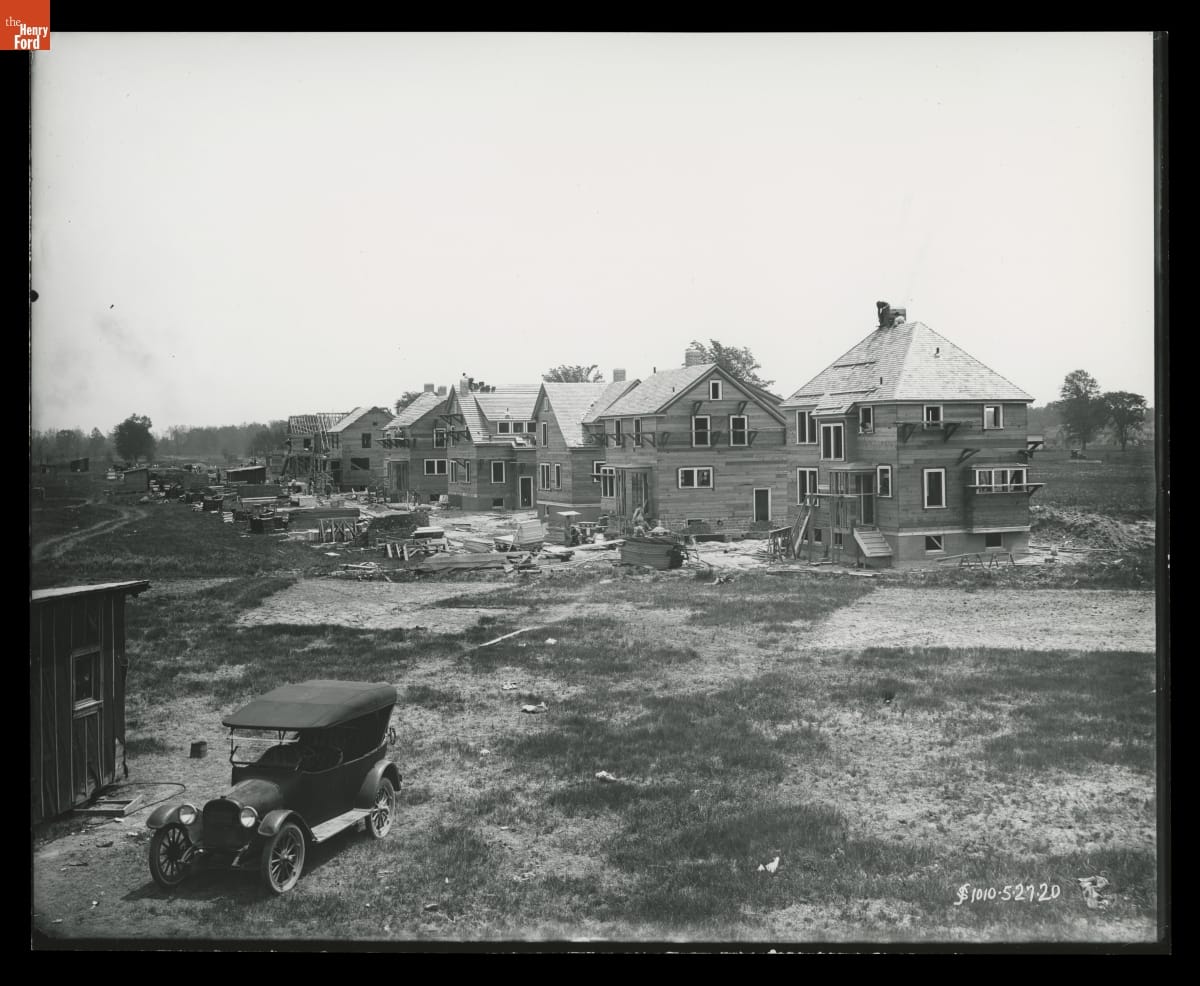
- May 27, 1920
- Collections - Artifact
Construction Progress, Ford Homes District Employee Housing, Dearborn, Michigan, May 1920
In 1919, Edsel Ford and Ernest Liebold, Henry Ford's executive secretary, organized the Dearborn Realty and Construction Company to develop some of Henry Ford's extensive land holdings. Before the end of 1921, the company built 250 houses in what became the Ford Homes District in Dearborn, Michigan. Standardized designs and fixtures saved time and reduced construction costs in the project.
- Propst Housing System, Sammamish, Washington, 2000-2010 -
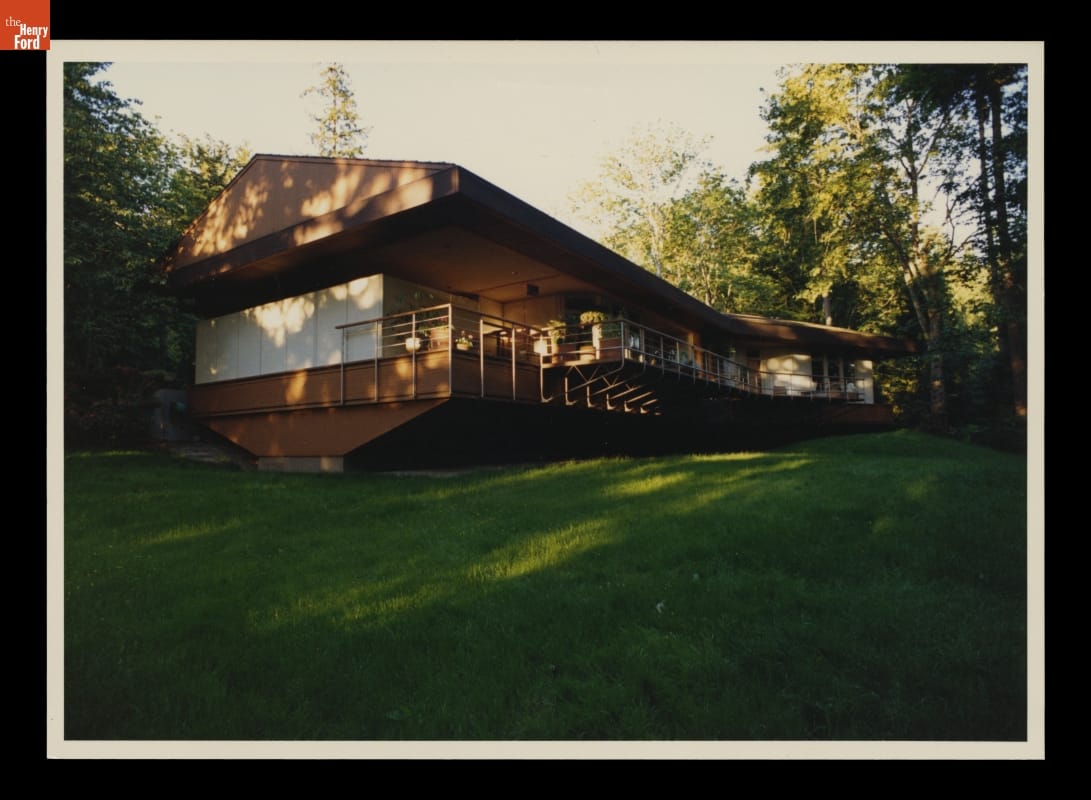
- 2000-2010
- Collections - Artifact
Propst Housing System, Sammamish, Washington, 2000-2010
- Construction Progress, Ford Homes District, Dearborn, Michigan, September 1919 - In 1919, Edsel Ford and Ernest Liebold, Henry Ford's executive secretary, organized the Dearborn Realty and Construction Company to develop some of Henry Ford's extensive land holdings. Before the end of 1921, the company built 250 houses in what became the Ford Homes District in Dearborn, Michigan. Standardized designs and fixtures saved time and reduced construction costs in the project.
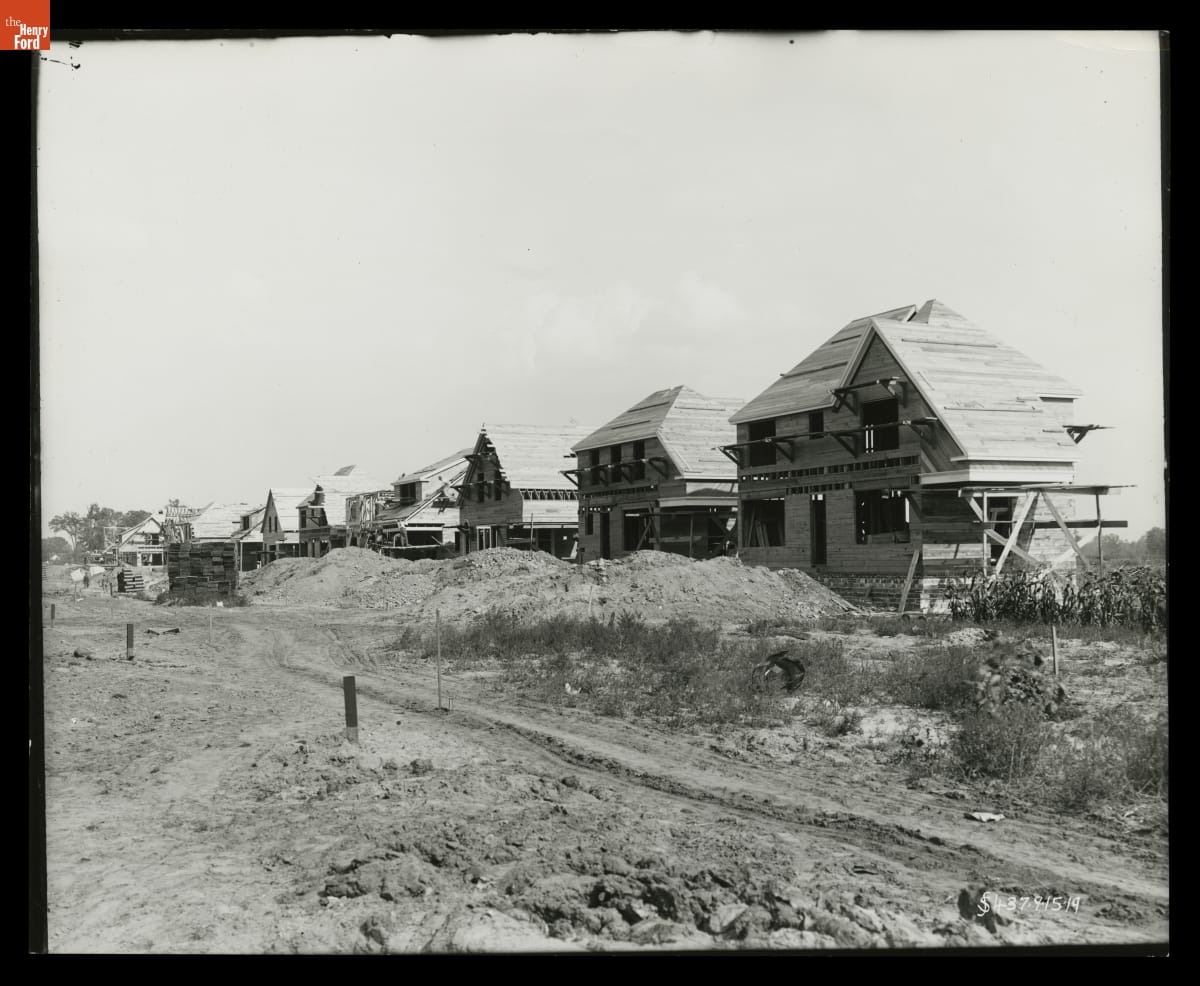
- September 15, 1919
- Collections - Artifact
Construction Progress, Ford Homes District, Dearborn, Michigan, September 1919
In 1919, Edsel Ford and Ernest Liebold, Henry Ford's executive secretary, organized the Dearborn Realty and Construction Company to develop some of Henry Ford's extensive land holdings. Before the end of 1921, the company built 250 houses in what became the Ford Homes District in Dearborn, Michigan. Standardized designs and fixtures saved time and reduced construction costs in the project.
- Construction Progress, Ford Homes District, Dearborn, Michigan, June 1920 - In 1919, Edsel Ford and Ernest Liebold, Henry Ford's executive secretary, organized the Dearborn Realty and Construction Company to develop some of Henry Ford's extensive land holdings. Before the end of 1921, the company built 250 houses in what became the Ford Homes District in Dearborn, Michigan. Standardized designs and fixtures saved time and reduced construction costs in the project.
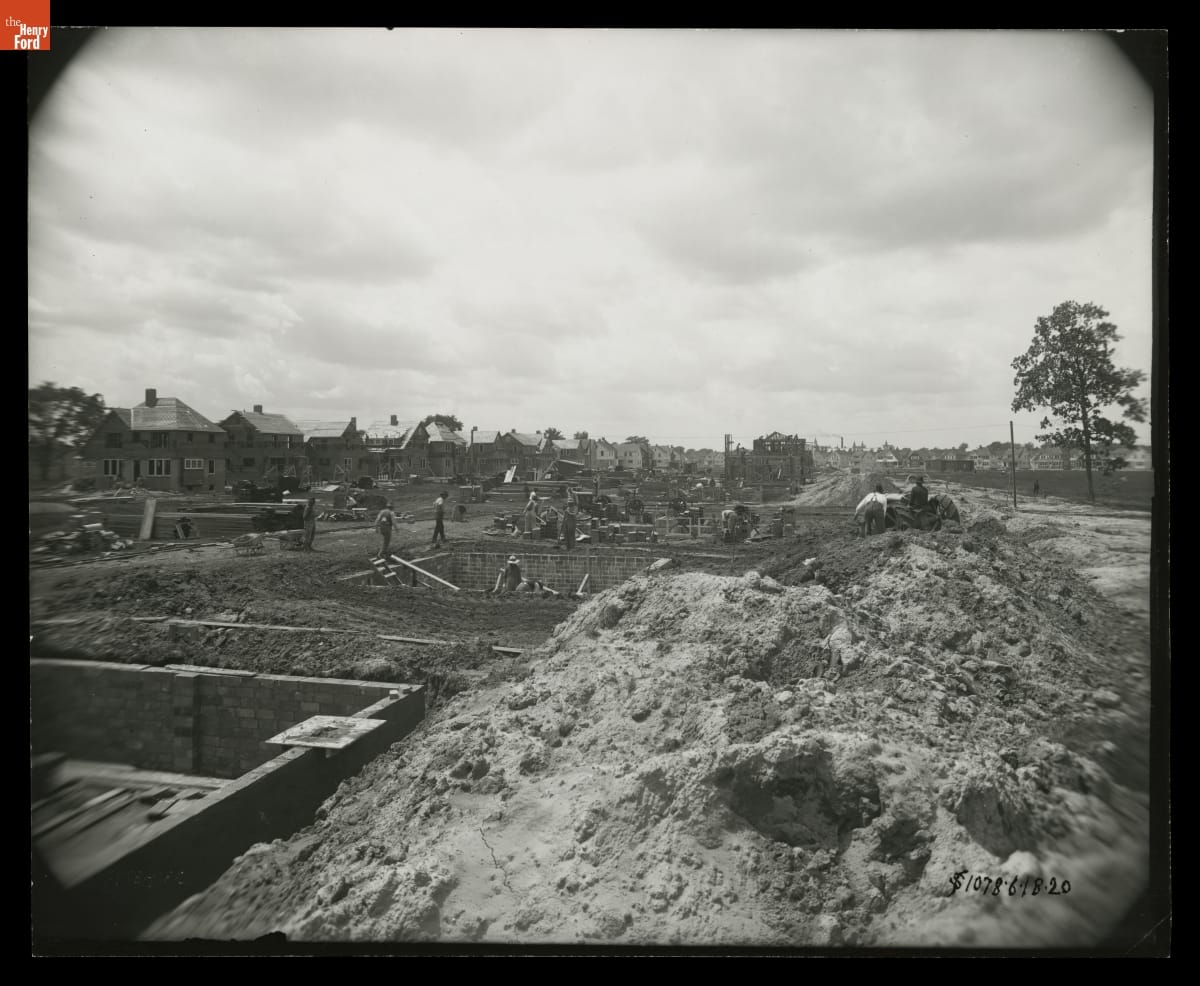
- June 18, 1920
- Collections - Artifact
Construction Progress, Ford Homes District, Dearborn, Michigan, June 1920
In 1919, Edsel Ford and Ernest Liebold, Henry Ford's executive secretary, organized the Dearborn Realty and Construction Company to develop some of Henry Ford's extensive land holdings. Before the end of 1921, the company built 250 houses in what became the Ford Homes District in Dearborn, Michigan. Standardized designs and fixtures saved time and reduced construction costs in the project.