
Search
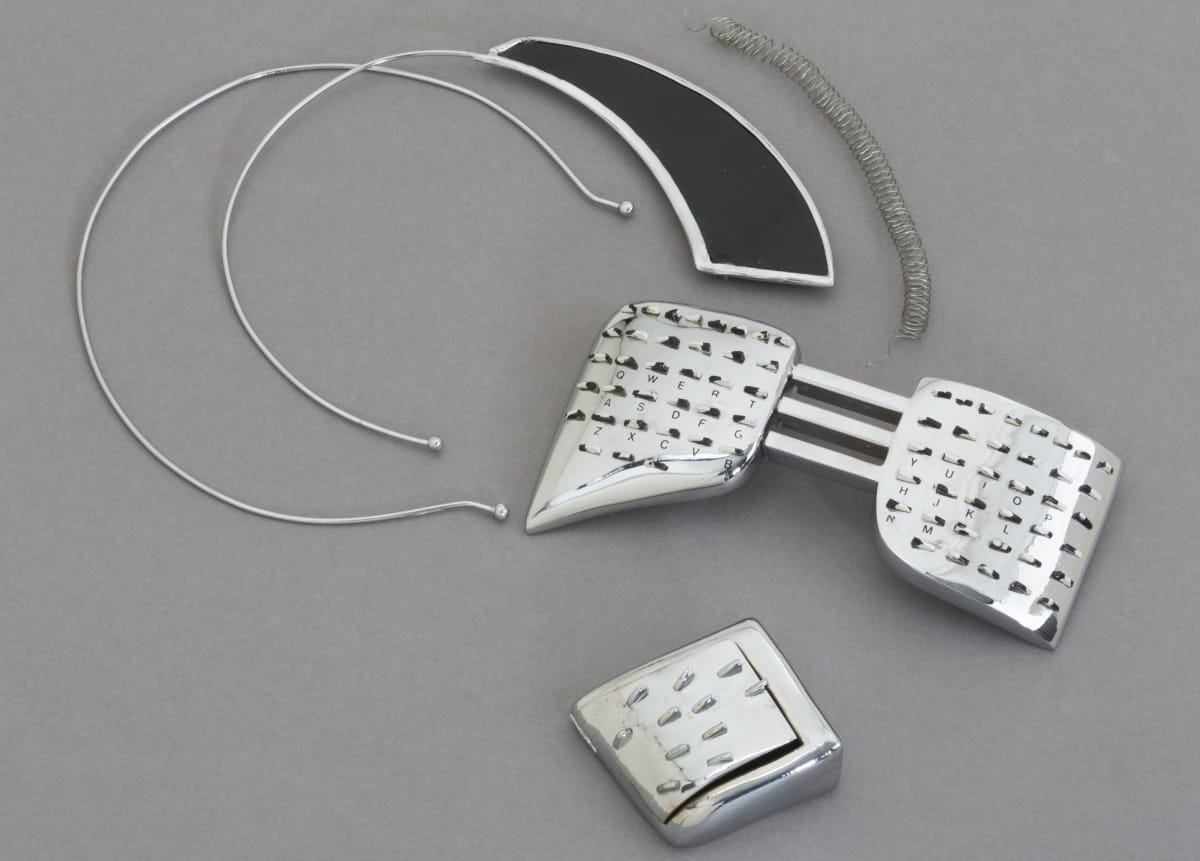
- "The Walking Office" Wearable Computer Prototype, 1984 - The Walking Office Wearable Computer is a prototype model created by the design group Salotto Dinamico. This proposed device subverted where (and when) the office could be, turning the human body into a mobile workstation. A keyboard, display arc, and cassette recorder became personal adornment--also capable of pairing with an acoustic modem to exchange data through telephone lines.
- 1984
- Collections - Artifact
"The Walking Office" Wearable Computer Prototype, 1984
The Walking Office Wearable Computer is a prototype model created by the design group Salotto Dinamico. This proposed device subverted where (and when) the office could be, turning the human body into a mobile workstation. A keyboard, display arc, and cassette recorder became personal adornment--also capable of pairing with an acoustic modem to exchange data through telephone lines.
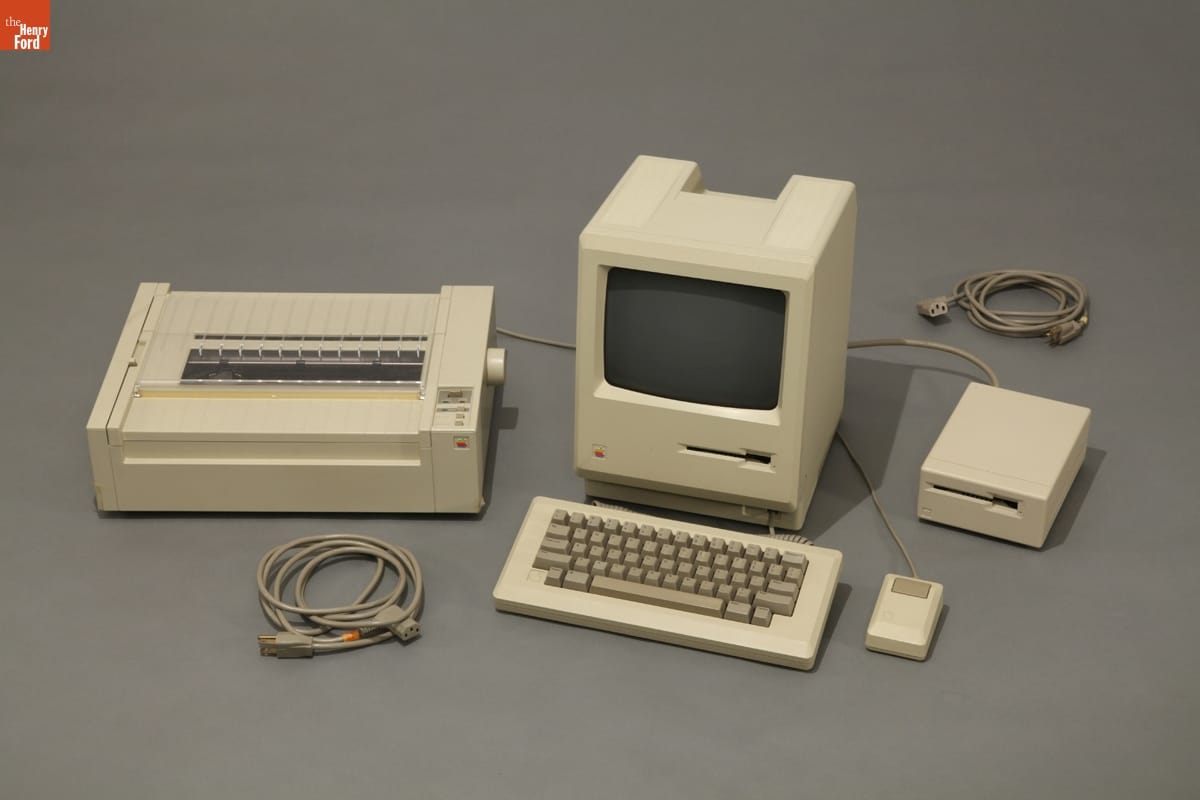
- Macintosh 512K Personal Computer, Model M0001W, 1985 - In 1984, the Apple Macintosh became the first popular personal computer to feature the now-ubiquitous mouse and "graphical user interface" desktop. Despite the Mac's relatively high price, its user-friendly features helped it demystify computing for many people without a technical bent. This computer is a Macintosh 512k, released in 1985 with increased memory.
- 1985
- Collections - Artifact
Macintosh 512K Personal Computer, Model M0001W, 1985
In 1984, the Apple Macintosh became the first popular personal computer to feature the now-ubiquitous mouse and "graphical user interface" desktop. Despite the Mac's relatively high price, its user-friendly features helped it demystify computing for many people without a technical bent. This computer is a Macintosh 512k, released in 1985 with increased memory.
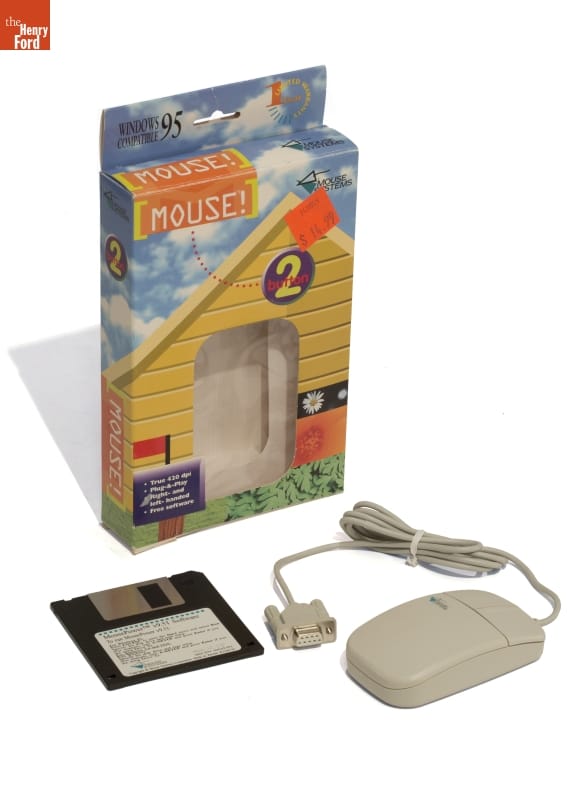
- Mouse, Mouse Systems Corporation, circa 1997 -
- circa 1997
- Collections - Artifact
Mouse, Mouse Systems Corporation, circa 1997
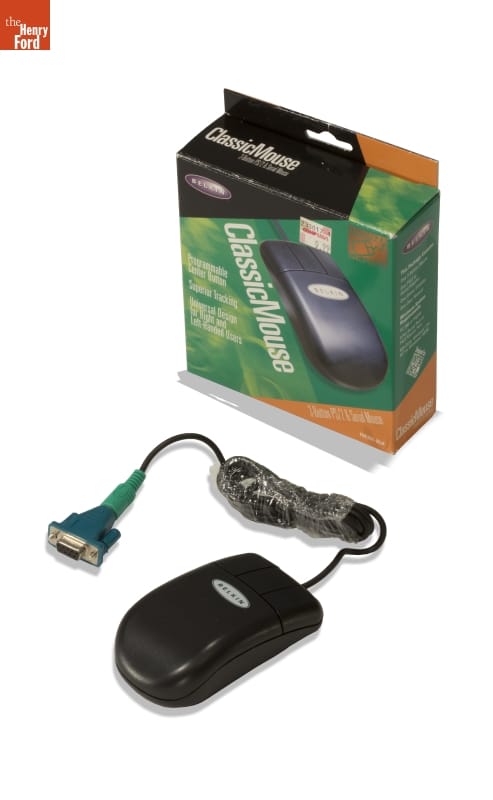
- Mouse, Belkin Components, 1999 -
- 1999
- Collections - Artifact
Mouse, Belkin Components, 1999
- Mouse, Leaguer International Corporation, circa 1990 -
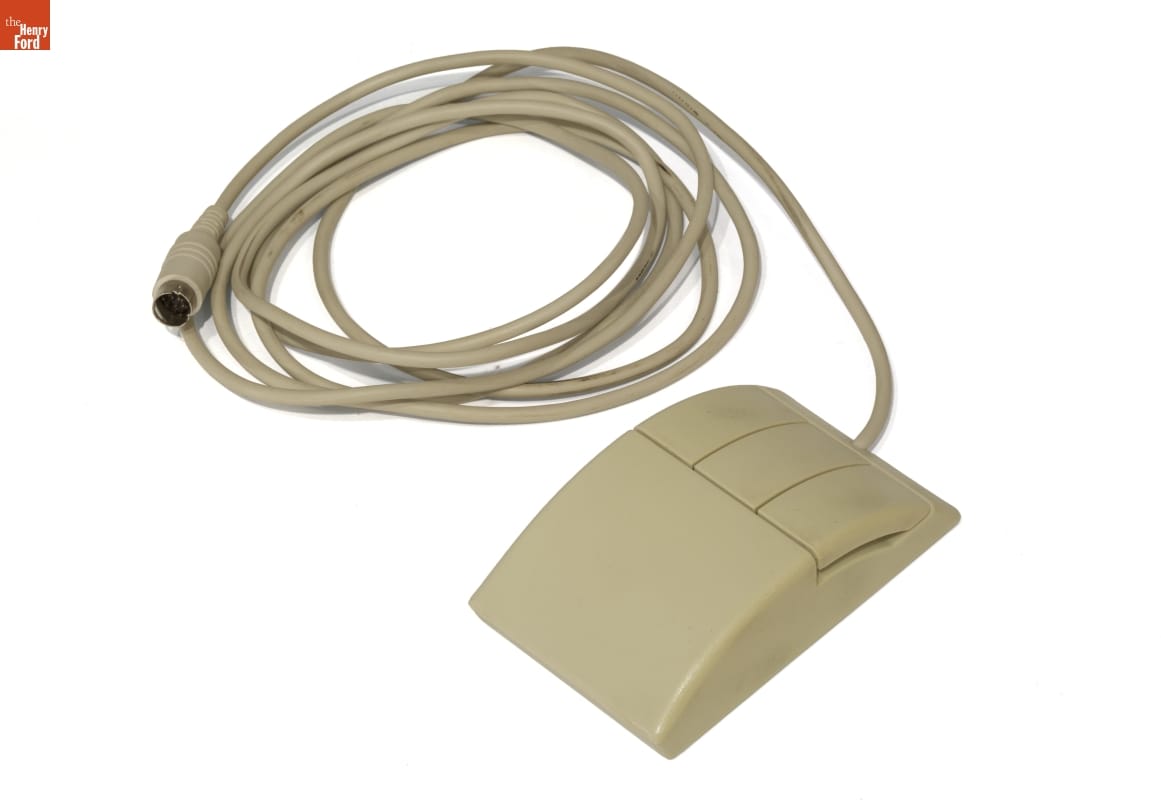
- circa 1990
- Collections - Artifact
Mouse, Leaguer International Corporation, circa 1990
- Artifacts Recovered from an Alamogordo, New Mexico Landfill, April 2014, Site of the 1983 Atari Video Game Burial - In 1983, rumors circulated: Atari was bankrupt, and was dumping truckloads of games into a New Mexico landfill. Victim to the "Video Game Crash," the company buried 700,000 cartridges in the desert. The story became an obscure pop culture legend -- until "The Atari Tomb" was unearthed in 2014. These images document the world's first video game excavation.
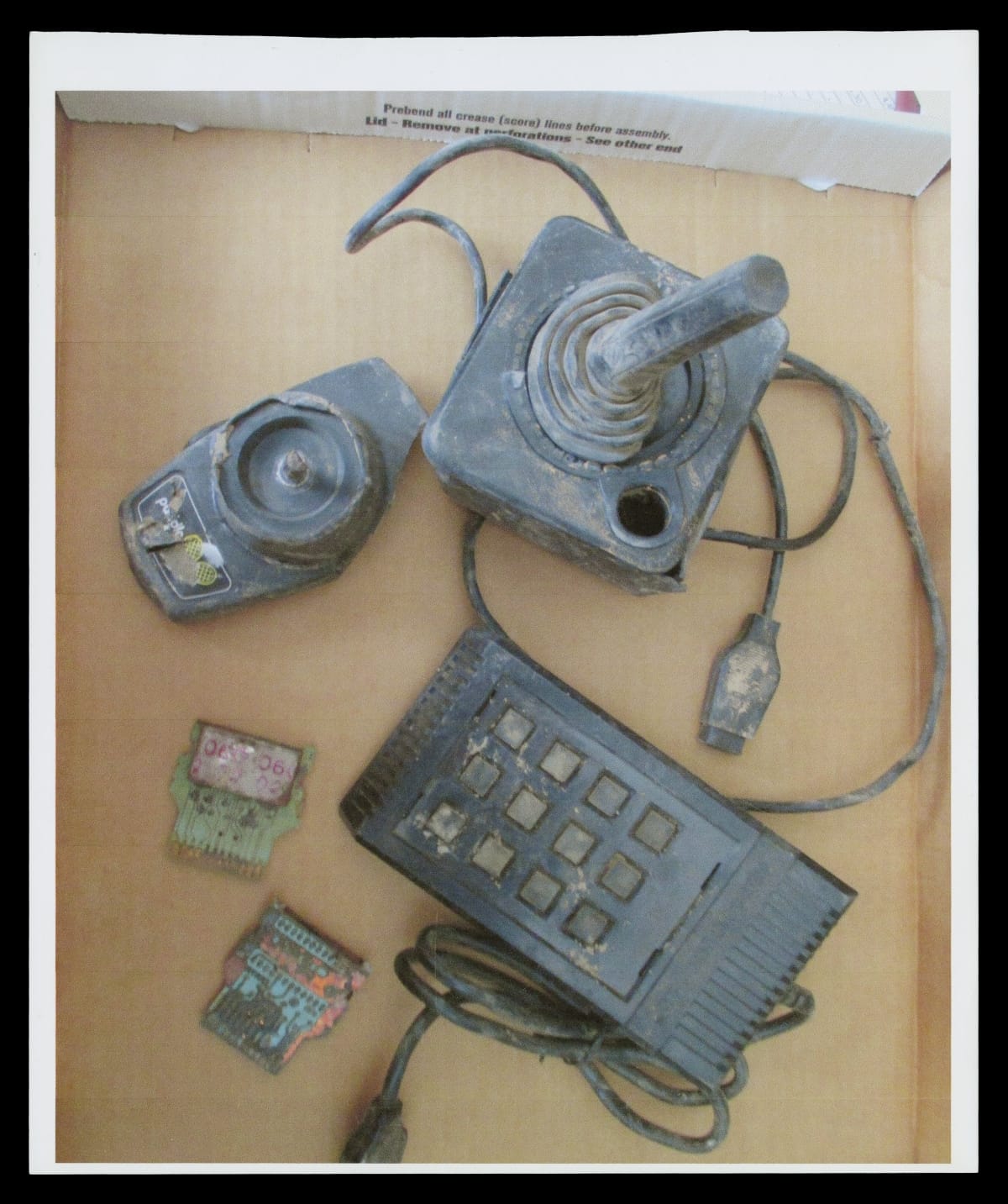
- April 26, 2014
- Collections - Artifact
Artifacts Recovered from an Alamogordo, New Mexico Landfill, April 2014, Site of the 1983 Atari Video Game Burial
In 1983, rumors circulated: Atari was bankrupt, and was dumping truckloads of games into a New Mexico landfill. Victim to the "Video Game Crash," the company buried 700,000 cartridges in the desert. The story became an obscure pop culture legend -- until "The Atari Tomb" was unearthed in 2014. These images document the world's first video game excavation.
- Atari Video Game, "Star Raiders," with Video Touch Pad, 1976-1982 -
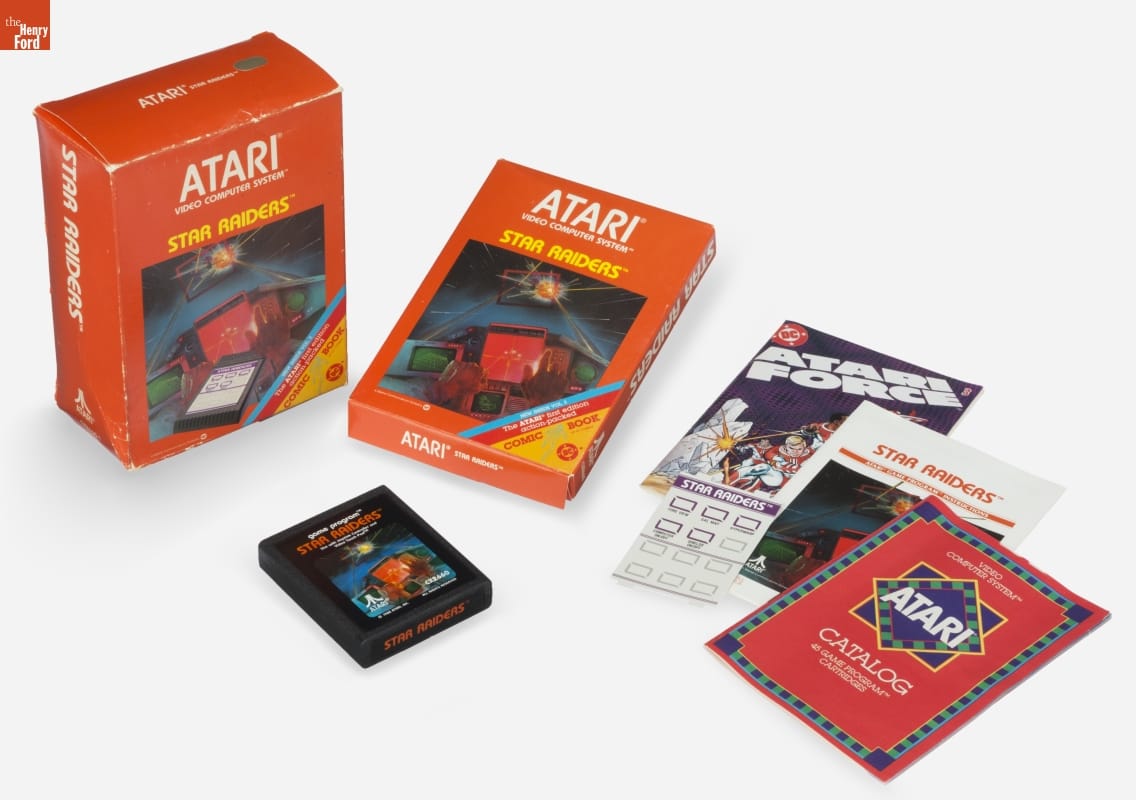
- 1976-1982
- Collections - Artifact
Atari Video Game, "Star Raiders," with Video Touch Pad, 1976-1982
- Apple Personal Computer, Model IIGS, 1986-1992 - The Apple IIGS improved upon Apple's first mass market PC, the Apple II. The "GS" relates to its excellent graphics and sound capabilities. It was also one of the first Apples to use a mouse and a color graphical user interface. This system was popular among educators; this IIGS was used in a Detroit classroom in the late 1980s.
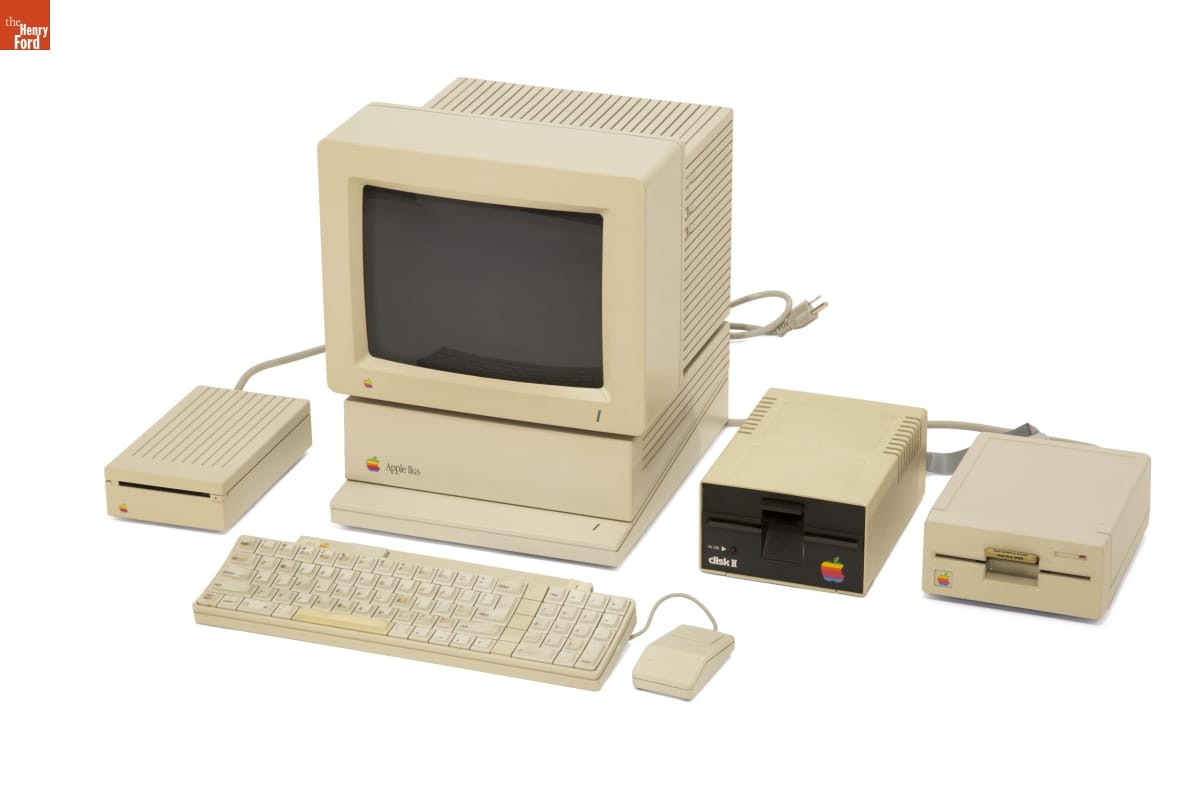
- 1986-1992
- Collections - Artifact
Apple Personal Computer, Model IIGS, 1986-1992
The Apple IIGS improved upon Apple's first mass market PC, the Apple II. The "GS" relates to its excellent graphics and sound capabilities. It was also one of the first Apples to use a mouse and a color graphical user interface. This system was popular among educators; this IIGS was used in a Detroit classroom in the late 1980s.
- Atari 2600 Video Computer System, 1982-1983 - The Atari 2600 "Black Vader" was the company's most popular console system, produced for 14 years. It marks a transitional period -- the last console produced by Atari before the "Video Game Crash of 1983." This collapse occurred due a flooded market, the rise of personal computers as gaming systems, and highly anticipated (but poor quality) games like "E.T." and "Pac-Man."
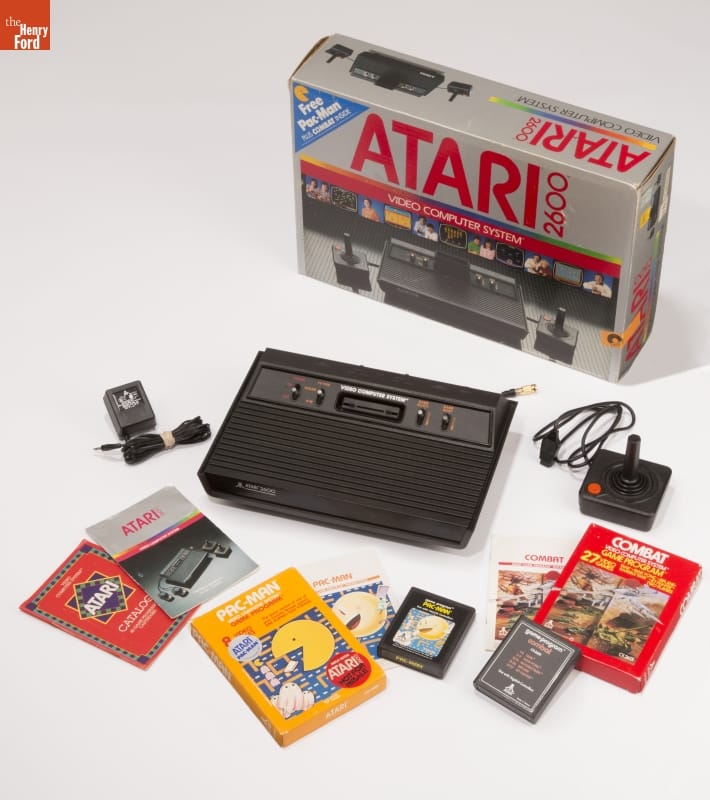
- 1982-1983
- Collections - Artifact
Atari 2600 Video Computer System, 1982-1983
The Atari 2600 "Black Vader" was the company's most popular console system, produced for 14 years. It marks a transitional period -- the last console produced by Atari before the "Video Game Crash of 1983." This collapse occurred due a flooded market, the rise of personal computers as gaming systems, and highly anticipated (but poor quality) games like "E.T." and "Pac-Man."
- Wireless Optical Mouse, 2004 - Starting in the early 1980s--and already established as an internationally recognized architect--Michael Graves began to pursue a parallel career as a product designer. Over the following three and a half decades he and his collaborators designed everything from humble household goods to limited edition luxury items for clients as diverse as Steuben, Alessi, Target, J. C. Penney, and Disney.
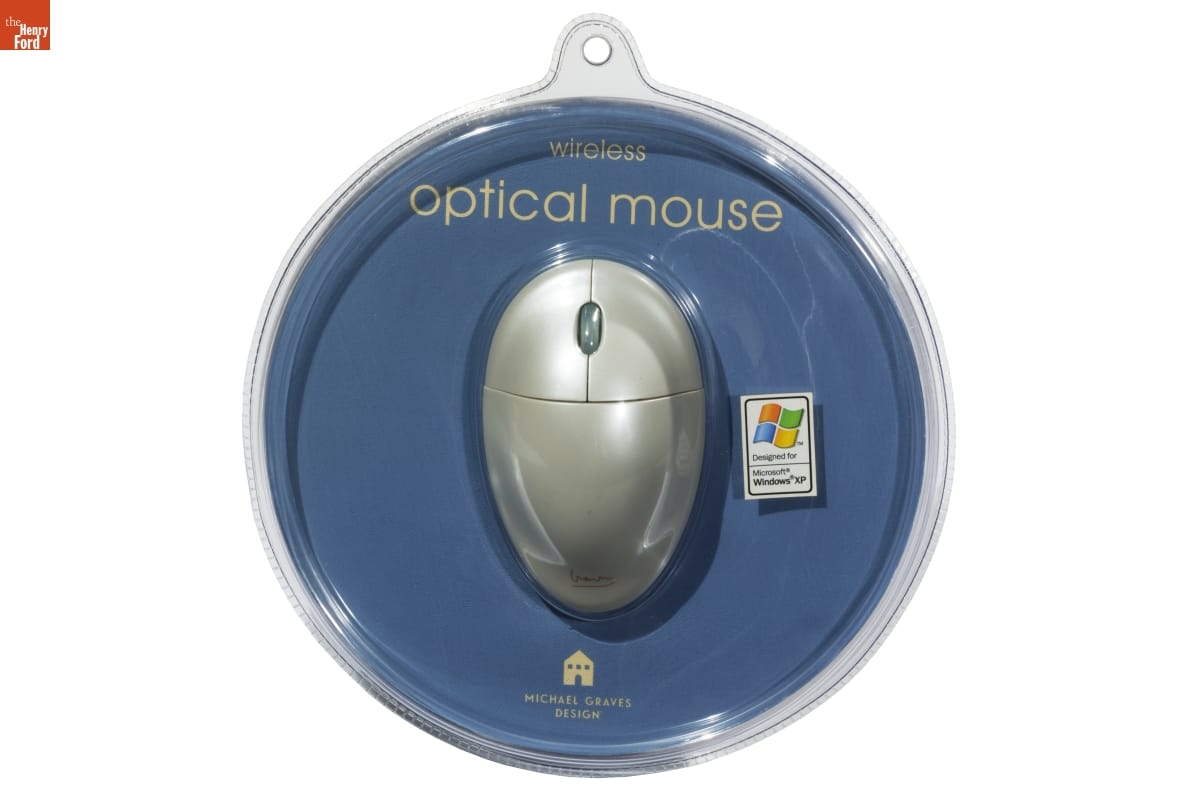
- 2004
- Collections - Artifact
Wireless Optical Mouse, 2004
Starting in the early 1980s--and already established as an internationally recognized architect--Michael Graves began to pursue a parallel career as a product designer. Over the following three and a half decades he and his collaborators designed everything from humble household goods to limited edition luxury items for clients as diverse as Steuben, Alessi, Target, J. C. Penney, and Disney.