
Search
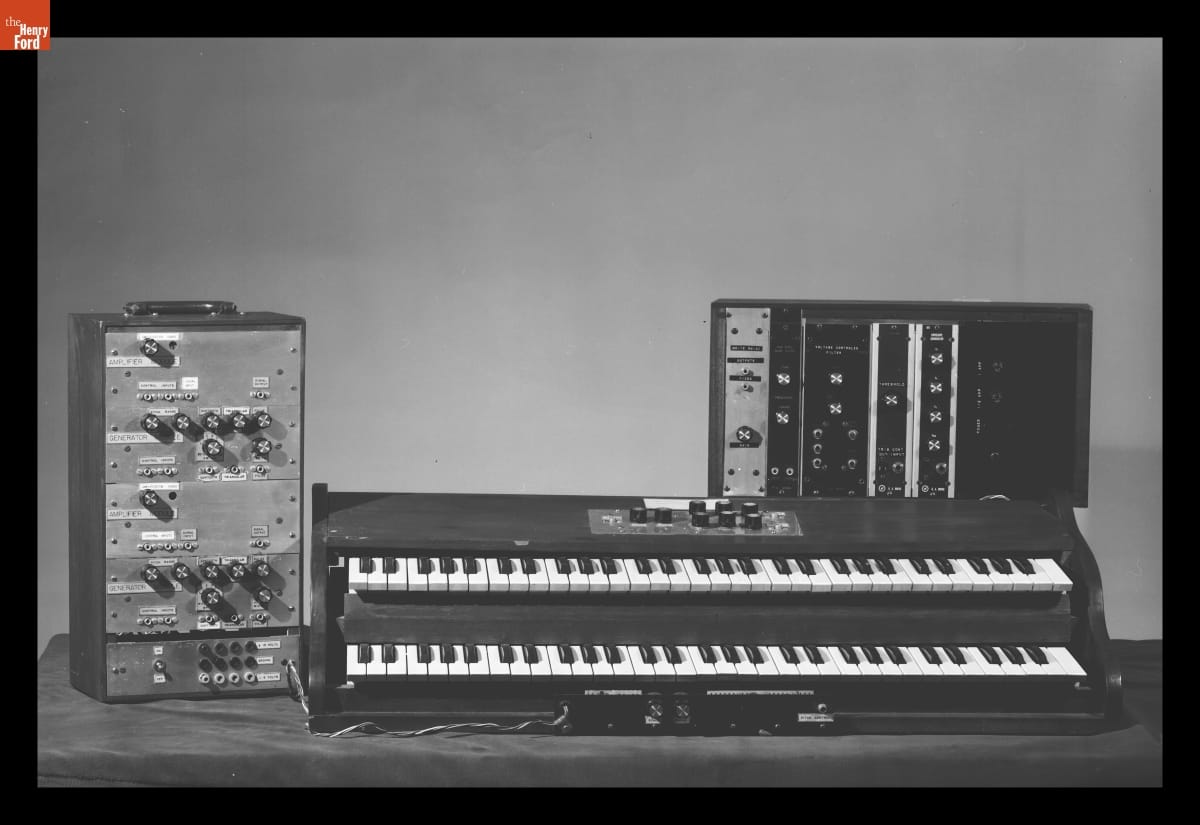
- Robert Moog's First Prototype Synthesizer in Henry Ford Museum, 1983 - This prototype synthesizer--a collaboration between engineer Robert Moog and composer Herbert Deutsch--is a musical icon. Synthesizers create unique electronically produced sounds. Moog's solid-state synthesizer was musically superior and much more portable than earlier vacuum-tube-based systems. In 1968, the album <em>Switched-On Bach</em> introduced the Moog synthesizer to a wider audience. Synthesizers quickly became a mainstay of popular music.
- 1983
- Collections - Artifact
Robert Moog's First Prototype Synthesizer in Henry Ford Museum, 1983
This prototype synthesizer--a collaboration between engineer Robert Moog and composer Herbert Deutsch--is a musical icon. Synthesizers create unique electronically produced sounds. Moog's solid-state synthesizer was musically superior and much more portable than earlier vacuum-tube-based systems. In 1968, the album Switched-On Bach introduced the Moog synthesizer to a wider audience. Synthesizers quickly became a mainstay of popular music.
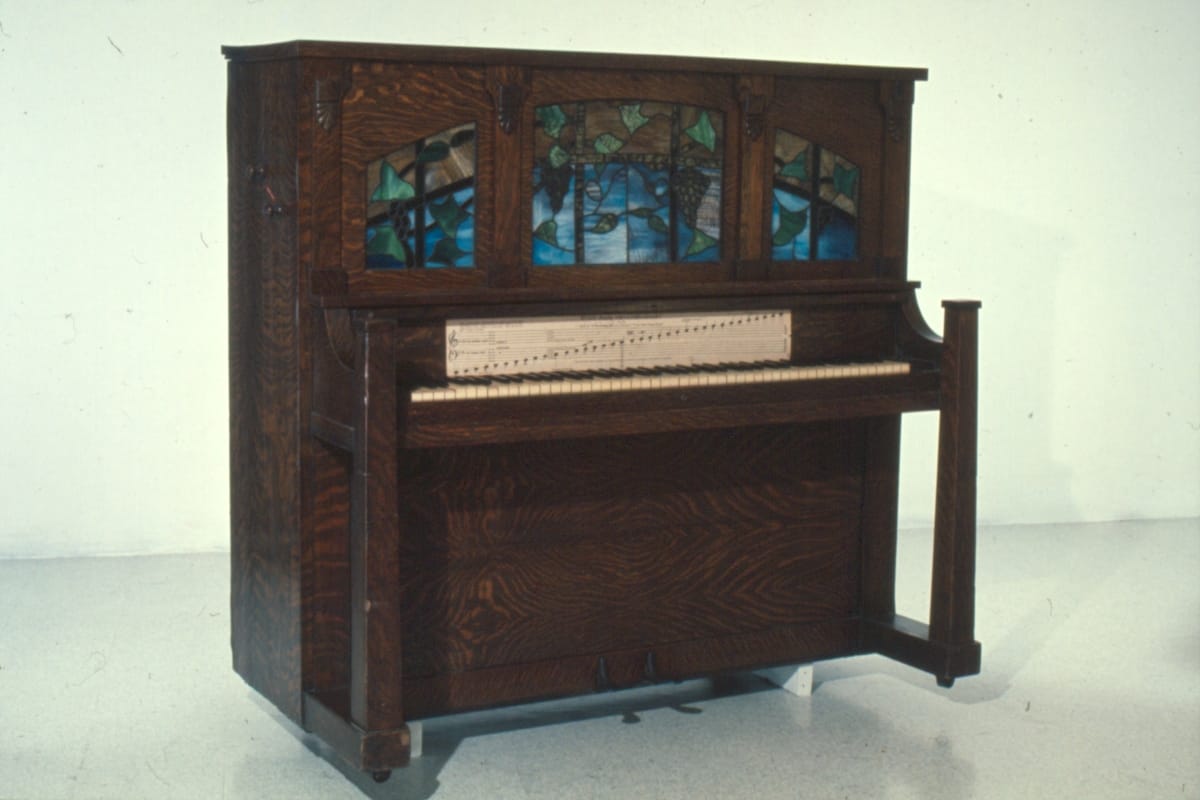
- Player Piano, 1910-1920 - Player pianos enjoyed enormous success from the 1890s through the 1920s. During this time, over 2 1/2 million were sold to Americans eager to have piano music at home -- without having to spend many hours in practice. Coin-operated versions, like this Seeburg Company model, provided patrons with the latest music in public establishments during the early 20th century.
- 1910-1920
- Collections - Artifact
Player Piano, 1910-1920
Player pianos enjoyed enormous success from the 1890s through the 1920s. During this time, over 2 1/2 million were sold to Americans eager to have piano music at home -- without having to spend many hours in practice. Coin-operated versions, like this Seeburg Company model, provided patrons with the latest music in public establishments during the early 20th century.
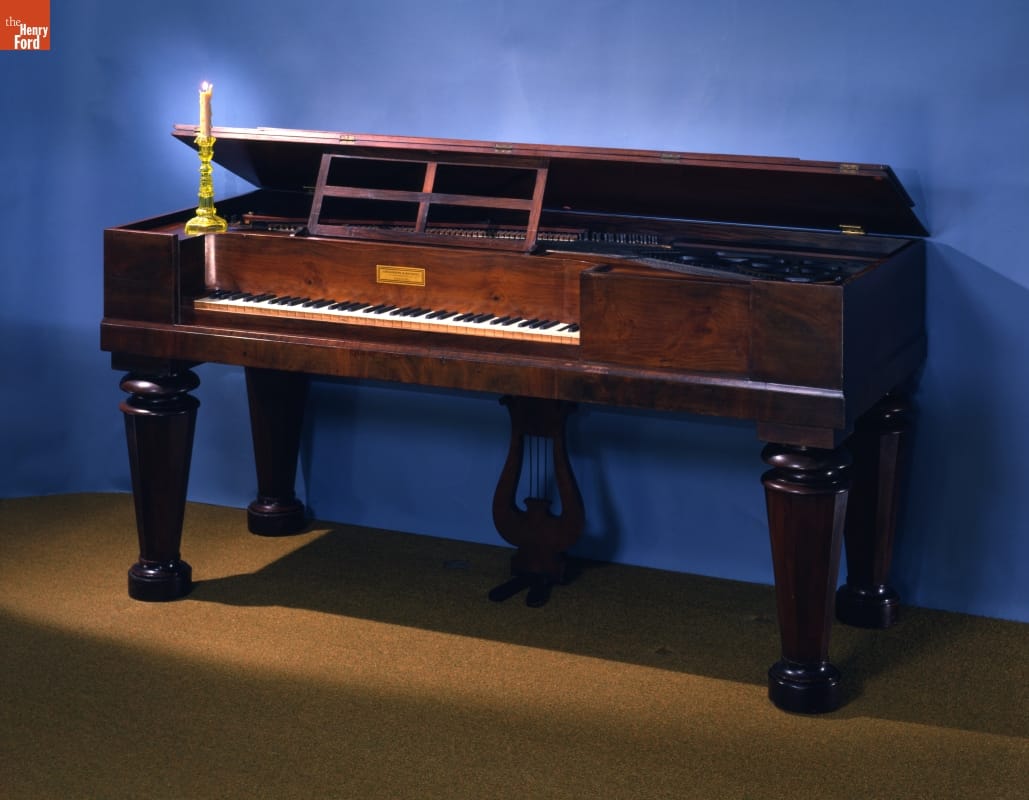
- Square Piano, 1841 - Henry Ford collected many Lincoln-related artifacts, including this piano acquired as a relic from Abraham Lincoln's White House. Research since indicates that it was made by the Chickering Company of Boston, Massachusetts, in 1841 and had a history in the Boston area. There is no evidence that this object ever graced the White House, although it was chronologically possible.
- 1841
- Collections - Artifact
Square Piano, 1841
Henry Ford collected many Lincoln-related artifacts, including this piano acquired as a relic from Abraham Lincoln's White House. Research since indicates that it was made by the Chickering Company of Boston, Massachusetts, in 1841 and had a history in the Boston area. There is no evidence that this object ever graced the White House, although it was chronologically possible.
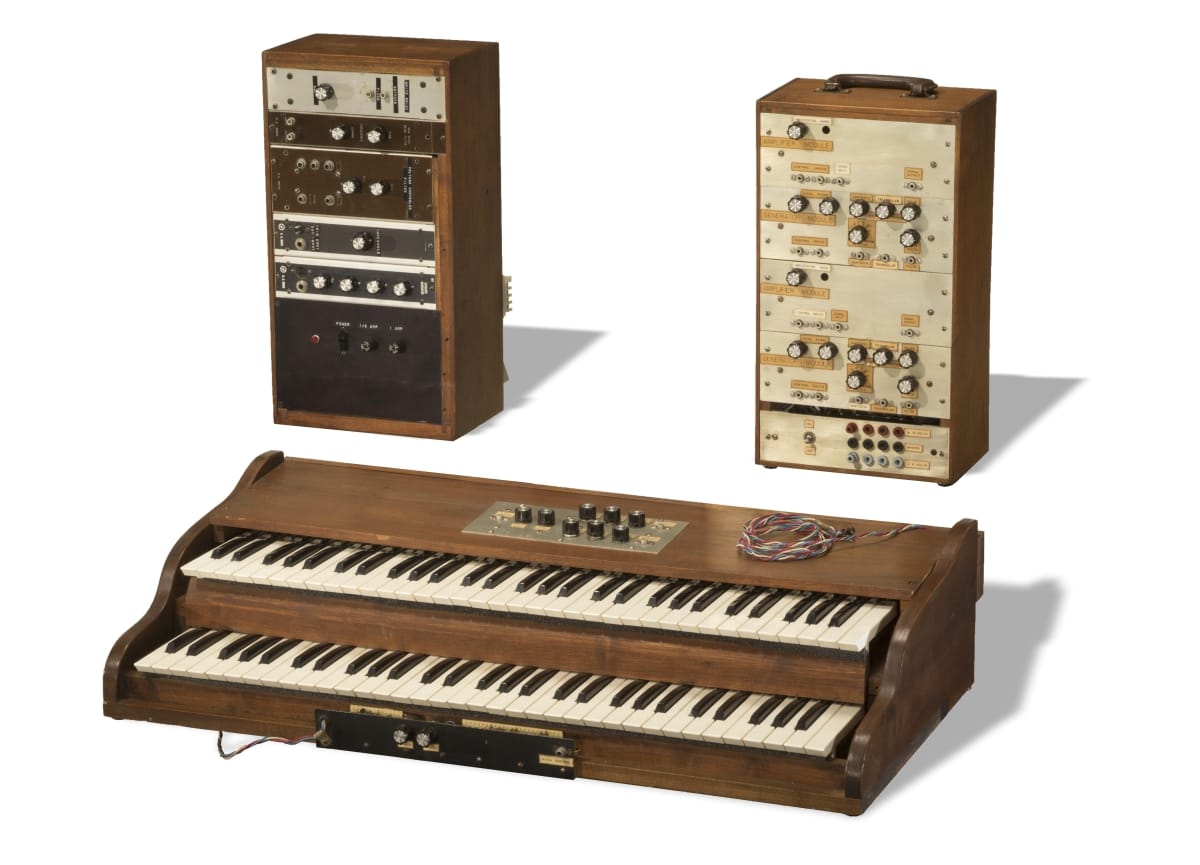
- Robert Moog's Prototype Synthesizer, 1964-1965 - This prototype synthesizer--a collaboration between engineer Robert Moog and composer Herbert Deutsch--is a musical icon. Synthesizers create unique electronically produced sounds. Moog's solid-state synthesizer was musically superior and much more portable than earlier vacuum-tube-based systems. In 1968, the album <em>Switched-On Bach</em> introduced the Moog synthesizer to a wider audience. Synthesizers quickly became a mainstay of popular music.
- 1964-1965
- Collections - Artifact
Robert Moog's Prototype Synthesizer, 1964-1965
This prototype synthesizer--a collaboration between engineer Robert Moog and composer Herbert Deutsch--is a musical icon. Synthesizers create unique electronically produced sounds. Moog's solid-state synthesizer was musically superior and much more portable than earlier vacuum-tube-based systems. In 1968, the album Switched-On Bach introduced the Moog synthesizer to a wider audience. Synthesizers quickly became a mainstay of popular music.
- Bluthner Upright Piano, 1885-1890 -
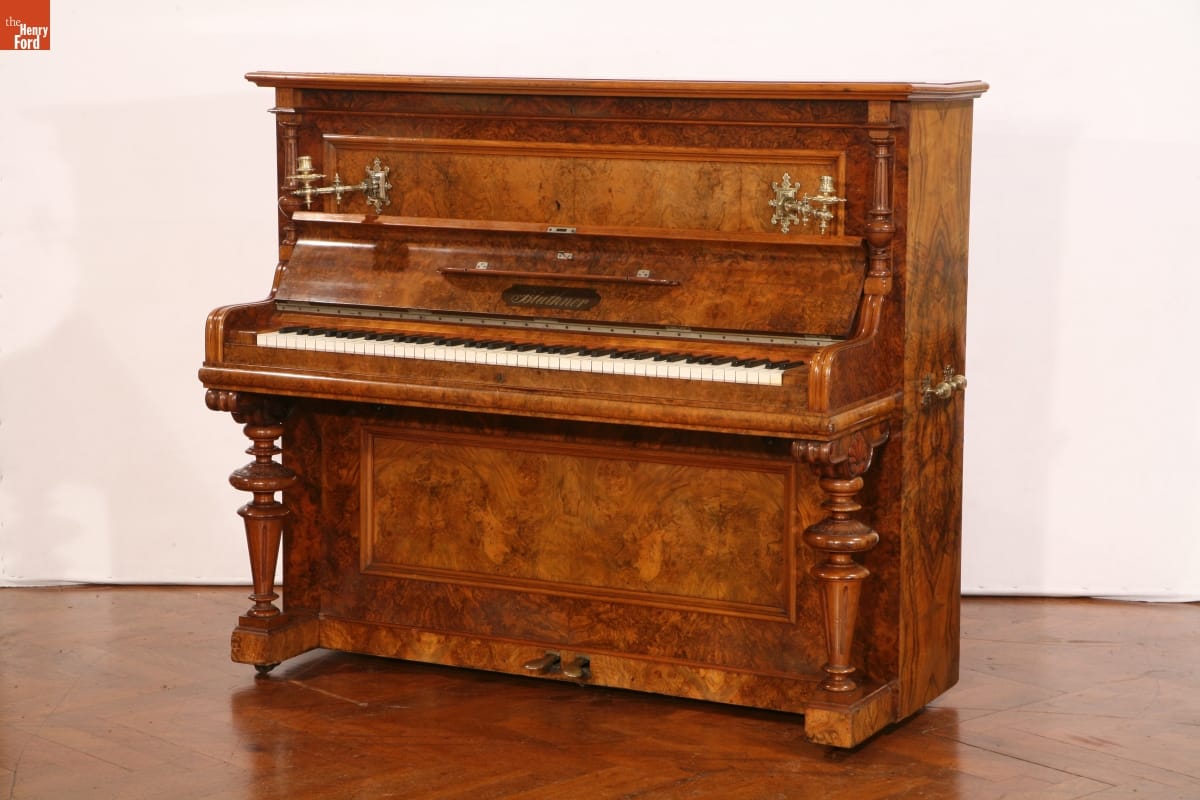
- 1885-1890
- Collections - Artifact
Bluthner Upright Piano, 1885-1890
- Square Piano, circa 1833 - A piano was an important symbol of refinement for prosperous families during the early 1800s. Pianos, like this beautifully inlaid and decoratively painted Empire-styled instrument, offered a young woman the opportunity to display her musical skills and served as fashionable parlor furniture as well.
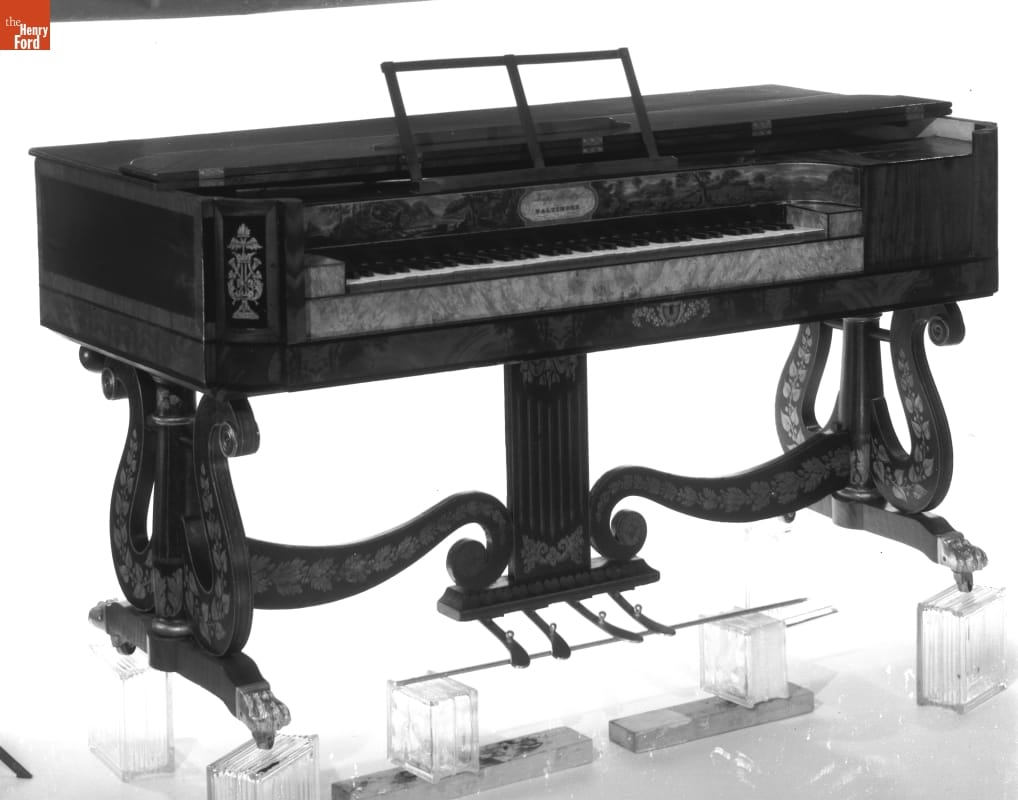
- circa 1833
- Collections - Artifact
Square Piano, circa 1833
A piano was an important symbol of refinement for prosperous families during the early 1800s. Pianos, like this beautifully inlaid and decoratively painted Empire-styled instrument, offered a young woman the opportunity to display her musical skills and served as fashionable parlor furniture as well.
- Square Piano, 1833-1843 -
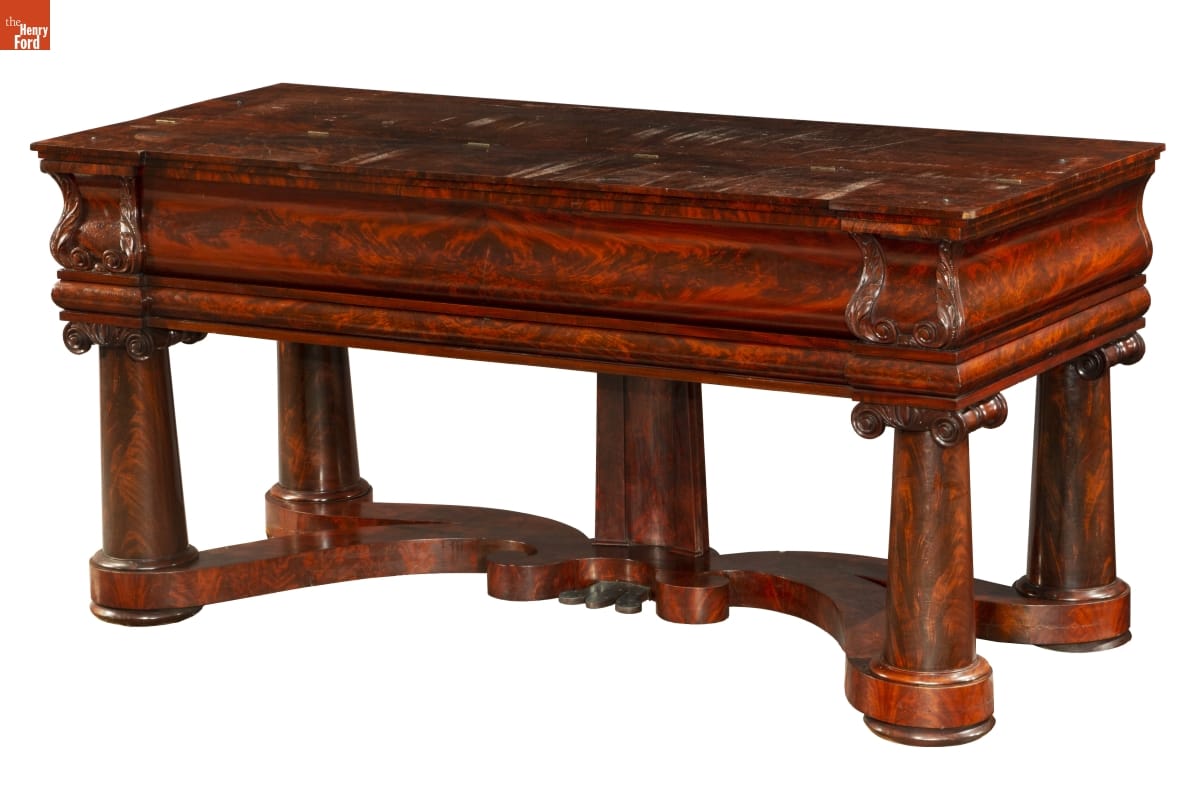
- 1833-1843
- Collections - Artifact
Square Piano, 1833-1843
- Estey New Salon Reed Organ, 1882 - Reed organs with elaborate casework graced the parlors of many middle-class Americans during the last quarter of the 19th century. Less expensive to purchase than pianos, parlor organs like this J. Estey and Co. "New Salon" model were made in the latest furniture styles.
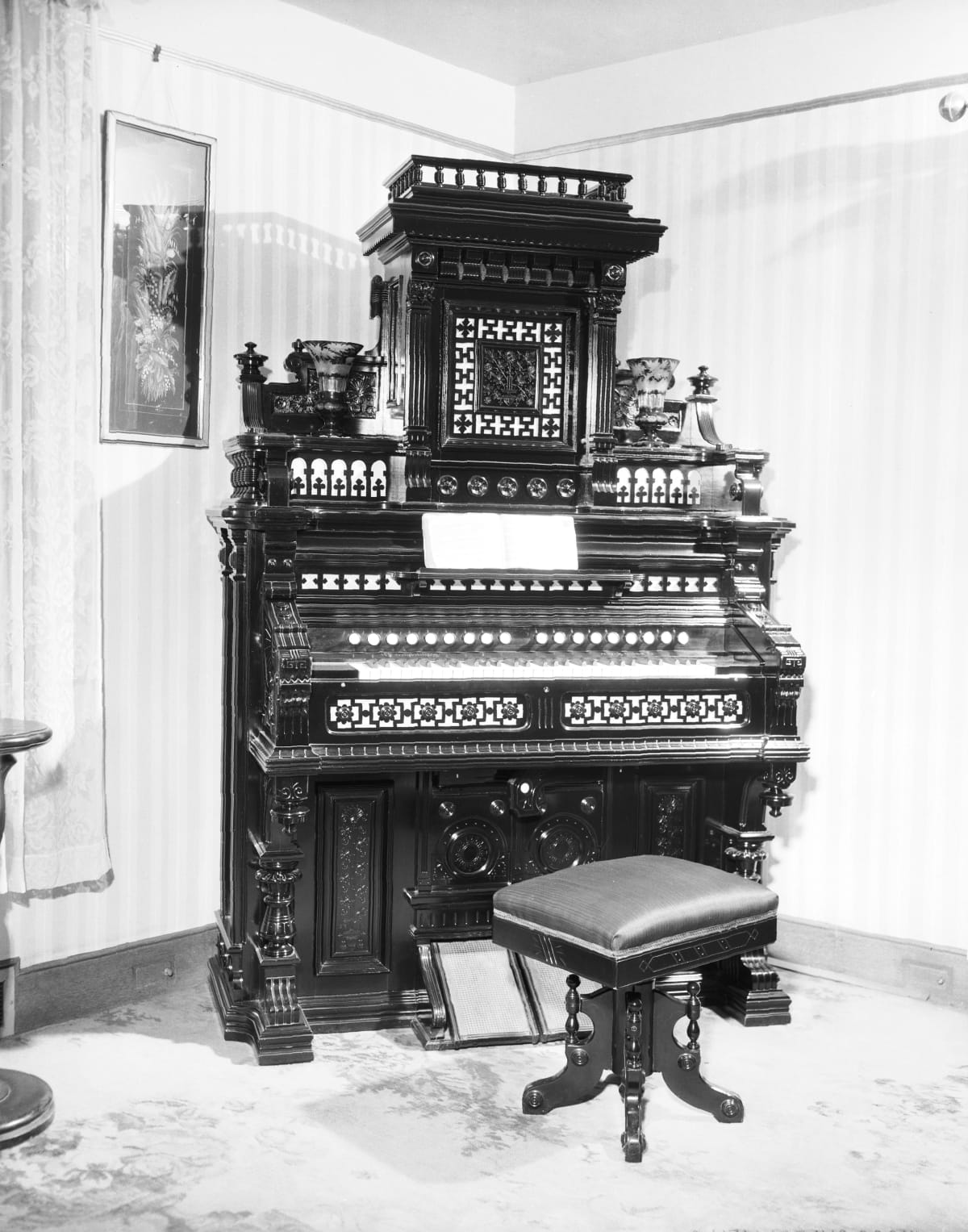
- 1882
- Collections - Artifact
Estey New Salon Reed Organ, 1882
Reed organs with elaborate casework graced the parlors of many middle-class Americans during the last quarter of the 19th century. Less expensive to purchase than pianos, parlor organs like this J. Estey and Co. "New Salon" model were made in the latest furniture styles.
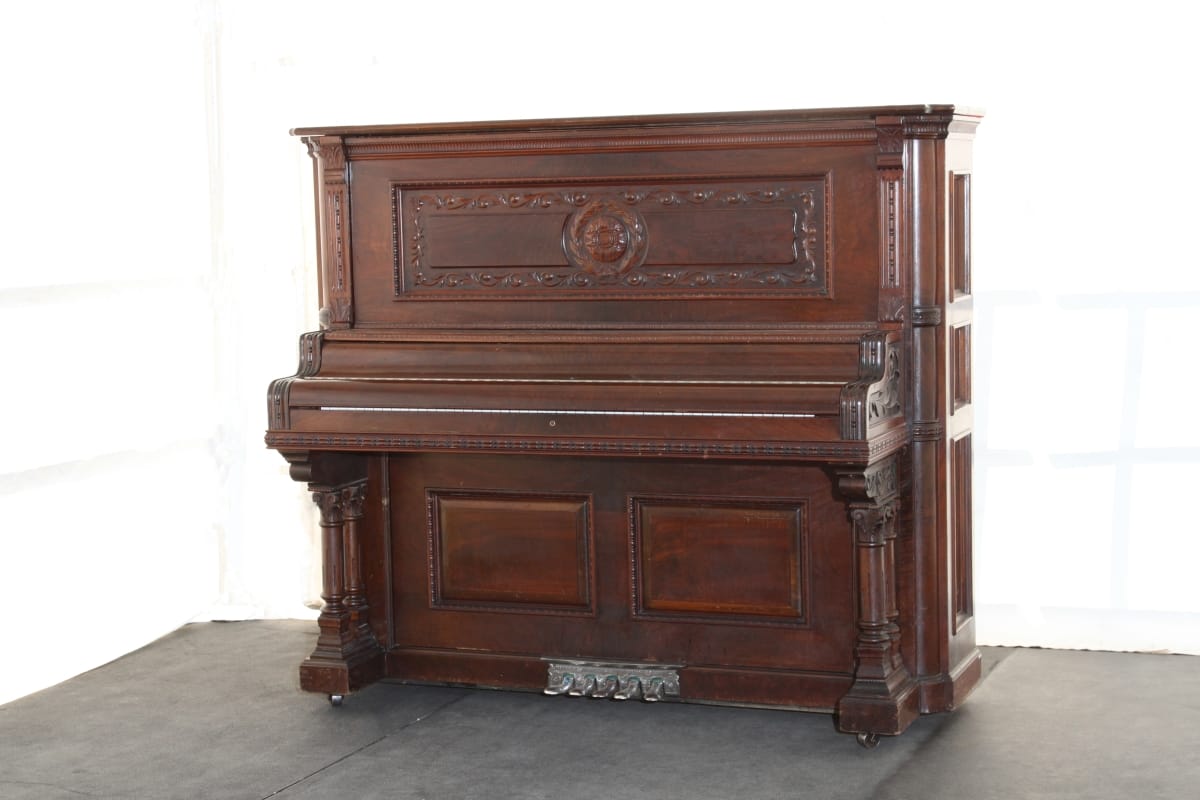
- Wing & Son Concert Grand Upright Piano and Bench, 1917 -
- 1917
- Collections - Artifact
Wing & Son Concert Grand Upright Piano and Bench, 1917
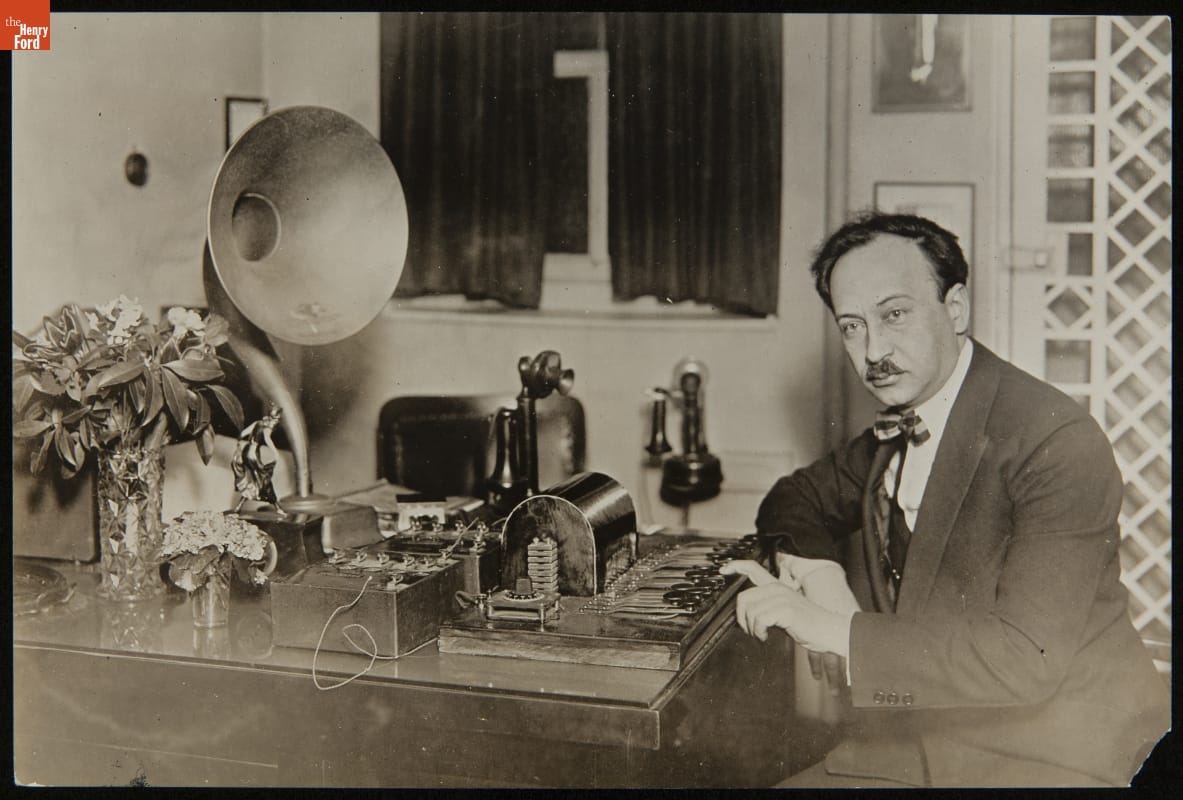
- Hugo Riesenfeld Playing His Staccatone, Rialto Theatre, New York, 1923-1925 -
- 1923-1925
- Collections - Artifact
Hugo Riesenfeld Playing His Staccatone, Rialto Theatre, New York, 1923-1925