
Search
- Oil Painting, Fort Ticonderoga by George Washington Mark, circa 1845 - George Washington Mark was a successful house, sign, and furniture painter in Greenfield, Massachusetts, in the early 1800s. Sometime in the 1830s and 40s, he tried his hand at more artistic endeavors creating paintings of local interest -- generally landscapes and historic subjects. Around 1845, Mark painted this work depicting the ruins of New York's historic Fort Ticonderoga.
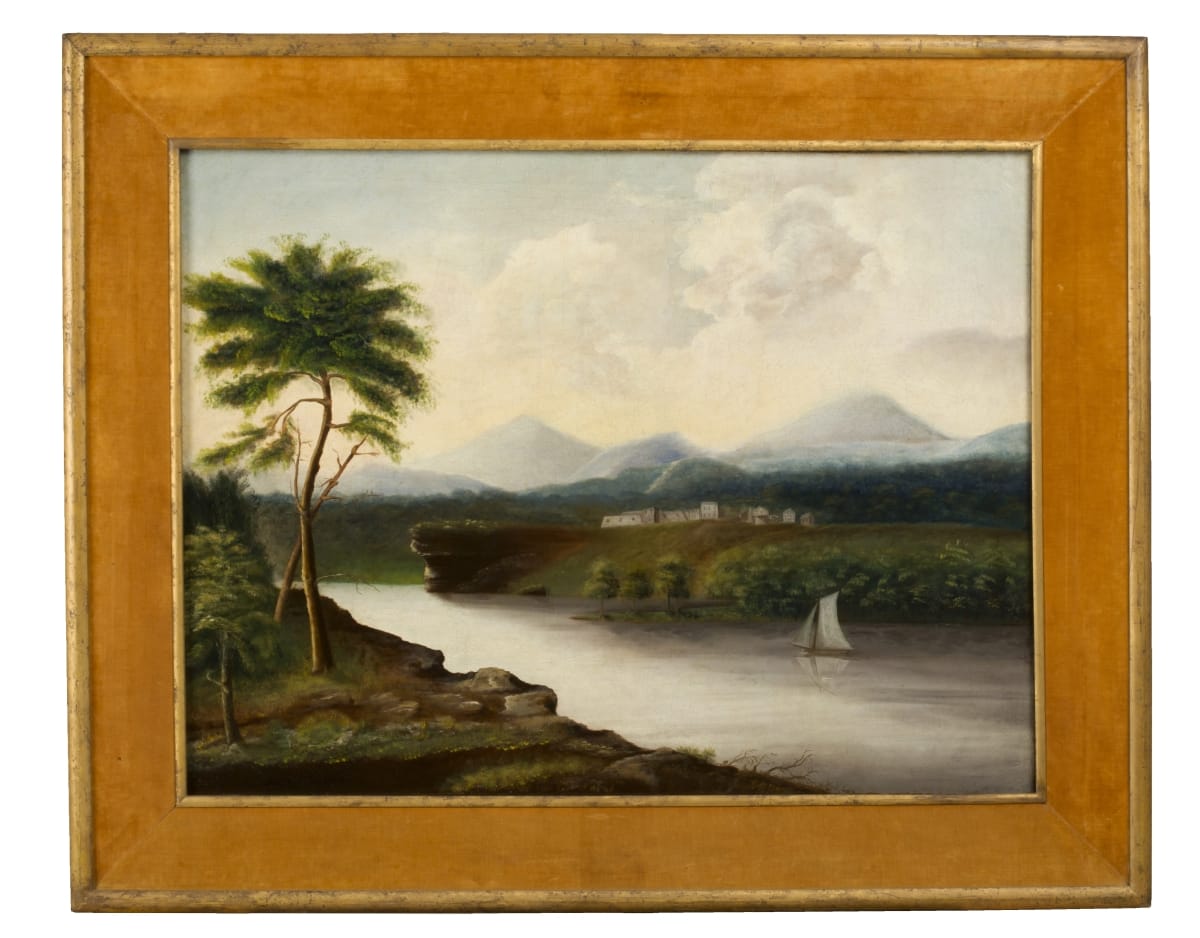
- circa 1845
- Collections - Artifact
Oil Painting, Fort Ticonderoga by George Washington Mark, circa 1845
George Washington Mark was a successful house, sign, and furniture painter in Greenfield, Massachusetts, in the early 1800s. Sometime in the 1830s and 40s, he tried his hand at more artistic endeavors creating paintings of local interest -- generally landscapes and historic subjects. Around 1845, Mark painted this work depicting the ruins of New York's historic Fort Ticonderoga.
- Hallmark "Love Is Everywhere" Christmas Ornament, 1987 - Already known for greeting cards, Hallmark introduced a line of Christmas ornaments in 1973. The company's annual release of an increasing array of ornaments revolutionized Christmas decorating, appealing to customers' interest in marking memories and milestones as well as expressing one's personality and unique tastes.
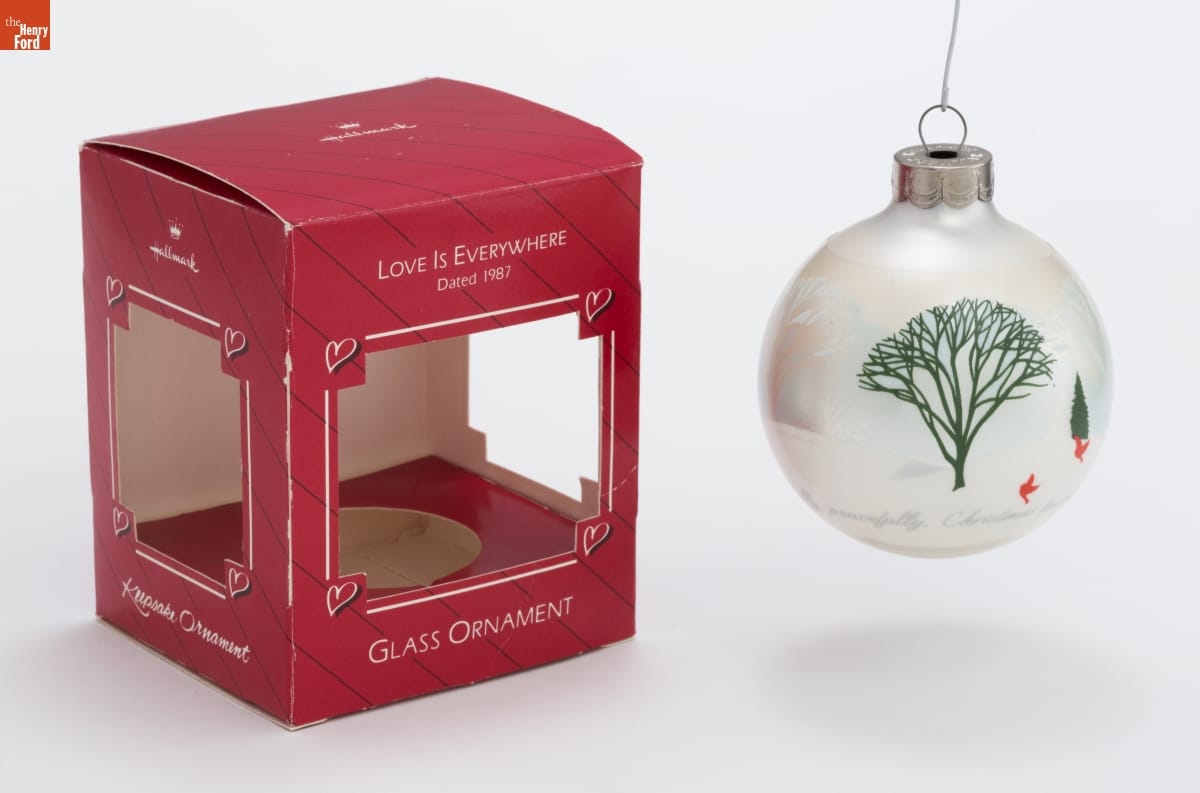
- 1987
- Collections - Artifact
Hallmark "Love Is Everywhere" Christmas Ornament, 1987
Already known for greeting cards, Hallmark introduced a line of Christmas ornaments in 1973. The company's annual release of an increasing array of ornaments revolutionized Christmas decorating, appealing to customers' interest in marking memories and milestones as well as expressing one's personality and unique tastes.
- Howard Johnson's Plates, 1951-1954 - In the 1920s, Howard Deering Johnson began selling ice cream from food stands around Boston, Massachusetts. Johnson later expanded his business to full-service restaurants. He franchised these orange-roofed establishments across America, locating them along highways to cater to the traveling public. This plate celebrates America's growth with idyllic scenes on the rim, including one of a Howard Johnson's restaurant.
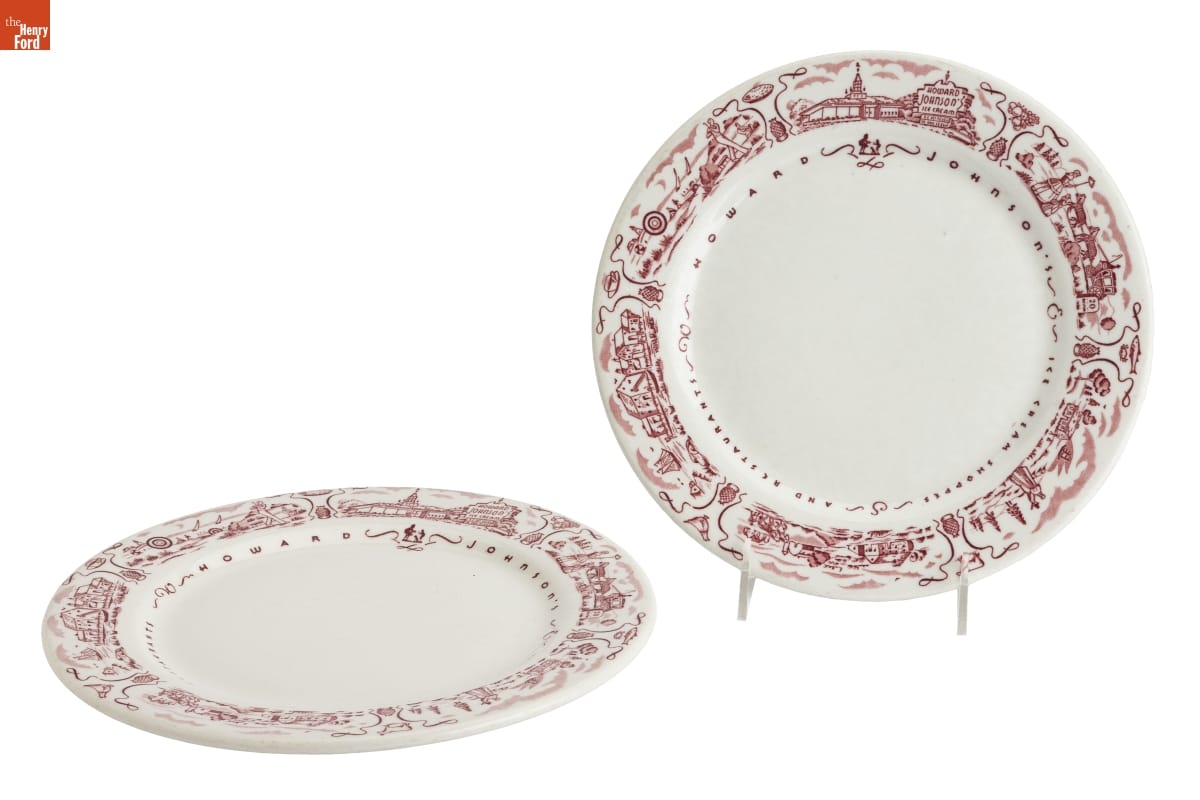
- 1951-1954
- Collections - Artifact
Howard Johnson's Plates, 1951-1954
In the 1920s, Howard Deering Johnson began selling ice cream from food stands around Boston, Massachusetts. Johnson later expanded his business to full-service restaurants. He franchised these orange-roofed establishments across America, locating them along highways to cater to the traveling public. This plate celebrates America's growth with idyllic scenes on the rim, including one of a Howard Johnson's restaurant.
- Old Saw-Mill, L. I., circa 1855 -
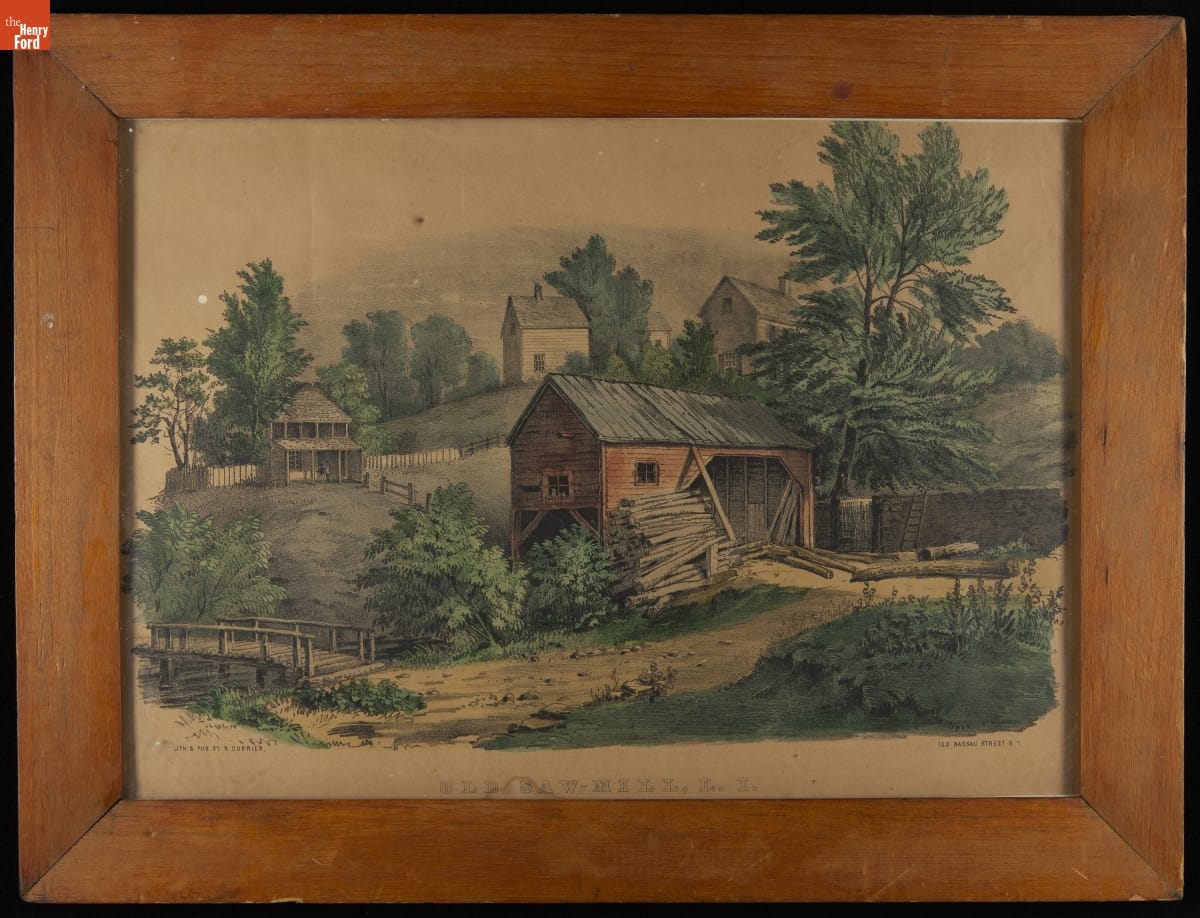
- circa 1855
- Collections - Artifact
Old Saw-Mill, L. I., circa 1855
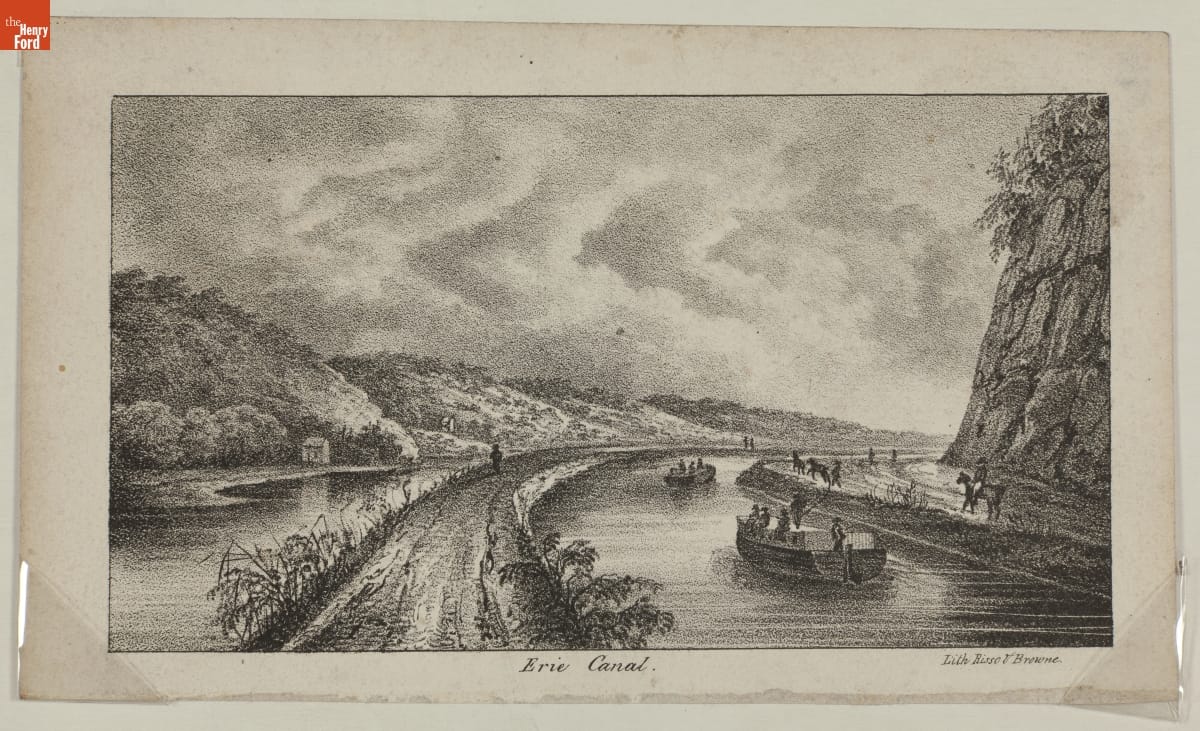
- Packet Boats Rounding a Curve on the Erie Canal, Print, circa 1832 - This engraving, made about 1832, shows an idyllic view of travel and transportation on the Erie Canal. Completed in 1825, the canal opened the western regions of New York and states of the Old Northwest to greater settlement and commerce. The Erie Canal extends from the Hudson River to Lake Erie.
- circa 1832
- Collections - Artifact
Packet Boats Rounding a Curve on the Erie Canal, Print, circa 1832
This engraving, made about 1832, shows an idyllic view of travel and transportation on the Erie Canal. Completed in 1825, the canal opened the western regions of New York and states of the Old Northwest to greater settlement and commerce. The Erie Canal extends from the Hudson River to Lake Erie.
- Vase, circa 1750 -
- circa 1750
- Collections - Artifact
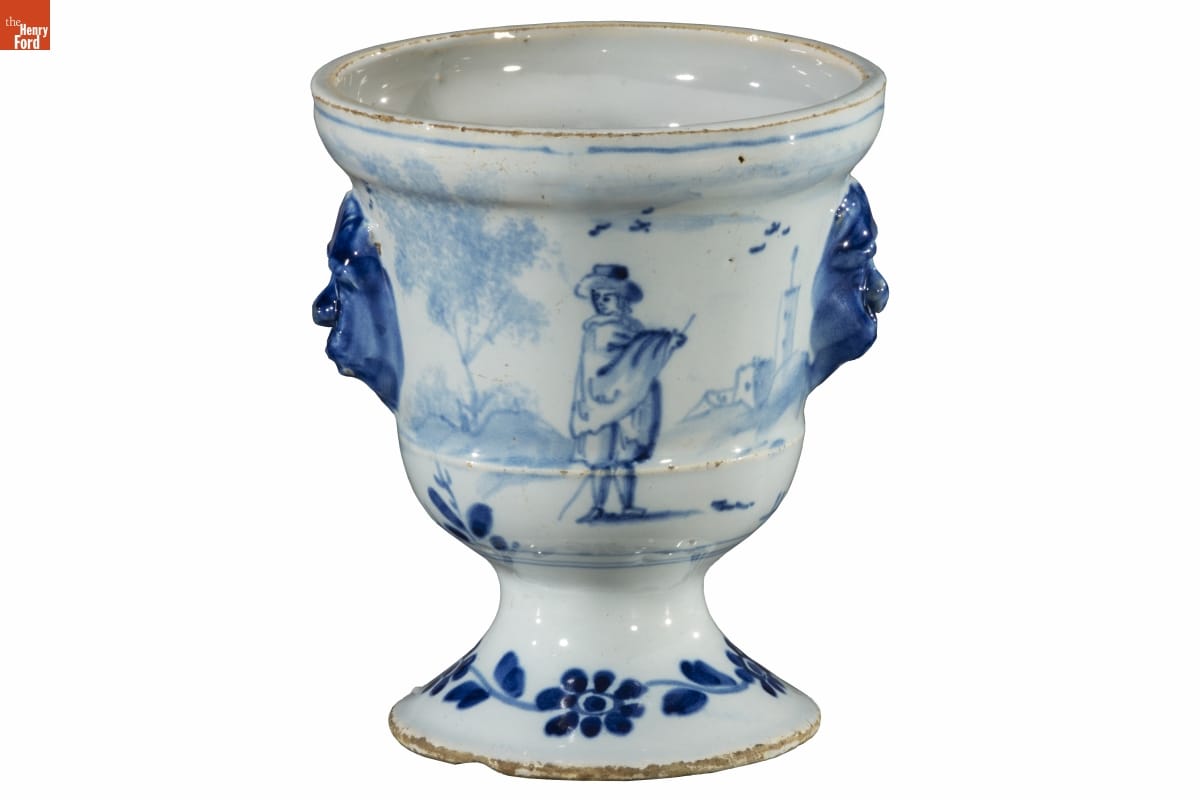
Vase, circa 1750
- Oil Painting, House near Gray's River, Washington, 1875-1900 -
- 1875-1900
- Collections - Artifact
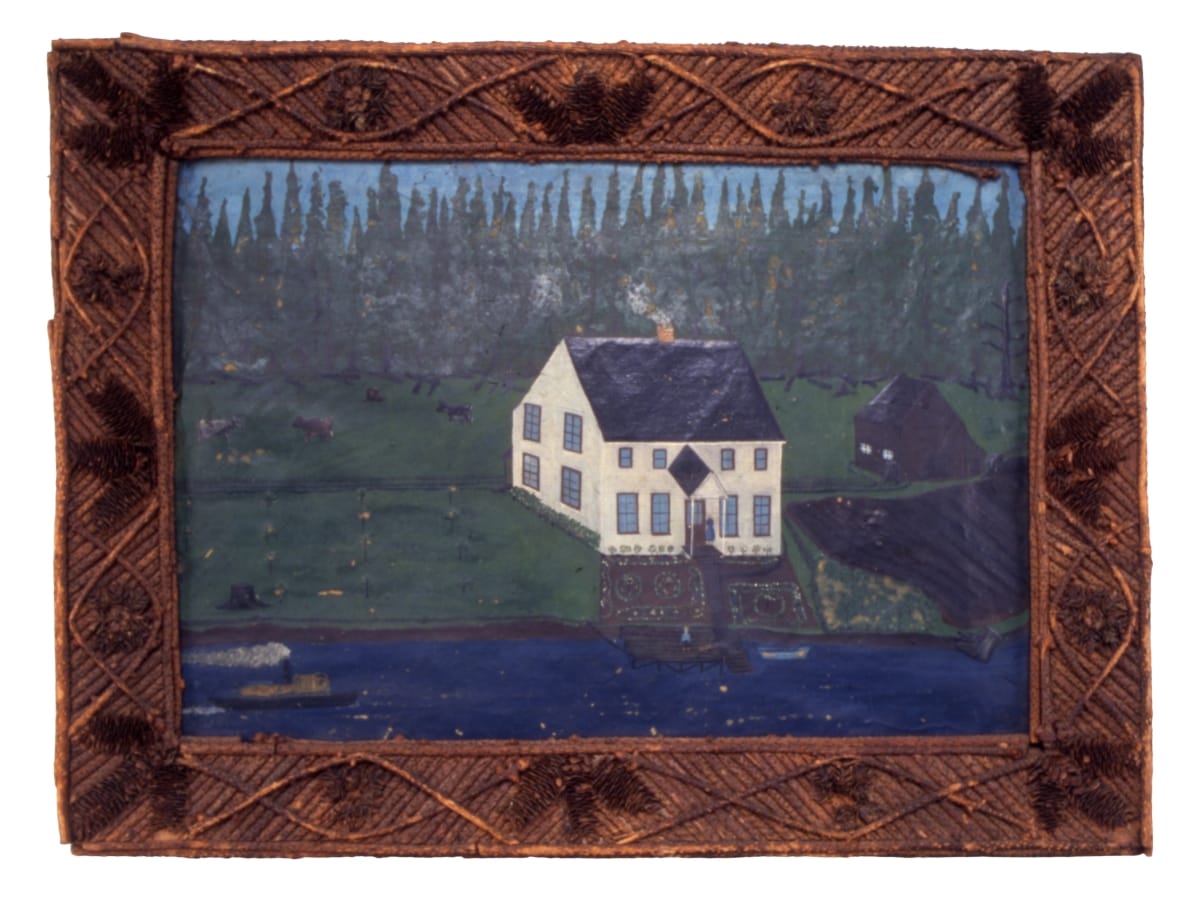
Oil Painting, House near Gray's River, Washington, 1875-1900
- Miniature Desk, 1850-1920 -
- 1850-1920
- Collections - Artifact
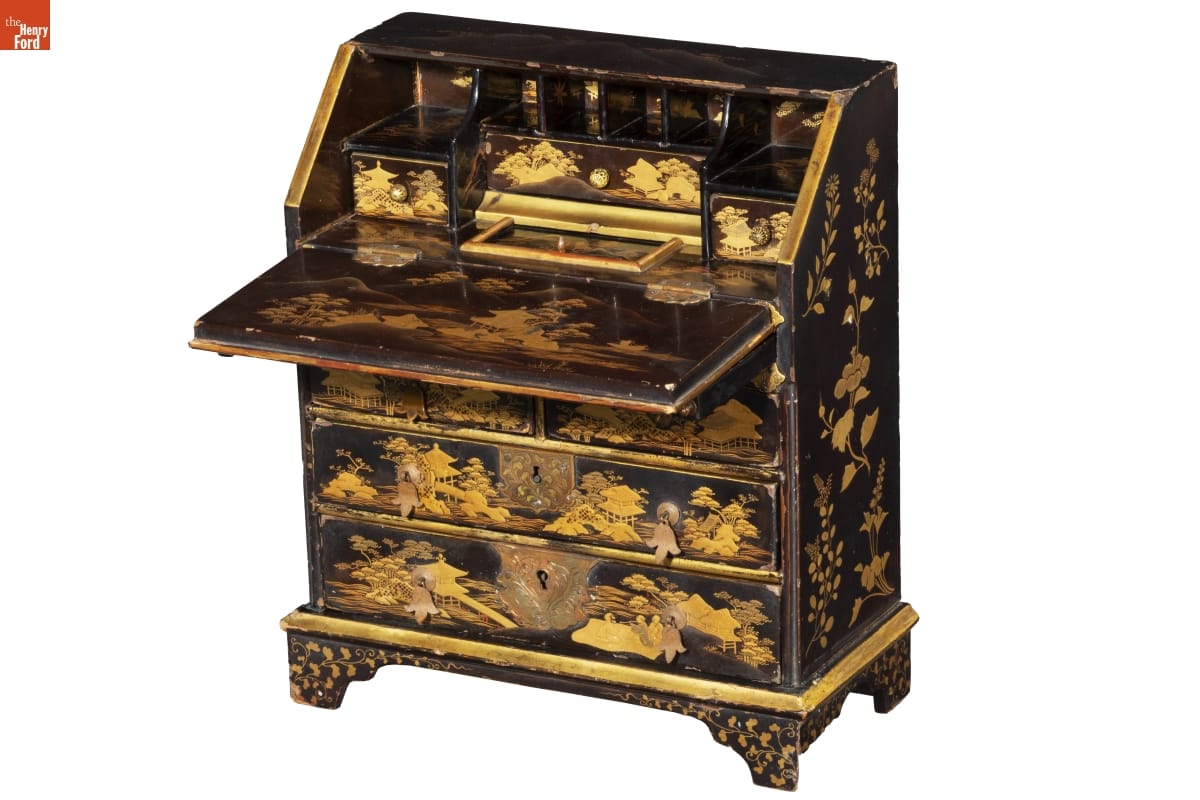
Miniature Desk, 1850-1920
- Jug, 1760-1770 -
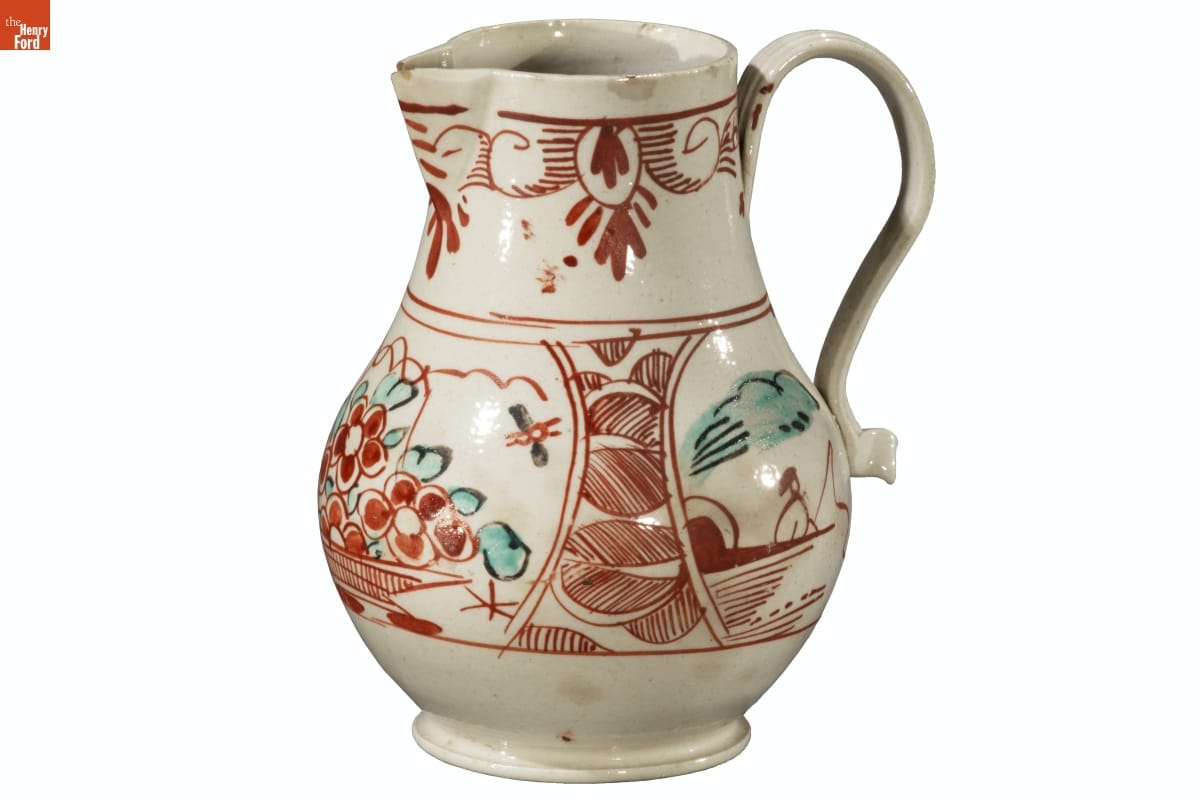
- 1765
- Collections - Artifact
Jug, 1760-1770
- Mug, 1755-1765 -
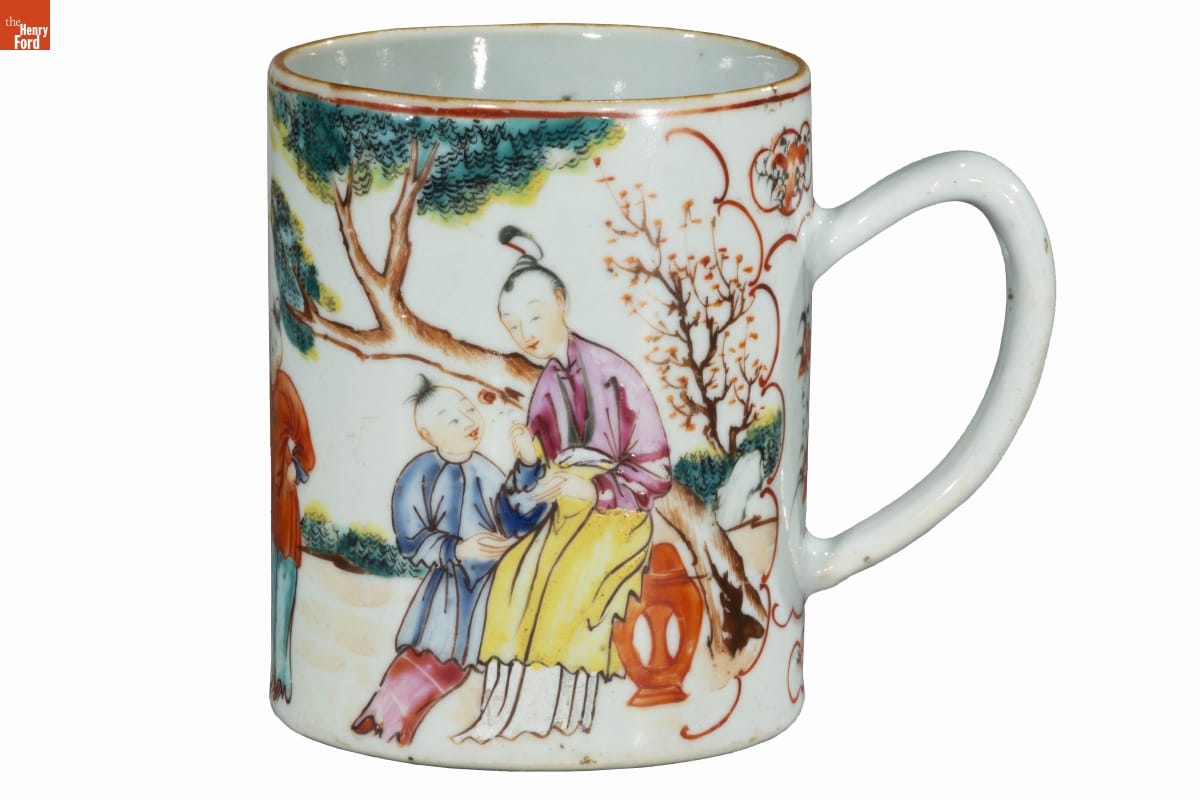
- 1755-1765
- Collections - Artifact
Mug, 1755-1765