
Search
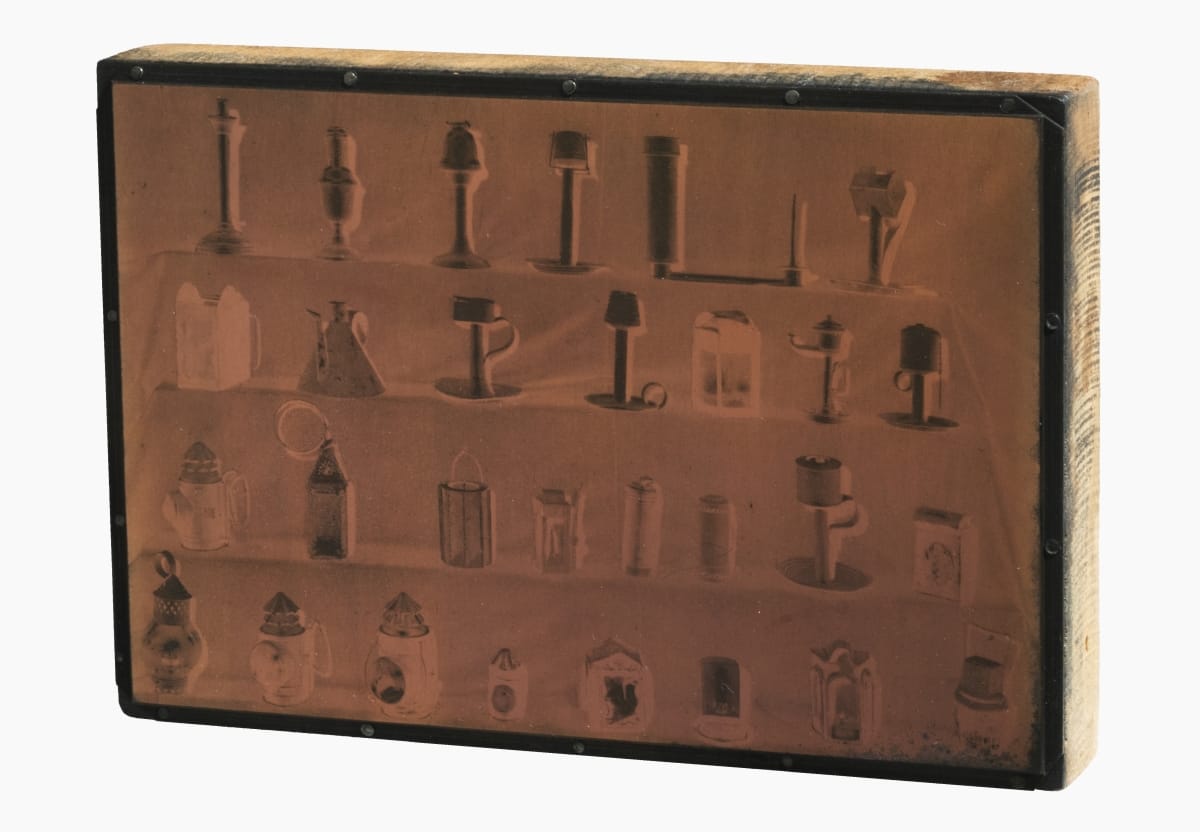
- Printing Plate with Image of Lamps and Lanterns -
- Collections - Artifact
Printing Plate with Image of Lamps and Lanterns
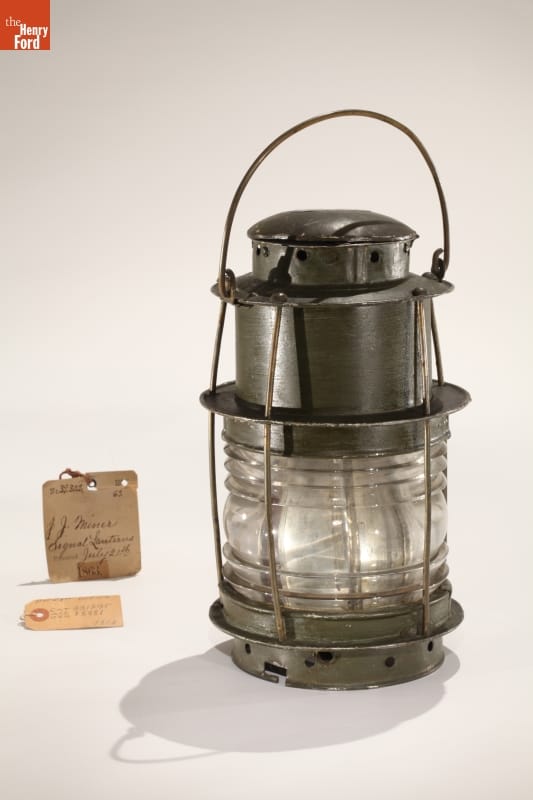
- Patent Model of Marine Signal Lantern, 1863 - This marine lantern was designed to burn oil. An opaque metal shade could be moved to expose and block its glow. Moveable red and green glass shades are its most innovative feature, which served two purposes. They allowed the lantern to act as a communications device, to send messages between ships--and as an anchor light, to avoid collisions between vessels.
- July 21, 1863
- Collections - Artifact
Patent Model of Marine Signal Lantern, 1863
This marine lantern was designed to burn oil. An opaque metal shade could be moved to expose and block its glow. Moveable red and green glass shades are its most innovative feature, which served two purposes. They allowed the lantern to act as a communications device, to send messages between ships--and as an anchor light, to avoid collisions between vessels.
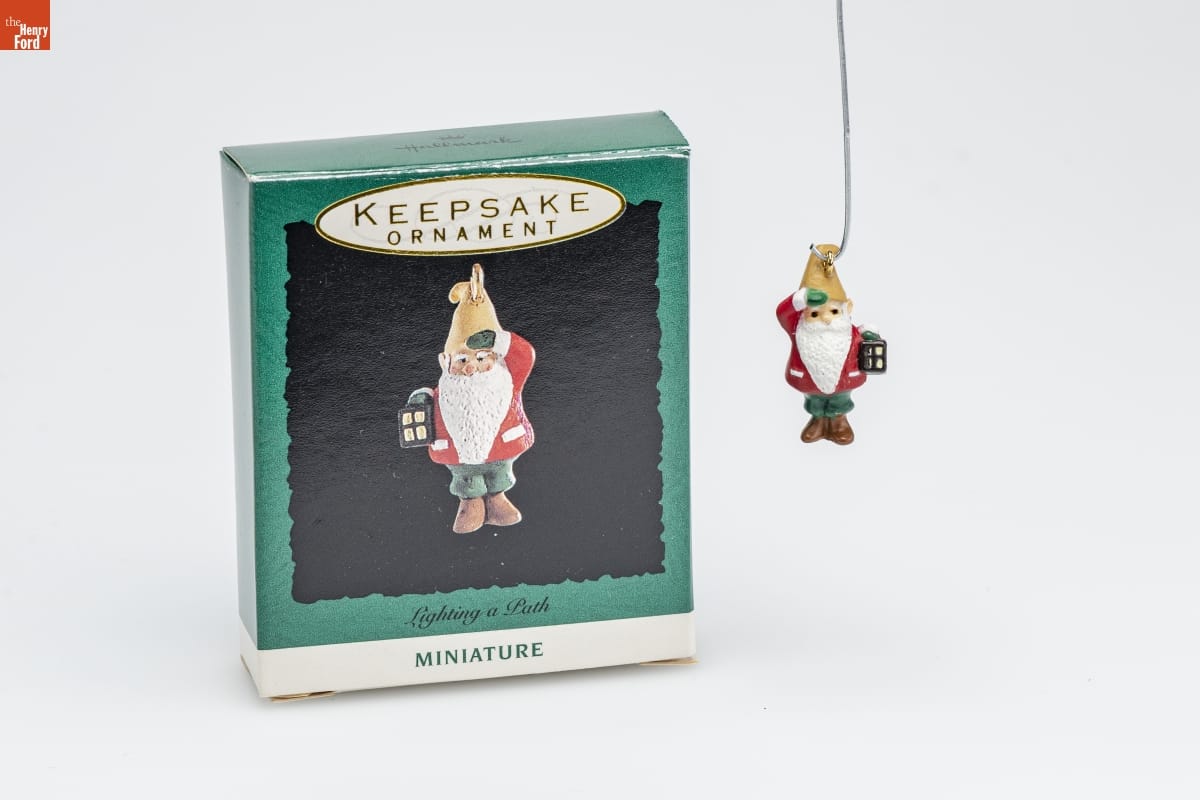
- Hallmark "Lighting a Path" Miniature Christmas Ornament, 1993 - Already known for greeting cards, Hallmark introduced a line of Christmas ornaments in 1973. The company's annual release of an increasing array of ornaments revolutionized Christmas decorating, appealing to customers' interest in marking memories and milestones as well as expressing one's personality and unique tastes.
- 1993
- Collections - Artifact
Hallmark "Lighting a Path" Miniature Christmas Ornament, 1993
Already known for greeting cards, Hallmark introduced a line of Christmas ornaments in 1973. The company's annual release of an increasing array of ornaments revolutionized Christmas decorating, appealing to customers' interest in marking memories and milestones as well as expressing one's personality and unique tastes.
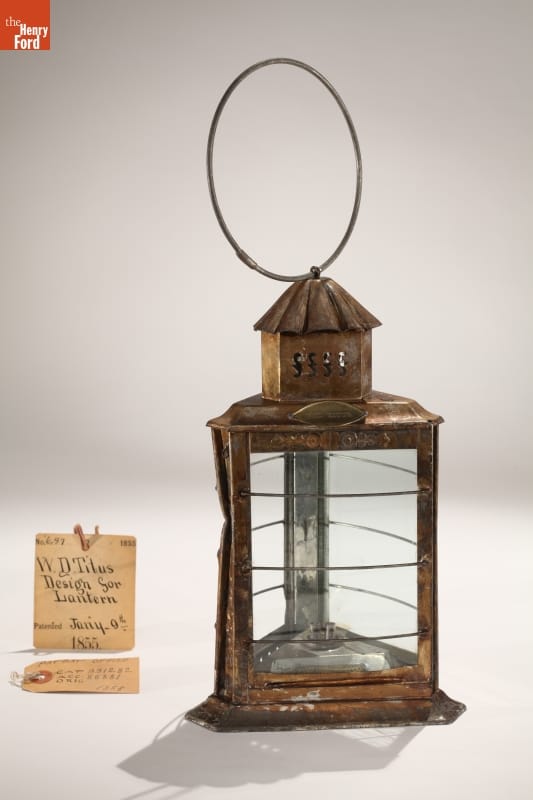
- Patent Model of Lantern, 1855 - From 1790 to 1880, the U.S. Patent Office required applicants to submit a miniature model along with diagrams and written descriptions detailing the operation of their invention. Patent models could be no larger than 12" by 12" by 12". Though they were usually not operational, these models helped explain an inventor's idea and protect it from competitors.
- January 09, 1855
- Collections - Artifact
Patent Model of Lantern, 1855
From 1790 to 1880, the U.S. Patent Office required applicants to submit a miniature model along with diagrams and written descriptions detailing the operation of their invention. Patent models could be no larger than 12" by 12" by 12". Though they were usually not operational, these models helped explain an inventor's idea and protect it from competitors.
- Embury Mfg. Co. "Supreme" Lantern, 1916-1922 -
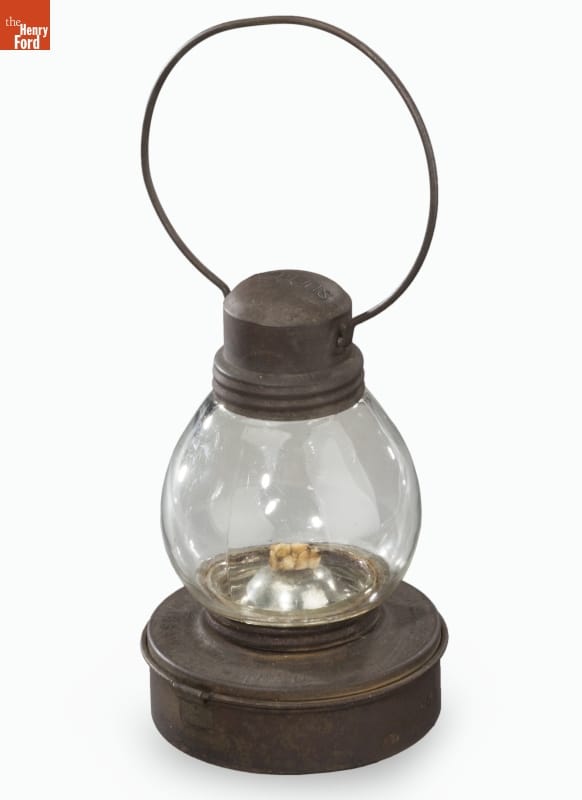
- 1916-1922
- Collections - Artifact
Embury Mfg. Co. "Supreme" Lantern, 1916-1922
- Patent Model of Pocket Lantern, 1877 - From 1790 to 1880, the U.S. Patent Office required applicants to submit a miniature model along with diagrams and written descriptions detailing the operation of their invention. Patent models could be no larger than 12" by 12" by 12". Though they were usually not operational, these models helped explain an inventor's idea and protect it from competitors.
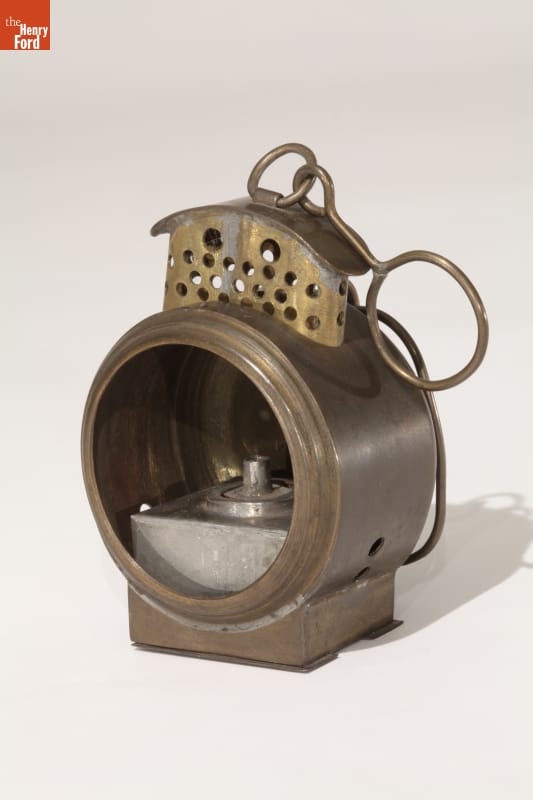
- April 24, 1877
- Collections - Artifact
Patent Model of Pocket Lantern, 1877
From 1790 to 1880, the U.S. Patent Office required applicants to submit a miniature model along with diagrams and written descriptions detailing the operation of their invention. Patent models could be no larger than 12" by 12" by 12". Though they were usually not operational, these models helped explain an inventor's idea and protect it from competitors.
- Eveready Tungsten Battery, No. 734, 1913-1915 -
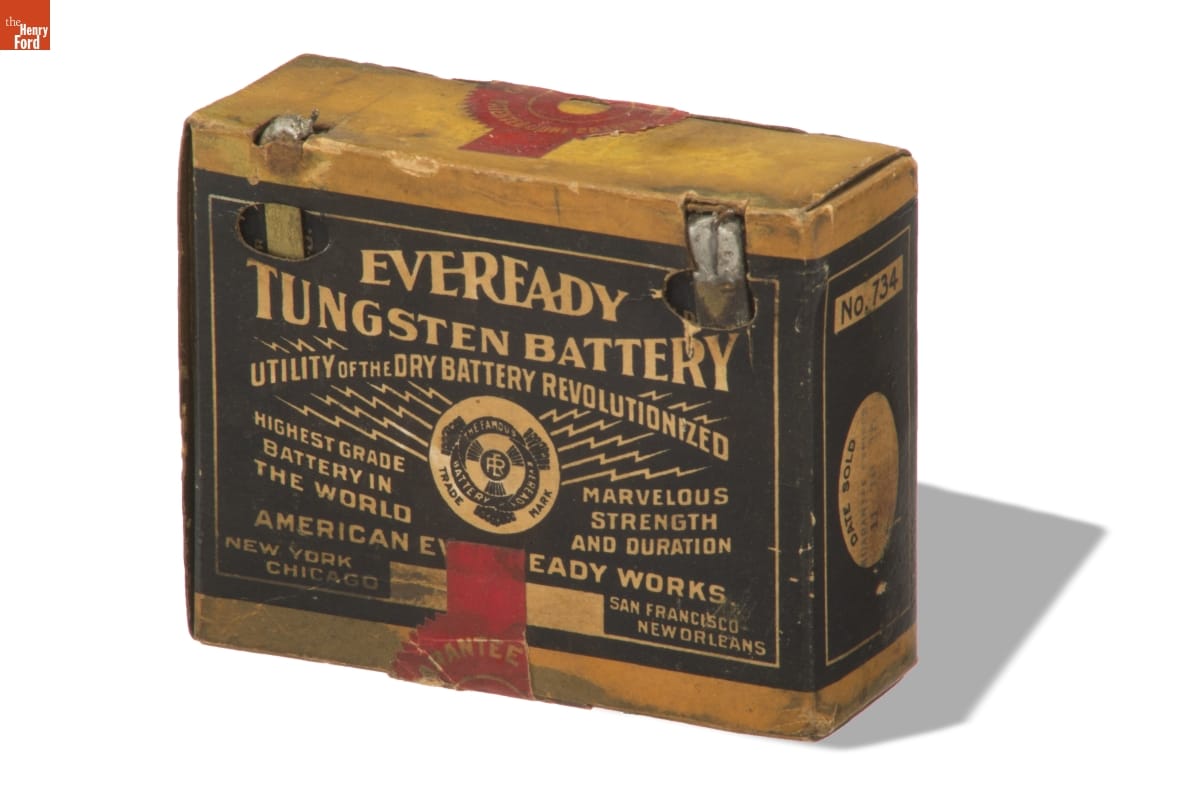
- 1913-1915
- Collections - Artifact
Eveready Tungsten Battery, No. 734, 1913-1915
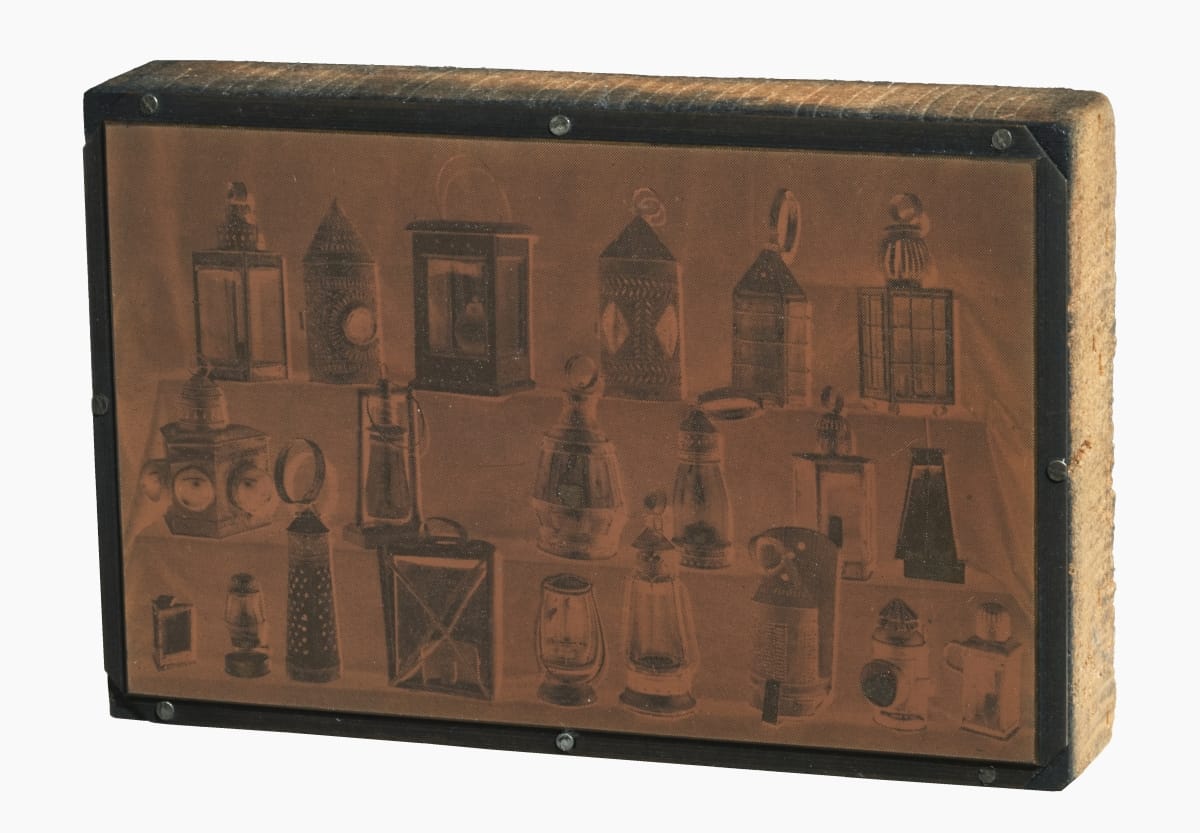
- Printing Plate with Image of Lanterns -
- Collections - Artifact
Printing Plate with Image of Lanterns
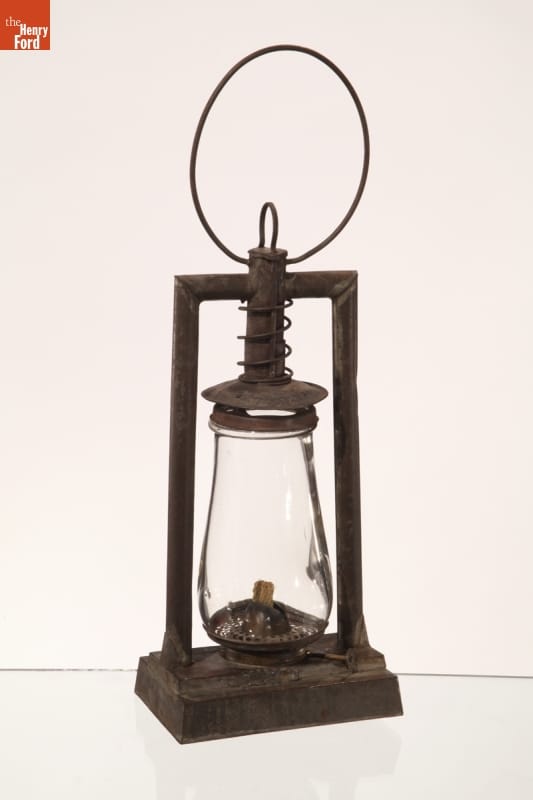
- Kerosene Lantern, circa 1875 - "Hot Glass Lanterns" were a type of kerosene lantern used in a barn or agriculture setting. They get their name because as they burn, the air is reused and drawn back into the flame. An early form of a Dietz brand kerosene lantern, it was illustrated in their 1874 catalogue.
- circa 1875
- Collections - Artifact
Kerosene Lantern, circa 1875
"Hot Glass Lanterns" were a type of kerosene lantern used in a barn or agriculture setting. They get their name because as they burn, the air is reused and drawn back into the flame. An early form of a Dietz brand kerosene lantern, it was illustrated in their 1874 catalogue.
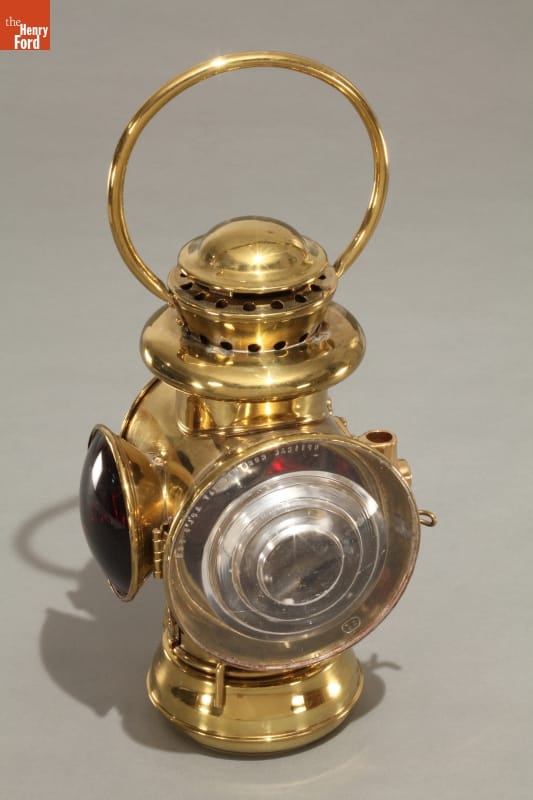
- Automobile Tail Lamp, circa 1906 - The first automobile head and tail lamps used kerosene -- a fuel used in lighting fixtures found on horse-drawn vehicles. These early lights illuminated dark roads or generated a visible safety feature. This brass, kerosene tail lamp, made be the R. E. Deitz Company, warned approaching vehicles that an automobile was ahead.
- circa 1906
- Collections - Artifact
Automobile Tail Lamp, circa 1906
The first automobile head and tail lamps used kerosene -- a fuel used in lighting fixtures found on horse-drawn vehicles. These early lights illuminated dark roads or generated a visible safety feature. This brass, kerosene tail lamp, made be the R. E. Deitz Company, warned approaching vehicles that an automobile was ahead.