
Search
- "Flower Roll" Tattoo Flash, 2022 - Carrie Metz-Caporusso is a queer tattooist based in Michigan; in 2021, they created the "flower roll" tattoo for plus-sized bodies. Metz-Caporusso draws floral designs that align with the natural rolls of the body. These tattoos exemplify some of the strides made by the Fat Rights or Body Positivity movement, which began in the late-1960s and reached a zenith in the 2010s.
- 2022
- Collections - Artifact
"Flower Roll" Tattoo Flash, 2022
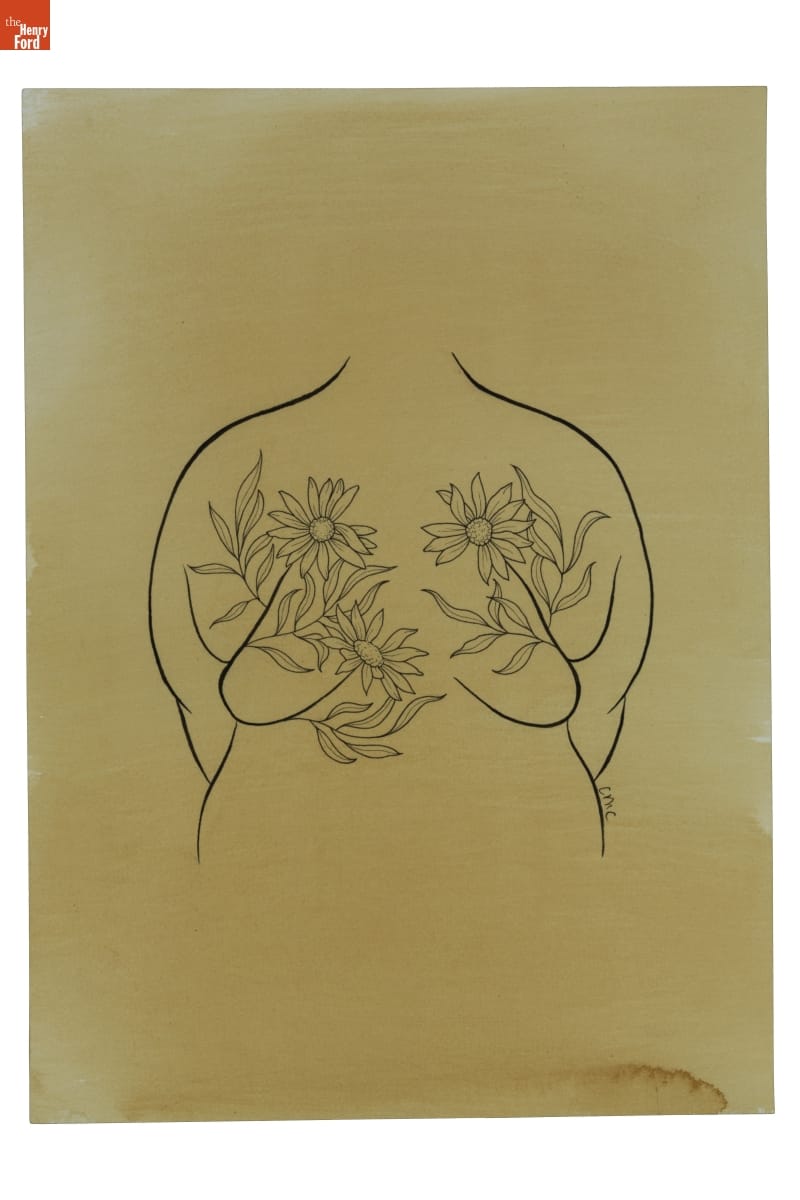
Carrie Metz-Caporusso is a queer tattooist based in Michigan; in 2021, they created the "flower roll" tattoo for plus-sized bodies. Metz-Caporusso draws floral designs that align with the natural rolls of the body. These tattoos exemplify some of the strides made by the Fat Rights or Body Positivity movement, which began in the late-1960s and reached a zenith in the 2010s.
- Mug, 1894 - Maria Longworth Nichols (1849-1932) founded Rookwood Pottery--the pioneering art pottery company in America--in Cincinnati in 1880. She hired talented potters and decorators to create innovative ceramic wares. Trendsetting imagery and glazes made Rookwood famous and helped establish the look of art pottery. A woman named Olga Reed (b. 1873) decorated this Rookwood mug in 1894.
- 1894
- Collections - Artifact
Mug, 1894
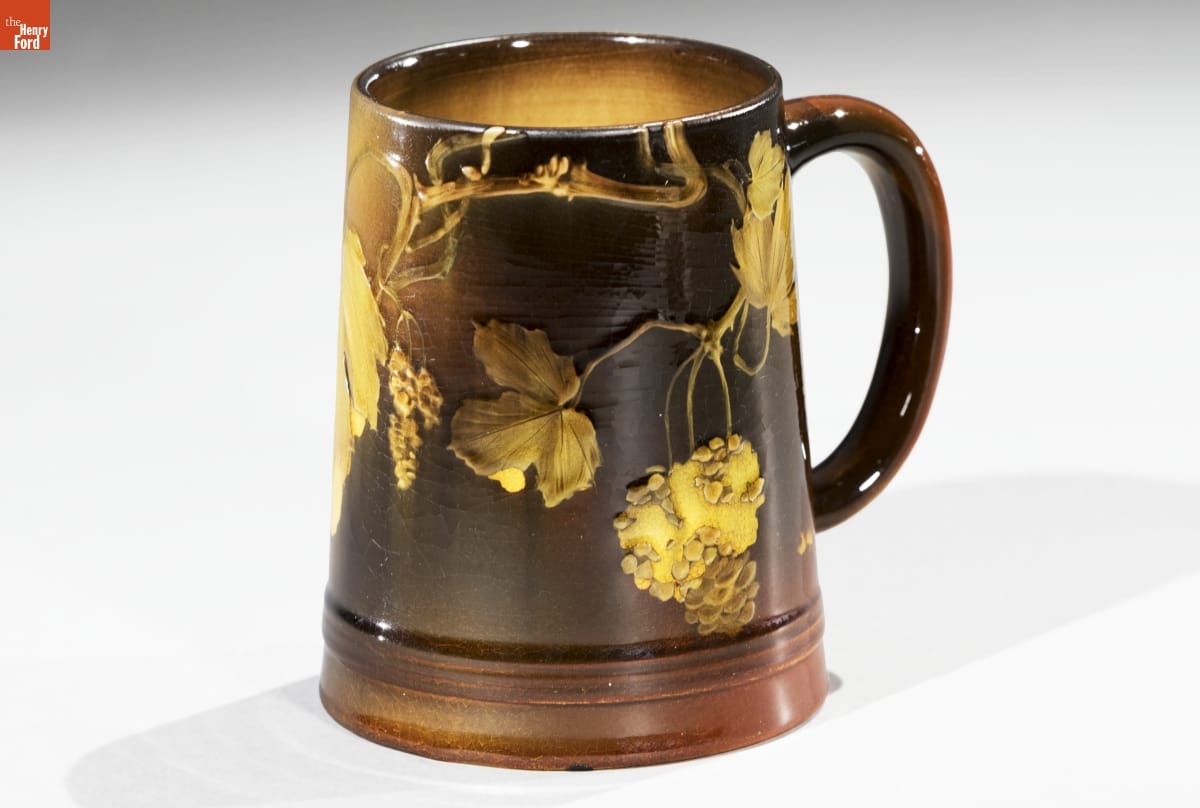
Maria Longworth Nichols (1849-1932) founded Rookwood Pottery--the pioneering art pottery company in America--in Cincinnati in 1880. She hired talented potters and decorators to create innovative ceramic wares. Trendsetting imagery and glazes made Rookwood famous and helped establish the look of art pottery. A woman named Olga Reed (b. 1873) decorated this Rookwood mug in 1894.
- Crate Label, "Pioneer Special Pack Brand California Pears," 1940-1950 - In 1869, the transcontinental railroad opened eastern markets to the West Coast produce industry for the first time. As produce companies shipped crates of fruits and vegetables across the country, they needed a way to distinguish their goods from their competitors'. Colorful, eye-catching labels, like this one for Pioneer Special Pack Brand California Pears, were created to attract grocers purchasing goods from wholesale markets.
- 1940-1950
- Collections - Artifact
Crate Label, "Pioneer Special Pack Brand California Pears," 1940-1950
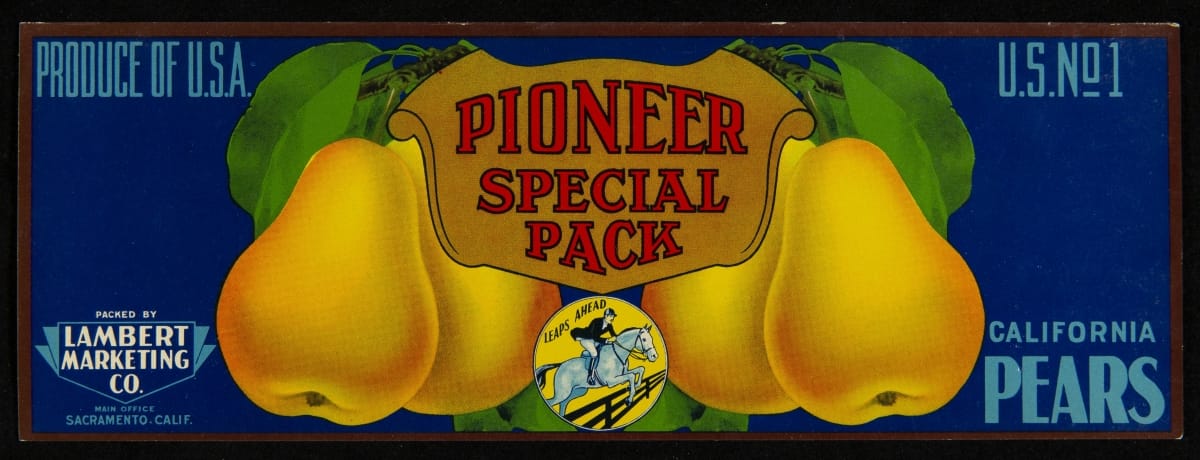
In 1869, the transcontinental railroad opened eastern markets to the West Coast produce industry for the first time. As produce companies shipped crates of fruits and vegetables across the country, they needed a way to distinguish their goods from their competitors'. Colorful, eye-catching labels, like this one for Pioneer Special Pack Brand California Pears, were created to attract grocers purchasing goods from wholesale markets.
- Candle Chandelier, 1800-1850 -
- 1800-1850
- Collections - Artifact
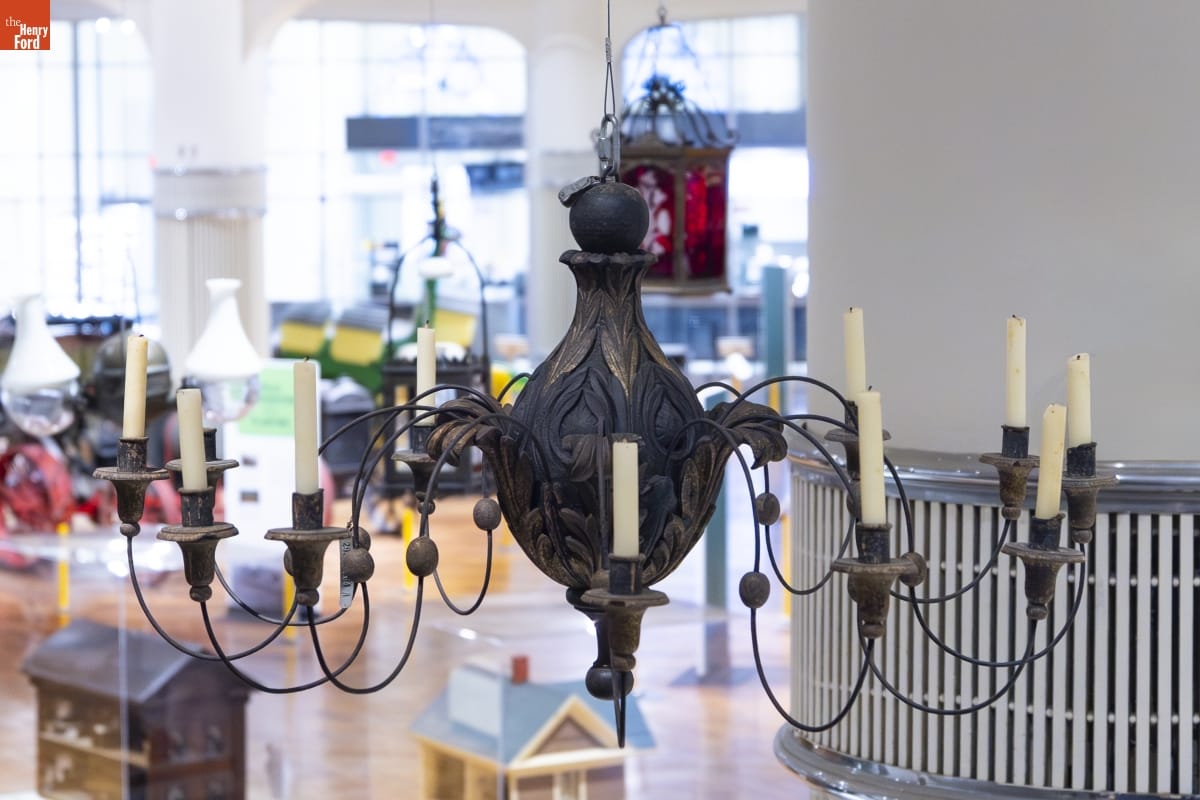
Candle Chandelier, 1800-1850
- Wholecloth Quilt, circa 1860 -
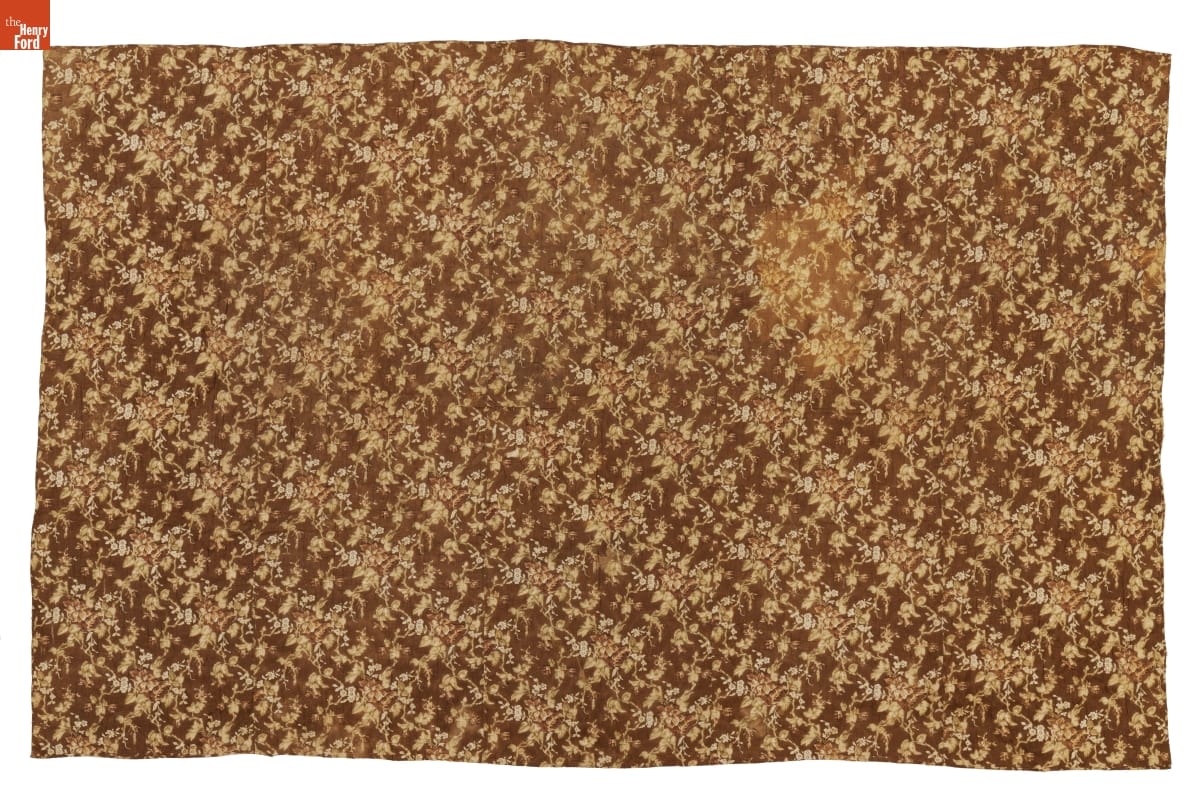
- circa 1860
- Collections - Artifact
Wholecloth Quilt, circa 1860
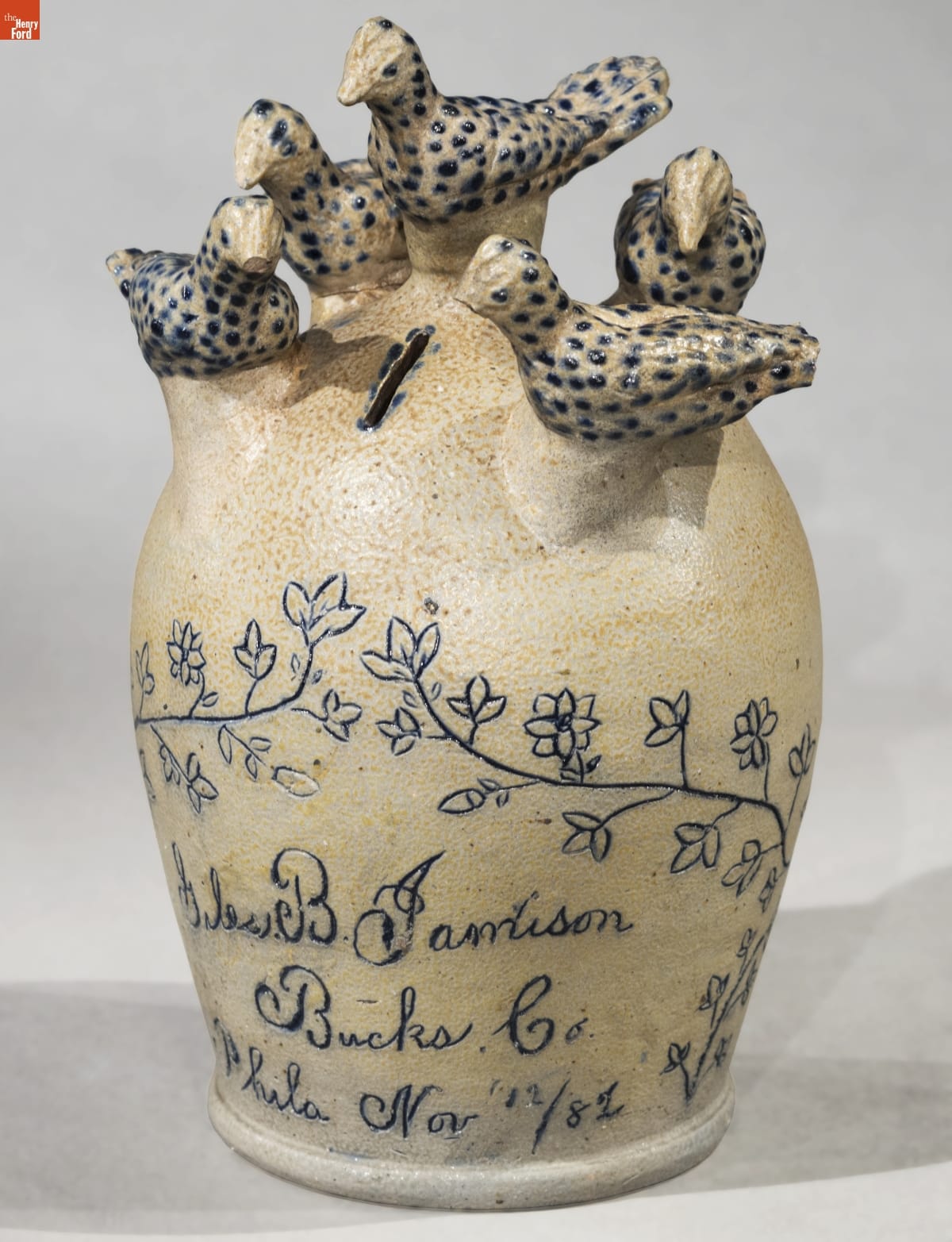
- Stoneware Toy Bank, 1882 - This toy bank was made of a durable, leak-proof pottery called stoneware, shaped on a potter's wheel. The orange-peel-like outer glaze was created when the potter threw handfuls of common rock salt into a white-hot kiln during the piece' firing. Salt-glazed stoneware pieces were decorated with an amazing array of designs, including the playful birds and flowers on this piece.
- 1882
- Collections - Artifact
Stoneware Toy Bank, 1882
This toy bank was made of a durable, leak-proof pottery called stoneware, shaped on a potter's wheel. The orange-peel-like outer glaze was created when the potter threw handfuls of common rock salt into a white-hot kiln during the piece' firing. Salt-glazed stoneware pieces were decorated with an amazing array of designs, including the playful birds and flowers on this piece.
- Vase, 1850-1865 -
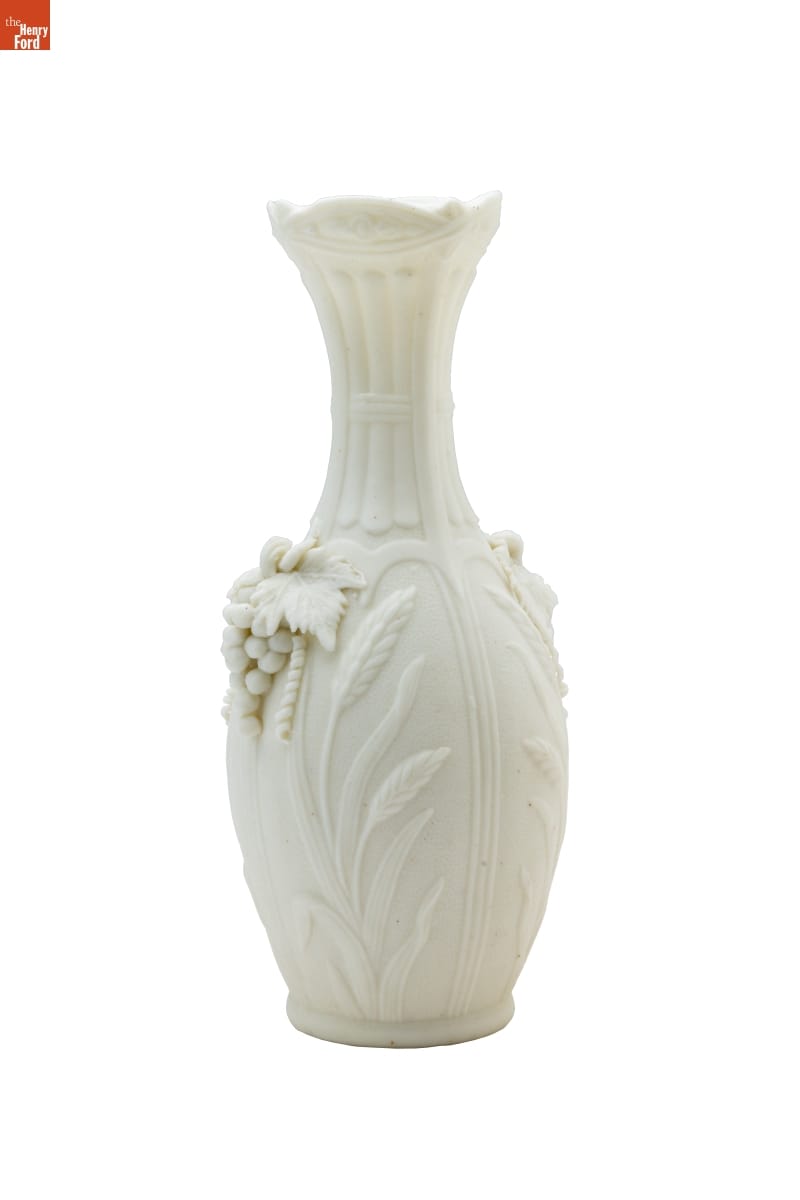
- 1850-1865
- Collections - Artifact
Vase, 1850-1865
- Covered Butter Dish, 1775-1800 -
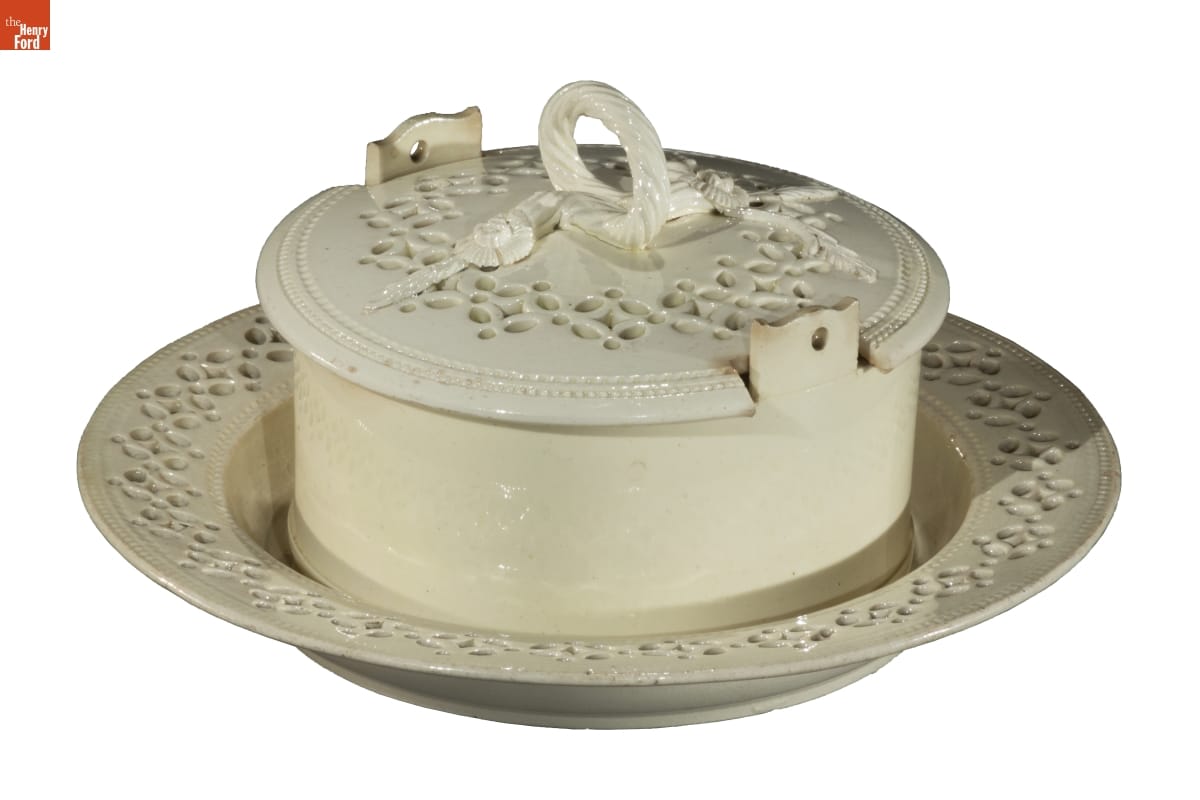
- 1775-1800
- Collections - Artifact
Covered Butter Dish, 1775-1800
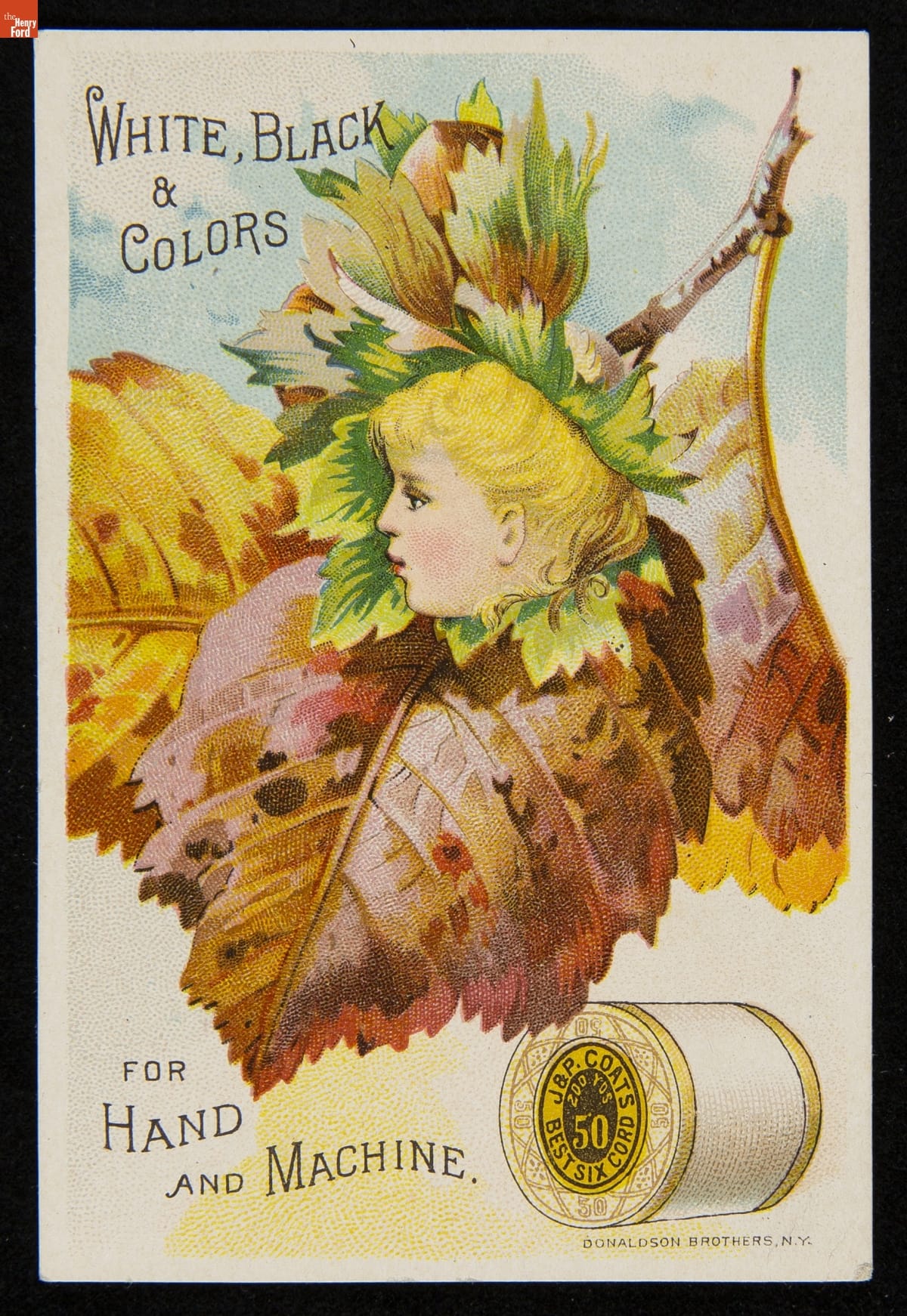
- Trade Card for Sewing Thread, J. & P. Coats, 1870-1890 - As color printing gained momentum in the late 19th century, trade cards became a major means of advertising goods and services. Americans enjoyed and often saved the little advertisements found in product packages or distributed by local merchants. This trade card advertises Six Cord Thread from J. & P. Coats Company.
- 1870-1890
- Collections - Artifact
Trade Card for Sewing Thread, J. & P. Coats, 1870-1890
As color printing gained momentum in the late 19th century, trade cards became a major means of advertising goods and services. Americans enjoyed and often saved the little advertisements found in product packages or distributed by local merchants. This trade card advertises Six Cord Thread from J. & P. Coats Company.
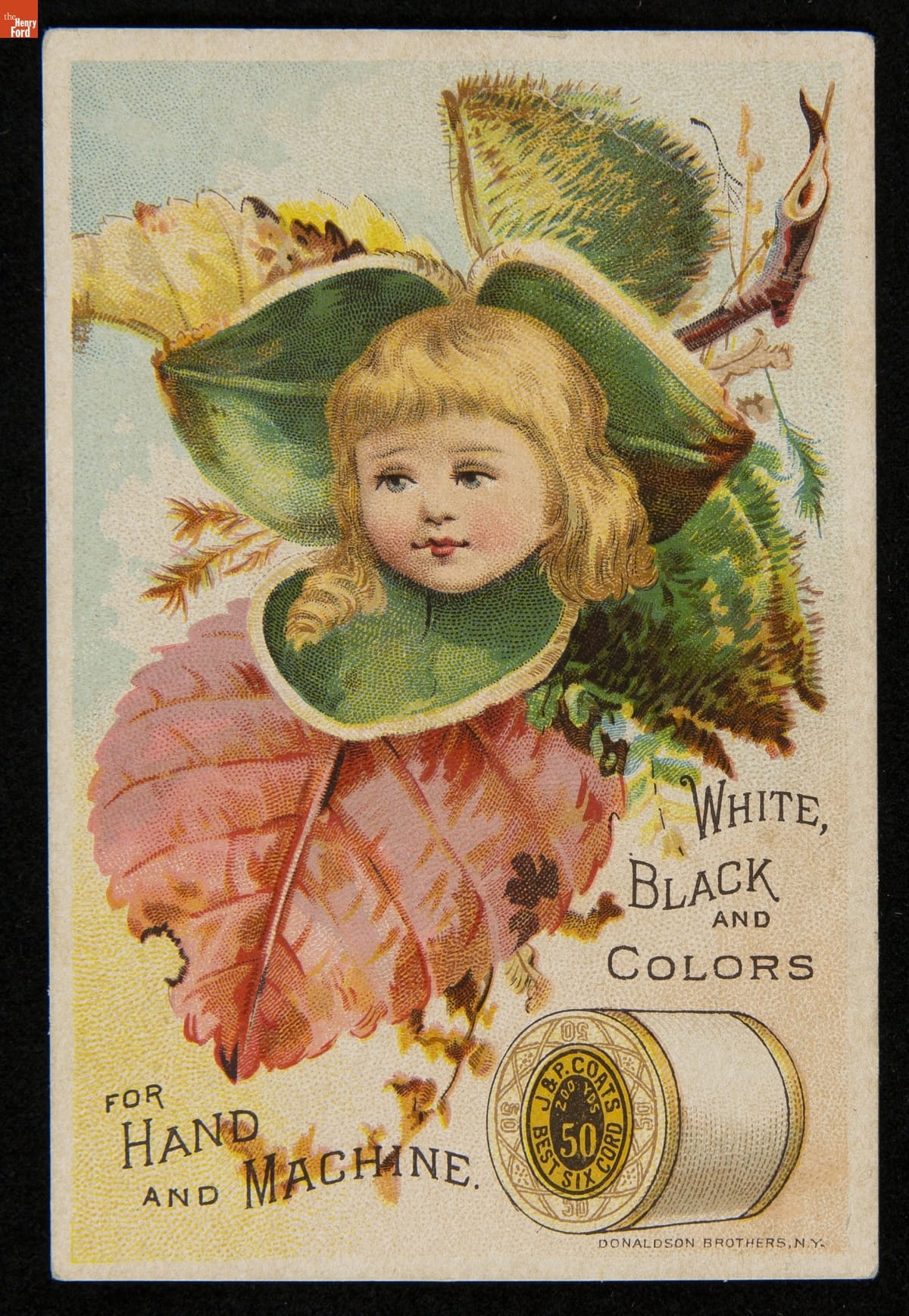
- Trade Card for Sewing Thread, J. & P. Coats, 1880-1890 - As color printing gained momentum in the late 19th century, trade cards became a major means of advertising goods and services. Americans enjoyed and often saved the little advertisements found in product packages or distributed by local merchants. This trade card advertises Six Cord Thread from J. & P. Coats Company.
- 1880-1890
- Collections - Artifact
Trade Card for Sewing Thread, J. & P. Coats, 1880-1890
As color printing gained momentum in the late 19th century, trade cards became a major means of advertising goods and services. Americans enjoyed and often saved the little advertisements found in product packages or distributed by local merchants. This trade card advertises Six Cord Thread from J. & P. Coats Company.