
Search
- Kerosene Lamp, 1895-1905 -
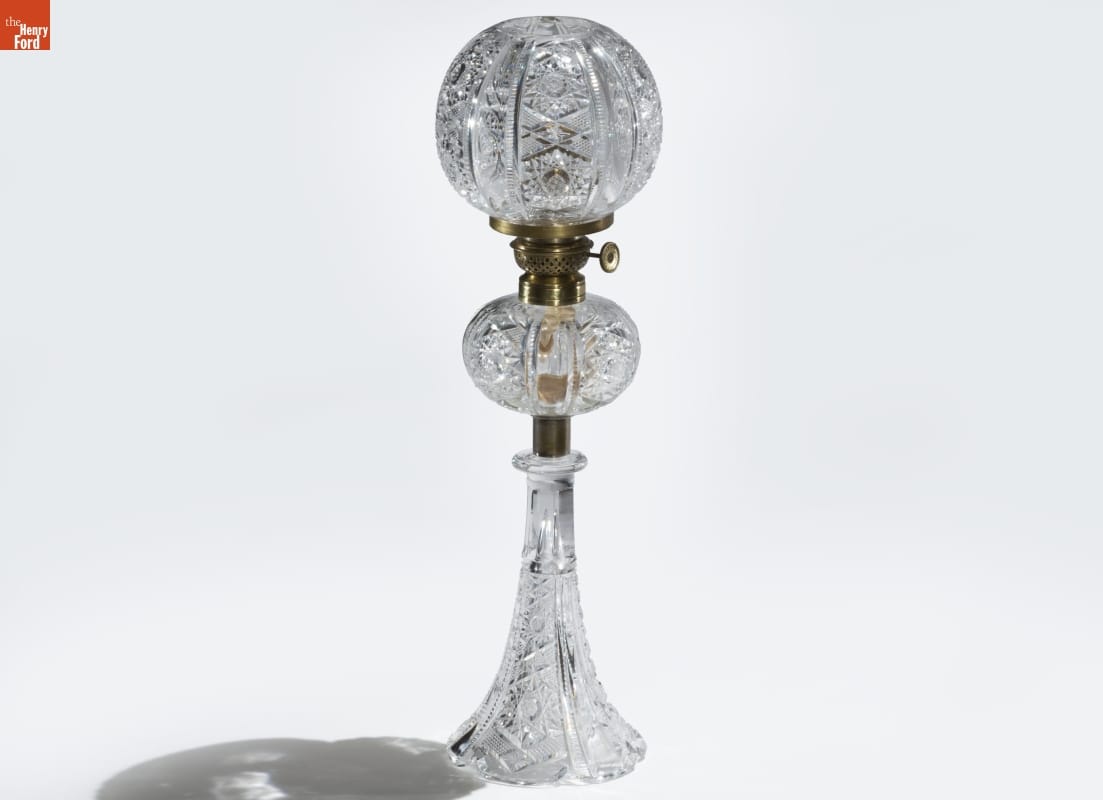
- 1895-1905
- Collections - Artifact
Kerosene Lamp, 1895-1905
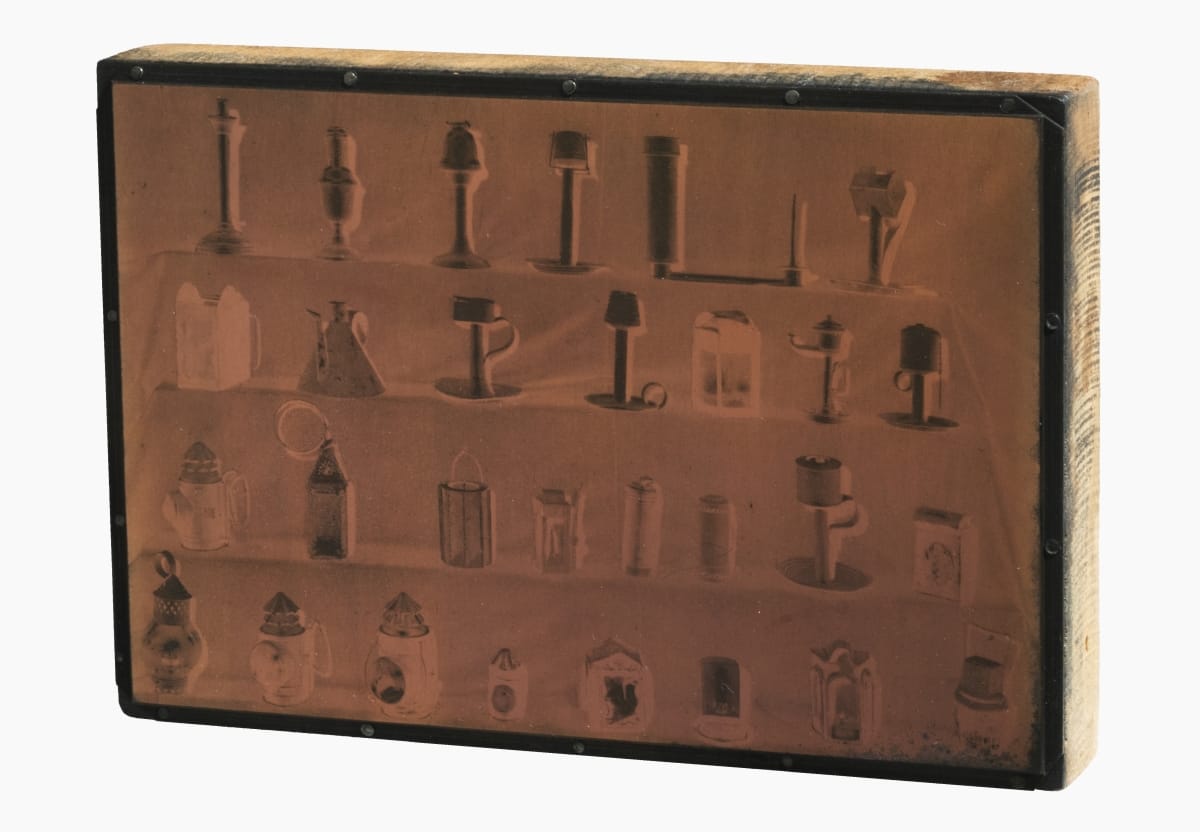
- Printing Plate with Image of Lamps and Lanterns -
- Collections - Artifact
Printing Plate with Image of Lamps and Lanterns
- We Hand You a Hint: The Hemco Twin-Lite is Made of Condensite, circa 1915 - Chemically synthetic plastics were developed in the early 1900s to replace shellac and hard rubber -- naturally derived substances increasingly in demand for various industrial applications. The Condensite Company of America formed in 1910 to sell a new material first developed at Thomas Edison's West Orange laboratory for phonograph records. Durable and nonconductive, Condensite was well suited for electrical products.
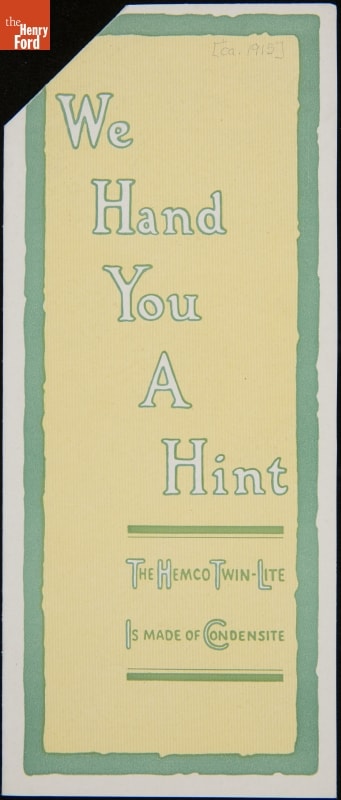
- circa 1915
- Collections - Artifact
We Hand You a Hint: The Hemco Twin-Lite is Made of Condensite, circa 1915
Chemically synthetic plastics were developed in the early 1900s to replace shellac and hard rubber -- naturally derived substances increasingly in demand for various industrial applications. The Condensite Company of America formed in 1910 to sell a new material first developed at Thomas Edison's West Orange laboratory for phonograph records. Durable and nonconductive, Condensite was well suited for electrical products.
- Stenographic Report of Proceedings of Light's Golden Jubilee at Dearborn, Michigan, October 21, 1929 -
- October 21, 1929
- Collections - Artifact
Stenographic Report of Proceedings of Light's Golden Jubilee at Dearborn, Michigan, October 21, 1929
- Candleholder, 1940-1950 - The Van Briggle Pottery was among the most important and longest-lasting art potteries. The pottery, established in 1901 and located in Colorado Springs, Colorado, is known for its satin matte glazes perfected by its founder, Artus Van Briggle. The pottery produced works for more than one hundred years, finally closing its doors in the early 2010s.
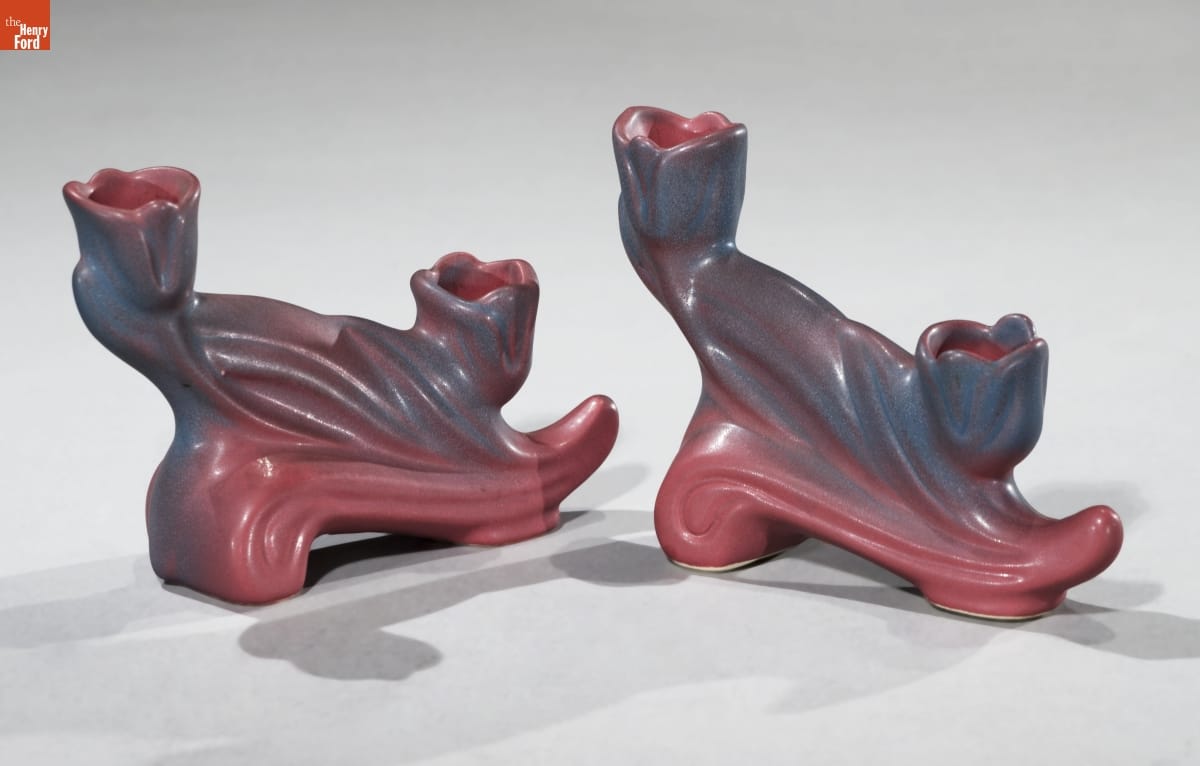
- 1940-1950
- Collections - Artifact
Candleholder, 1940-1950
The Van Briggle Pottery was among the most important and longest-lasting art potteries. The pottery, established in 1901 and located in Colorado Springs, Colorado, is known for its satin matte glazes perfected by its founder, Artus Van Briggle. The pottery produced works for more than one hundred years, finally closing its doors in the early 2010s.
- Letter from Charles Greely (C.G.) Abbot to Henry Ford and Edsel Ford regarding Invitation to Light's Golden Jubilee, October 1, 1929 - On October 21, 1929, Henry Ford hosted an event, Light's Golden Jubilee, which celebrated the 50th anniversary of Thomas Edison's invention of the incandescent lamp. The event also served as the official dedication of The Edison Institute, Ford's museum complex named in honor of his friend. Among the invited guests was Secretary of the Smithsonian Dr. C.G. Abbott, who accepted the Ford's courteous invitation.
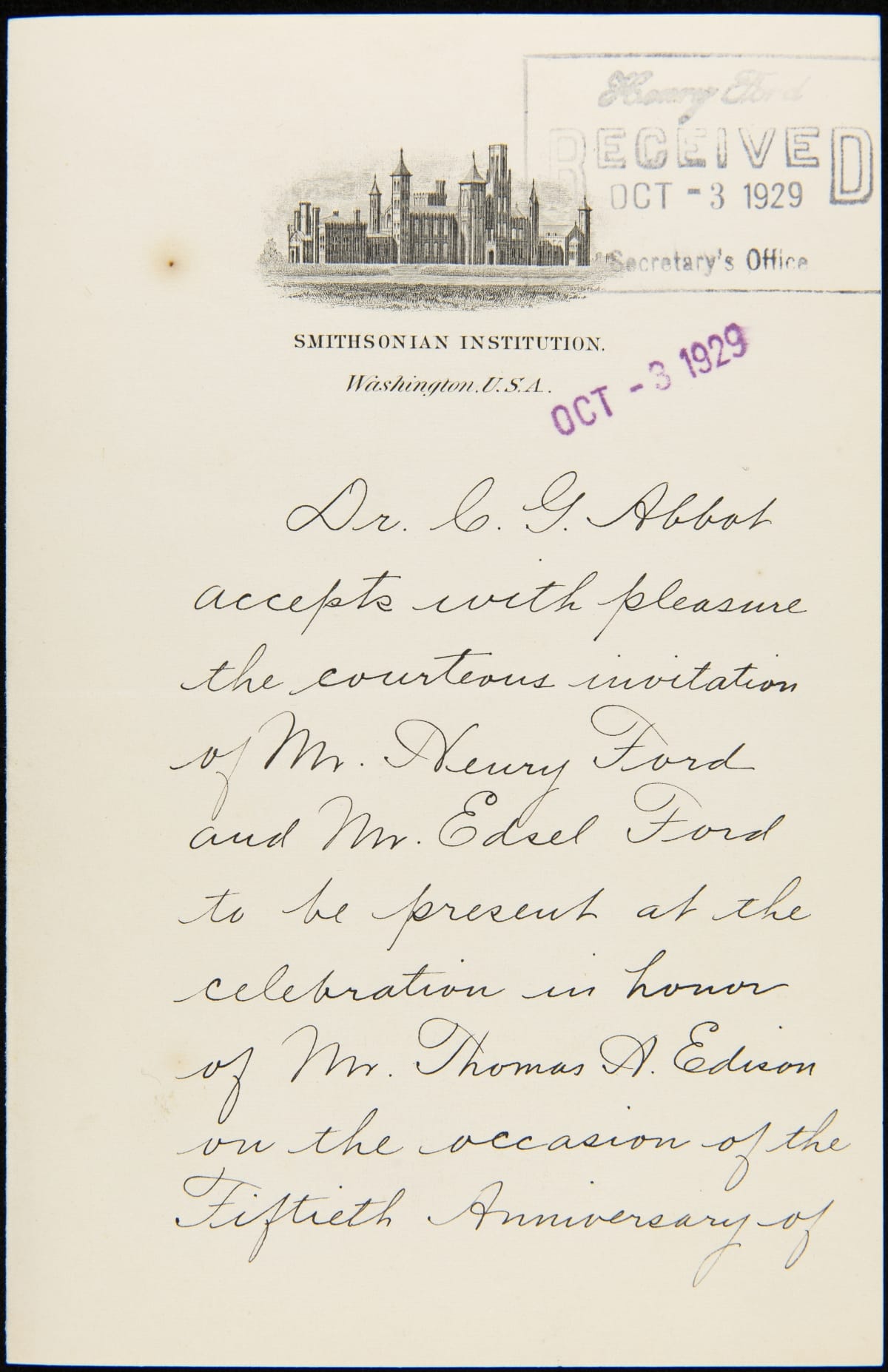
- October 21, 1929
- Collections - Artifact
Letter from Charles Greely (C.G.) Abbot to Henry Ford and Edsel Ford regarding Invitation to Light's Golden Jubilee, October 1, 1929
On October 21, 1929, Henry Ford hosted an event, Light's Golden Jubilee, which celebrated the 50th anniversary of Thomas Edison's invention of the incandescent lamp. The event also served as the official dedication of The Edison Institute, Ford's museum complex named in honor of his friend. Among the invited guests was Secretary of the Smithsonian Dr. C.G. Abbott, who accepted the Ford's courteous invitation.
- Outdoor Gasoline Lamp, circa 1900 -
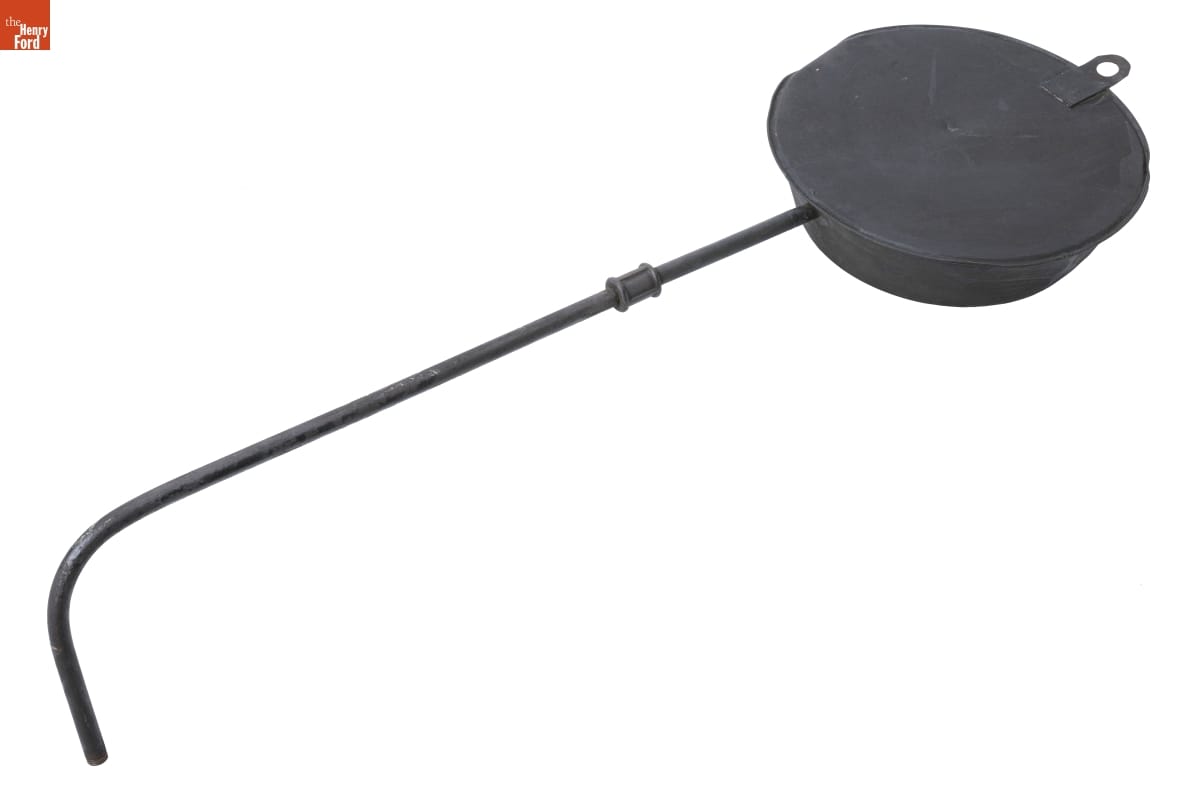
- circa 1900
- Collections - Artifact
Outdoor Gasoline Lamp, circa 1900
- Patent Model of Marine Signal Lantern, 1863 - This marine lantern was designed to burn oil. An opaque metal shade could be moved to expose and block its glow. Moveable red and green glass shades are its most innovative feature, which served two purposes. They allowed the lantern to act as a communications device, to send messages between ships--and as an anchor light, to avoid collisions between vessels.
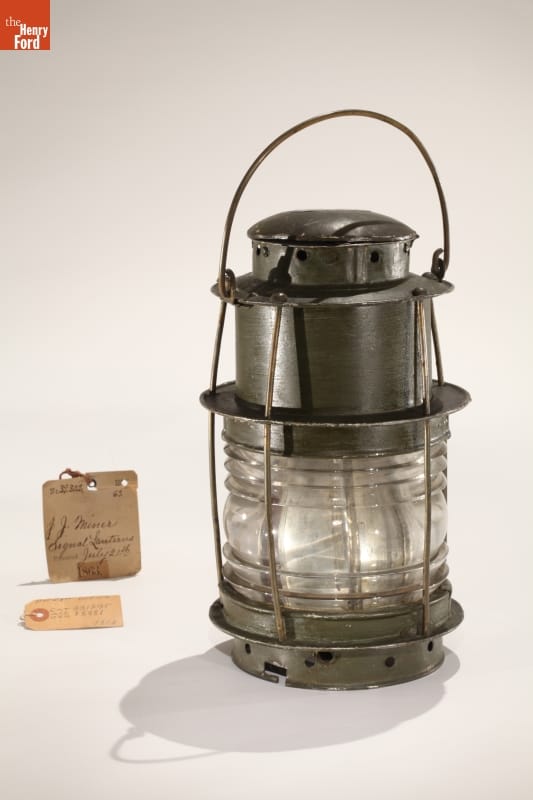
- July 21, 1863
- Collections - Artifact
Patent Model of Marine Signal Lantern, 1863
This marine lantern was designed to burn oil. An opaque metal shade could be moved to expose and block its glow. Moveable red and green glass shades are its most innovative feature, which served two purposes. They allowed the lantern to act as a communications device, to send messages between ships--and as an anchor light, to avoid collisions between vessels.
- Drawing, "Chimney, M. Wells House Union Conn." (now Daggett Farmhouse), June 26, 1977 -
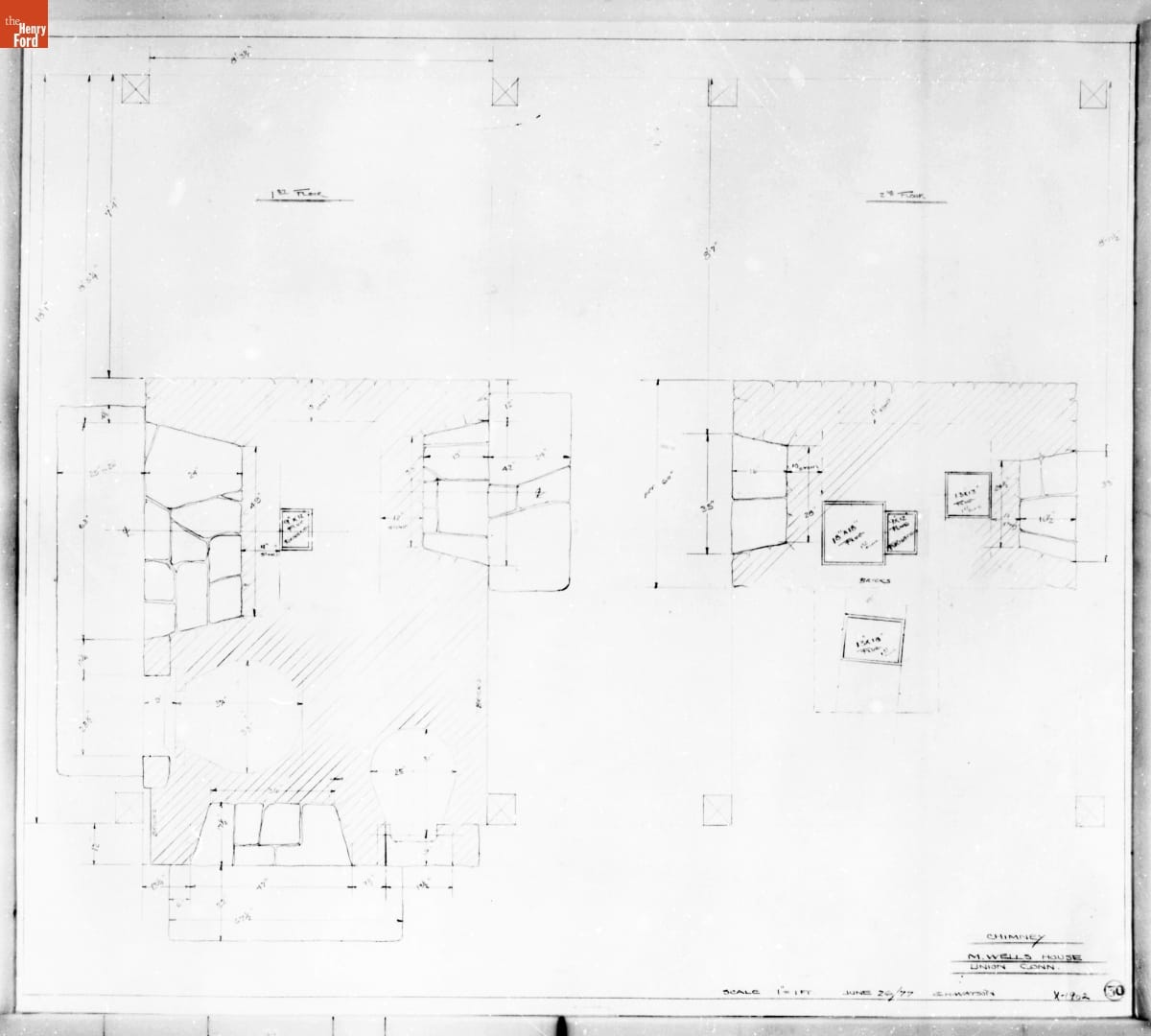
- June 26, 1977
- Collections - Artifact
Drawing, "Chimney, M. Wells House Union Conn." (now Daggett Farmhouse), June 26, 1977
- Covered Wagon Lamp, 1959 -
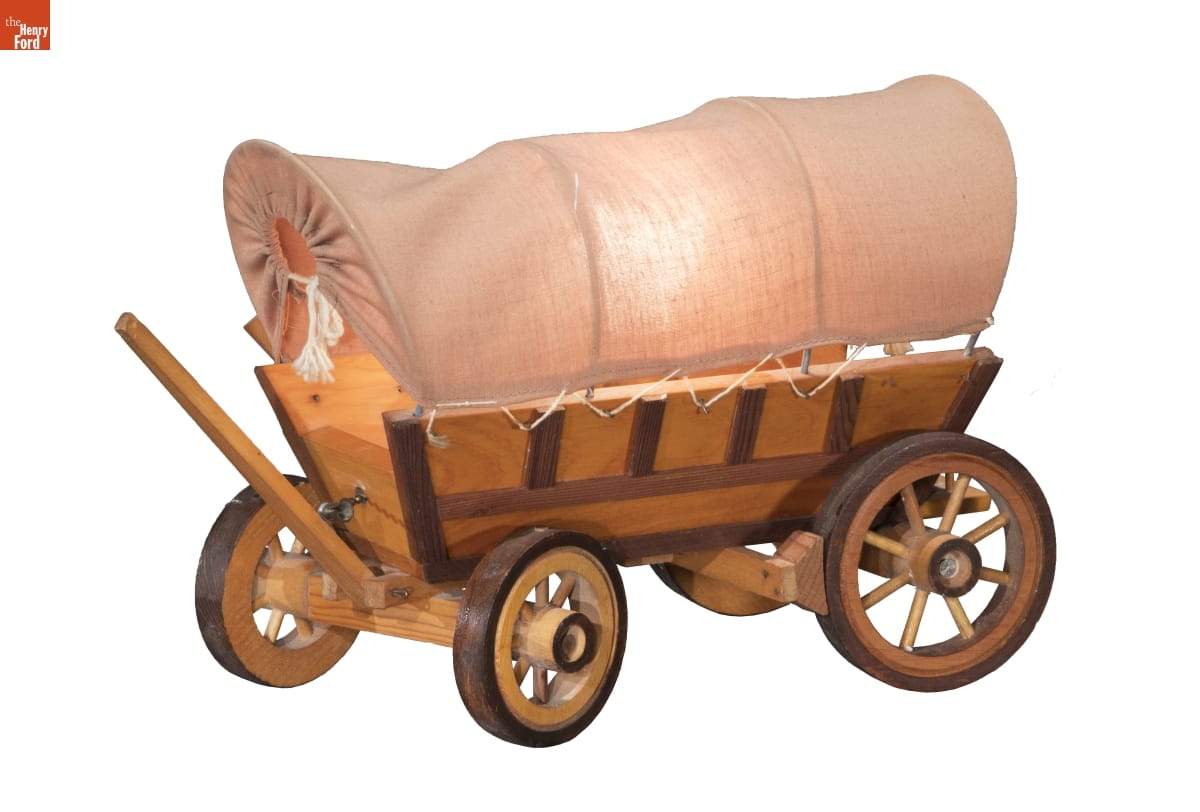
- 1959
- Collections - Artifact
Covered Wagon Lamp, 1959