
Search
- Kerosene Lamp, 1895-1905 -
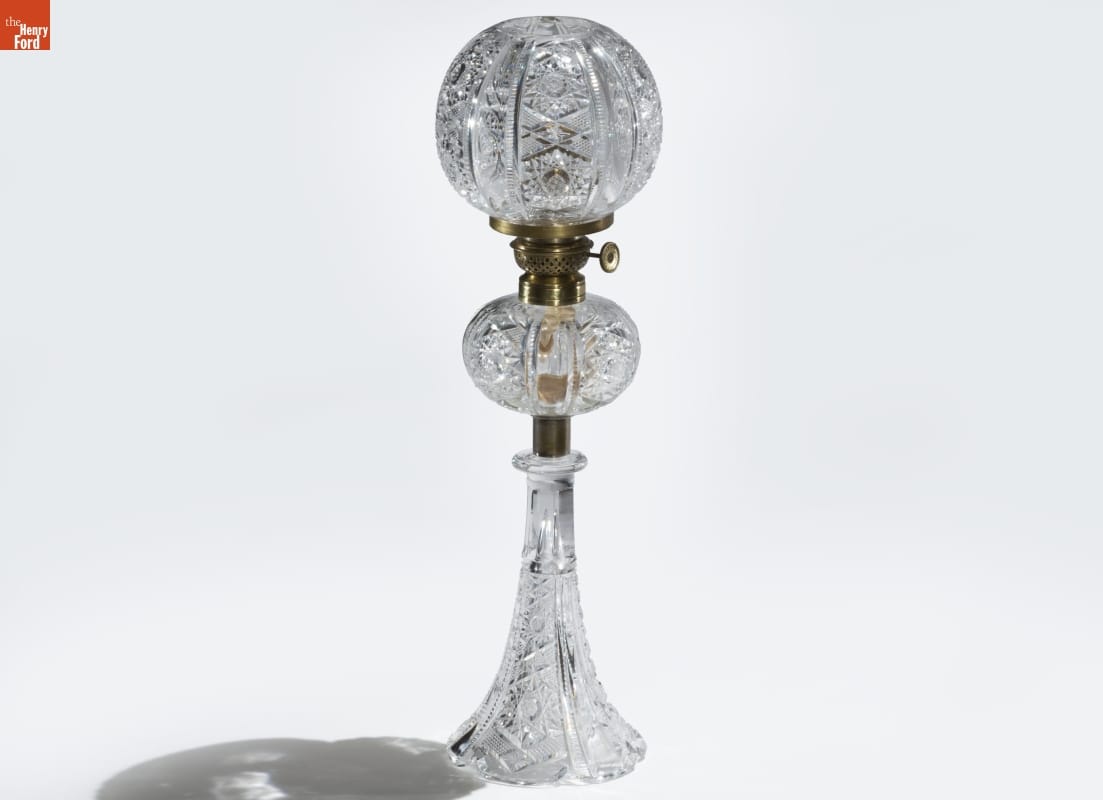
- 1895-1905
- Collections - Artifact
Kerosene Lamp, 1895-1905
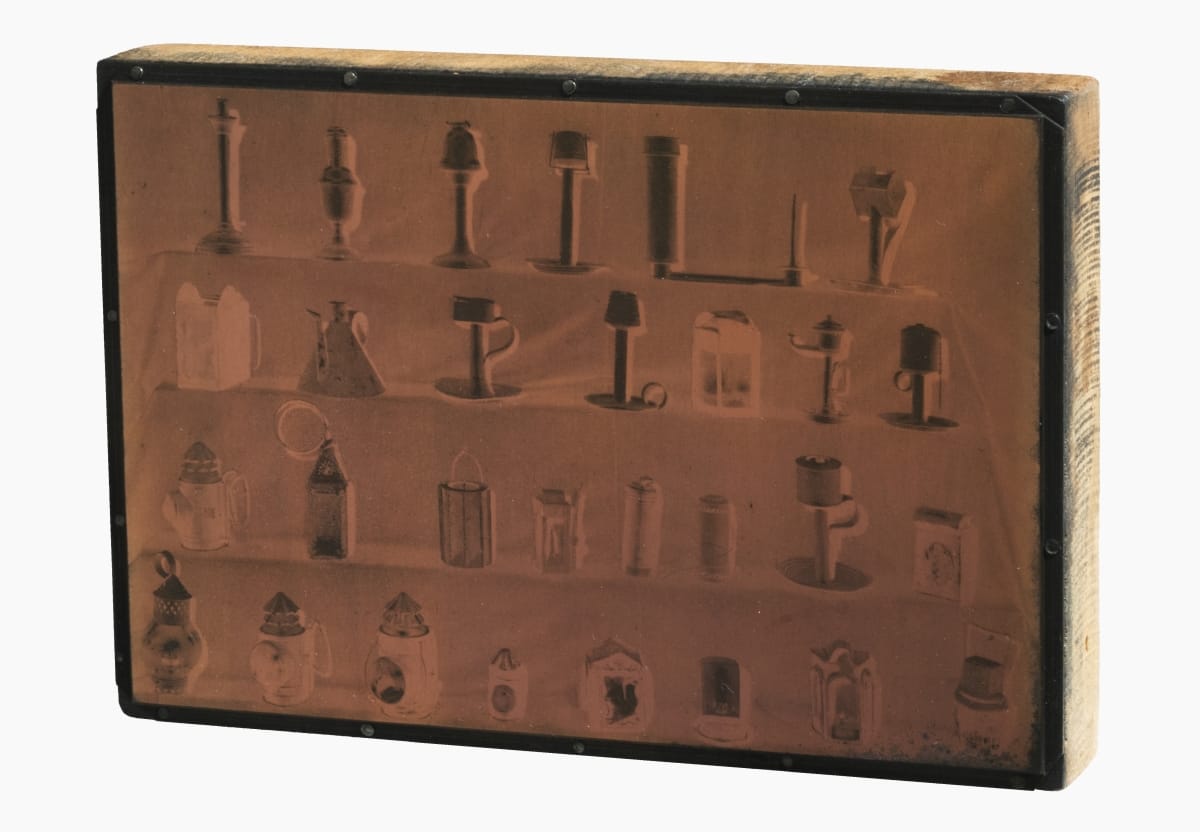
- Printing Plate with Image of Lamps and Lanterns -
- Collections - Artifact
Printing Plate with Image of Lamps and Lanterns
- Candleholder, 1940-1950 - The Van Briggle Pottery was among the most important and longest-lasting art potteries. The pottery, established in 1901 and located in Colorado Springs, Colorado, is known for its satin matte glazes perfected by its founder, Artus Van Briggle. The pottery produced works for more than one hundred years, finally closing its doors in the early 2010s.
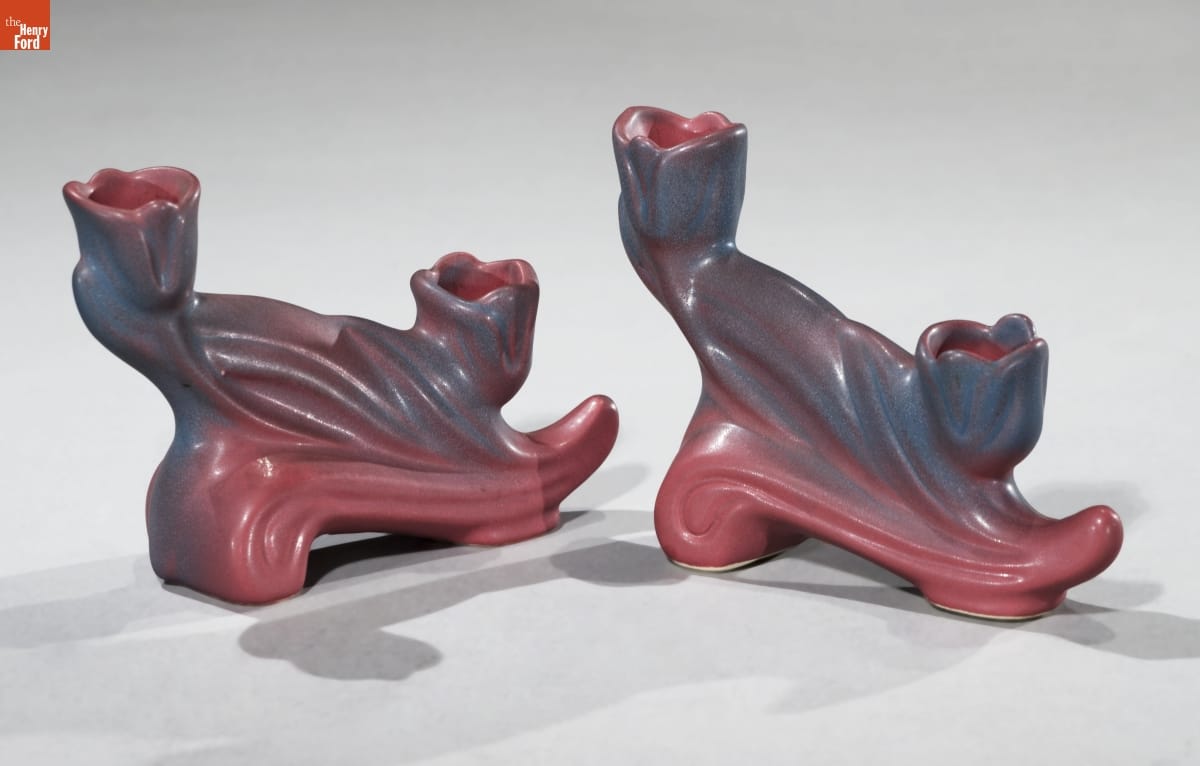
- 1940-1950
- Collections - Artifact
Candleholder, 1940-1950
The Van Briggle Pottery was among the most important and longest-lasting art potteries. The pottery, established in 1901 and located in Colorado Springs, Colorado, is known for its satin matte glazes perfected by its founder, Artus Van Briggle. The pottery produced works for more than one hundred years, finally closing its doors in the early 2010s.
- Outdoor Gasoline Lamp, circa 1900 -
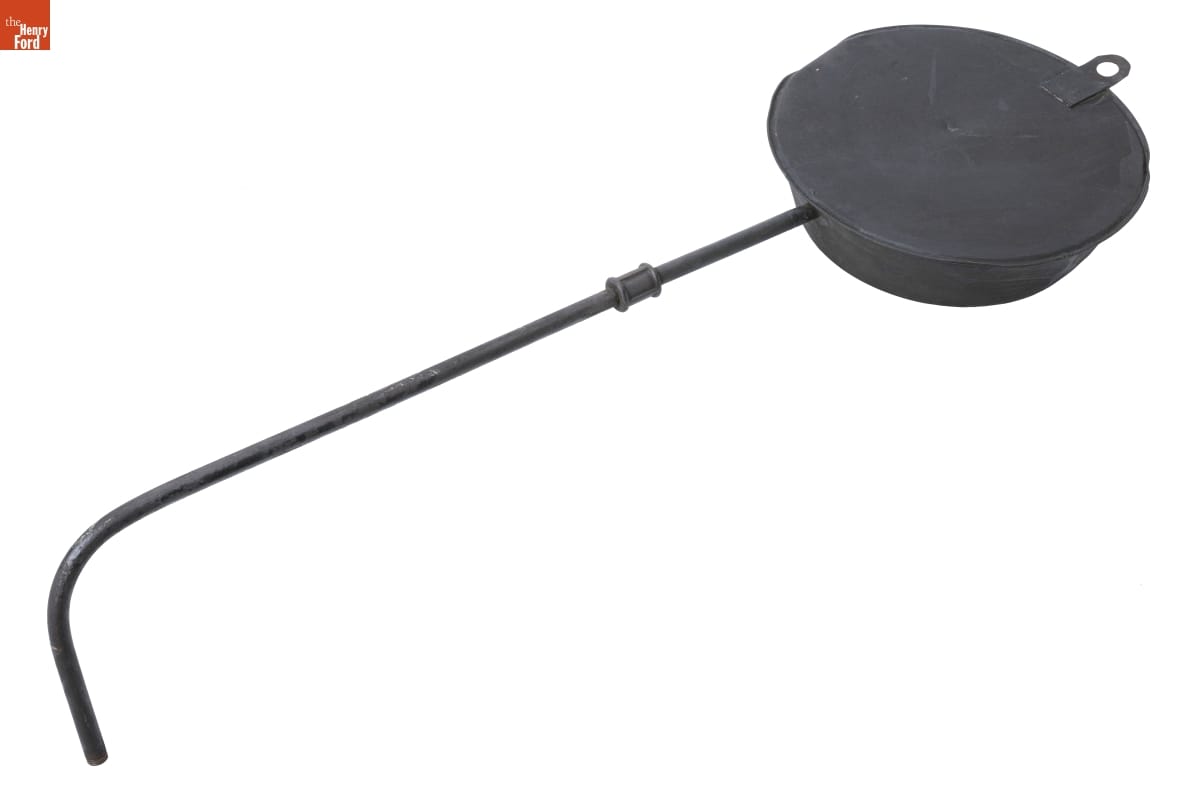
- circa 1900
- Collections - Artifact
Outdoor Gasoline Lamp, circa 1900
- Patent Model of Marine Signal Lantern, 1863 - This marine lantern was designed to burn oil. An opaque metal shade could be moved to expose and block its glow. Moveable red and green glass shades are its most innovative feature, which served two purposes. They allowed the lantern to act as a communications device, to send messages between ships--and as an anchor light, to avoid collisions between vessels.
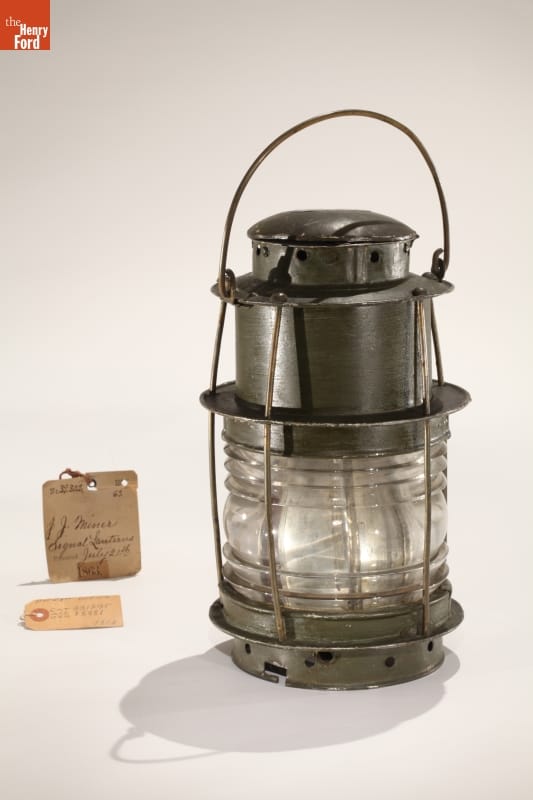
- July 21, 1863
- Collections - Artifact
Patent Model of Marine Signal Lantern, 1863
This marine lantern was designed to burn oil. An opaque metal shade could be moved to expose and block its glow. Moveable red and green glass shades are its most innovative feature, which served two purposes. They allowed the lantern to act as a communications device, to send messages between ships--and as an anchor light, to avoid collisions between vessels.
- Drawing, "Chimney, M. Wells House Union Conn." (now Daggett Farmhouse), June 26, 1977 -
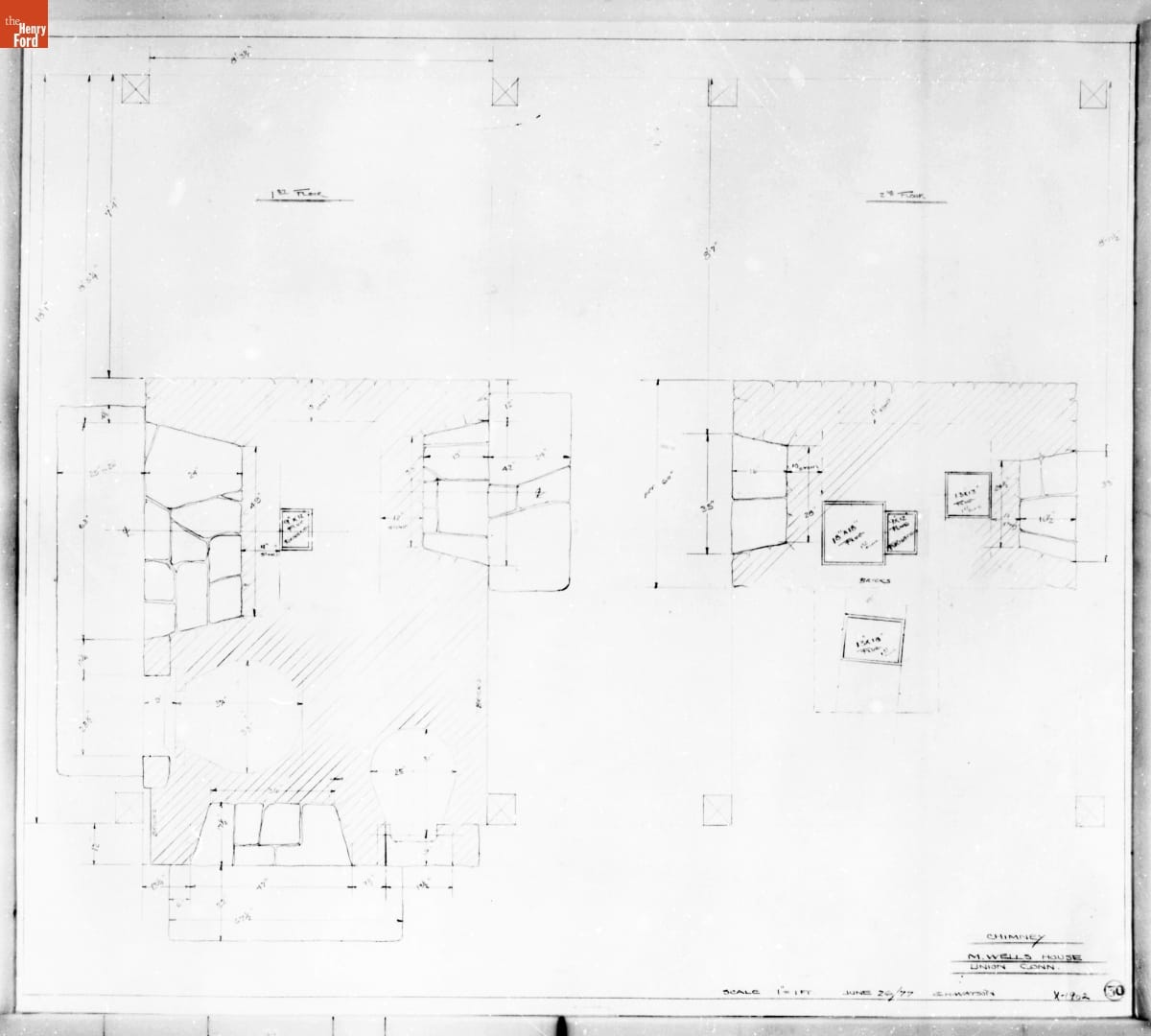
- June 26, 1977
- Collections - Artifact
Drawing, "Chimney, M. Wells House Union Conn." (now Daggett Farmhouse), June 26, 1977
- Covered Wagon Lamp, 1959 -
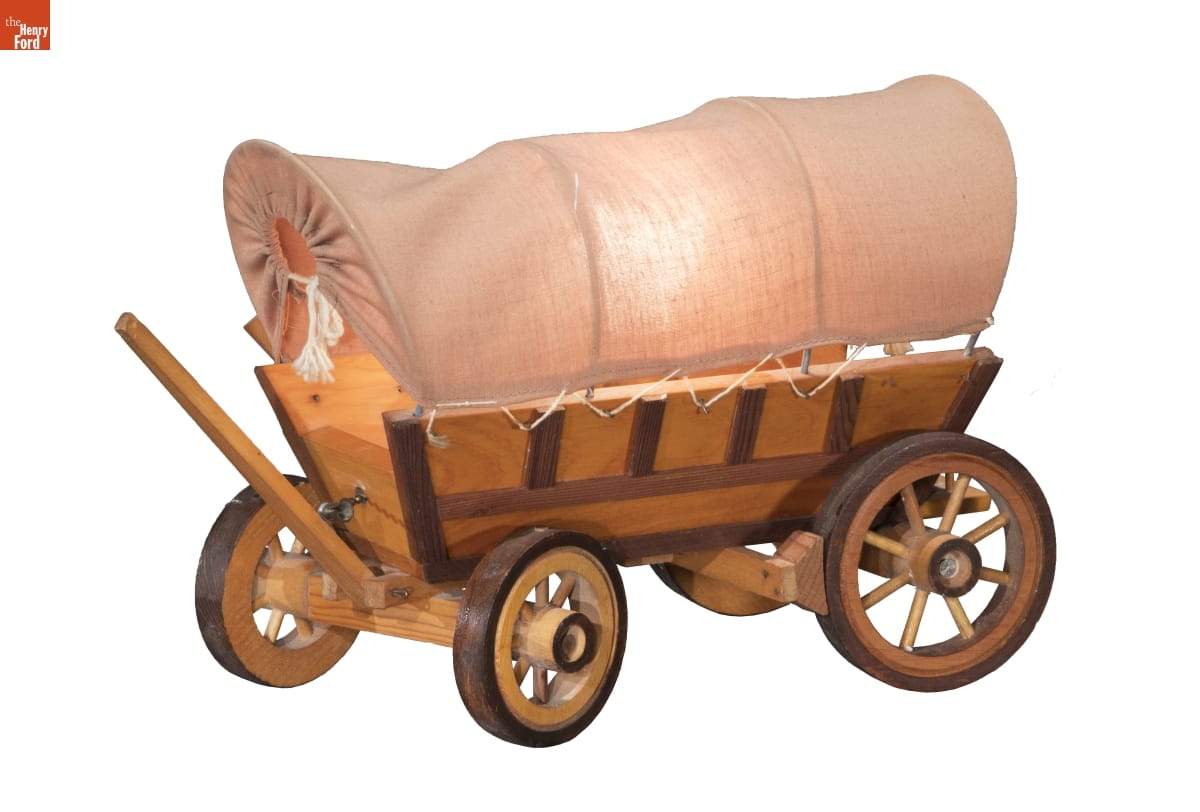
- 1959
- Collections - Artifact
Covered Wagon Lamp, 1959
- Candlestick, 1917-1921 - Jugtown Pottery was founded by artists Jacques and Juliana Busbee who attempted to save local craft traditions in North Carolina. The Busbees hired local potters and made the wares available at a shop in Greenwich Village, New York. This rough, salt glaze candlestick is typical of their early pieces, appearing very much like a survivor of the 18th or 19th century.
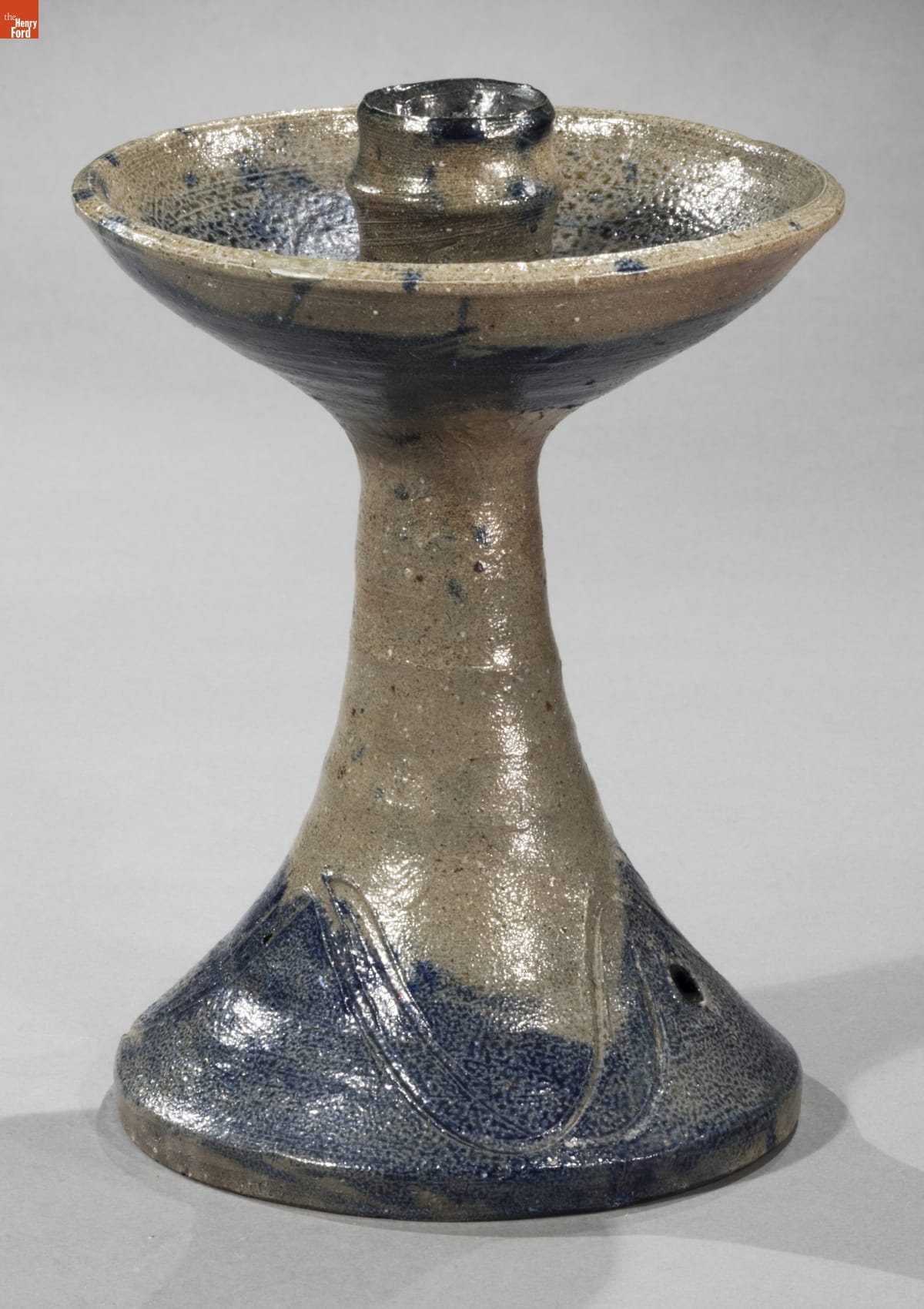
- 1917-1921
- Collections - Artifact
Candlestick, 1917-1921
Jugtown Pottery was founded by artists Jacques and Juliana Busbee who attempted to save local craft traditions in North Carolina. The Busbees hired local potters and made the wares available at a shop in Greenwich Village, New York. This rough, salt glaze candlestick is typical of their early pieces, appearing very much like a survivor of the 18th or 19th century.
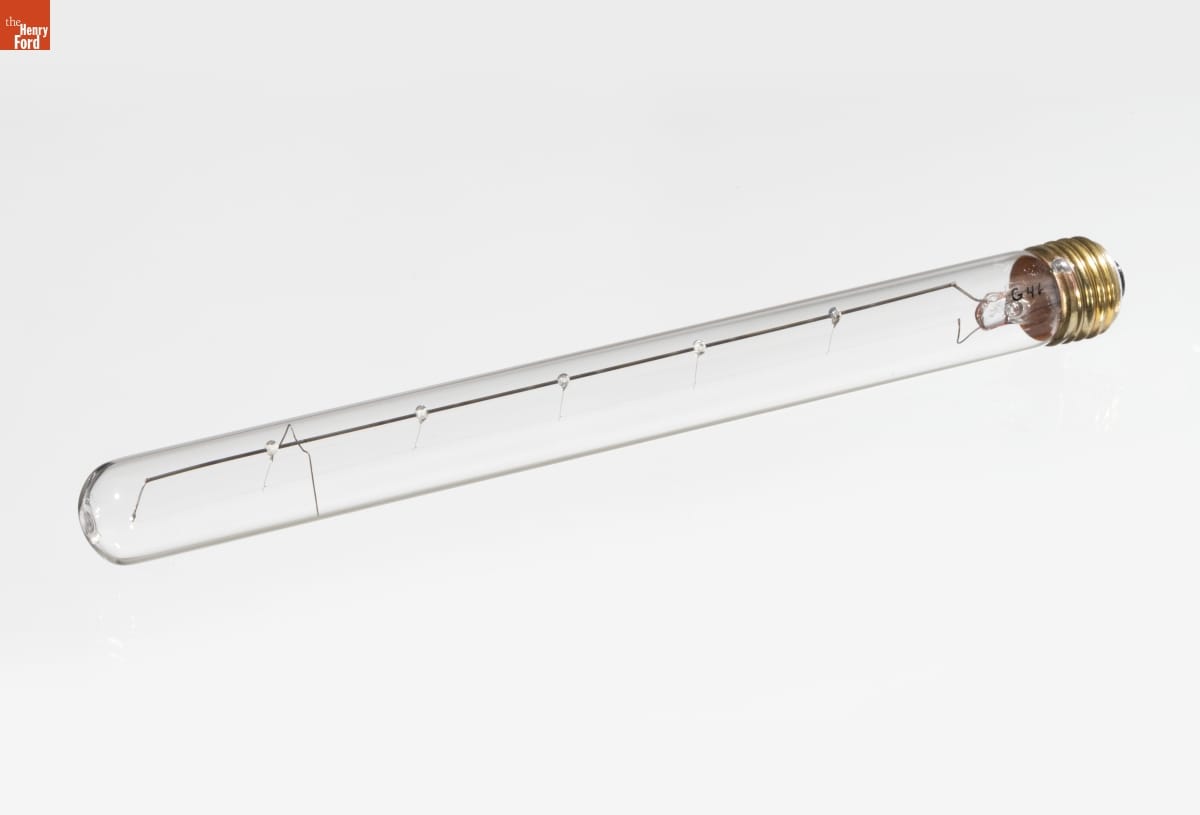
- Light Bulb -
- Collections - Artifact
Light Bulb
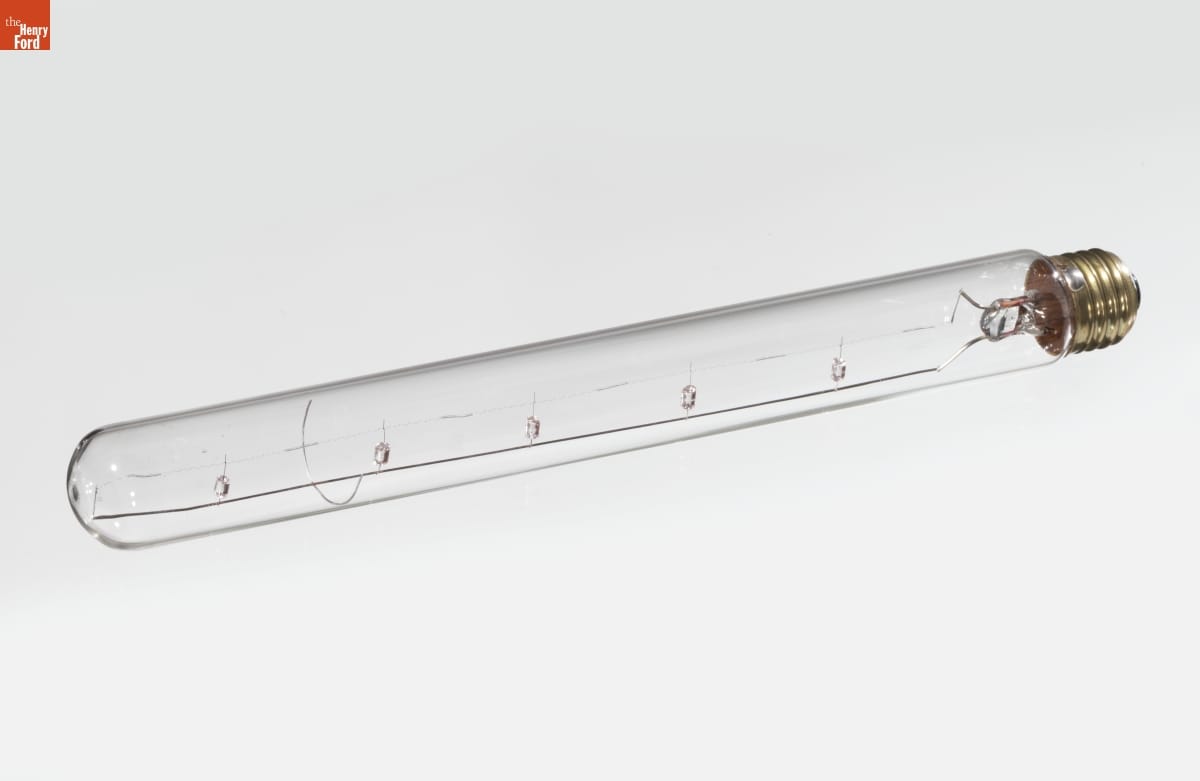
- Light Bulb -
- Collections - Artifact
Light Bulb