
Search
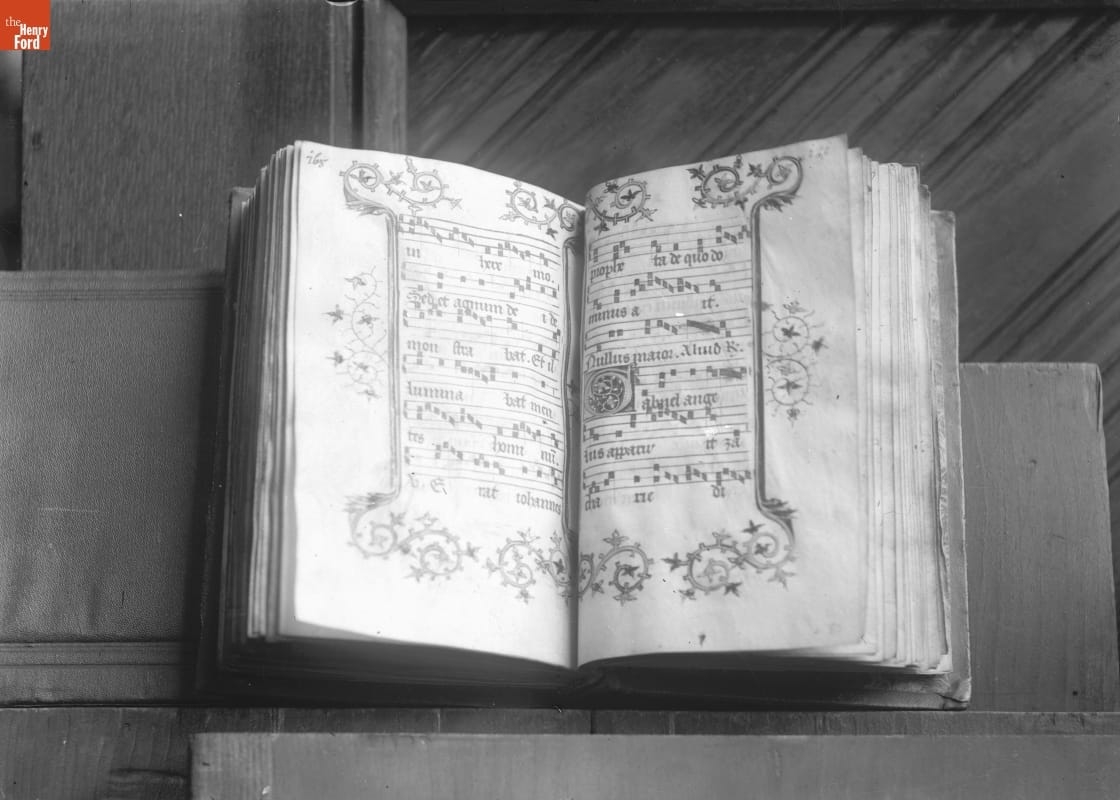
- Long Island Historical Museum, Old Music, 1890-1915 - In 1890, Jenny Young Chandler, 25 years old and recently widowed, began working for the <EM>New York Herald</EM>. As a photojournalist and feature writer, Chandler captured life in Brooklyn, New York, and vicinity. She also documented collections of private individuals and museums -- some of which were featured in magazine articles for collectors. By 1922, the time of her death, she had produced over 800 glass plate negatives.
- 1890-1915
- Collections - Artifact
Long Island Historical Museum, Old Music, 1890-1915
In 1890, Jenny Young Chandler, 25 years old and recently widowed, began working for the New York Herald. As a photojournalist and feature writer, Chandler captured life in Brooklyn, New York, and vicinity. She also documented collections of private individuals and museums -- some of which were featured in magazine articles for collectors. By 1922, the time of her death, she had produced over 800 glass plate negatives.
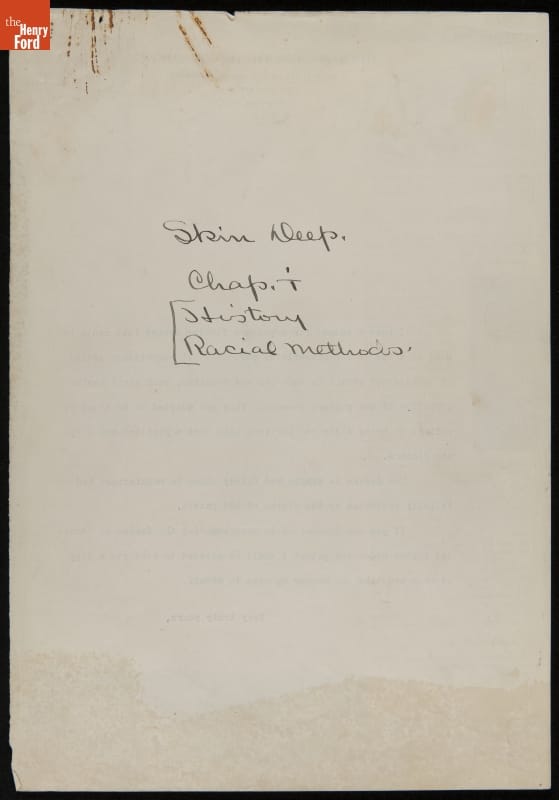
- Manuscript for the Book "Skin Deep," circa 1926 - Tattoos communicate stories. Their content ranges from deeply personal and traditional--to regrettable and frivolous. In the early 1900s, "Professor" Waters apprenticed as a tattoo artist in carnivals and New York's Bowery District. He ran a successful supply shop in Detroit (1918-1939), patenting the standard "two-coil" tattoo machine in 1929. Designs from his flash sheets continue to inspire tattooists today.
- circa 1926
- Collections - Artifact
Manuscript for the Book "Skin Deep," circa 1926
Tattoos communicate stories. Their content ranges from deeply personal and traditional--to regrettable and frivolous. In the early 1900s, "Professor" Waters apprenticed as a tattoo artist in carnivals and New York's Bowery District. He ran a successful supply shop in Detroit (1918-1939), patenting the standard "two-coil" tattoo machine in 1929. Designs from his flash sheets continue to inspire tattooists today.
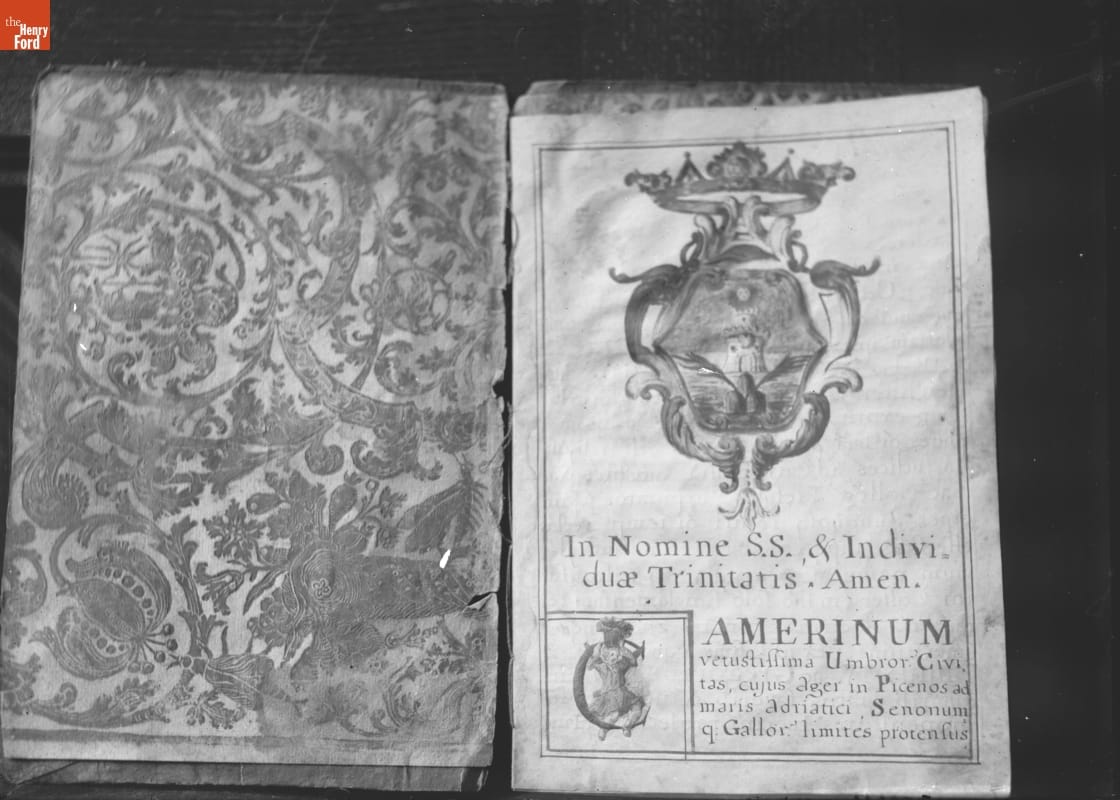
- Long Island Historical Museum, Manuscript Volume, 1890-1915 - In 1890, Jenny Young Chandler, 25 years old and recently widowed, began working for the <EM>New York Herald</EM>. As a photojournalist and feature writer, Chandler captured life in Brooklyn, New York, and vicinity. She also documented collections of private individuals and museums -- some of which were featured in magazine articles for collectors. By 1922, the time of her death, she had produced over 800 glass plate negatives.
- 1890-1915
- Collections - Artifact
Long Island Historical Museum, Manuscript Volume, 1890-1915
In 1890, Jenny Young Chandler, 25 years old and recently widowed, began working for the New York Herald. As a photojournalist and feature writer, Chandler captured life in Brooklyn, New York, and vicinity. She also documented collections of private individuals and museums -- some of which were featured in magazine articles for collectors. By 1922, the time of her death, she had produced over 800 glass plate negatives.
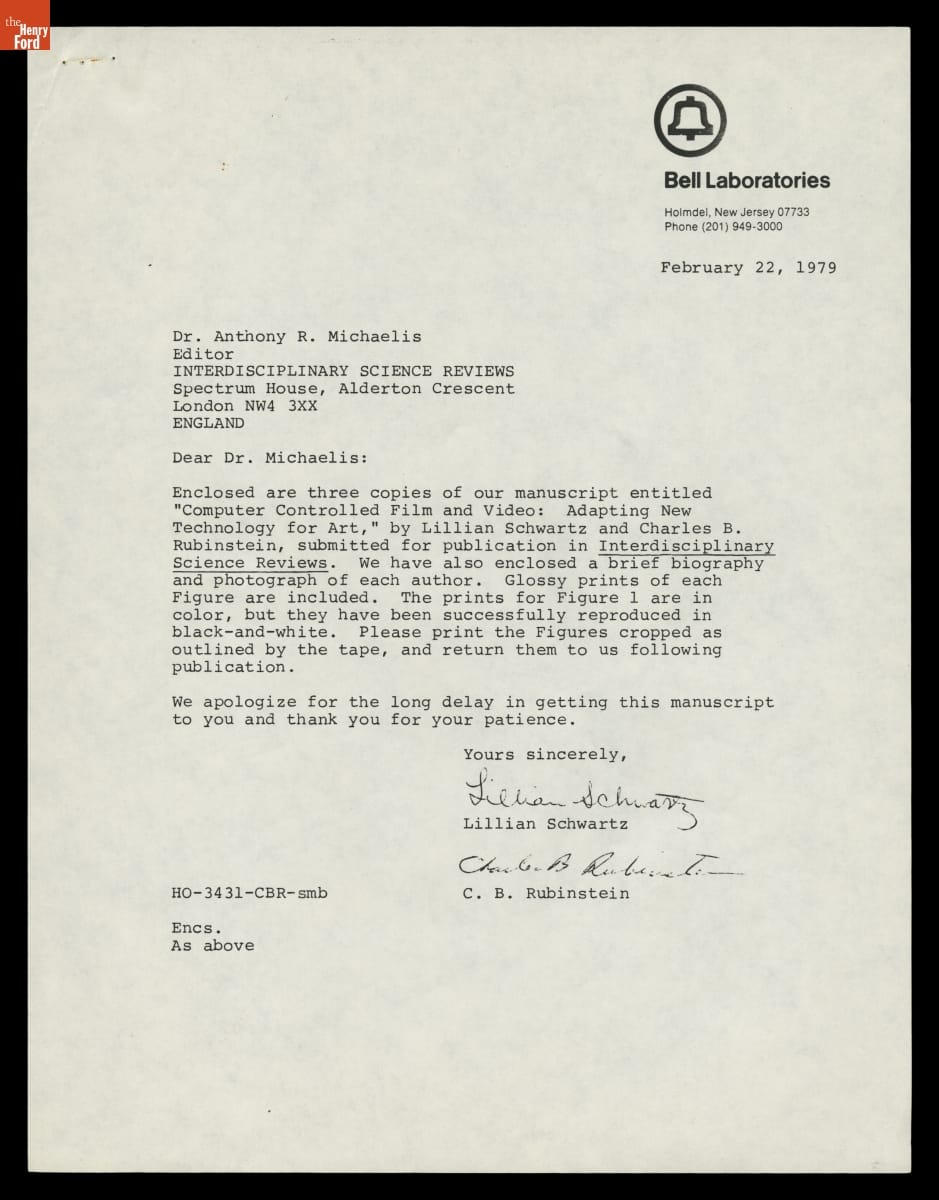
- Correspondence about Publishing Bell Laboratories Research on Computer-Generated Film and Video for Art, 1979 - Lillian Schwartz is a pioneer of computer-generated art. From 1969-2002, she was a "resident visitor" at Bell Laboratories, producing groundbreaking films, videos, and multimedia works. The Schwartz Collection spans Lillian's childhood into her late career, documenting an expansive mindset, mastery over traditional and experimental mediums alike--and above all--an ability to create inspirational connections between science, art, and technology.
- February 22, 1979
- Collections - Artifact
Correspondence about Publishing Bell Laboratories Research on Computer-Generated Film and Video for Art, 1979
Lillian Schwartz is a pioneer of computer-generated art. From 1969-2002, she was a "resident visitor" at Bell Laboratories, producing groundbreaking films, videos, and multimedia works. The Schwartz Collection spans Lillian's childhood into her late career, documenting an expansive mindset, mastery over traditional and experimental mediums alike--and above all--an ability to create inspirational connections between science, art, and technology.
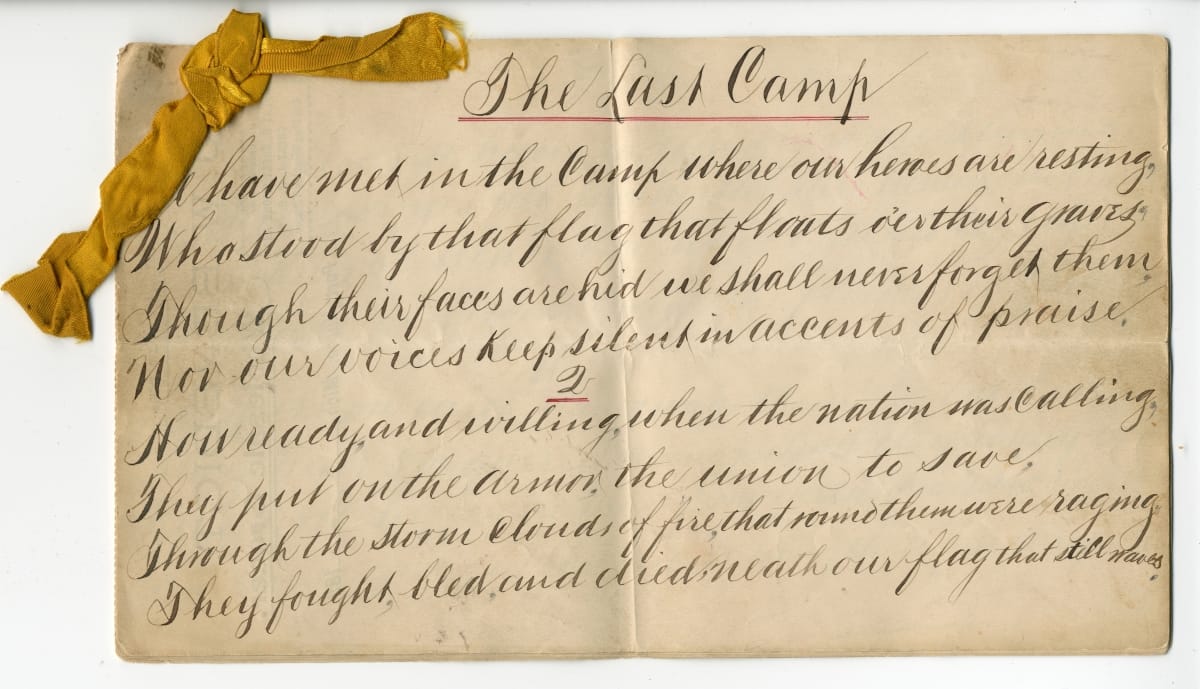
- Poem, "The Last Camp," 1872 and 1894 - This poem, written by J. Wesley Benedict, was read at a Memorial Day gathering in Port Huron, Michigan, in 1894. Benedict expressed gratitude for the sacrifices made by those who had fought the Civil War. The first nine stanzas, written in 1872, reflect the hardship of war and cost of freedom. The remaining four stanzas, added twenty years later, focus on reconciliation.
- 1861-1865
- Collections - Artifact
Poem, "The Last Camp," 1872 and 1894
This poem, written by J. Wesley Benedict, was read at a Memorial Day gathering in Port Huron, Michigan, in 1894. Benedict expressed gratitude for the sacrifices made by those who had fought the Civil War. The first nine stanzas, written in 1872, reflect the hardship of war and cost of freedom. The remaining four stanzas, added twenty years later, focus on reconciliation.
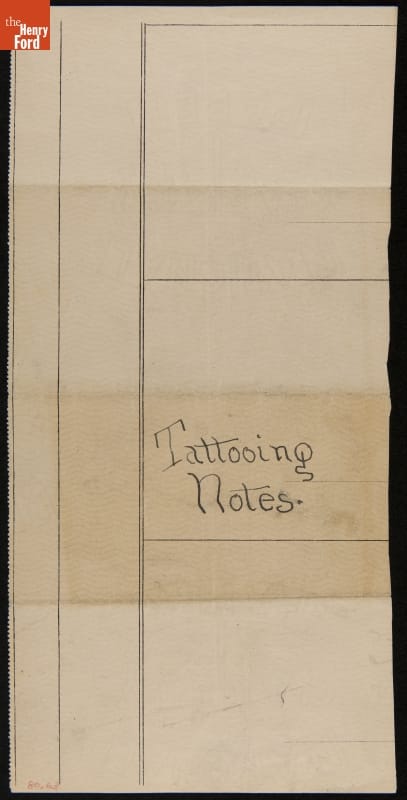
- Manuscript, "Tattooing Notes," by Harry V. Lawson, circa 1920 - Lawson's pamphlet, How to Do Tattooing, explains that a tattoo business can be started with just "a little nerve and a small bank roll." He encourages tattooists to be "ready for any emergency" with a collection of "flash" to apply to first time patients and circus sideshow hopefuls alike. A handwritten manuscript outlining tattoo removal remedies is also included here.
- circa 1920
- Collections - Artifact
Manuscript, "Tattooing Notes," by Harry V. Lawson, circa 1920
Lawson's pamphlet, How to Do Tattooing, explains that a tattoo business can be started with just "a little nerve and a small bank roll." He encourages tattooists to be "ready for any emergency" with a collection of "flash" to apply to first time patients and circus sideshow hopefuls alike. A handwritten manuscript outlining tattoo removal remedies is also included here.
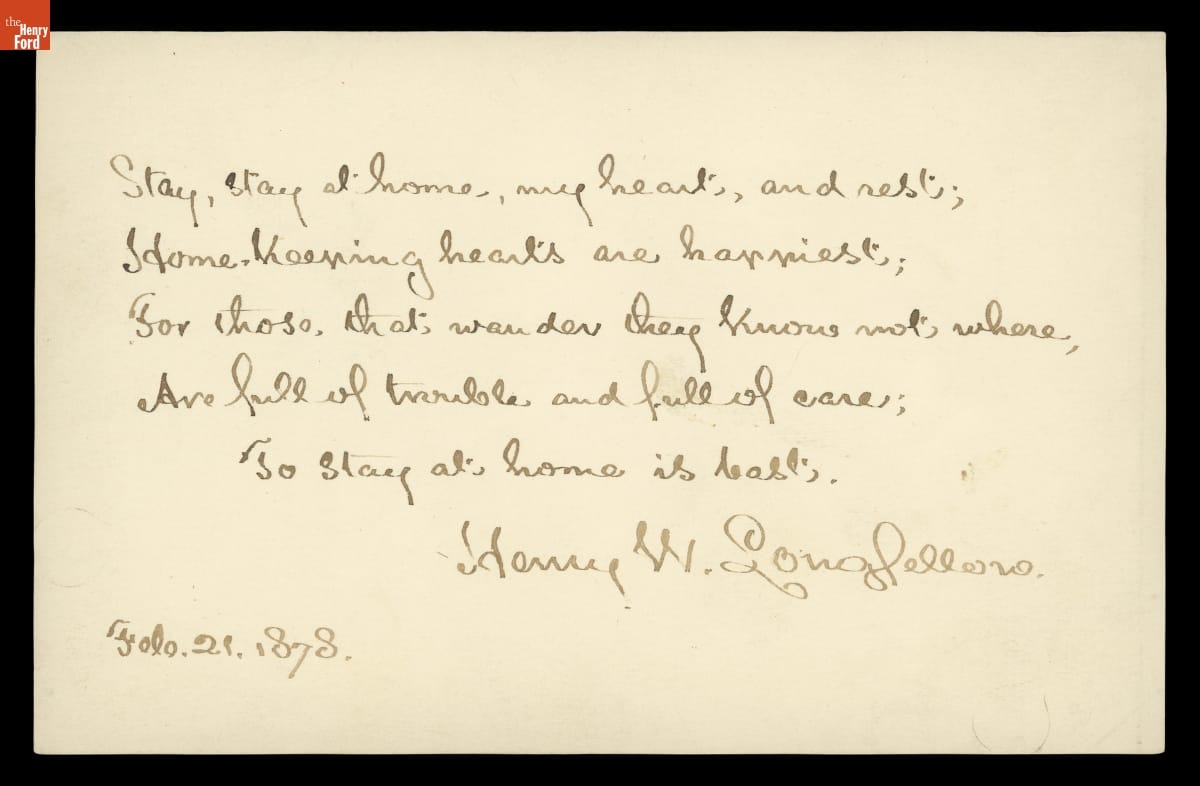
- Henry Wadsworth Longfellow Manuscript, "Stay at Home," 1878 - Henry Wadsworth Longfellow (1807-1882) was the most beloved American poet of the 19th century. His poems appealed to mid-19th-century Americans from all classes. Many of Longfellow's admirers wrote to him or came to his home in Cambridge, Massachusetts, to ask for his autograph. Longfellow--not wanting to disappoint--made every effort to grant those requests, even having a ready supply on hand to distribute.
- February 21, 1878
- Collections - Artifact
Henry Wadsworth Longfellow Manuscript, "Stay at Home," 1878
Henry Wadsworth Longfellow (1807-1882) was the most beloved American poet of the 19th century. His poems appealed to mid-19th-century Americans from all classes. Many of Longfellow's admirers wrote to him or came to his home in Cambridge, Massachusetts, to ask for his autograph. Longfellow--not wanting to disappoint--made every effort to grant those requests, even having a ready supply on hand to distribute.
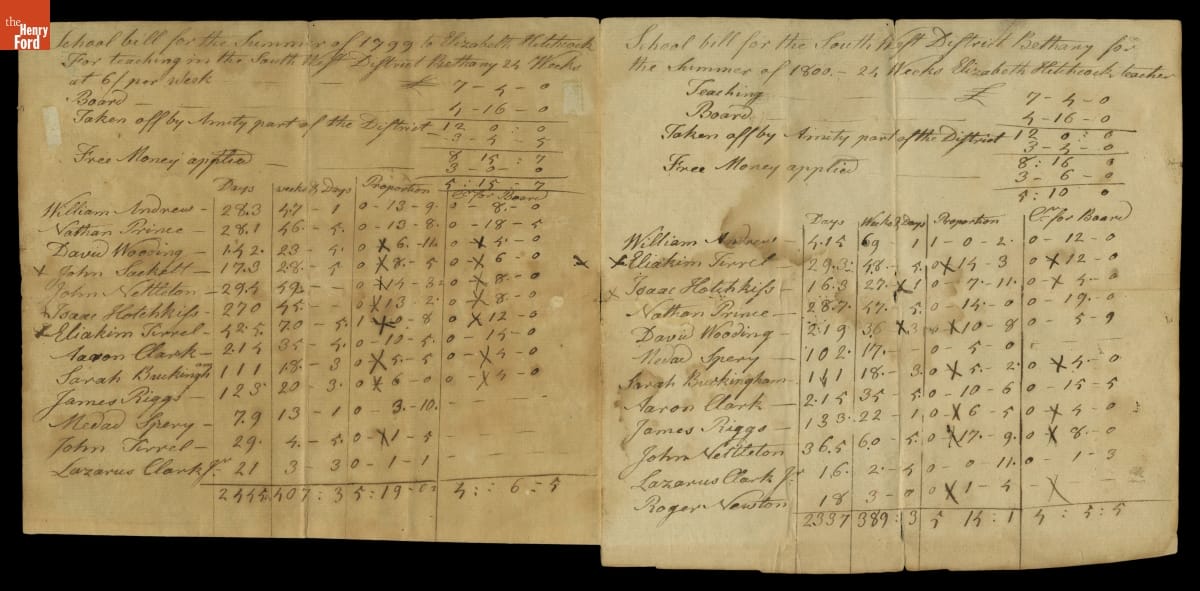
- Bill from Elizabeth Hitchcock for Teaching School in the Southwest District of Bethany, Summers of 1799 and 1800 - In the early United States, schools were organized if the local community desired them, and generally parents had to pay for their children to attend. This is a hand-written bill from a teacher in Bethany, Connecticut. Parents were billed for their children's education as well as the teacher's board (food and shelter).
- 1799-1800
- Collections - Artifact
Bill from Elizabeth Hitchcock for Teaching School in the Southwest District of Bethany, Summers of 1799 and 1800
In the early United States, schools were organized if the local community desired them, and generally parents had to pay for their children to attend. This is a hand-written bill from a teacher in Bethany, Connecticut. Parents were billed for their children's education as well as the teacher's board (food and shelter).
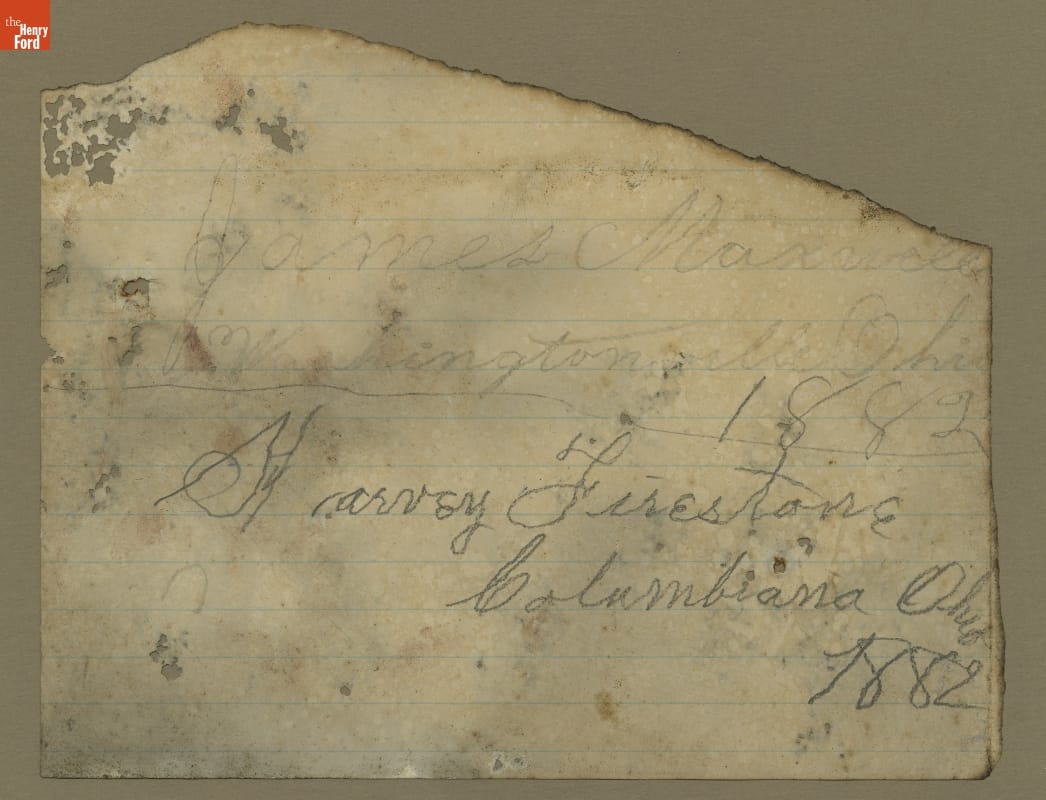
- Handwritten Note from 1882 Found in Firestone Farmhouse during Dismantling for Moving to Greenfield Village, 1983-1984 - In 1983, workers disassembled tire magnate Harvey Firestone's childhood home--a farmhouse in eastern Ohio destined for Greenfield Village. They were surprised to find a slip of paper behind a section of plaster ceiling. It had been left by 14-year-old Harvey and the 12-year-old son of a local plasterer in 1882. The note confirmed the date of a 19th-century home renovation, enabling an accurate reconstruction.
- 1882
- Collections - Artifact
Handwritten Note from 1882 Found in Firestone Farmhouse during Dismantling for Moving to Greenfield Village, 1983-1984
In 1983, workers disassembled tire magnate Harvey Firestone's childhood home--a farmhouse in eastern Ohio destined for Greenfield Village. They were surprised to find a slip of paper behind a section of plaster ceiling. It had been left by 14-year-old Harvey and the 12-year-old son of a local plasterer in 1882. The note confirmed the date of a 19th-century home renovation, enabling an accurate reconstruction.
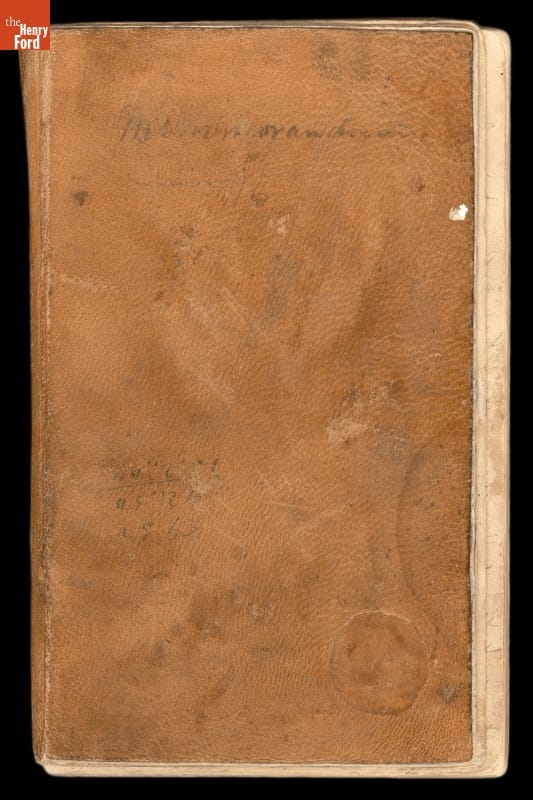
- Diary of a Young Man Journeying Westward across America to California, 1860-1862 -
- 1860-1862
- Collections - Artifact
Diary of a Young Man Journeying Westward across America to California, 1860-1862