
Search
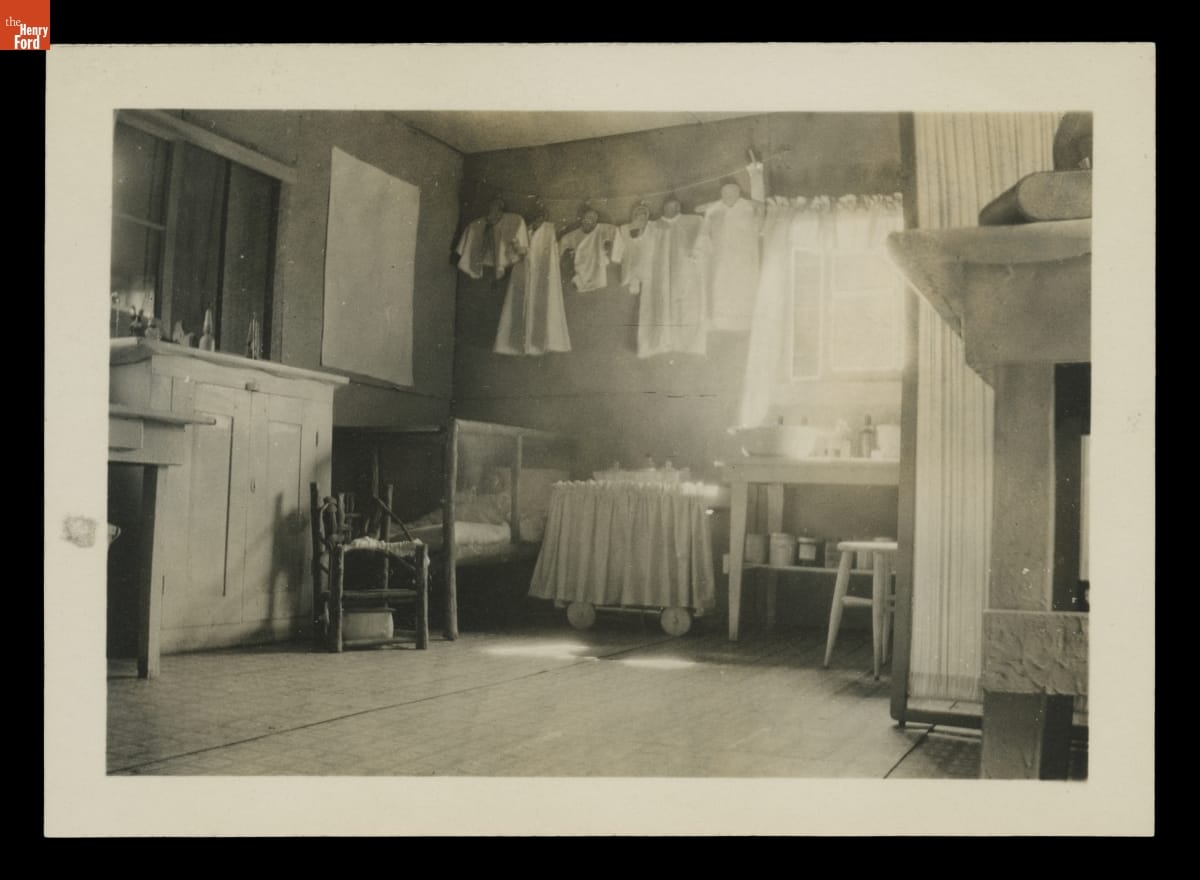
- "Corner of Dispensary in the Temporary Quarters of the Kentucky Committee at Hyden," 1927-1929 - Mary Breckinridge, the daughter of a prominent Southern family, established the Frontier Nursing Service (FNS) in 1925. Breckinridge initially backed the enterprise with her own money, but soon cultivated wealthy individuals, including Clara Ford and her son Edsel, to help support the FNS. Through her philanthropic efforts, Breckinridge brought qualified nurse-midwives and modern, life-saving healthcare to many inaccessible areas of eastern Kentucky.
- 1927-1929
- Collections - Artifact
"Corner of Dispensary in the Temporary Quarters of the Kentucky Committee at Hyden," 1927-1929
Mary Breckinridge, the daughter of a prominent Southern family, established the Frontier Nursing Service (FNS) in 1925. Breckinridge initially backed the enterprise with her own money, but soon cultivated wealthy individuals, including Clara Ford and her son Edsel, to help support the FNS. Through her philanthropic efforts, Breckinridge brought qualified nurse-midwives and modern, life-saving healthcare to many inaccessible areas of eastern Kentucky.
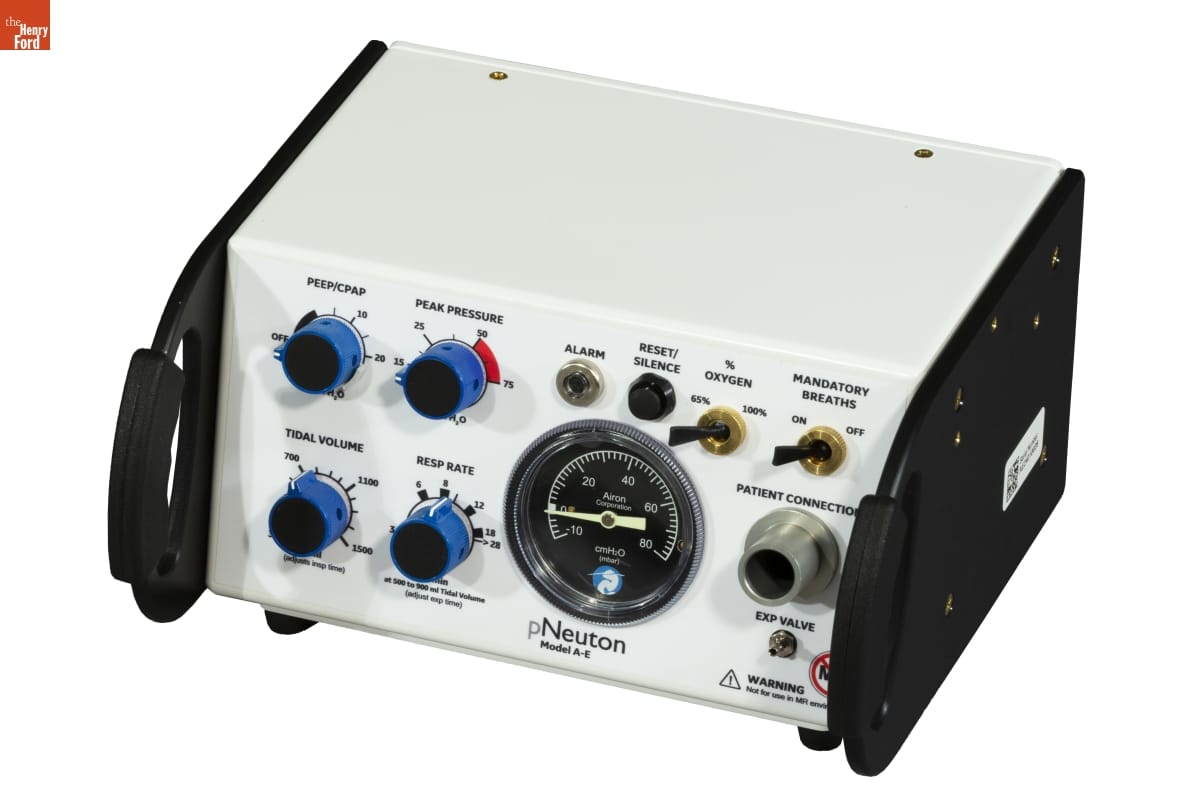
- pNeuton Model A-E Pneumatic Ventilator, 2020 - Early in the COVID-19 pandemic in the United States, ventilators were in short supply. Many infected patients developed respiratory complications and required these machines to breathe for them. Ford Motor Company converted part of a factory to build more than 51,000 ventilators over the spring and summer of 2020. The project recalled American automakers' production efforts during World War II.
- 2020
- Collections - Artifact
pNeuton Model A-E Pneumatic Ventilator, 2020
Early in the COVID-19 pandemic in the United States, ventilators were in short supply. Many infected patients developed respiratory complications and required these machines to breathe for them. Ford Motor Company converted part of a factory to build more than 51,000 ventilators over the spring and summer of 2020. The project recalled American automakers' production efforts during World War II.
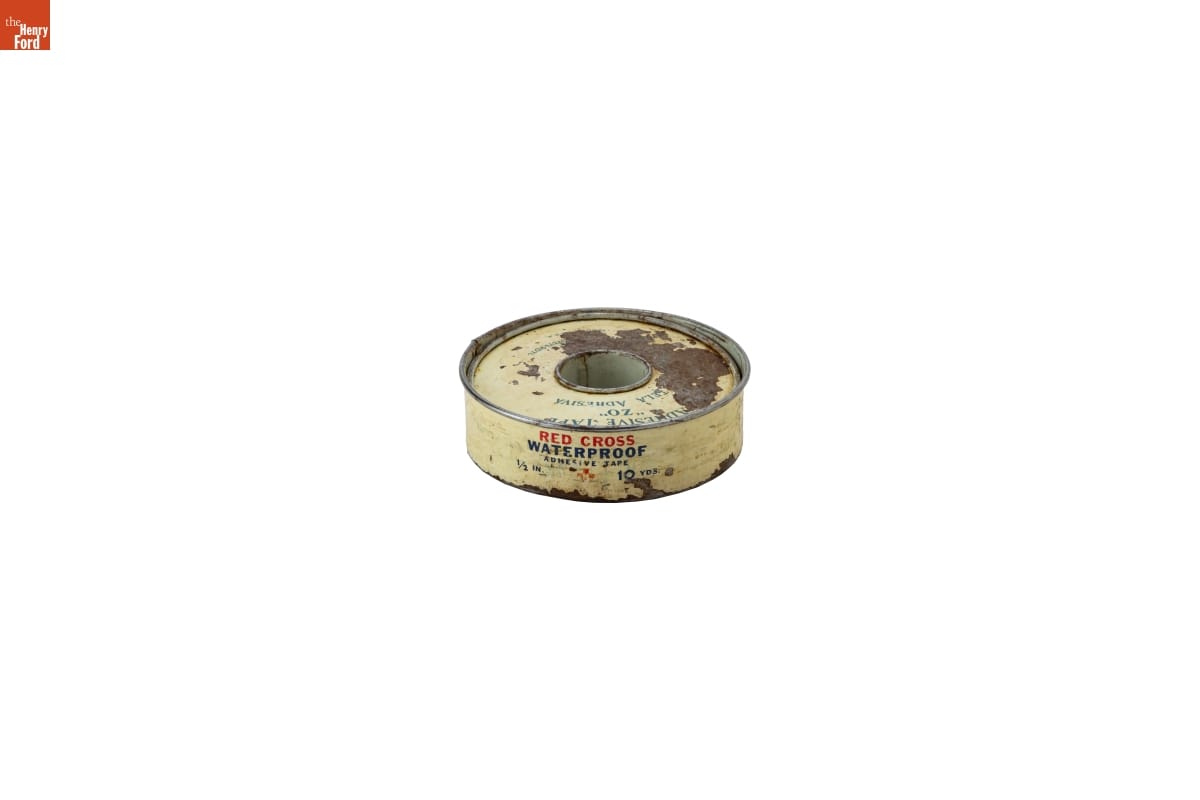
- Adhesive Tape - Medical adhesive tape helps secure bandages around wounds or wrap bone, joint, or soft tissue injuries. Early medical tapes developed in the mid-19th century used a rubber-based adhesive mixed with other compounds that often irritated the skin. In 1899, Johnson and Johnson developed adhesive plasters infused with anti-bacterial zinc oxide, and by the mid-1900s, it had developed a waterproof adhesive tape.
- Collections - Artifact
Adhesive Tape
Medical adhesive tape helps secure bandages around wounds or wrap bone, joint, or soft tissue injuries. Early medical tapes developed in the mid-19th century used a rubber-based adhesive mixed with other compounds that often irritated the skin. In 1899, Johnson and Johnson developed adhesive plasters infused with anti-bacterial zinc oxide, and by the mid-1900s, it had developed a waterproof adhesive tape.
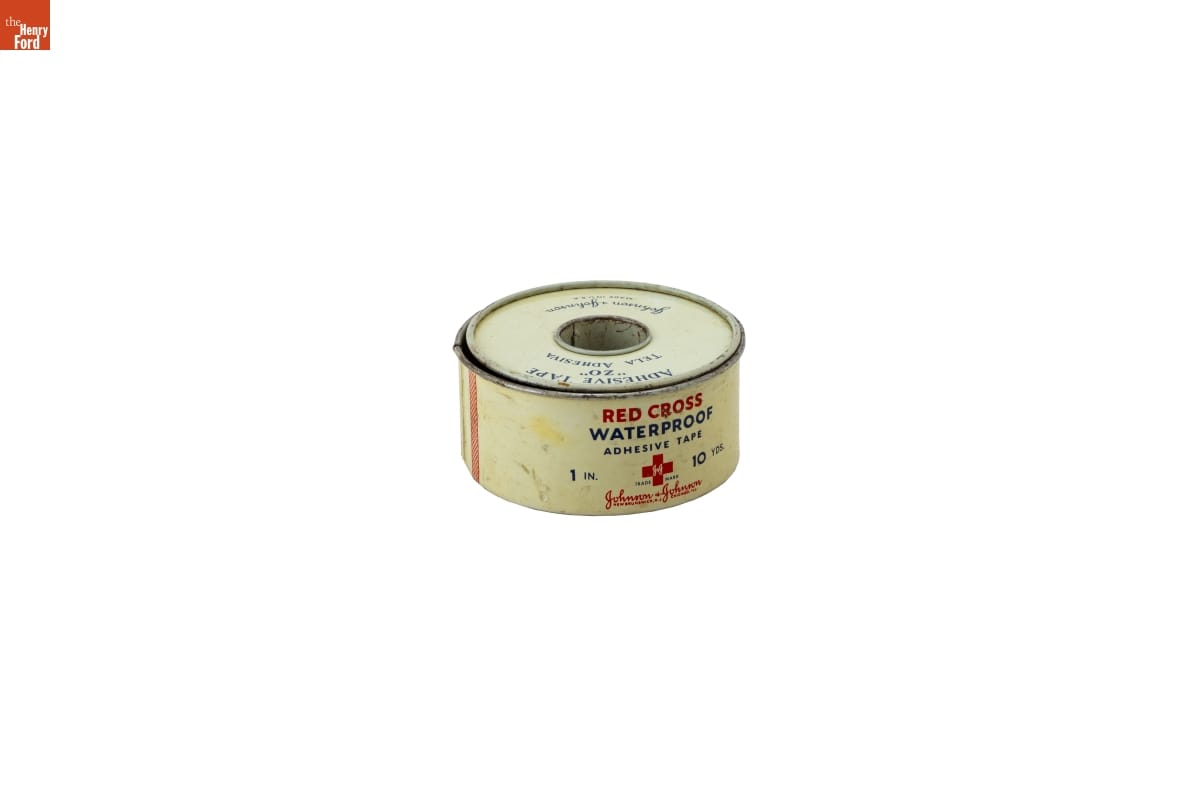
- Adhesive Tape - Medical adhesive tape helps secure bandages around wounds or wrap bone, joint, or soft tissue injuries. Early medical tapes developed in the mid-19th century used a rubber-based adhesive mixed with other compounds that often irritated the skin. In 1899, Johnson and Johnson developed adhesive plasters infused with anti-bacterial zinc oxide, and by the mid-1900s, it had developed a waterproof adhesive tape.
- Collections - Artifact
Adhesive Tape
Medical adhesive tape helps secure bandages around wounds or wrap bone, joint, or soft tissue injuries. Early medical tapes developed in the mid-19th century used a rubber-based adhesive mixed with other compounds that often irritated the skin. In 1899, Johnson and Johnson developed adhesive plasters infused with anti-bacterial zinc oxide, and by the mid-1900s, it had developed a waterproof adhesive tape.
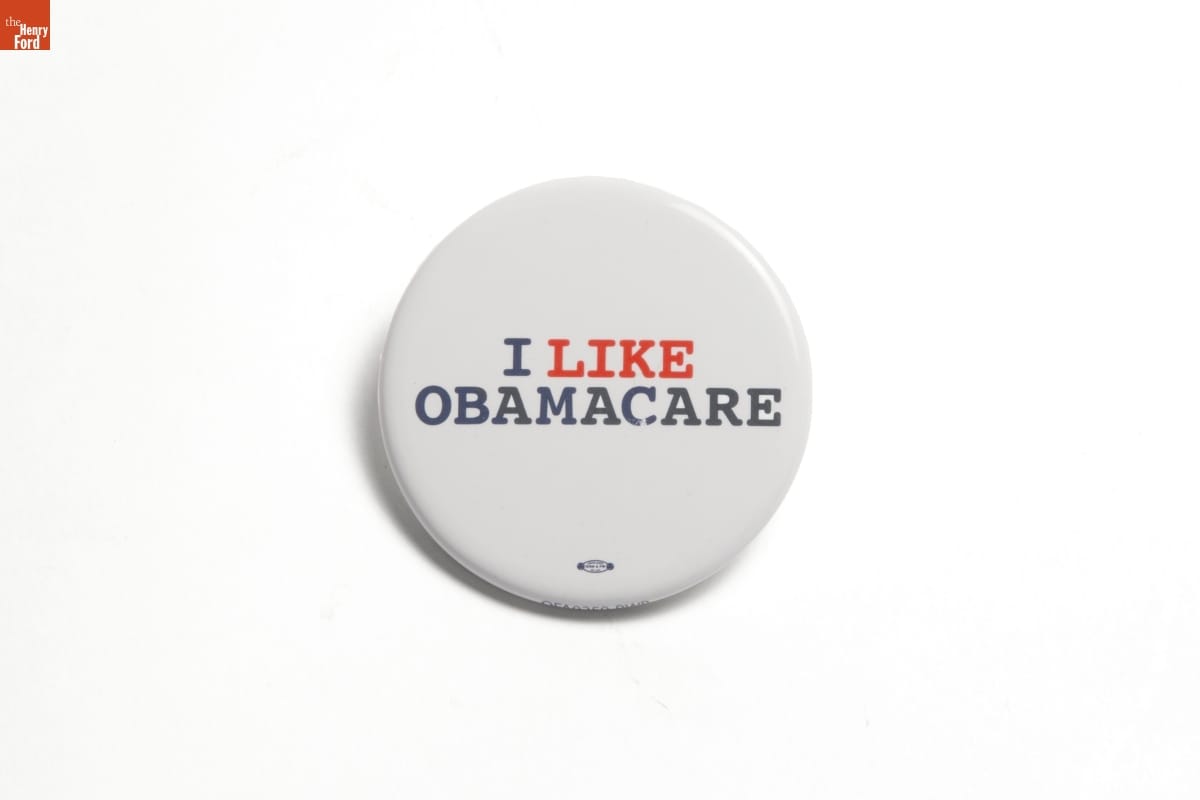
- "I Like Obamacare" Button, 2012 -
- 2012
- Collections - Artifact
"I Like Obamacare" Button, 2012
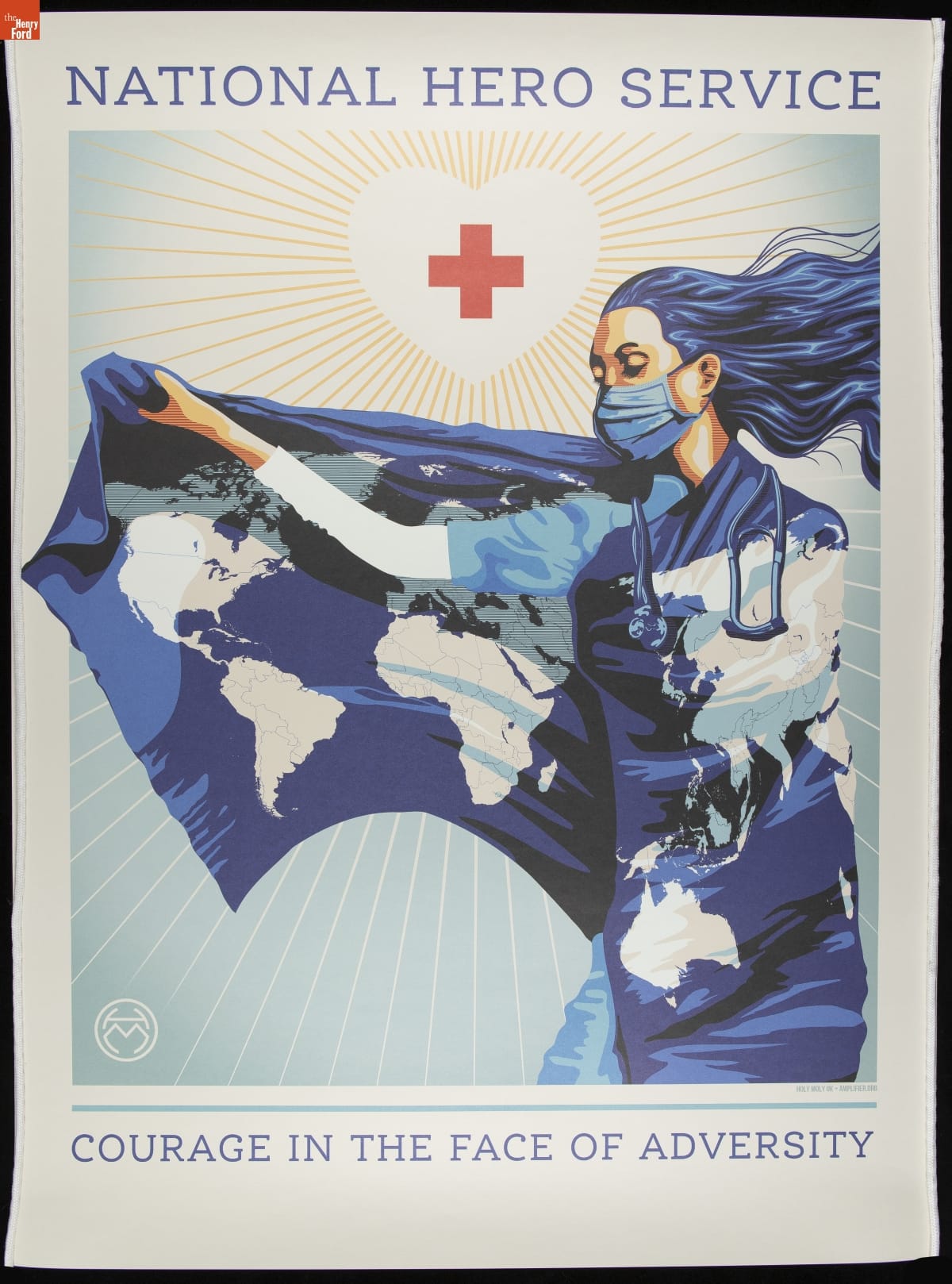
- Poster, "National Hero Service, Change in the Face of Adversity," 2020 -
- 2020
- Collections - Artifact
Poster, "National Hero Service, Change in the Face of Adversity," 2020
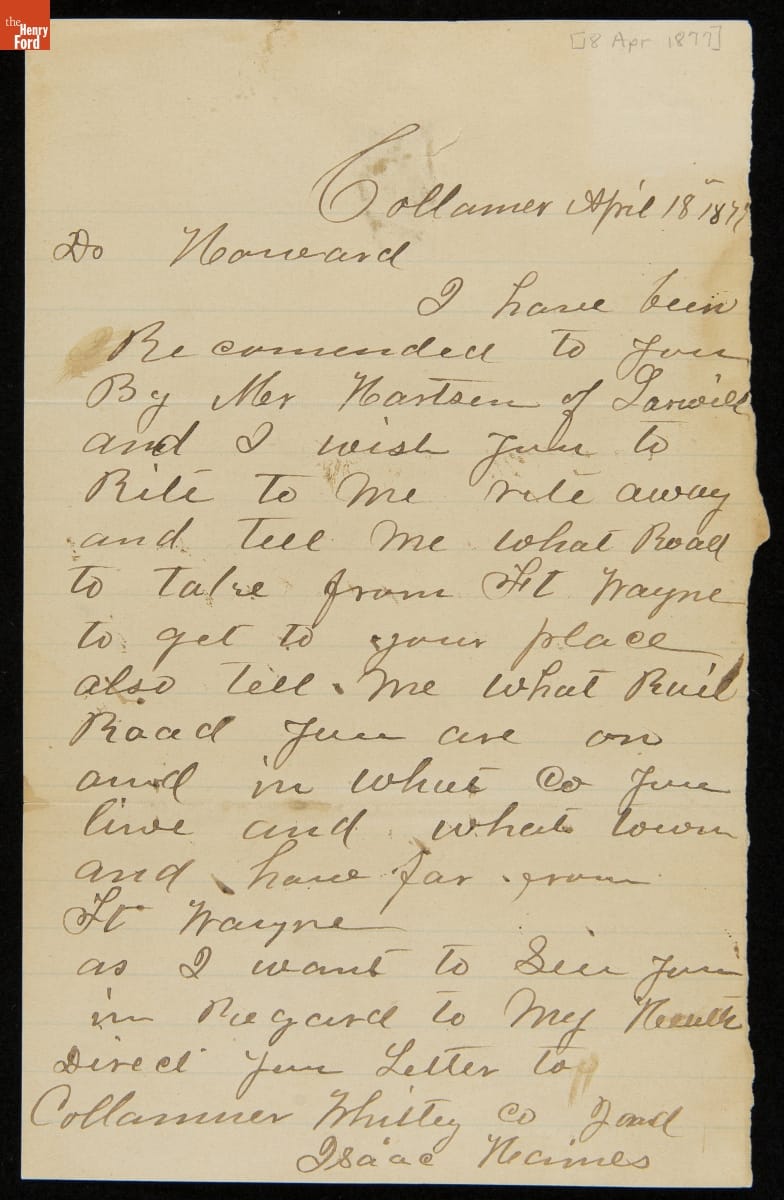
- Letter from Isaac Haines to Dr. Alonson Howard, April 18, 1877 -
- April 18, 1877
- Collections - Artifact
Letter from Isaac Haines to Dr. Alonson Howard, April 18, 1877
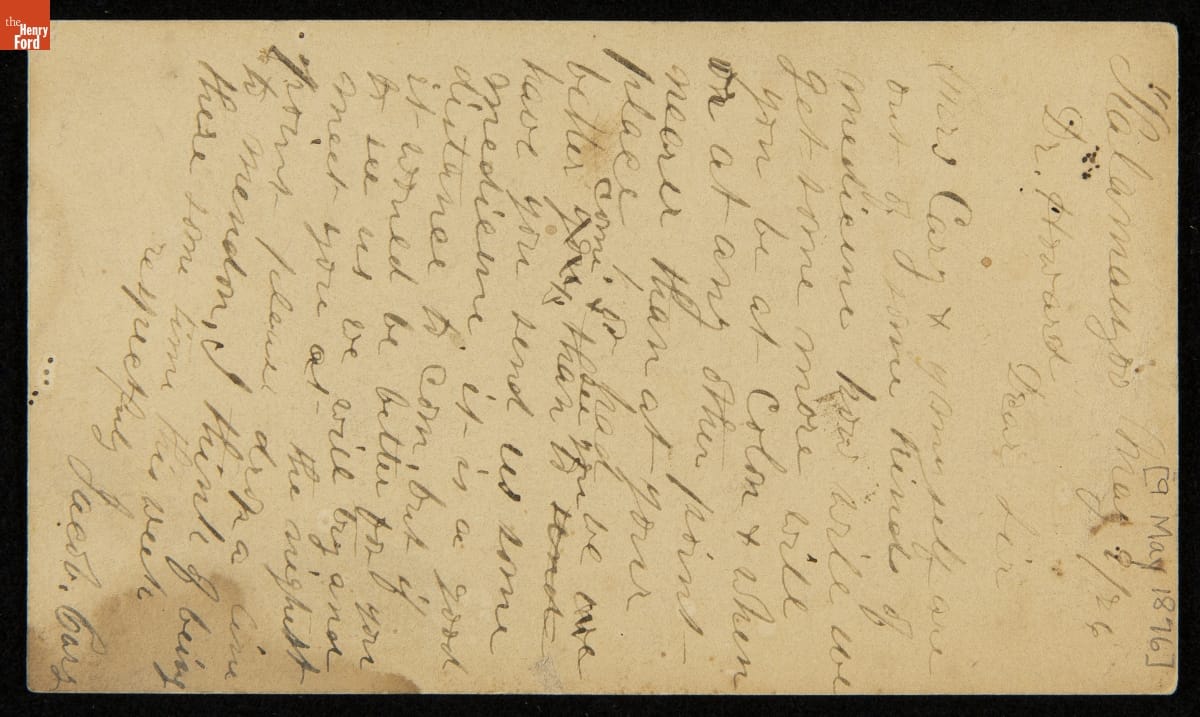
- Letter from Jacob Cary to Dr. Alonson Howard, May 9, 1876 -
- May 09, 1876
- Collections - Artifact
Letter from Jacob Cary to Dr. Alonson Howard, May 9, 1876
- Stone Cold Systems Ice-Less Vaccine Refrigerator, 2018 -
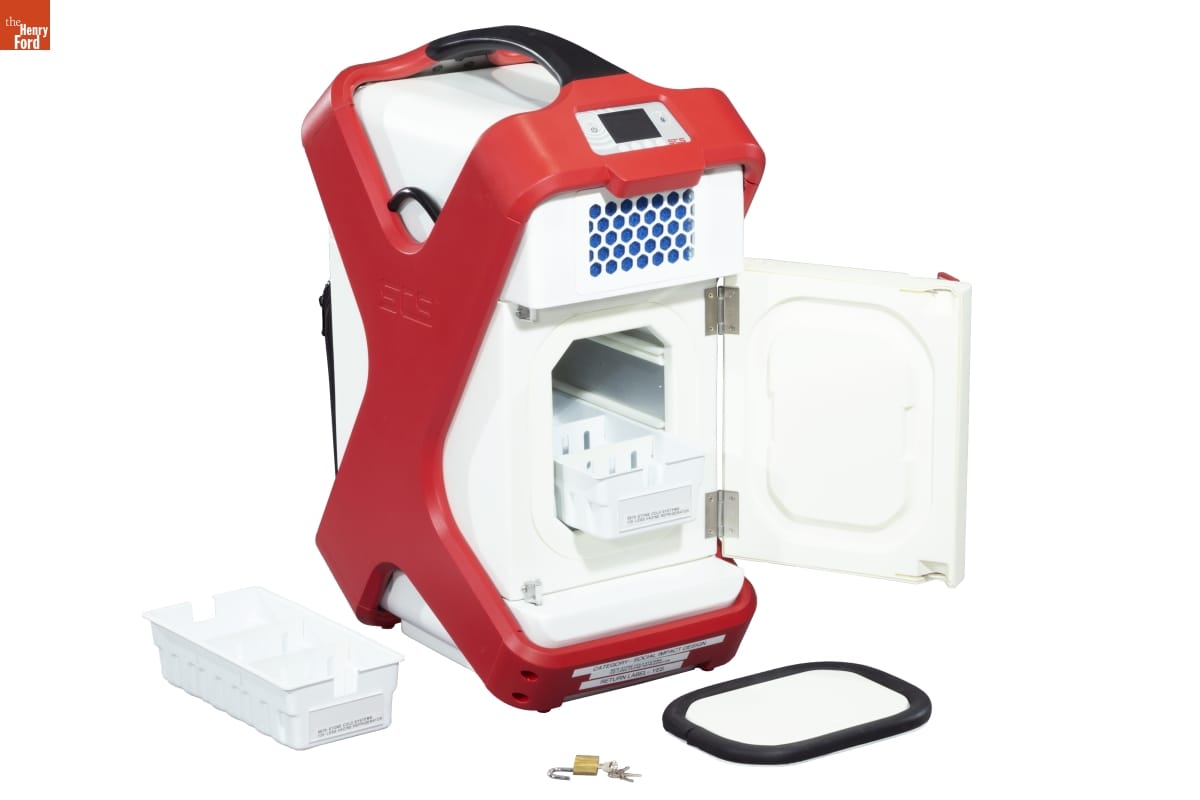
- 2017-2018
- Collections - Artifact
Stone Cold Systems Ice-Less Vaccine Refrigerator, 2018
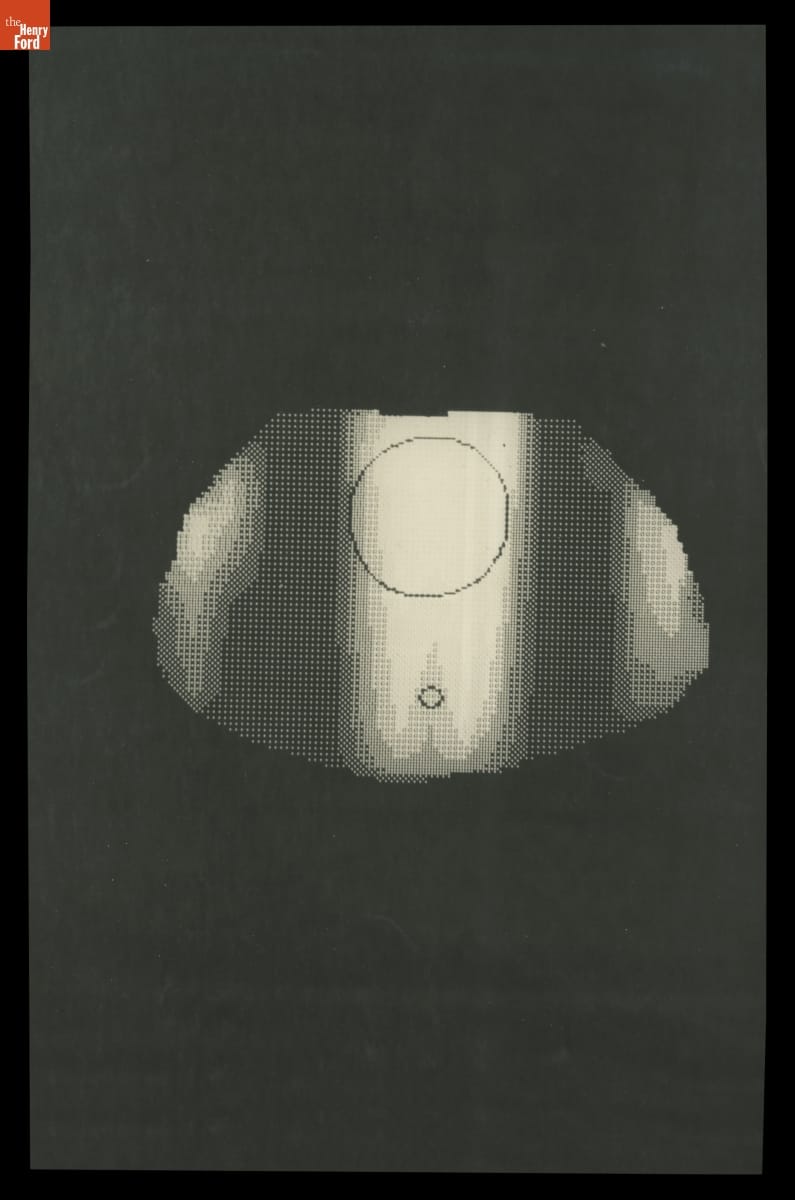
- Computer-Generated Image for Planning Radiotherapy Treatment, 1973 - Lillian Schwartz is a pioneer of computer-generated art. From 1969-2002, she was a "resident visitor" at Bell Laboratories, producing groundbreaking films, videos, and multimedia works. The Schwartz Collection spans Lillian's childhood into her late career, documenting an expansive mindset, mastery over traditional and experimental mediums alike--and above all--an ability to create inspirational connections between science, art, and technology.
- 1973
- Collections - Artifact
Computer-Generated Image for Planning Radiotherapy Treatment, 1973
Lillian Schwartz is a pioneer of computer-generated art. From 1969-2002, she was a "resident visitor" at Bell Laboratories, producing groundbreaking films, videos, and multimedia works. The Schwartz Collection spans Lillian's childhood into her late career, documenting an expansive mindset, mastery over traditional and experimental mediums alike--and above all--an ability to create inspirational connections between science, art, and technology.