
Search
- Program, "Mendelssohn Quintette Club Concert," Young Men's Hall, Detroit, Michigan, November 7, 1871 -
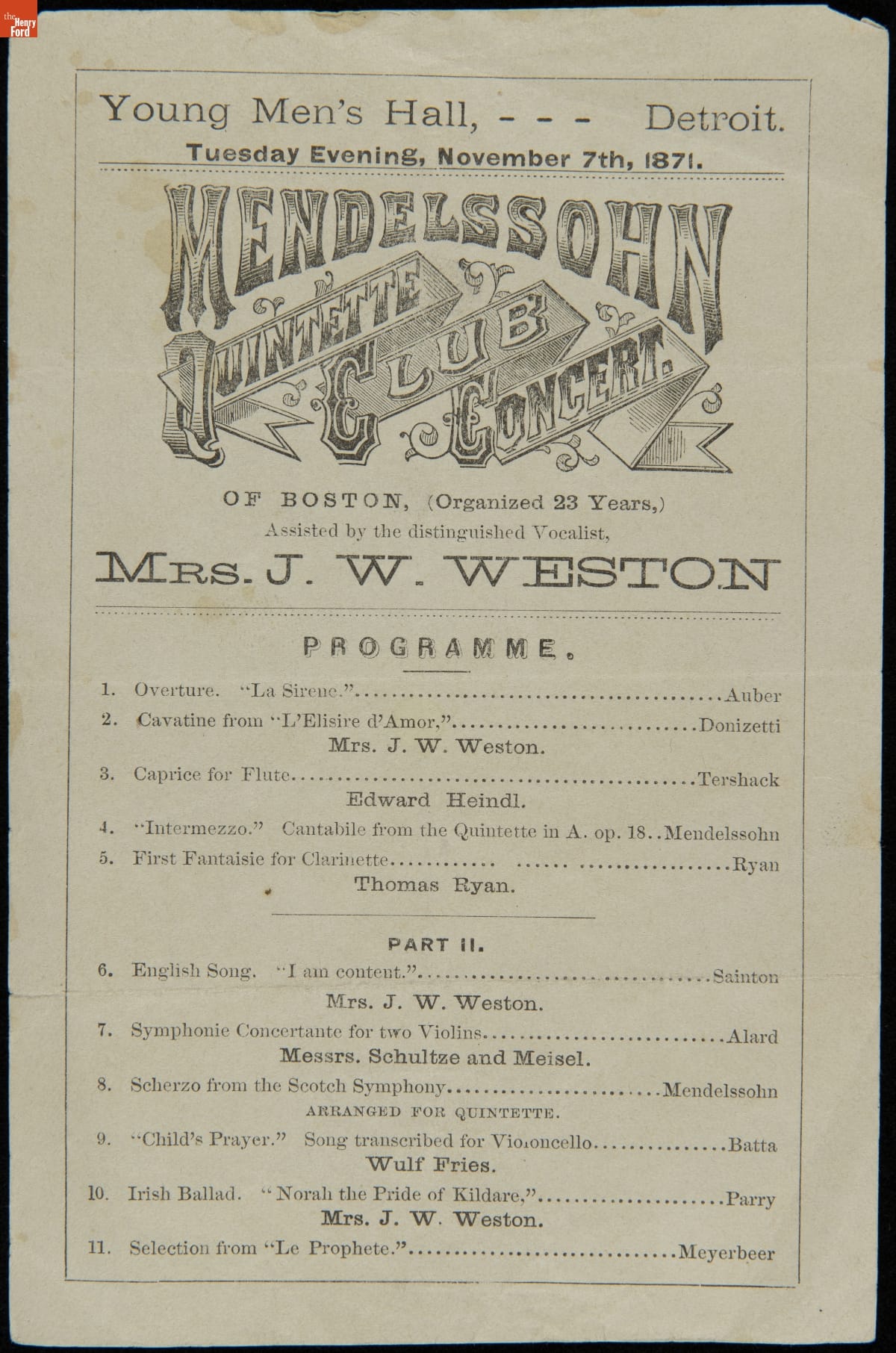
- November 07, 1871
- Collections - Artifact
Program, "Mendelssohn Quintette Club Concert," Young Men's Hall, Detroit, Michigan, November 7, 1871
- Woman with Basket of Fruit, New Orleans, Louisiana, circa 1905 -
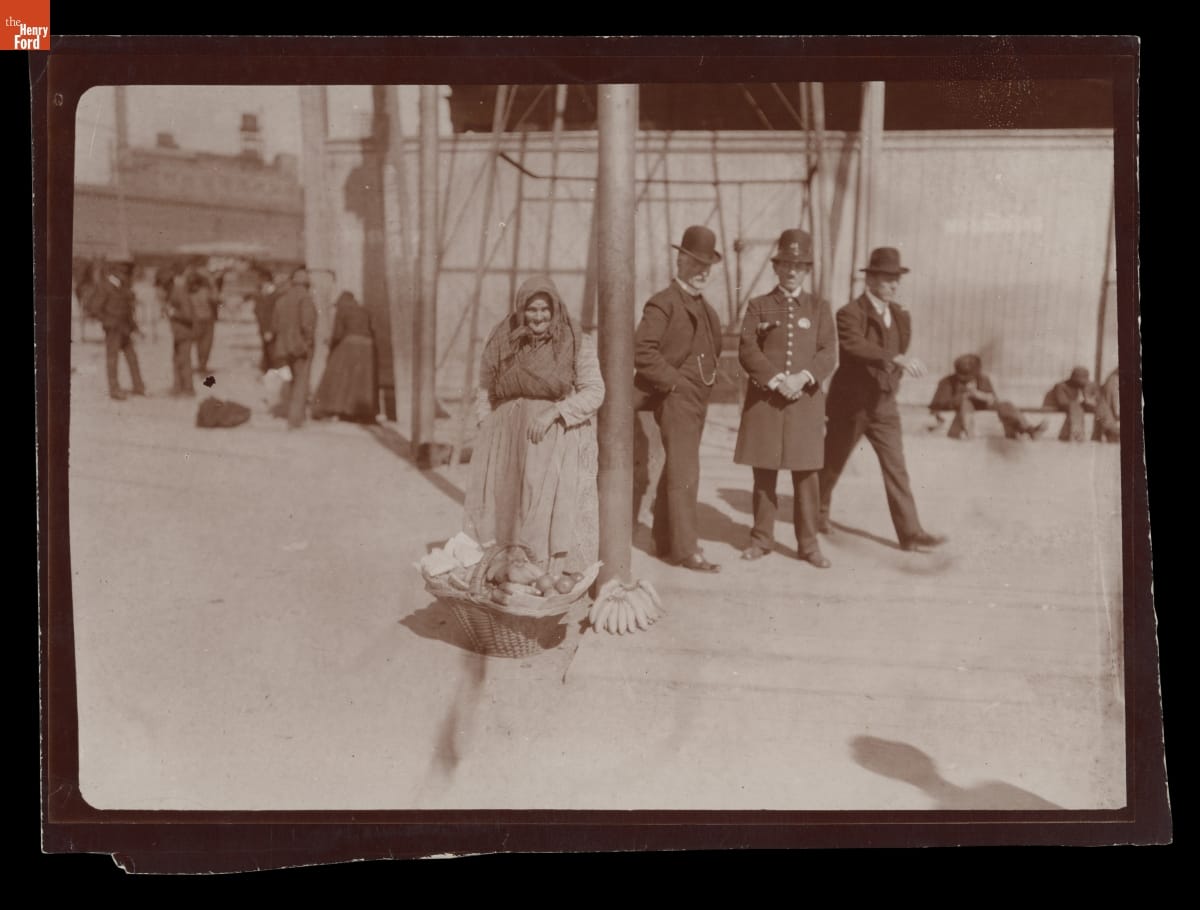
- circa 1905
- Collections - Artifact
Woman with Basket of Fruit, New Orleans, Louisiana, circa 1905
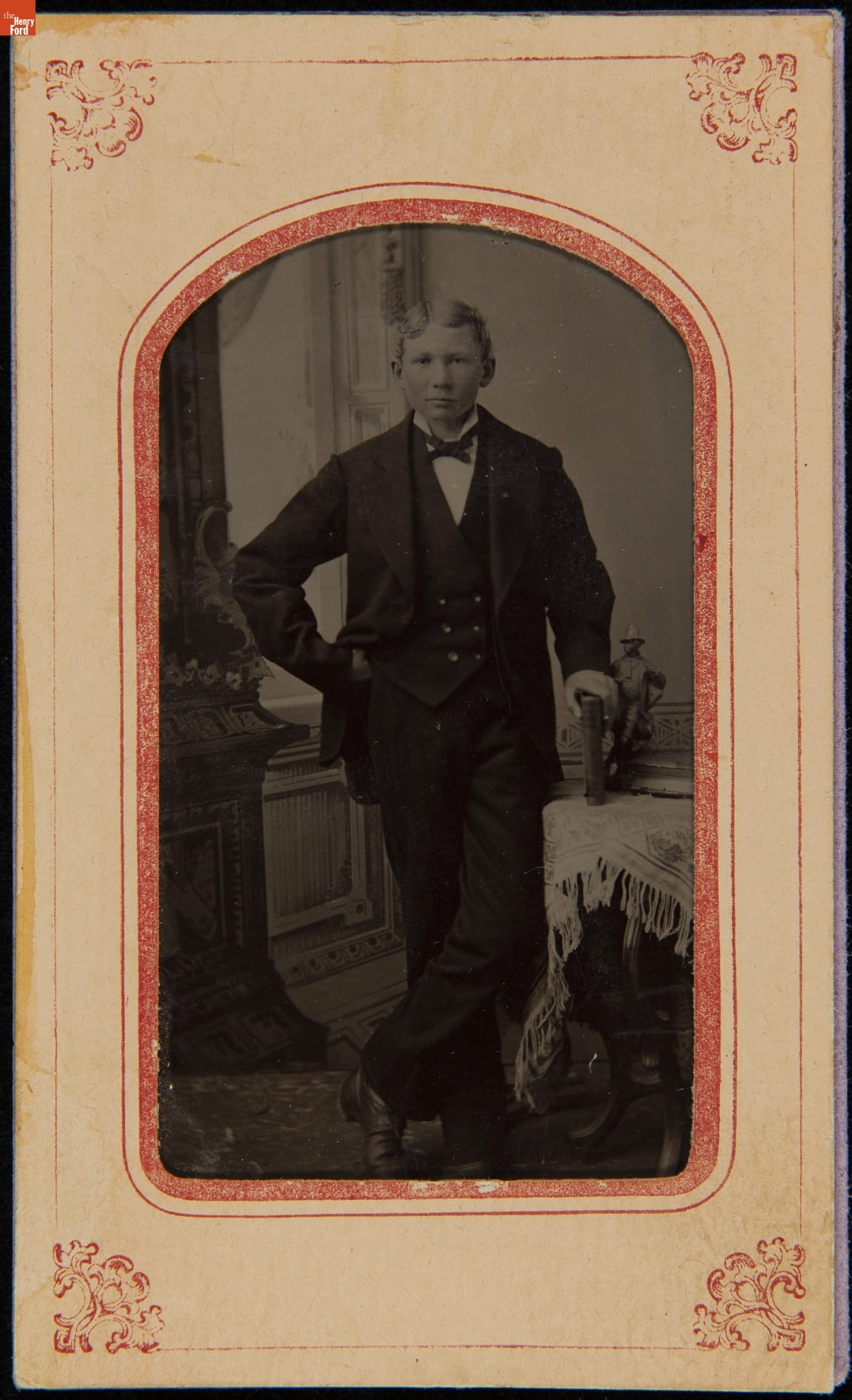
- Young Man with a Book, circa 1875 - Tintypes, the popular "instant photographs" of the 19th century, could be produced in a matter of minutes at a price most people could afford. Tintypes democratized photography. Beginning in the mid-1850s, they gave more people than ever before the chance to have a real likeness of themselves--capturing unique glimpses of how everyday Americans looked and lived.
- circa 1875
- Collections - Artifact
Young Man with a Book, circa 1875
Tintypes, the popular "instant photographs" of the 19th century, could be produced in a matter of minutes at a price most people could afford. Tintypes democratized photography. Beginning in the mid-1850s, they gave more people than ever before the chance to have a real likeness of themselves--capturing unique glimpses of how everyday Americans looked and lived.
- Portrait of a Man with Mustache and Goatee, 1880-1889 -
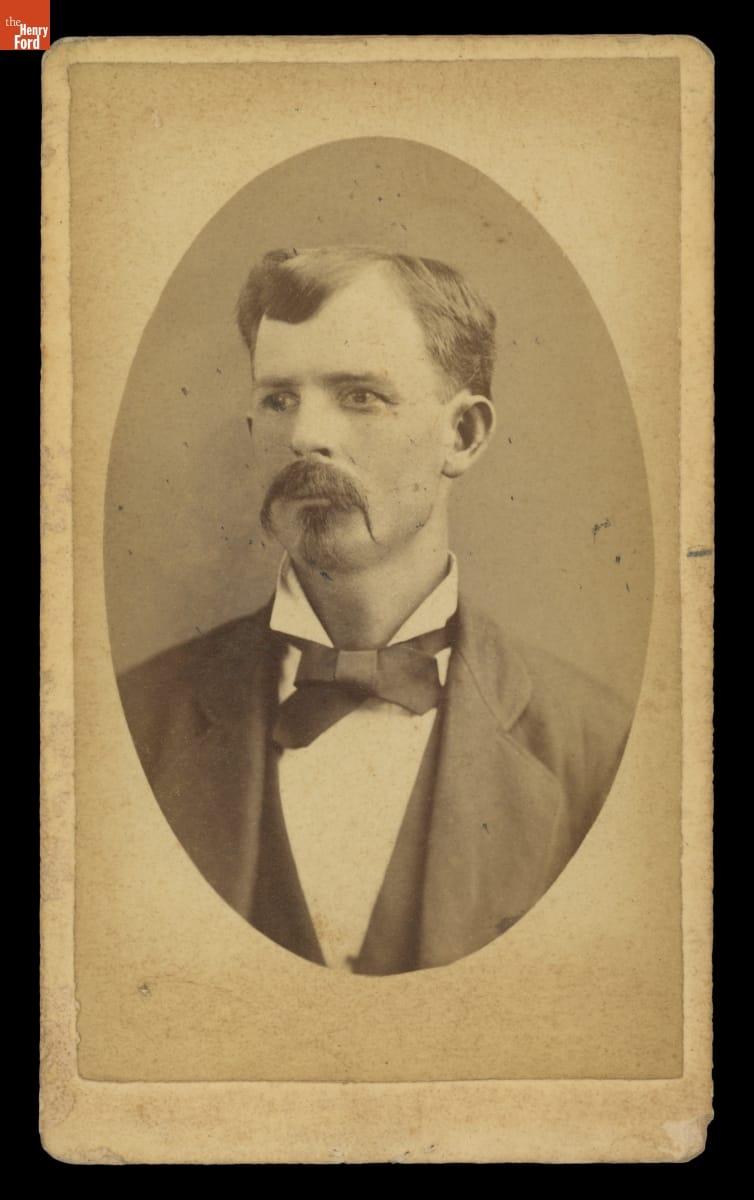
- 1880-1889
- Collections - Artifact
Portrait of a Man with Mustache and Goatee, 1880-1889
- Dining Car, Pennsylvania Limited, Pennsylvania Railroad, circa 1900 - Railroads took pride in their dining cars. They were expensive to operate, but quality food and service helped a railroad distinguish itself from competitors. For African Americans, working on a railroad dining car was one of the few avenues available to enter the Black middle class in the 19th and early 20th centuries.
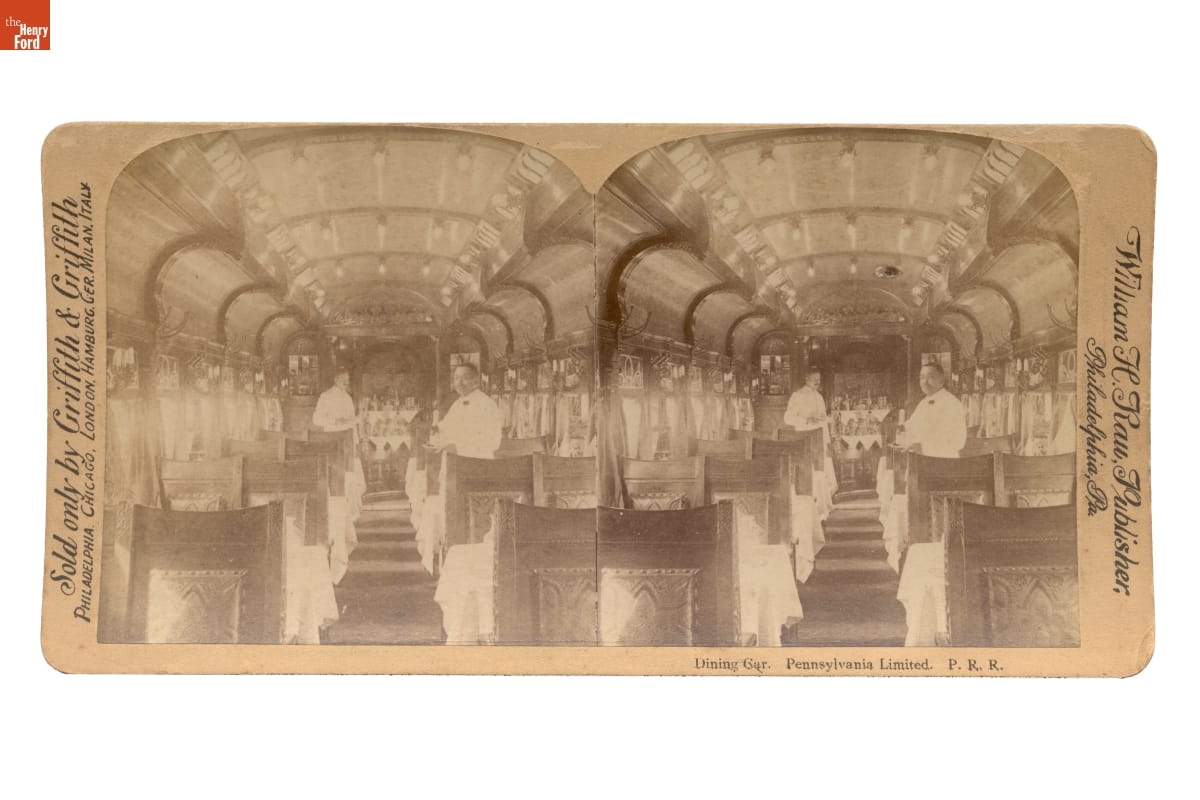
- circa 1900
- Collections - Artifact
Dining Car, Pennsylvania Limited, Pennsylvania Railroad, circa 1900
Railroads took pride in their dining cars. They were expensive to operate, but quality food and service helped a railroad distinguish itself from competitors. For African Americans, working on a railroad dining car was one of the few avenues available to enter the Black middle class in the 19th and early 20th centuries.
- Man with Bushy Sideburns, circa 1868 -
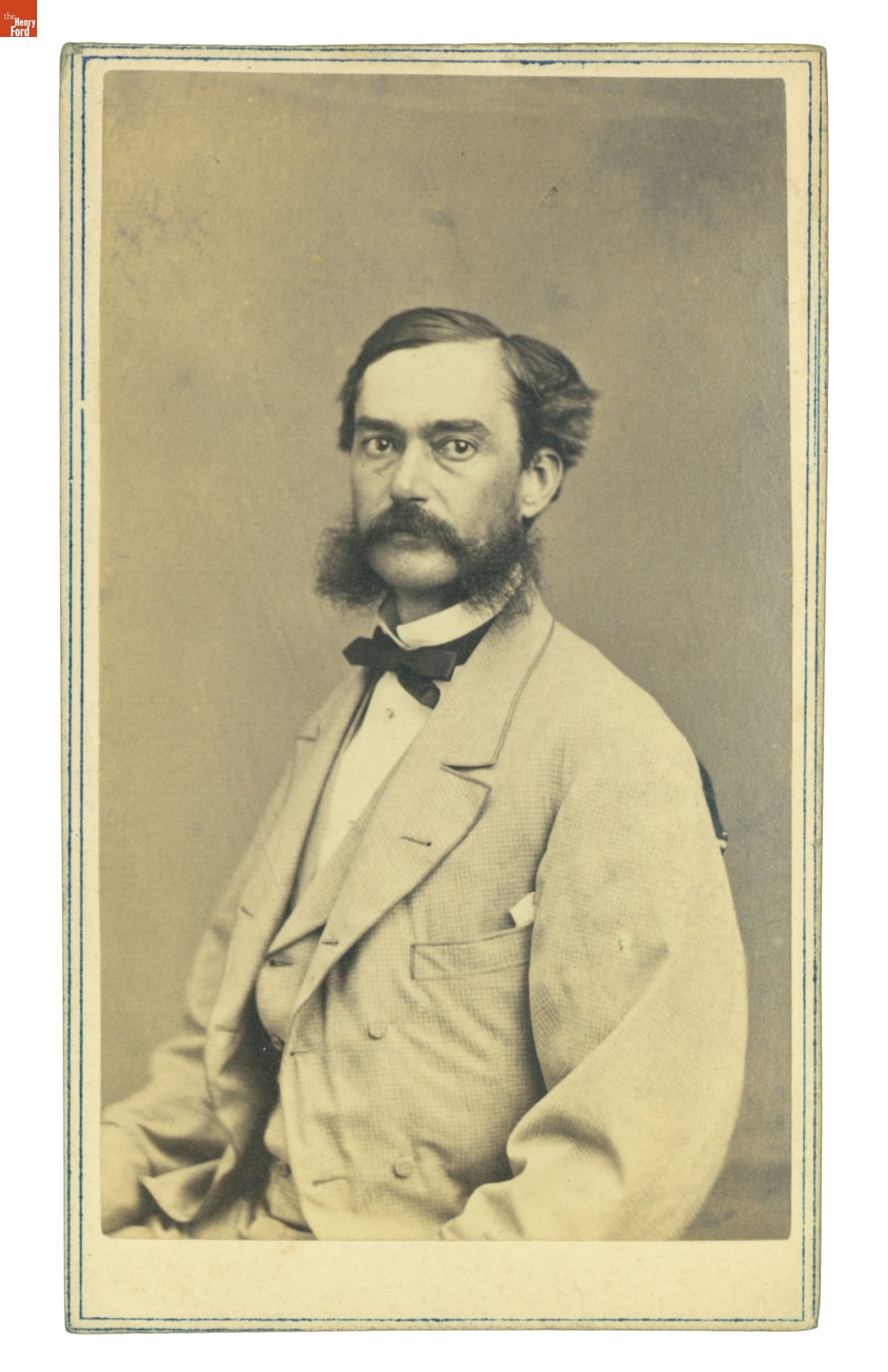
- circa 1868
- Collections - Artifact
Man with Bushy Sideburns, circa 1868
- Man Wearing a Frock Coat, 1864-1866 -
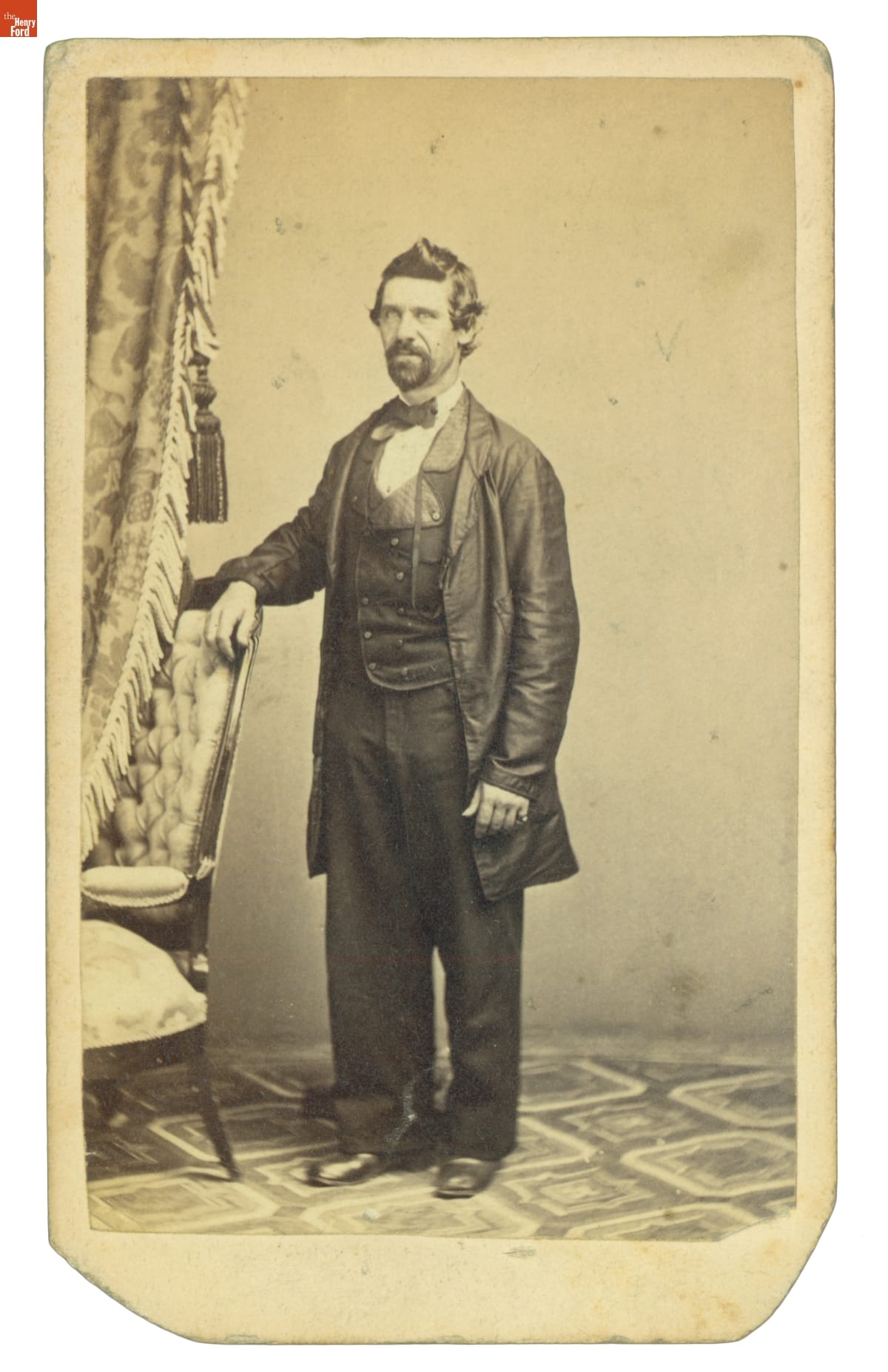
- 1864-1866
- Collections - Artifact
Man Wearing a Frock Coat, 1864-1866
- Man Wearing a Large Bow Tie, 1860 -
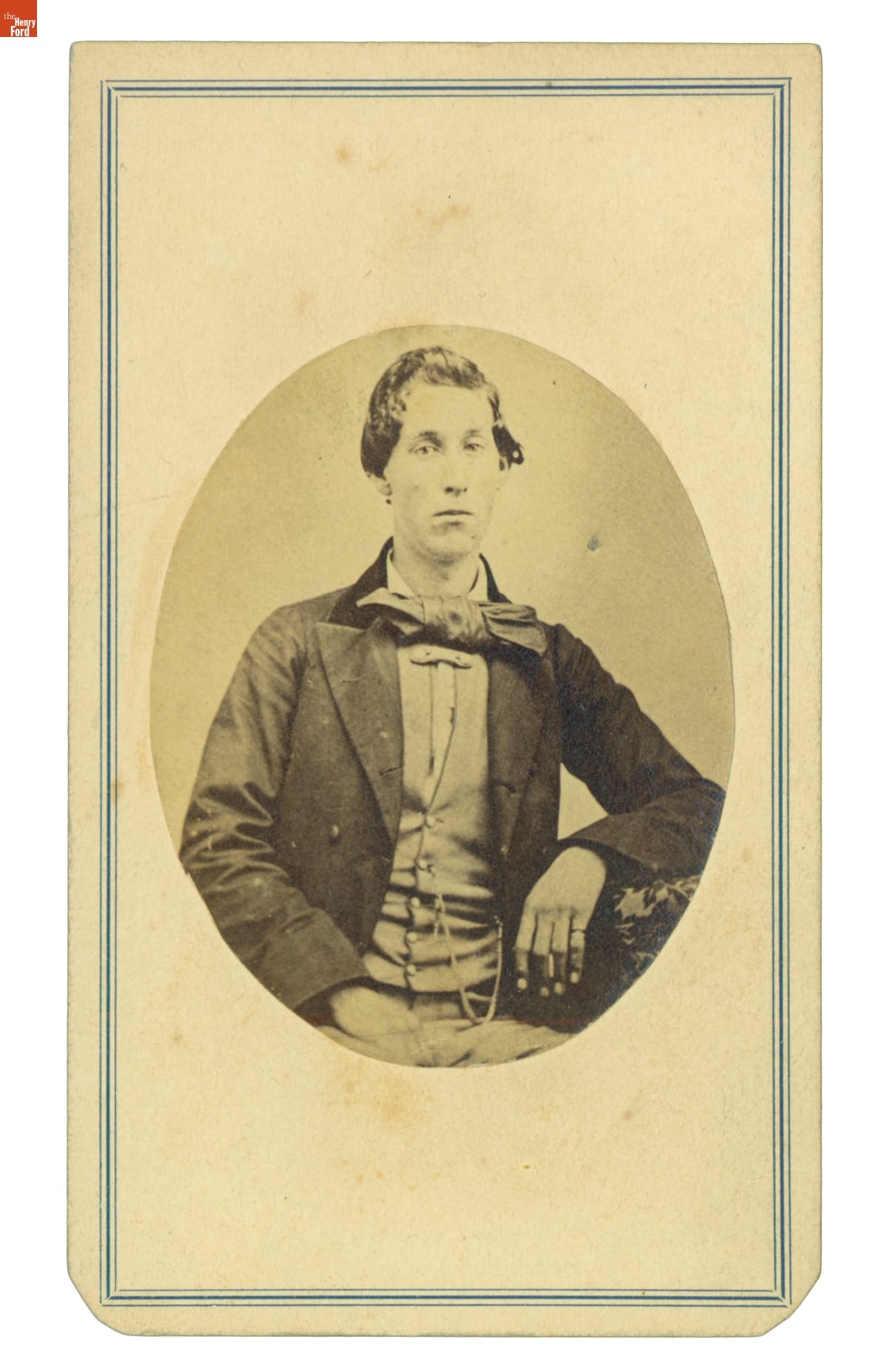
- 1860
- Collections - Artifact
Man Wearing a Large Bow Tie, 1860
- Gem Portrait of a Man, 1864-1871 - Tintypes, the popular "instant photographs" of the 19th century, could be produced in a matter of minutes at a price most people could afford. Tintypes democratized photography. Beginning in the mid-1850s, they gave more people than ever before the chance to have a real likeness of themselves--capturing unique glimpses of how everyday Americans looked and lived.
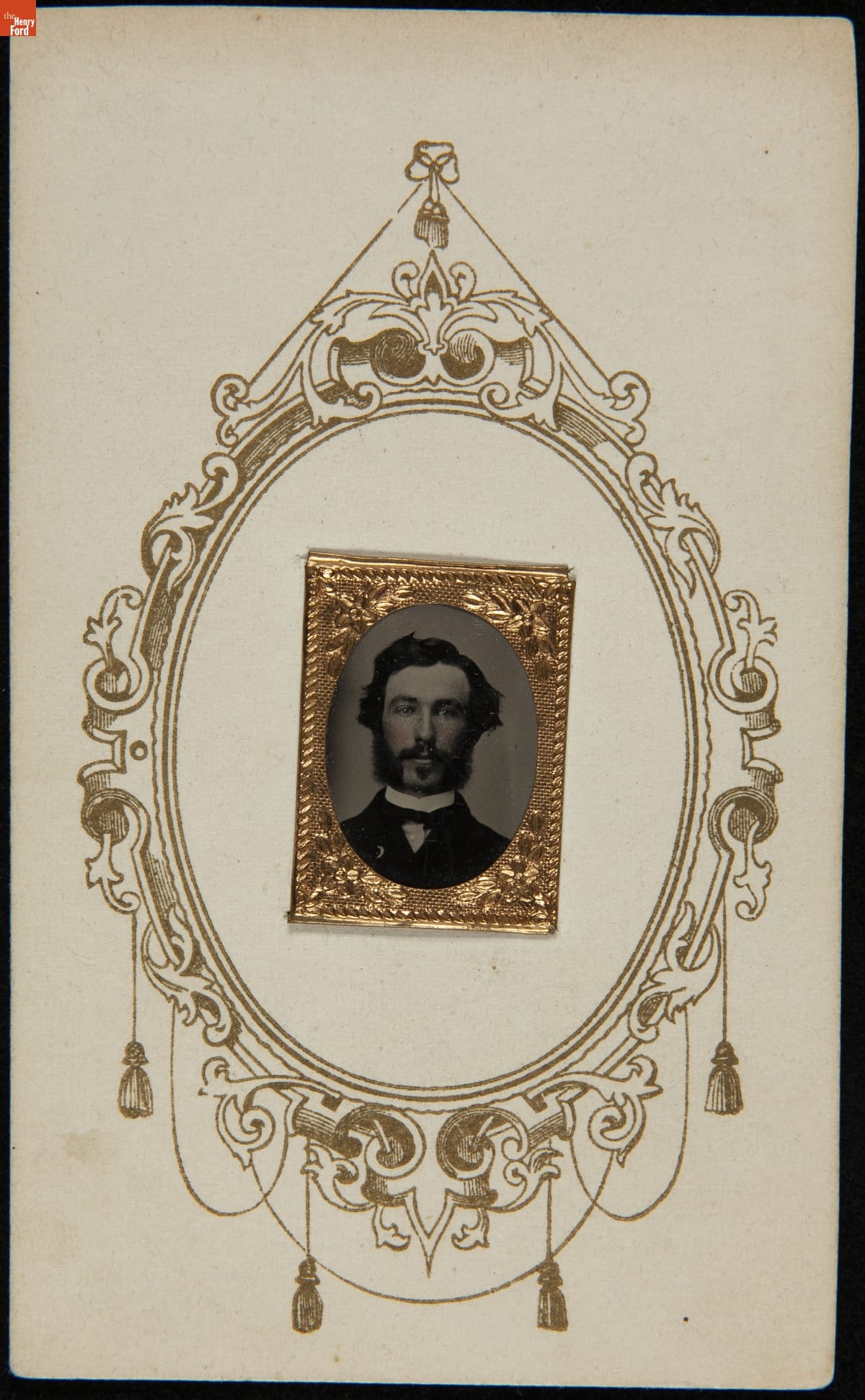
- 1864-1871
- Collections - Artifact
Gem Portrait of a Man, 1864-1871
Tintypes, the popular "instant photographs" of the 19th century, could be produced in a matter of minutes at a price most people could afford. Tintypes democratized photography. Beginning in the mid-1850s, they gave more people than ever before the chance to have a real likeness of themselves--capturing unique glimpses of how everyday Americans looked and lived.
- Recipe Booklet, "MAGIC! The Most Amazing Short-Cuts in Cooking You Ever Heard Of," circa 1930 -
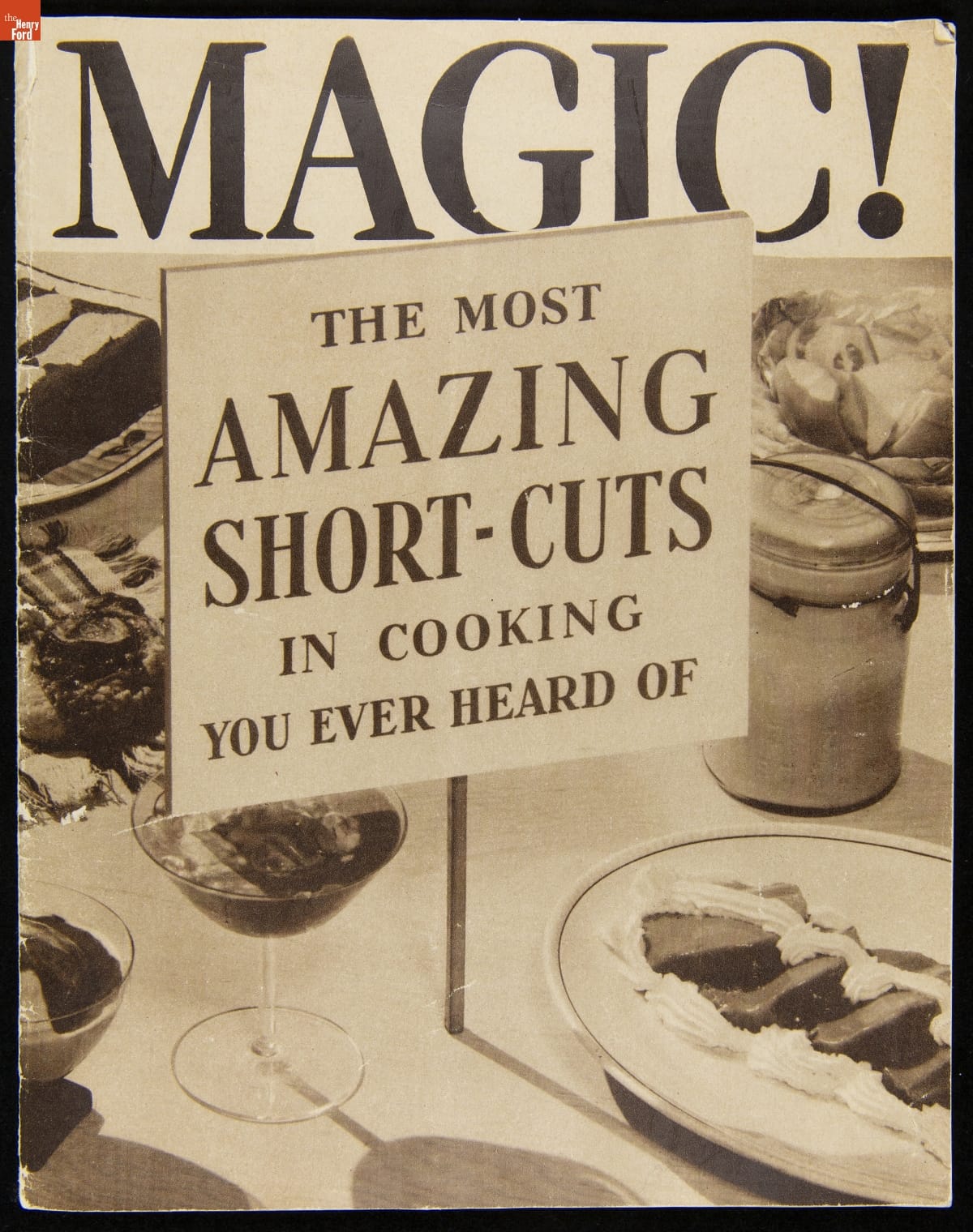
- circa 1930
- Collections - Artifact
Recipe Booklet, "MAGIC! The Most Amazing Short-Cuts in Cooking You Ever Heard Of," circa 1930