
Search
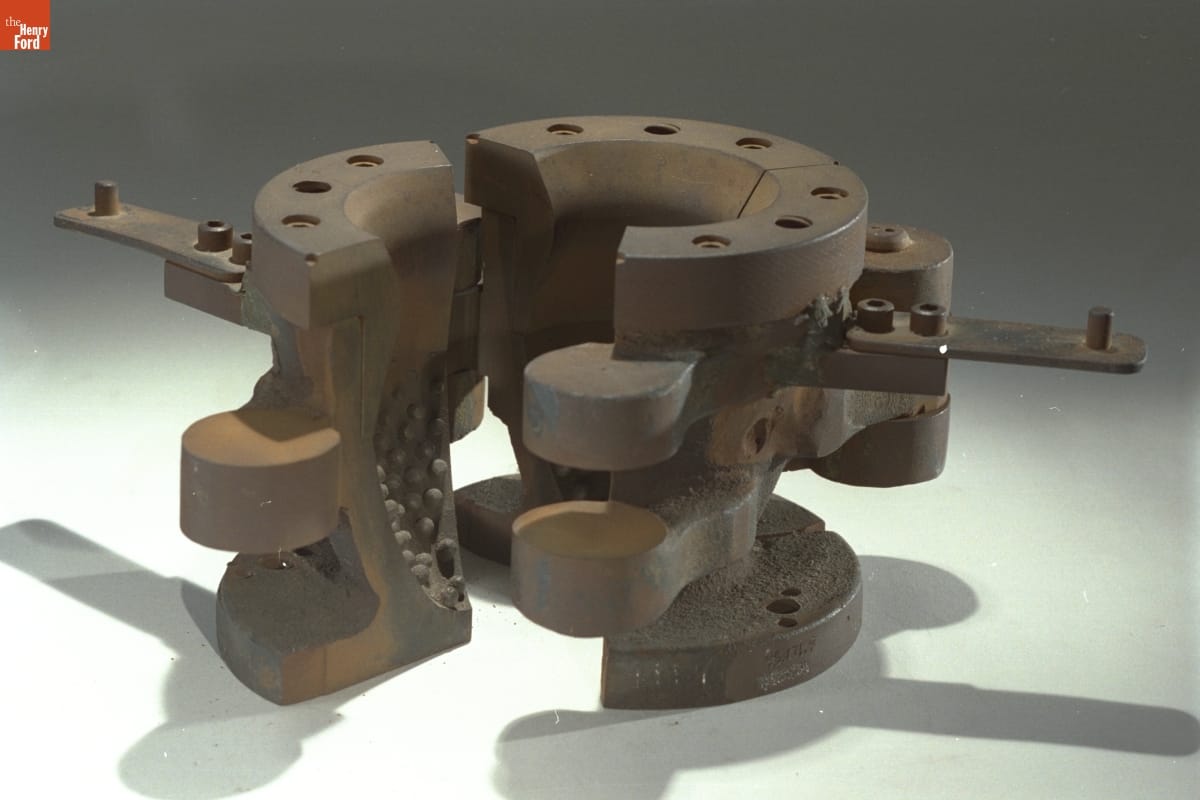
- Bubble Vase Glass Mold, Used at Tiffin Glass Company, 1900-1960 -
- 1900-1960
- Collections - Artifact
Bubble Vase Glass Mold, Used at Tiffin Glass Company, 1900-1960
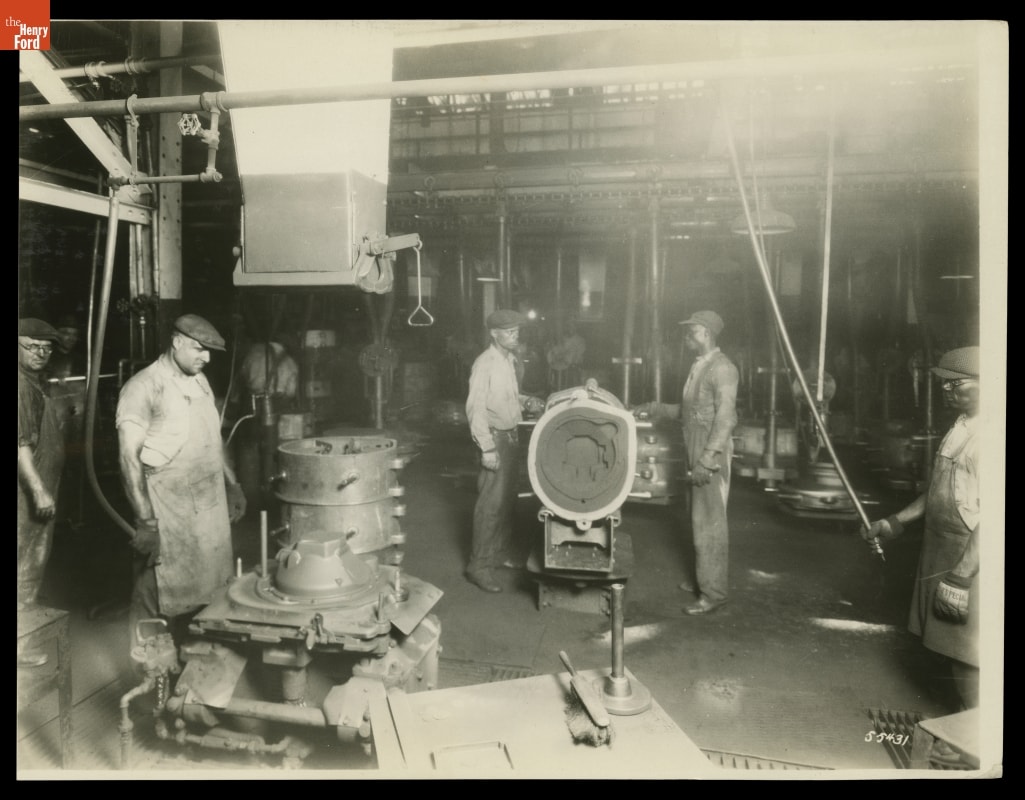
- Flywheel Housing Molding at the Ford Rouge Plant Foundry, September 30, 1930 - Workers at the Ford Rouge plant's foundry poured a molten mixture of metal, coke, and limestone into molds to create cast-metal engine blocks and parts. Once "shaken out" of their molds, castings were roughly machined before heading elsewhere for finishing and assembly. The Rouge foundry set an industry benchmark in 1932 by successfully casting Ford's intricate, single-piece V-8 engine block.
- September 30, 1930
- Collections - Artifact
Flywheel Housing Molding at the Ford Rouge Plant Foundry, September 30, 1930
Workers at the Ford Rouge plant's foundry poured a molten mixture of metal, coke, and limestone into molds to create cast-metal engine blocks and parts. Once "shaken out" of their molds, castings were roughly machined before heading elsewhere for finishing and assembly. The Rouge foundry set an industry benchmark in 1932 by successfully casting Ford's intricate, single-piece V-8 engine block.
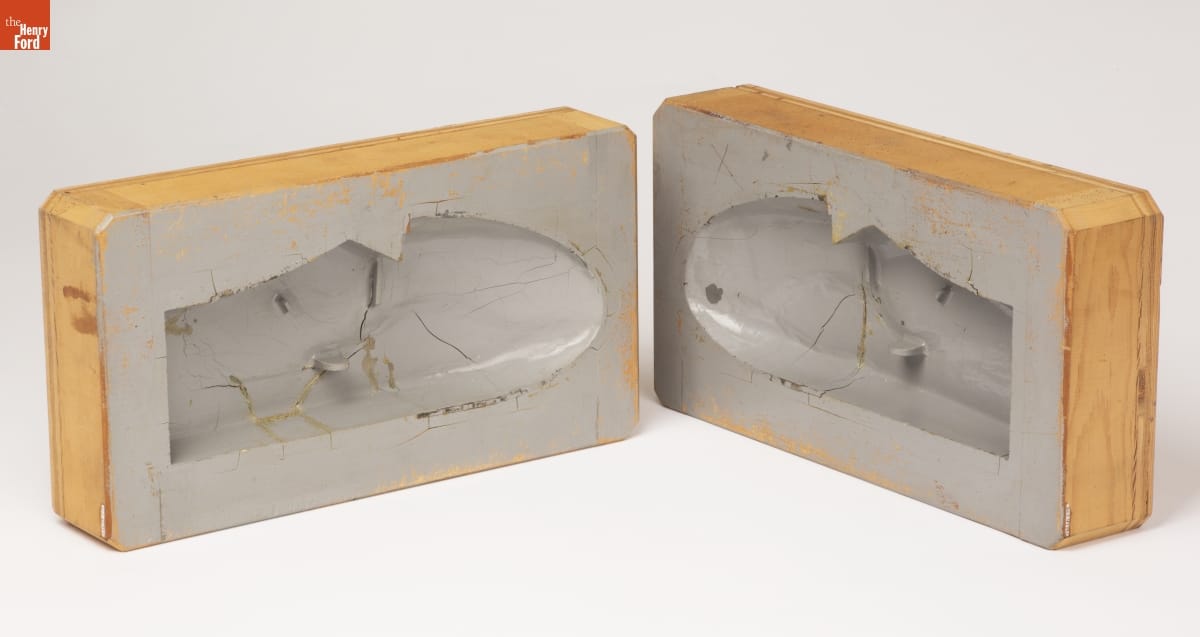
- "Indianapolis" Tether Car Mold Used by B.B. Korn, 1940-1941 - Tether cars, gas-powered model race cars, were popular in the 1930s and 1940s. Barney Korn was among the most skilled builders. While his models weren't particularly fast, they were exceptionally detailed. Korn even built model cars, boats, and airplanes for Hollywood movies. He used this mold to create some of his "Indianapolis" model cars.
- 1940-1941
- Collections - Artifact
"Indianapolis" Tether Car Mold Used by B.B. Korn, 1940-1941
Tether cars, gas-powered model race cars, were popular in the 1930s and 1940s. Barney Korn was among the most skilled builders. While his models weren't particularly fast, they were exceptionally detailed. Korn even built model cars, boats, and airplanes for Hollywood movies. He used this mold to create some of his "Indianapolis" model cars.
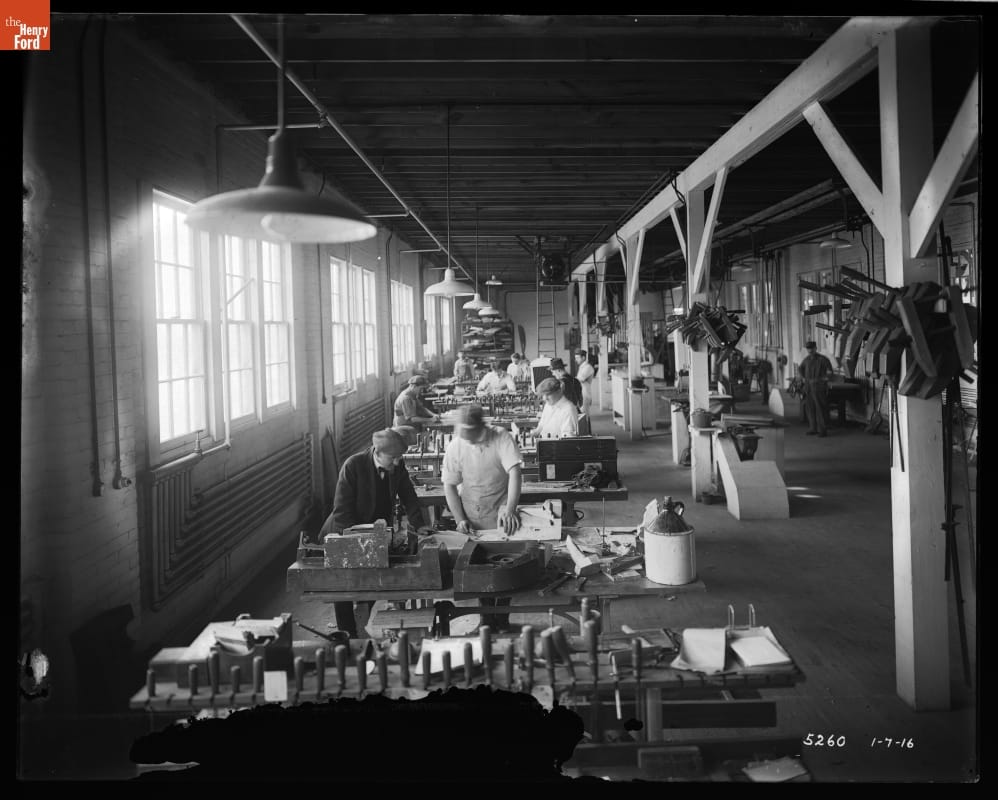
- Ford Motor Company Glass Plate Negatives--Item 6 -
- January 07, 1916
- Collections - Artifact
Ford Motor Company Glass Plate Negatives--Item 6
- Vase Glass Mold, Used at Tiffin Glass Company, 1900-1960 -
- 1900-1960
- Collections - Artifact
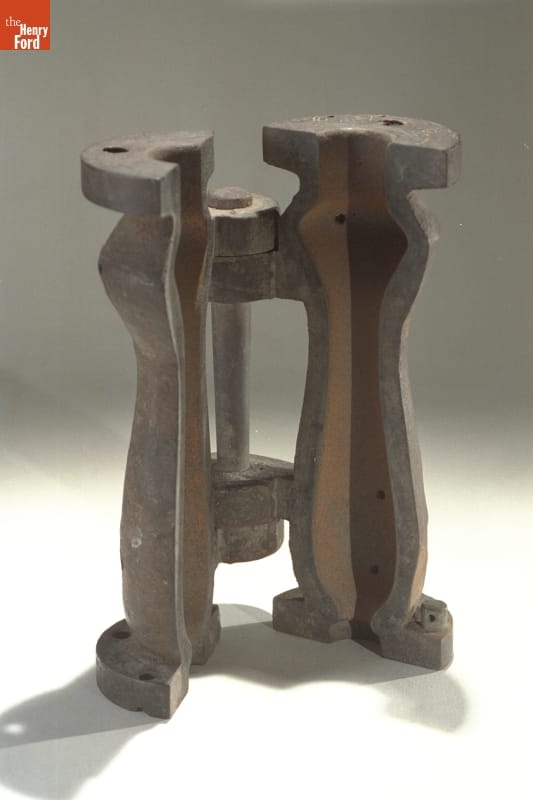
Vase Glass Mold, Used at Tiffin Glass Company, 1900-1960
- Aeron Chair Seat Mold and Form, 1992 -
- April 01, 1992
- Collections - Artifact
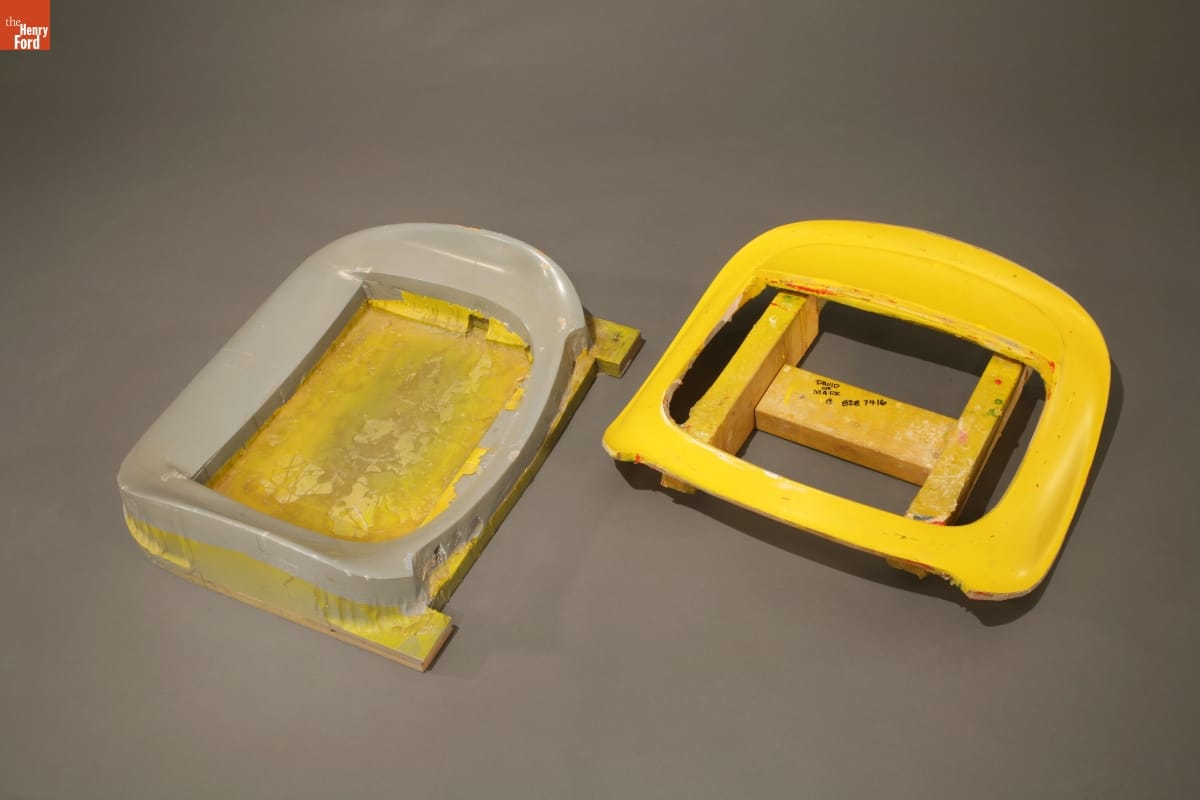
Aeron Chair Seat Mold and Form, 1992
- Aeron One-Piece Seat Frame Mold & Form, June 1993 -
- June 01, 1993
- Collections - Artifact
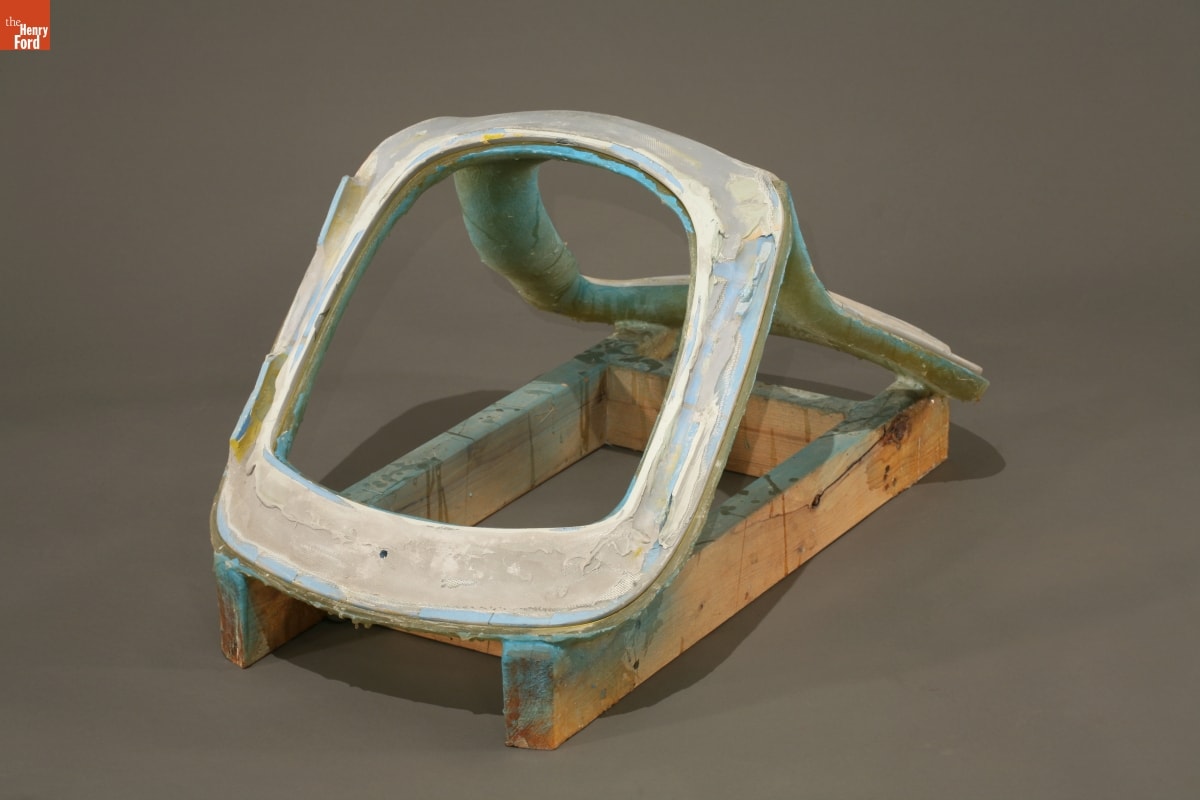
Aeron One-Piece Seat Frame Mold & Form, June 1993
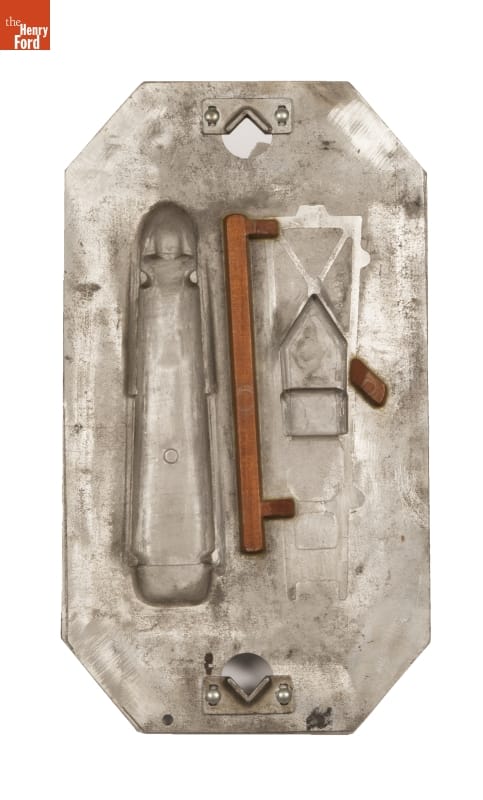
- Casting Plate for Matthews "Silver Streak" Gas-Powered Racing Tether Car, 1939 - Tether cars, gas-powered model race cars, were popular in the 1930s and 1940s. They were raced individually while tethered to a central pivot, or against each other on a scaled-down board track. The Matthews Foundry, owned by model racer Percy Matthews, produced the "Silver Streak," a model of an Indianapolis-style car. Matthews models were successful in sales and on race courses.
- 1939
- Collections - Artifact
Casting Plate for Matthews "Silver Streak" Gas-Powered Racing Tether Car, 1939
Tether cars, gas-powered model race cars, were popular in the 1930s and 1940s. They were raced individually while tethered to a central pivot, or against each other on a scaled-down board track. The Matthews Foundry, owned by model racer Percy Matthews, produced the "Silver Streak," a model of an Indianapolis-style car. Matthews models were successful in sales and on race courses.
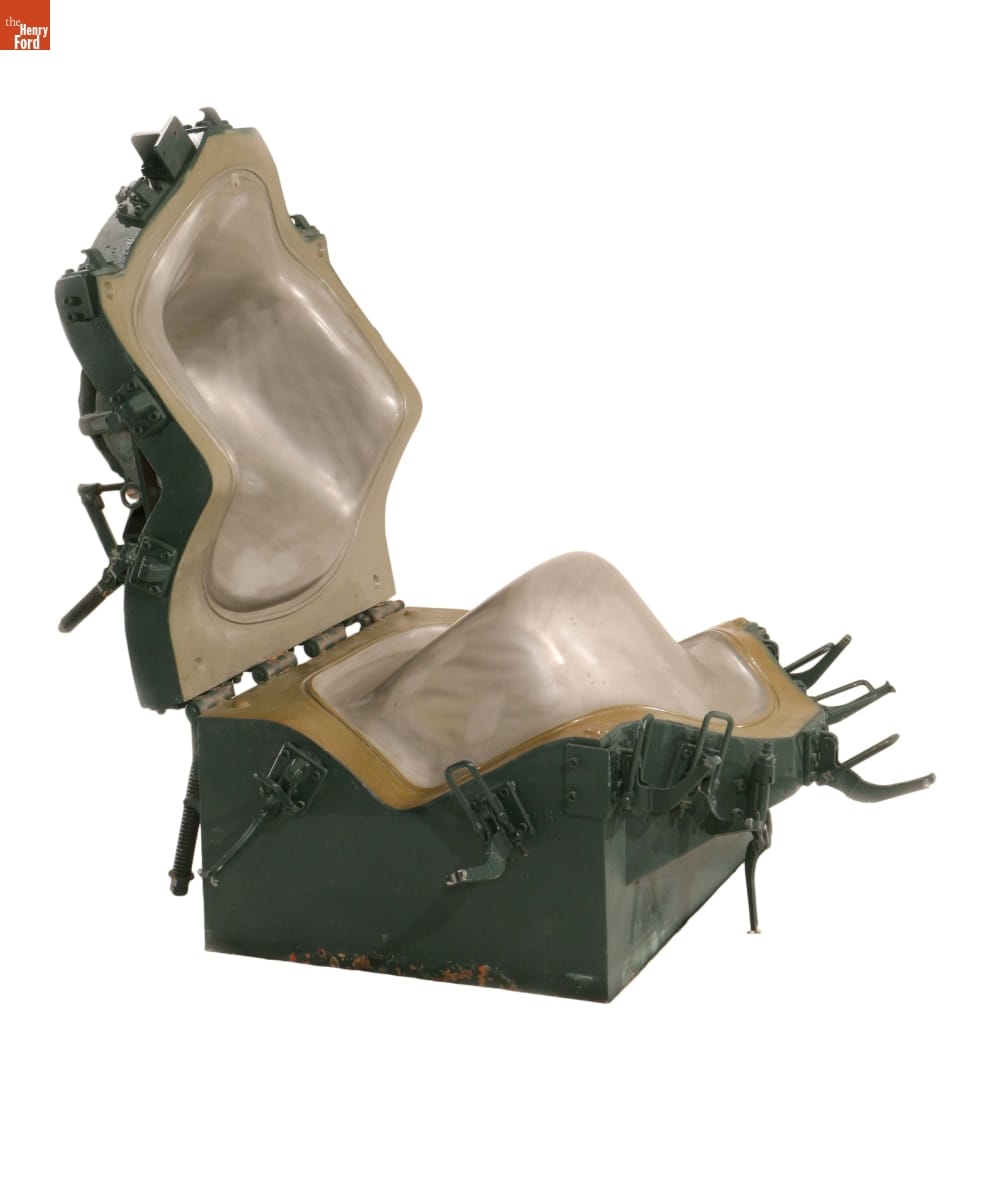
- Mold for Eames Fiberglass Armchair, 1950-1968 -
- 1950-1968
- Collections - Artifact
Mold for Eames Fiberglass Armchair, 1950-1968
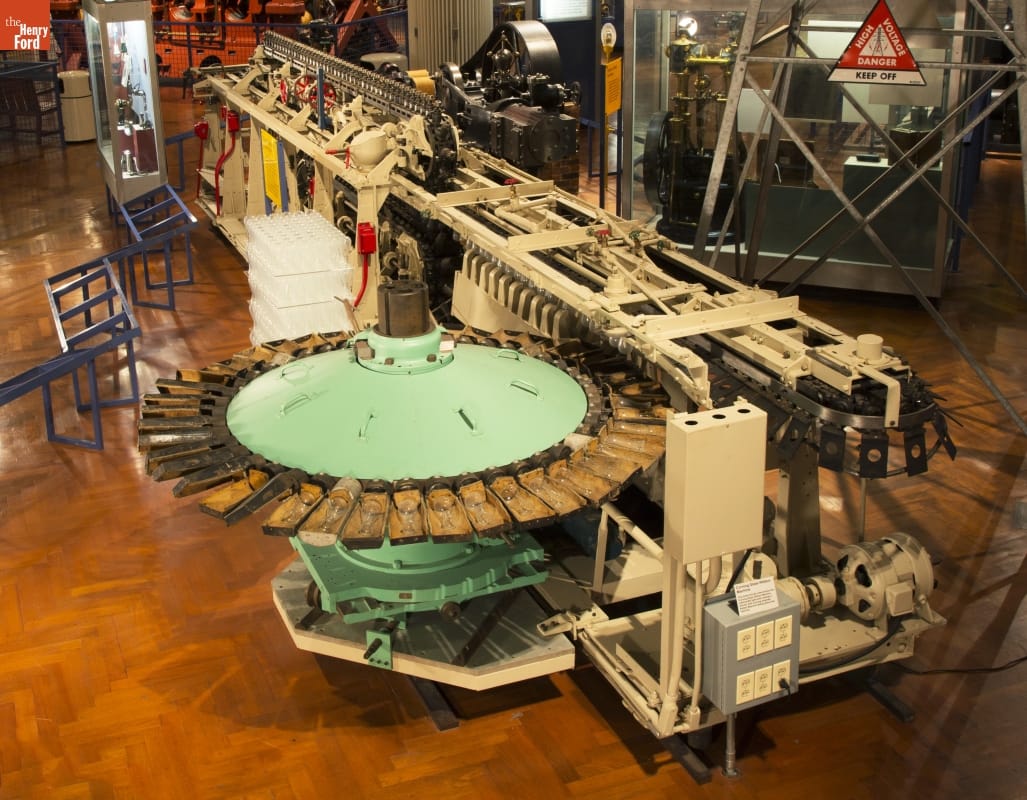
- Corning Glass Ribbon Machine, 1928 - Design as a discipline is rooted in craft but revealed in industry. Similarly the story of incandescent lamp manufacture begins with craft (the earliest ones offered for sale were exquisite hand-made objects) and ends with mass production. This high output machine (ten bulb blanks a second) was developed by a former glass blower and a mechanical engineer.
- 1928
- Collections - Artifact
Corning Glass Ribbon Machine, 1928
Design as a discipline is rooted in craft but revealed in industry. Similarly the story of incandescent lamp manufacture begins with craft (the earliest ones offered for sale were exquisite hand-made objects) and ends with mass production. This high output machine (ten bulb blanks a second) was developed by a former glass blower and a mechanical engineer.