
Search
- Pied Piper Portable Computer with Sanyo Monitor, 1981-1983 -
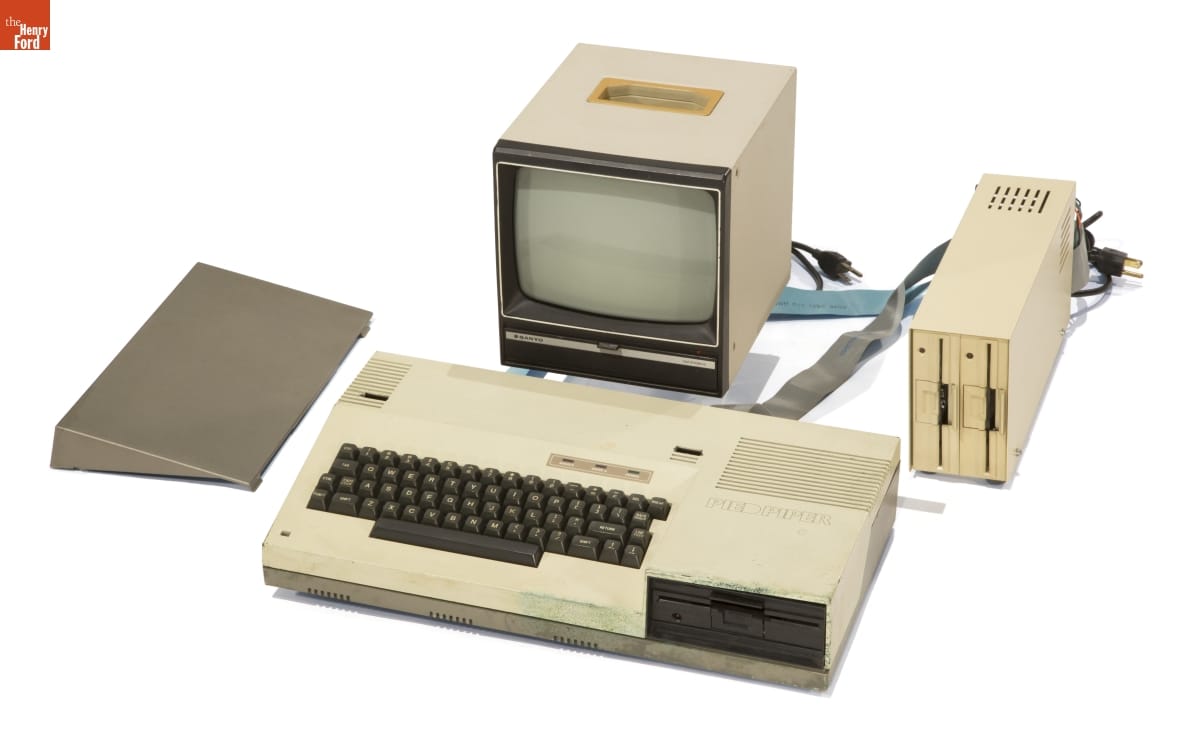
- 1981-1983
- Collections - Artifact
Pied Piper Portable Computer with Sanyo Monitor, 1981-1983
- Osborne Computer Monitor, Model GM-12, circa 1982 - The Osborne Computer Company produced the first mass market portable computer--a suitcase-sized "luggable" system weighing 23.5 pounds. This rare GM-12 monitor functioned as an external 11-inch display for the Osborne 1, more than doubling its standard 5-inch screen. Despite initial success, when Osborne declared bankruptcy in 1983, it became the prototype victim of sudden, devastating, technological crashes in high-tech economies.
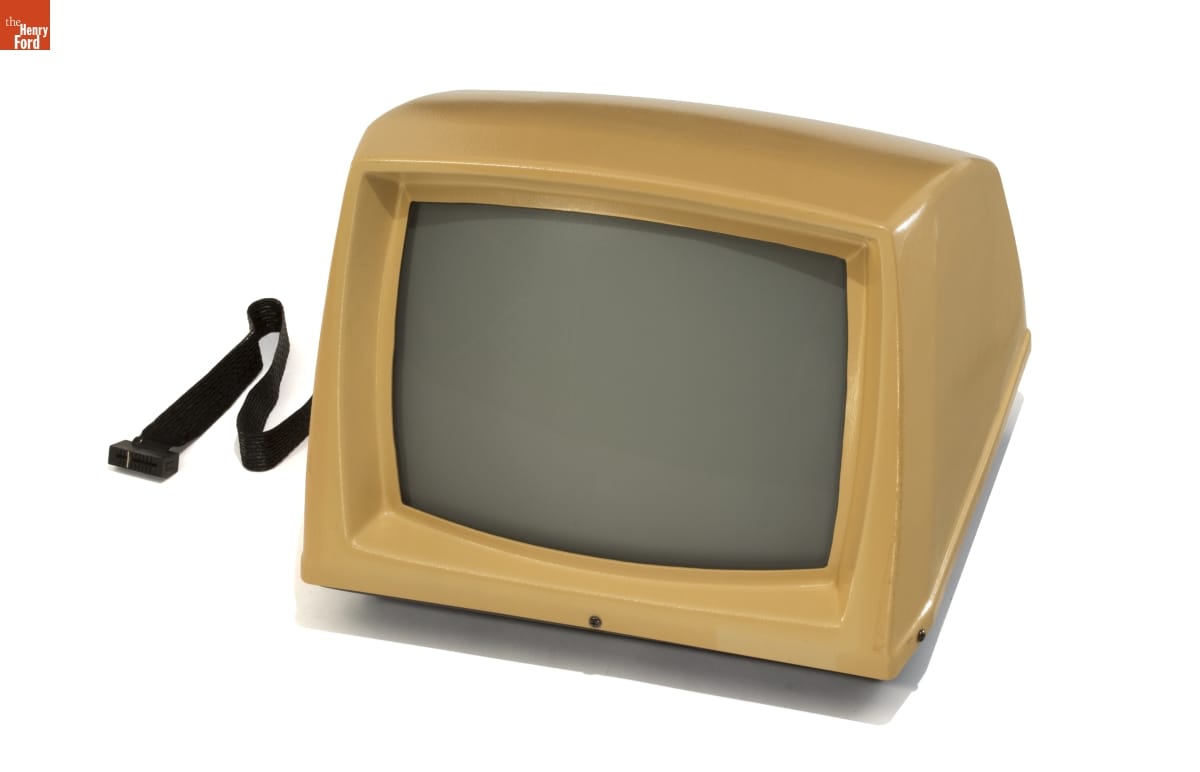
- circa 1982
- Collections - Artifact
Osborne Computer Monitor, Model GM-12, circa 1982
The Osborne Computer Company produced the first mass market portable computer--a suitcase-sized "luggable" system weighing 23.5 pounds. This rare GM-12 monitor functioned as an external 11-inch display for the Osborne 1, more than doubling its standard 5-inch screen. Despite initial success, when Osborne declared bankruptcy in 1983, it became the prototype victim of sudden, devastating, technological crashes in high-tech economies.
- Television Monitor Control Unit, Used by WWJ-TV, circa 1950 -
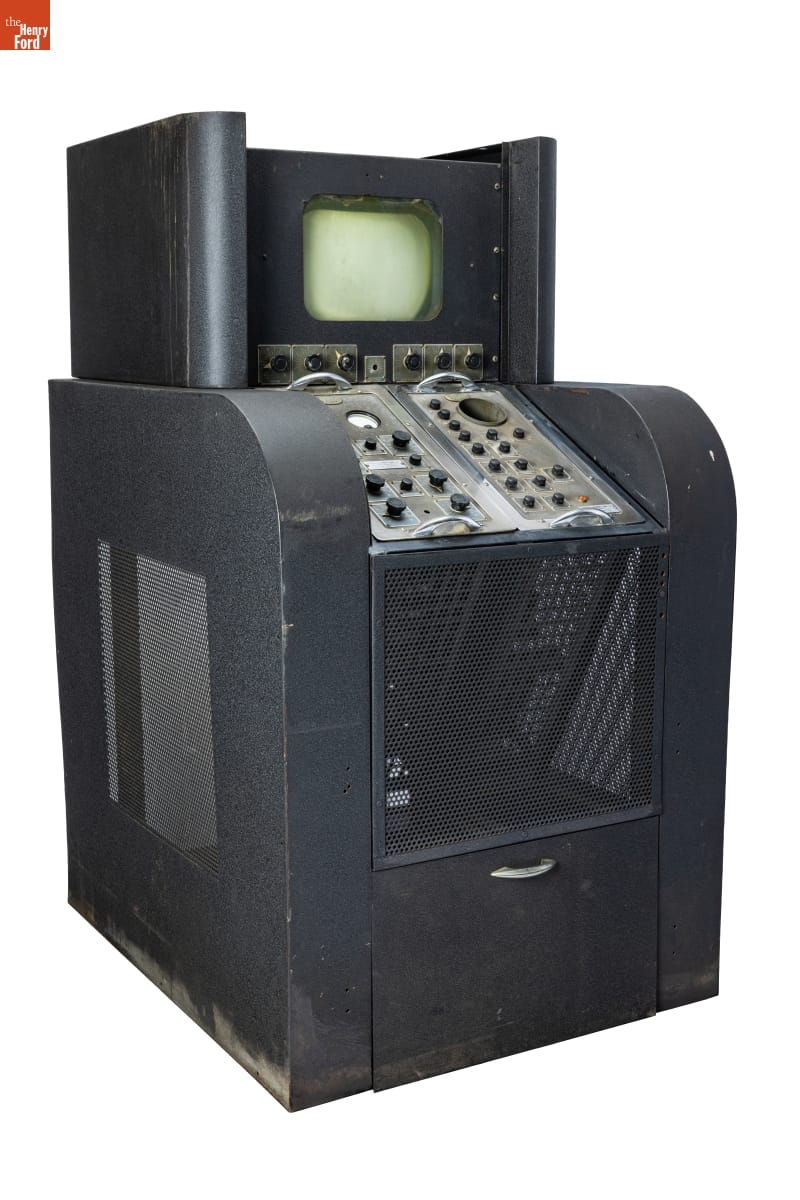
- circa 1950
- Collections - Artifact
Television Monitor Control Unit, Used by WWJ-TV, circa 1950
- Technical Drawing, "Action Office System Cathode Ray Tube Monitor Yoke and Lock," November 7, 1968 -
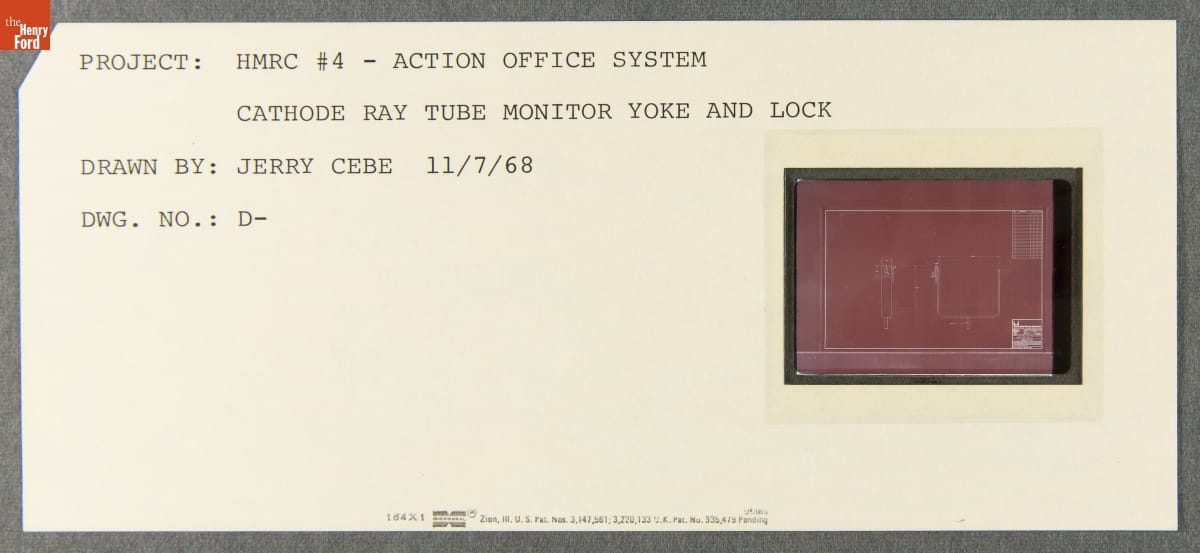
- November 07, 1968
- Collections - Artifact
Technical Drawing, "Action Office System Cathode Ray Tube Monitor Yoke and Lock," November 7, 1968
- Apple Personal Computer, Model IIGS, 1986-1992 - The Apple IIGS improved upon Apple's first mass market PC, the Apple II. The "GS" relates to its excellent graphics and sound capabilities. It was also one of the first Apples to use a mouse and a color graphical user interface. This system was popular among educators; this IIGS was used in a Detroit classroom in the late 1980s.
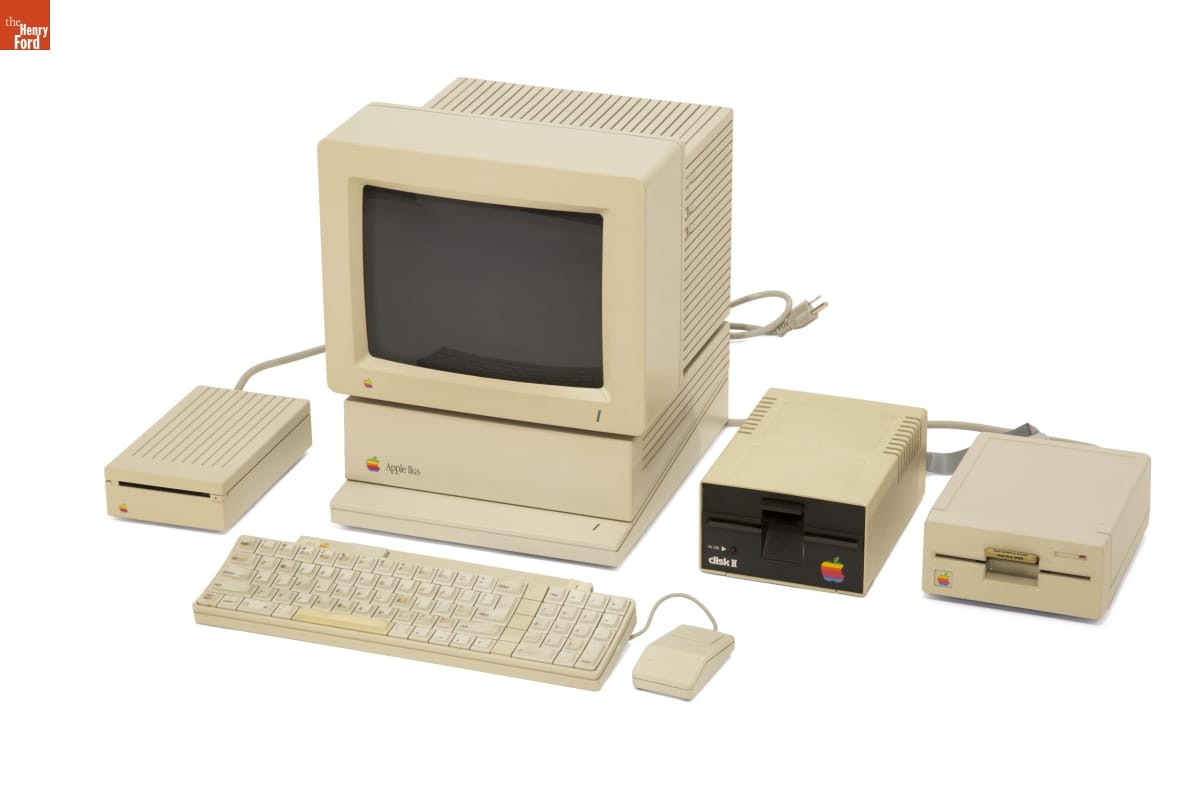
- 1986-1992
- Collections - Artifact
Apple Personal Computer, Model IIGS, 1986-1992
The Apple IIGS improved upon Apple's first mass market PC, the Apple II. The "GS" relates to its excellent graphics and sound capabilities. It was also one of the first Apples to use a mouse and a color graphical user interface. This system was popular among educators; this IIGS was used in a Detroit classroom in the late 1980s.
- Pixar Image Computer II (P-II), circa 1987 - Pixar is celebrated for its animation--but the company's origins began with computer hardware. In 1984, they created the Pixar Imaging Computer (PIC)--a groundbreaking device aimed towards high-end graphics and animation. The PIC was used within medical and scientific industries--and for the iconic ballroom scene in Disney's <EM>Beauty and the Beast</EM>. This improved PII was released in 1987.
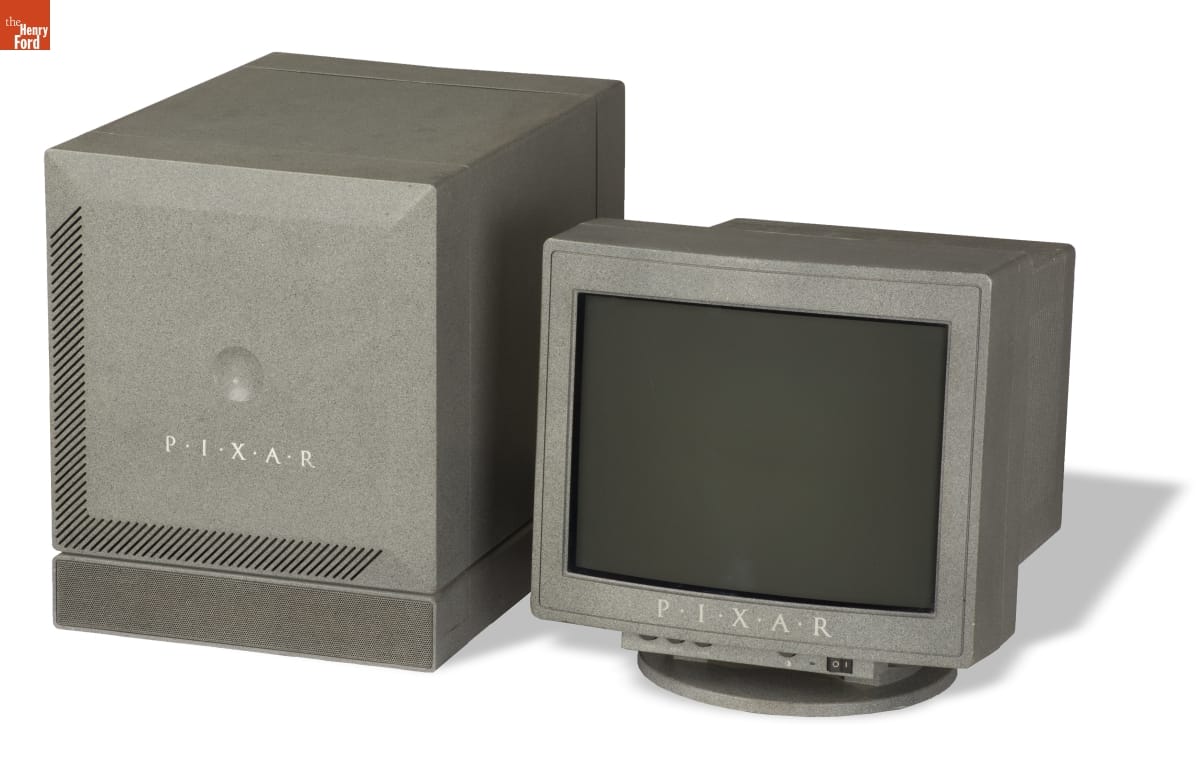
- circa 1987
- Collections - Artifact
Pixar Image Computer II (P-II), circa 1987
Pixar is celebrated for its animation--but the company's origins began with computer hardware. In 1984, they created the Pixar Imaging Computer (PIC)--a groundbreaking device aimed towards high-end graphics and animation. The PIC was used within medical and scientific industries--and for the iconic ballroom scene in Disney's Beauty and the Beast. This improved PII was released in 1987.
- Anne Follis, Founder of Housewives for ERA, October 1978 -
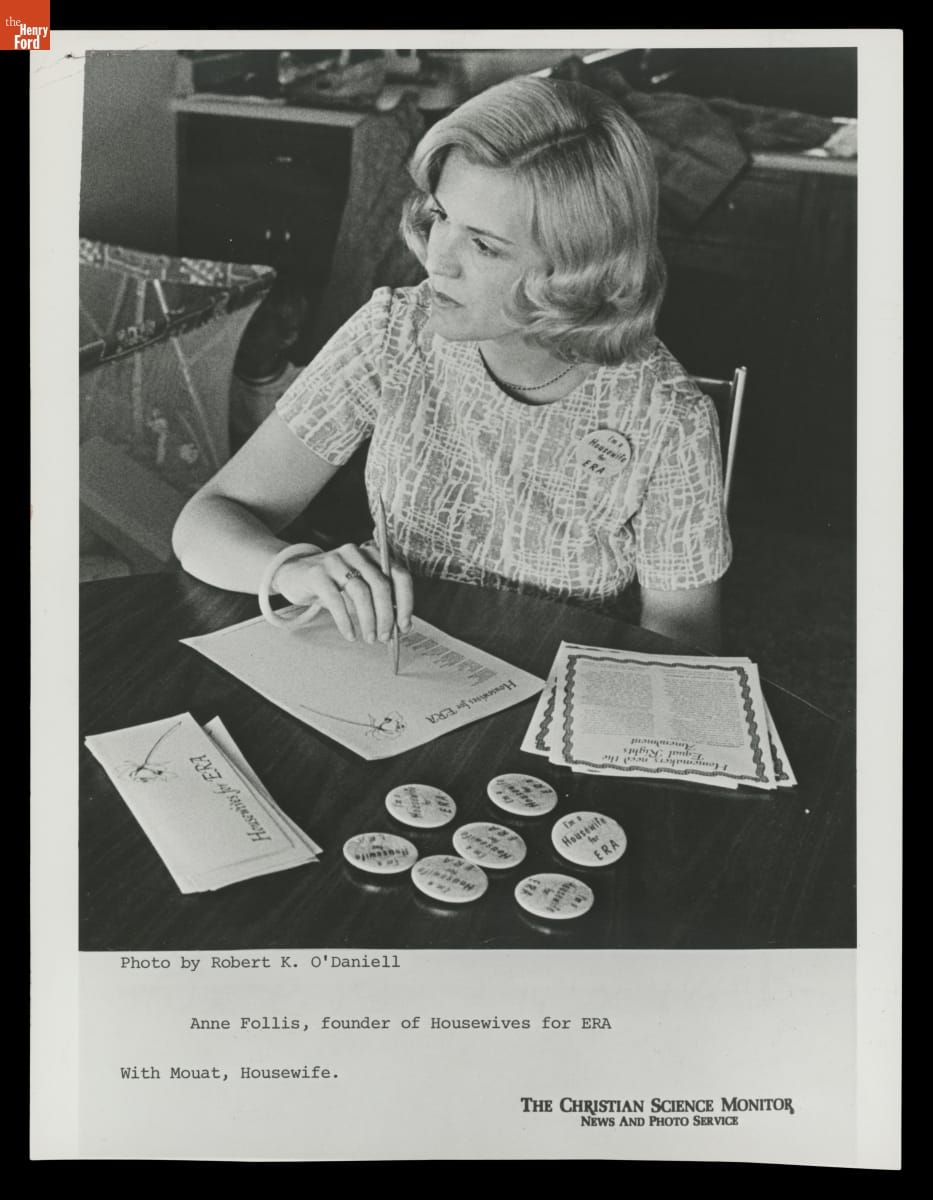
- October 10, 1978
- Collections - Artifact
Anne Follis, Founder of Housewives for ERA, October 1978
- Beta-Gamma Hand and Foot Monitor, circa 1960 -
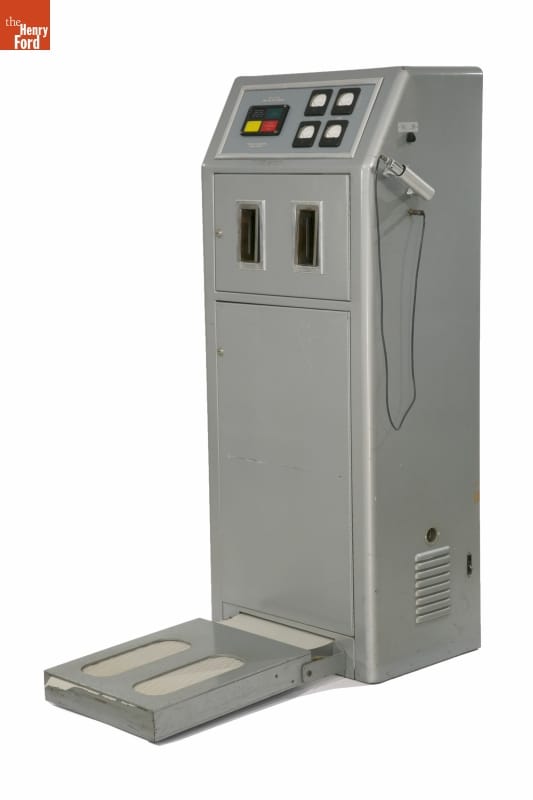
- circa 1960
- Collections - Artifact
Beta-Gamma Hand and Foot Monitor, circa 1960
- Radiation Portal Monitor, circa 1963 -
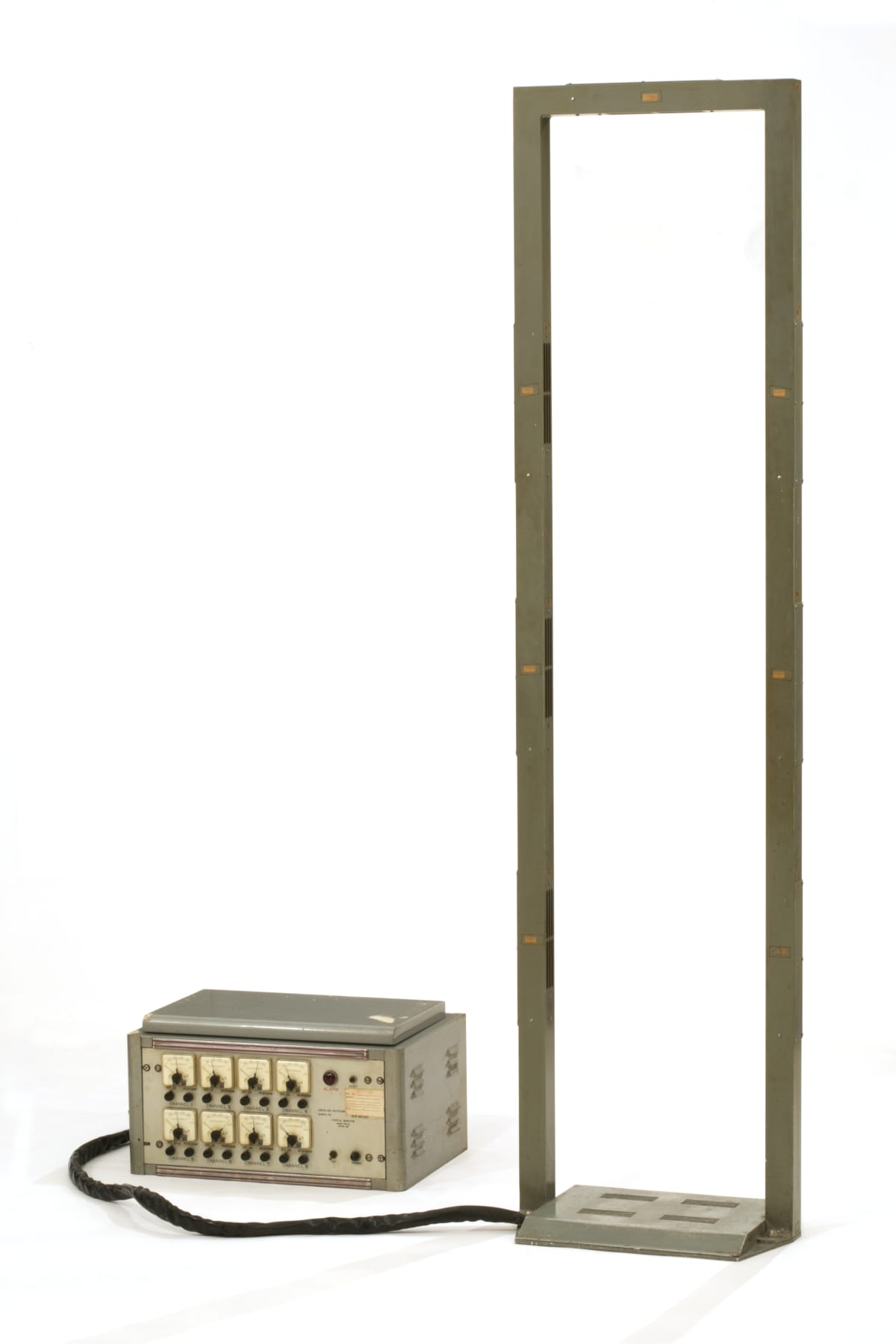
- circa 1963
- Collections - Artifact
Radiation Portal Monitor, circa 1963
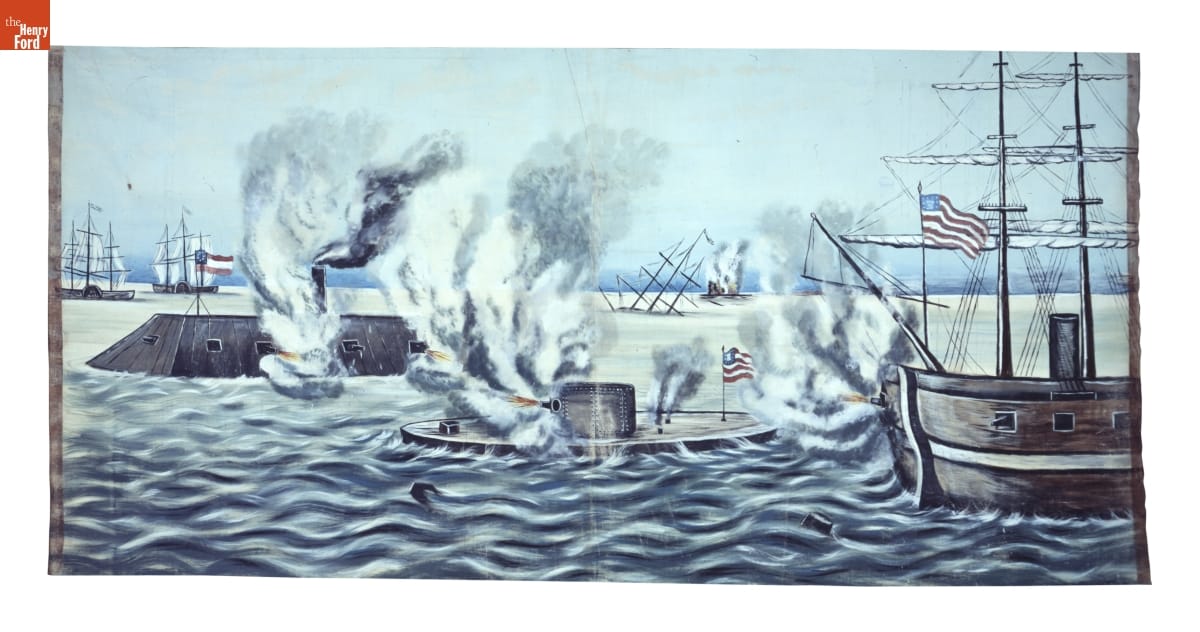
- "Battle Scenes of the Rebellion" Monitor and Virginia, March 1862, Civil War Panorama - In the 1880s, Thomas Clarkson Gordon, a self-taught artist and Civil War veteran, created a panorama depicting scenes from the Civil War. Gordon stitched together 15 paintings -- each 7 by 14 feet -- into a canvas roll more than 100 feet long. He toured his multi-paneled panorama throughout eastern Indiana, retelling the history of the conflict through his vivid illustrations.
- March 01, 1862
- Collections - Artifact
"Battle Scenes of the Rebellion" Monitor and Virginia, March 1862, Civil War Panorama
In the 1880s, Thomas Clarkson Gordon, a self-taught artist and Civil War veteran, created a panorama depicting scenes from the Civil War. Gordon stitched together 15 paintings -- each 7 by 14 feet -- into a canvas roll more than 100 feet long. He toured his multi-paneled panorama throughout eastern Indiana, retelling the history of the conflict through his vivid illustrations.