
Search
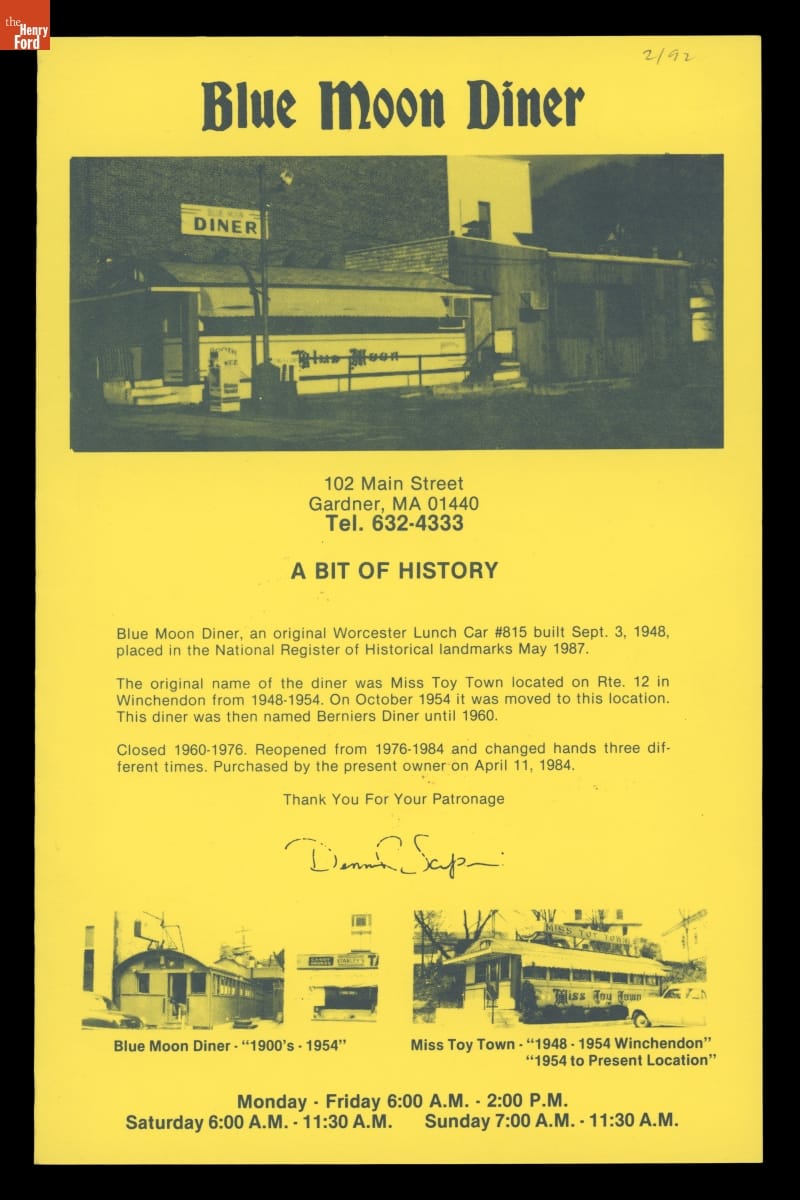
- Blue Moon Diner Menu, 1992 -
- 1992
- Collections - Artifact
Blue Moon Diner Menu, 1992
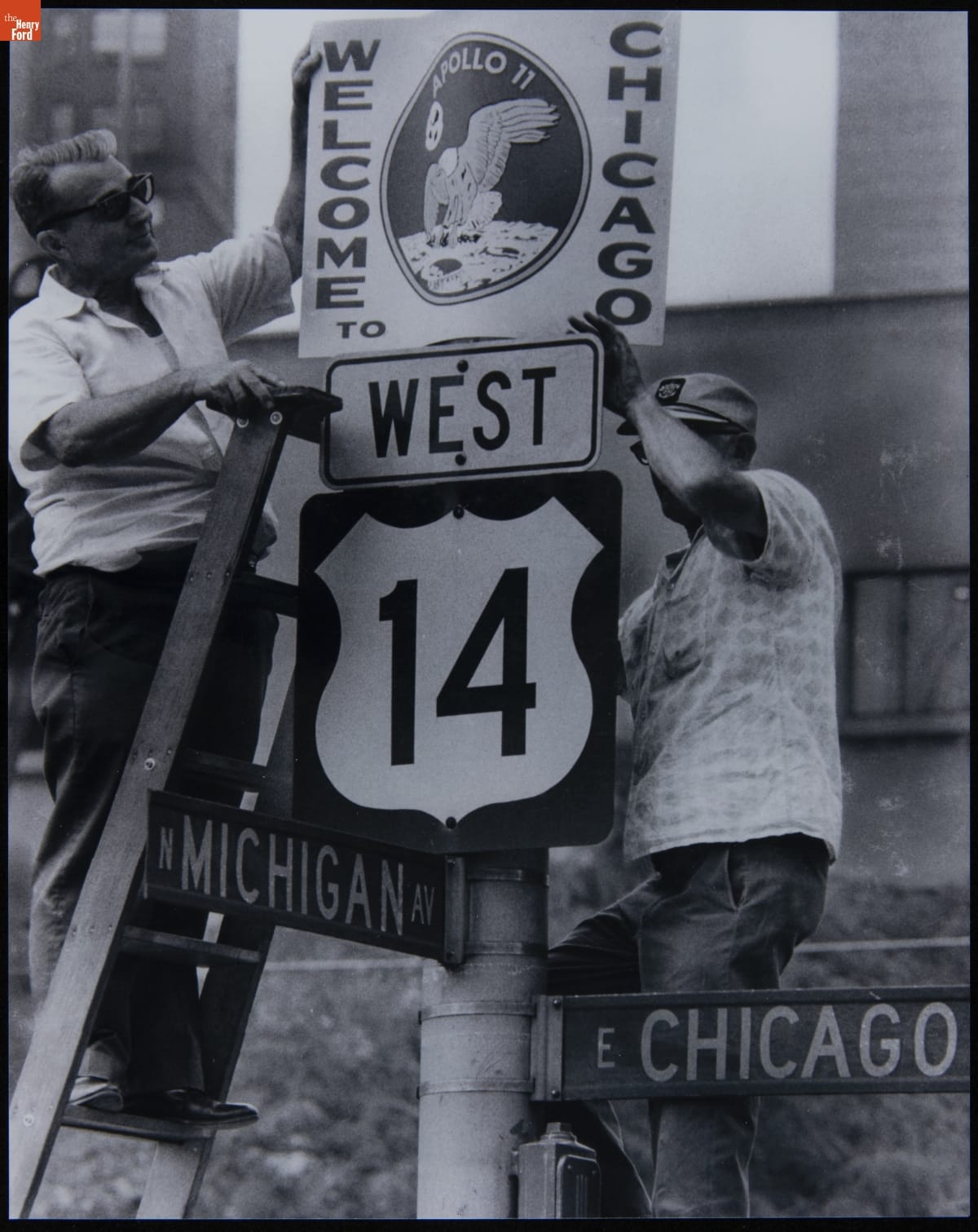
- Workers Installing a Sign for the Ticker Tape Parade Honoring the Apollo 11 Astronauts, August 13, 1969 - The crew of Apollo 11 -- Neil Armstrong, Edwin "Buzz" Aldrin (the first men to walk on the Moon) and Michael Collins (command module pilot) -- were given a hero's welcome upon their return from space. On August 13, 1969, Chicago, Illinois, hosted a ticker-tape parade for the astronauts. This photograph shows workers placing a sign along the parade route.
- August 13, 1969
- Collections - Artifact
Workers Installing a Sign for the Ticker Tape Parade Honoring the Apollo 11 Astronauts, August 13, 1969
The crew of Apollo 11 -- Neil Armstrong, Edwin "Buzz" Aldrin (the first men to walk on the Moon) and Michael Collins (command module pilot) -- were given a hero's welcome upon their return from space. On August 13, 1969, Chicago, Illinois, hosted a ticker-tape parade for the astronauts. This photograph shows workers placing a sign along the parade route.
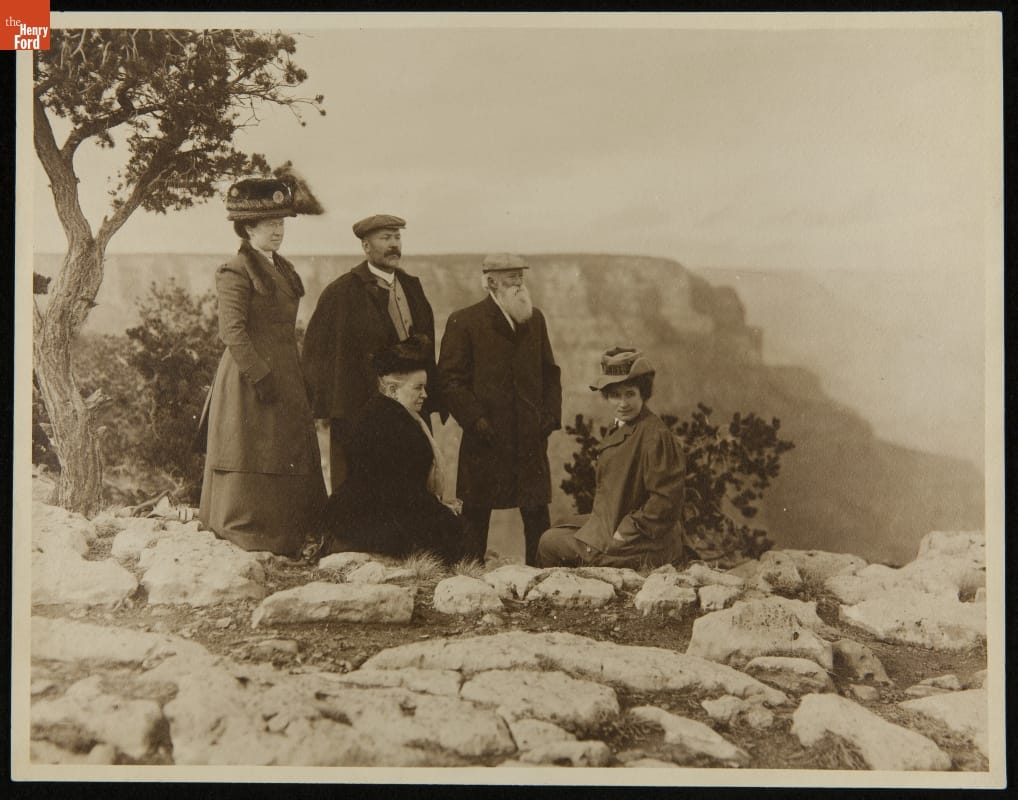
- Ursula and John Burroughs with Others, at the Grand Canyon, 1911 - John Burroughs (1837-1921) was an internationally known naturalist and writer. Though he loved the Catskill Mountains in upstate New York -- where he grew up and where he had a house and several writing retreats -- Burroughs travelled widely. During his lifetime, Burroughs traveled to England, the Caribbean, Alaska, Hawaii, and much of the United States. This photo shows him with family and friends at the Grand Canyon.
- 1911
- Collections - Artifact
Ursula and John Burroughs with Others, at the Grand Canyon, 1911
John Burroughs (1837-1921) was an internationally known naturalist and writer. Though he loved the Catskill Mountains in upstate New York -- where he grew up and where he had a house and several writing retreats -- Burroughs travelled widely. During his lifetime, Burroughs traveled to England, the Caribbean, Alaska, Hawaii, and much of the United States. This photo shows him with family and friends at the Grand Canyon.
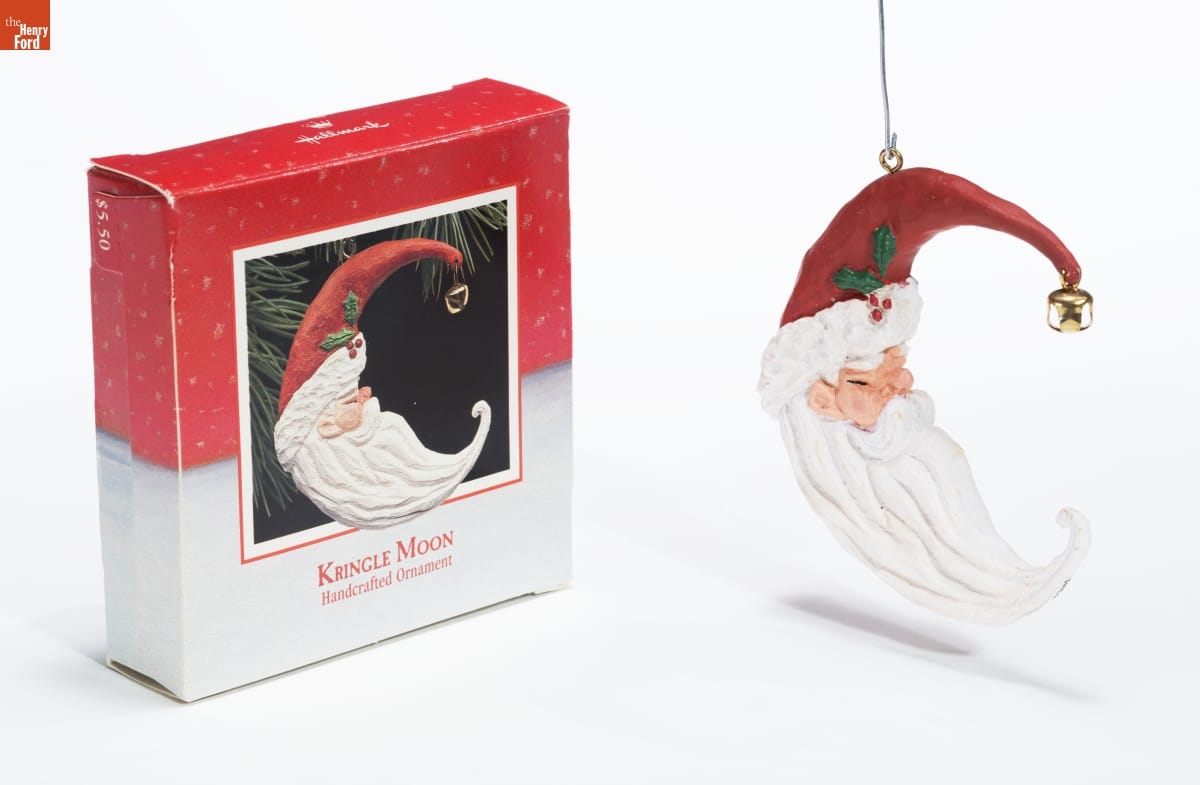
- Hallmark "Kringle Moon" Christmas Ornament, 1988 - Already known for greeting cards, Hallmark introduced a line of Christmas ornaments in 1973. The company's annual release of an increasing array of ornaments revolutionized Christmas decorating, appealing to customers' interest in marking memories and milestones as well as expressing one's personality and unique tastes.
- 1988
- Collections - Artifact
Hallmark "Kringle Moon" Christmas Ornament, 1988
Already known for greeting cards, Hallmark introduced a line of Christmas ornaments in 1973. The company's annual release of an increasing array of ornaments revolutionized Christmas decorating, appealing to customers' interest in marking memories and milestones as well as expressing one's personality and unique tastes.
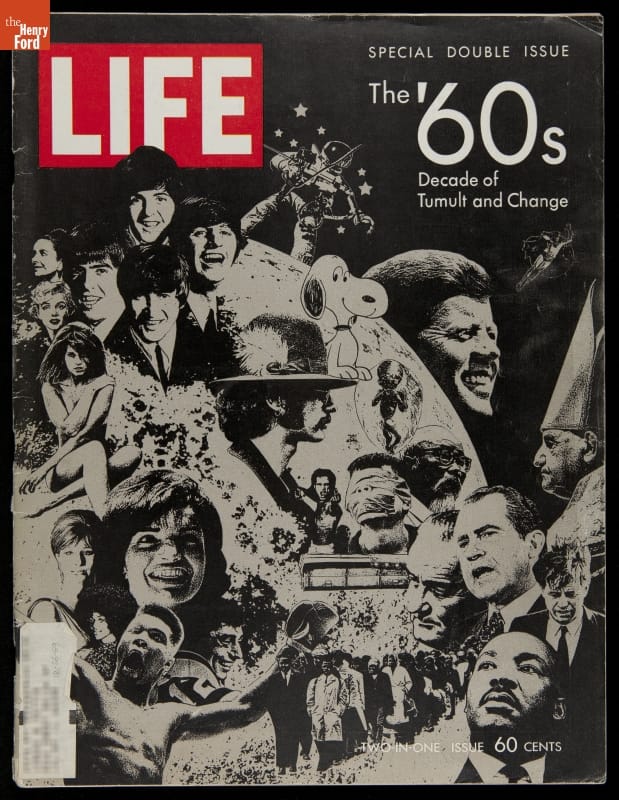
- Life Magazine for December 26, 1969, "The '60s. Decade of Tumult and Change" - Portraits of slain President John F. Kennedy and former first lady, Jacqueline Kennedy Onassis feature prominently among this collage of highlights for the 1960s decade on the cover of <EM>Life</EM> magazine. Kennedy's portrait juxtaposed next to a photo of the moon pays homage to one of the president's legacies--greatly increasing support for NASA to land a man on the moon.
- December 26, 1969
- Collections - Artifact
Life Magazine for December 26, 1969, "The '60s. Decade of Tumult and Change"
Portraits of slain President John F. Kennedy and former first lady, Jacqueline Kennedy Onassis feature prominently among this collage of highlights for the 1960s decade on the cover of Life magazine. Kennedy's portrait juxtaposed next to a photo of the moon pays homage to one of the president's legacies--greatly increasing support for NASA to land a man on the moon.
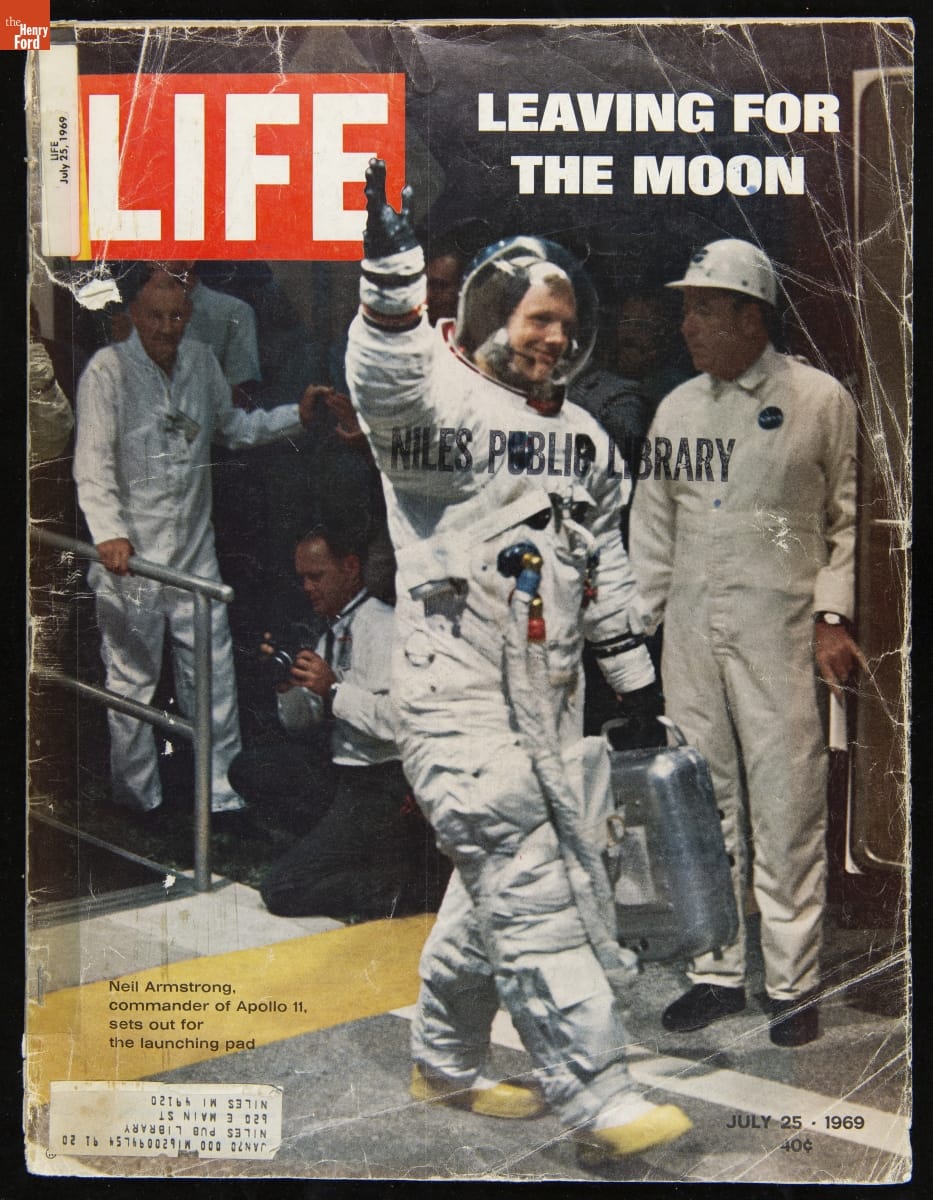
- Life Magazine, "Leaving for the Moon," July 25, 1969 - In July 1969, the ambitious plan to land a person on the Moon--laid out by President John F. Kennedy less than a decade earlier--neared reality. Americans eagerly anticipated the Apollo 11 mission, during which astronauts would walk on the Moon. <em>Life</em> magazine produced several issues before and after the event to keep the public informed on this historic undertaking.
- July 25, 1969
- Collections - Artifact
Life Magazine, "Leaving for the Moon," July 25, 1969
In July 1969, the ambitious plan to land a person on the Moon--laid out by President John F. Kennedy less than a decade earlier--neared reality. Americans eagerly anticipated the Apollo 11 mission, during which astronauts would walk on the Moon. Life magazine produced several issues before and after the event to keep the public informed on this historic undertaking.
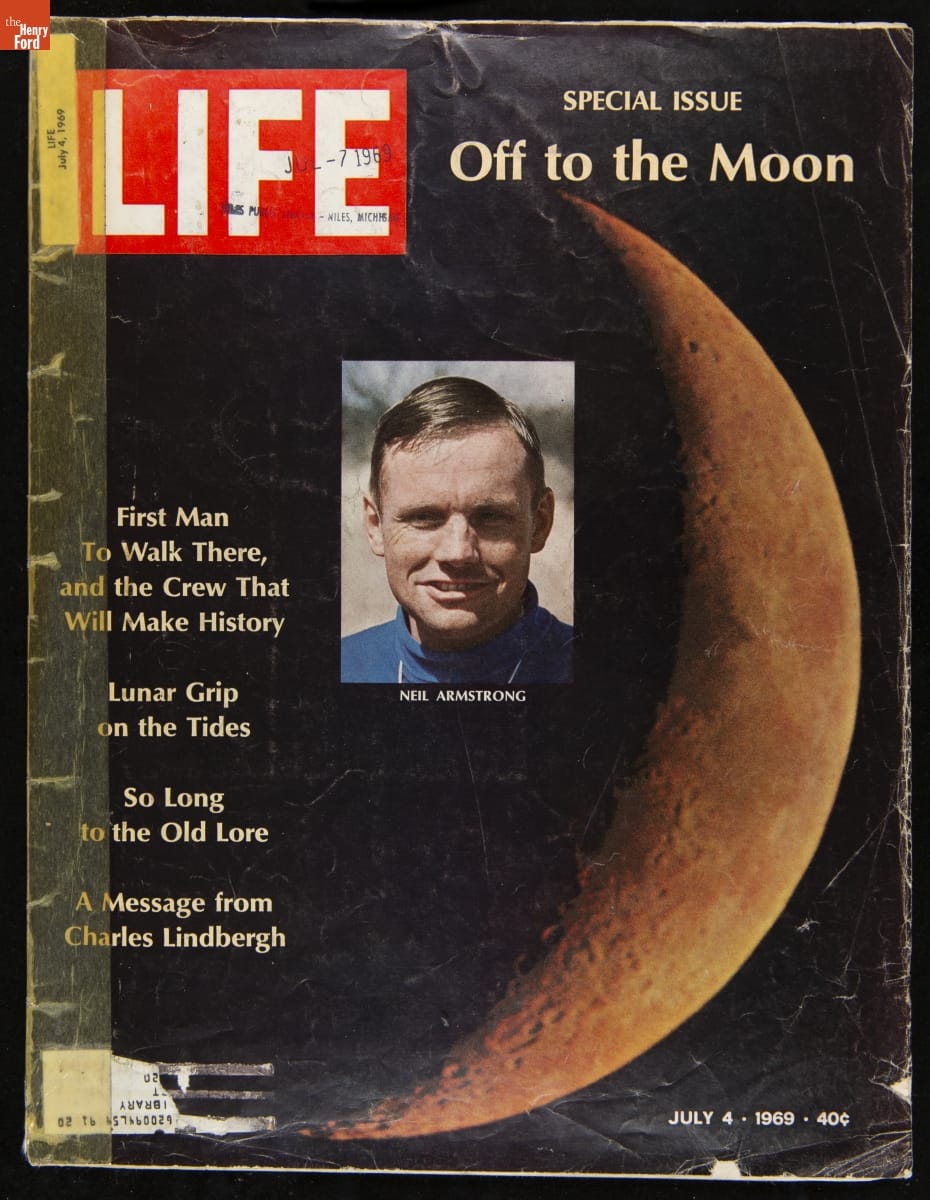
- Life Magazine Special Issue, "Off to the Moon," July 4, 1969 - In July 1969, the ambitious plan to land a person on the Moon--laid out by President John F. Kennedy less than a decade earlier--neared reality. Americans eagerly anticipated the Apollo 11 mission, during which astronauts would walk on the Moon. <em>Life</em> magazine produced several issues before and after the event to keep the public informed on this historic undertaking.
- July 04, 1969
- Collections - Artifact
Life Magazine Special Issue, "Off to the Moon," July 4, 1969
In July 1969, the ambitious plan to land a person on the Moon--laid out by President John F. Kennedy less than a decade earlier--neared reality. Americans eagerly anticipated the Apollo 11 mission, during which astronauts would walk on the Moon. Life magazine produced several issues before and after the event to keep the public informed on this historic undertaking.
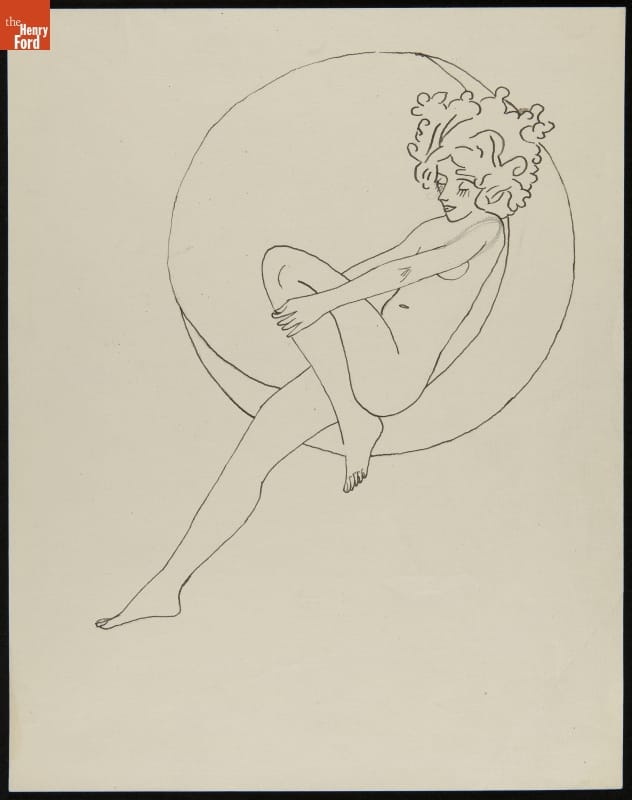
- Tattoo Sketch, 1915-1950 - Tattoos communicate stories. Their content ranges from deeply personal and traditional--to regrettable and frivolous. In the early 1900s, "Professor" Waters apprenticed as a tattoo artist in carnivals and New York's Bowery District. He ran a successful supply shop in Detroit (1918-1939), patenting the standard "two-coil" tattoo machine in 1929. Designs from his flash sheets continue to inspire tattooists today.
- 1915-1950
- Collections - Artifact
Tattoo Sketch, 1915-1950
Tattoos communicate stories. Their content ranges from deeply personal and traditional--to regrettable and frivolous. In the early 1900s, "Professor" Waters apprenticed as a tattoo artist in carnivals and New York's Bowery District. He ran a successful supply shop in Detroit (1918-1939), patenting the standard "two-coil" tattoo machine in 1929. Designs from his flash sheets continue to inspire tattooists today.
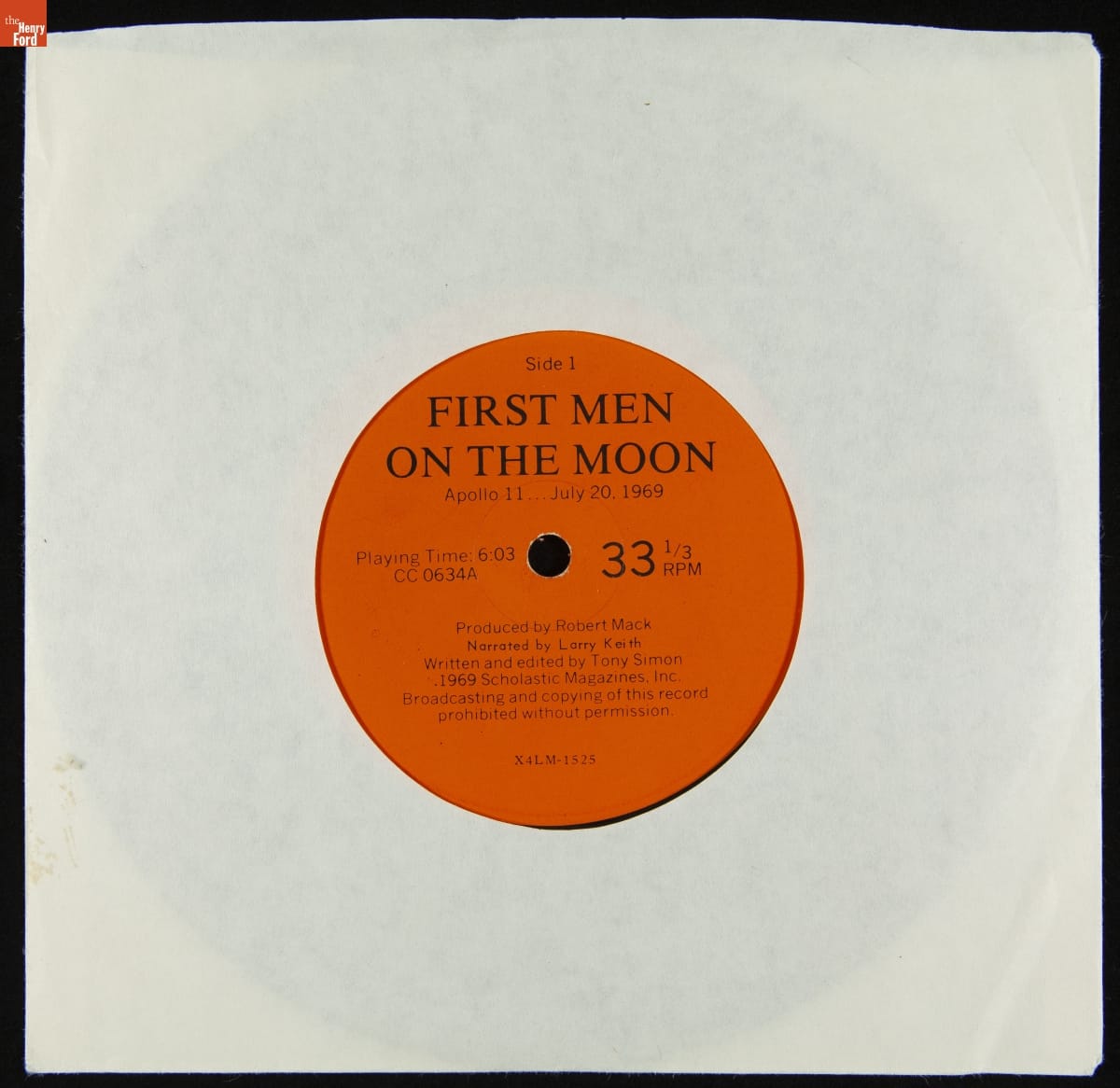
- Record Album, "First Men on the Moon," 1969 - Scholastic Magazines, Inc., a well-respected educational publisher founded in the 1920s, produced this documentary record commemorating the 1969 Apollo 11 Moon landing. The album uses narration and excerpts from official NASA transcripts to recreate this significant event. The Scholastic company also produced a poster with space imagery and the album's text on the back so young readers could follow along.
- 1969
- Collections - Artifact
Record Album, "First Men on the Moon," 1969
Scholastic Magazines, Inc., a well-respected educational publisher founded in the 1920s, produced this documentary record commemorating the 1969 Apollo 11 Moon landing. The album uses narration and excerpts from official NASA transcripts to recreate this significant event. The Scholastic company also produced a poster with space imagery and the album's text on the back so young readers could follow along.
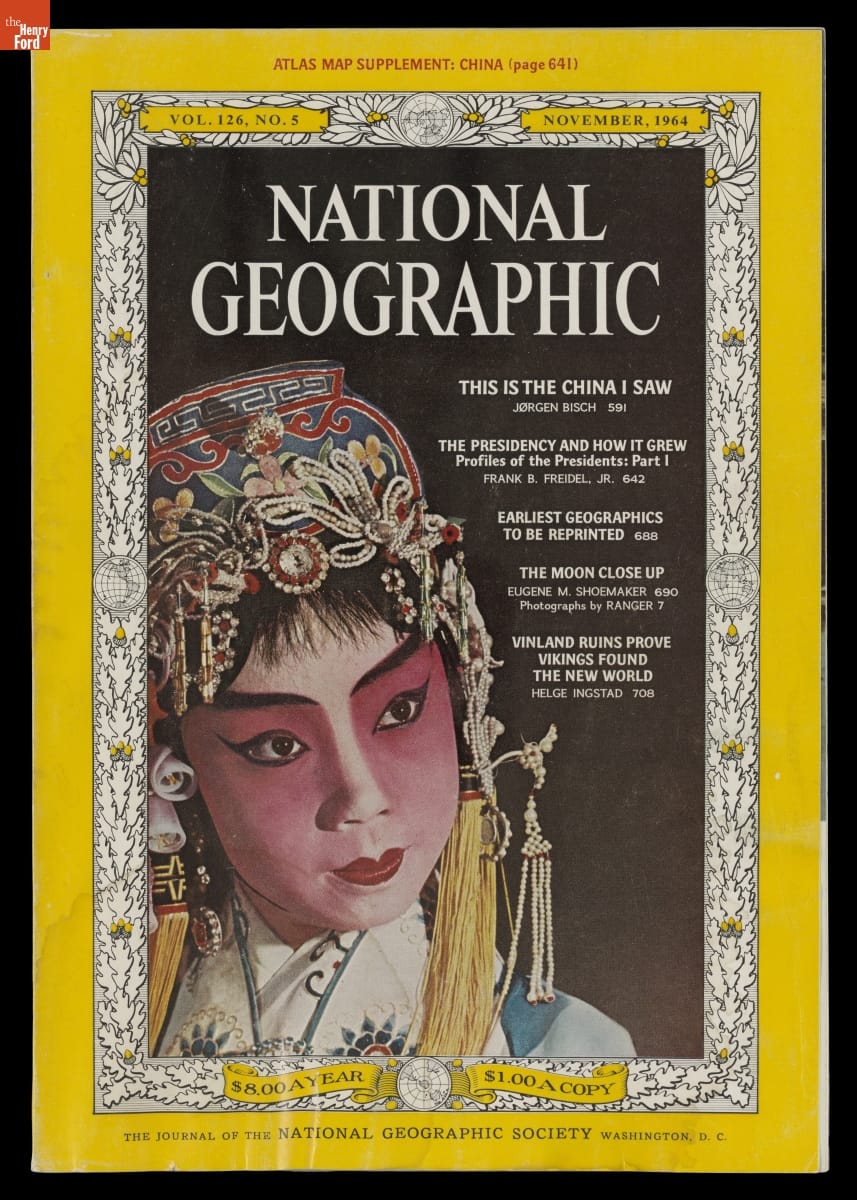
- "National Geographic," Vol. 126, No. 5, November 1964 - The National Geographic Society published the first issue of its magazine in the fall of 1888, within a year of its founding. <i>National Geographic</i>, initially a scholarly magazine for the Society's members, would not include a photograph in its pages until 1905; its distinctive yellow border would not appear until 1910. By 2024, more than one-and-a-half million subscribers received a digital or print version.
- November 01, 1964
- Collections - Artifact
"National Geographic," Vol. 126, No. 5, November 1964
The National Geographic Society published the first issue of its magazine in the fall of 1888, within a year of its founding. National Geographic, initially a scholarly magazine for the Society's members, would not include a photograph in its pages until 1905; its distinctive yellow border would not appear until 1910. By 2024, more than one-and-a-half million subscribers received a digital or print version.