
Search
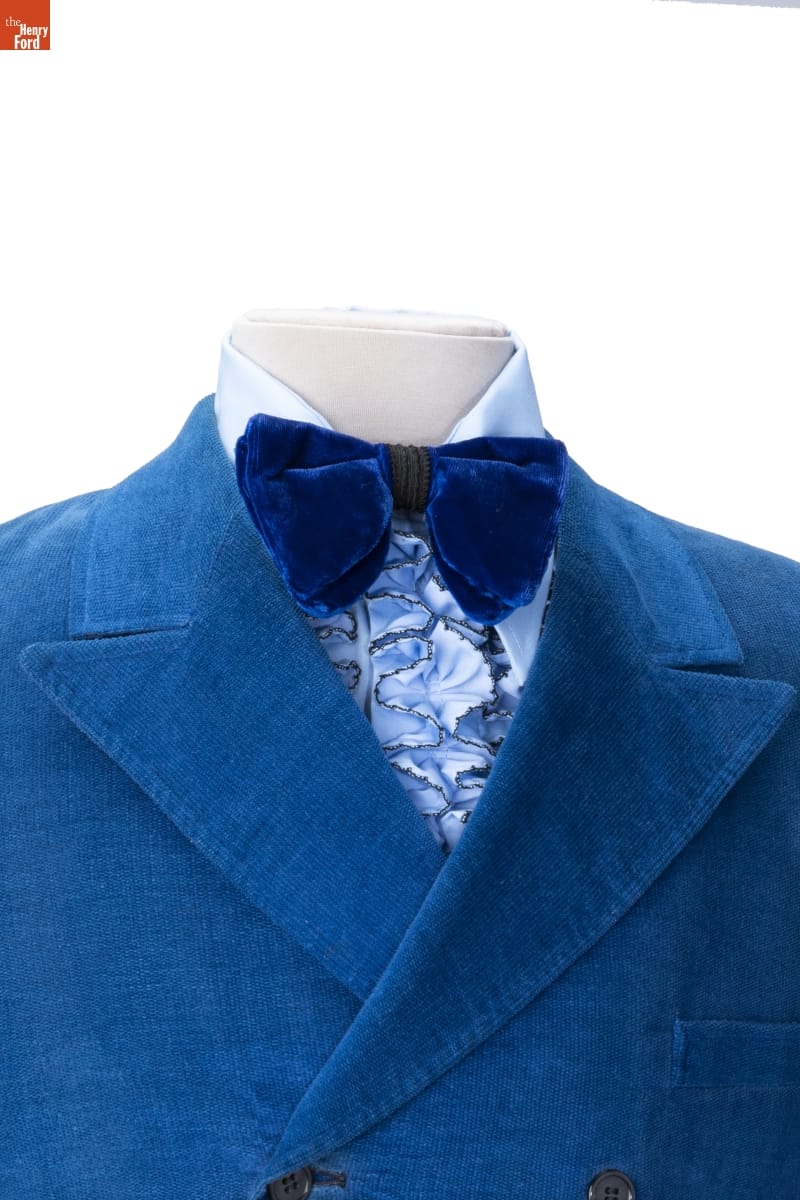
- Clip-On Bow Tie, Worn by John "Jack" Krygier to His Wedding at the Martha-Mary Chapel in 1973 -
- 1973
- Collections - Artifact
Clip-On Bow Tie, Worn by John "Jack" Krygier to His Wedding at the Martha-Mary Chapel in 1973
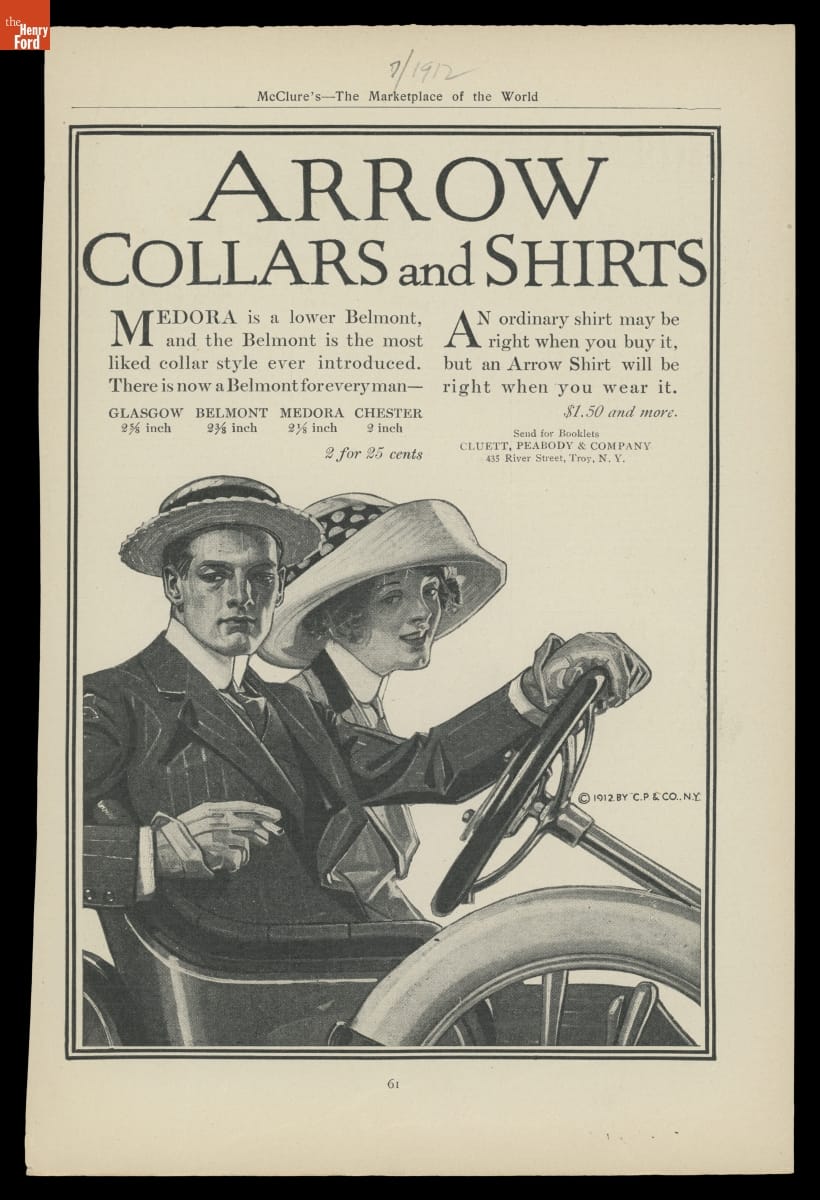
- "Arrow Collars and Shirts," Advertisement from Collier's Magazine, 1912 - Commercial illustrator J.C. Leyendecker (1874-1951) produced illustrations of handsome men who exuded style and sophistication for a long-running campaign advertising Cluett Peabody & Co.'s line of Arrow brand shirts, collars, and cuffs. These popular images, known collectively as the Arrow Collar Man, became a cultural phenomenon that set a new standard for men’s fashion and beauty.
- circa 1912
- Collections - Artifact
"Arrow Collars and Shirts," Advertisement from Collier's Magazine, 1912
Commercial illustrator J.C. Leyendecker (1874-1951) produced illustrations of handsome men who exuded style and sophistication for a long-running campaign advertising Cluett Peabody & Co.'s line of Arrow brand shirts, collars, and cuffs. These popular images, known collectively as the Arrow Collar Man, became a cultural phenomenon that set a new standard for men’s fashion and beauty.
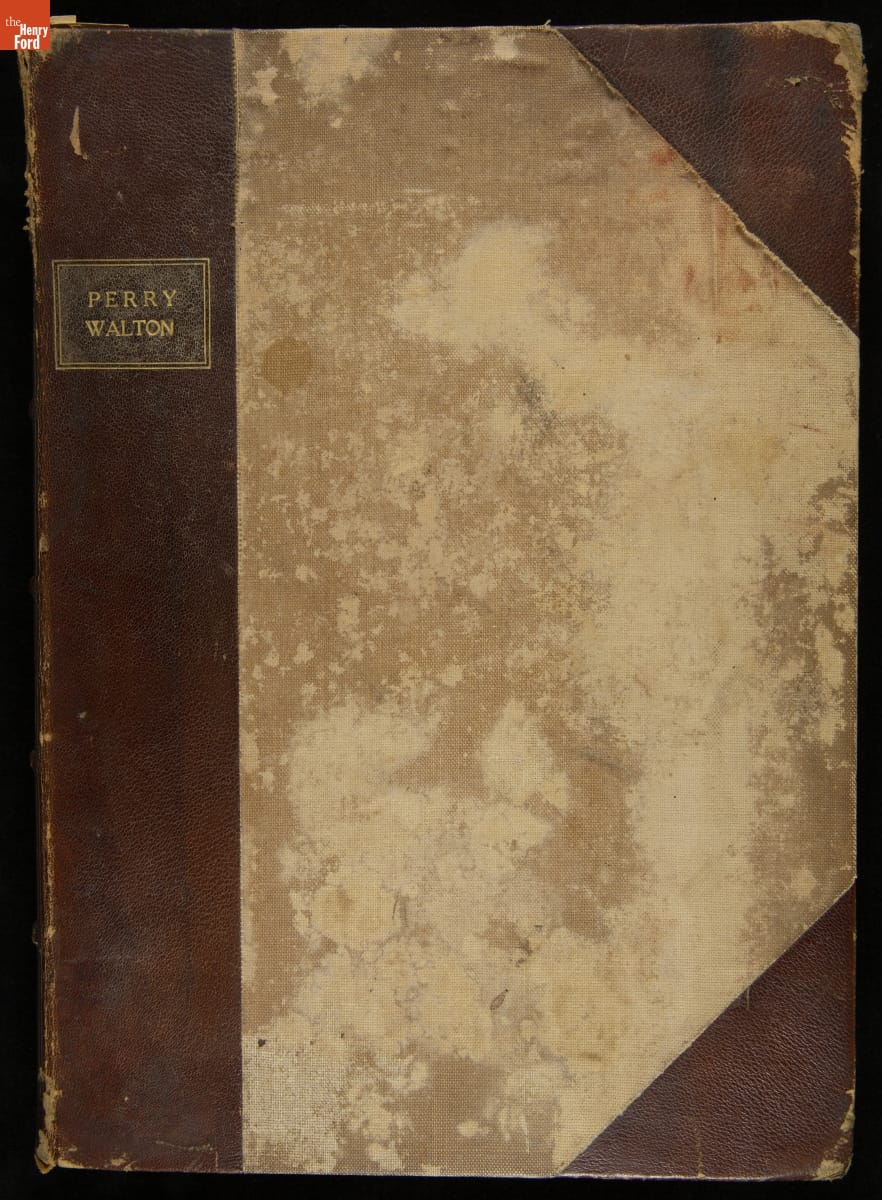
- Collier's, Volume XL, January 4-June 27, 1908 -
- 04 January 1908-27 June 1908
- Collections - Artifact
Collier's, Volume XL, January 4-June 27, 1908
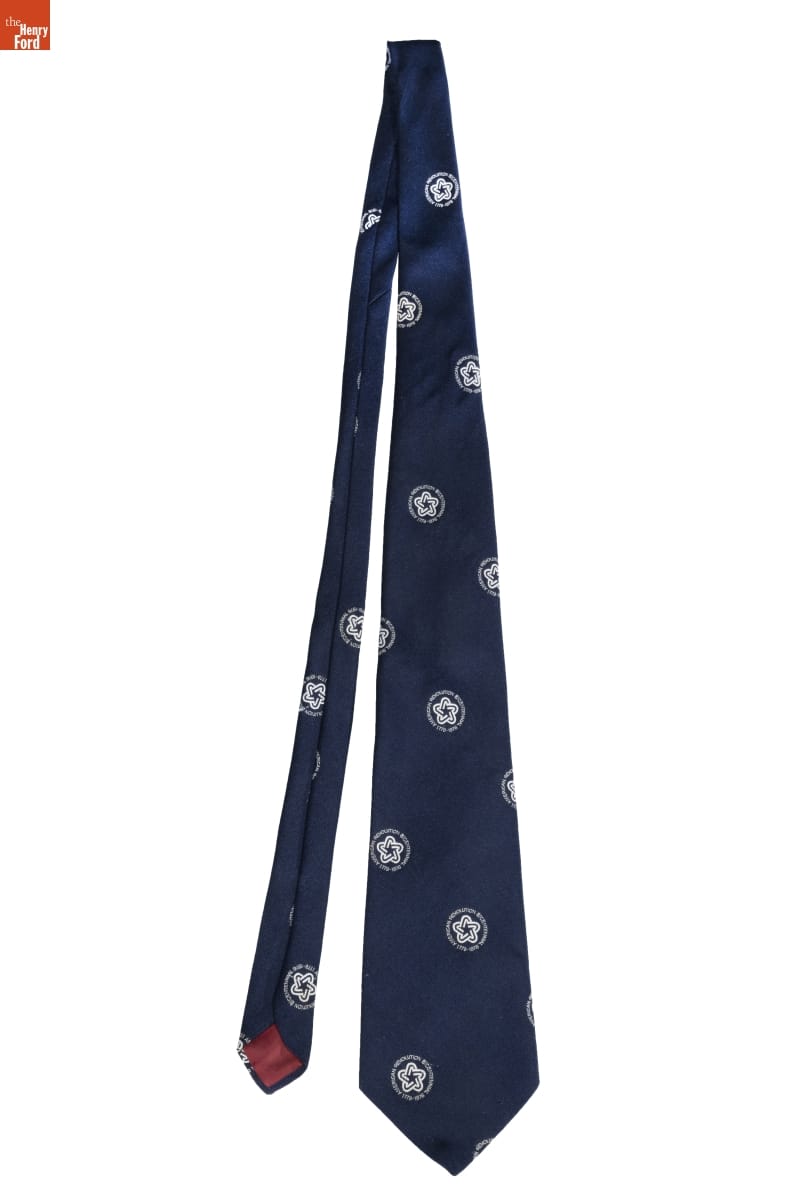
- American Bicentennial Tie, Worn by Rudy Ruzicska, 1975-1976 -
- 1975-1976
- Collections - Artifact
American Bicentennial Tie, Worn by Rudy Ruzicska, 1975-1976
- Sweater, 1960-1970 -
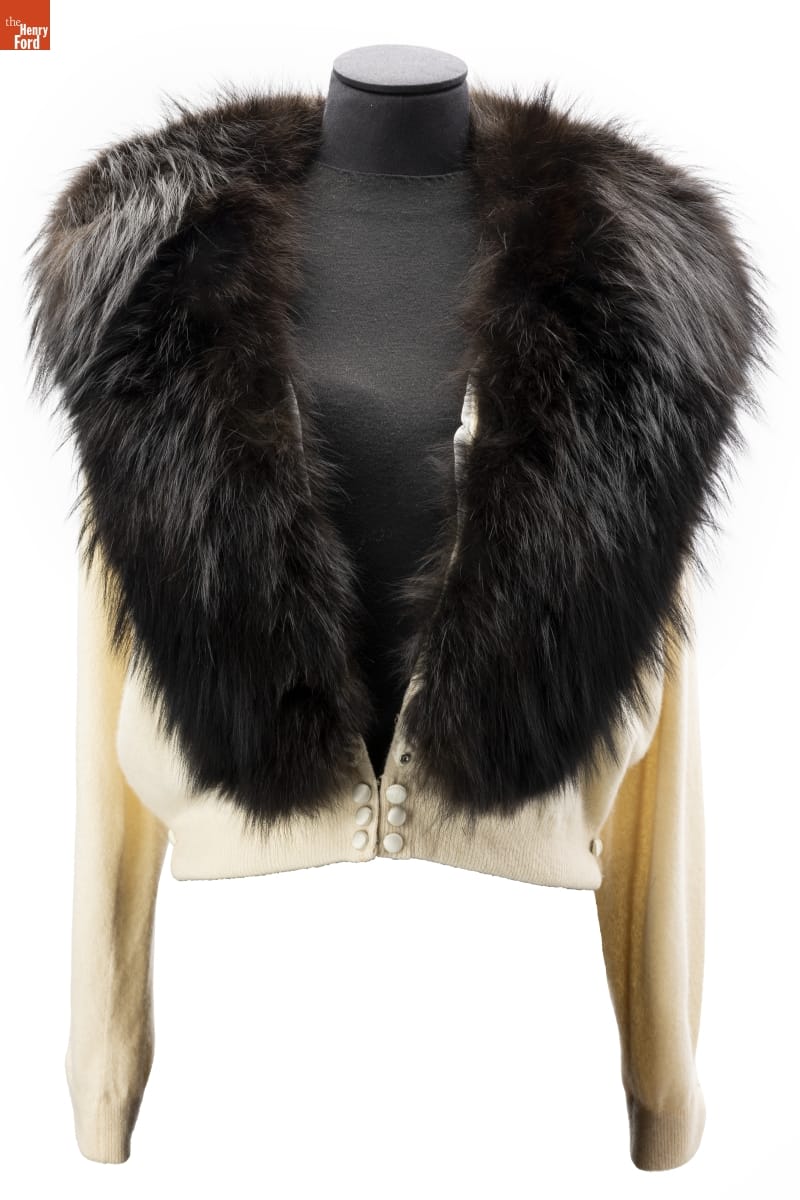
- 1960-1970
- Collections - Artifact
Sweater, 1960-1970
- Trade Card for Celluloid Collars and Cuffs, Celluloid Co., 1870-1890 - In the last third of the nineteenth century, an unprecedented variety of consumer goods and services flooded the American market. Advertisers, armed with new methods of color printing, bombarded potential customers with trade cards. Americans enjoyed and often saved the vibrant little advertisements found in product packages or distributed by local merchants. Many survive as historical records of commercialism in the United States.
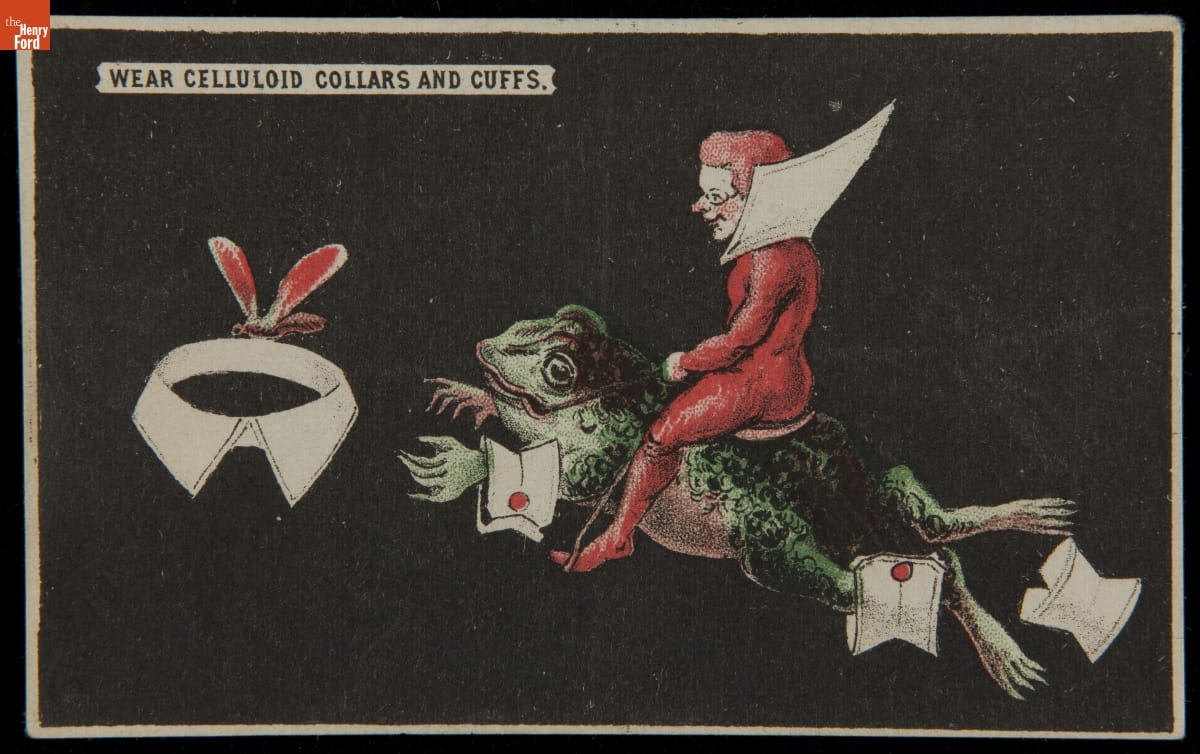
- 1870-1890
- Collections - Artifact
Trade Card for Celluloid Collars and Cuffs, Celluloid Co., 1870-1890
In the last third of the nineteenth century, an unprecedented variety of consumer goods and services flooded the American market. Advertisers, armed with new methods of color printing, bombarded potential customers with trade cards. Americans enjoyed and often saved the vibrant little advertisements found in product packages or distributed by local merchants. Many survive as historical records of commercialism in the United States.
- Necktie, Designed by Alexander Girard for Herman Miller, 1952-1973 - Alexander Girard humanized modernism through his colorful and whimsical textile, furniture, graphic, and interior designs. As the Director of Design in Herman Miller's Textile Division from 1952 until 1973, Girard designed over 300 textiles, often using bold color combinations and abstract patterns. Girard also designed a series of silk neckties, most likely as a giveaway to the Herman Miller salesforce.
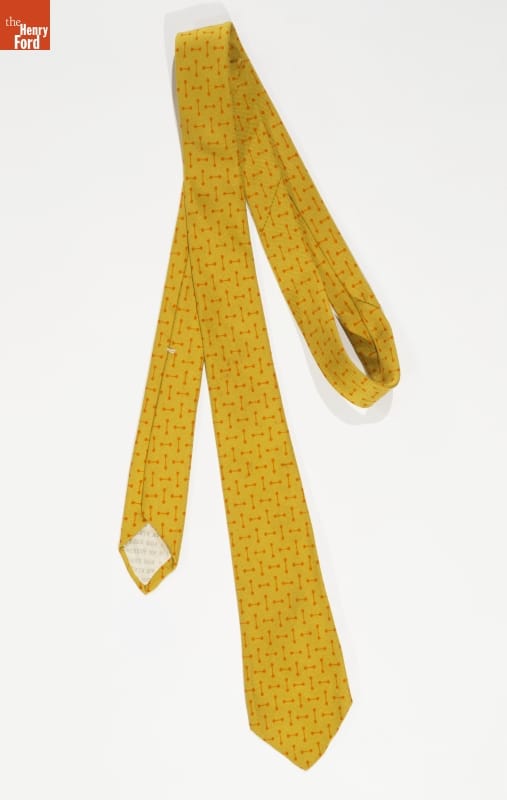
- 1952-1973
- Collections - Artifact
Necktie, Designed by Alexander Girard for Herman Miller, 1952-1973
Alexander Girard humanized modernism through his colorful and whimsical textile, furniture, graphic, and interior designs. As the Director of Design in Herman Miller's Textile Division from 1952 until 1973, Girard designed over 300 textiles, often using bold color combinations and abstract patterns. Girard also designed a series of silk neckties, most likely as a giveaway to the Herman Miller salesforce.
- Necktie, 1948-1950 -
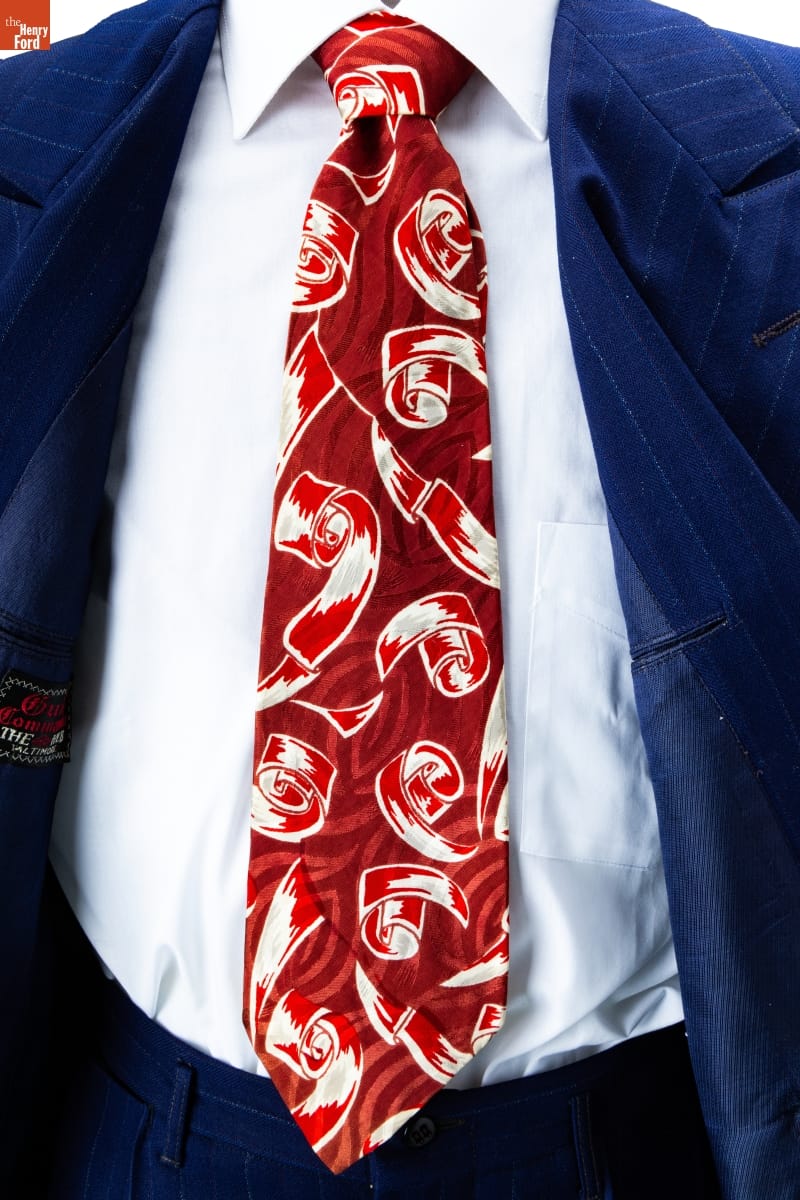
- 1948-1950
- Collections - Artifact
Necktie, 1948-1950
- Necktie, Designed by Alexander Girard for Herman Miller, 1952-1973 - Alexander Girard humanized modernism through his colorful and whimsical textile, furniture, graphic, and interior designs. As the Director of Design in Herman Miller's Textile Division from 1952 until 1973, Girard designed over 300 textiles, often using bold color combinations and abstract patterns. Girard also designed a series of silk neckties, most likely as a giveaway to the Herman Miller salesforce.
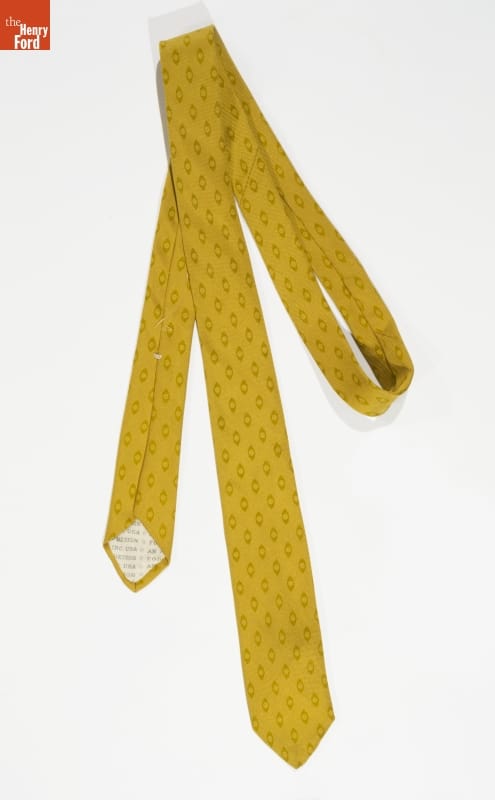
- 1952-1973
- Collections - Artifact
Necktie, Designed by Alexander Girard for Herman Miller, 1952-1973
Alexander Girard humanized modernism through his colorful and whimsical textile, furniture, graphic, and interior designs. As the Director of Design in Herman Miller's Textile Division from 1952 until 1973, Girard designed over 300 textiles, often using bold color combinations and abstract patterns. Girard also designed a series of silk neckties, most likely as a giveaway to the Herman Miller salesforce.
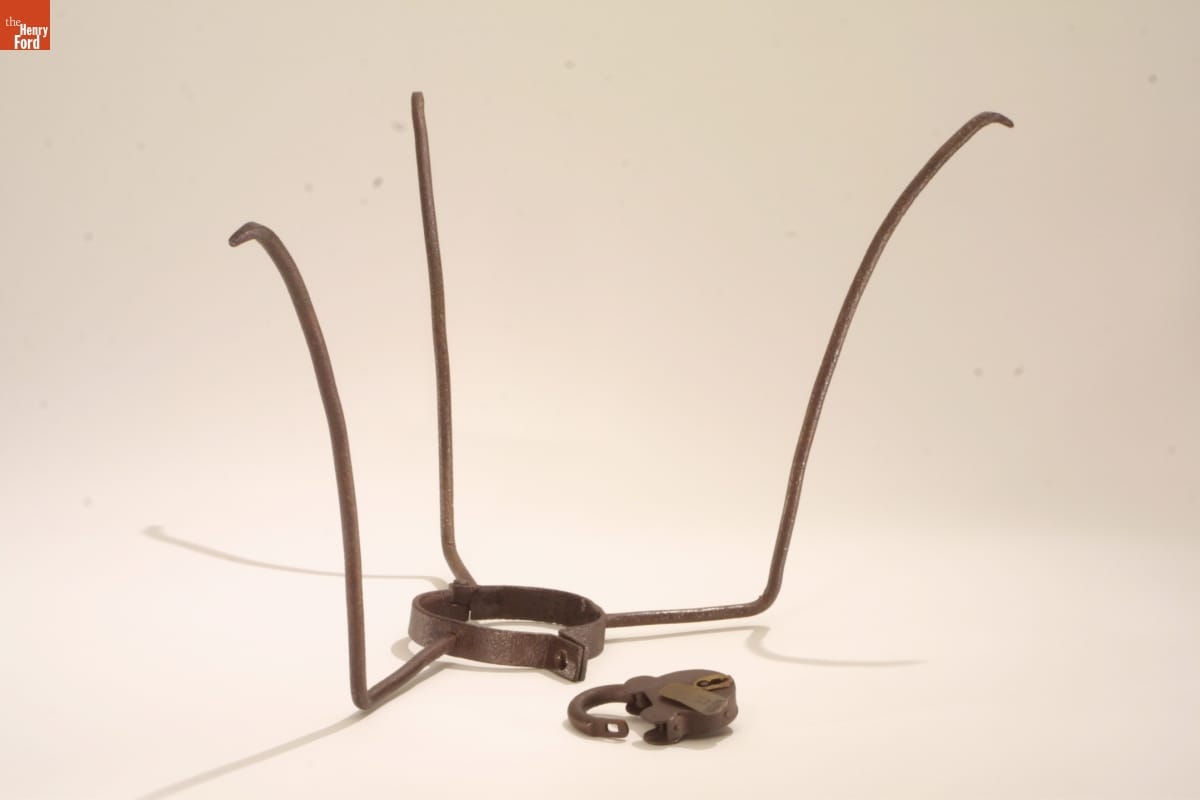
- Slave Collar, circa 1860 - The wealth and power of Southern plantation owners depended upon a large labor force of enslaved people. Slaves known for running away might have had to wear an iron collar like this, for punishment or to prevent them from running away again. The hooks caught on bushes or tree limbs, causing a violent jerking to the individual's head and neck.
- circa 1860
- Collections - Artifact
Slave Collar, circa 1860
The wealth and power of Southern plantation owners depended upon a large labor force of enslaved people. Slaves known for running away might have had to wear an iron collar like this, for punishment or to prevent them from running away again. The hooks caught on bushes or tree limbs, causing a violent jerking to the individual's head and neck.